Forecast Trend Report by Period



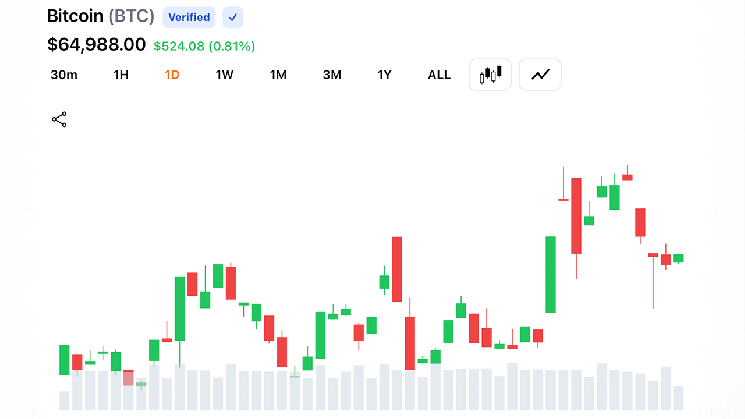
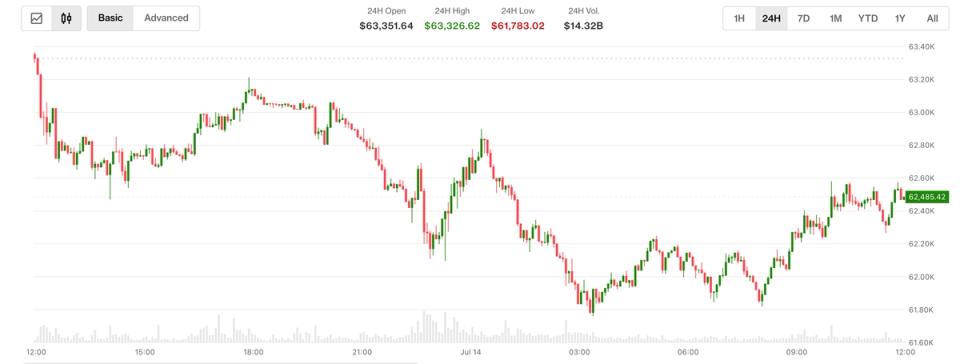
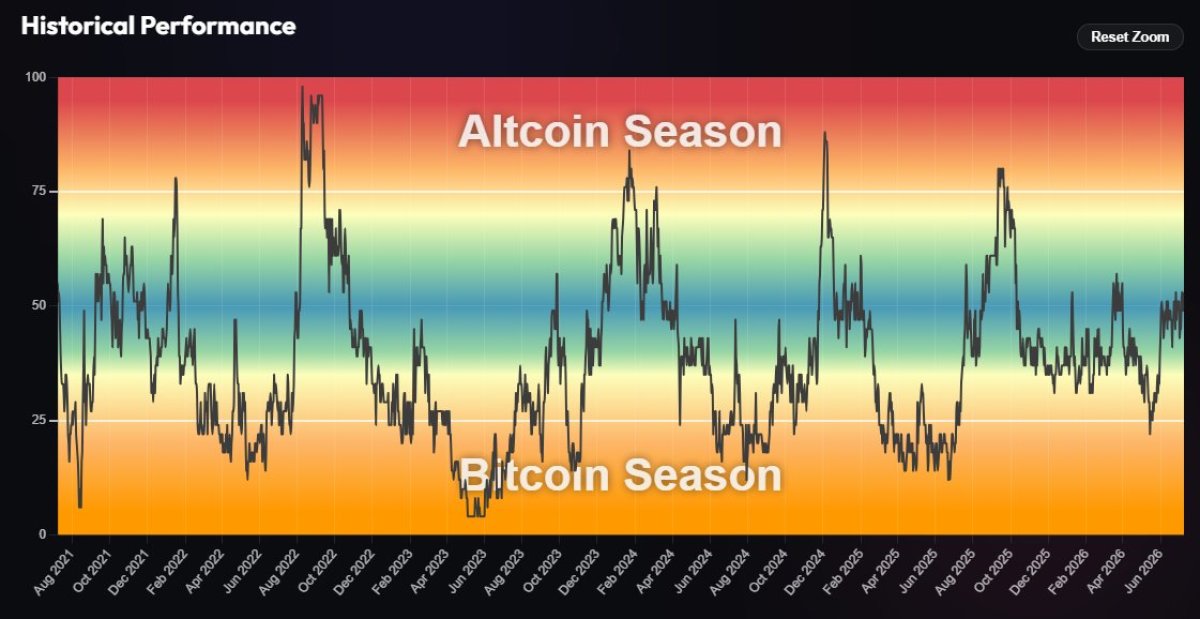
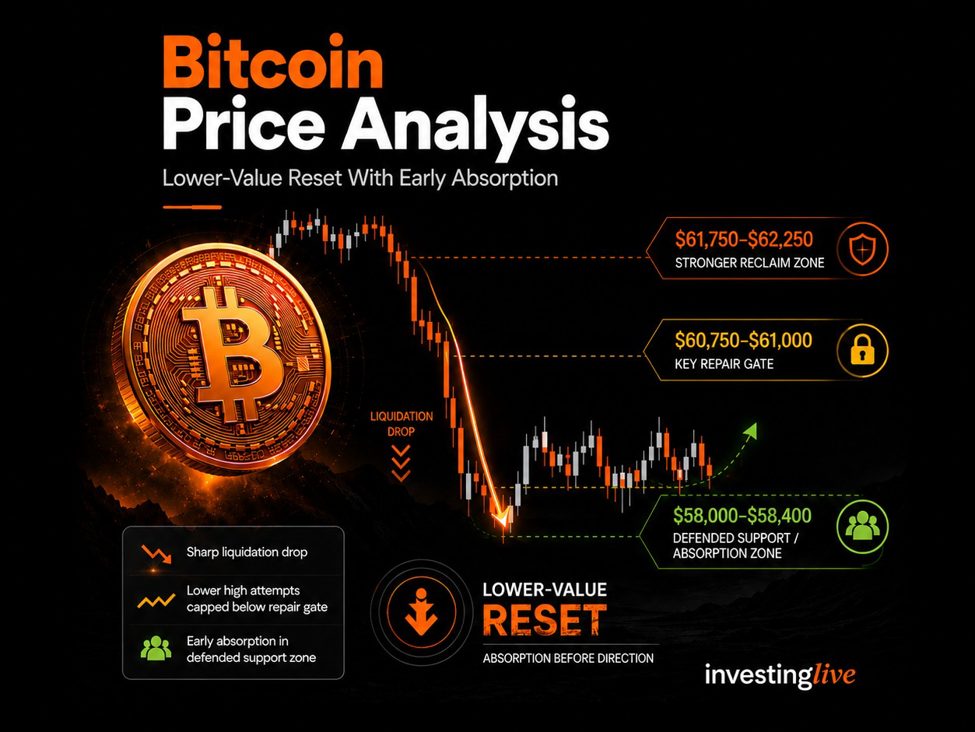
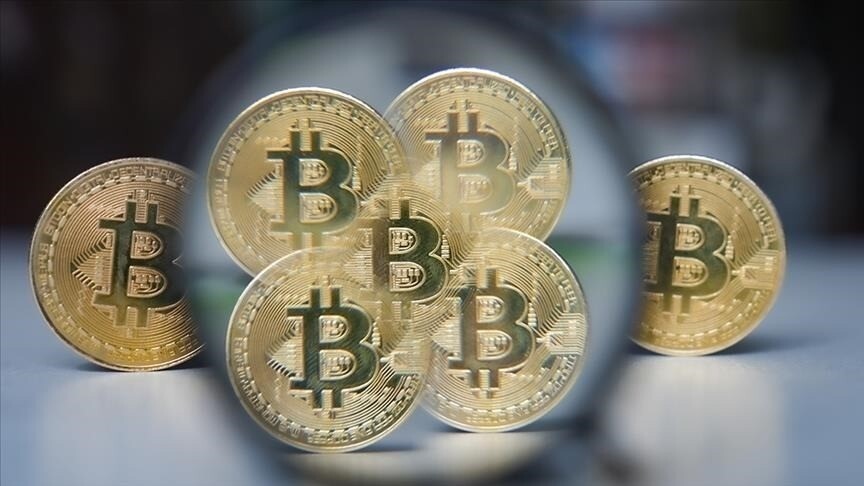
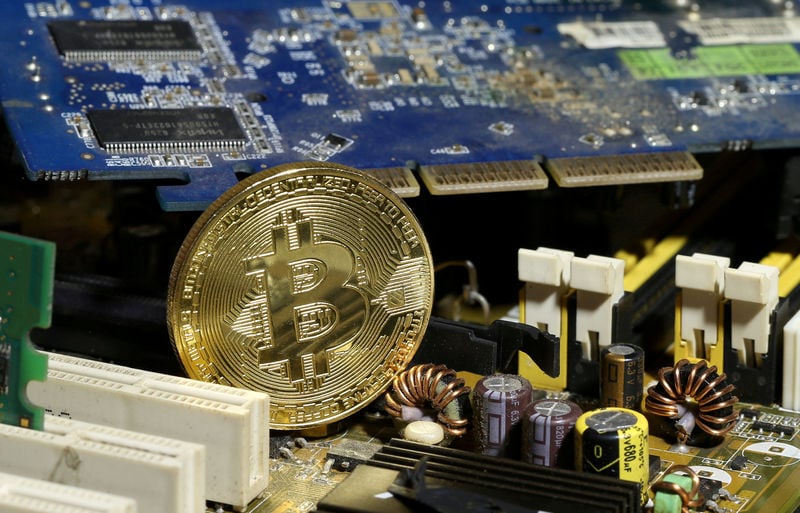
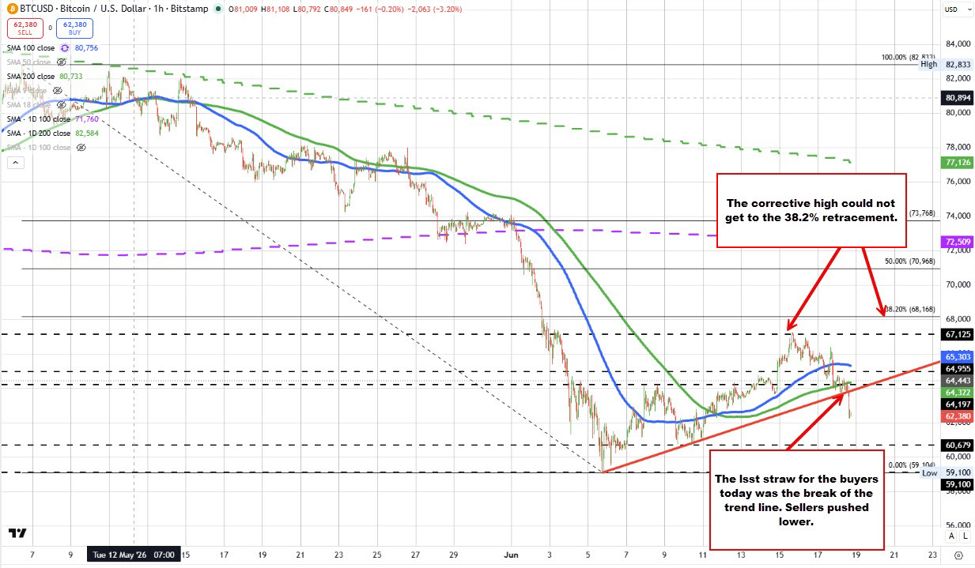
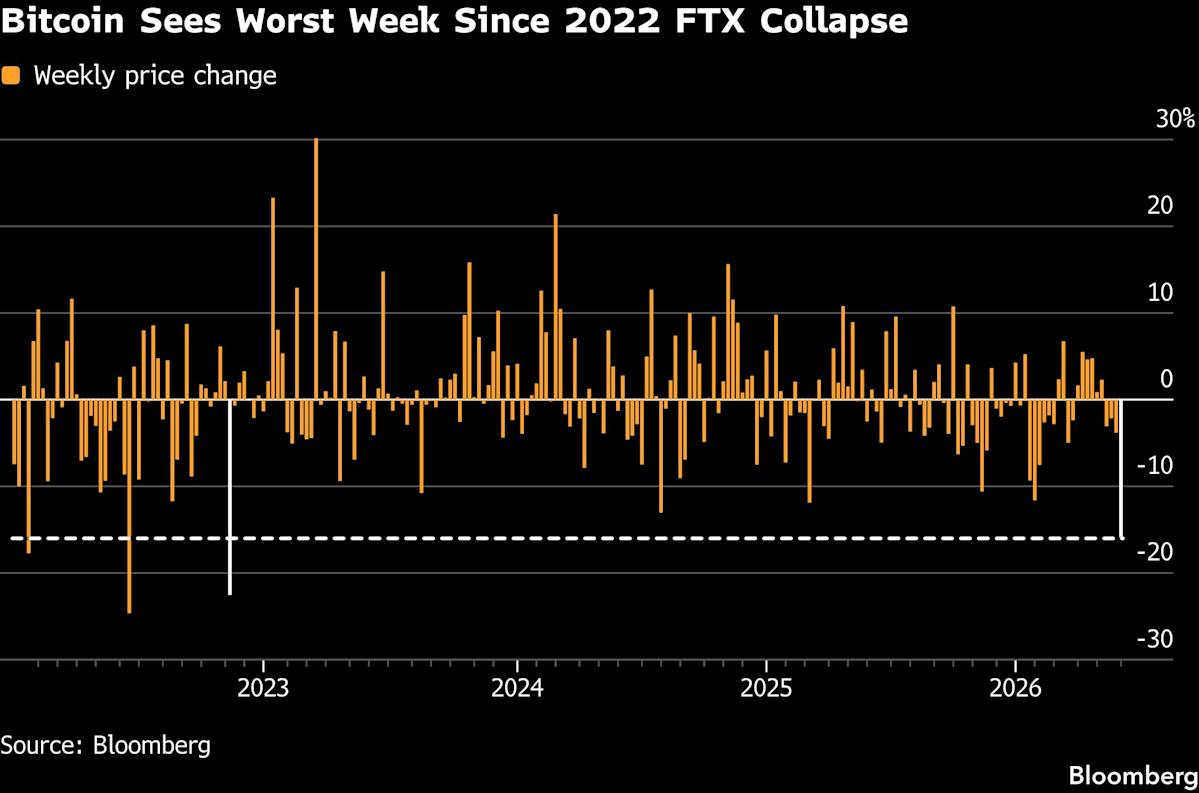
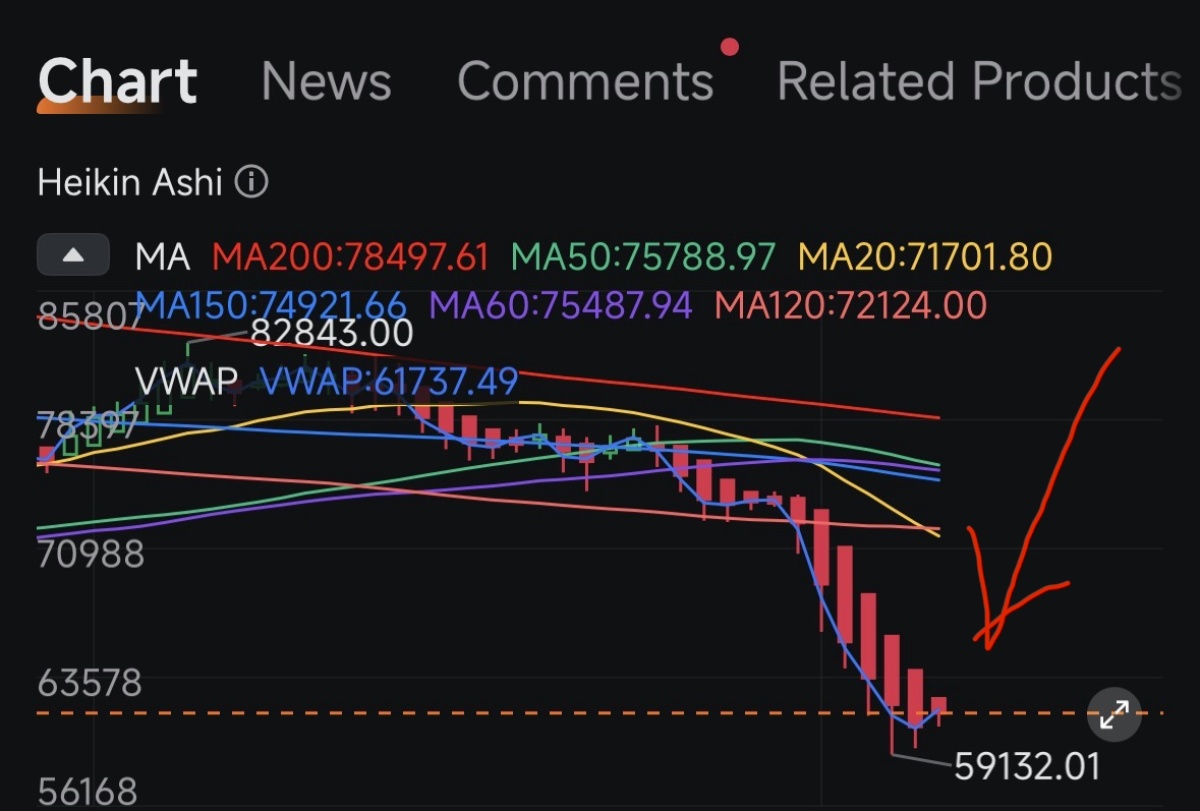
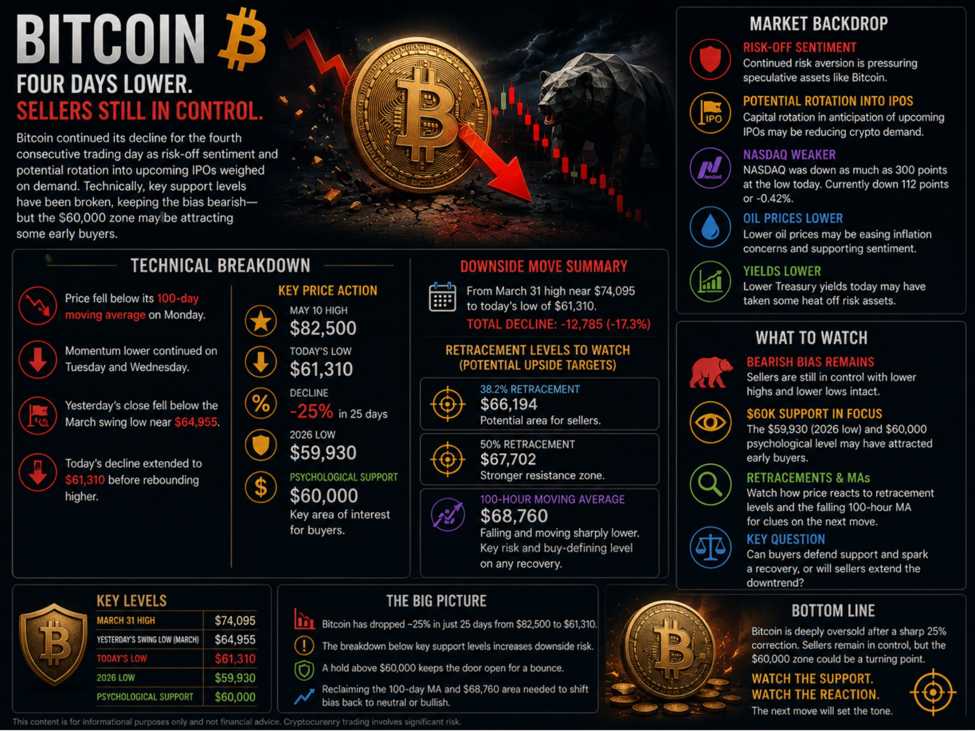
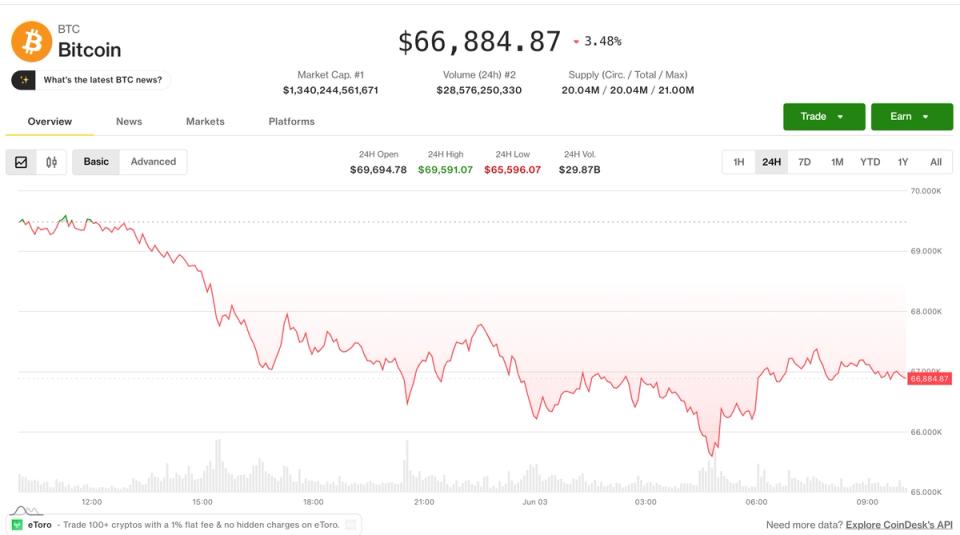
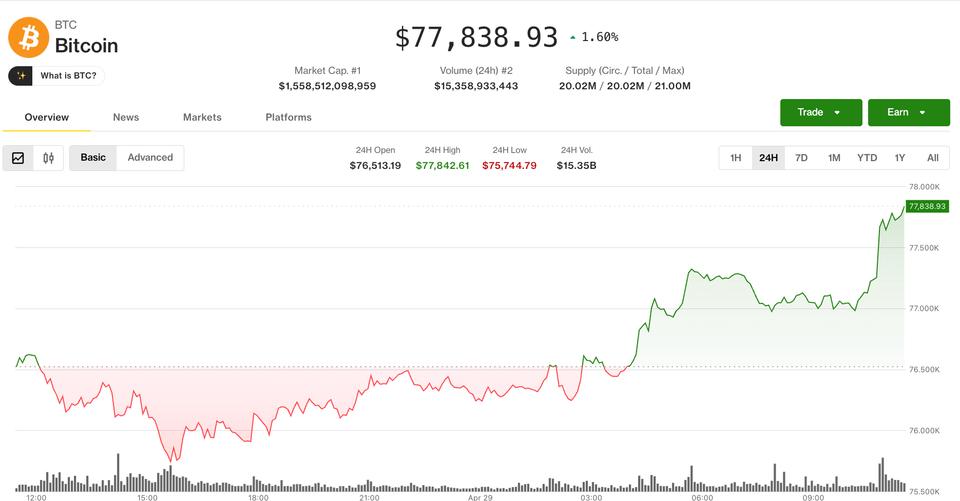
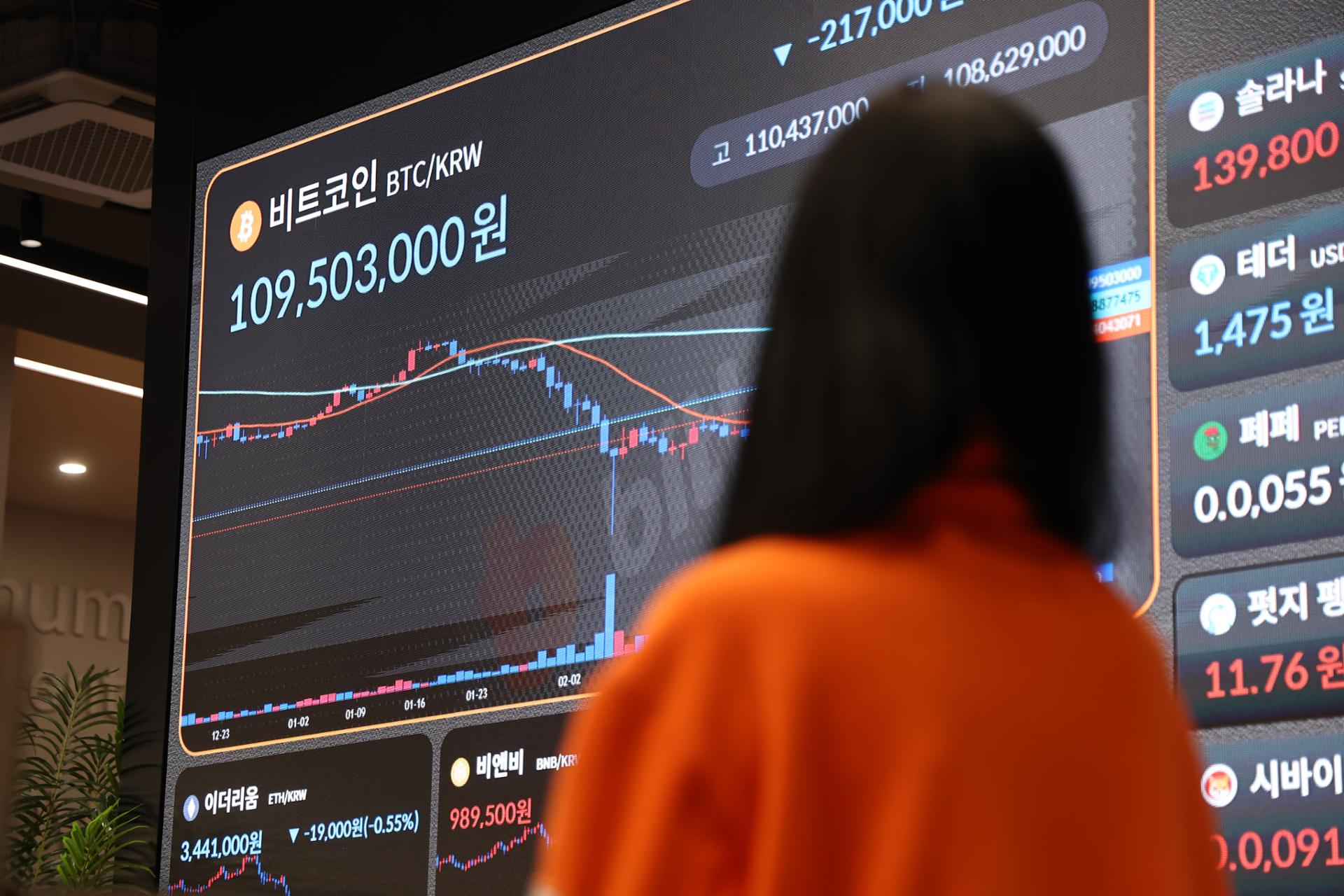
Bitcoin’s move back above $64,000 is prompting a short-term rebound attempt in altcoins. But buying has yet to spread across the broader market, with capital still concentrated in a limited number of tokens.
Altcoins Diverge Despite Bitcoin Rebound, While Memecoins Stay Under Pressure
Even with Bitcoin rebounding, the altcoin market showed little sign of a broad-based rally. A handful of projects posted double-digit gains, but plenty of tokens still fell, and memecoins remained broadly weak.
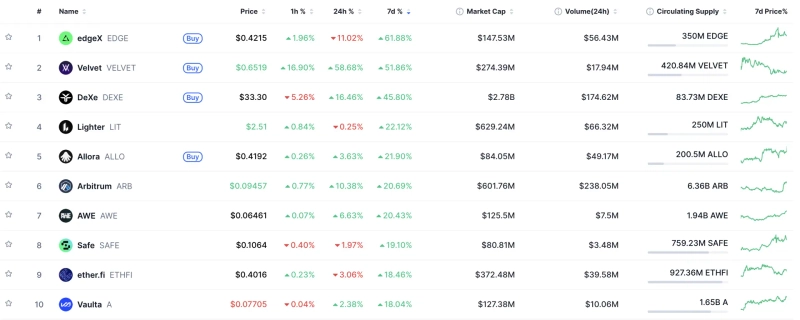
CoinMarketCap data on July 10 showed DEXE leading gains among top market-cap tokens over the past week with a 55.6% jump. ARB rose 18.5% after more than $70 million of Ether flowed into the Arbitrum-based Robinhood Chain within a week of its launch, drawing investor attention. ZEC gained 11.1% after news that mathematical verification for this month’s Ironwood update had entered its final stage. By contrast, M slumped 31.7% and BEAT lost 23.4%.
Among mid-cap tokens, VELVET rose 20.2%, LDO climbed 17.1%, KAITO advanced 15.3%, EIGEN gained 15.3% and APE added 12.3%. EIGEN’s rise appeared to be supported by a recent tokenomics overhaul and growth in total value locked, or TVL. LAB, meanwhile, plunged 84.2% after allegations of insider selling surfaced, marking the steepest decline across the market. Mid-cap tokens also showed sharp dispersion, reinforcing the selective tone.
Volatility was even more pronounced among small-cap tokens. REKT surged 81.7%, while SYN fell 32.3%, MAGMA dropped 31.3%, BAS lost 21.5% and BILL declined 15.8%. SYN had jumped 40% late last month after news emerged that BitMEX co-founder Arthur Hayes had bought the token, but the move has since given way to profit-taking. Even in small caps, gains were limited to a few names rather than spreading across the market.
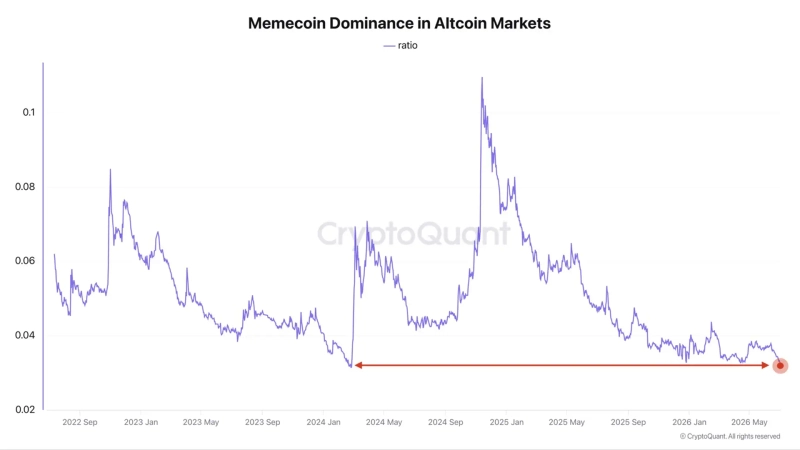
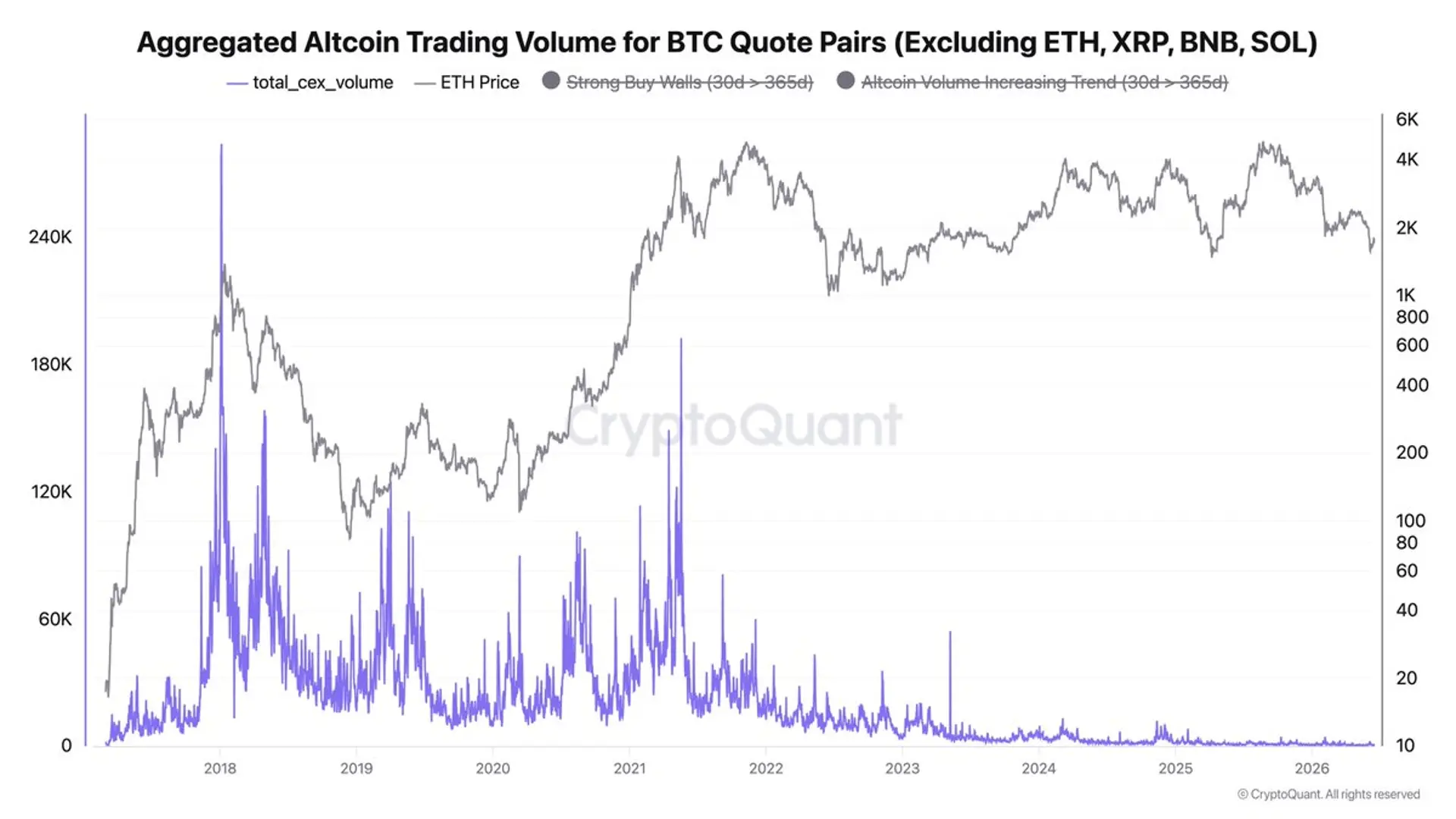
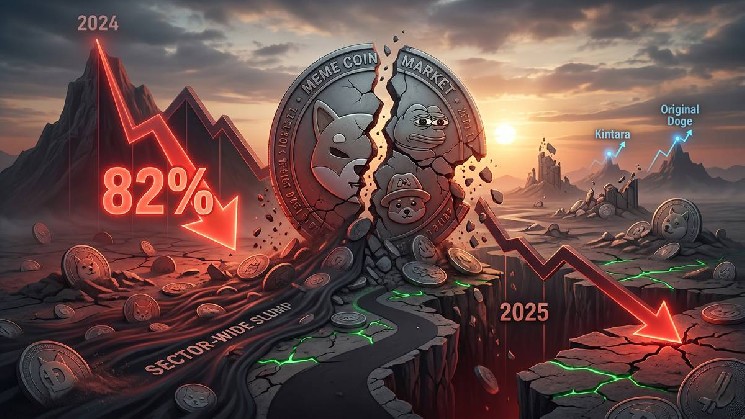
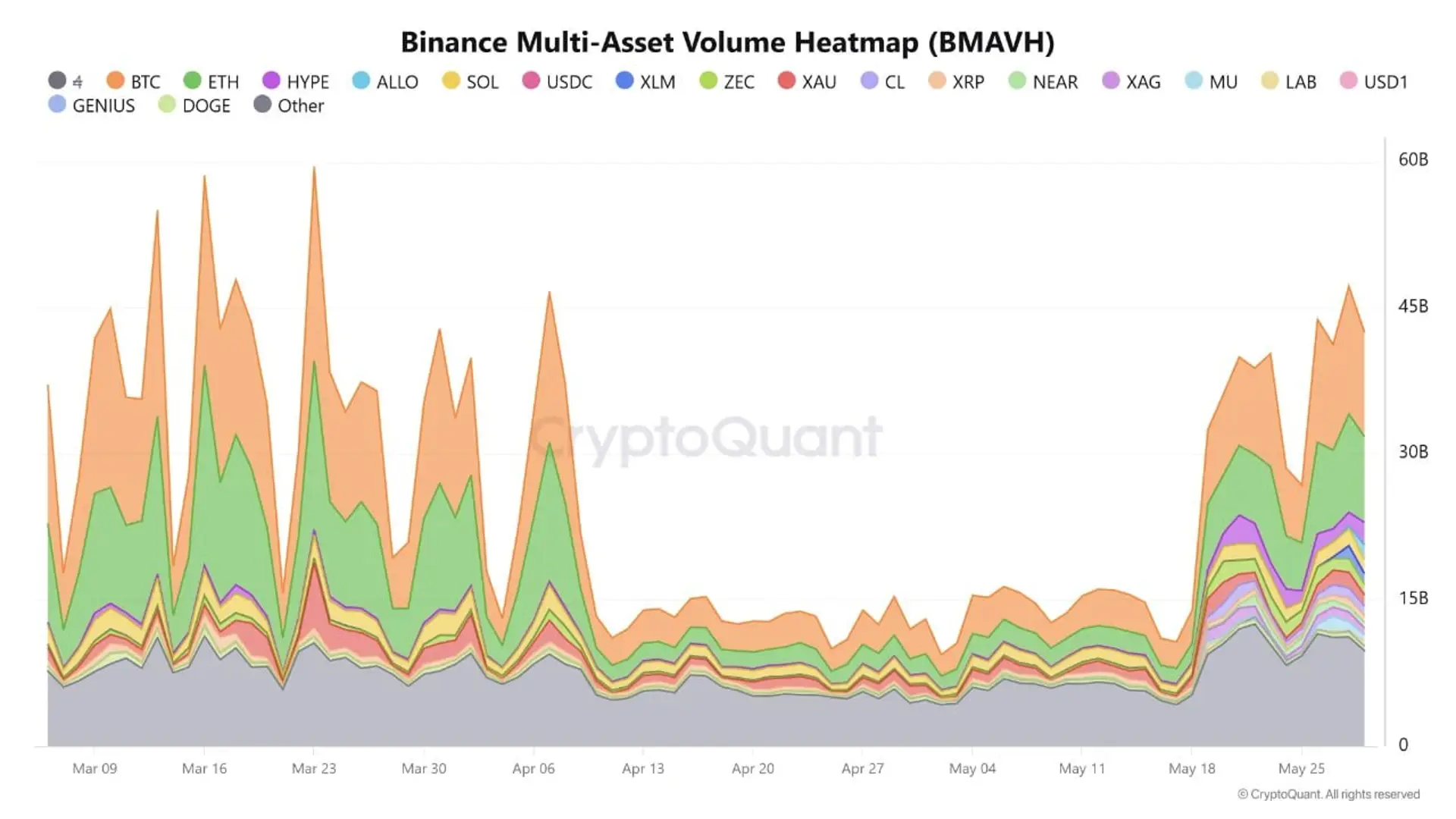
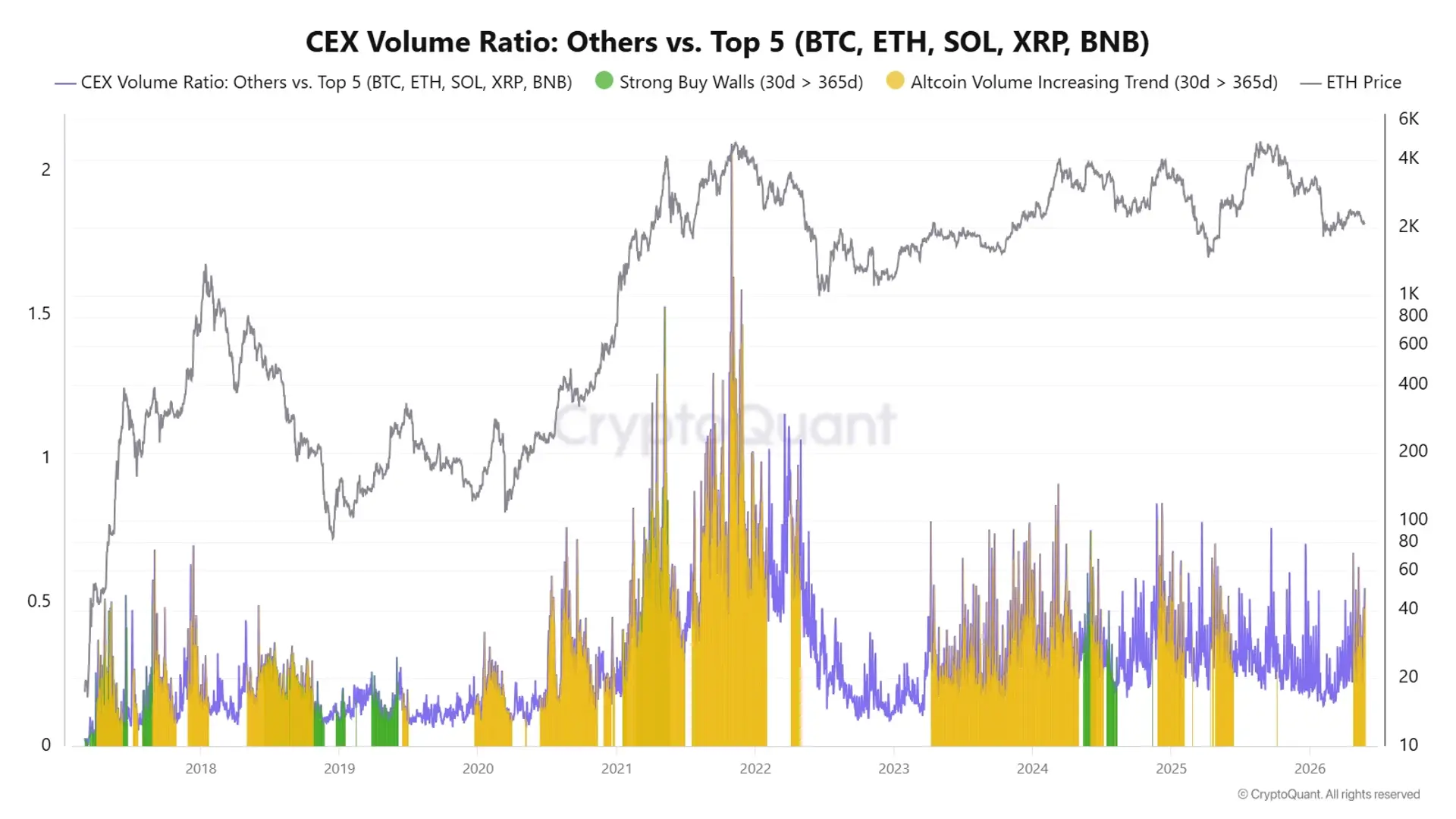
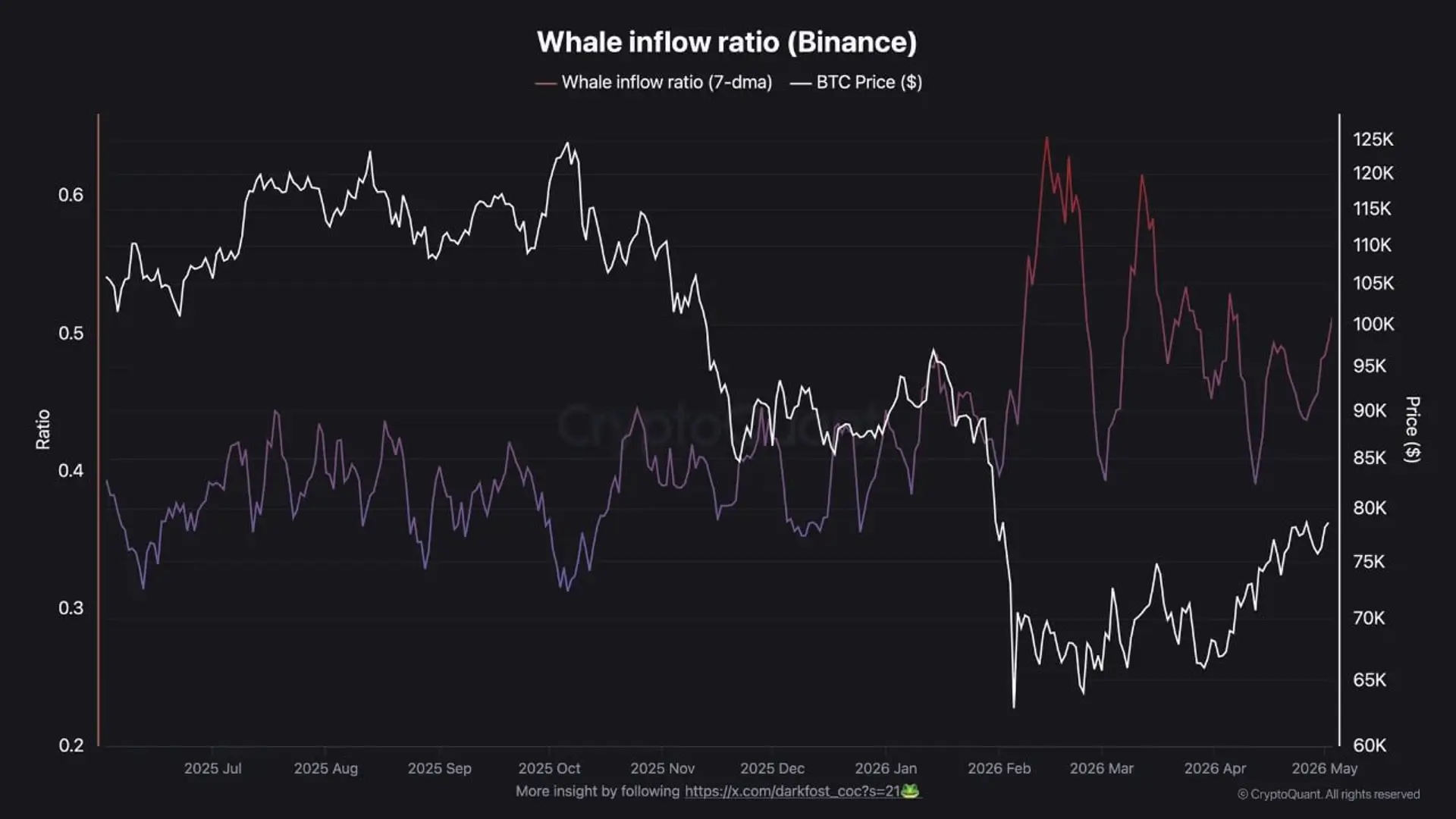
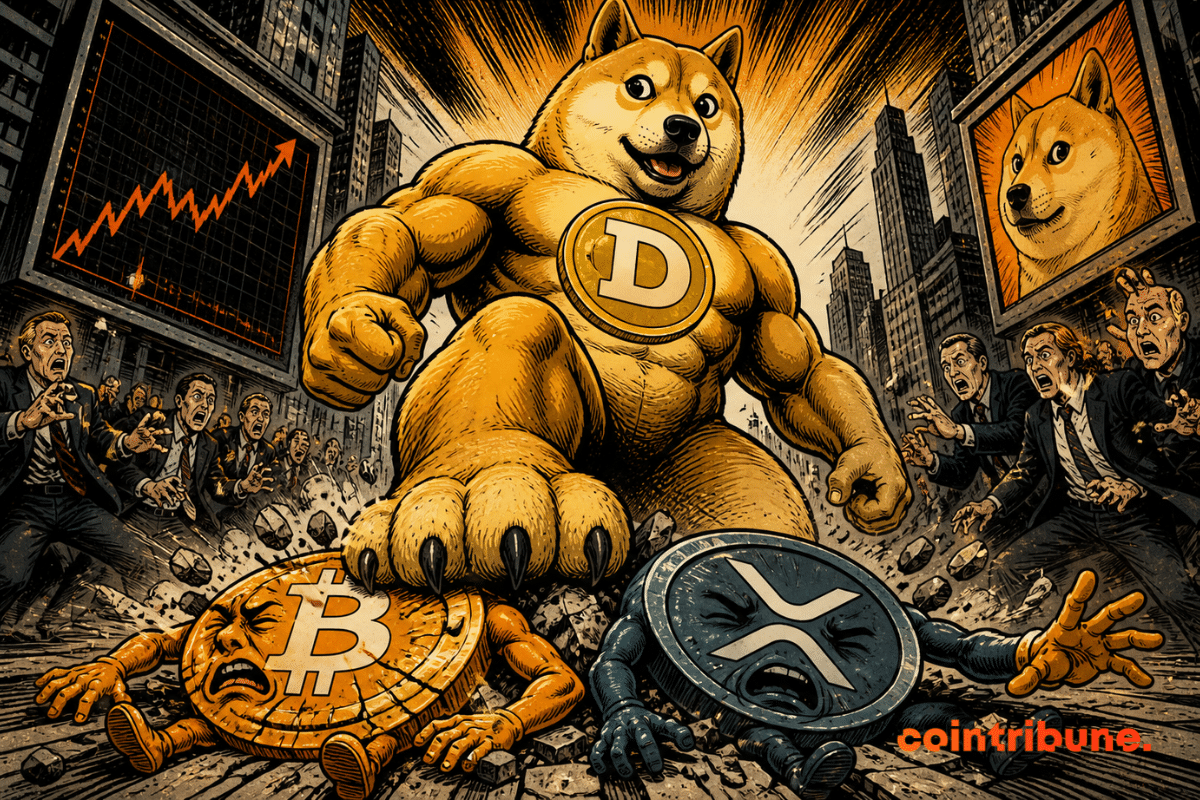
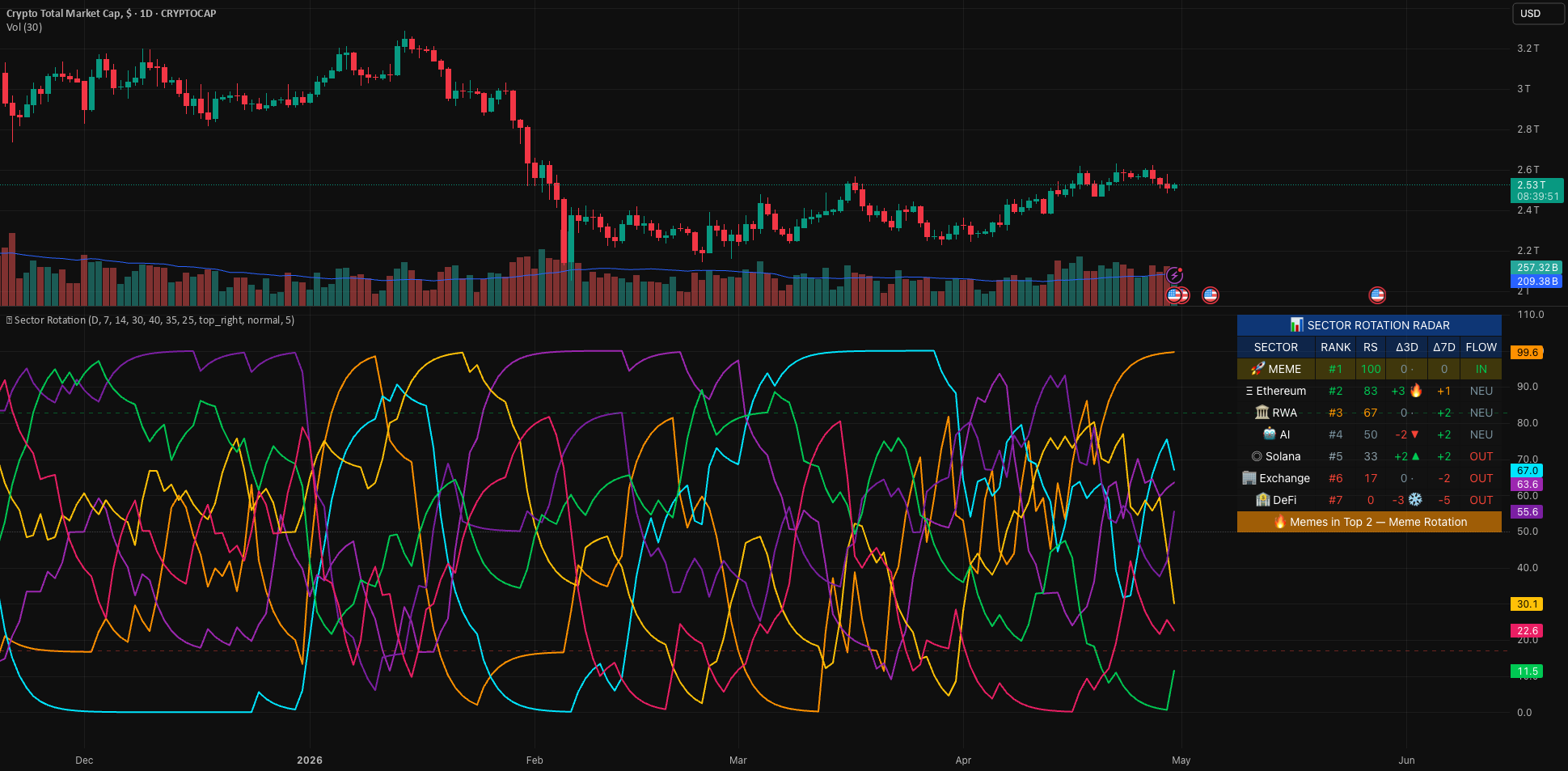
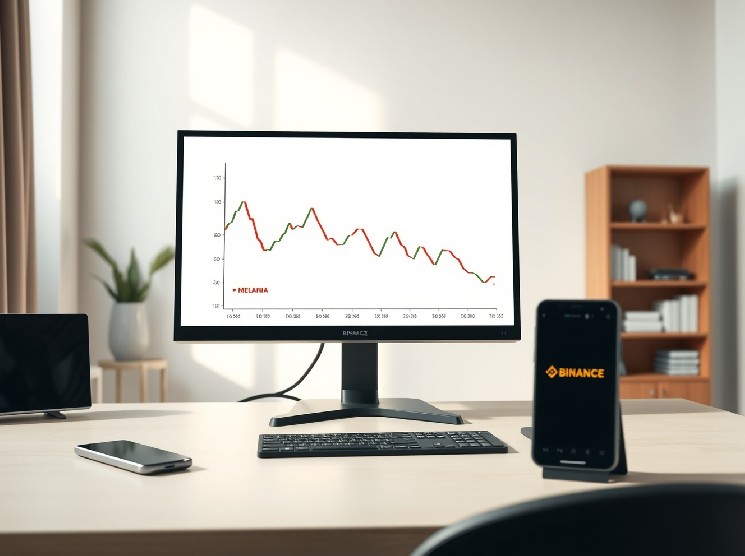
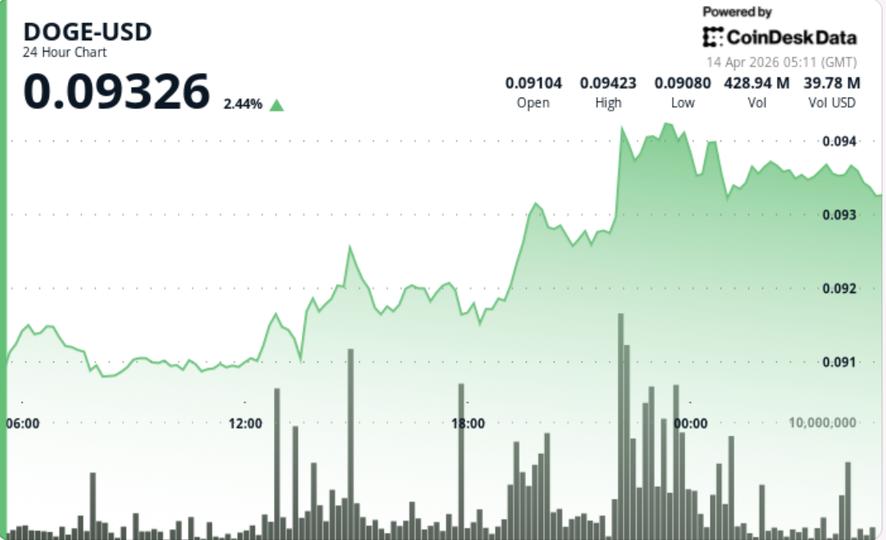
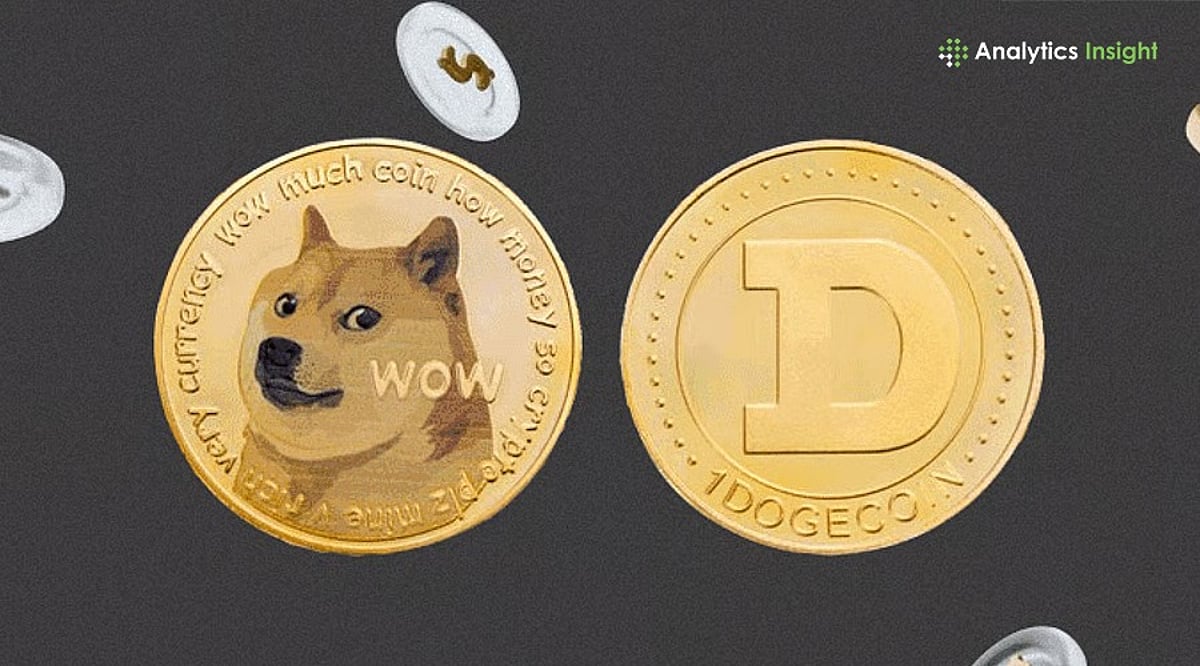
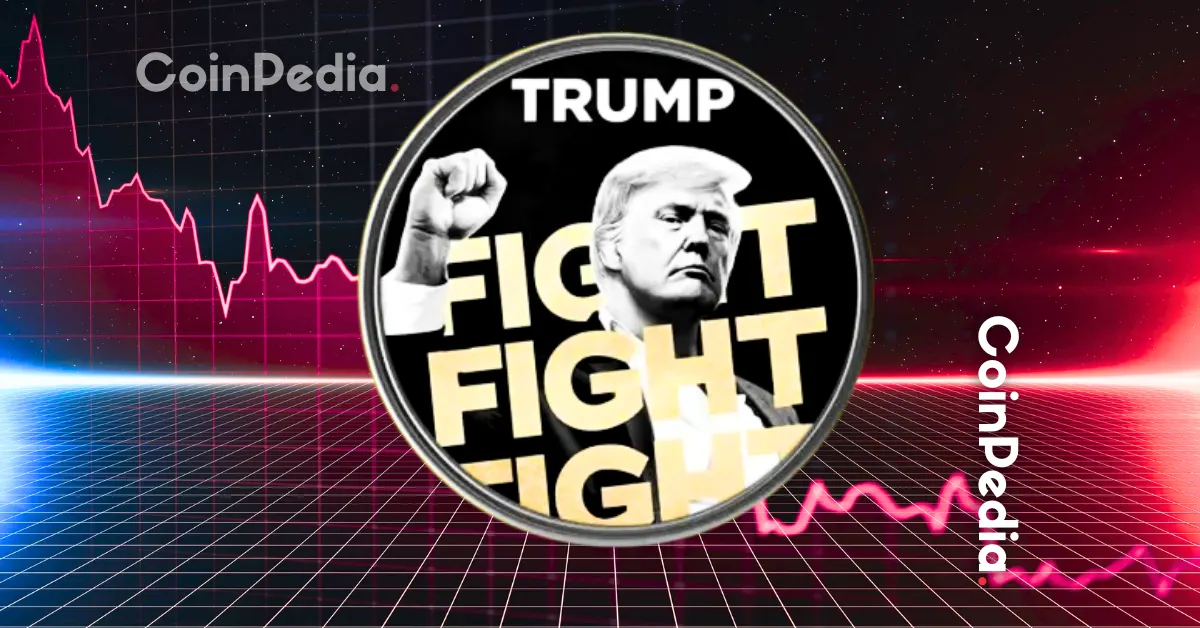
Memecoins continued to lag even as parts of the altcoin market rebounded. PEPE rose 6.5%, but DOGE fell 1.9%, WIF lost 8.1%, BONK slid 8.2%, TRUMP dropped 8.7% and FARTCOIN tumbled 12.7%. On-chain data also points to weaker sentiment in the segment. CryptoQuant data showed memecoins now account for about 3.7% of total altcoin market capitalization, the lowest level since February 2024.
Darkfost, a CryptoQuant analyst, wrote that the number of memecoin holders has fallen to a three-year low, leaving the sector effectively shunned by investors.
Selective Trading Persists as Broader Trend Reversal Remains Unclear
Some altcoins are rebounding, but the move is still short of a broader market trend reversal. More momentum is needed before the bounce can be viewed as the start of renewed capital rotation.
Altcoin Vector said the market had previously lacked clear direction, with both upside momentum and downside pressure capped. Now that Bitcoin’s sharp selling pressure has eased, rebound signals are starting to emerge in some altcoins. Still, any renewed rise in Bitcoin selling pressure could sap that rebound.
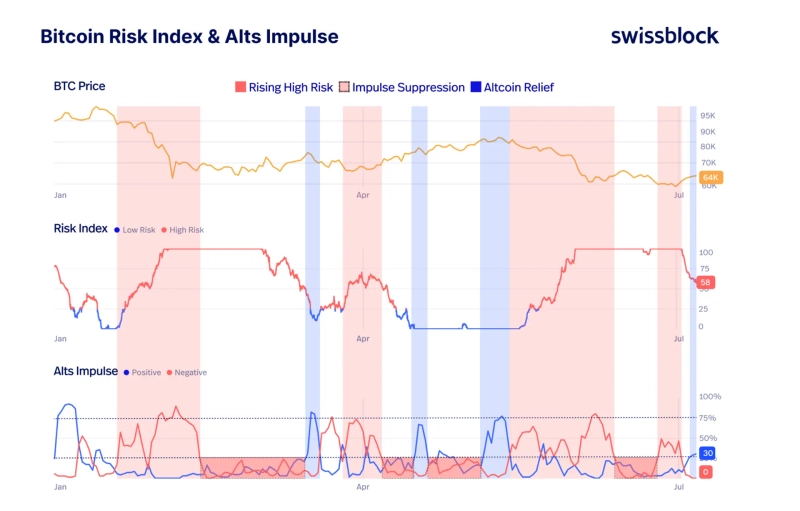
Past midterm-election-year patterns also suggest the latest bounce could amount to a relief rally within a bear market. Crypto analyst Benjamin Cowen said short-lived rebounds can emerge during bearish stretches in midterm-election years. In both 2018 and 2022, July rebounds followed June weakness, only for those gains to later be erased. Some altcoins may extend their short-term recovery, he added, but it is still too early to call it a return of capital rotation.
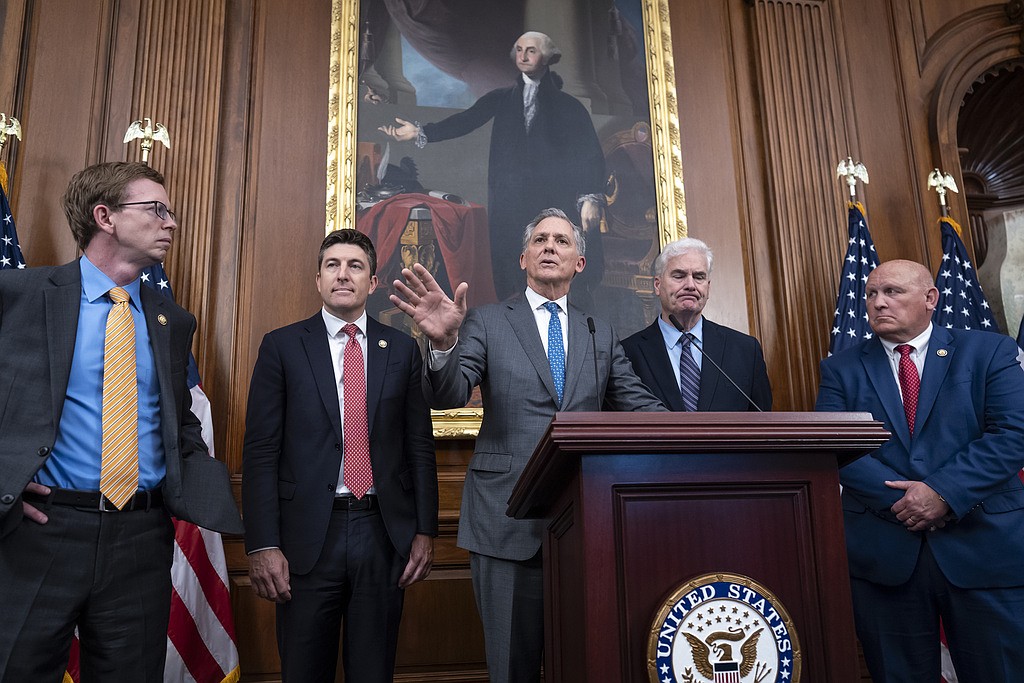
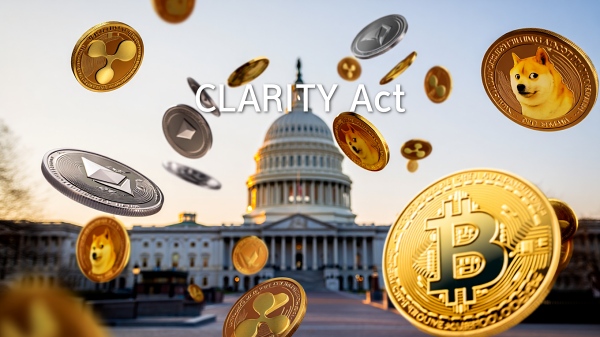
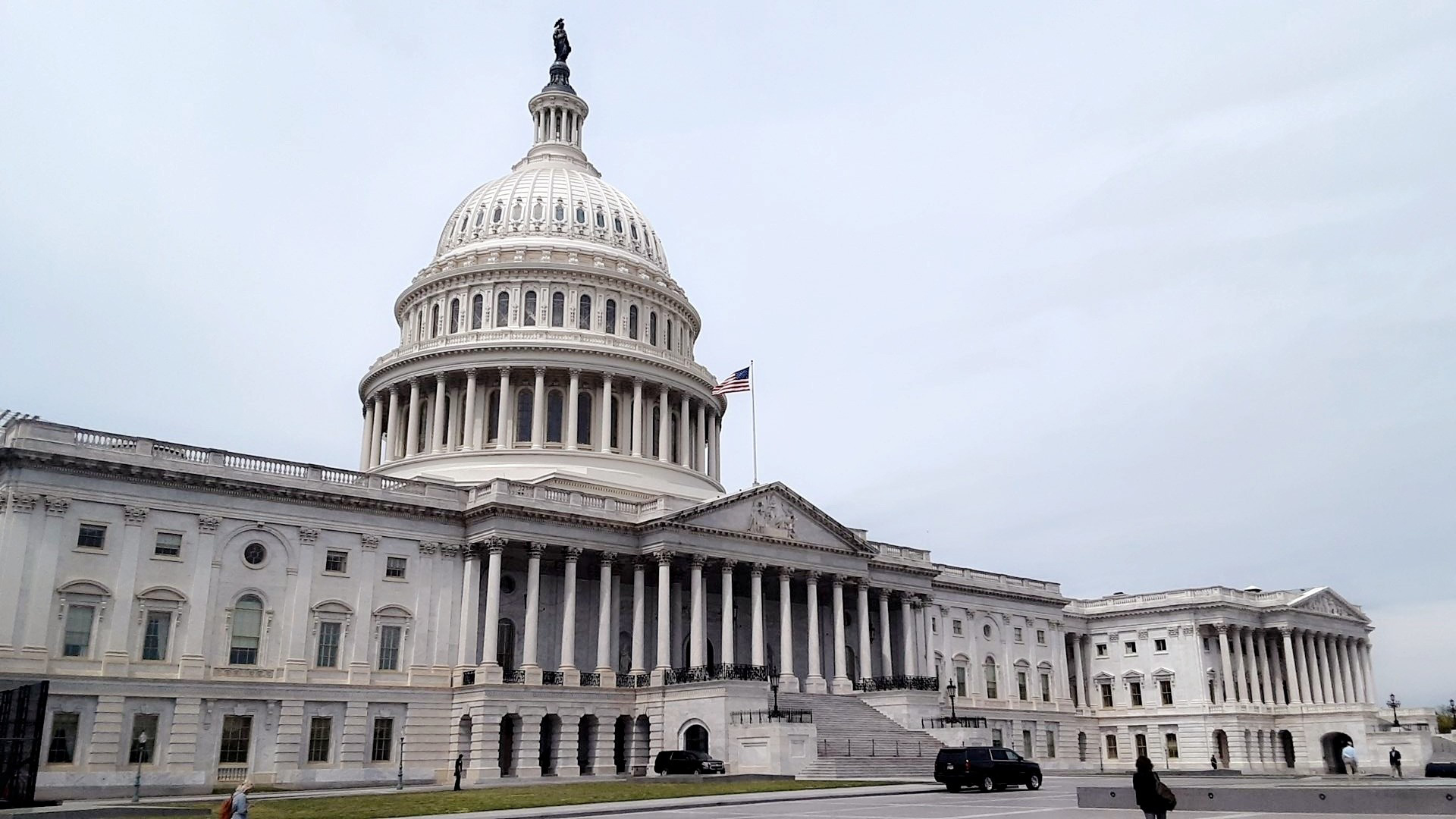
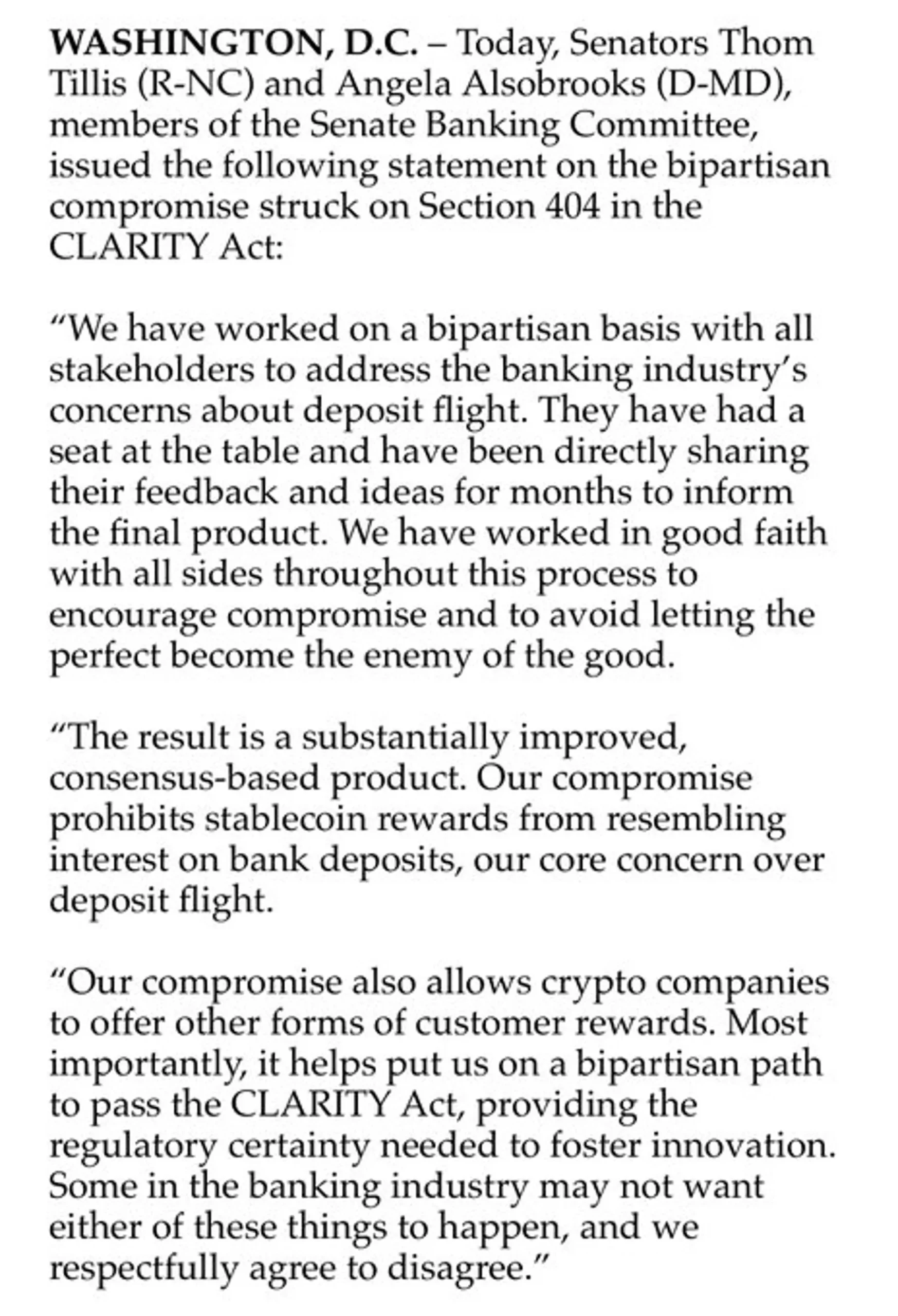
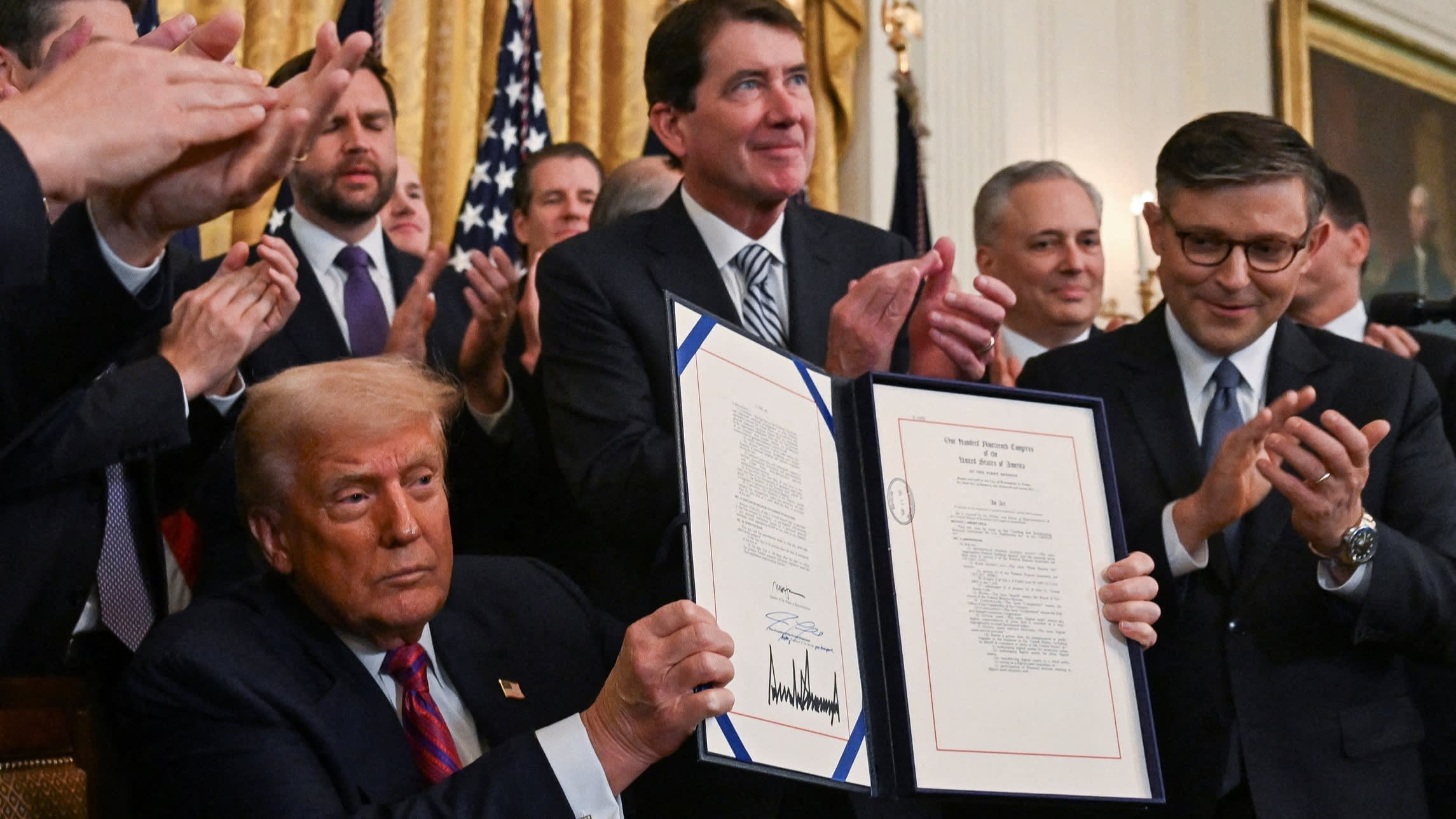
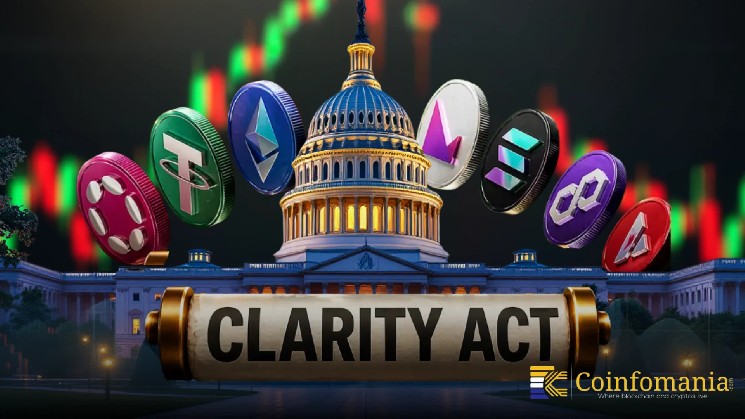
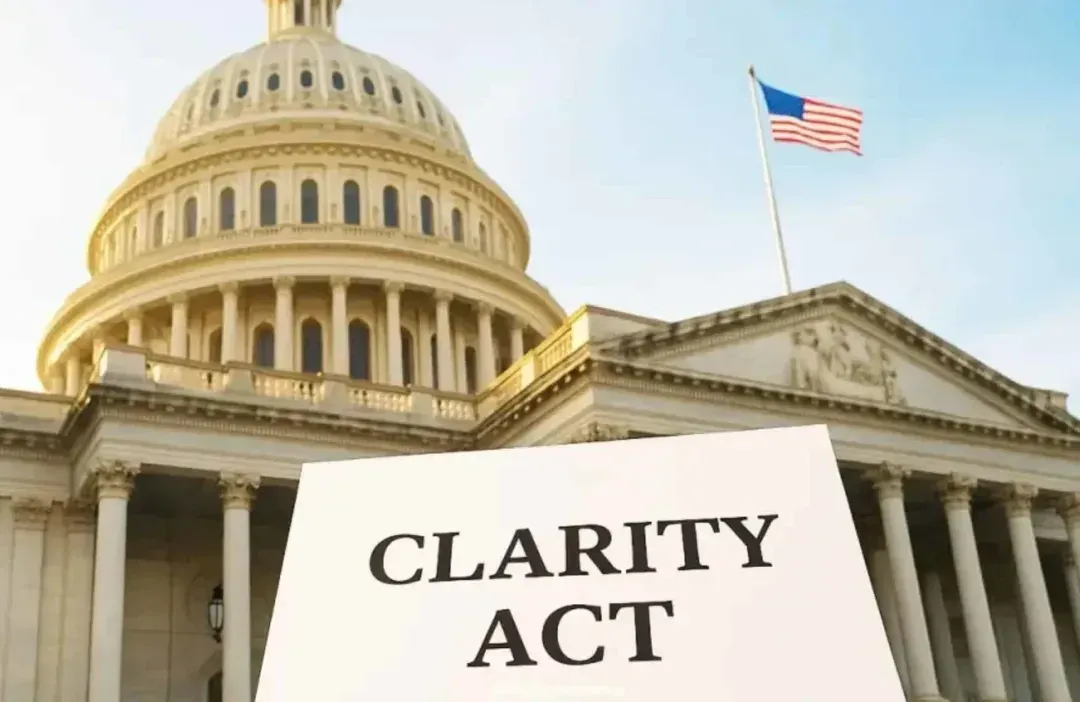
The next move in altcoins will likely depend on external factors including progress on U.S. crypto legislation and geopolitical risks. Republican leaders in the U.S. Senate are pushing to pass the CLARITY Act, a crypto market structure bill, within July, but disagreements over ethics provisions and other issues continue to cloud the outlook for floor approval. Progress in U.S.-Iran talks could ease Middle East risks, but if the current backdrop of airstrikes and retaliation warnings drags on, higher oil prices could limit the market’s rebound.
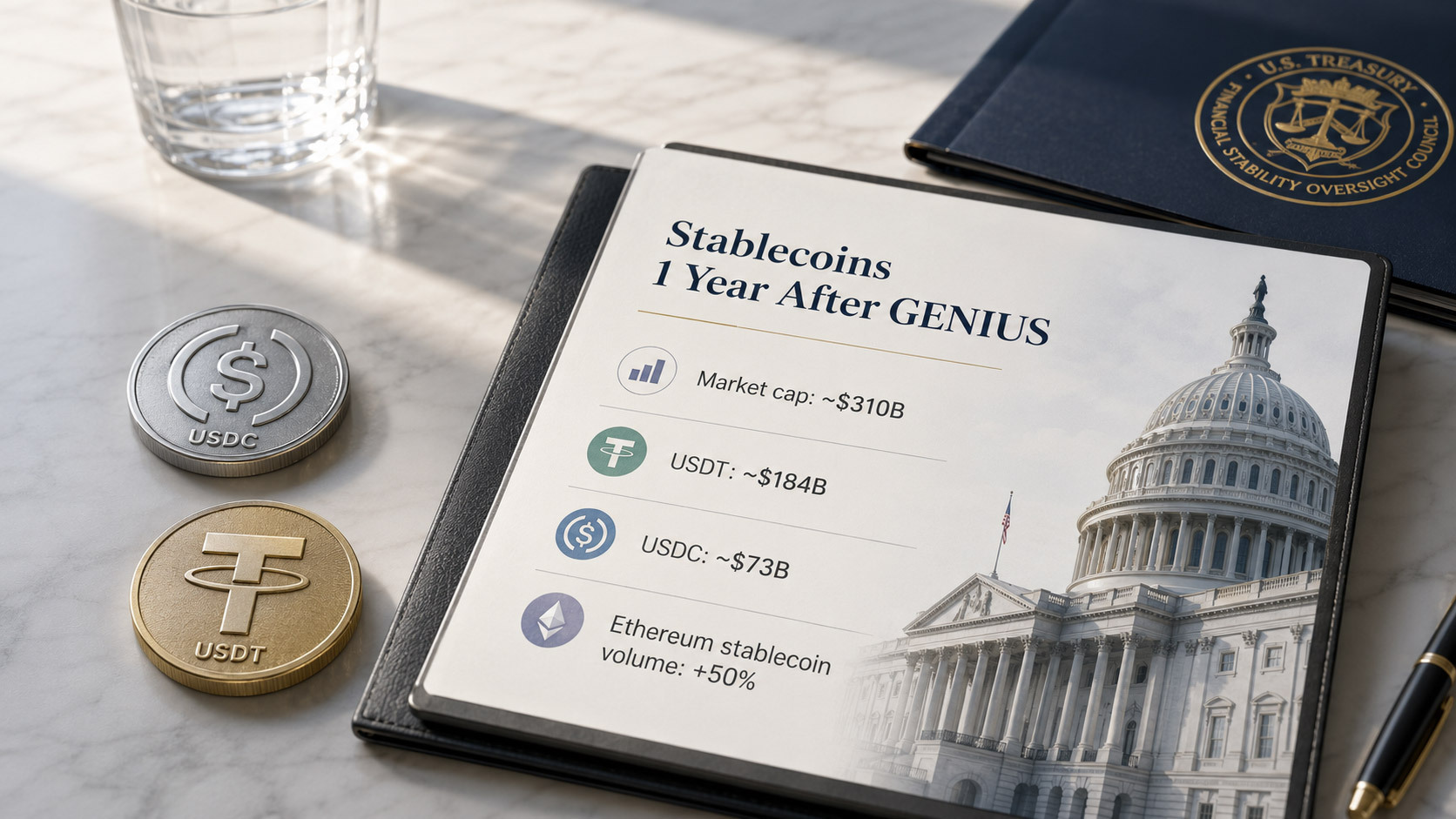
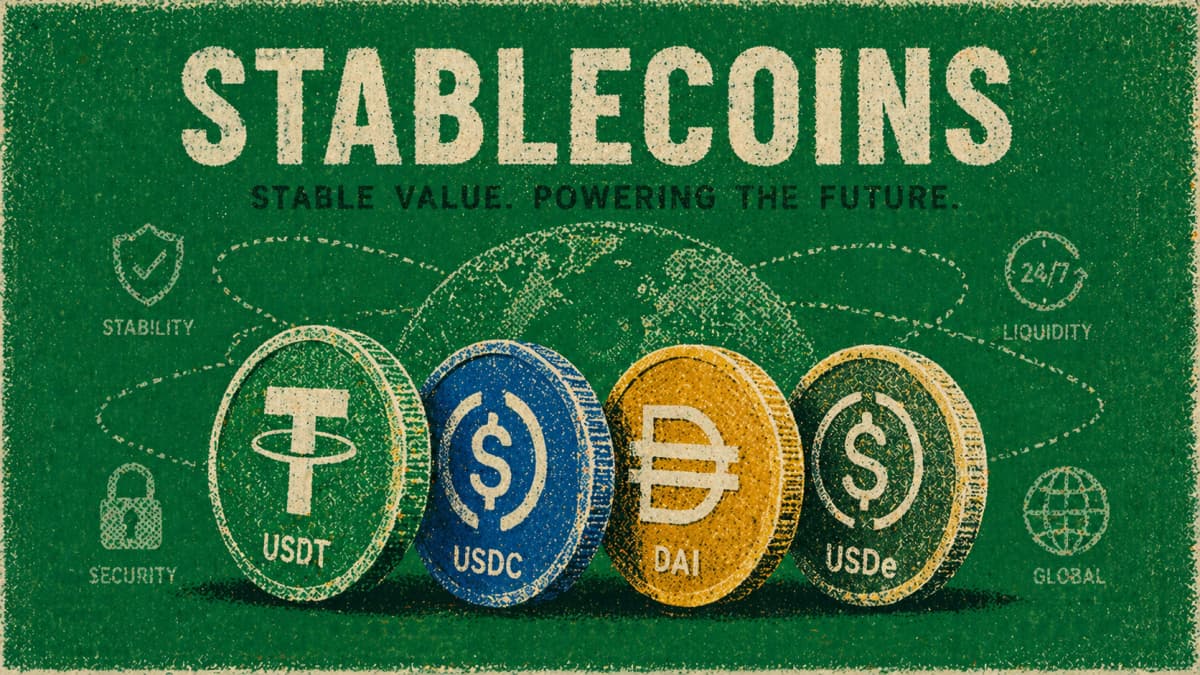
Separately, some analysts say the crypto bear market will need relief from regulatory uncertainty, a turn in monetary policy and broader adoption of new use cases before it can end. Fidelity Digital Assets said passage of the CLARITY Act would provide clearer regulatory guidance and could help spur crypto activity in the U.S. It added that use cases tied to real-world asset tokenization, stablecoins and artificial intelligence could also attract fresh capital.
Kang Min-seung, Bloomingbit reporter minriver@bloomingbit.io