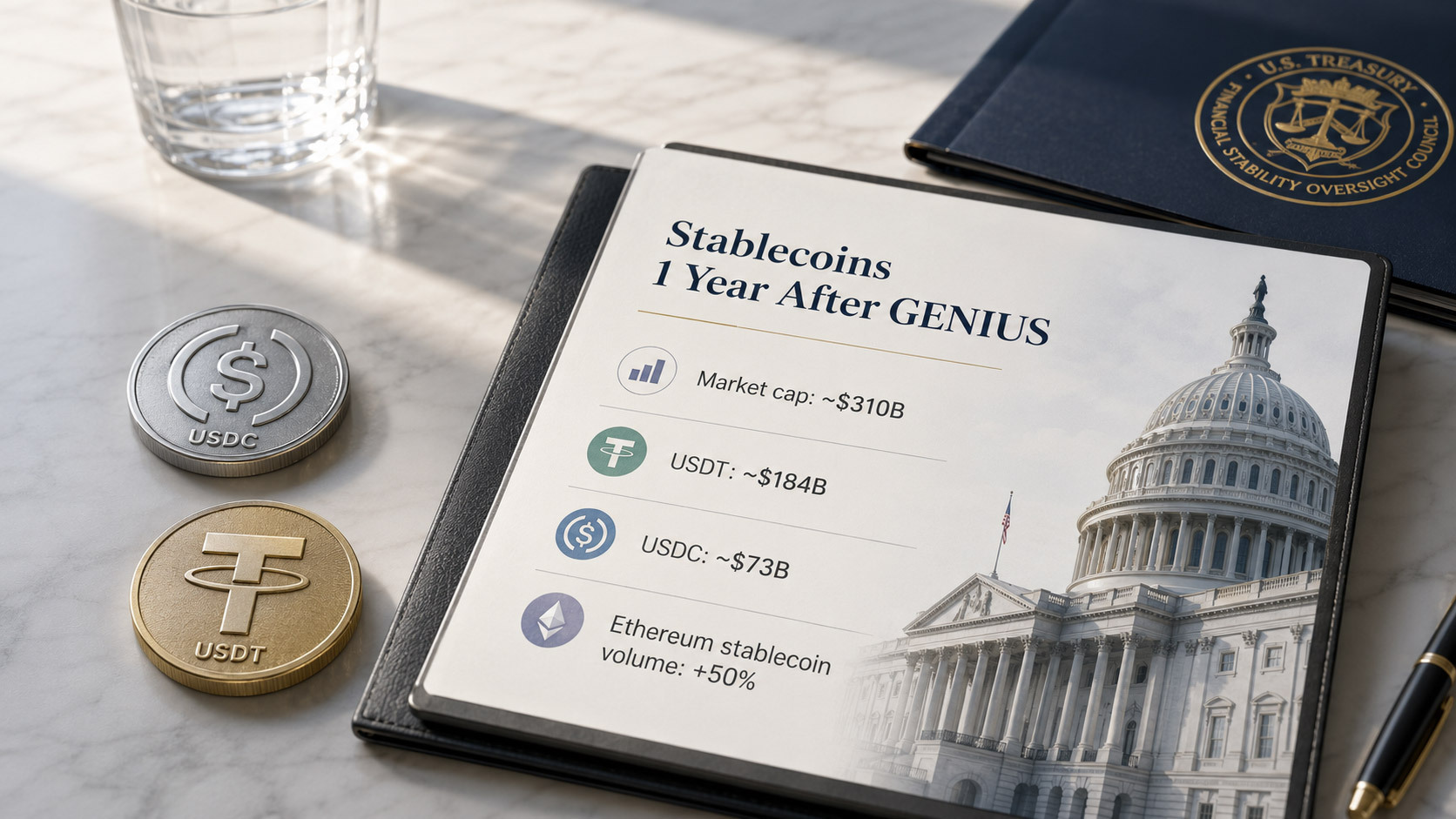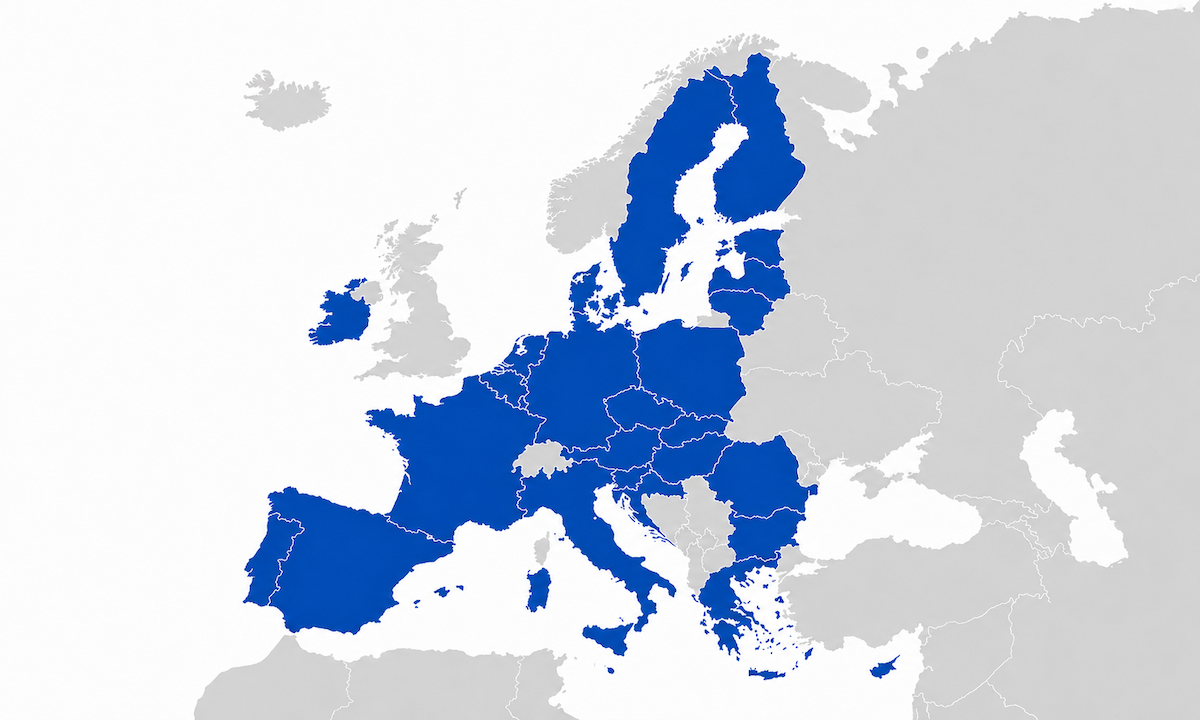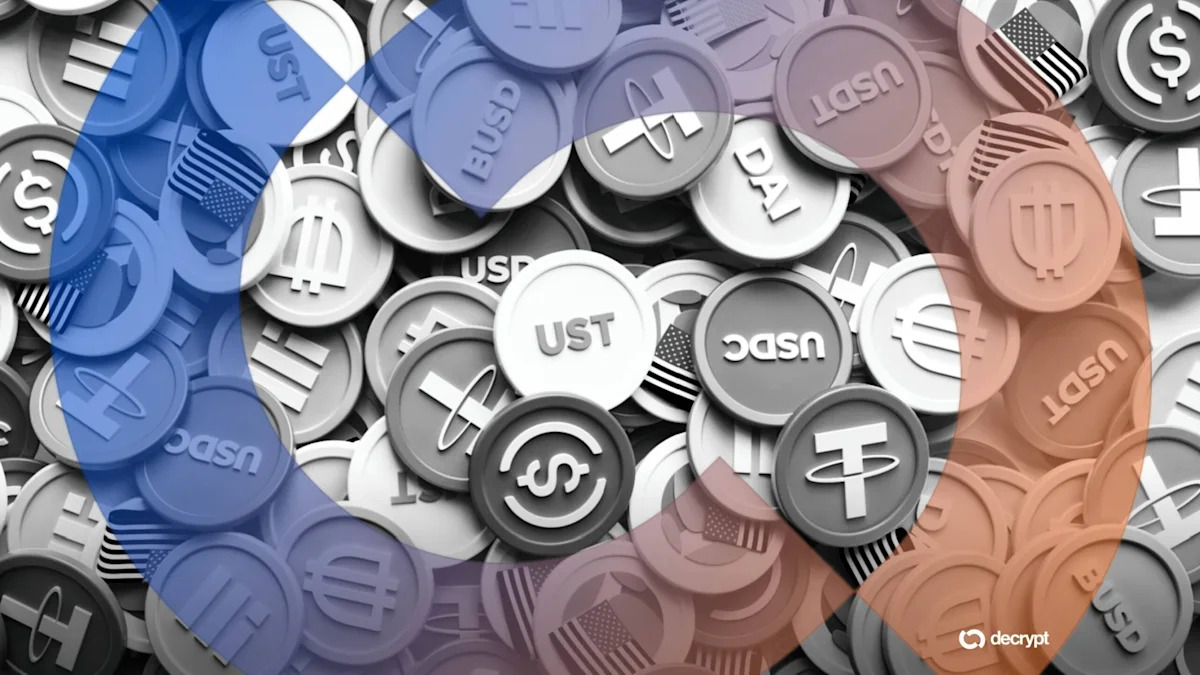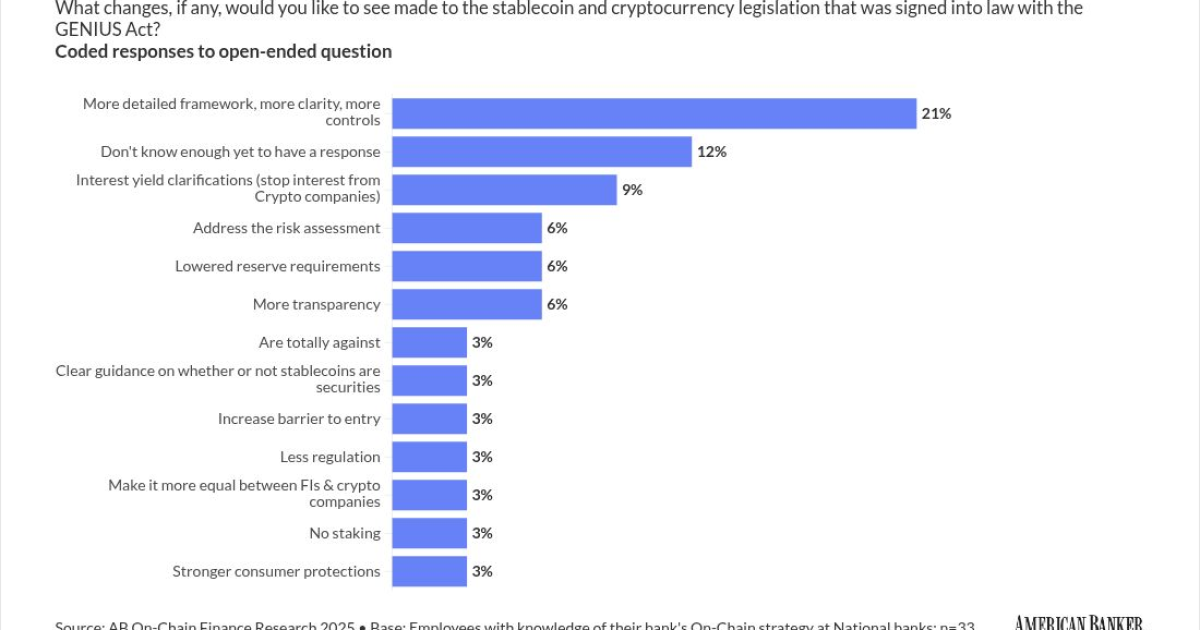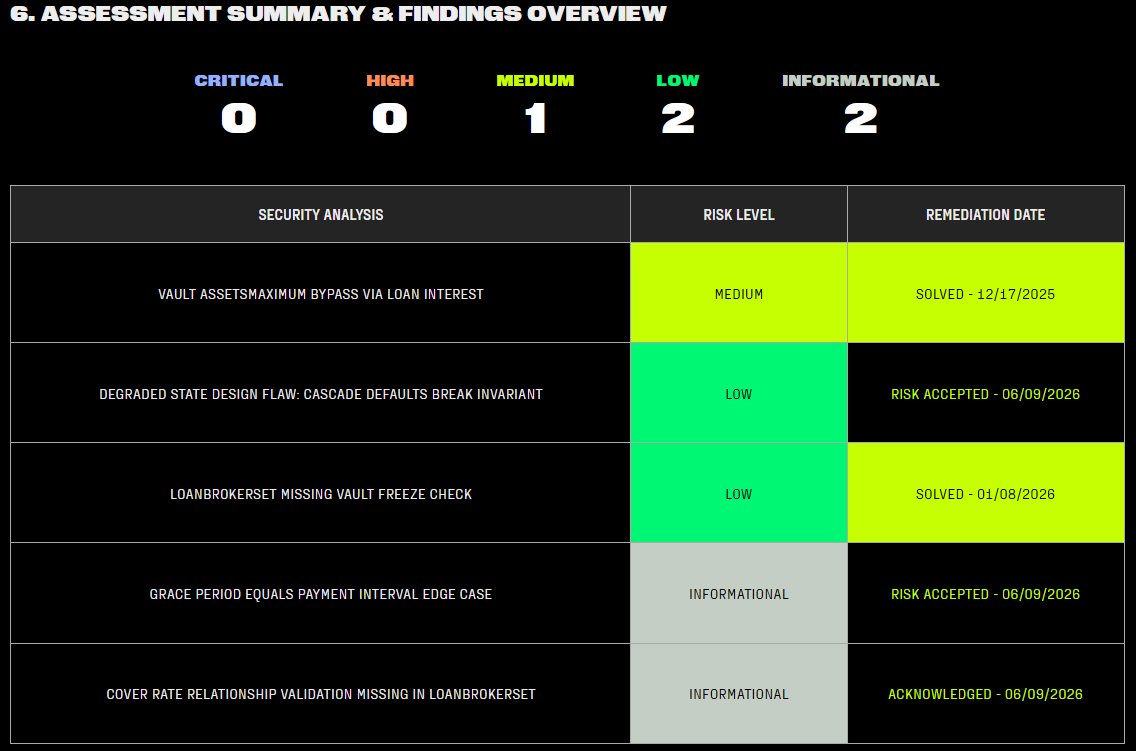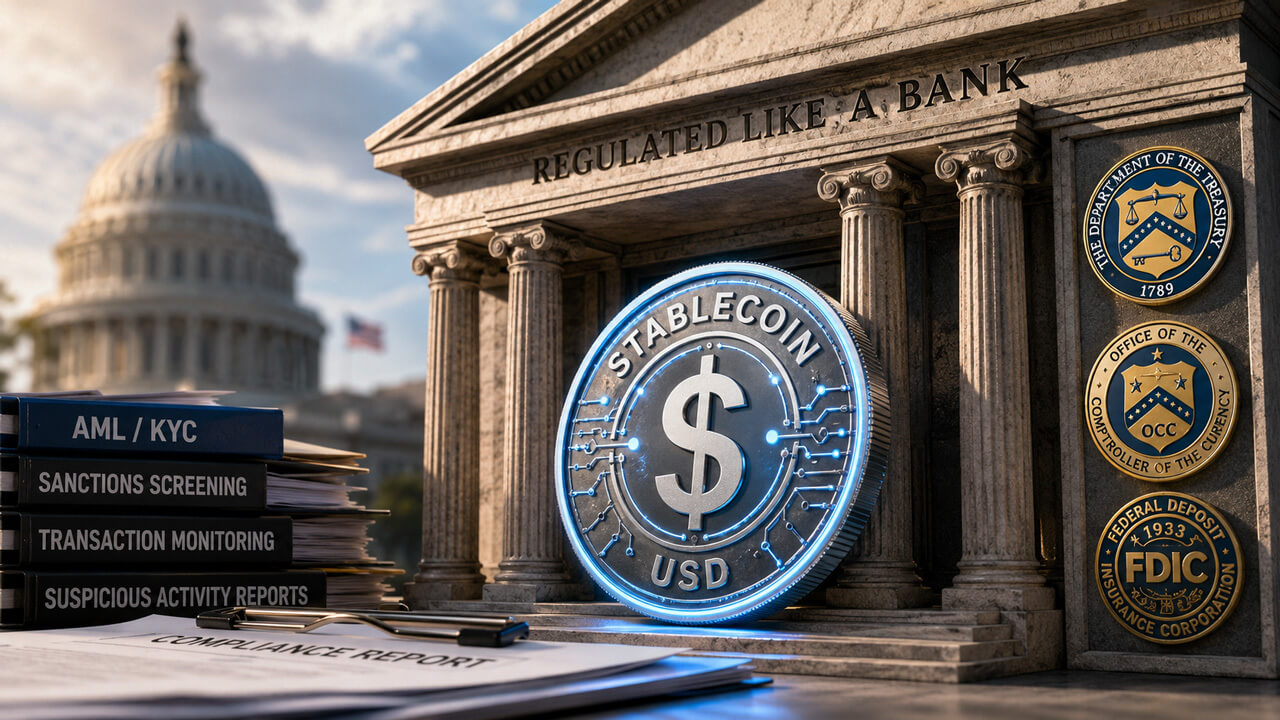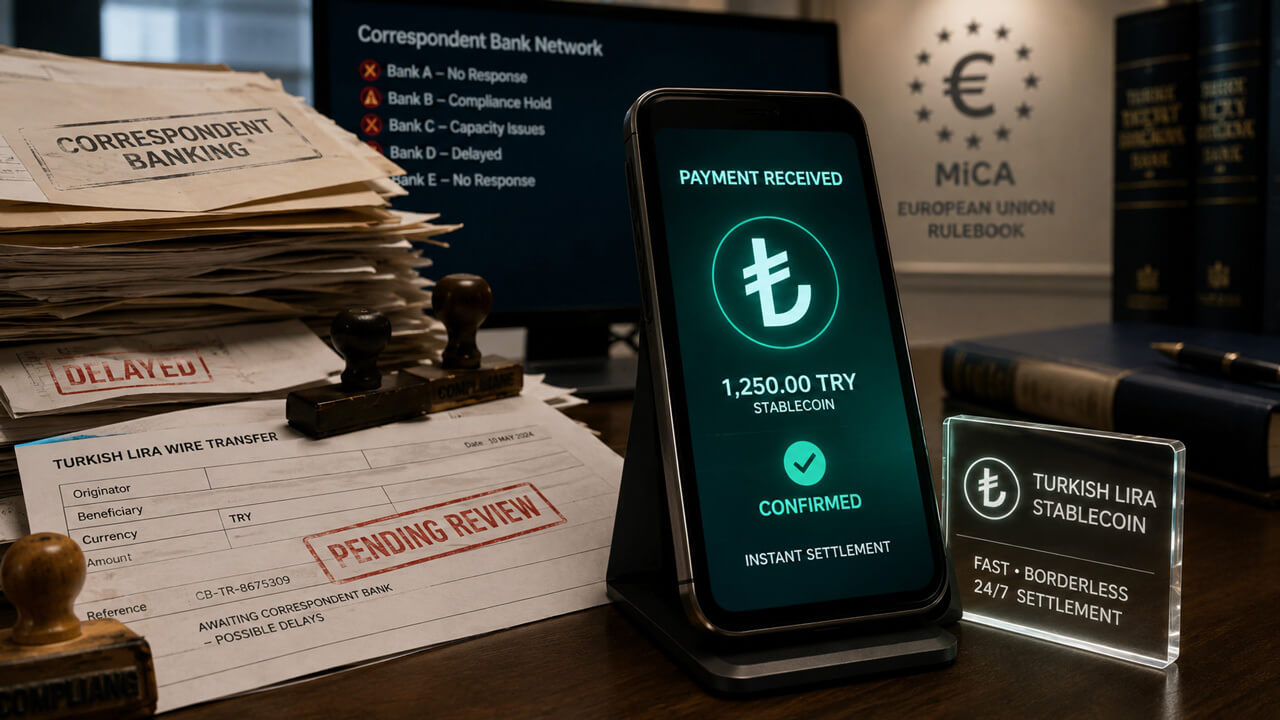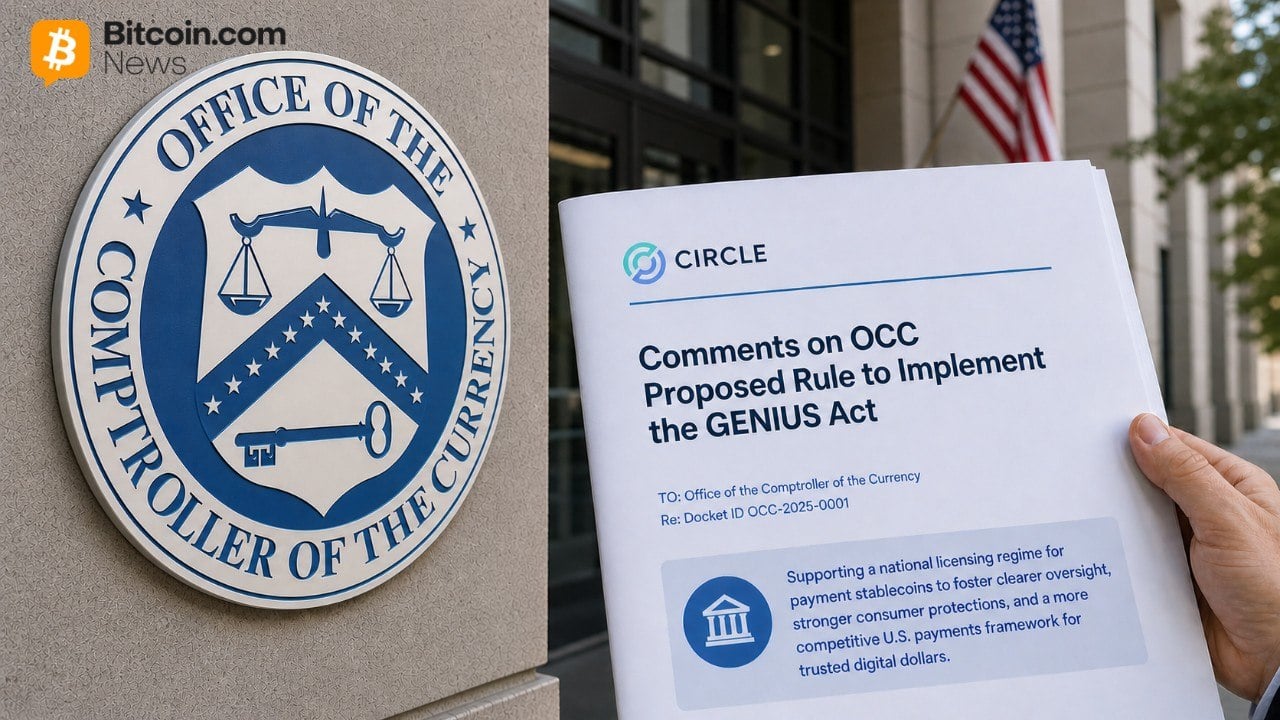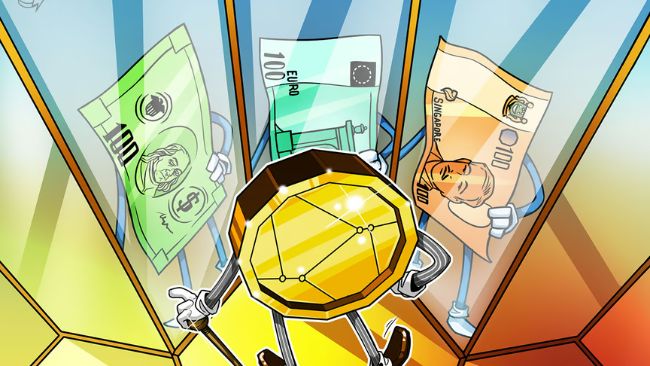
However, the GENIUS Act and related policies are creating clearer expectations for digital assets; that clarity can be regarded as an opportunity to produce greater alignment between fintechs and banks. And the challenge isn’t purely domestic—cross-border stablecoin flows must also navigate international frameworks like the EU’s MiCA and Singapore’s MAS guidelines, layering jurisdictional complexity on top of the bank-fintech divide. Banks can no longer afford to ignore digital currency adoption, while fintechs must mature beyond the stage of “move fast and break things”.
How to Speak the Same Language
In order for banks and fintechs to succeed, they’ll need to get on the same page when it comes to this new era of cross-border transactions. Education and communication are the key to accomplishing this. Just as someone planning a trip to Paris might learn French to navigate the city more effectively, banks must take the initiative to understand stablecoins, and fintechs must do their part to educate them on their business models, risk controls, and compliance frameworks.
1. These new partners need to align on standards for risk and compliance. What’s considered acceptable risk, what are the shared standards for preventing fraud, and which reporting processes will take center stage?
2. Both parties will need to invest in interoperable infrastructure and transparency tools. The inherent irreversibility and speed of stablecoin transactions call for real-time identity risk and frictionless AML and KYC-compliant solutions. The industry will see traditional financial protocols — risk scoring, ongoing KYC, and behavioral analysis—become the norm across digital assets. Stablecoin transactions will also require scalable identity verification and transaction transparency systems. Practically, this looks like transaction-level identity verification that can provide continuous confirmation of device possession and SIM and device integrity; such safeguards will require real-time data sharing APIs. Identity infrastructure providers—those who can deliver consistent, real-time verification across both bank and fintech environments—serve as the translators that make this possible without requiring either side to rebuild from scratch.
3. These partnerships will call for ongoing communication and governance to successfully establish trust. They’ll also require different internal approaches to identity verification because considerable gaps emerge and risk levels amplify when banks and fintechs divvy identity responsibility among internal teams (i.e., Onboarding, Fraud, Authentication, CX). It’s a great responsibility that needs to be governed from a single team to reduce the possibility of blind spots.
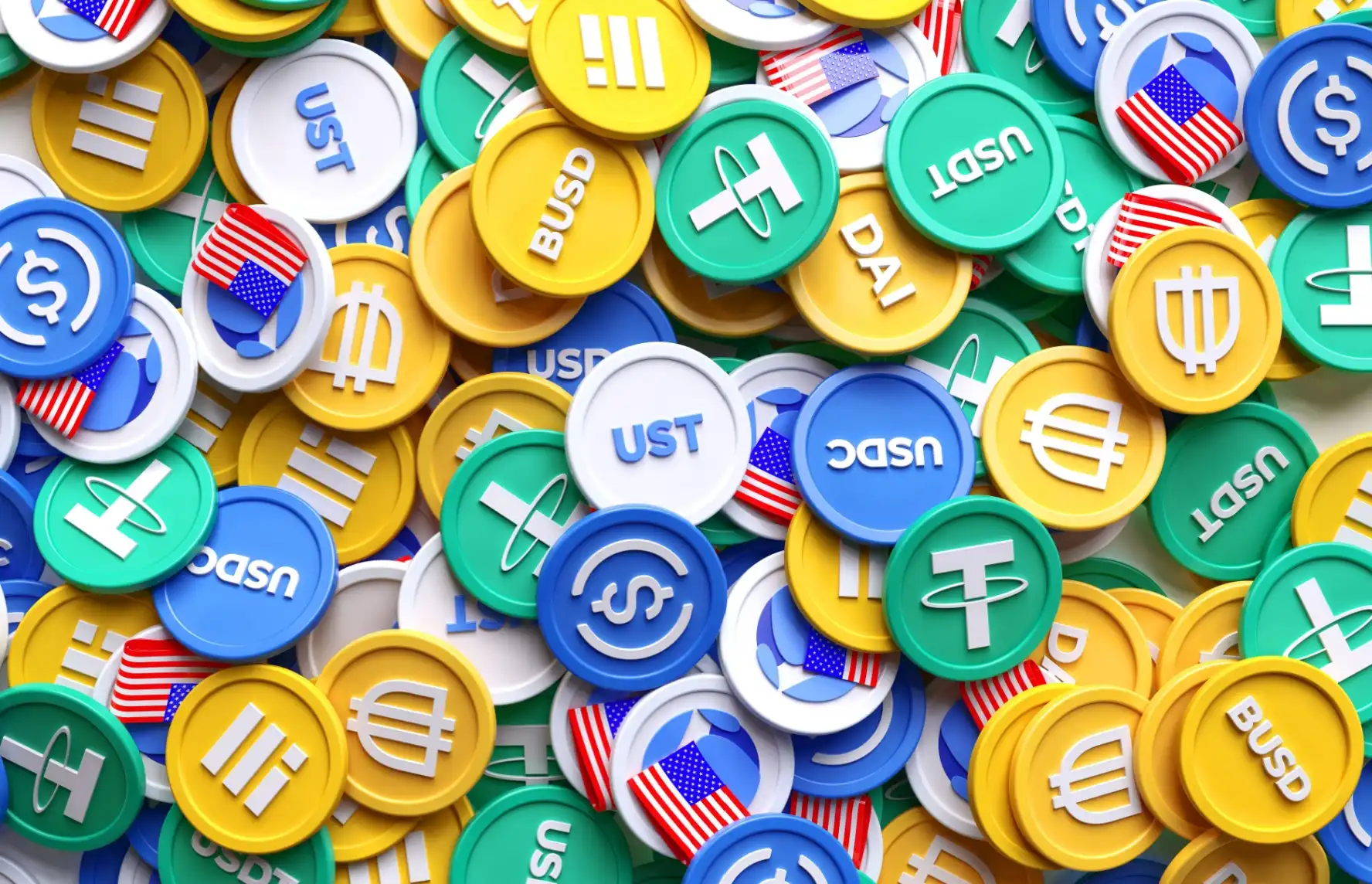
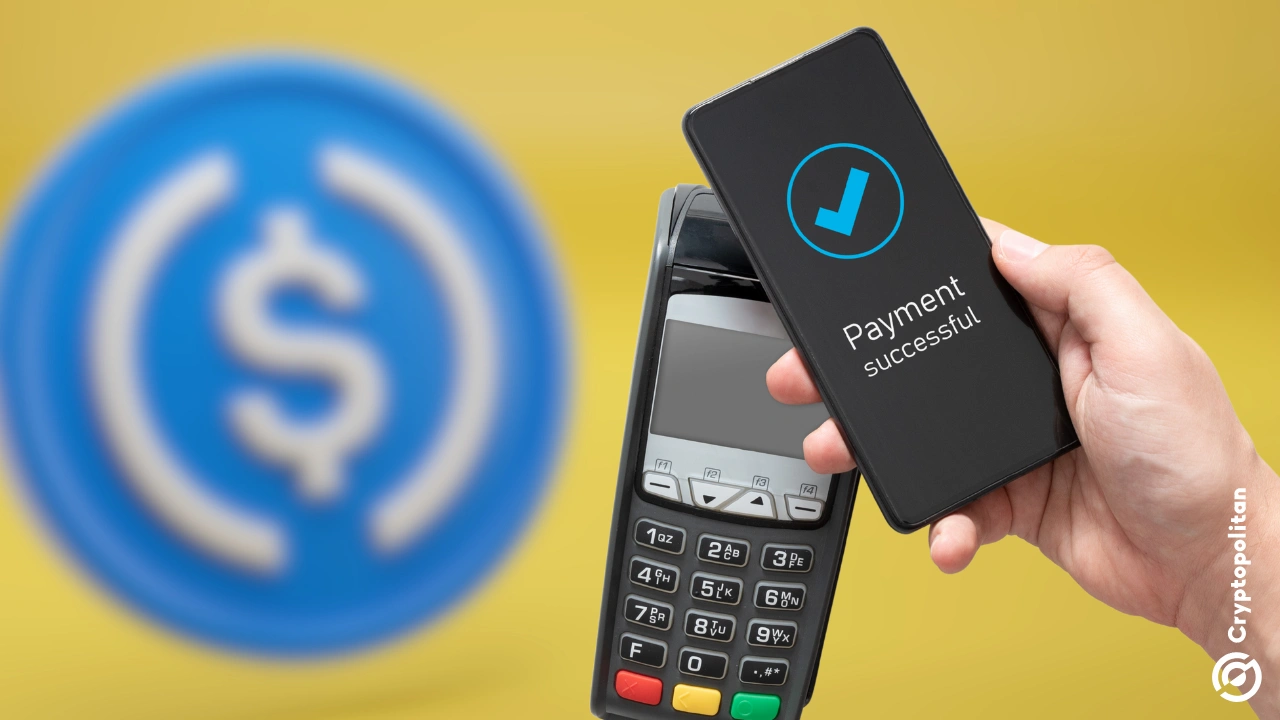
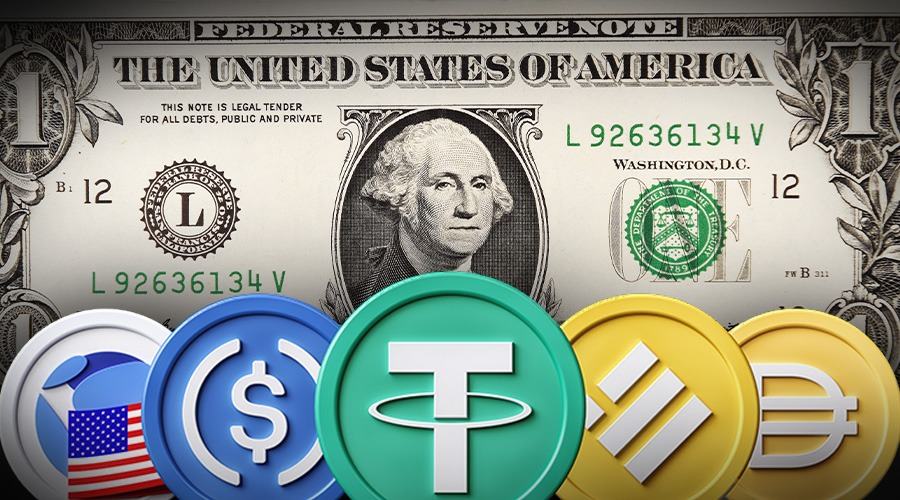
Stablecoins and digital assets are rapidly reshaping global payments infrastructure. In fact, JPM Coin’s treasury and cash management transactions alone account for approximately $1 billion in total daily transactions; better governance and compliance is a must. And even though neither banks nor fintechs can build the future alone, they’re taking a siloed approach and speaking two different languages.
The next phase of digital currency adoption calls for a considerable amount of trust—through every moment of every transaction, as well as between financial institutions. After all, when parties aren’t speaking the same language, even something as simple as purchasing a rug can turn into a lengthy ordeal. The same principle applies here: without a shared understanding of infrastructure, compliance, and risk, critical messages can get lost in translation.
The fintechs and banks that can work together to bridge the cultural, operational, and regulatory divide will have the greatest advantage in the age of stablecoins.