Key Takeaways
-
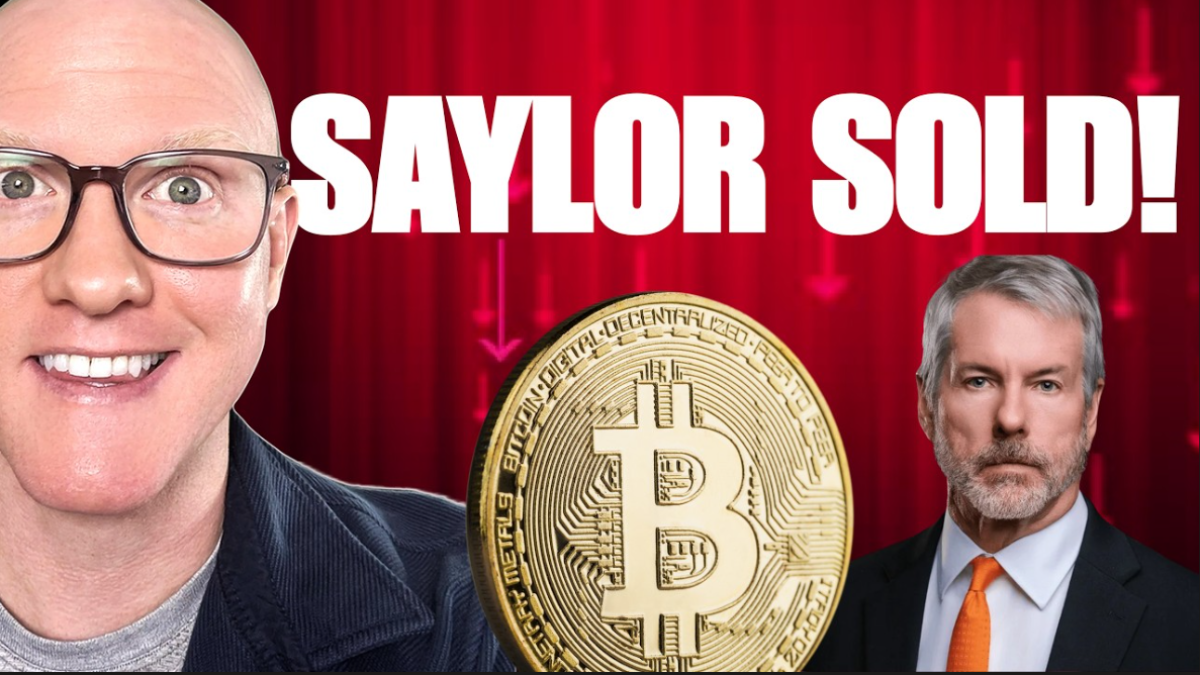
Strategy sold 32 BTC (~$2.5M) to help fund preferred stock dividend payments.
-
The sale represented just 0.004% of its 843,706 BTC holdings and was made at a profit.
-
The transaction triggered a $15M dispute on Polymarket over the timing of contract settlement.
Strategy disclosed in an 8-K filing on June 1, 2026, that between May 26 and May 31, the company sold 32 Bitcoin at an aggregate sale price of $2.5 million, at an average net price of $77,135 per coin.
The filing is explicit about the purpose: proceeds from the Bitcoin sales are expected to fund distributions on preferred stock.
Strategy still held 843,706 Bitcoin as of May 31, at an average purchase price of $75,699 per coin, meaning the sale occurred above the company’s cost basis.
The 32 coins represent approximately 0.004% of total holdings. In dollar terms against a $63.87 billion Bitcoin treasury, the sale is arithmetically negligible.
What it is not negligible for is what it confirms about Strategy’s capital structure and the obligations that structure now carries.
Why Strategy Sold and What STRC Actually Is
STRC, Strategy’s perpetual preferred stock, known internally as Stretch, has grown to $8.5 billion in just 9 months, making it the largest preferred stock by market cap in the world.
Strategy has raised $5.6 billion year-to-date in STRC gross proceeds and has met dividend payment obligations on time and in full across 23 consecutive distributions, totaling over $693 million since the launch of preferred equity products in early 2025.
STRC pays an 11.5% annualized dividend to holders, with Strategy deploying capital into additional Bitcoin purchases.
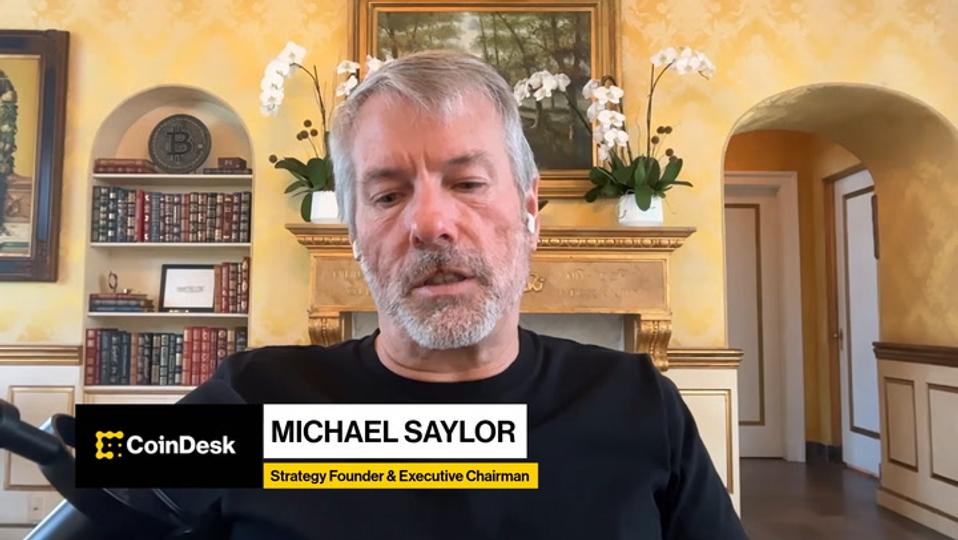
Saylor previously noted that Strategy’s current position requires Bitcoin to appreciate at 2.3% annually for existing holdings to cover STRC dividend obligations indefinitely without selling any common stock.
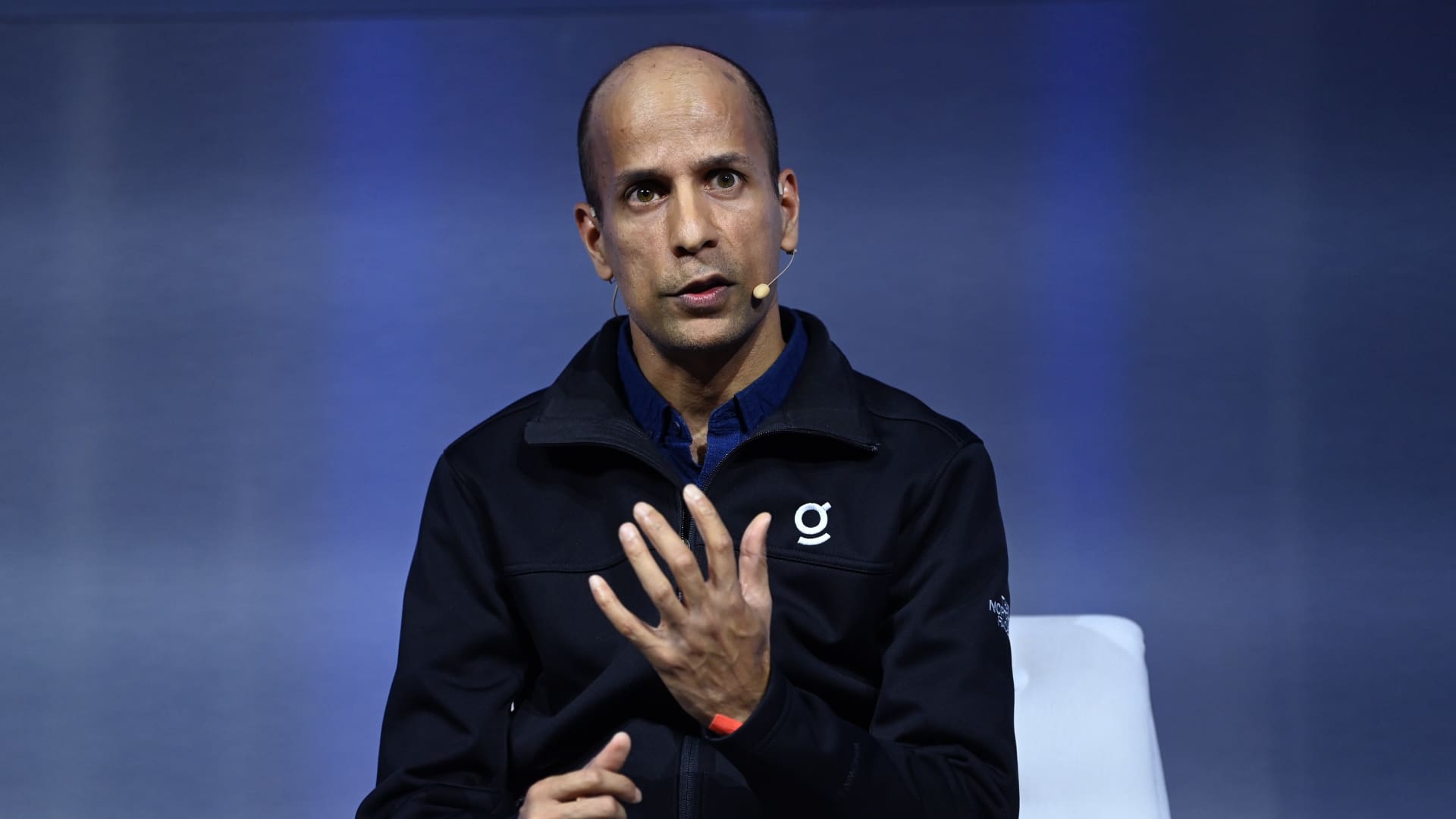
He also stated the company expects to buy 10 to 20 Bitcoin for every one it sells, and that his earlier “never sell” comment meant that one should be a net accumulator of Bitcoin over time.
The arithmetic behind the sale is straightforward once that framework is accepted. STRC’s semi-annual dividend obligations amount to hundreds of millions annually. Strategy also recently spent $1.38 billion repurchasing $1.5 billion face value of its zero-coupon 2029 convertible notes at an 8% discount to par, funded from cash reserves, which reduced its USD reserve from $2 billion to approximately $900 million.
With cash reserves compressed and ATM stock programs generating income tied to equity market conditions, selling a trivial quantity of Bitcoin above cost basis to cover a specific dividend window is the most capital-efficient option available.
Polymarket’s $15 Million Oracle Dispute
The sale’s most immediate market consequence arrived not in Bitcoin’s price but in a prediction market resolution dispute.
Strategy’s Bitcoin sale triggered a $15 million resolution dispute on Polymarket. While the sale was announced in a June 1 filing, the actual disposition occurred between May 26 and May 31.
Bettors are now split on whether sales executed before the May 31 deadline should qualify, with the contract sitting at 81% Yes and flagged “in review.” Yes bettors argue that on-chain timestamps and Strategy’s 8-K prove the sale occurred in time, while No bettors argue that the lack of public disclosure before June 1 means the event should not qualify. UMA’s optimistic oracle will make the final determination.
The contested May 31, June 30, and December 31 contracts have drawn approximately $24.7 million in combined volume, and later-dated markets now price Strategy Bitcoin sales as a near-certainty.
The dispute cleanly illustrates a recurring oracle problem: prediction markets built around corporate disclosure events face structural ambiguity whenever the execution date and the filing date fall on opposite sides of a settlement deadline.
STRC Dividend Vote and Competing Preferred Stock
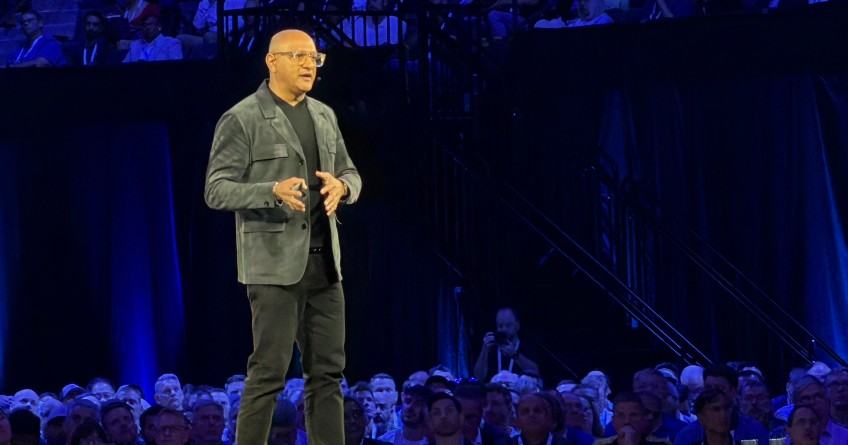
Strategy has proposed a shareholder vote to double STRC’s dividend payment frequency to a semi-monthly schedule, which Saylor argues will enhance STRC’s attractiveness by improving liquidity and price stability.
The vote is not without opposition. Holders watching the Bitcoin sale carefully are weighing whether increased dividend frequency, which accelerates cash outflow obligations, is a structural improvement or an additional pressure on the same capital base that just required a Bitcoin disposal to service.
STRC’s 11.5% dividend rate is already facing competition from Strive’s SATA preferred stock, which offers a 13% dividend rate, creating direct yield competition in the Bitcoin-backed preferred stock category that did not exist six months ago.
Strategy’s ability to hold STRC’s rate steady while competitors offer higher yields depends on the premium investors assign to STRC’s $8.5 billion liquidity depth and $150 million of corporate treasury holdings at firms including Prevalon, Strive, and Anchorage.
First Bitcoin Sale in Four Years: Market Impact
Strategy’s sale of 32 BTC marks its first disclosed Bitcoin reduction since December 2022. Unlike the previous sale during the FTX-era downturn, this transaction occurred at a price above the company’s average purchase price and was intended to fund preferred stock dividends.
Despite representing just 0.004% of Strategy’s 843,706 BTC holdings, the sale weighed on sentiment.
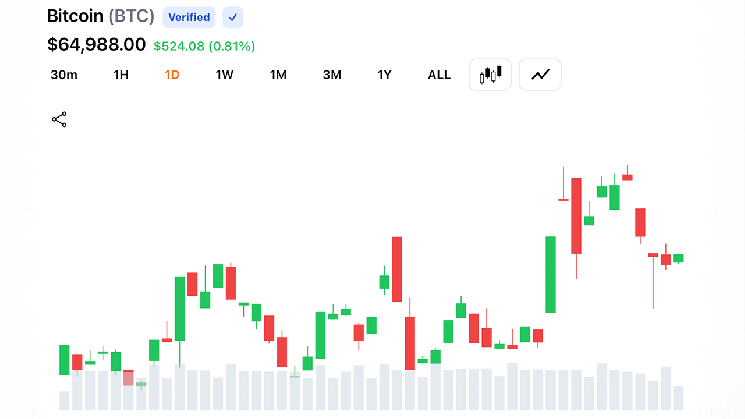
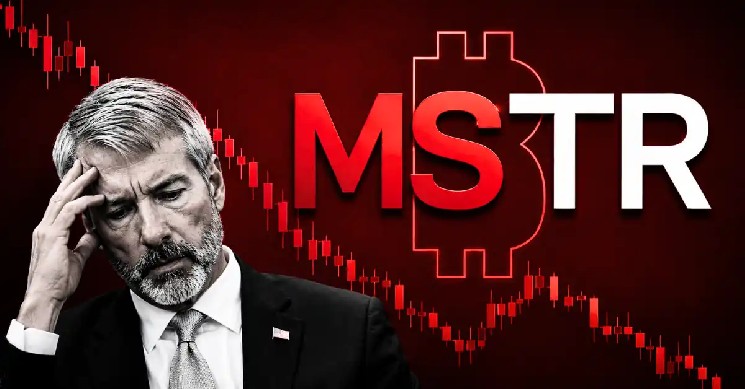
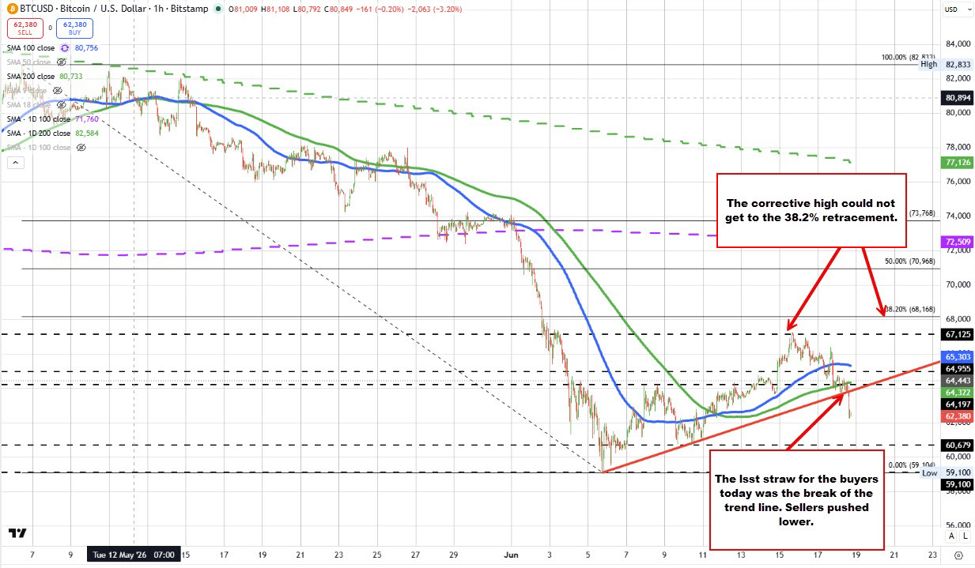
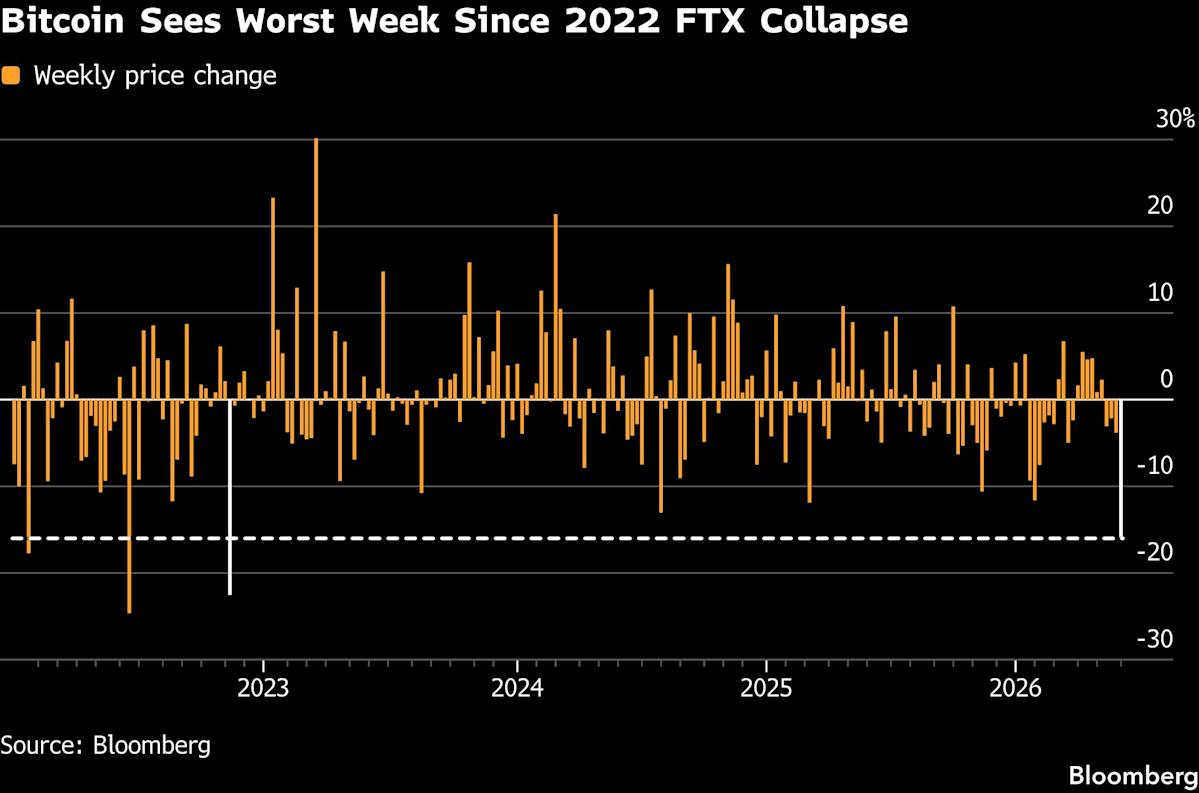
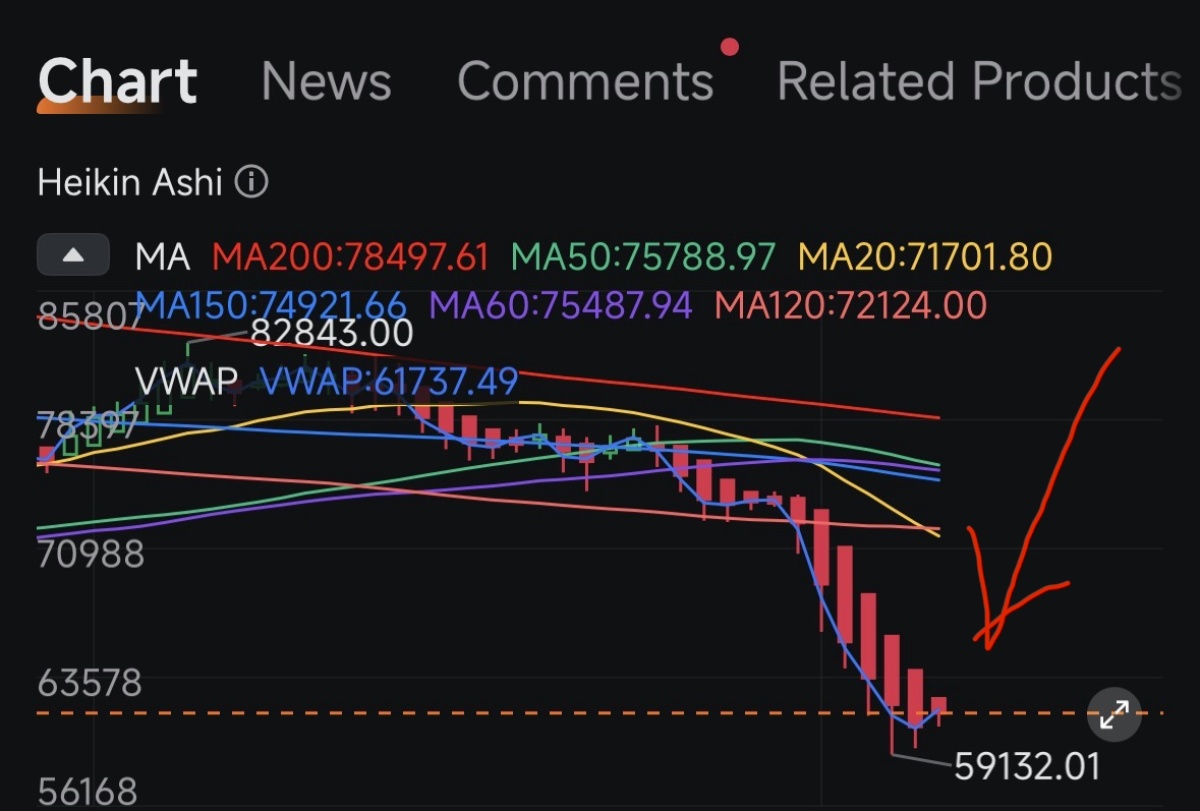
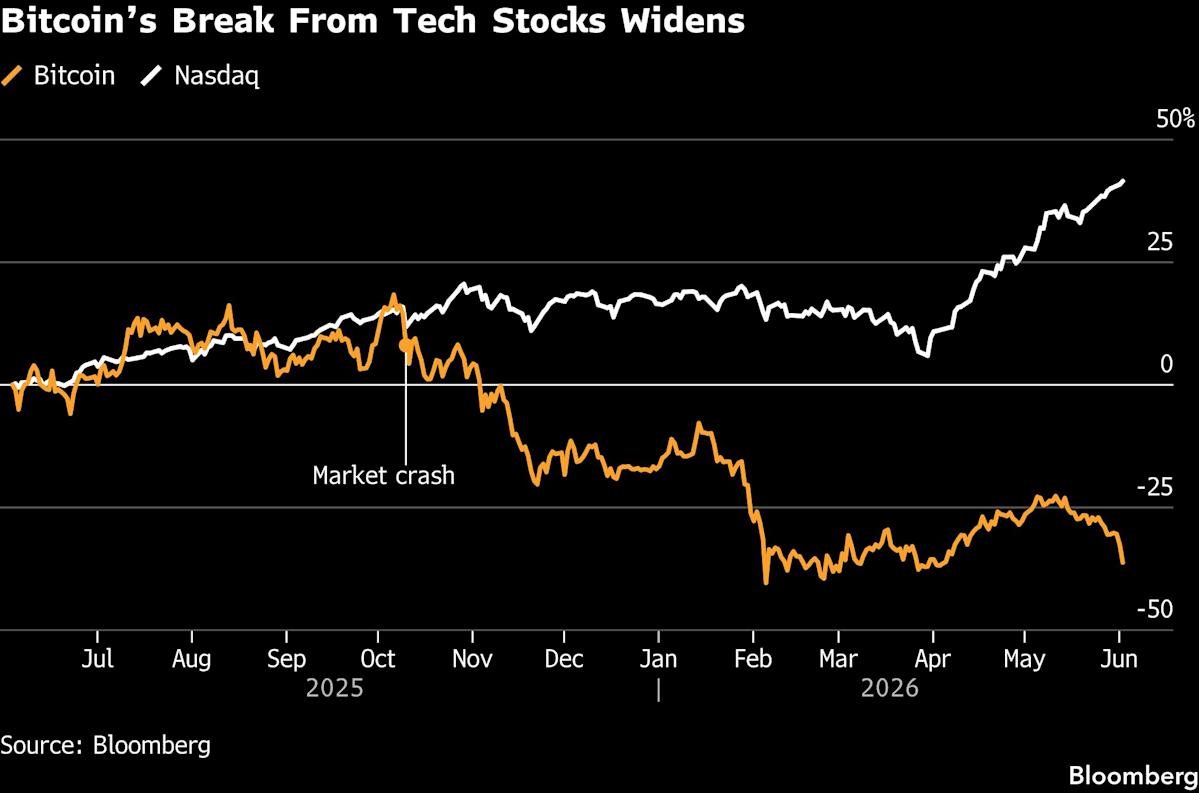
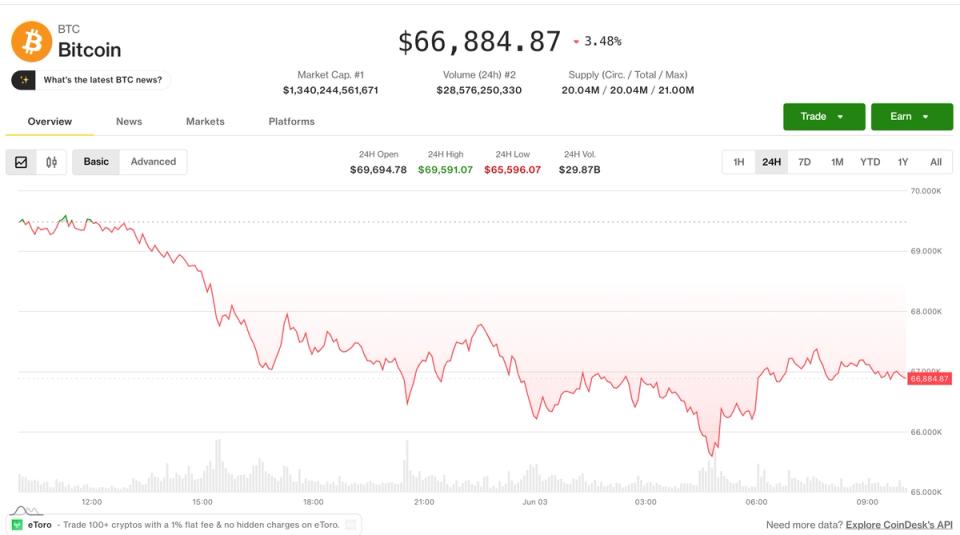
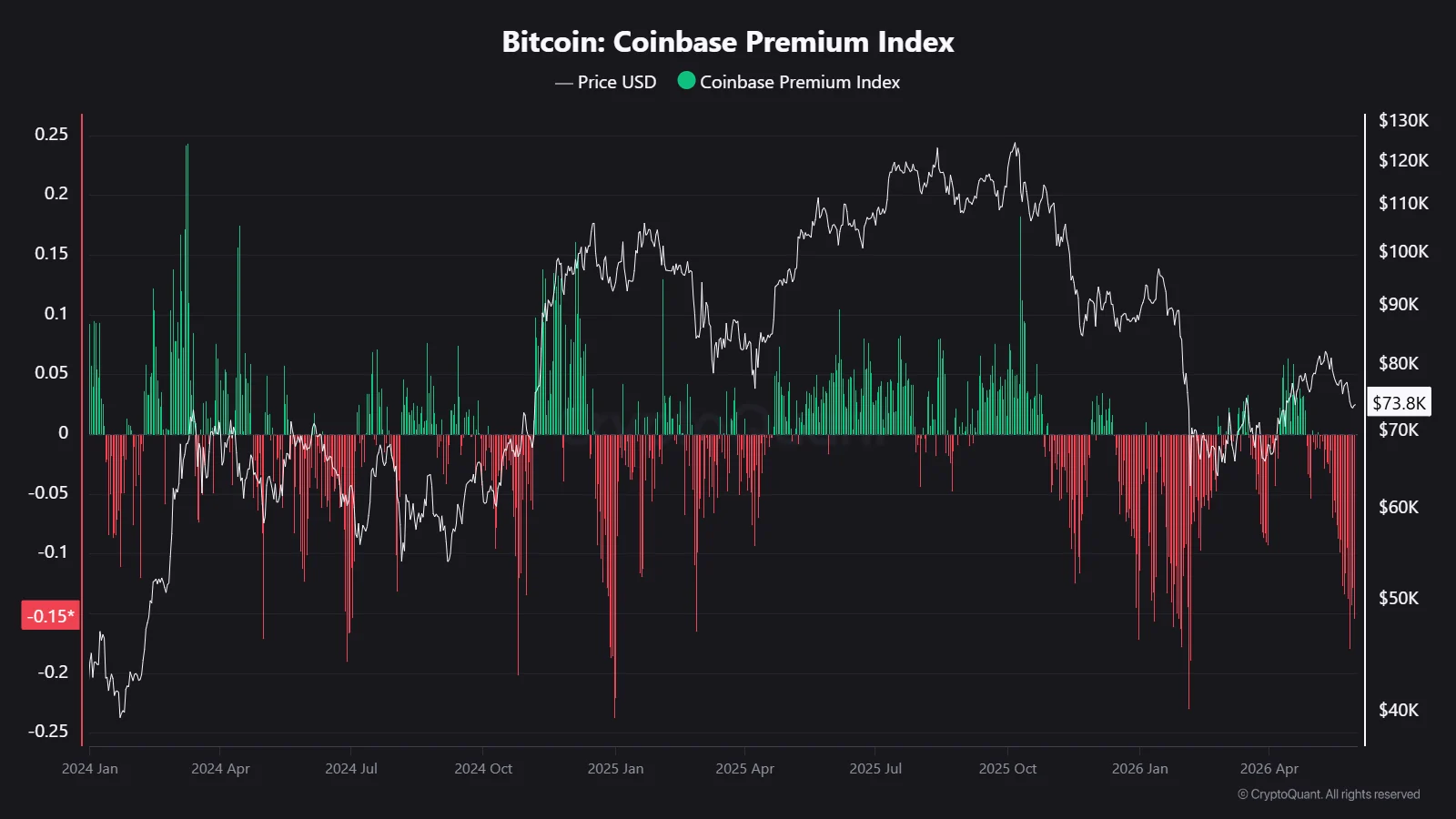
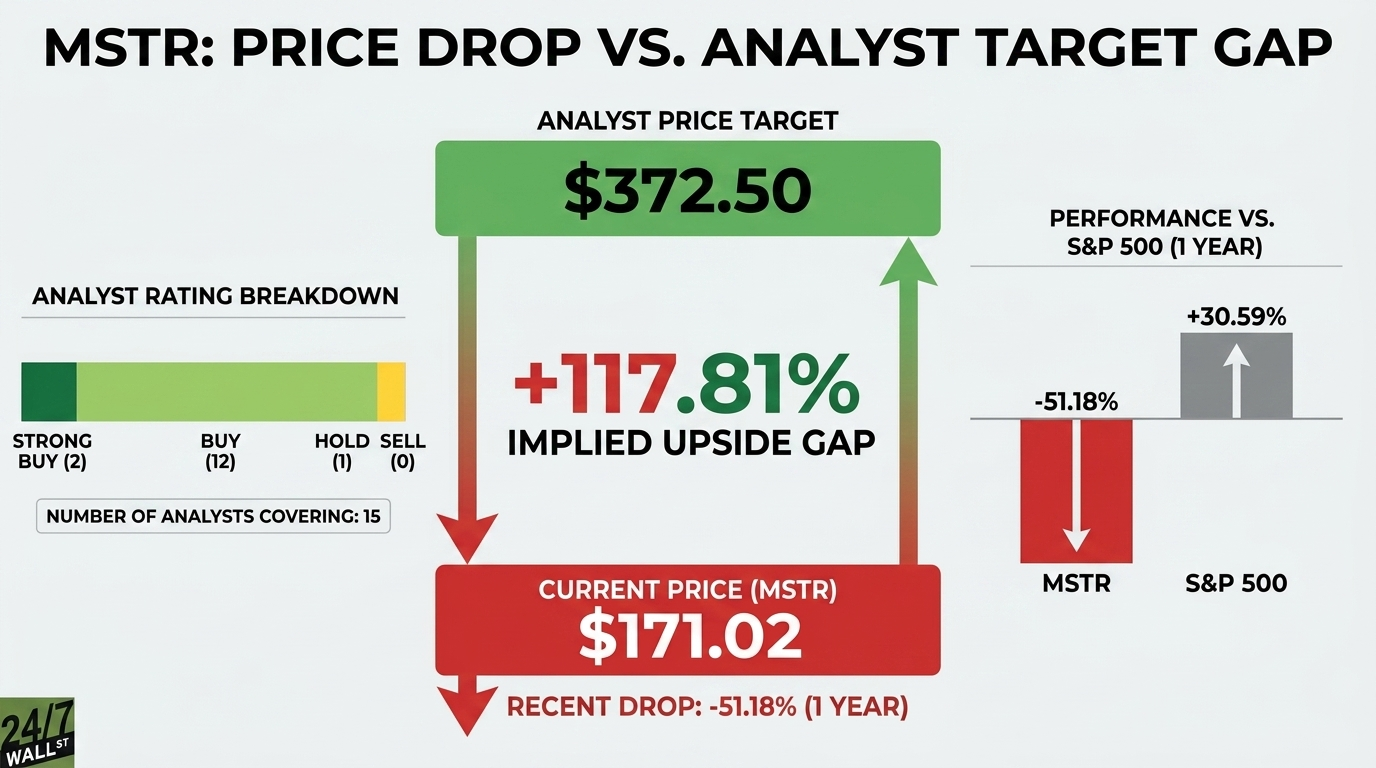
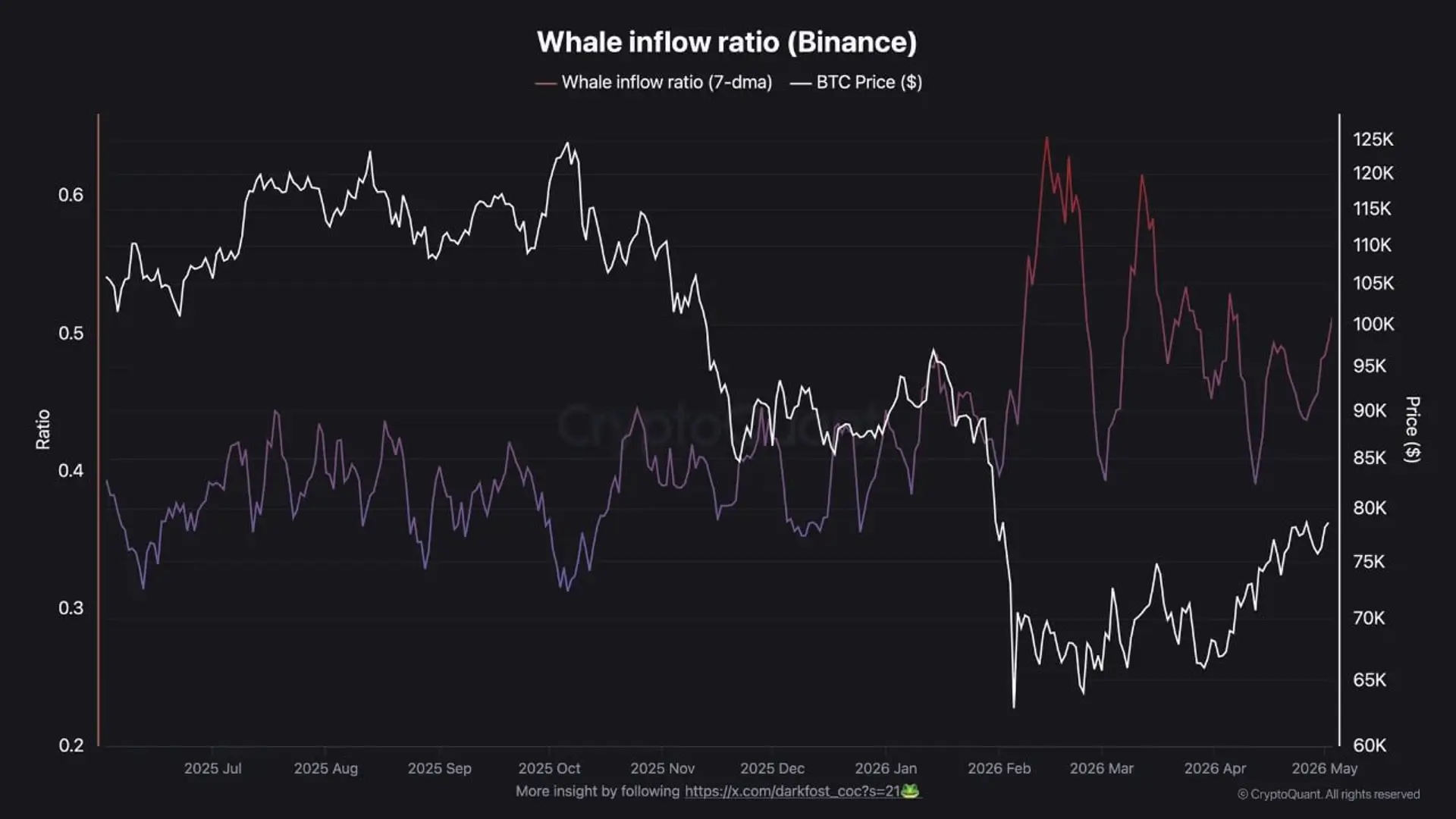
Bitcoin fell to around $71,000 and MSTR shares dropped roughly 6%, as investors reacted to the symbolic shift from Michael Saylor’s “never sell” stance toward a more flexible “net accumulator” approach.
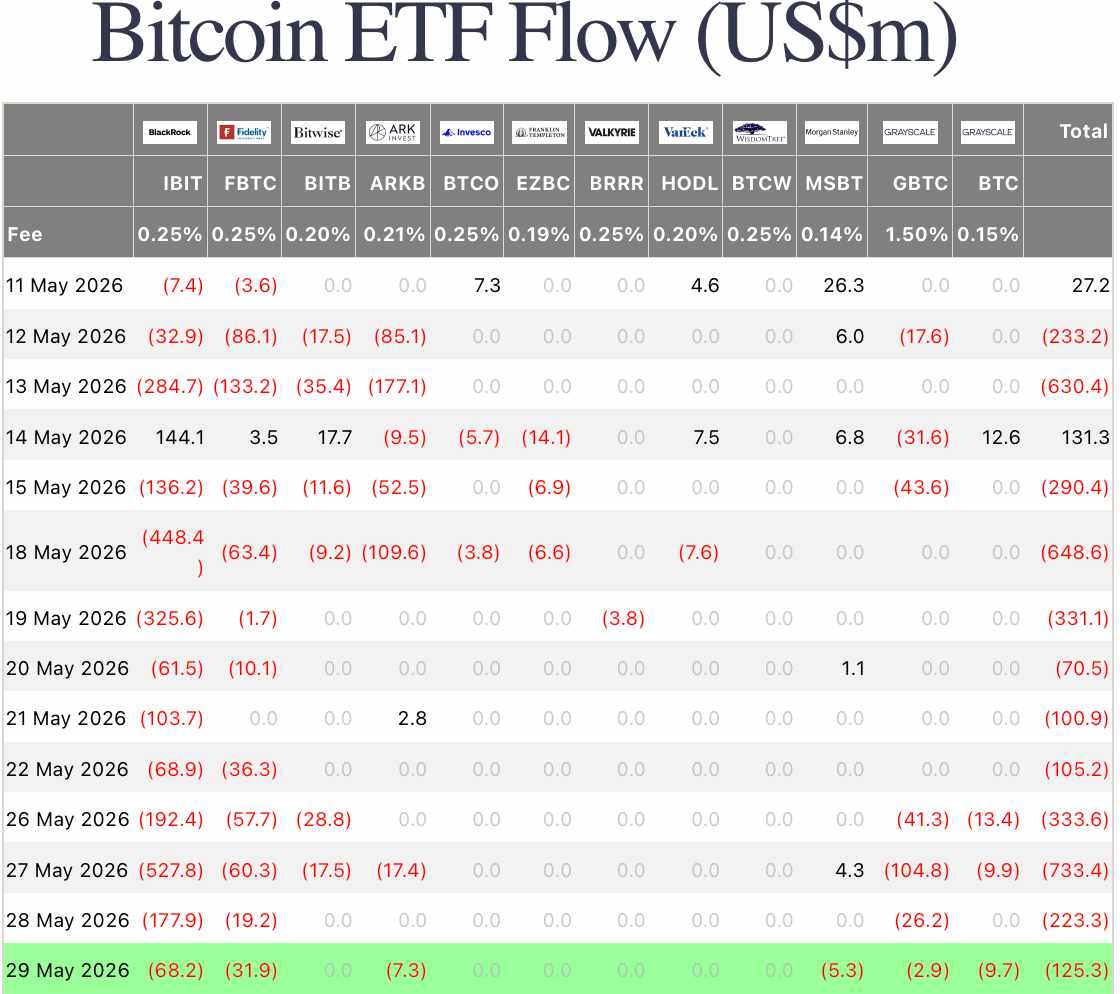
The bigger question is whether Strategy’s growing STRC dividend obligations could lead to additional Bitcoin sales in the future, a possibility that prediction markets are increasingly pricing in.
The post Strategy Sells Bitcoin for First Time Since 2022, Triggering $15M Polymarket Dispute appeared first on ccn.com.