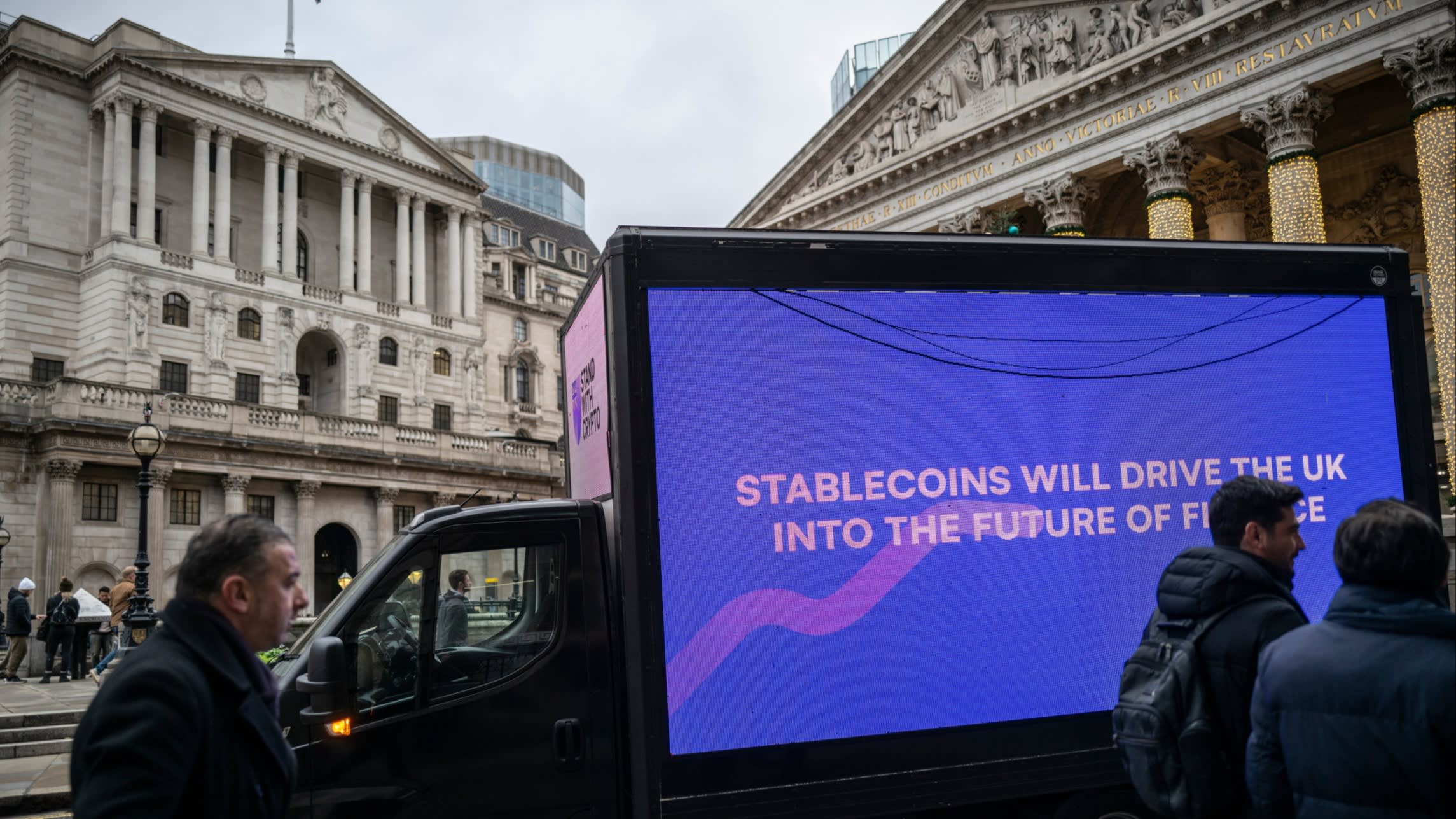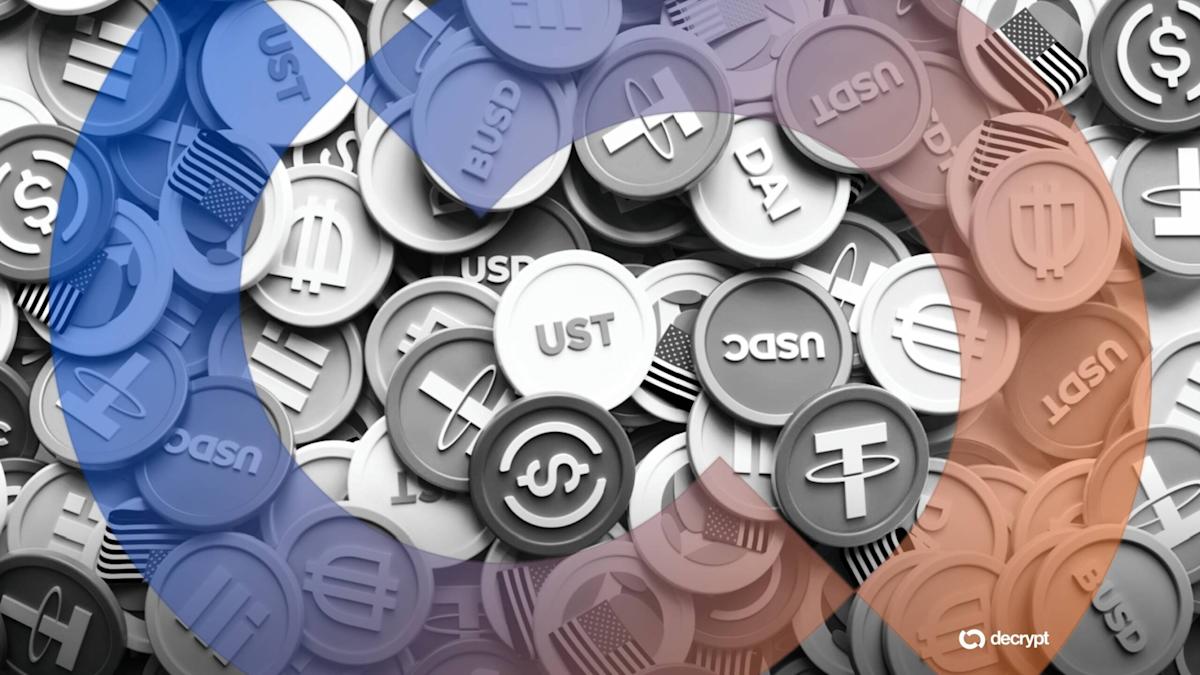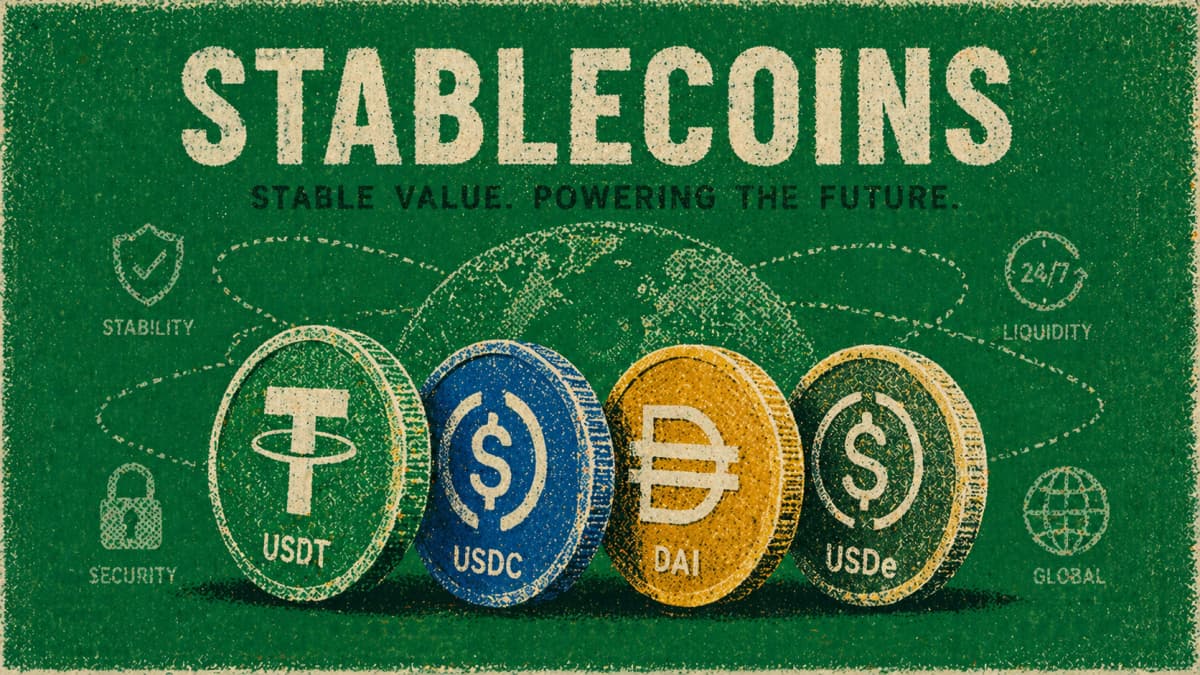
Stablecoins are rapidly becoming the infrastructure layer for global money movement, and their benefits are becoming increasingly apparent. However, the road to widespread adoption runs through significant regulatory uncertainty, concerns about the disruptions that cryptocurrency may cause to the existing financial system, and the persistent challenge of earning consumer trust in a still-unfamiliar technology. The question isn’t whether stablecoins will reshape how money moves but rather seeing if the infrastructure, regulation, and public confidence can catch up to make it happen.
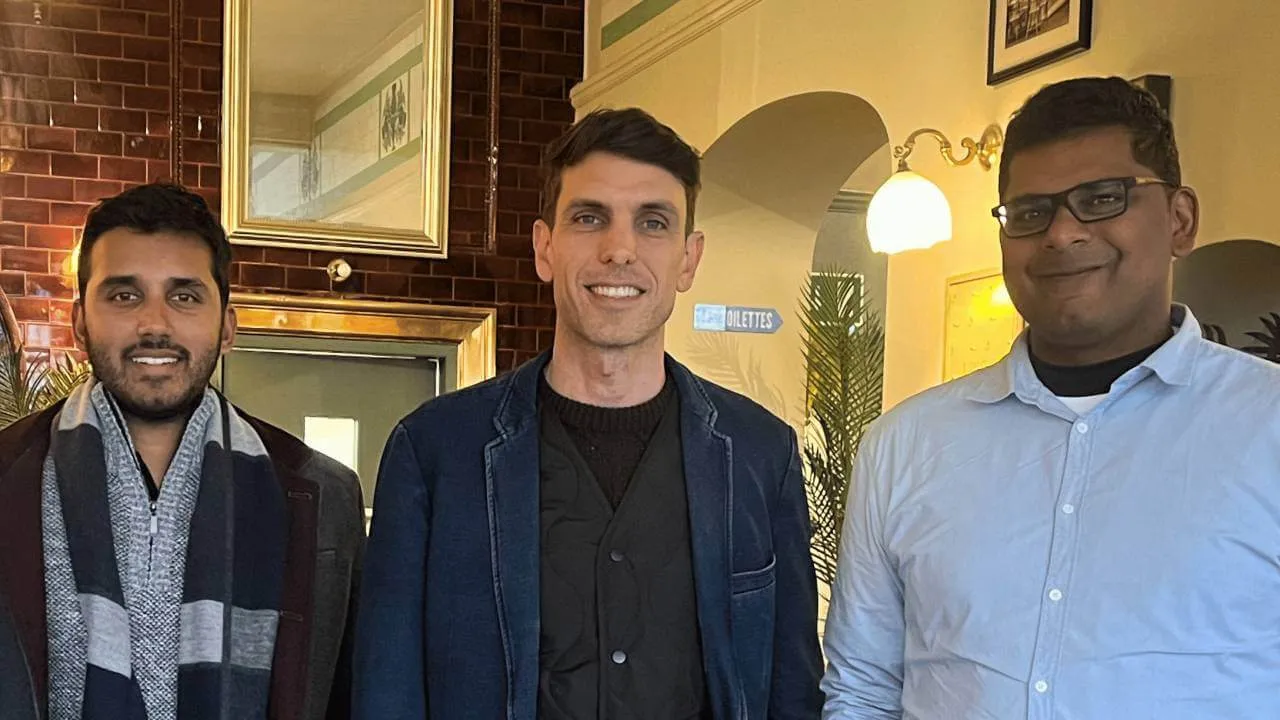
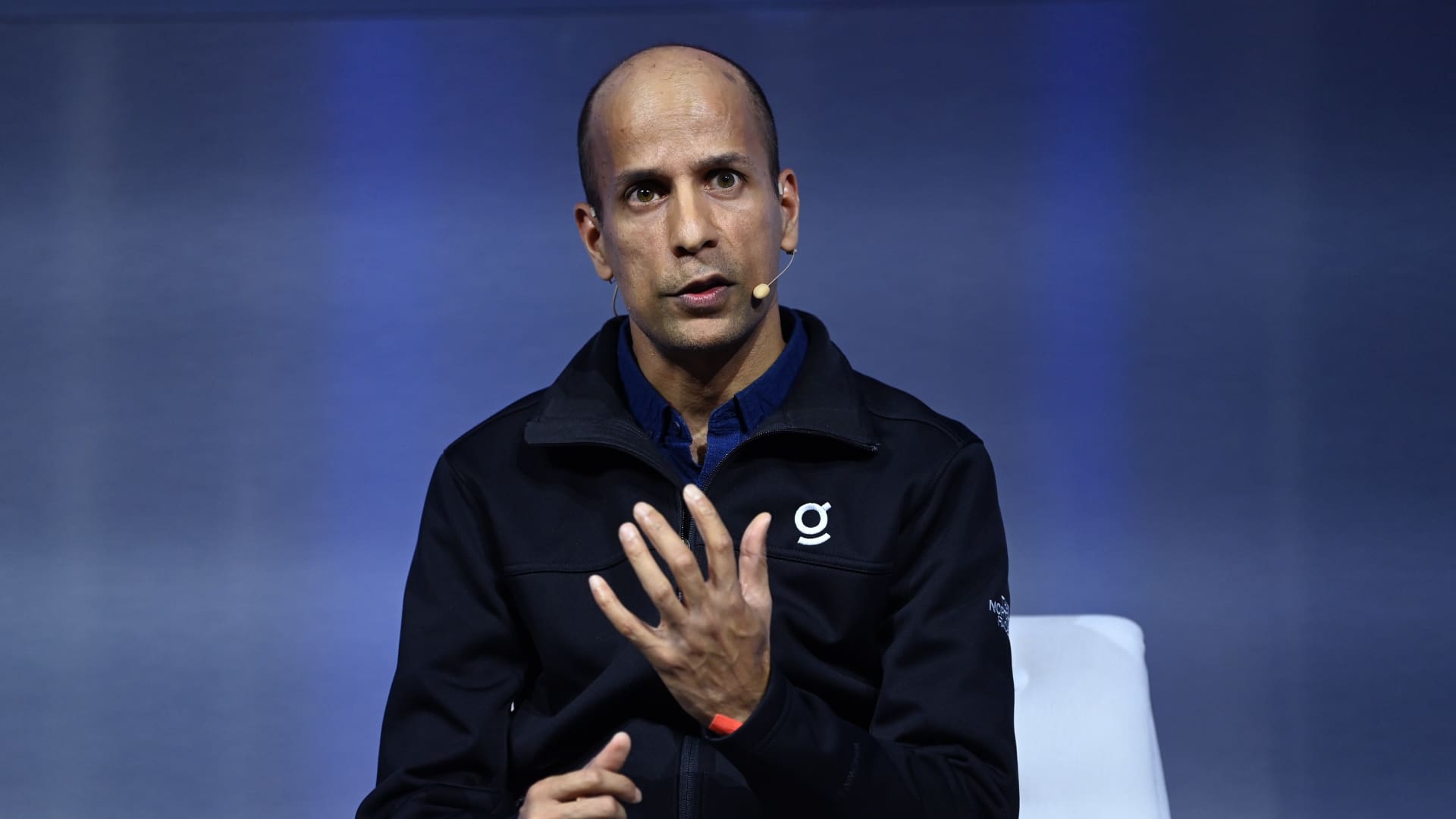
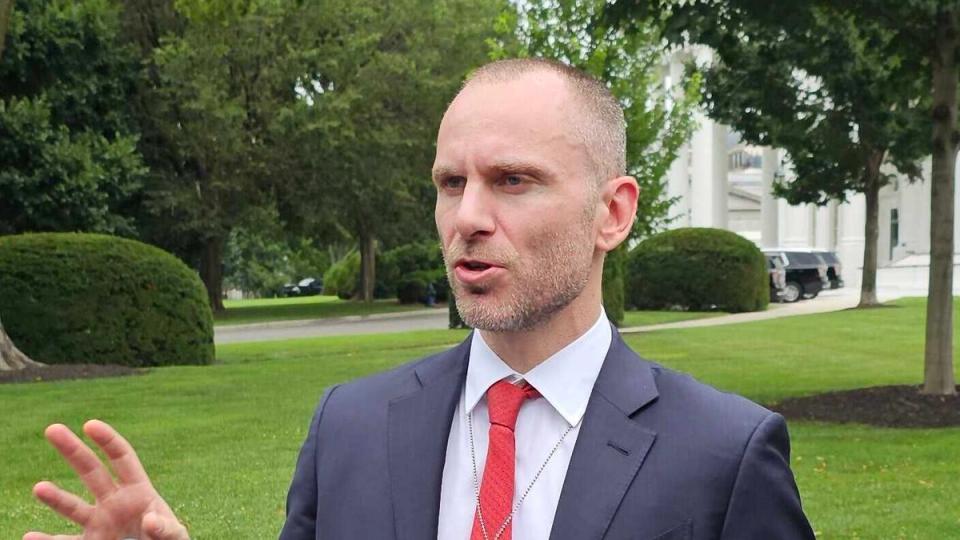
For this episode of Explain to Shane, I am joined by Marc Boiron, CEO of Polygon Labs. Polygon is a leading company in the crypto ecosystem, developing the infrastructure to help unify blockchain networks. Having first served Polygon as its chief legal officer, Boiron brings experience across technology, legal, and strategic fields to his role as CEO, giving him a unique perspective on what it takes to move the economy on-chain. I am also joined by Nicoletta Kolpakov, director of the Cirrus Institute, where she leads research and policy work in blockchain, artificial intelligence, and digital finance.
Below is a lightly edited and abridged transcript of our discussion. You can listen to this and other episodes of Explain to Shane on AEI.org and subscribe via your preferred listening platform. If you enjoyed this episode, leave us a review, and tell your friends and colleagues to tune in.
Shane Tews: Let’s talk about what you’re doing over at Polygon Labs and what’s currently going on over there.
Marc Boiron: I think when you look at the industry, it’s really interesting because, as a technology, by default, the idea is that people can do whatever they want with it. There’s literally no limiting factor there. So that just leads to absolute chaos. What it also does, though, is lead to great, great opportunities as well.
From a Polygon perspective, we’ve always thought: what about this technology can we bring to the world that’s actually going to make a change? And I think that when we sit in the U.S. and think about payments, we don’t think there’s anything that needs to change, mostly. We’re mostly okay with it. But when you talk to most of the rest of the world about payments, or you want to make a payment outside of the U.S., that is a very different world that exists.
My family — I have family in Canada, and I have family in France. And the example I use all the time is when I sit at dinner with a friend, and they ask me to pay them in USDC. I’m like, what are you talking about? I’m just going to send you something through Venmo. But if a family member in Canada or in France asks me to send them money, I’m like, okay, what do I use again? Okay, PayPal is going to be problematic. What’s that weird thing that isn’t like ACH that you guys use over there that I know nothing about? How do I send it? And I end up just saying, can I just send you USDC? This would be so much easier.
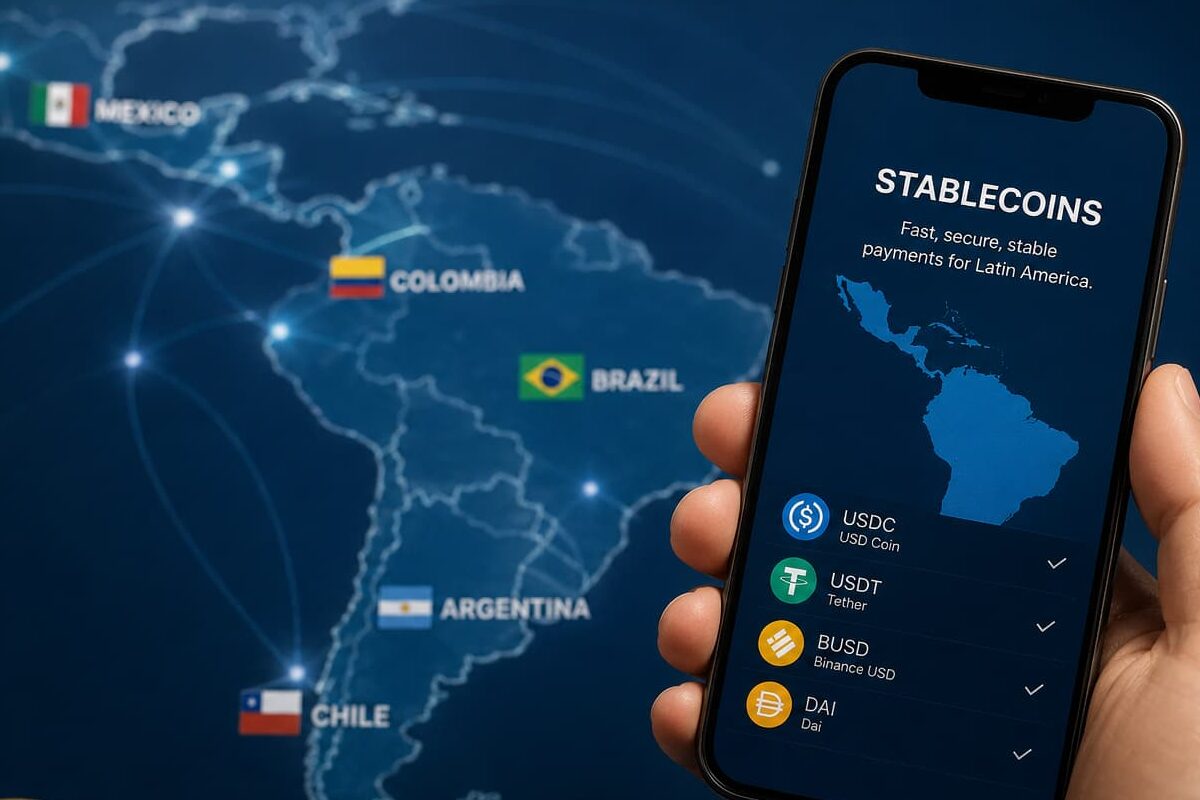
And I think this is true for businesses as much as, or more than, people who need to move money all around the world. And then it’s also true in developing countries. I was in Buenos Aires in November, and I was actually shocked at how hard it was to use cards over there. All I could think was: if only everyone had a QR code sitting there that I could scan and send USDC on Polygon, they’d have their payments immediately, and it’s incredibly easy, and they wouldn’t need to bring loads of cash around with them everywhere. That’d be great.
And so Polygon is really focused on making that change by bringing money on-chain so that payments can be easier and, weirdly enough, actually end up improving people’s lives by making a real change to how payments are done.
Tell us, as far as the market, how challenging is this right now? Is it more regulatory driven, or is it just trying to get people to come on board with what you’re trying to design and be part of your party?
A year ago, I would have said this was extremely challenging. Right now, honestly, the floodgates are open. And the simple reason is because whenever you have something that’s actually better, people want to use it. And what happened historically is two things. First, the underlying technology — not the format of stablecoins, but the blockchains themselves and the way you hold funds and interact with them — was really, really hard.
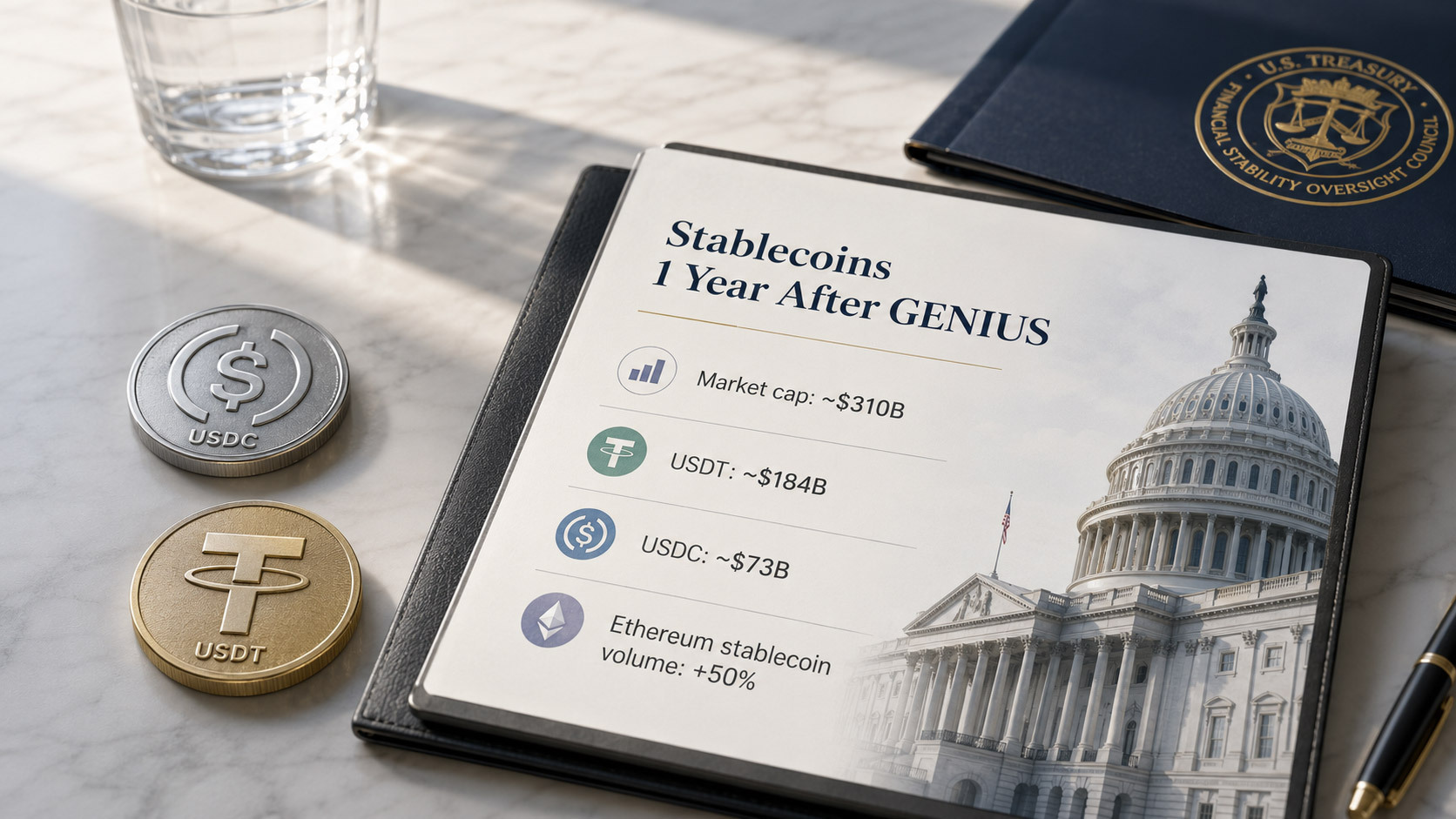
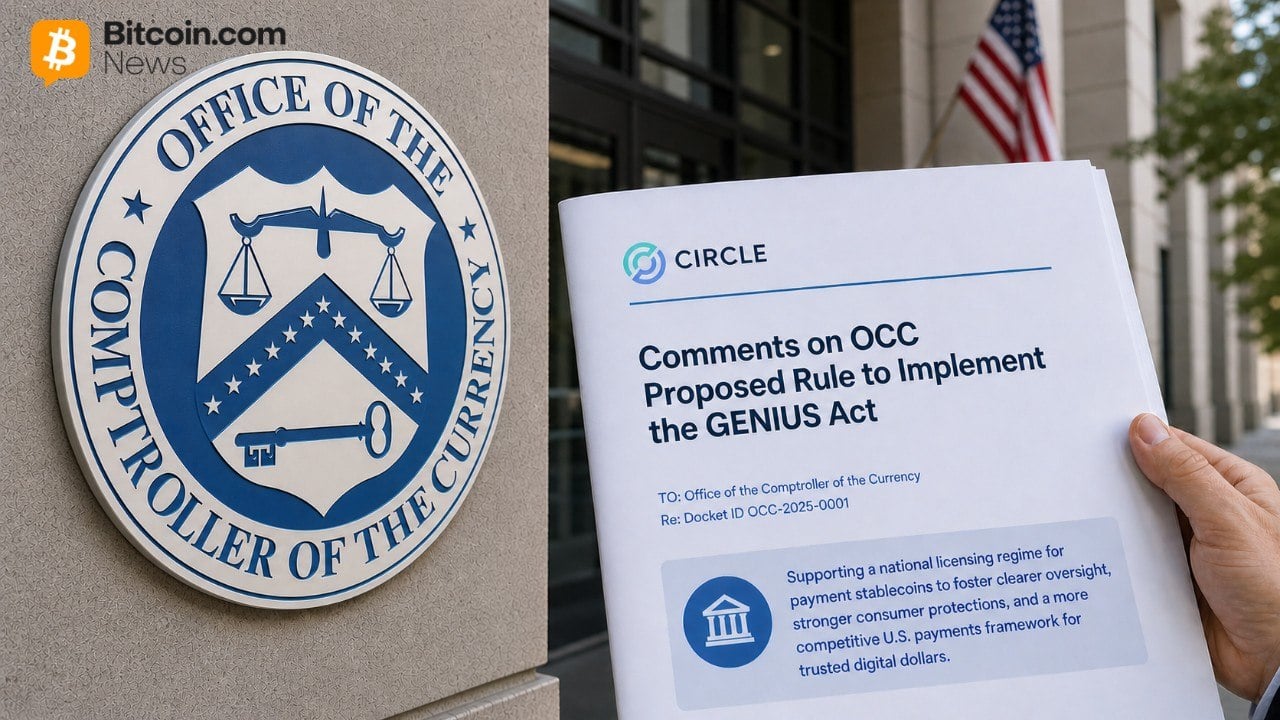
I would say today that’s no longer true. The way you interact is actually very simple if it’s done well. And then second was regulatory issues, right? Until the Genius Act passed last year, nobody wanted to touch stablecoins because there was a lot of uncertainty around them. Ever since then, when you combine this idea that it’s actually easy to use now, and then second is that we now have regulatory clarity.
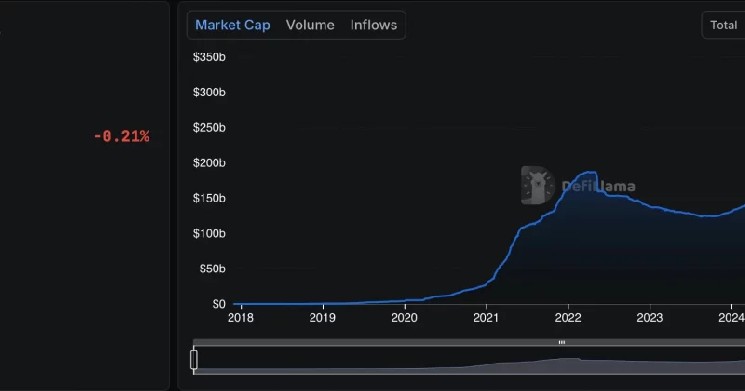
The growth in stablecoins is massive. I think we’ve seen over 400% increases in stablecoin payments on Polygon in the last year. And I can hardly think of a fintech or an enterprise that isn’t currently having discussions about where they use stablecoins. So it’s more actually right now, the tension is on how do we make it easy for developers to integrate it, more than it is: “Should people use this?”
And this is the core of the open money stack that we’re working on. I talk to a developer or an enterprise, and they say, I want to do this thing. I want to use stablecoins because I have creators in 50 different countries that I need to pay out, and it is a complete pain in the butt because I pay them, I don’t know, the payment goes out, my bank can’t tell me where the money is, and I don’t know how long it’s going to take.
I don’t actually know that they’re going to get the exact amounts I said they were going to get, depending on where they are in the world. And I want to solve that. But when I think about stablecoins, all I know is that I need to talk to a company that deals with blockchains. I need to talk to a company that deals with wallets, talk to a stablecoin issuer, talk with… another provider, and so on and so forth. And so my view is that we need to bring this into one simple API, one simple package that you plug into. And that is what you’re going to use, whether it’s onboarding or on-ramping or off-ramping, whether it’s moving money across chains, whether it’s moving money on-chain, whether it’s issuing. You need to be able to do all of that simply. Until we get there, that friction is probably the biggest hindrance right now.
I think what you’re saying is that you’re slowly getting more regulatory clarity, that’s making it easier for people to not even have to think about what they’re doing. It’s now built into the process, and there’s actually a back end that can explain why that’s okay. And you’re doing a lot of building around that.
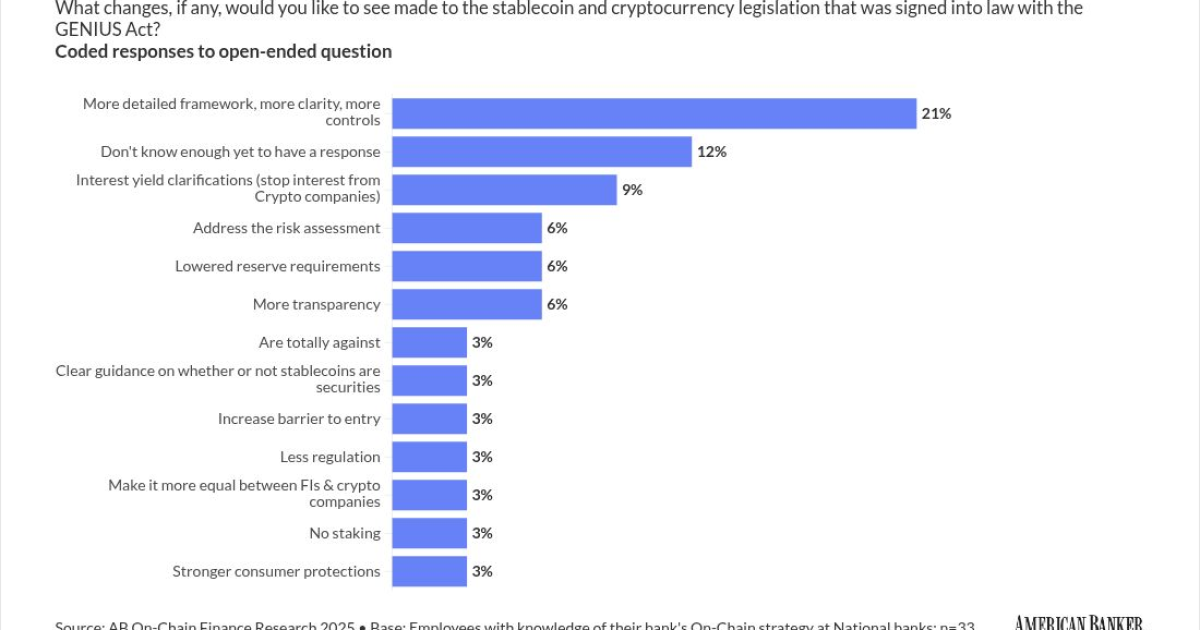
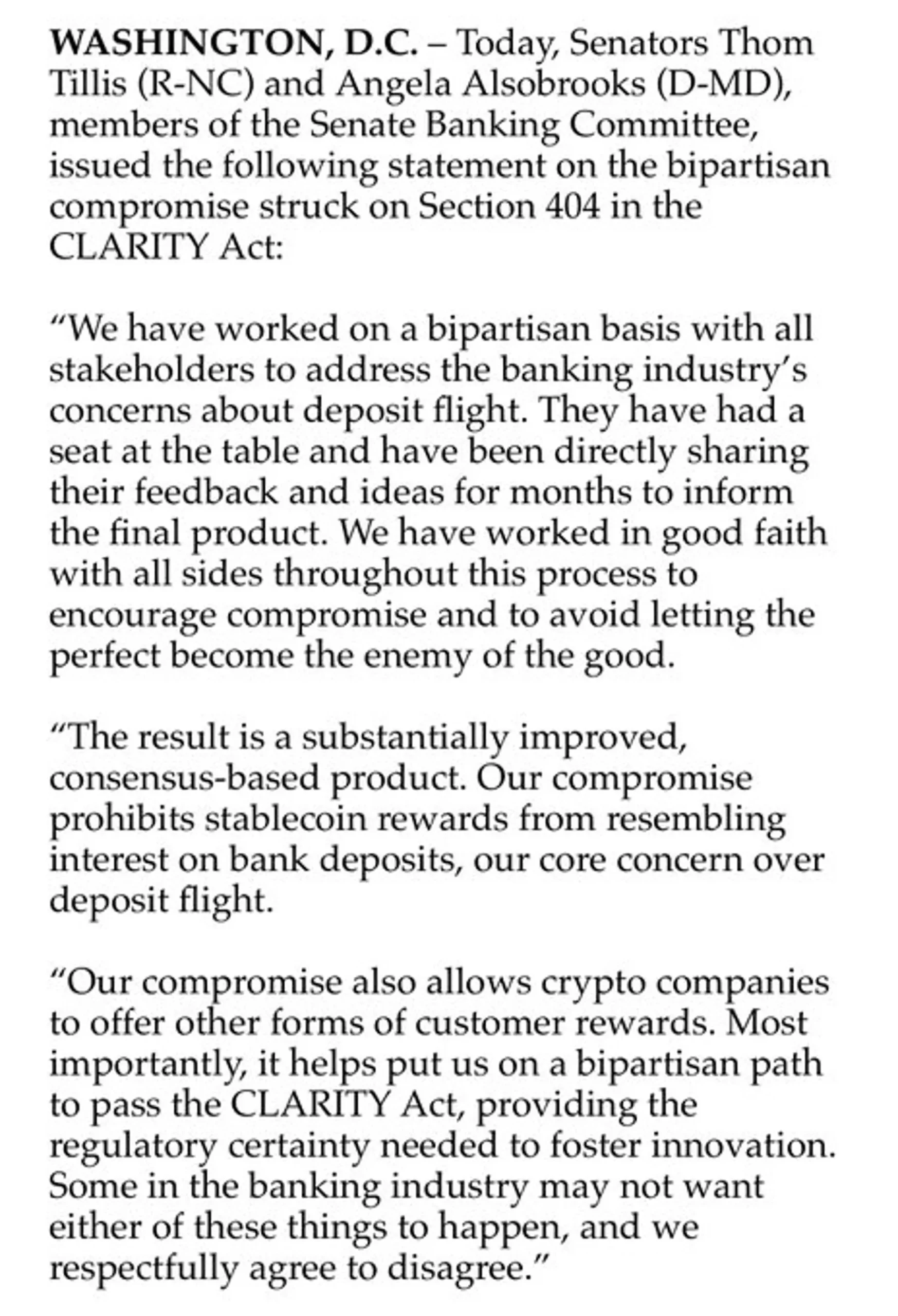
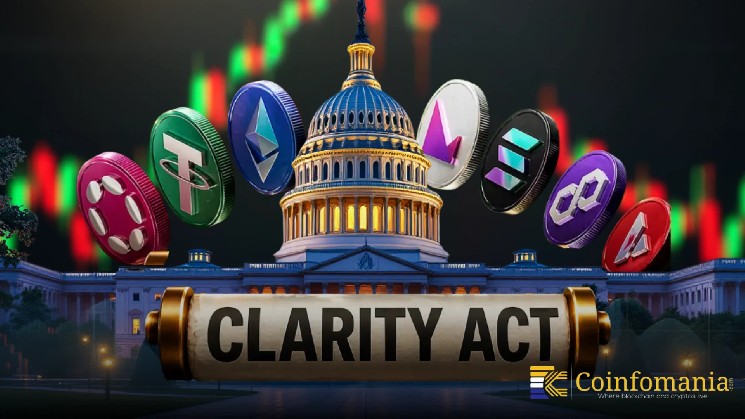
I think there are two things happening at the same time. One is we’ve got the Genius Act, but we don’t actually have implementing regulations around the Genius Act. We actually just saw initial drafts of that yesterday for the first time. And then the second one is the Clarity Act. And I think the biggest outstanding issue around stablecoins is this issue of yield. So stablecoins — what’s backing them? It’s generally Treasuries, and those generate yield.
And right now, the issuers of those stablecoins get to keep all of that yield. Companies like Tether are, I think, maybe the most profitable company ever by the number of people-to-profit. It’s insane how much money they make. They’re benefiting fully from that. But when we actually think about what’s good for the public, you have this risk, which is Treasuries defaulting. That’s the underlying risk.
That risk does not change whether you have the individual receiving the yield or the issuer receiving the yield. Why is it not better for the individuals to actually receive that yield? It’s undebatable. You can’t debate that fact. It is 100% better for everybody except for one group, which is banks. Because banks then would see deposits flow out and deposits flow into stablecoins, and they are worse off.
That is really where the issue is. Now, I’m a little bit on a different side of this than most in the crypto industry, and the reason is I think it’s irrelevant. And what I mean by that is: look, great, it would make my job so much easier if I could just say, you earn yields on your stablecoins that use stablecoins. Cool, that’s great. The question is, does it hinder adoption if you can’t?
In reality, in your checking account right now, you’re not earning yield. Most people keep a lot of funds in their checking accounts and much less in their savings accounts. I never understood why, but that’s the reality.
And so when you make this decision of, should I use a stablecoin? My answer is: it’s actually a 10x better product than what currently exists. If I want to move money around the world, it is 10x better. And so I’m going to use it. I don’t think there’s any debate on whether stablecoins end up dominating money movement over the next 10 years or not. To me, this issue of yield is one where I don’t understand why we wouldn’t just benefit consumers in this instance with no additional harm to them. And yes, it would make my life easier if things accelerated even faster. But I think stablecoins win anyway because they’re just on better, faster, cheaper rails.
What is on the horizon for you? What should we be looking out for?
I think the exciting thing for us is when we actually get to integrate these acquisitions that we’ve made and offer that one single API. I think when I start being able to say you can move money in weeks, for integrating this anywhere in the world, that’s when I’m going to start getting very, very excited about things. So I think keeping an eye out for that is probably the biggest thing that I have in mind.
But the other exciting thing is seeing everyone who is currently coming on-chain. I know a lot of this is happening on Polygon. That’s really cool. To me, whenever you see the Revoluts and Flutterwave — a huge PSP in Africa — and Tazapay, when you see these really meaningful fintechs actually choosing to adopt stablecoins, that gets me very excited because everyone else looks at that and goes, I really, really need to do this too.
I think what really opens the floodgates very soon this year is when you see two or three major global enterprises saying we are going to do some form of payout via stablecoins. That can be creator payouts, developer payouts, marketplaces doing payouts. I think that when that happens, the world’s mostly woken up to stablecoins, but I think that’s when the floodgates really open, where there’s nothing holding you back anymore. Everybody’s going to see the benefits of doing that.
And it’s going to get a massive number of people to have wallets and get used to interacting on-chain. And my goal, honestly, is that we should build wallet infrastructure and chains in a way that doesn’t require people to get used to it. It does require a certain amount of trust still. I think in five years, you won’t even think about it anymore. It’ll just be it is what it is. For now, there’s a certain level of trust. So having those enterprises come in and make payouts in that way, that’s going to build trust in the people receiving them, which is just everyday people, right? That’s when things start getting really exciting, and we can see adoption speed up even more.