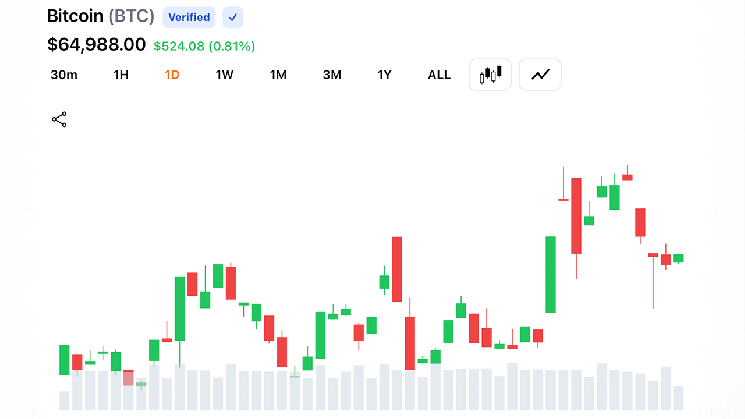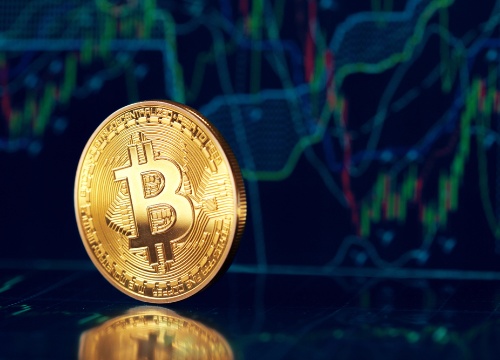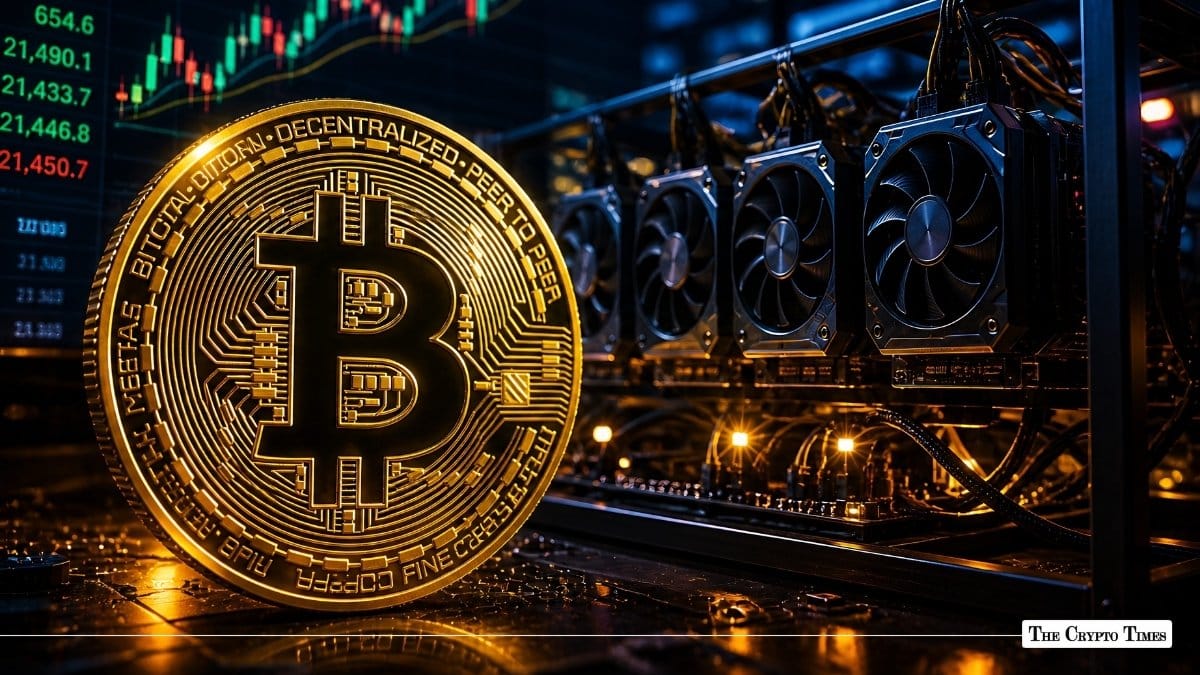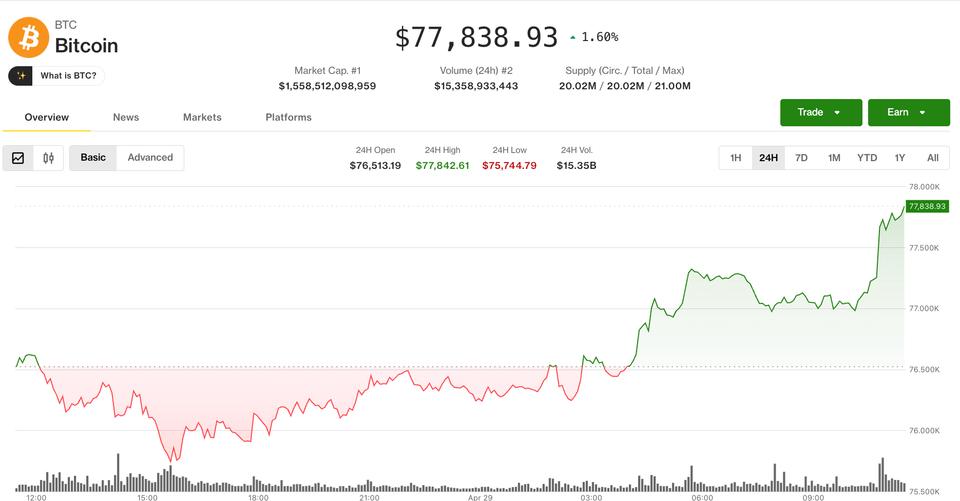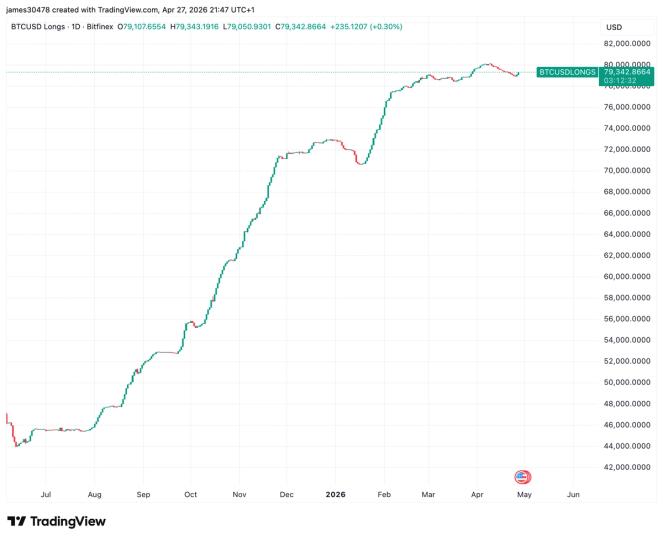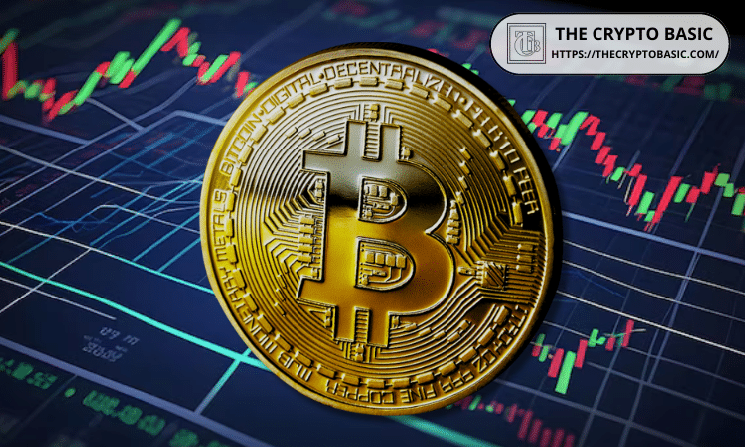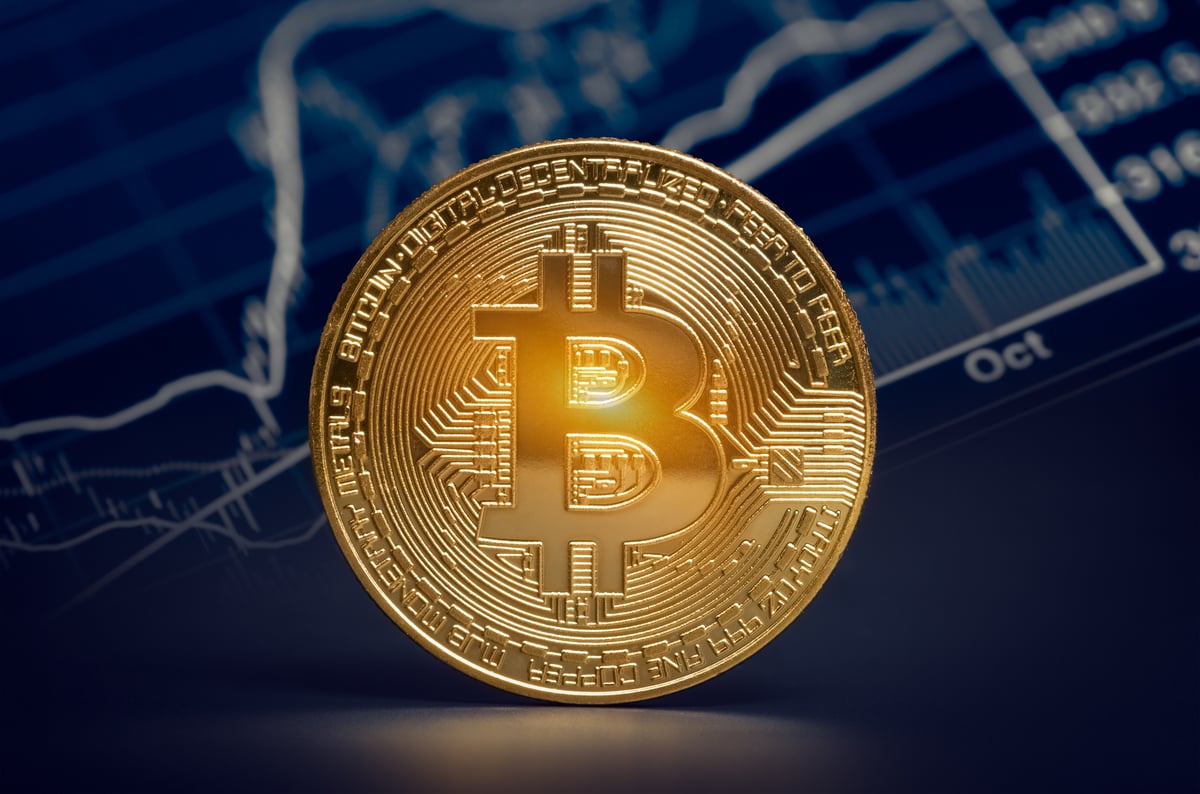
- Bitcoin is attempting to break above $79,000, with the market focused on the potential for further gains.
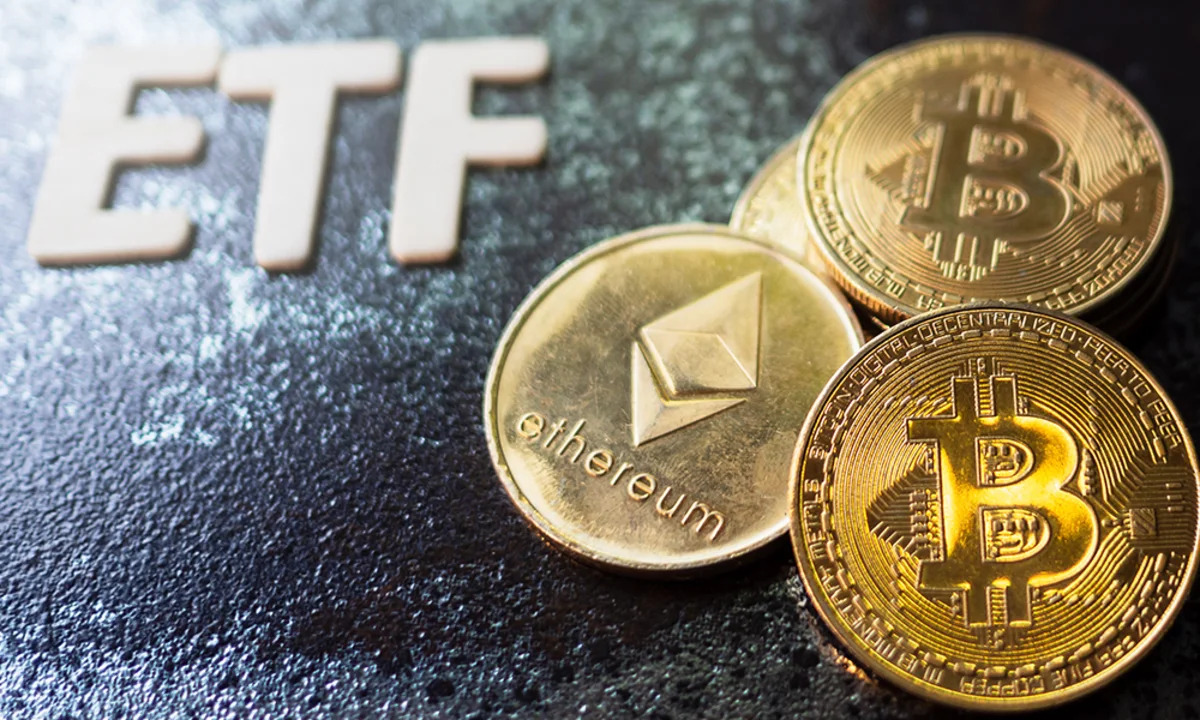
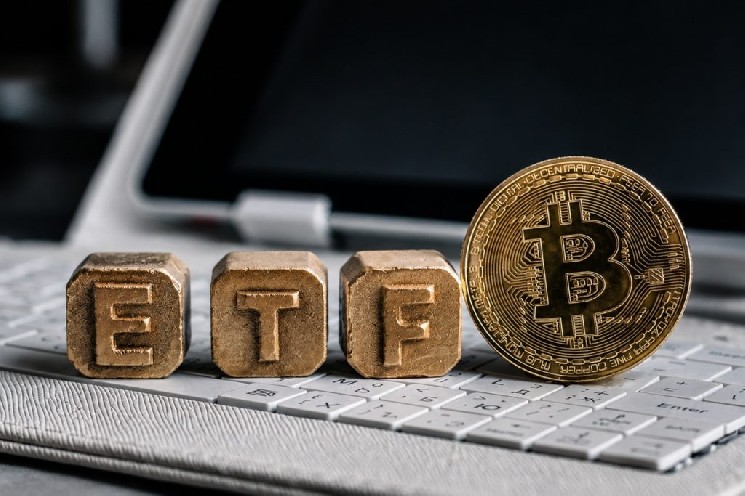
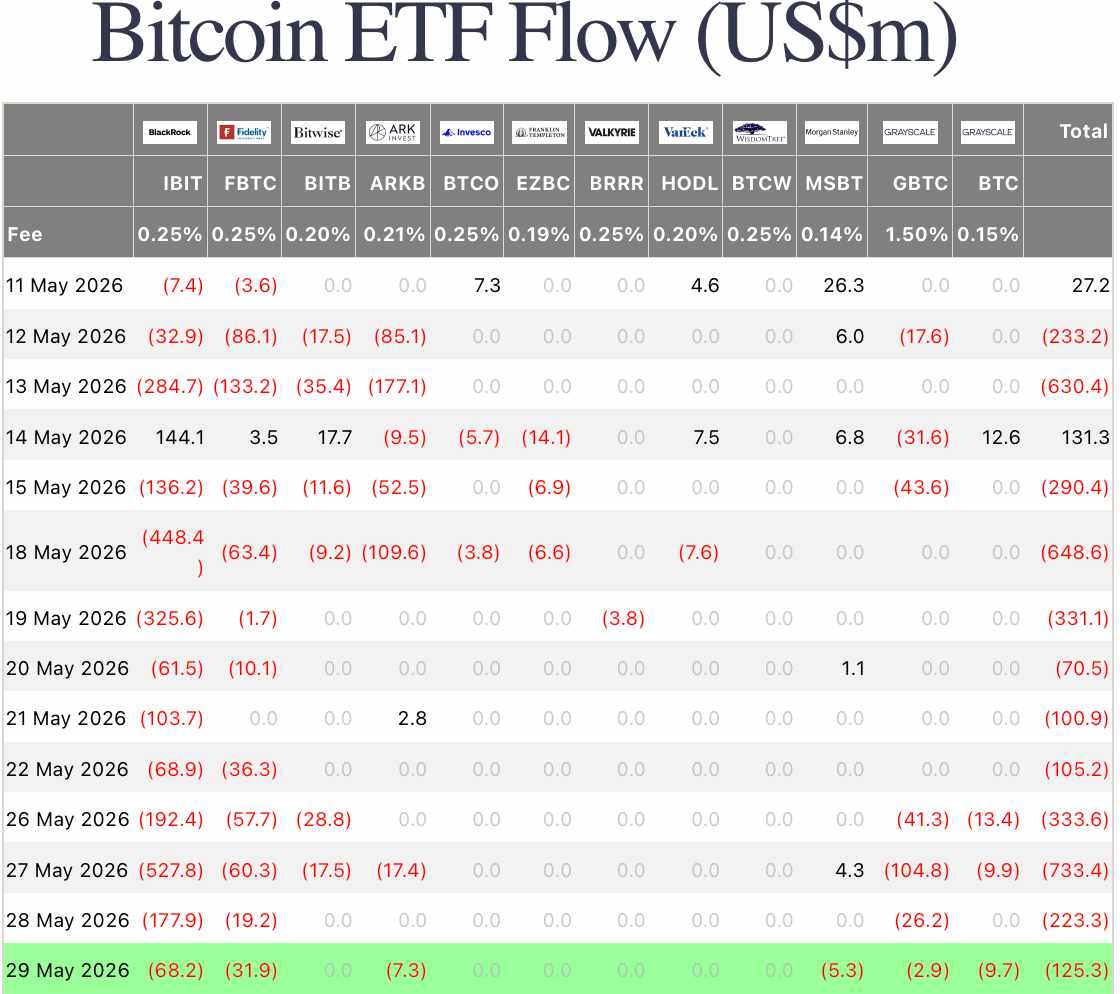
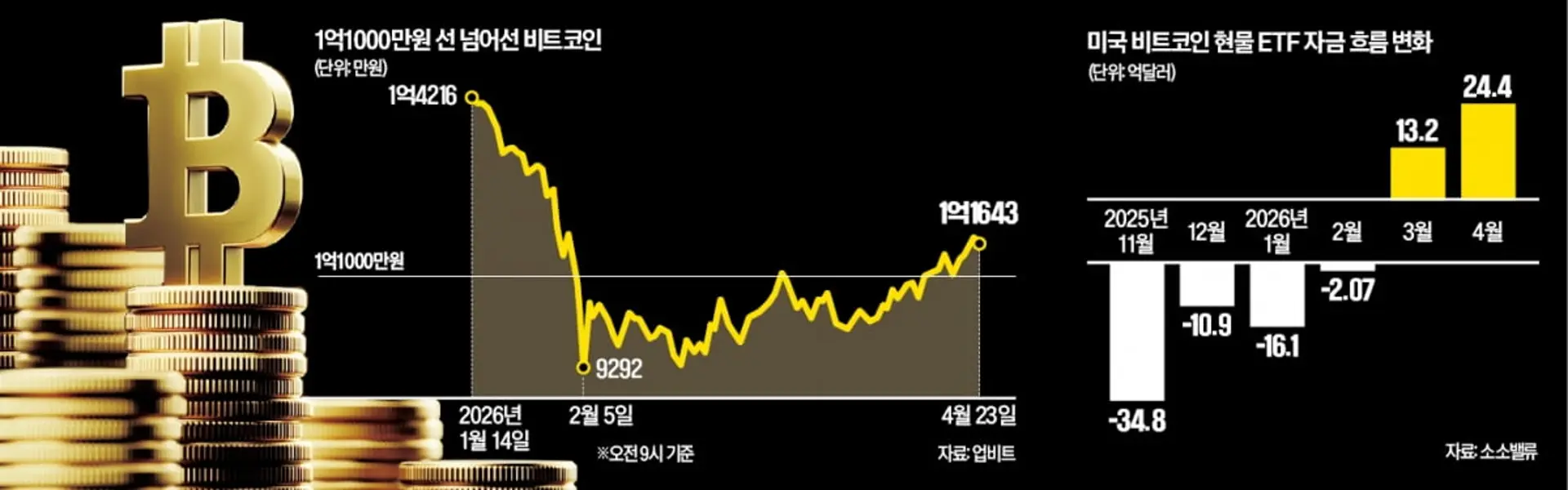
- About $630 million flowed into US spot Bitcoin ETFs in a single day, prompting some market participants to bet the short-term rally can continue.
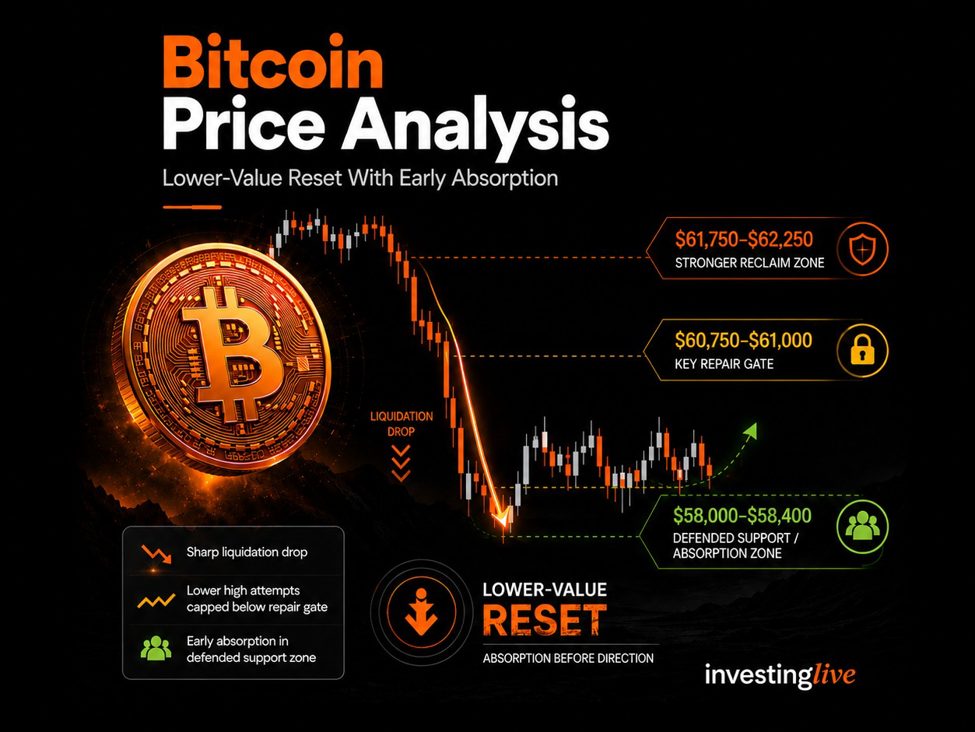
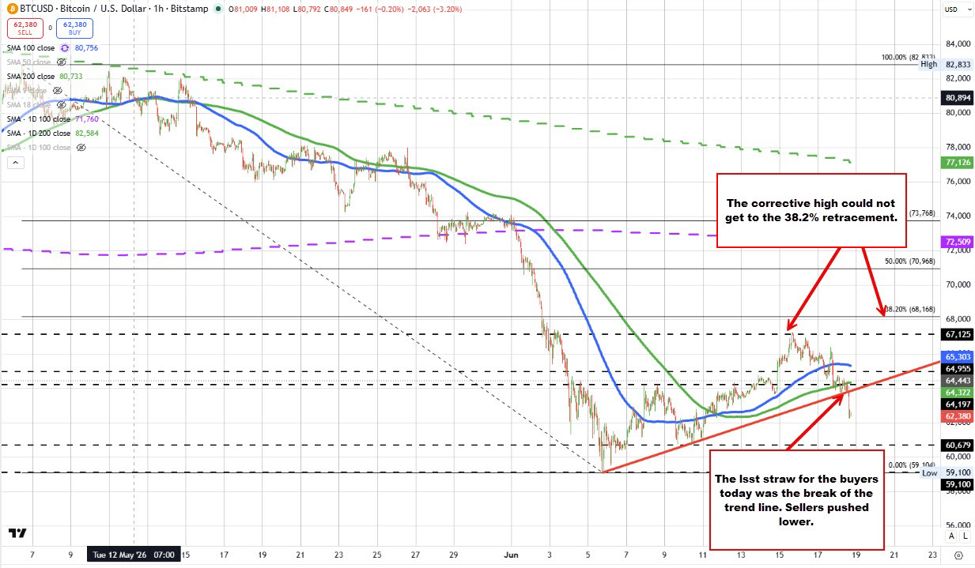
- A break above the key $79,000 resistance zone could put $86,000 to $88,000 and $92,000 to $94,000 in view as the next resistance levels, though concerns about a liquidity trap are also emerging.
Forecast Trend Report by Period
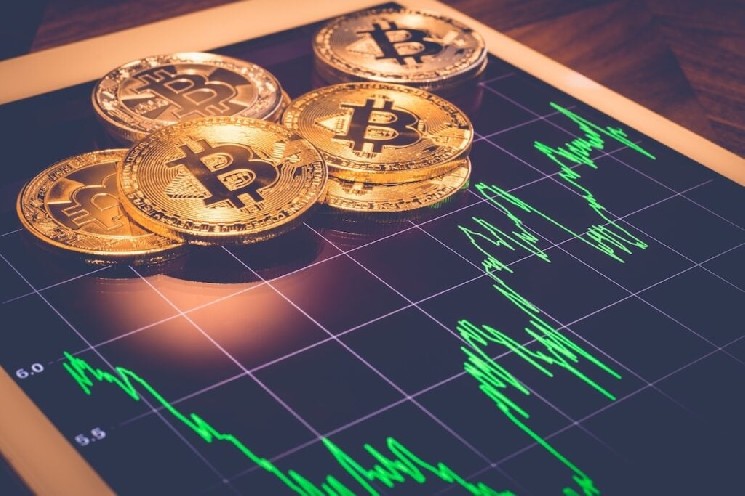
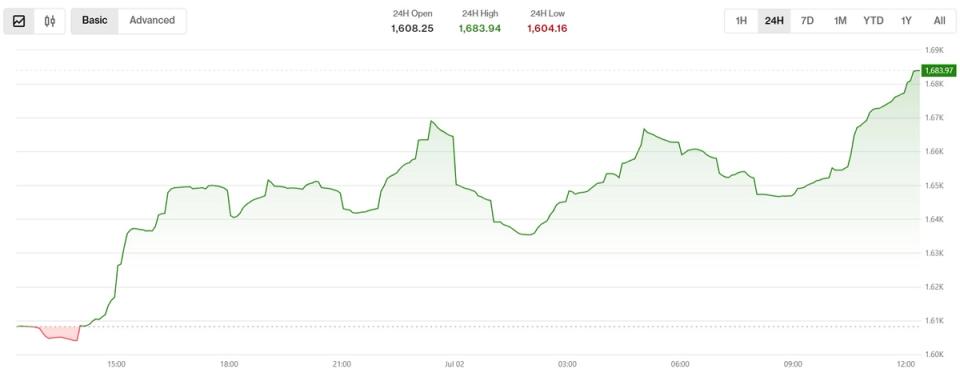
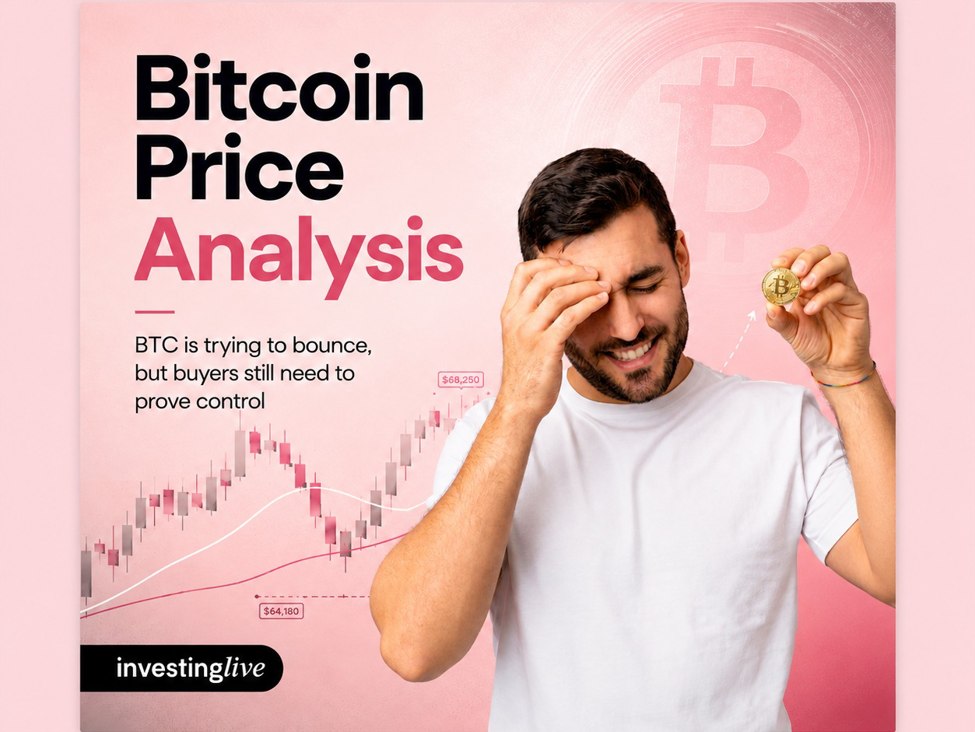
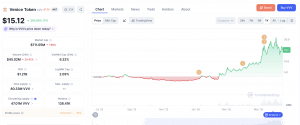
Bitcoin is attempting to break above $79,000, with traders watching whether the move can drive a fresh leg higher.
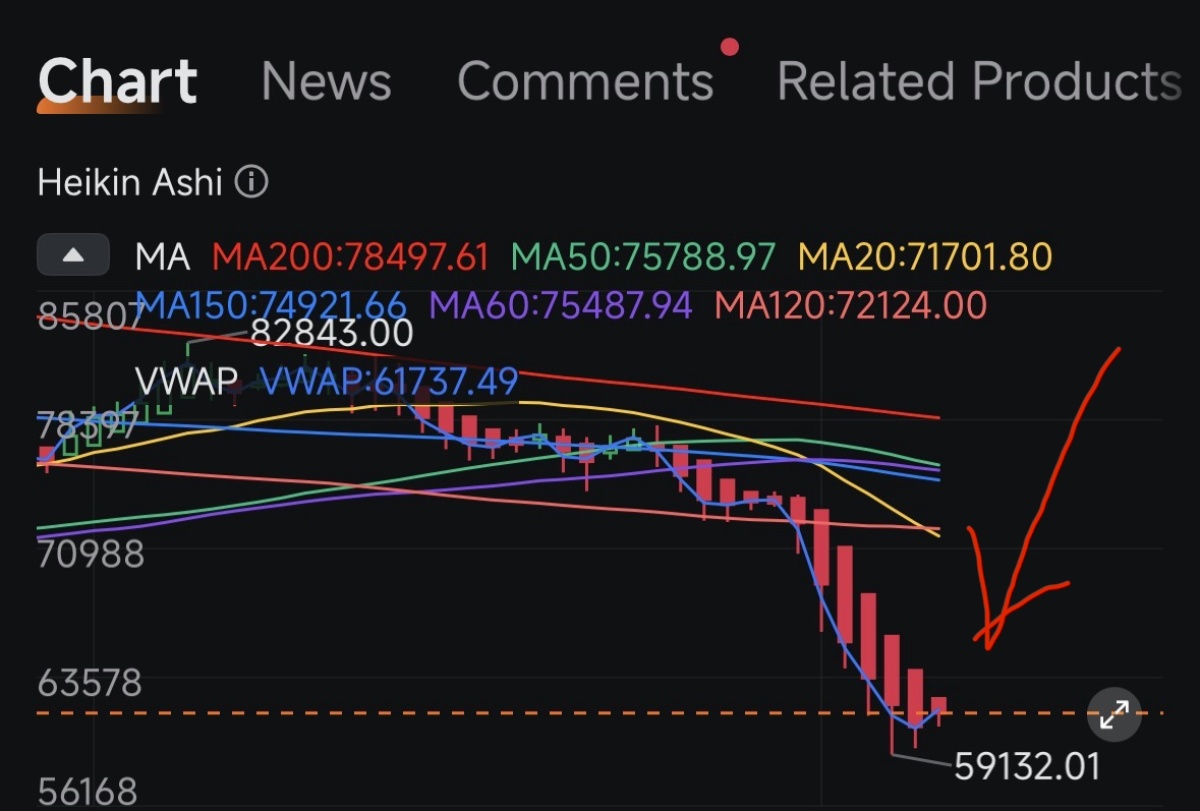
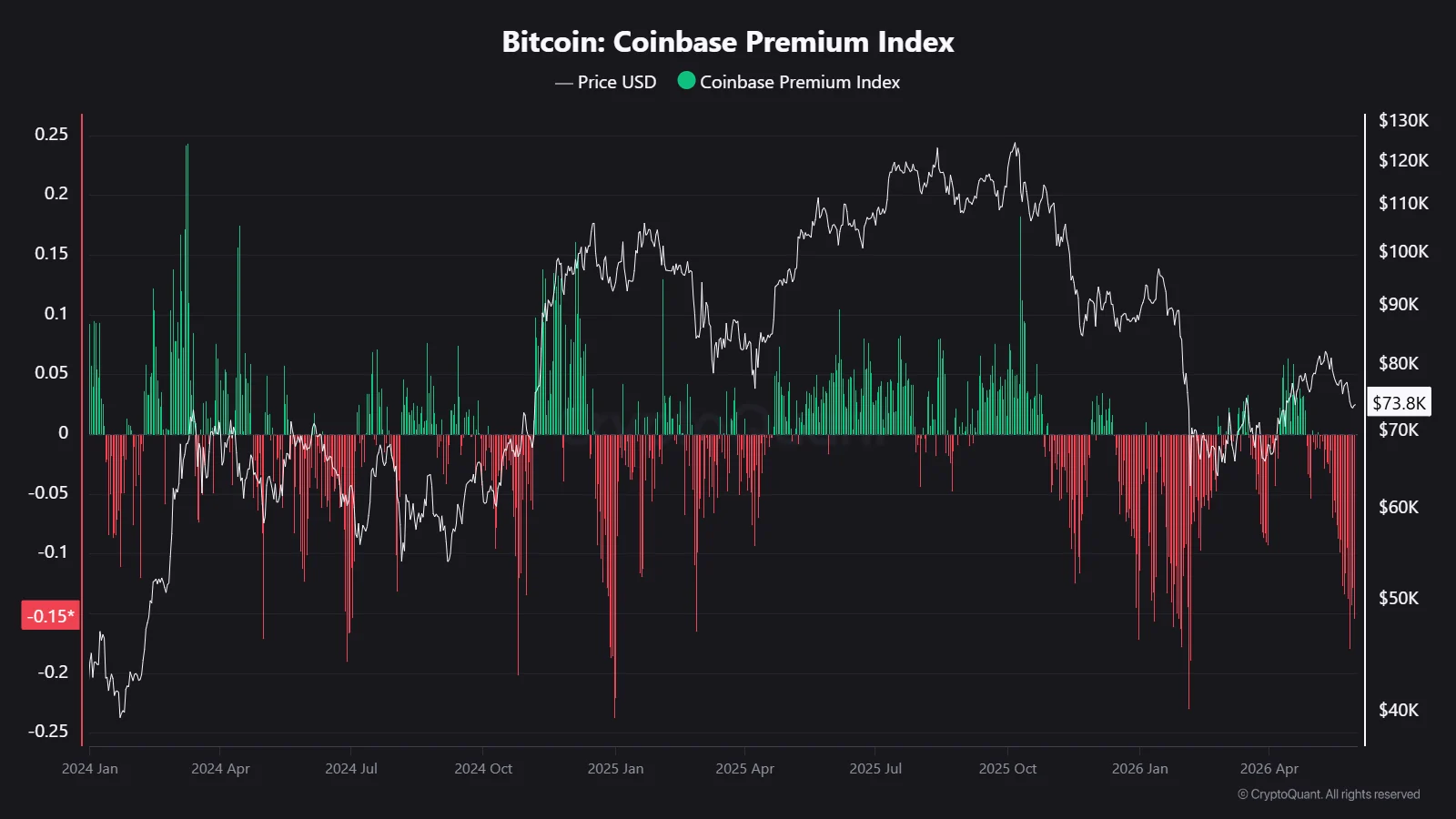
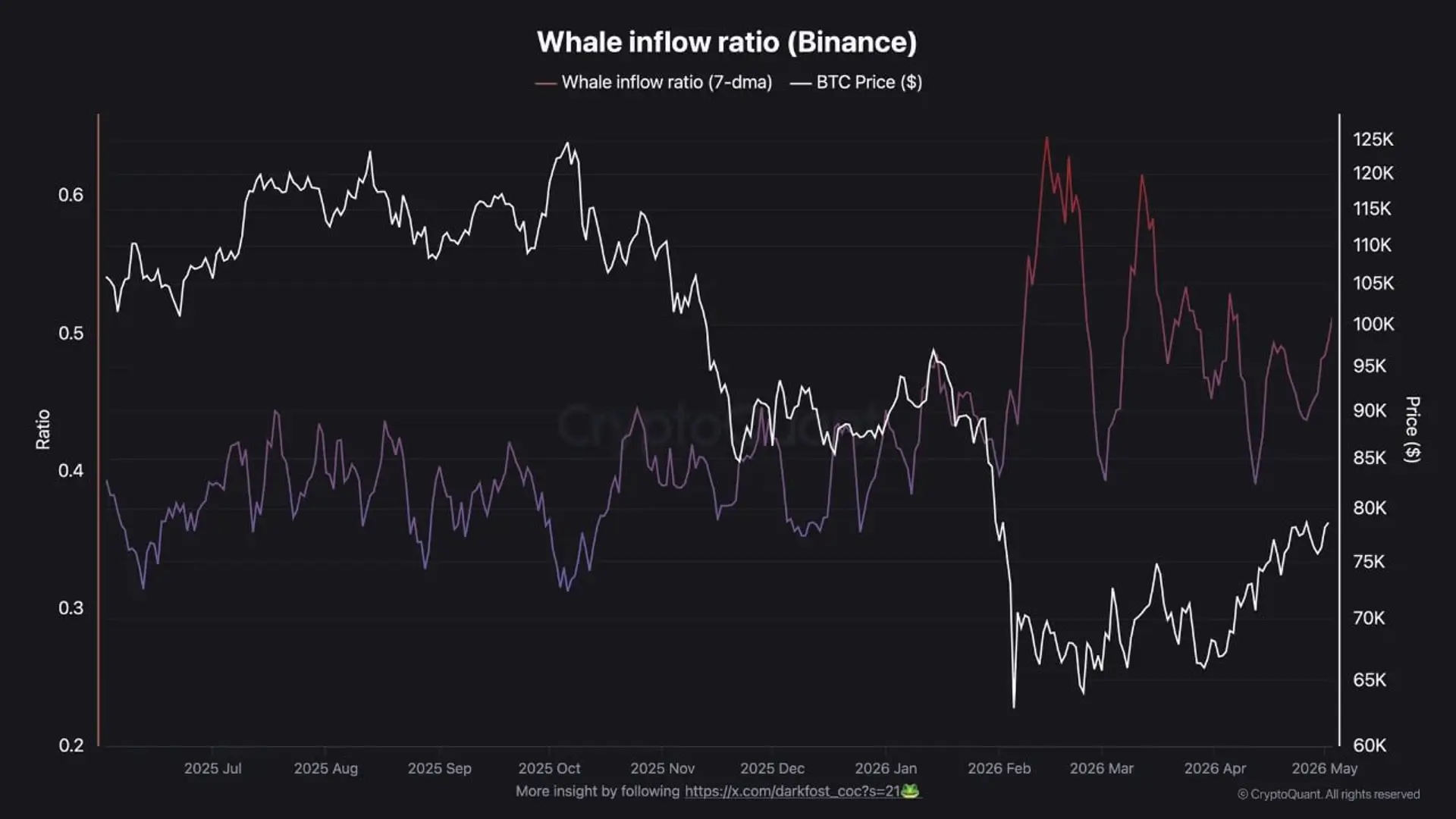
Cointelegraph reported on May 3 that Bitcoin has recovered most of its losses from earlier in the week and extended its rebound. A weekly close above $78,670 would mark the cryptocurrency’s highest weekly finish since January.
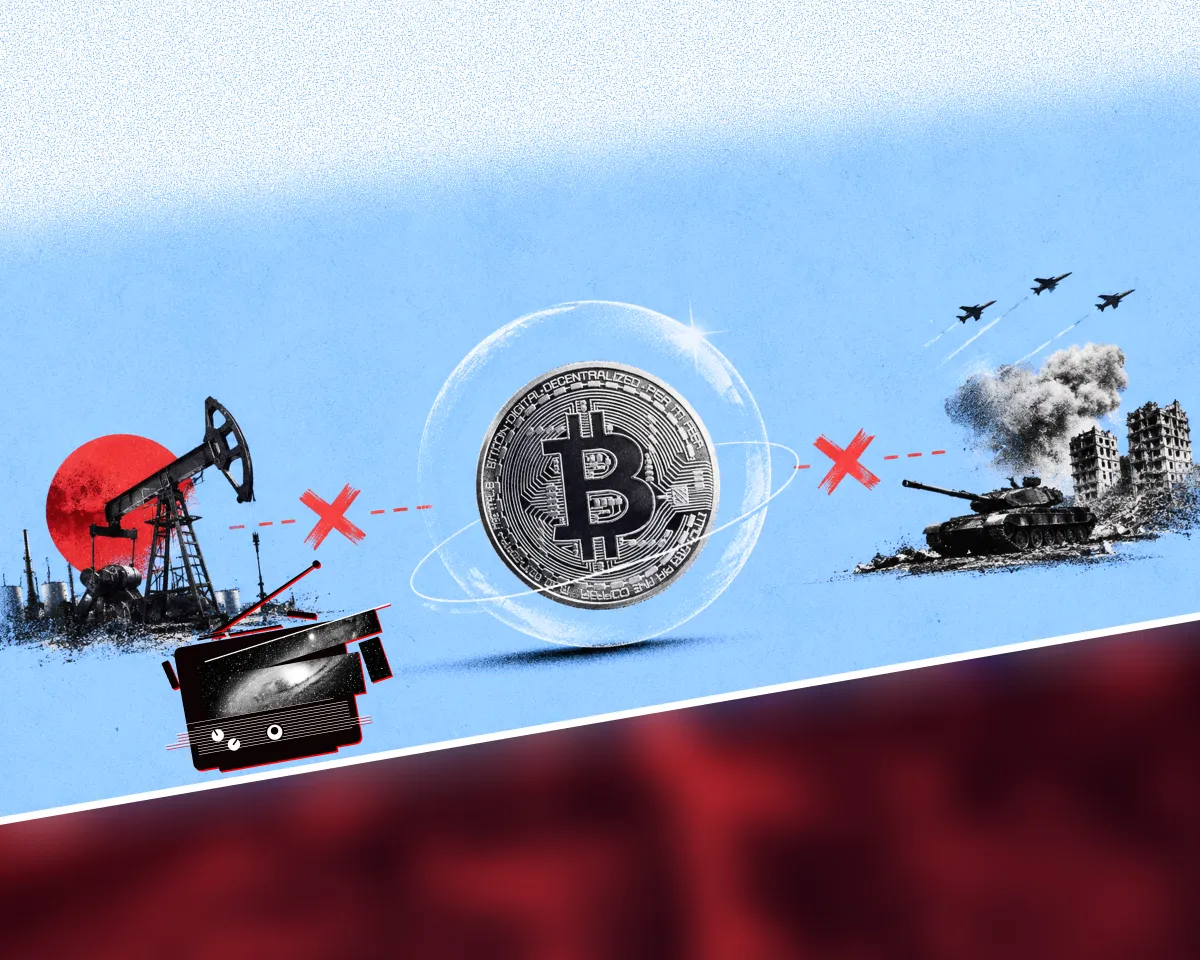
Market sentiment has been shaped in large part by geopolitical risks involving the US and Iran. Recent hopes for a ceasefire and negotiations between the two countries have helped revive risk appetite, but uncertainty persists after President Donald Trump took a negative stance on Iran’s latest proposal.
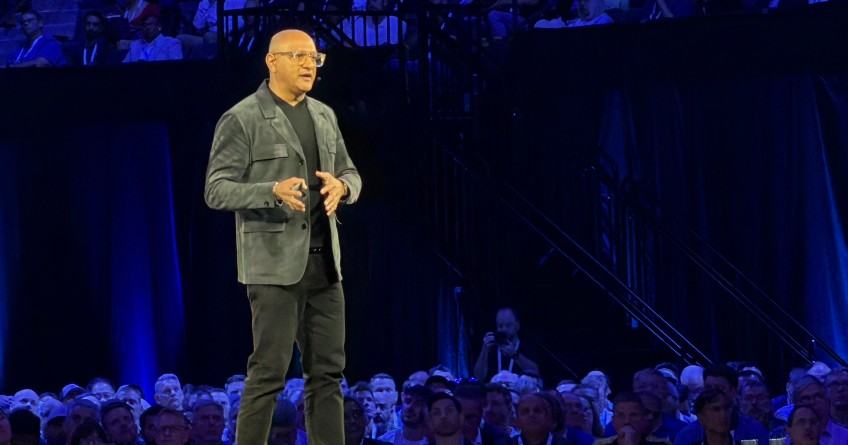
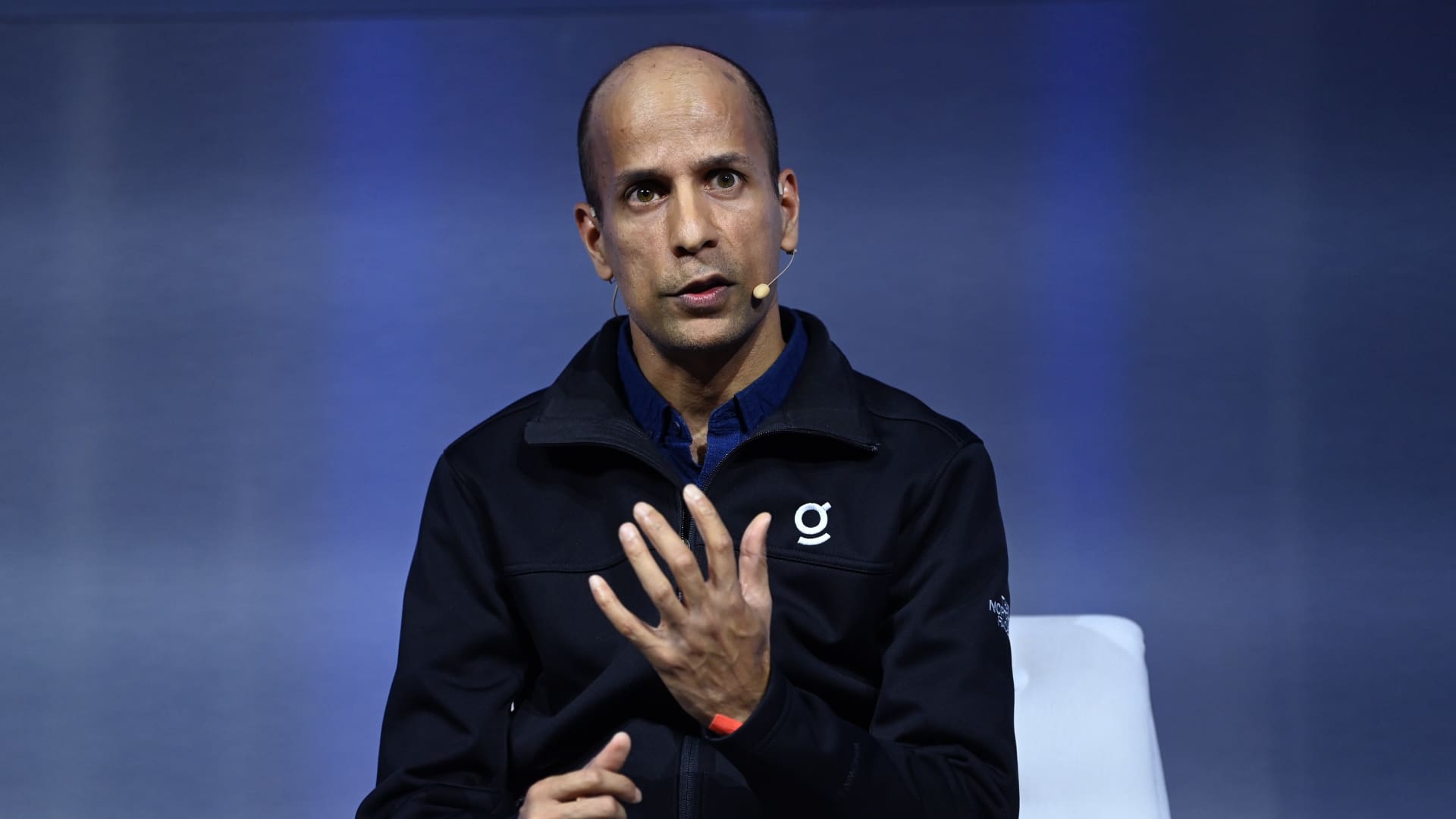
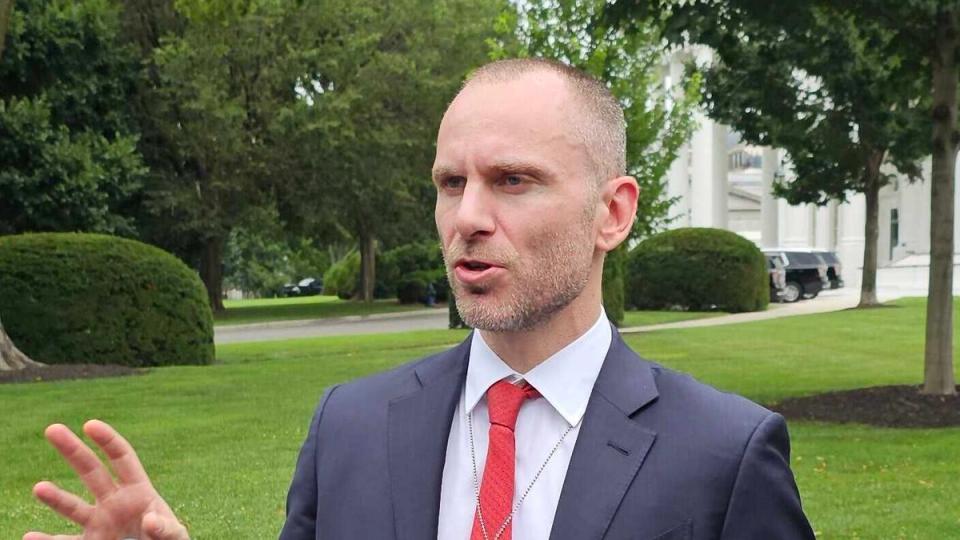
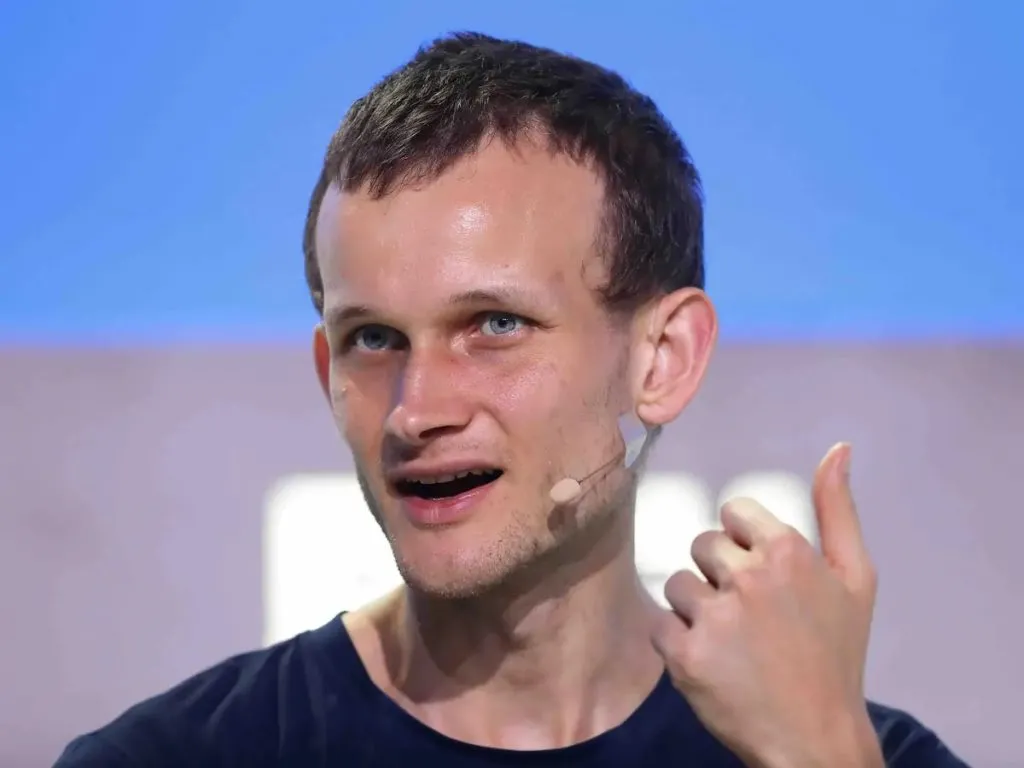
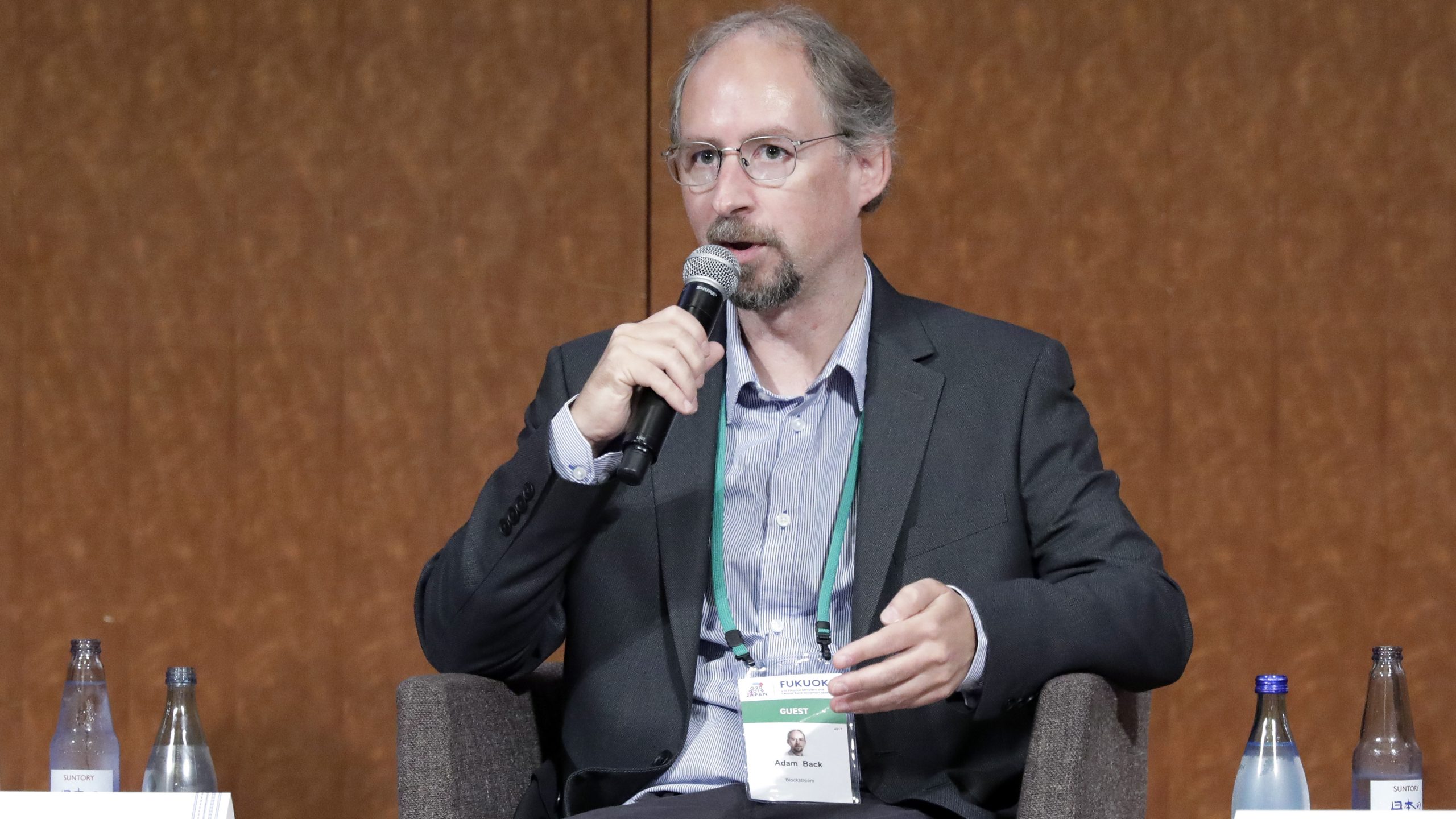
Some market participants, however, are betting the short-term advance can continue. Michaël van de Poppe, founder of MN Trading Capital, highlighted continued heavy inflows into US spot Bitcoin exchange-traded funds. About $630 million flowed into those ETFs in a single day.
Van de Poppe said the $79,000 area is a key resistance zone. If Bitcoin breaks through that level, the next resistance could come at $86,000 to $88,000, he added.
He also pointed to $92,000 to $94,000 as another major resistance range.
Others have warned of a potential short-term liquidity trap. Some traders say Bitcoin could sweep upside liquidity and then reverse lower in a typical bearish pattern.
The market is now focused on whether Bitcoin can break through the $79,000 resistance area and extend its uptrend, or slip back into a correction after absorbing liquidity.