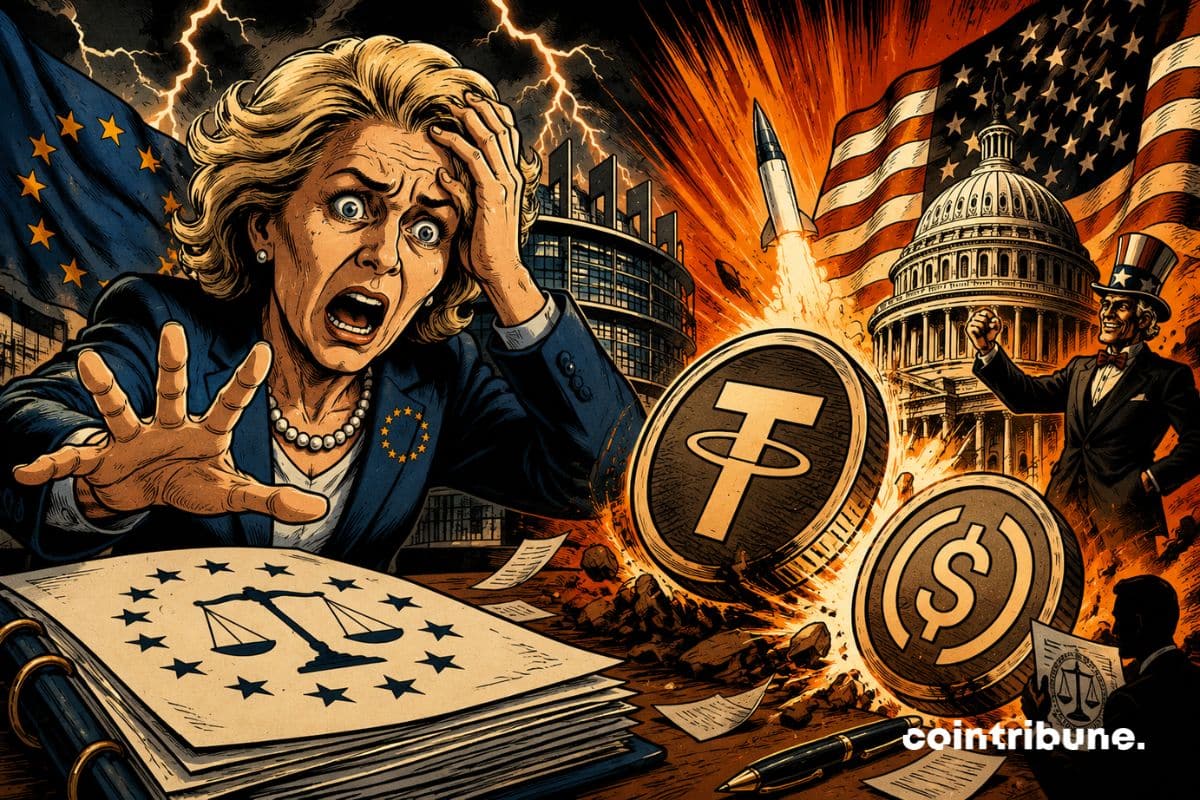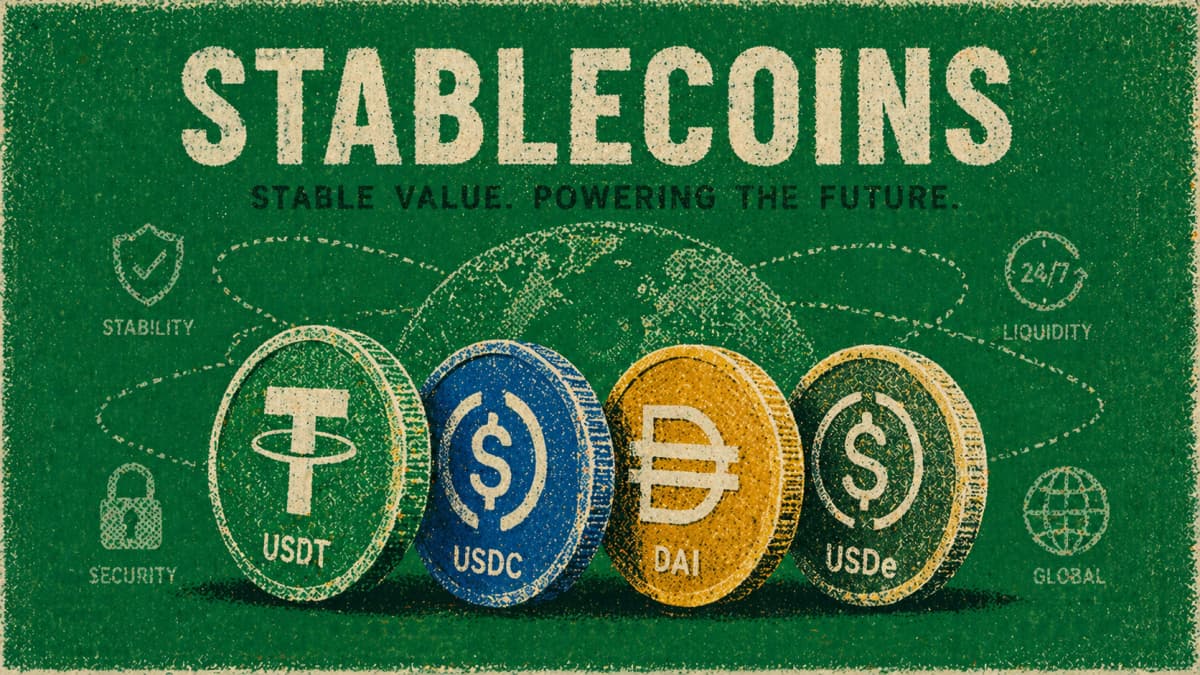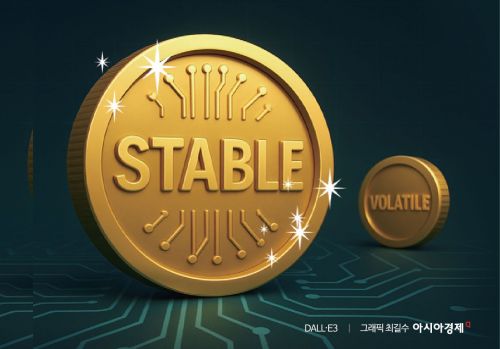


Washington isn’t trying to solve every crypto policy fight at once, but it appears to be carving out a workable path for one specific category of digital asset: the regulated, dollar-pegged stablecoin.
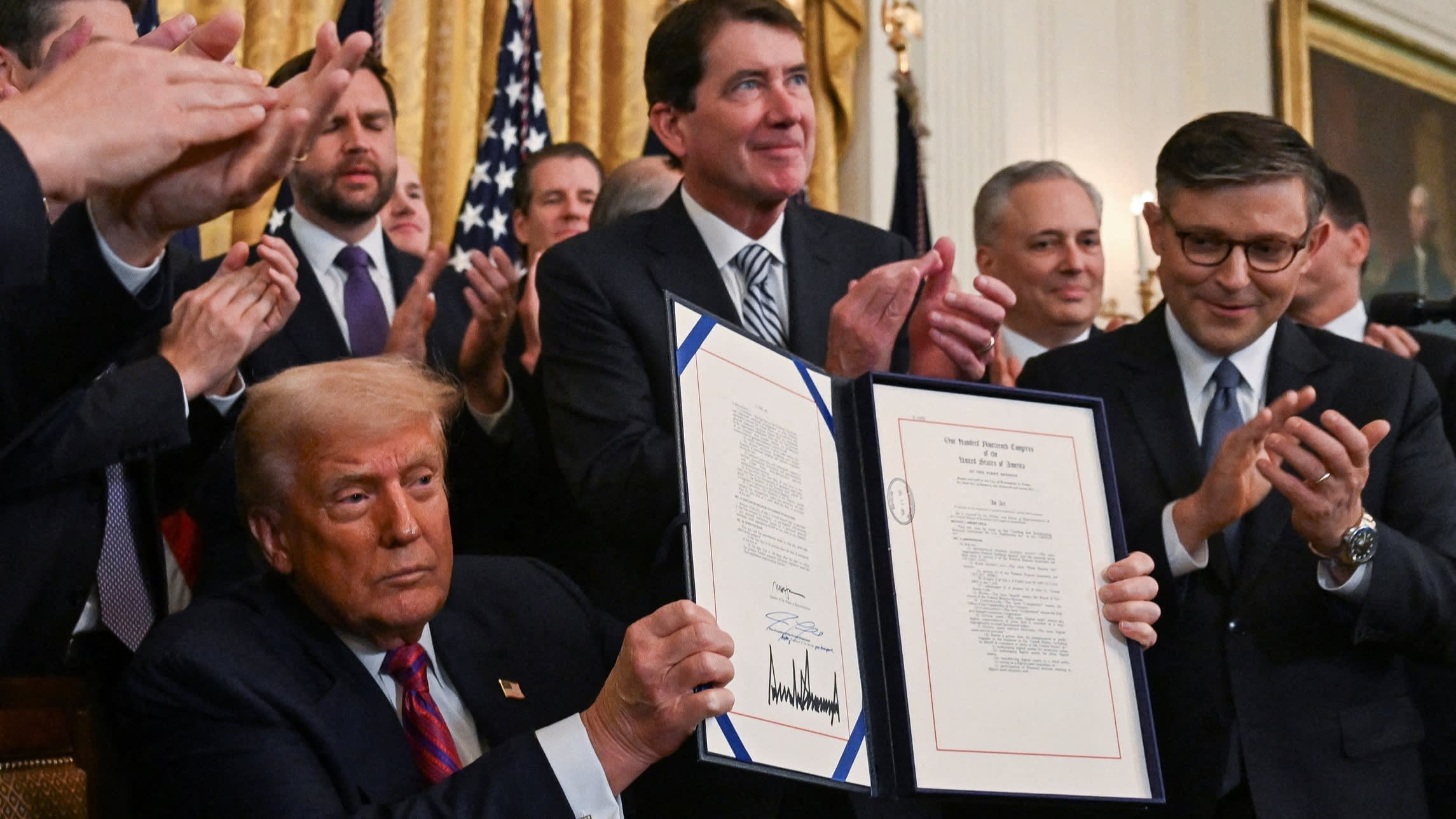
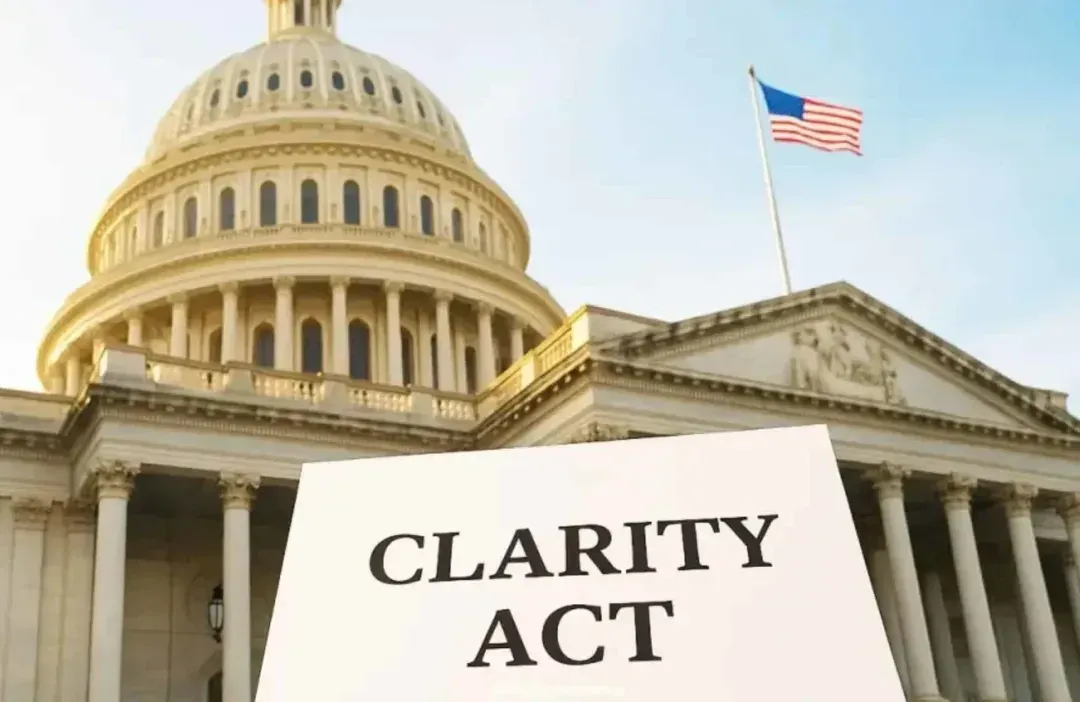
The GENIUS Act established the first federal regulatory framework for payment stablecoins, and a bipartisan House tax discussion draft now proposes friendlier tax treatment for those same tokens when people actually use them.
Together, the two efforts point toward a deliberate, stablecoins-first lane in American crypto policy that could reshape how users, merchants, and issuers interact with digital dollars in the years ahead.
What the stablecoin tax draft actually proposes
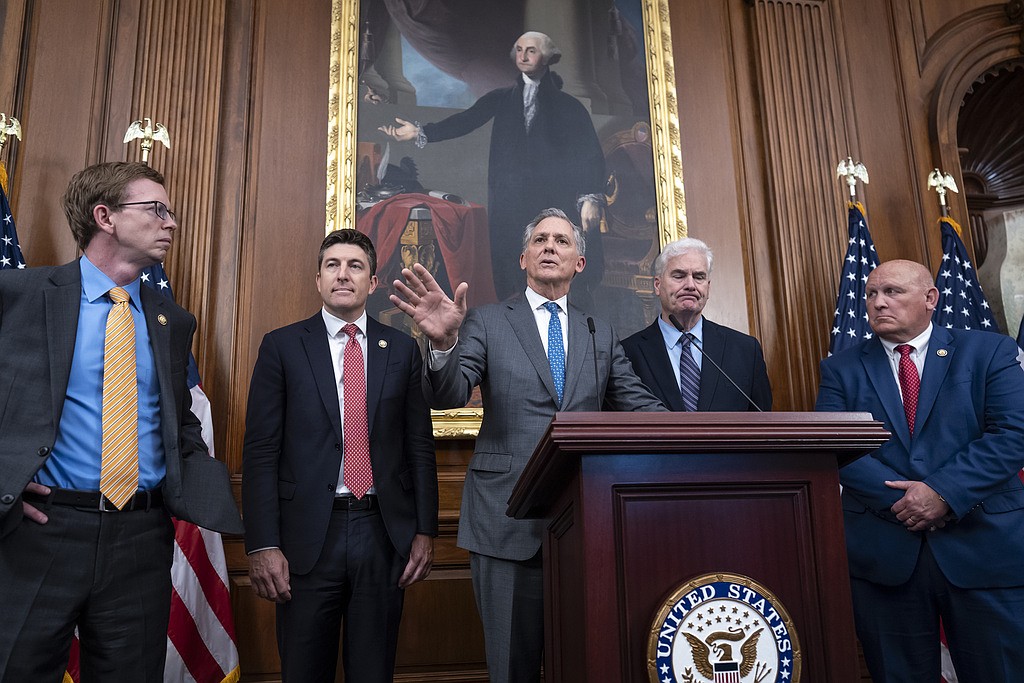
The draft legislation is the Digital Asset PARITY Act, a bipartisan discussion draft first released in December 2025 by Representatives Max Miller (R-Ohio) and Steven Horsford (D-Nevada), both members of the House Ways and Means Committee. An updated version was re-released on March 26, 2026, with significant revisions to its core stablecoin provision.
In the revised March draft, gains from selling a “regulated payment stablecoin” generally wouldn’t be included in gross income, and losses wouldn’t be recognized, unless the taxpayer’s basis in the token falls below 99% of its redemption value.
For exchanges, the recipient would take a deemed basis of $1. To qualify, the stablecoin must be issued by a permitted payment stablecoin issuer under the GENIUS Act, pegged only to the US dollar, and have demonstrated tight price stability over the prior 12 months. Brokers and dealers are excluded.
For ordinary people, this means spending a qualifying dollar stablecoin could stop triggering a small, irritating tax event every time the token’s value drifts a fraction of a cent.
The draft is trying to give stable, regulated dollar tokens the kind of practical flexibility that cash already enjoys, rather than subjecting every micro-fluctuation to the capital gains framework applied to volatile crypto assets.
This is a narrow carve-out for tokens that behave, by design and by regulation, as digital representations of the dollar.
Why the GENIUS Act is the foundation
The tax draft can’t be understood in isolation because its scope is explicitly tied to the regulated stablecoin category that the GENIUS Act already created.
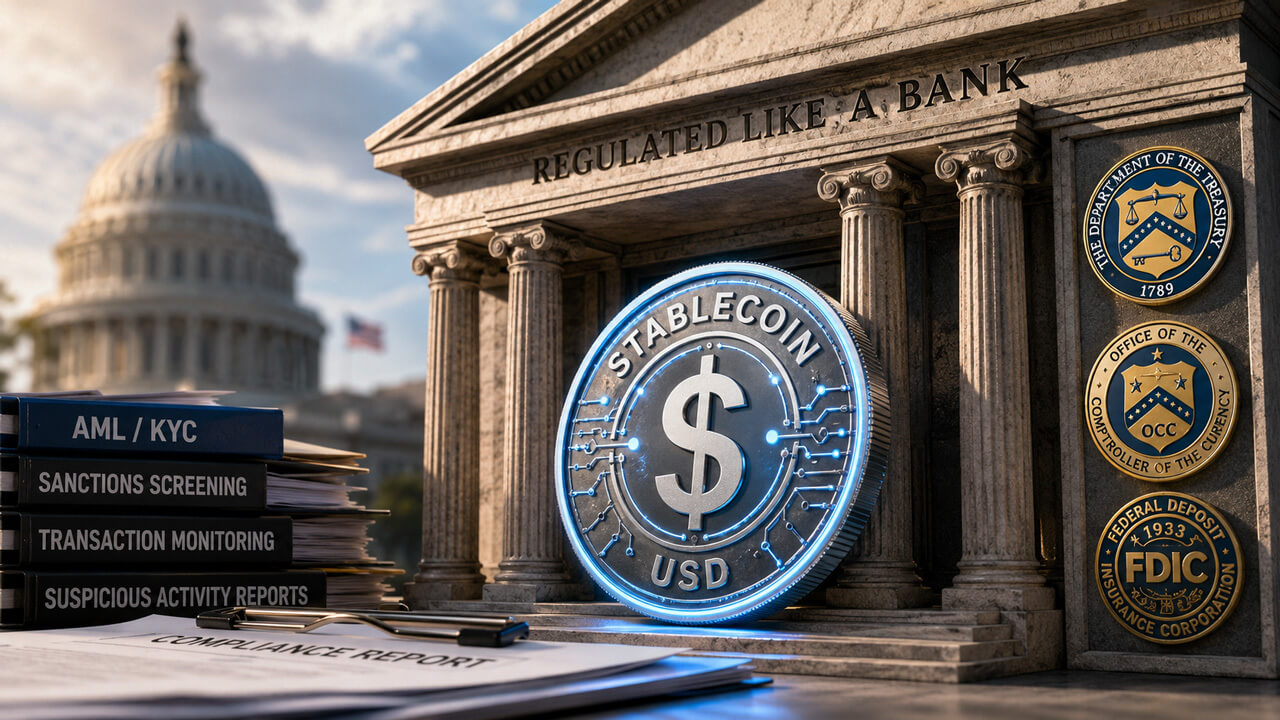
That law, which passed the Senate 68-30 and the House 308-122 with substantial bipartisan support, established who can issue payment stablecoins in the United States, what reserves they must hold, and what compliance obligations they must meet. It requires 100% reserve backing with liquid assets, subjects issuers to Bank Secrecy Act obligations, and mandates all kinds of anti-money-laundering and sanctions compliance programs.
The regulatory machinery behind this new draft is already moving.
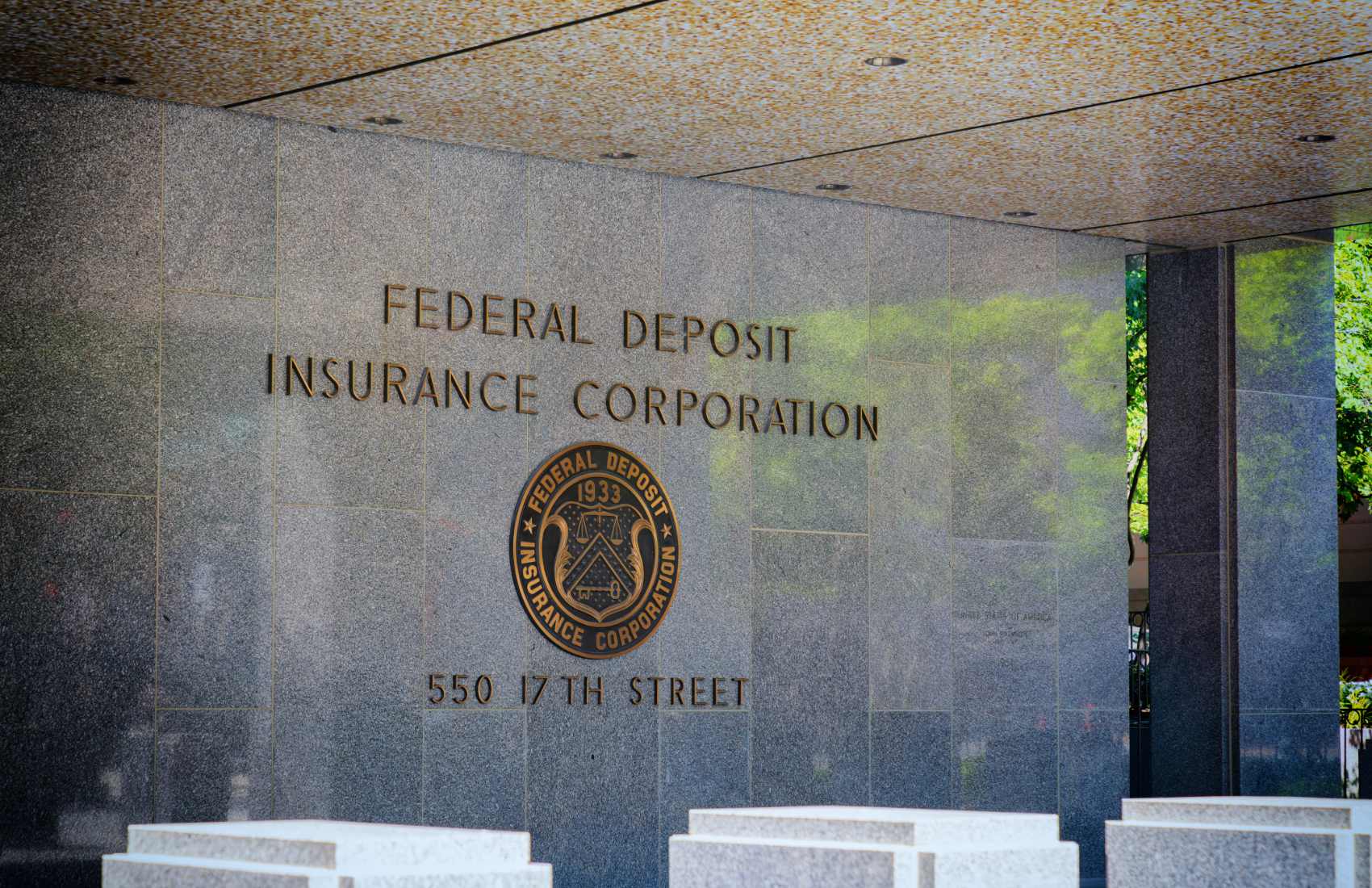
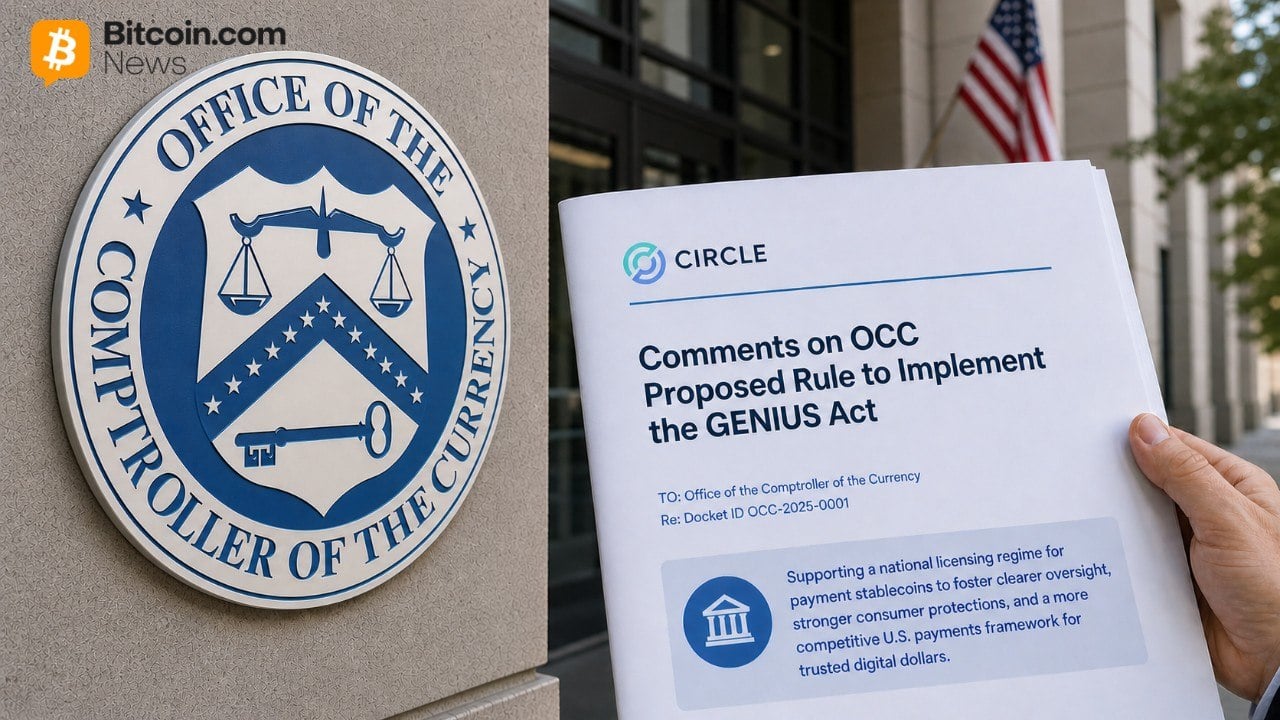
The OCC proposed its implementing rules in early March 2026, covering standards for reserves, capital, liquidity, and risk management. Treasury and FinCEN/OFAC followed in April with a joint proposed rule establishing anti-money-laundering and sanctions compliance requirements for permitted payment stablecoin issuers. The FDIC has also begun laying out application procedures for FDIC-supervised institutions seeking to issue payment stablecoins through subsidiaries.
The tax draft’s own explanatory notes acknowledge that its narrow focus on regulated payment stablecoins follows existing statute, specifically citing the GENIUS Act.
Congress appears to be building in sequence: first define the legal stablecoin, then make it practical to use.
No stablecoin issuer has received formal “permitted payment stablecoin issuer” status yet, because the regulatory machinery is still being assembled, and final implementing rules aren’t required until July 2026.
But the leading candidates are already visible.
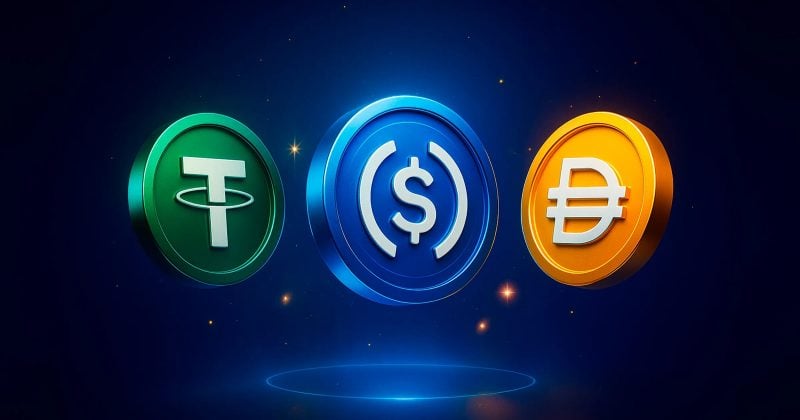
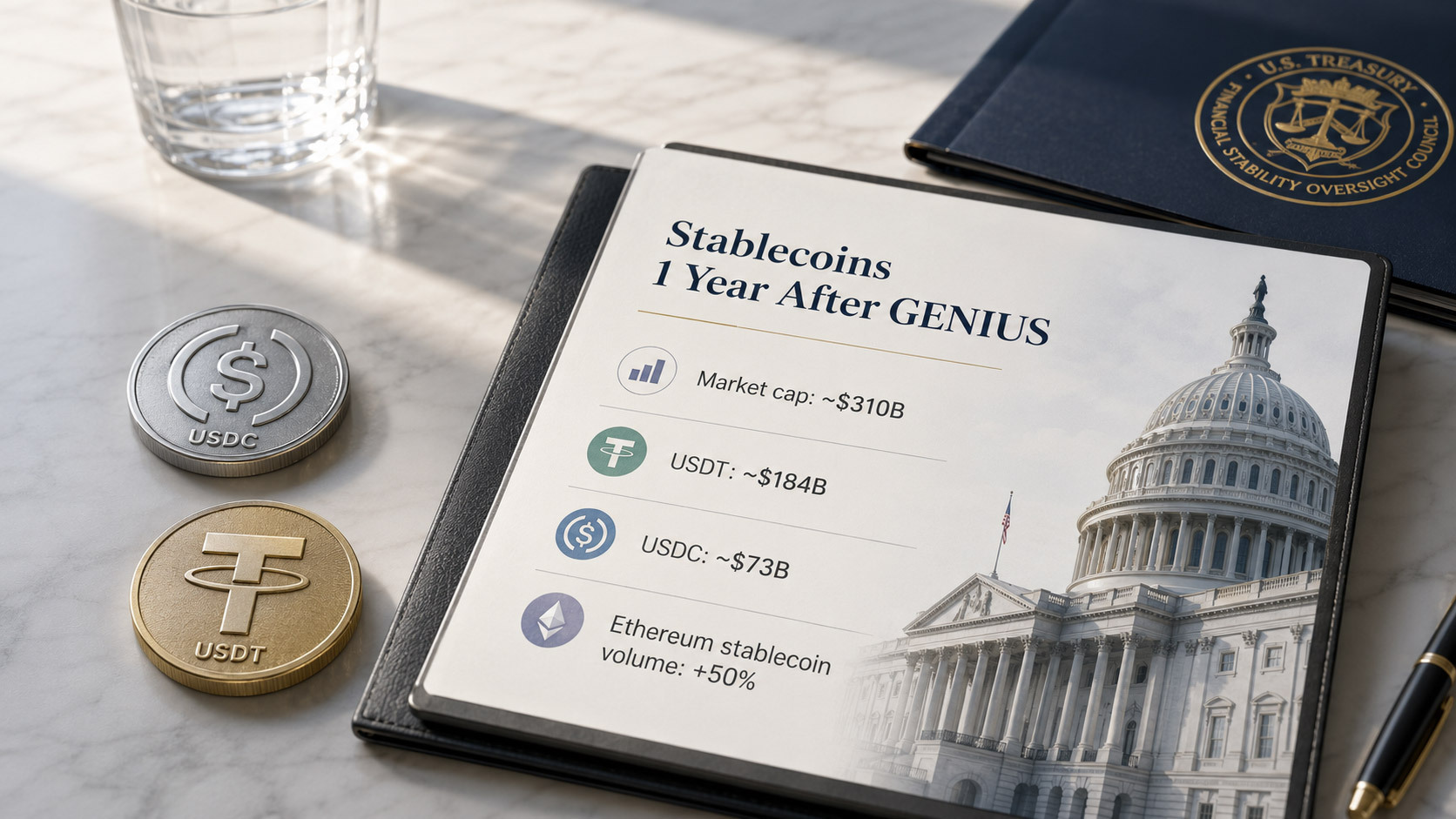
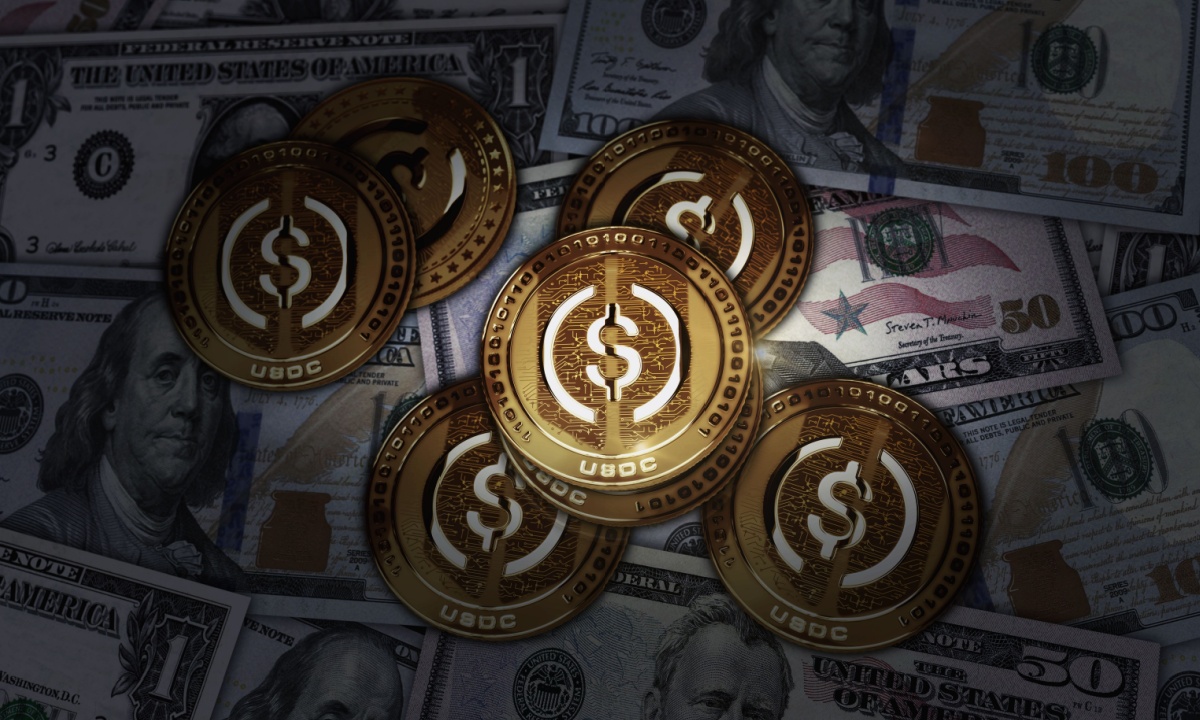
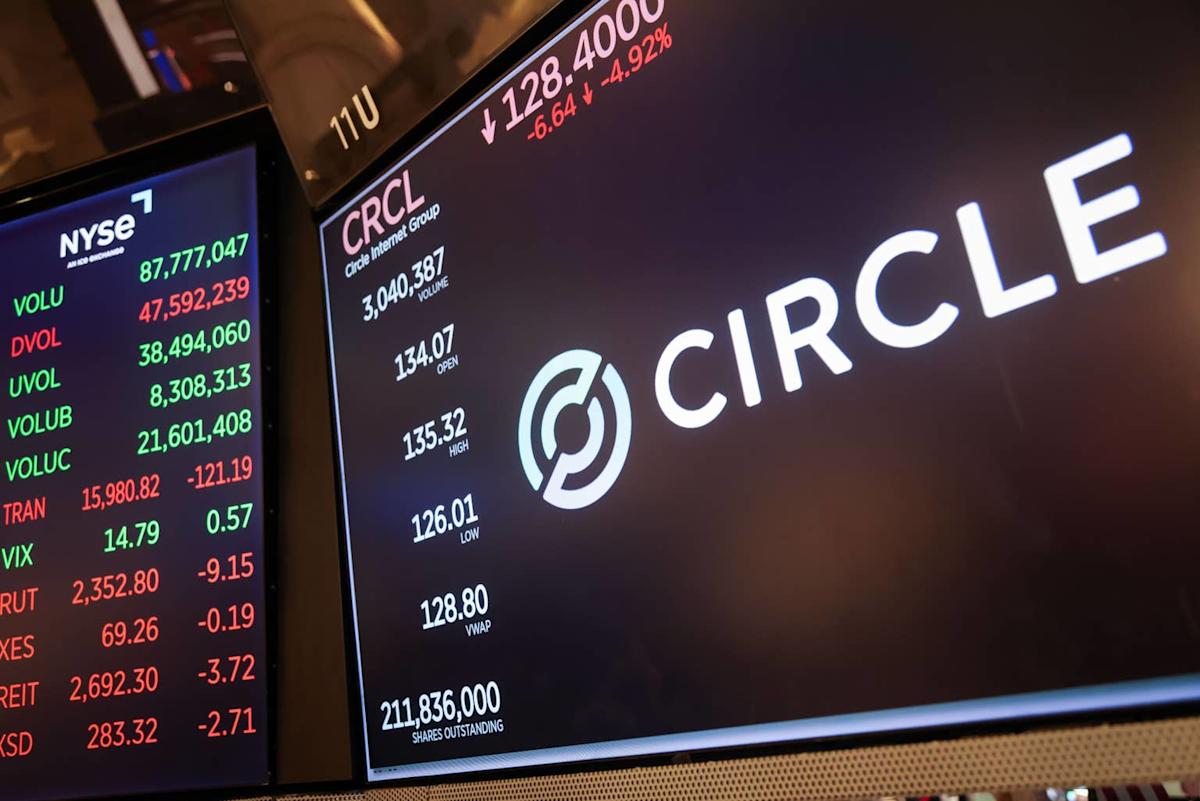
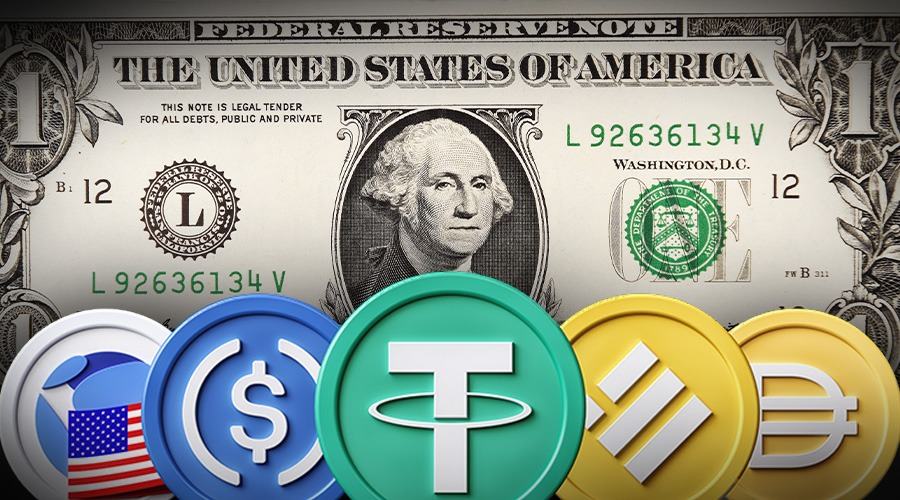
Circle’s USDC is the clearest frontrunner: the company already publishes monthly reserve attestations verified by a Big Four accounting firm, holds reserves in US Treasuries and cash at regulated banks, and operates under existing state money transmitter licenses. USDC is widely expected to meet GENIUS Act compliance requirements without any major structural changes.
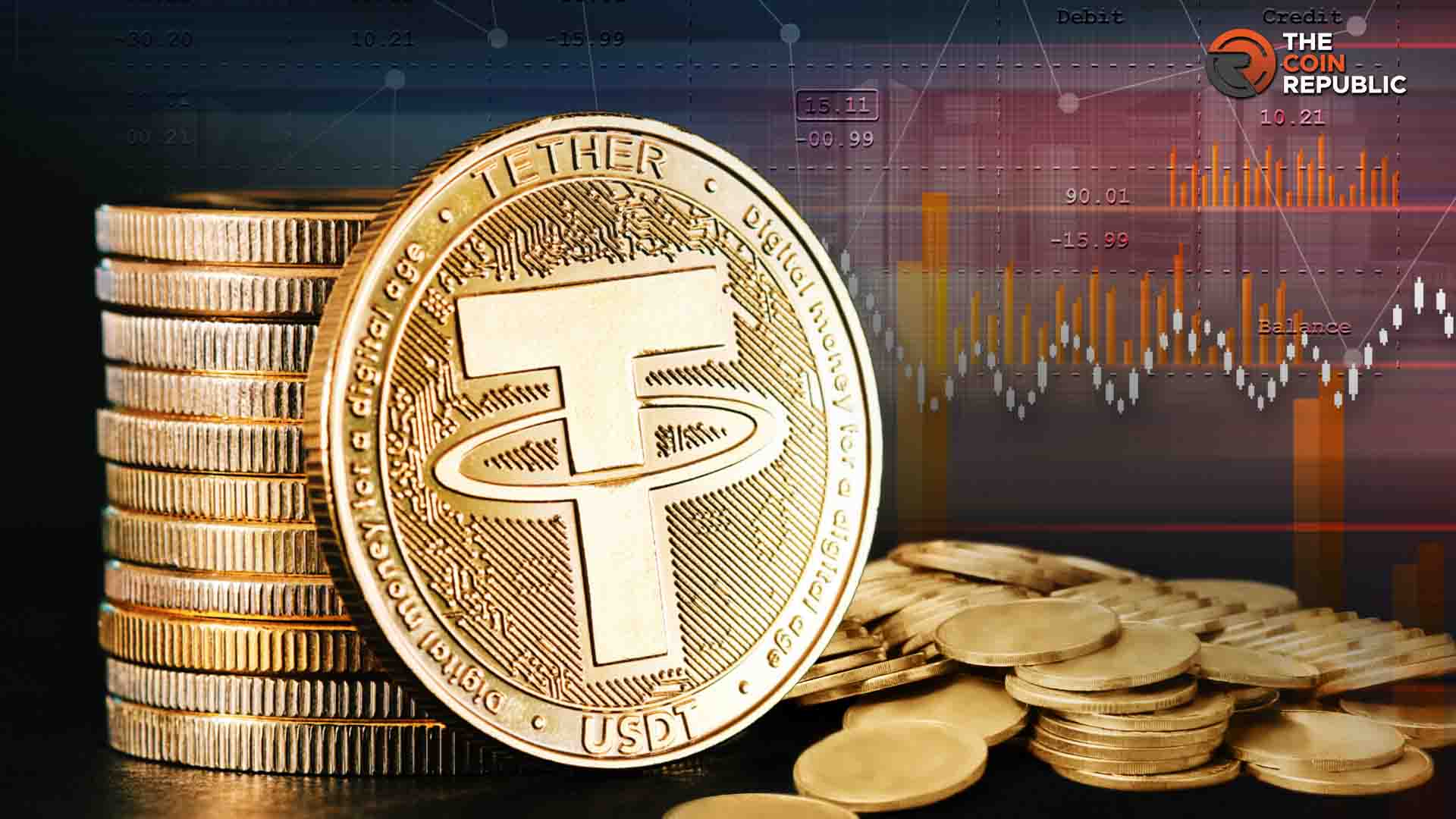
Rather than restructuring USDT for US compliance, Tether took a different route by launching USA₮ in January 2026 through Anchorage Digital Bank, creating a separate US-compliant token rather than restructuring its offshore flagship.
The GENIUS Act also opened a door that didn’t previously exist for traditional banks.
Any FDIC-insured institution can now apply to issue payment stablecoins through a subsidiary, and some major players are already exploring that path. JPMorgan’s blockchain arm Kinexys has been developing a deposit token aimed at institutional on-chain settlements, and Bank of America has publicly described stablecoin regulation as the beginning of a multi-year shift toward on-chain banking.
If those efforts produce tokens that qualify under the GENIUS Act’s framework, they would also be eligible for the PARITY Act’s proposed tax treatment. While it’s unlikely that these bank-issued stablecoins would see the kind of volumes USDC and USDT have, it’s still a significant change for the stablecoin market that has been dominated by crypto-native issuers since its inception.
What this means for users, merchants, and issuers
The benefit this will have for users is straightforward friction reduction.
Under the current framework, every sale or exchange of a digital asset can generate a reportable gain or loss, no matter how trivial.
The PARITY Act draft is aimed at eliminating that burden for qualifying regulated dollar stablecoins, because tiny value fluctuations around $1 would generally stop being a tax problem.
If the token stays close enough to its peg and the user acquired it near $1, the special rule would apply. If the token breaks away from the peg and the transaction occurs outside that narrow band, it wouldn’t.
The benefit for merchants is simpler acceptance. A payment method works better when customers don’t feel that every transaction creates an accounting problem, and stablecoins have struggled with that perception in the US for years.
If the tax treatment becomes simpler for customers, merchants have one less obstacle when considering stablecoin adoption.
But issuers would be the ones who would most likely benefit the most, as this combination of acceptance and regulation could be quite transformative.
The GENIUS Act provides the rulebook: permitted issuers know what reserves they need, what compliance programs they must run, and what regulators expect.
But a stablecoin issuer’s business model only works if people actually hold and spend the token. If the tax draft passes, compliant issuers would have a considerably stronger case that their tokens are practical to use in everyday American commerce, and that distinction between regulatory permission and real-world usability is exactly where the commercial value sits.
However, it’s important to note that a discussion draft isn’t law. It’s much closer to a public working version of a bill, released by lawmakers to signal policy direction, invite feedback, and test political support before formal legislative movement.
The PARITY Act still contains explanatory notes and unfinished technical provisions, showing that the policy ideas behind it are real, but the legislative language is still being refined. Representatives Miller and Horsford said they intend to introduce the draft as a formal bill, and there’s been discussion about crypto tax provisions potentially fitting into a broader reconciliation package, but passage isn’t guaranteed.
The draft shows where influential lawmakers want policy to go, and discussion drafts can carry political weight without becoming law quickly, or at all.
What happens to stablecoins either way
If the PARITY Act’s stablecoin provision becomes law, certain regulated dollar stablecoins would become genuinely easier to use in routine transactions across the US economy. The bill text indicates the provision would apply to taxable years beginning after Dec. 31, 2025.
If it fails, it most likely won’t cause any negative effects for stablecoins.
The GENIUS Act is already law, and implementation is moving through Treasury, the OCC, the FDIC, and FinCEN. Issuers would still have a federal regulatory framework to operate under, and the infrastructure buildout would continue.
What would be missing is the tax simplification layer for users and businesses. The US could still become a regulated stablecoin market without becoming an easy-to-use stablecoin payment market.
The system would have legal rails for issuers, but retail users and merchants would continue facing the kind of tax ambiguity that discourages routine adoption.
Without the tax piece, the country may regulate stablecoins faster than it normalizes using them.
That tension captures the central question in American stablecoin policy right now. The country has already defined what a legal stablecoin is and who can issue one. What remains undecided is whether those regulated dollar stablecoins will sit as licensed financial products on a regulatory shelf or function as everyday digital dollars that people and businesses can use without hesitation.
The GENIUS Act built the framework. The tax draft, if it ever becomes law, would bridge the gap between regulation and routine use, and that gap is exactly where the future of American stablecoin payments will be decided.