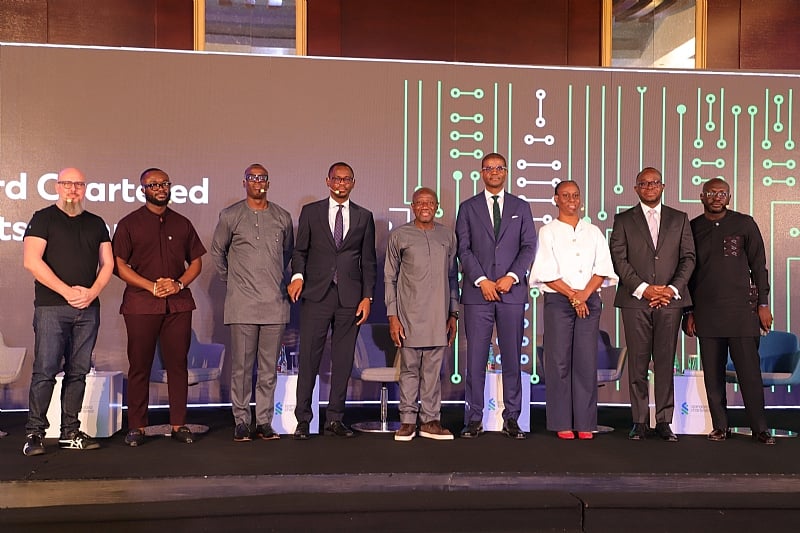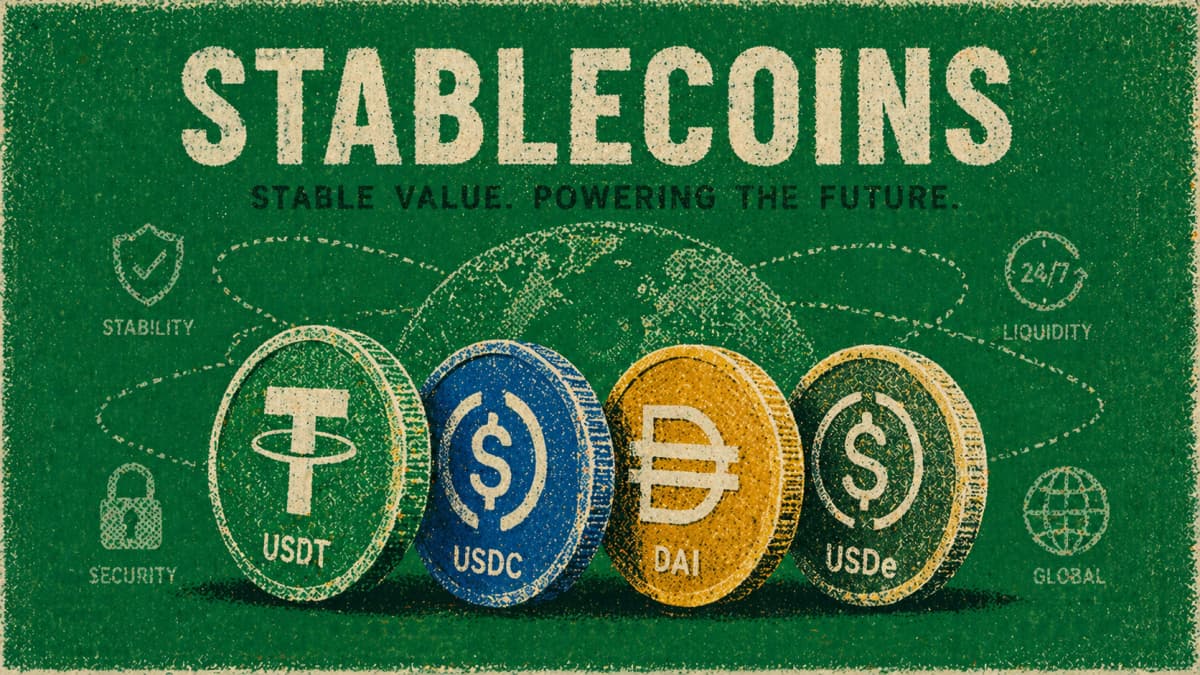
The 48-point gap between USD stablecoins’ 98% share of market capitalisation and the USD’s 50% share of cross-border payments points to a structural opening for local-currency alternatives, particularly in markets where limited banking access and settlement frictions create demand for digital rails, according to a Standard Chartered and Zodia Markets report.
A Standard Chartered and Zodia Markets report identifies a 48-point gap between USD stablecoins’ market share and the dollar’s role in cross-border payments, pointing to a structural opening for local-currency alternatives.
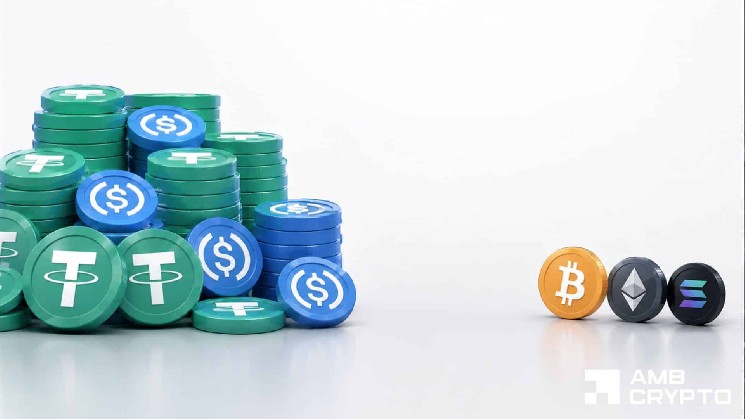
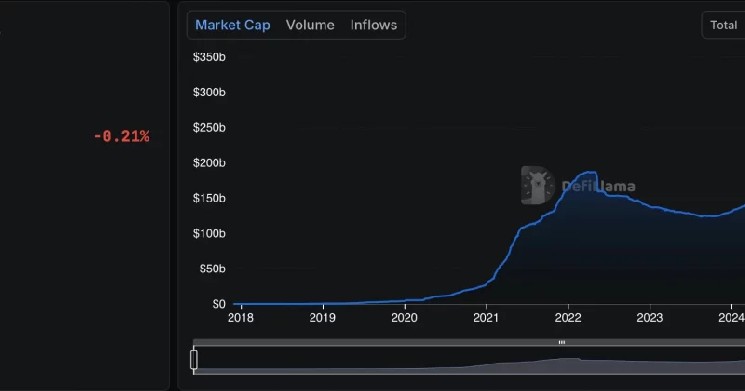
USD-backed tokens account for more than 98% of stablecoin market capitalisation, compared with the USD’s roughly 50% share of SWIFT cross-border payment flows and 89% participation in global foreign exchange (FX) turnover. The report, which draws on the Bank for International Settlements’ Triennial Survey 2025 and World Bank B-Ready 2025 data, frames this mismatch as a sign that stablecoin markets are more dollarised than the payments system they are starting to serve.
As tokenised settlement extends from crypto-native use cases into corporate treasury, liquidity management and cross-border payments, the gap becomes a policy issue as well as a market one. For central banks outside the US, the question shifts from resisting dollar-denominated tokens to ensuring domestic currencies can operate within tokenised settlement networks.
Limited infrastructure serves as a driver, not a constraint
The strongest economic rationale for local-currency stablecoins sits in markets where traditional financial infrastructure is thinnest, the report notes. In jurisdictions where opening a local-currency bank account requires physical presence and complex documentation, while offshore dollar or euro accounts are easier to obtain, a programmable token denominated in the domestic unit of account fills a real gap. Limited banking hours, thinning correspondent relationships and settlement cycles that lag near-instant crypto rails can make digital settlement a functional upgrade rather than a marginal efficiency.
For corporates, the issue is not only access but risk. Slow settlement can widen currency exposure across time zones, while near-instant stablecoin settlement can reduce liquidity friction and hedging needs in cross-border corridors.
Regional stability dynamics reinforce the point. A currency does not need to be stronger than the USD to anchor regional trade; it needs only to offer greater stability than neighbouring alternatives. That shifts the competitive frame for non-USD stablecoins away from global rivalry with the USD and toward corridor-level adoption, where trade linkages and relative stability define the addressable market.
Demand concentrates where the gap is widest
A comparative ranking across financial services efficiency, international trade efficiency, broader operational indicators and regulatory framework strength places Côte d’Ivoire at the top (average score 68.2), followed by Angola (66.1), the Central African Republic (63.8), Togo (62.7) and Vanuatu (62.4). Sub-Saharan Africa dominates the upper quartile, consistent with the region’s observed crypto adoption patterns and settlement frictions.
Pakistan ranks sixth at 62.3, the highest-placed Asian jurisdiction, followed by Indonesia at 58.4 and Colombia at 56.3. All three are identified in the report as markets where stablecoins are already linked to the local currency. The more developed Asian markets sit lower down, with Malaysia at 52.2, the Philippines at 49.5, Hong Kong at 47.9 and Singapore at 47.8. Under the report’s inverse-scoring methodology, more efficient systems rank lower, on the premise that stronger infrastructure reduces the functional case for digital settlement rails.
The report is explicit that the ranking measures economic incentive to adopt local-currency stablecoins, not implementation readiness. Demand potential and issuance viability are treated as separate questions.
Hong Kong shows where regulated issuance is more feasible
Hong Kong sits lower in the demand ranking but offers a clearer path to regulated issuance. Anchorpoint, in which Standard Chartered is the largest shareholder, has been granted a stablecoin issuer licence by the Hong Kong Monetary Authority and plans to launch HKDAP, a Hong Kong dollar-backed stablecoin, in the second quarter of the year. Hong Kong scores only 47.9 in the demand ranking but, per the report, offers the combination of regulatory clarity, public-private collaboration and institutional participation that enables scalable implementation.
The report identifies three enabling pillars through which other jurisdictions can build toward issuance: a business-friendly fintech framework, banking access for virtual asset service providers and regulatory clarity on stablecoin issuance, custody, reserves and redemption rights.
The sovereign choice is narrowing
Central banks face three options as USD stablecoins scale across open networks: restrict decentralised access, strengthen macroeconomic fundamentals or participate by enabling domestic currencies to function natively within tokenised settlement infrastructure. Restriction is operationally complex in a connected ecosystem. Strengthening fundamentals is the most durable long-term defence, but a structural objective rather than an immediate lever. That leaves participation, whether through regulated private issuance or hybrid frameworks, as the practical route to preserving monetary relevance in digital corridors.
For managed-currency markets, the report also points to possible design controls, including local minting with redemption restricted into domestic currency. Such structures could support domestic digital liquidity without necessarily accelerating capital flight.
CBDCs are not a full substitute for local-currency stablecoins. While they may reinforce domestic payment systems, cross-border interoperability remains limited in most current designs. Regulated local-currency stablecoins, by contrast, can extend domestic currencies into global digital ecosystems.
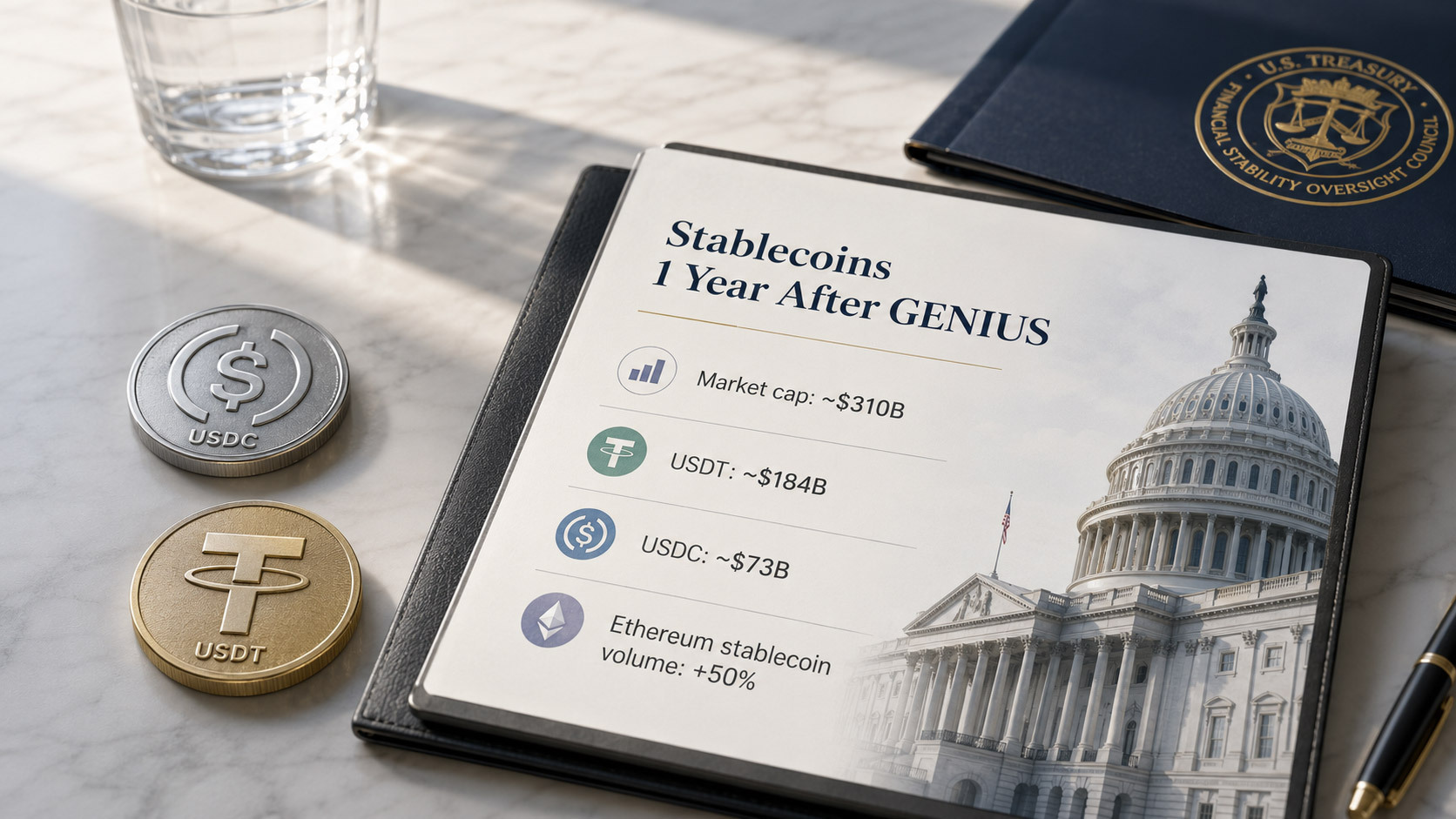
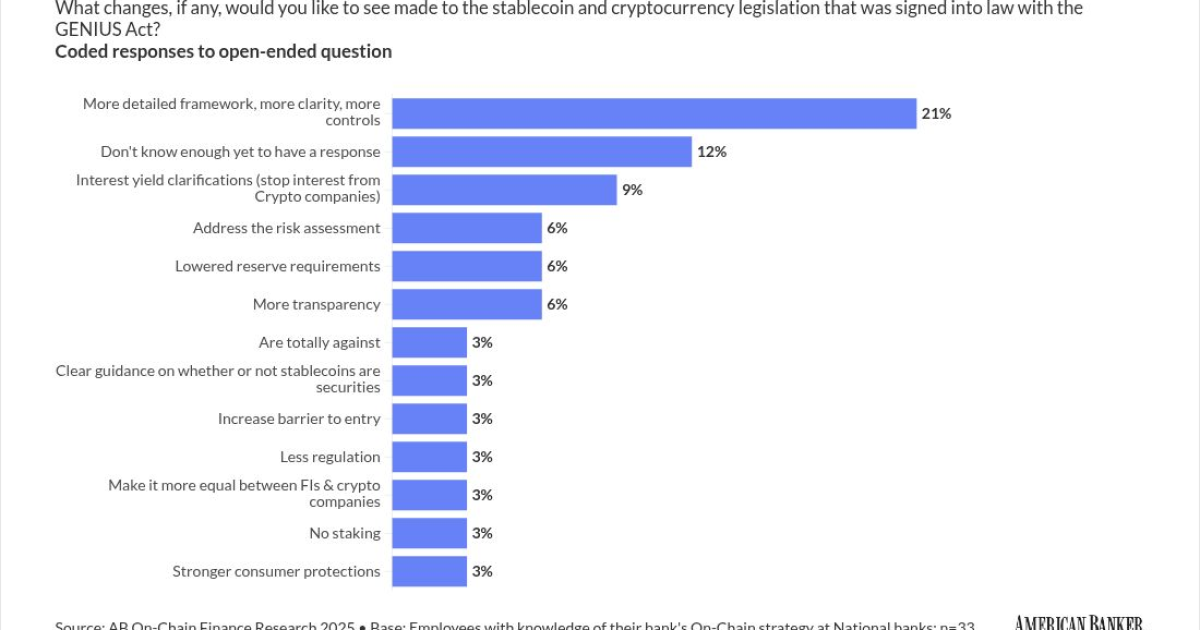
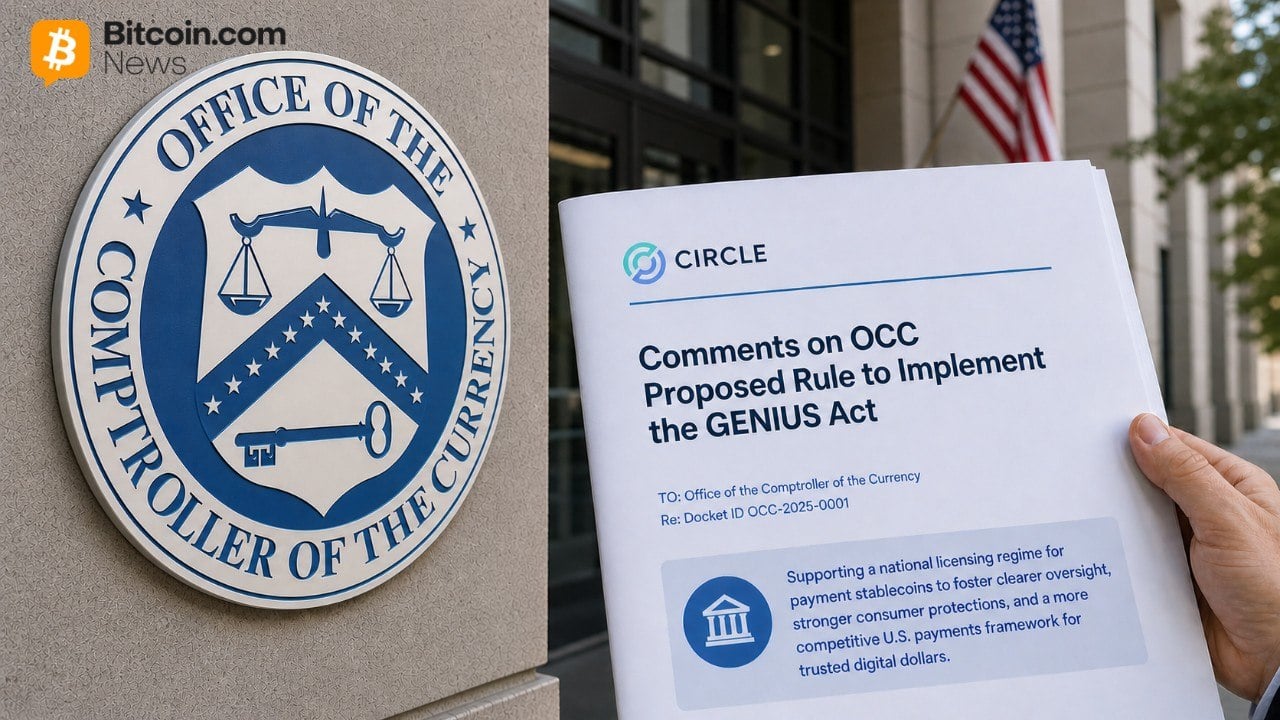
The passage of the GENIUS Act in mid-2025, restricting US issuance to insured depository institutions with 1:1 reserve backing, is expected to support continued USD stablecoin scaling. Total stablecoin supply is forecast to grow materially from here. In that environment, even modest diversification of share within a significantly larger market would represent a meaningful growth vector for alternative currency-backed stablecoins. For emerging-market central banks, the objective is not to displace the USD but to preserve monetary relevance in digital settlement.
Read the full report: Beyond Concentration: Where Non-USD Stablecoins Can Scale.