THE BIGGEST CRYPTO STORY MOST PEOPLE AREN’T TALKING ABOUT
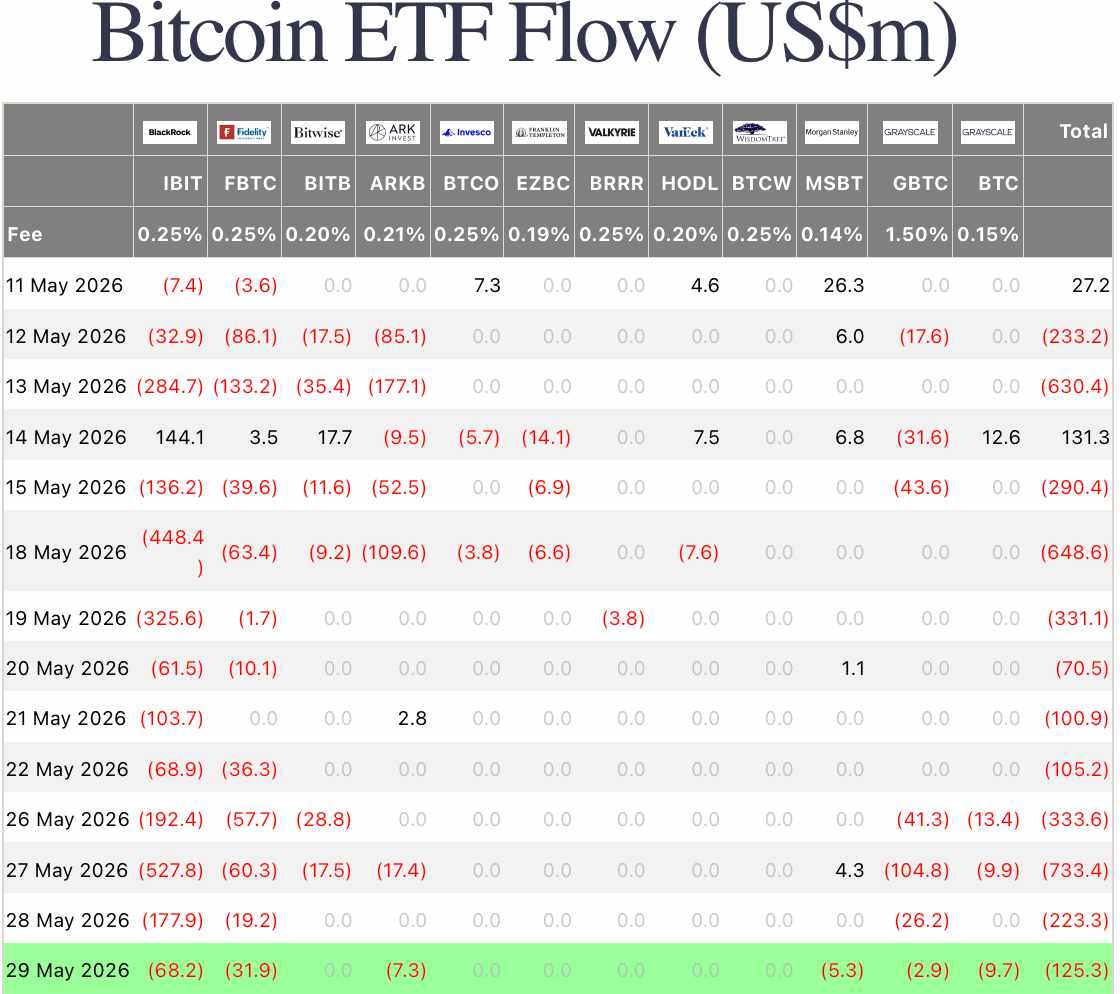
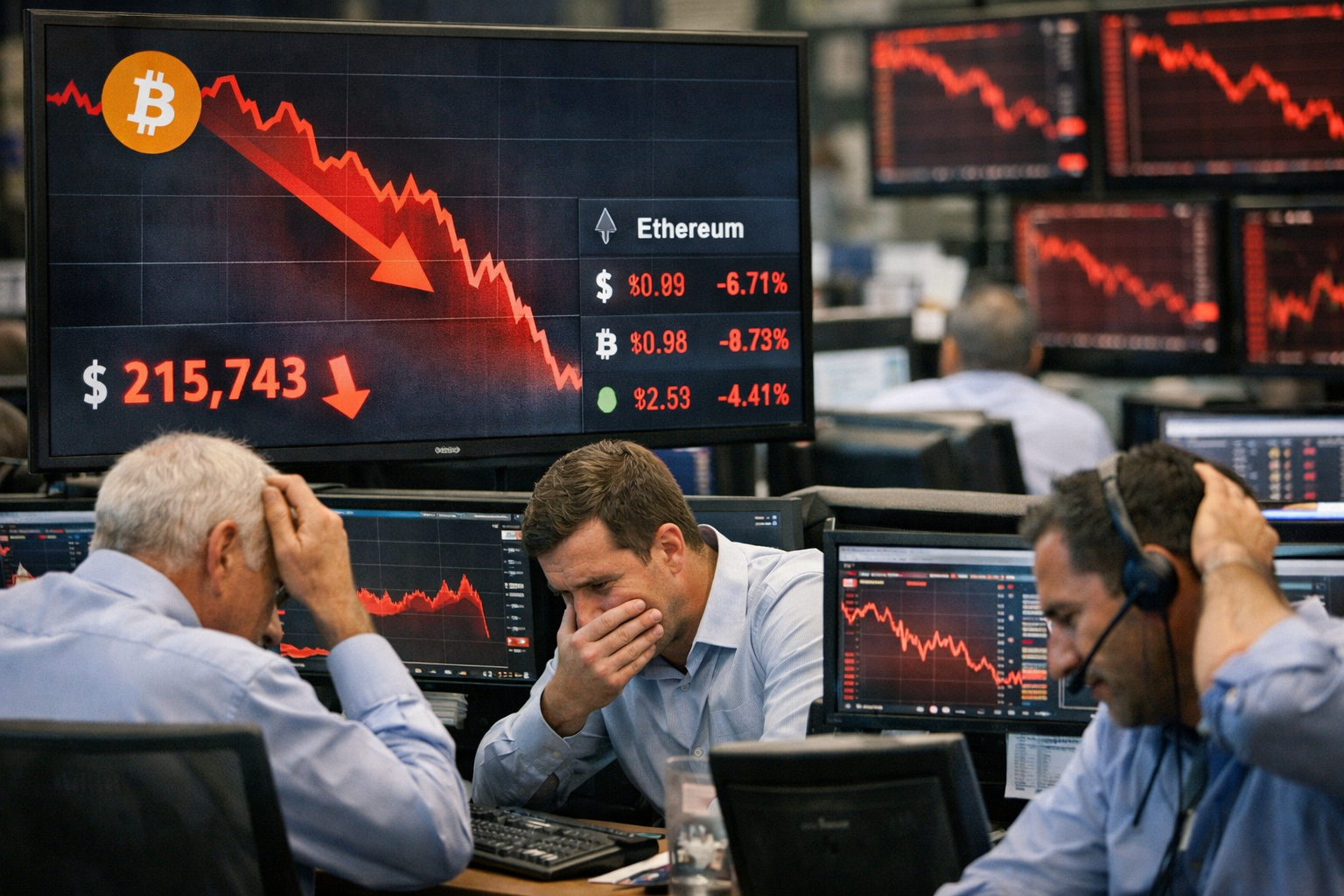
While Crypto Twitter is focused on ETF flows, memecoins, and daily price action, a much bigger trend is quietly gaining momentum behind the scenes.
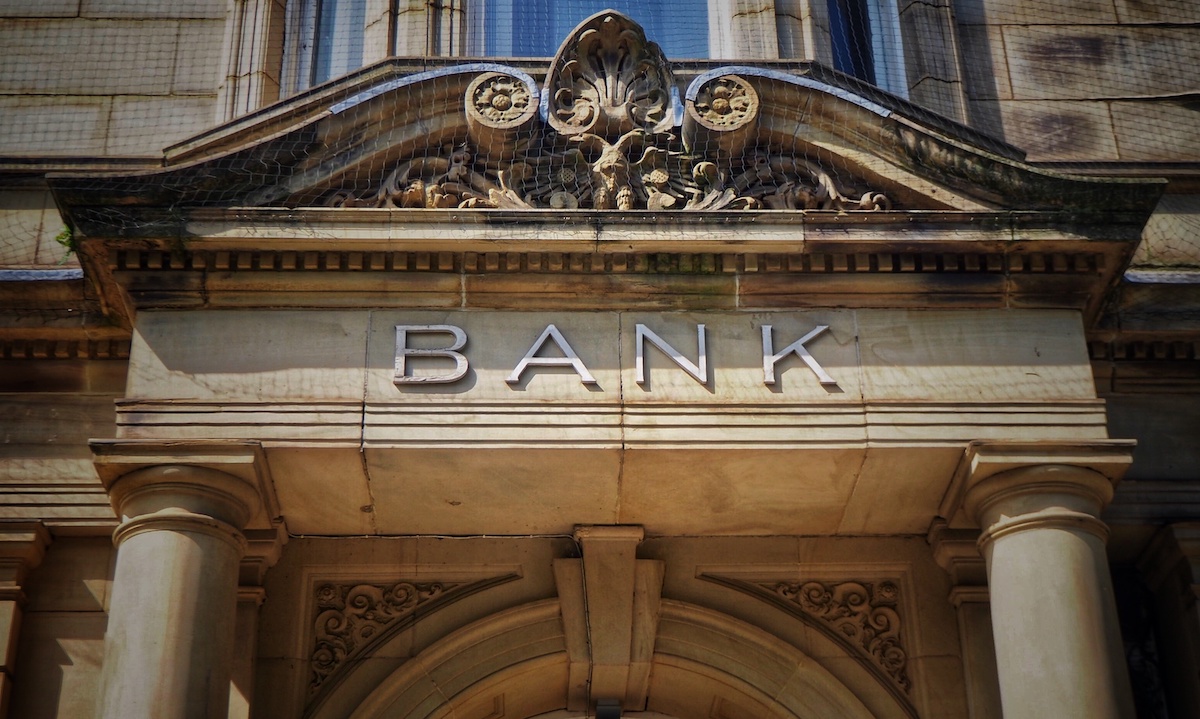
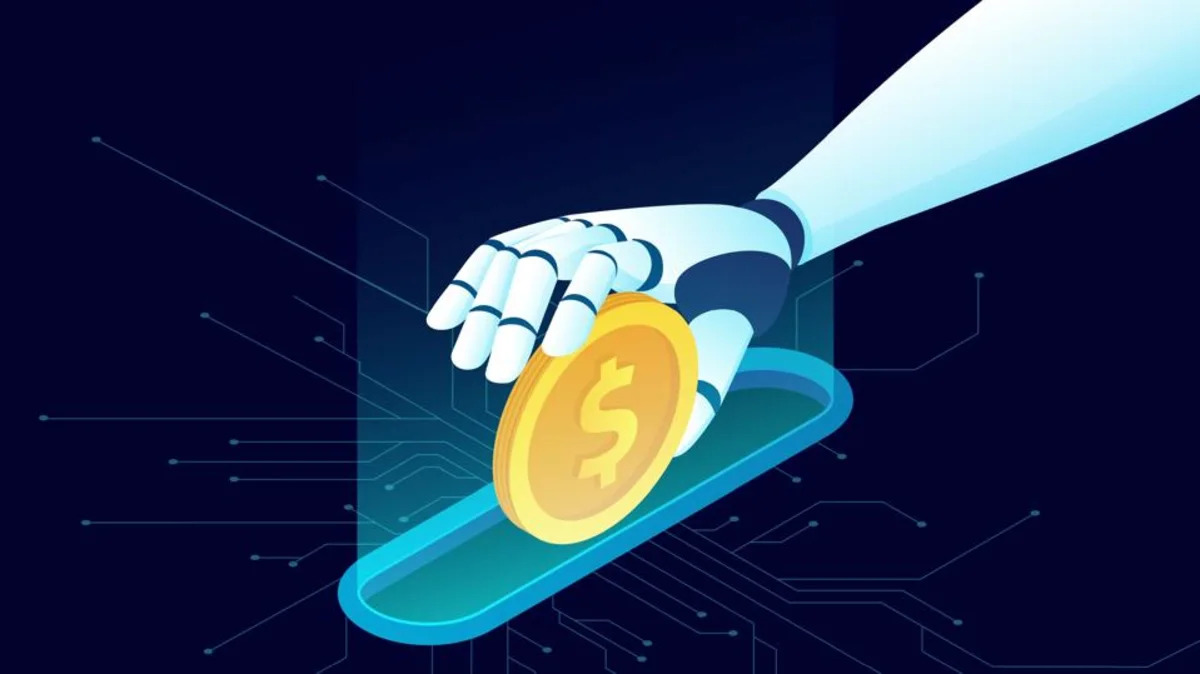
Traditional finance is moving on-chain.
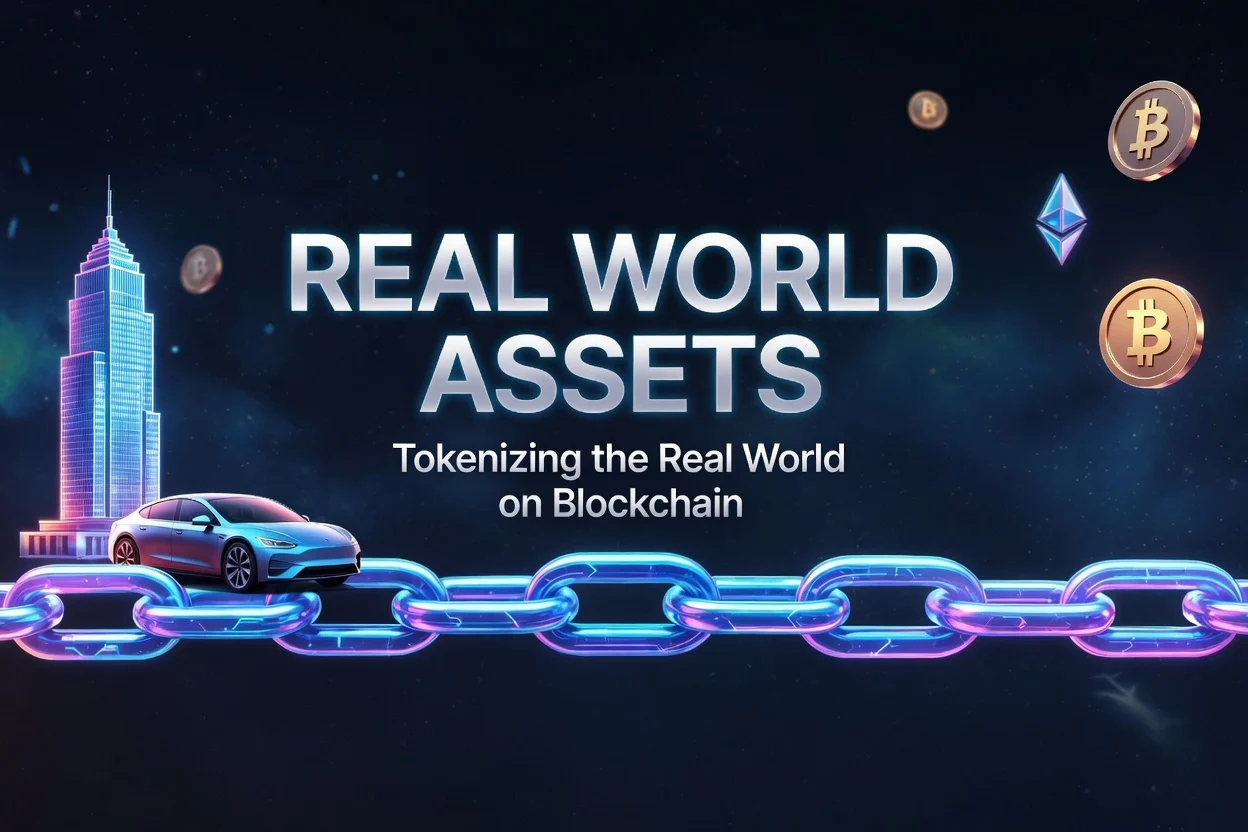
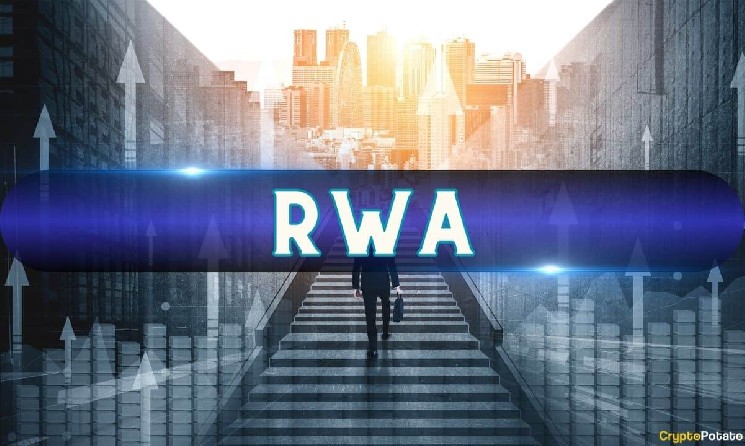
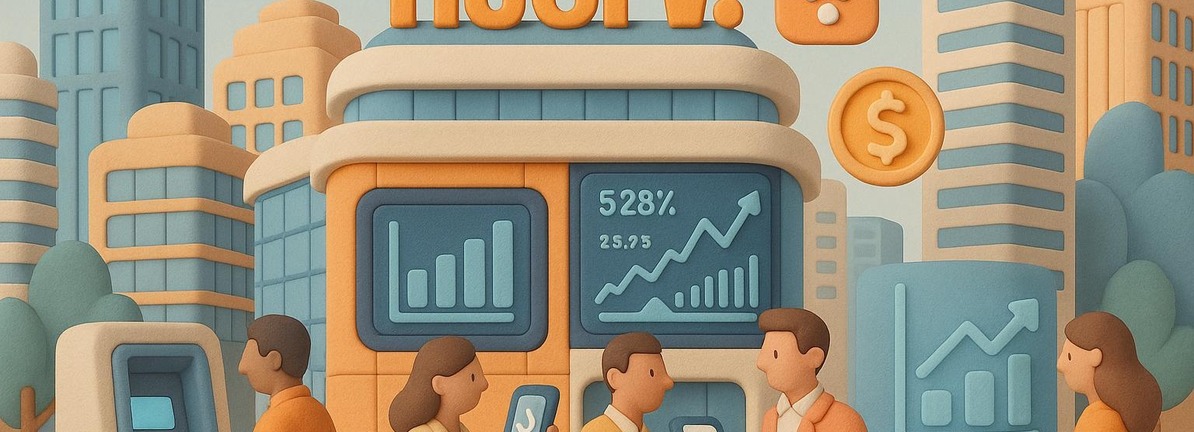
Over the past year, some of the world’s largest financial institutions have accelerated efforts to tokenize real-world assets (RWAs) such as government bonds, money market funds, private credit, real estate, and other financial products.
Why?
Because blockchain technology offers something traditional financial infrastructure struggles with:
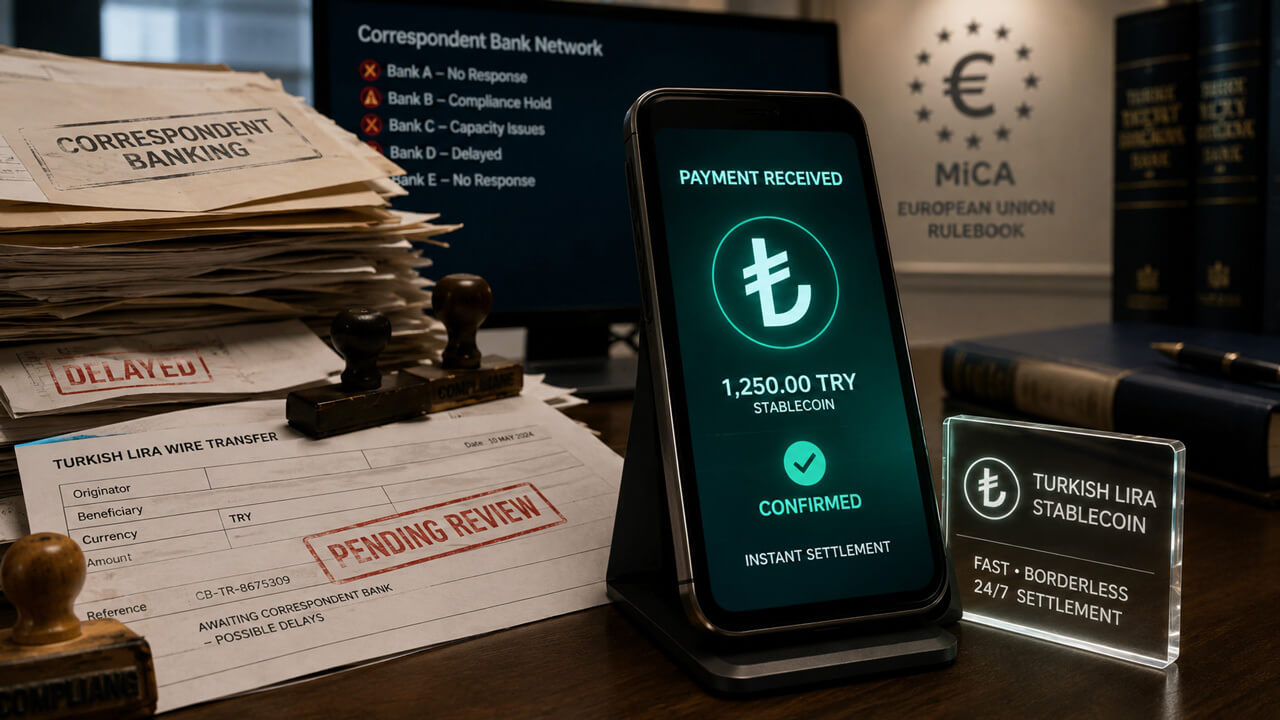
• Faster settlement
• Lower operational costs
• Increased transparency
• 24/7 markets
• Global accessibility
• Programmable ownership and transfers
Instead of waiting days for certain transactions to settle, tokenized assets can move almost instantly.
Instead of relying on multiple intermediaries, ownership and transfers can be recorded directly on blockchain networks.
And major institutions are paying attention.
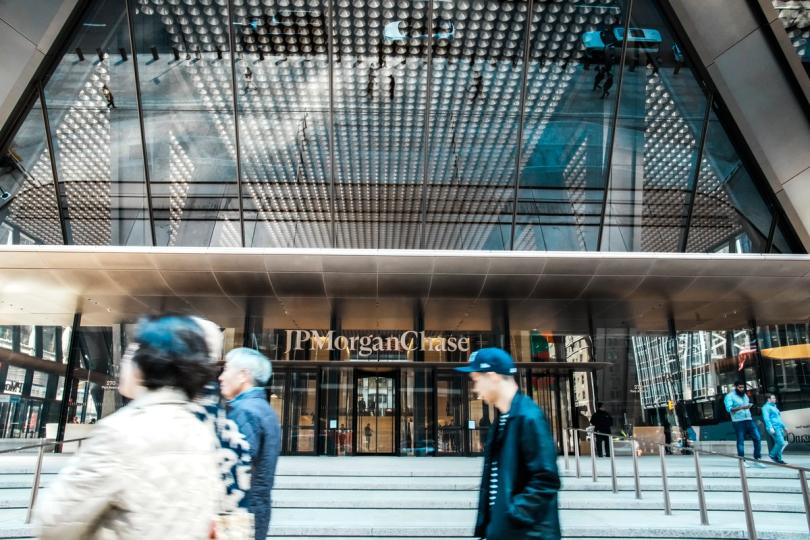
Companies like BlackRock, Franklin Templeton, JPMorgan, and others have already launched or tested tokenized financial products, signaling that blockchain is increasingly being viewed as infrastructure rather than speculation.
This is a major shift in how traditional finance views crypto.
For years, the industry asked:
“Will banks adopt crypto?”
Today the question is becoming:
“How much of the financial system will eventually move onto blockchain rails?”
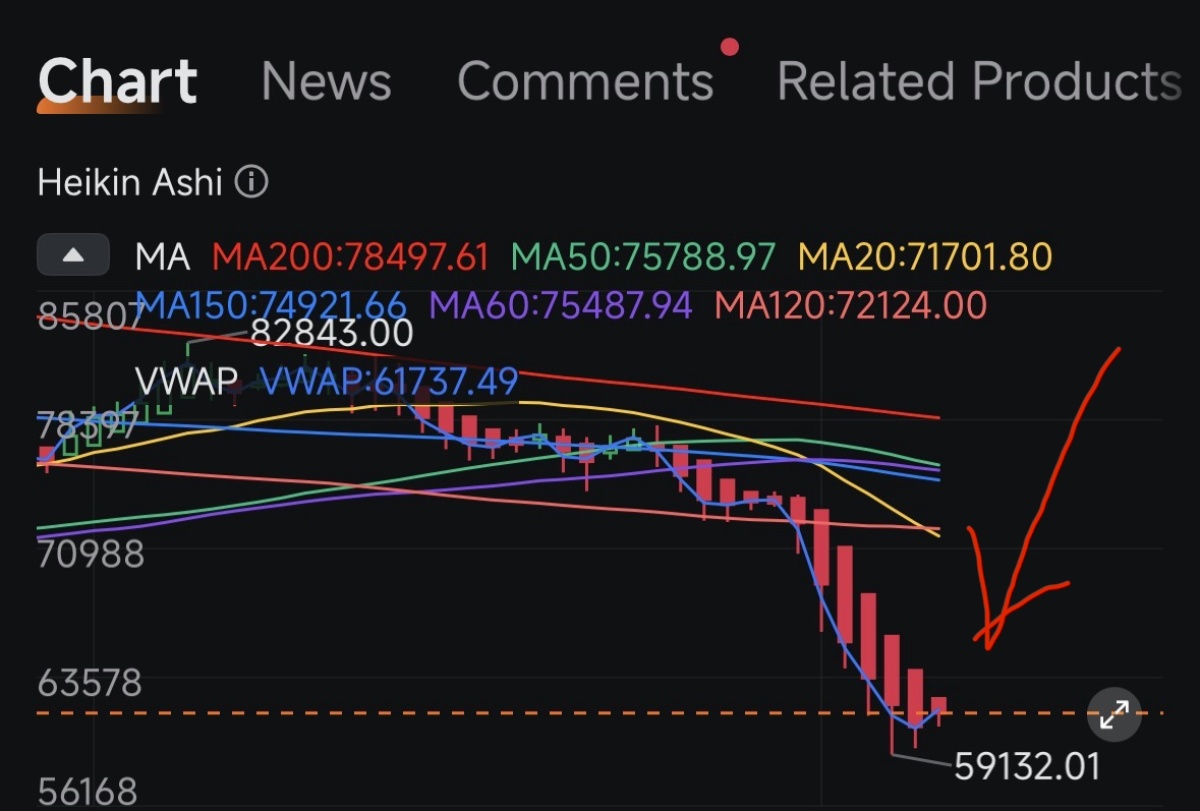
What’s particularly interesting is that this trend doesn’t depend on Bitcoin hitting a new all-time high.
It doesn’t depend on memecoins.
It doesn’t depend on retail hype.
It’s being driven by institutions looking for efficiency gains and new ways to manage, transfer, and settle assets.
Many analysts now believe tokenized real-world assets could become one of the largest sectors in the entire digital asset industry over the coming decade.
If they’re right, the long-term impact could be far bigger than most individual crypto projects.
The next phase of adoption may not be millions of people buying new coins.
It may be trillions of dollars in traditional assets gradually migrating onto blockchain networks.
And if that happens, the future of crypto may look very different from the one most people are expecting.