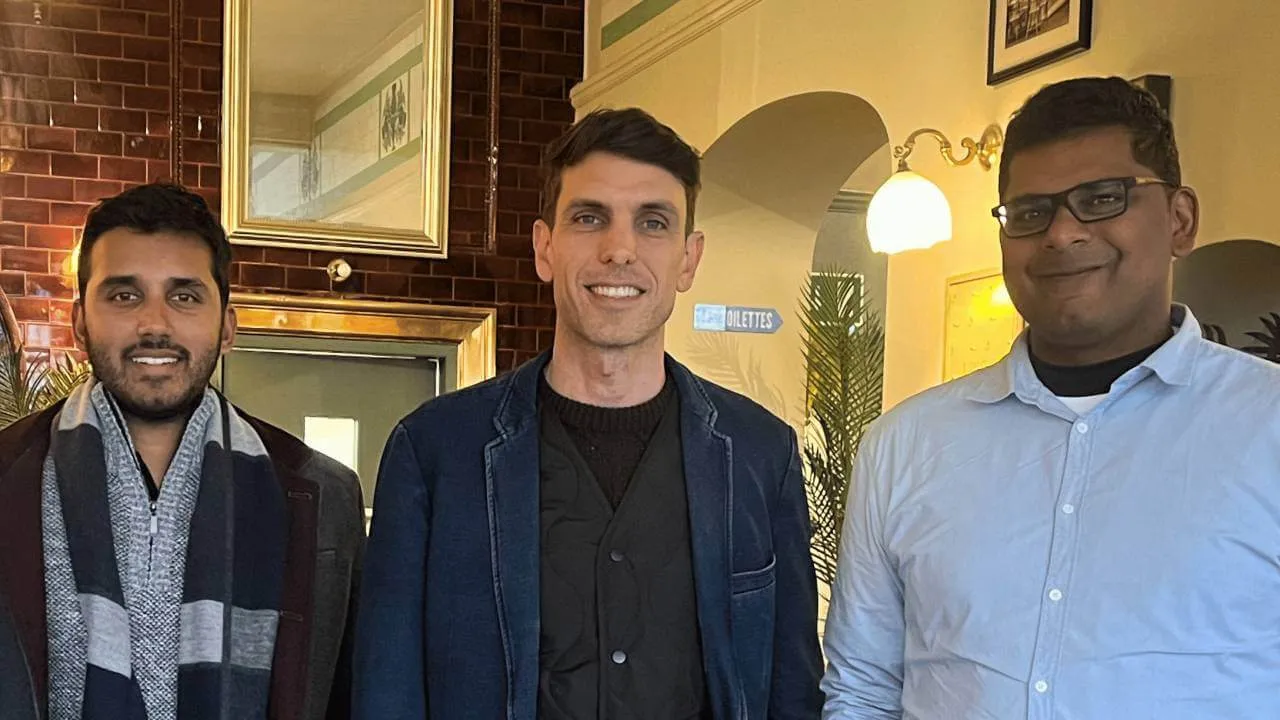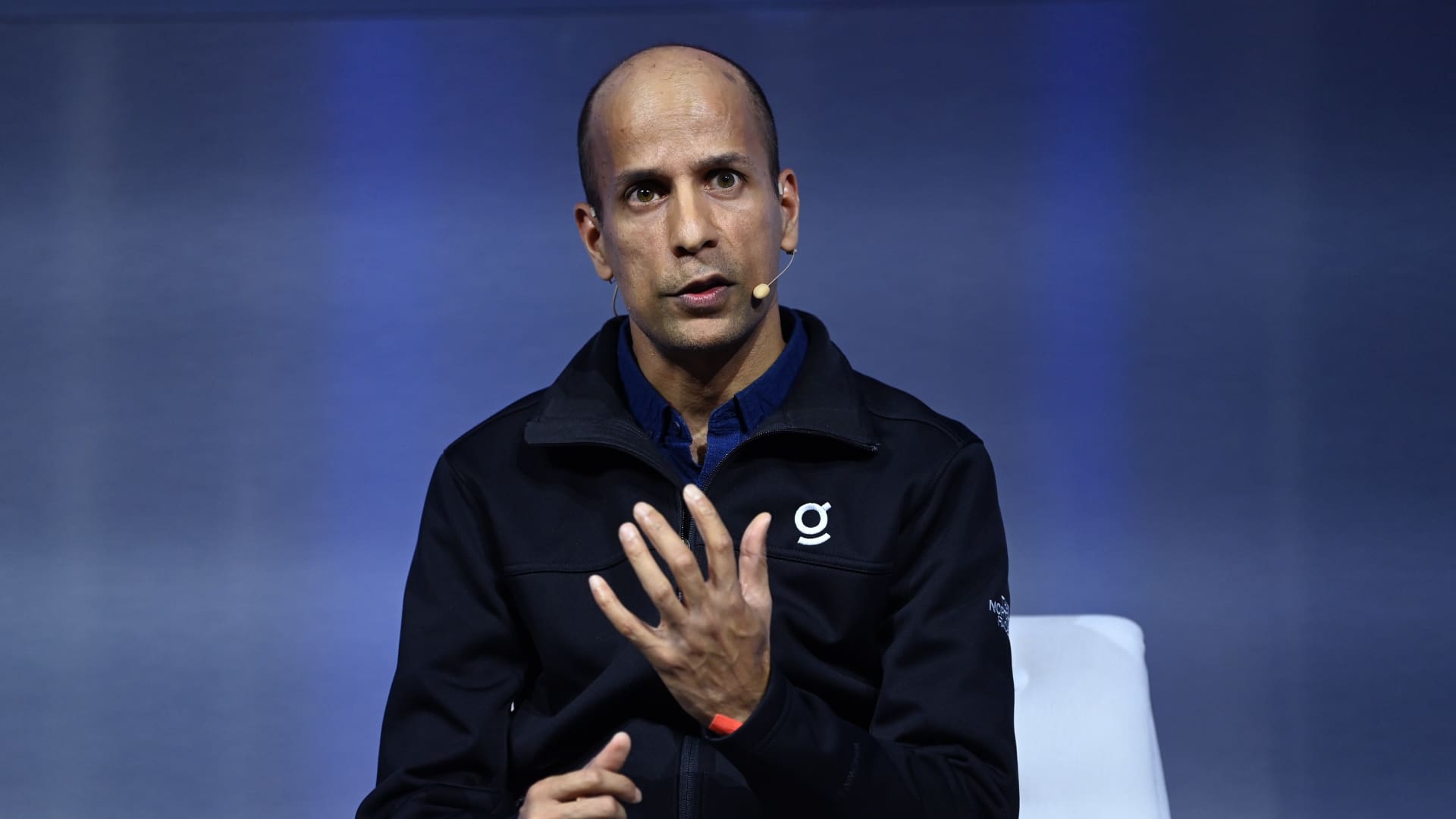
“I don’t have any real political insights, but I expect that there is sufficient momentum behind this,” said Paul via WhatsApp. “And I believe that since this is now in the remit of the HM Treasury, Bank of England and the Financial Conduct Authority, it doesn’t require much political intervention to proceed. If anything, I think this might support increased demand for U.K. debt at a convenient time for the U.K. government.”
Changing capital flows
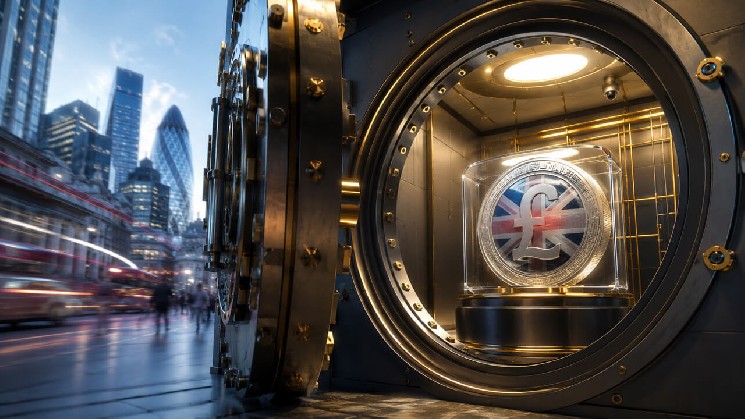
Paul said moving sovereign debt onchain changes how capital flows through the financial system, making it more than a back-office adjustment. Natively digital bonds allow market participants to settle trades instantly and move collateral between venues without the delays of traditional market infrastructure.
This programmability alters the dynamics of intraday repo markets, a change that market participants believe could free up tens of billions of dollars in idle liquidity. Currently, the U.K. gilt market sees aggregate daily trading volumes exceeding 45 billion pounds.
However, one key obstacle remains: the lack of a standardized onchain payment method.
“Santander issued a tokenized corporate GBP-denominated bond way back in 2019, so we have been demonstrating that bonds can be tokenized for nearly seven years,” said Jannah Patchay, founder of Markets Evolution. “The challenge then, as now, was how to settle that bond on-chain using a counterparty risk-free settlement asset, and we do not yet have a compelling solution.”