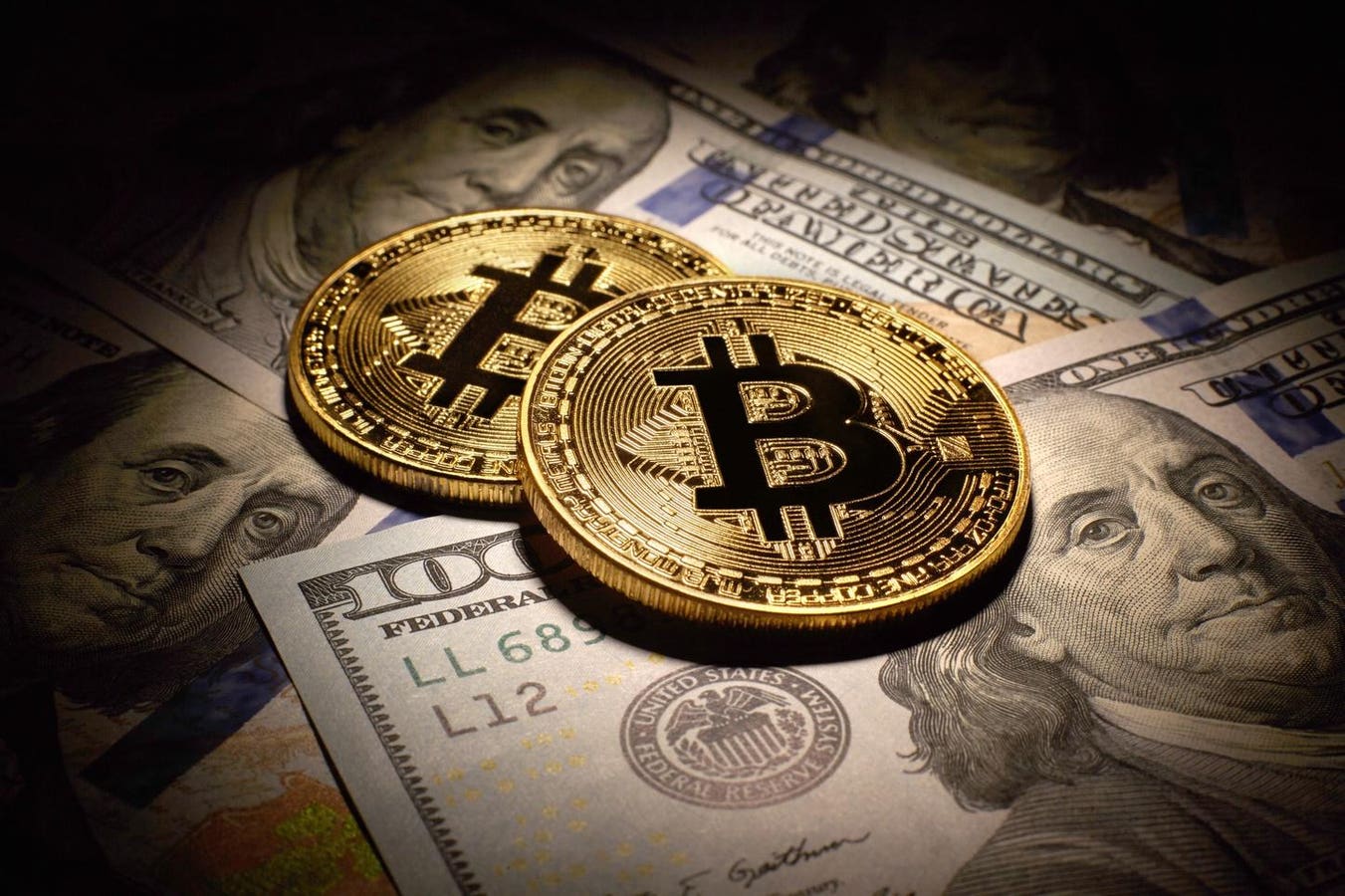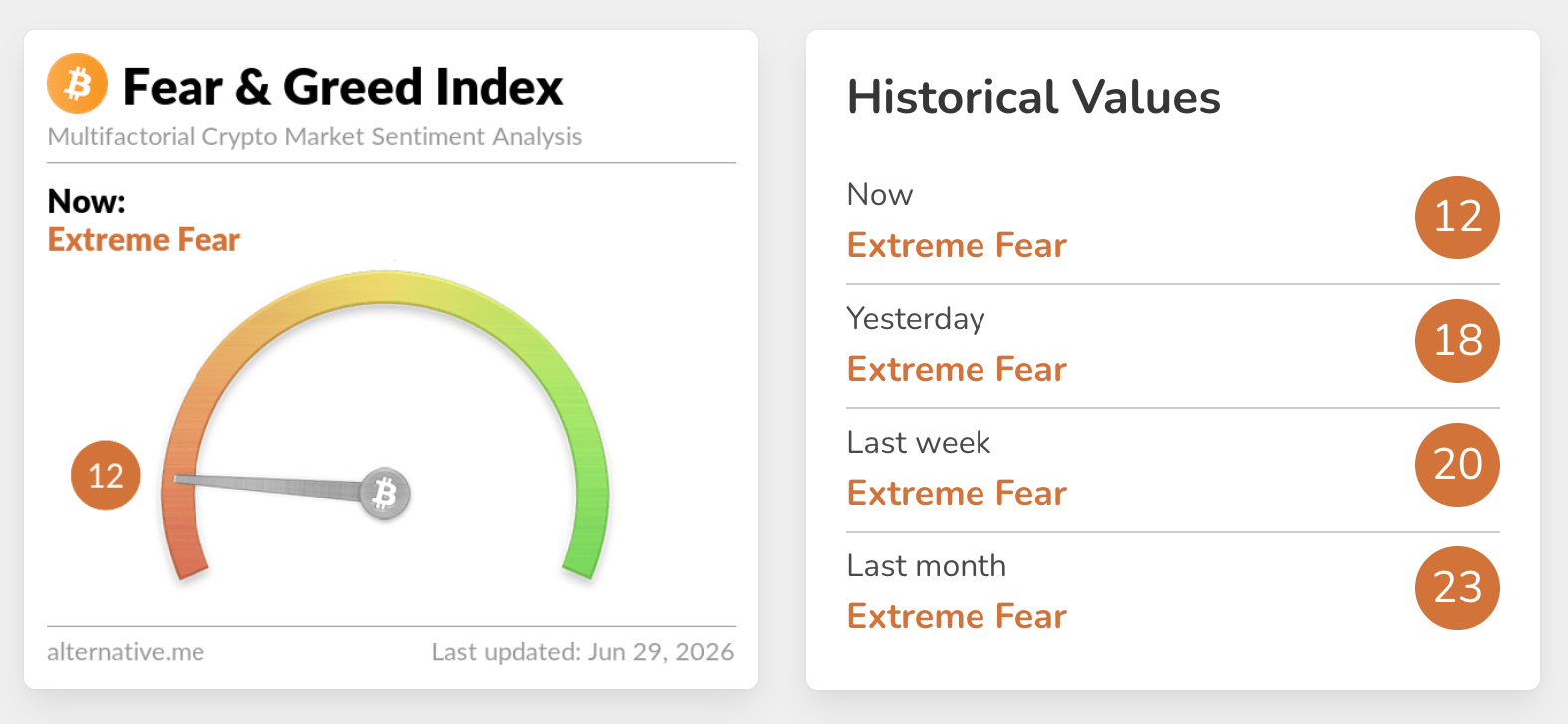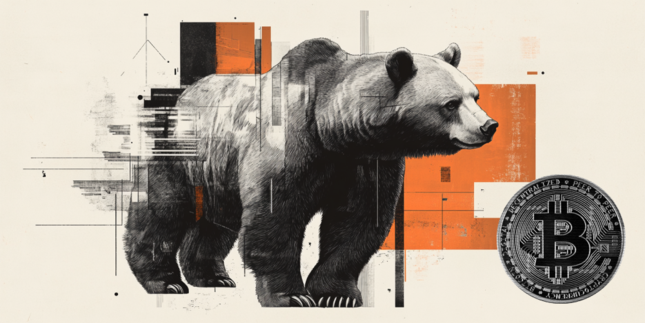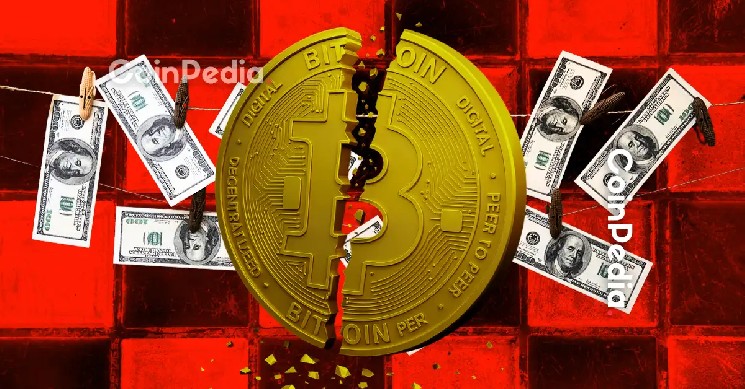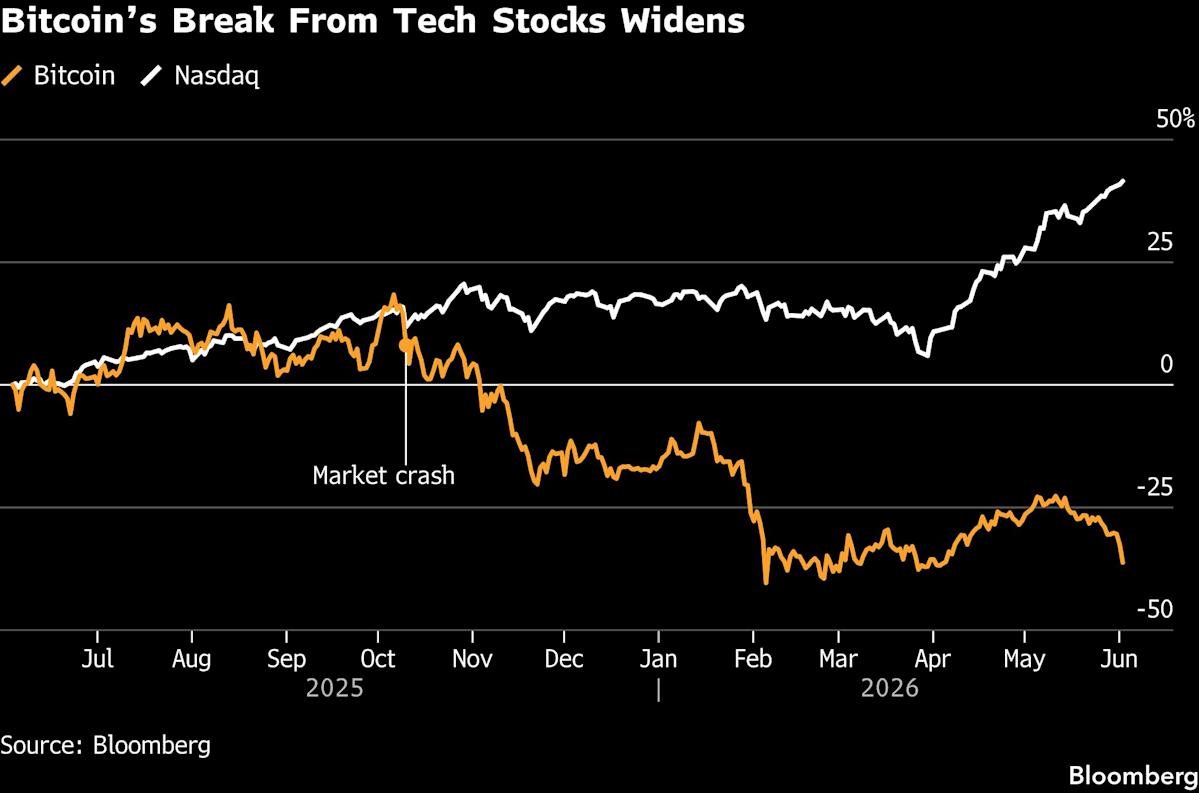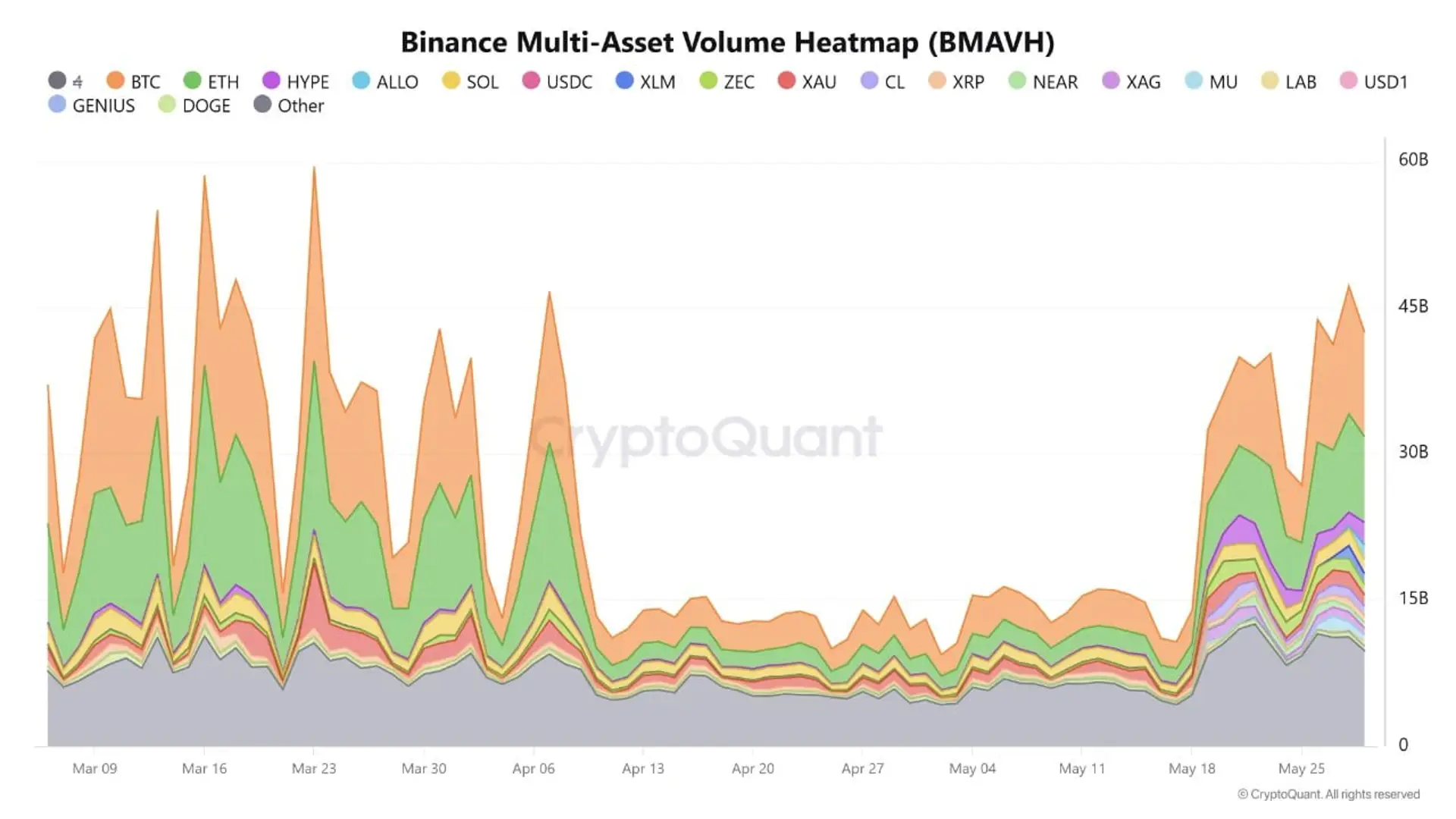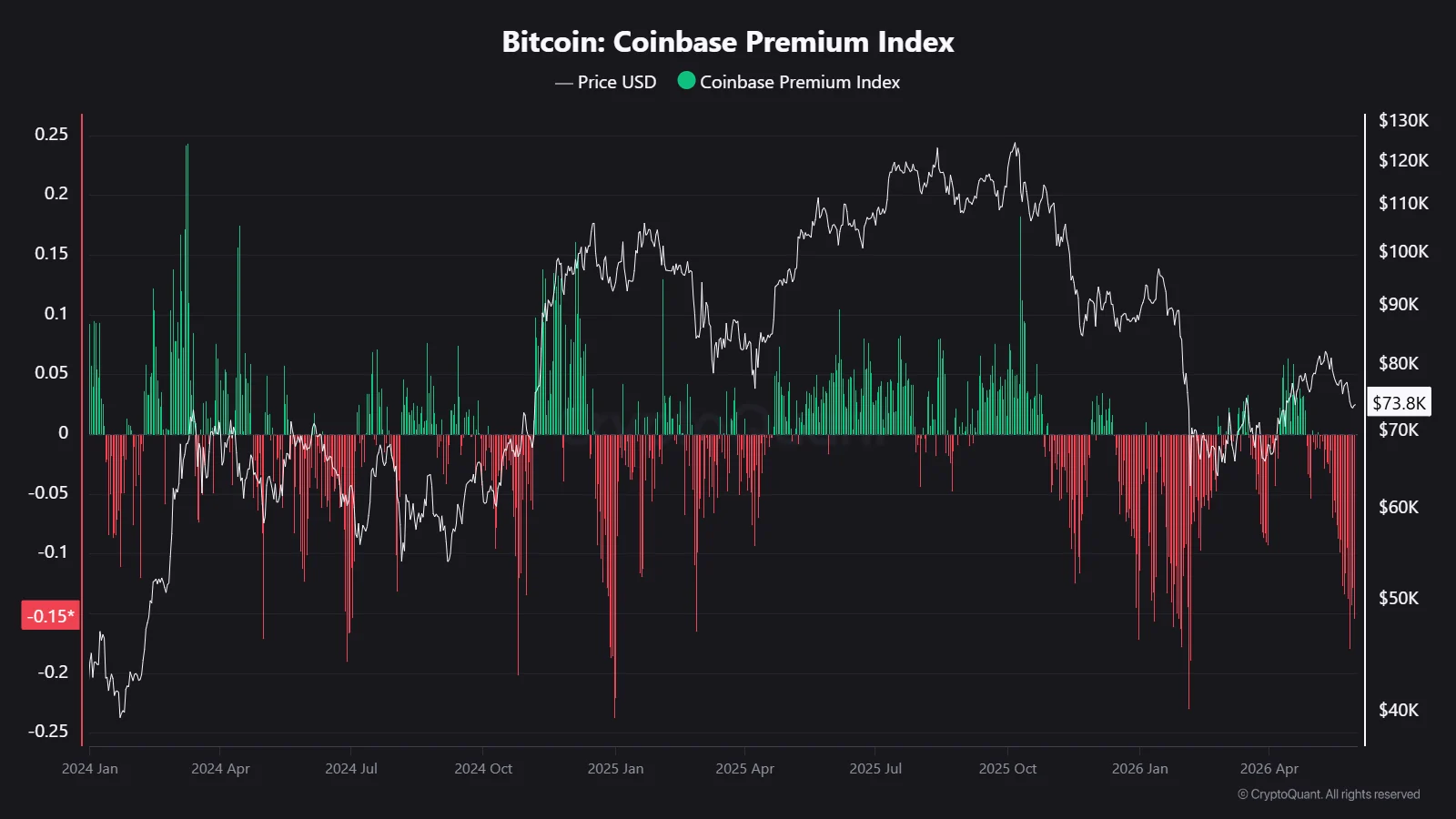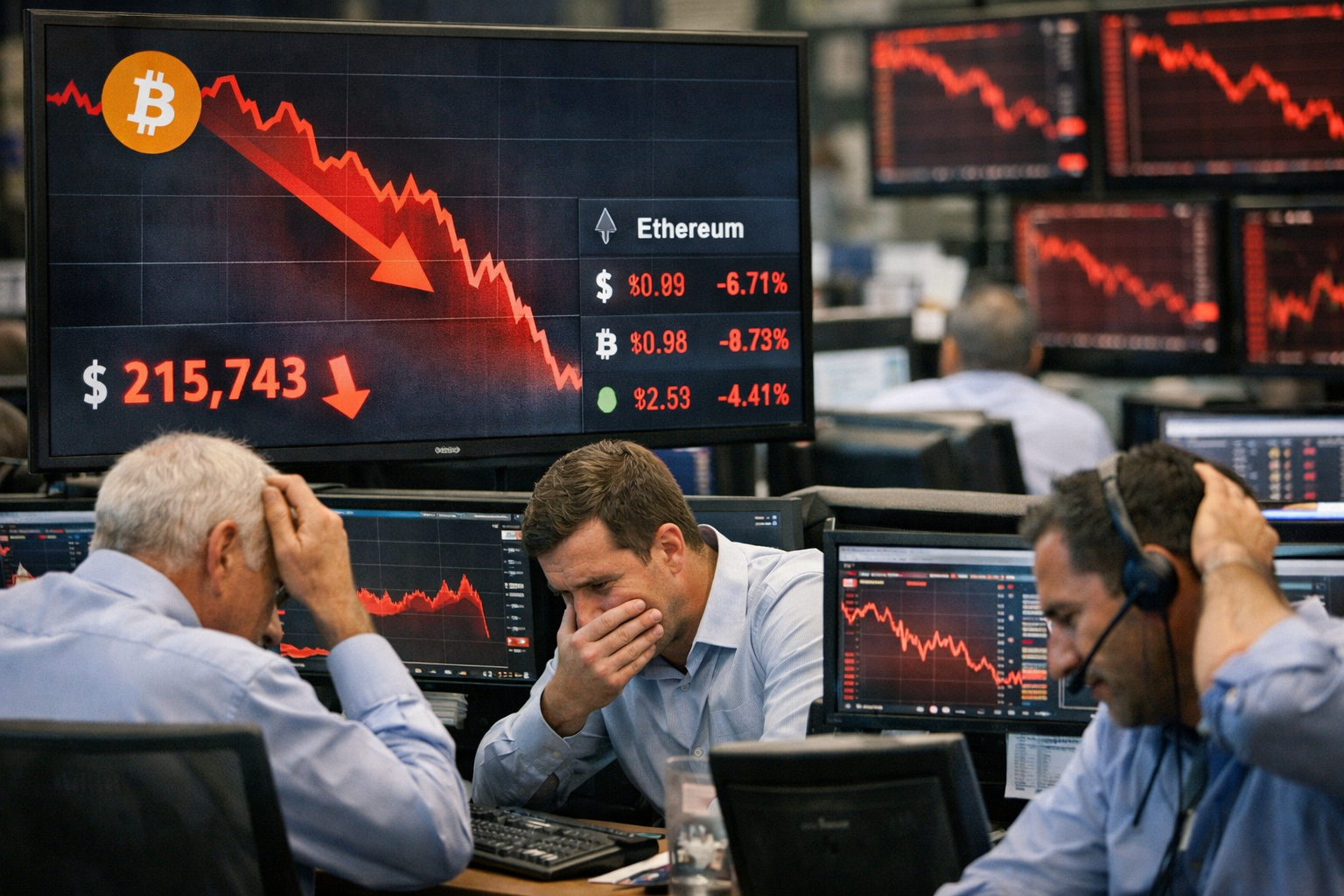
The crypto market has come under renewed pressure, with Binance Research citing capital rotation into US equities as a key driver of the heightened risk-off sentiment in Bitcoin.
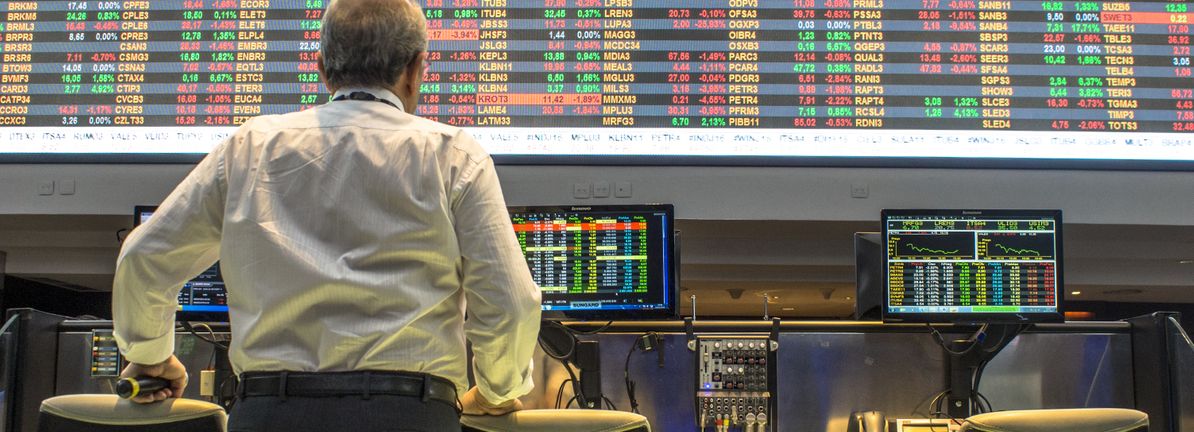
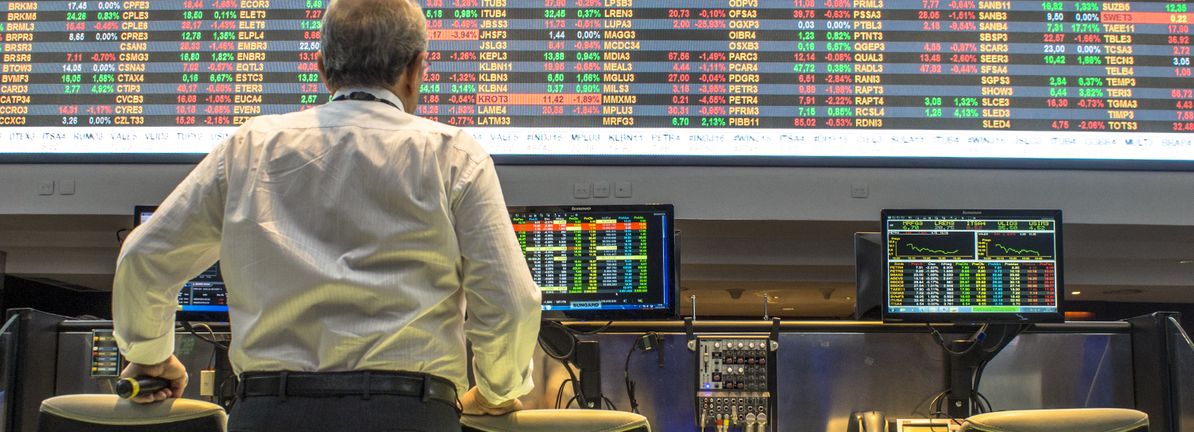
In an X post on Tuesday, Binance Research said the CBOE Dispersion Index has surged to 42, one of the highest levels on record. The spike signals that investor flows are increasingly concentrated in a small group of S&P 500 stocks.
Outsized equity gains trigger weak crypto prices
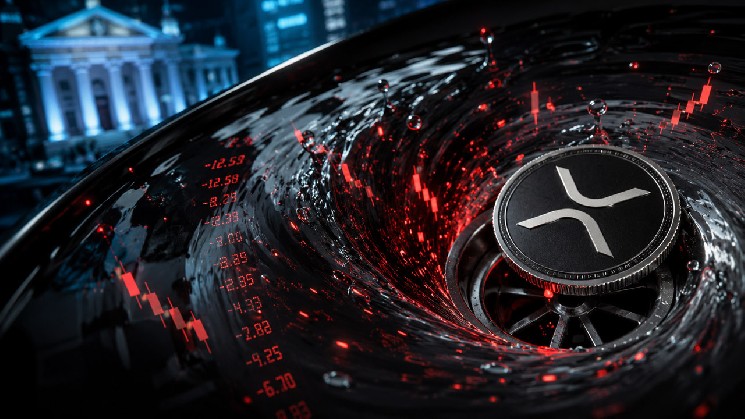
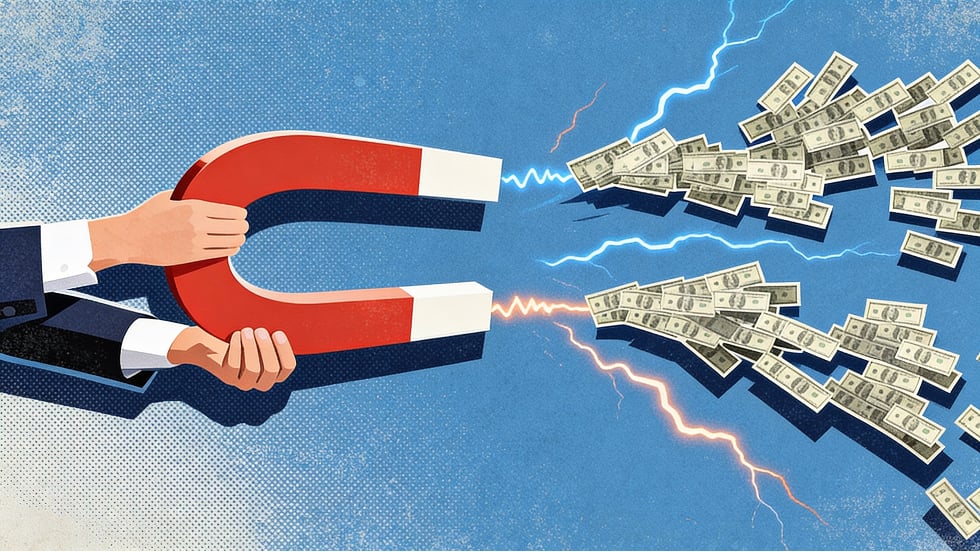
The firm noted that strong, concentrated equity gains can pull capital away from Bitcoin (BTC), causing a “capital black hole.”
“The mechanism is simple: outsized equity returns → capital concentrates → ‘capital black hole’ → liquidity drained from BTC → BTC drops,” wrote Binance Research analysts.
The analysts highlighted several historical examples of this dynamic. During the 2015 rotation into FAANG and biotech stocks, Bitcoin fell roughly 20%. A similar pattern emerged in 2022, when strong inflows into energy stocks coincided with a 50% decline in BTC.
More recently, a rotation into artificial intelligence (AI), defense and energy sectors in the second quarter of 2026 has aligned with a drop in Bitcoin.
The firm added that growth-focused investors are moving into AI infrastructure and applications, while geopolitical uncertainty is driving flows into defense and energy.
Despite the pressure, Binance Research noted that similar periods of concentrated equity flows have historically been short-lived for Bitcoin. In past cycles without major disruptions, BTC typically bottomed within 0 to 20 weeks, with a median recovery time of about two weeks.
Derivatives data shows weak institutional demand
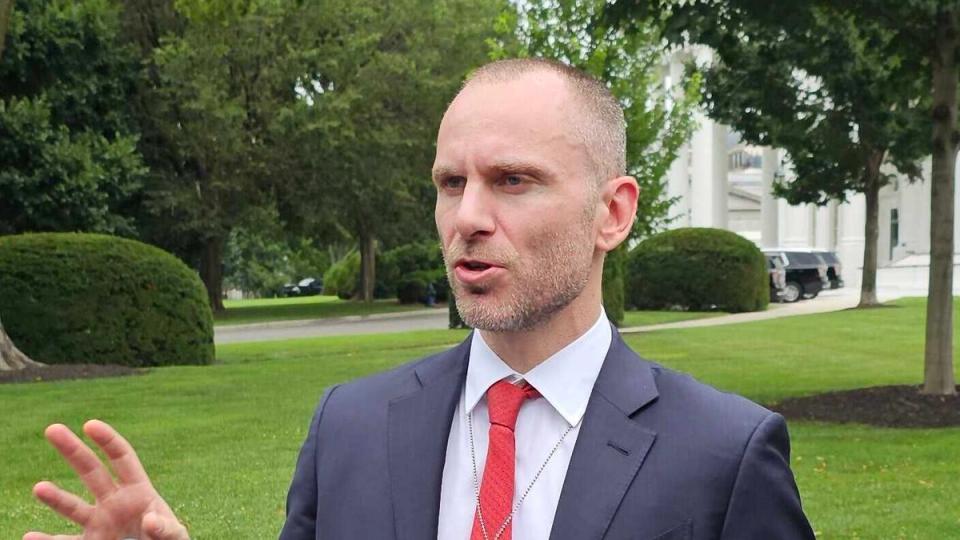
Meanwhile, K33 Research’s report highlighted that Bitcoin remains undervalued relative to equities over the long term. However, it noted that investor capital is being redirected toward high-performing sectors such as AI.
“Longer term, we still see BTC as deeply undervalued versus equities and attractively priced. But persistent relative weakness and heavy ETF outflows suggest much of the market views the opportunity cost of holding BTC as too high while anything AI-related
soars,” K33’s Head of Research Vetle Lunde wrote.
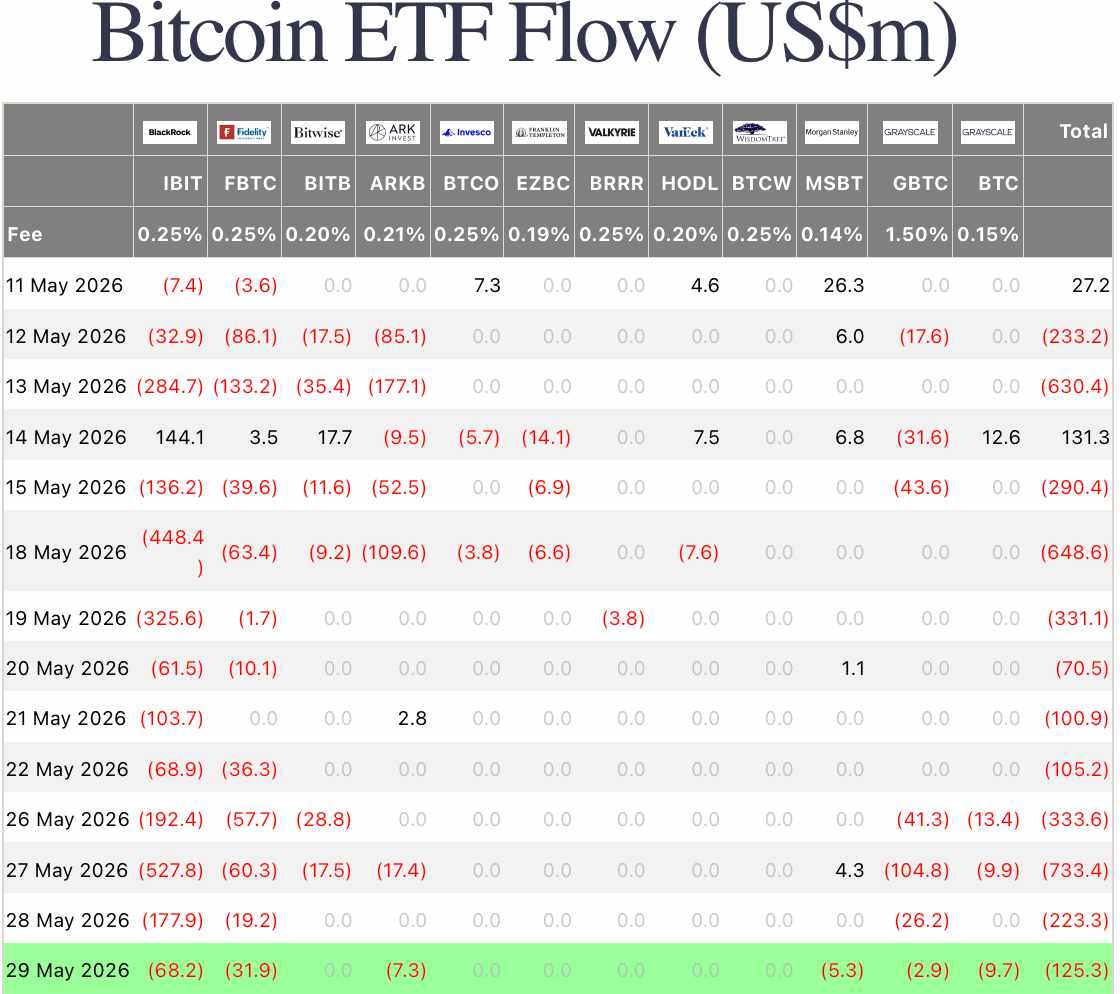
Exchange-traded fund (ETF) outflows have also added to the pressure. K33 pointed to a divergence in derivatives positioning between institutional and retail traders.
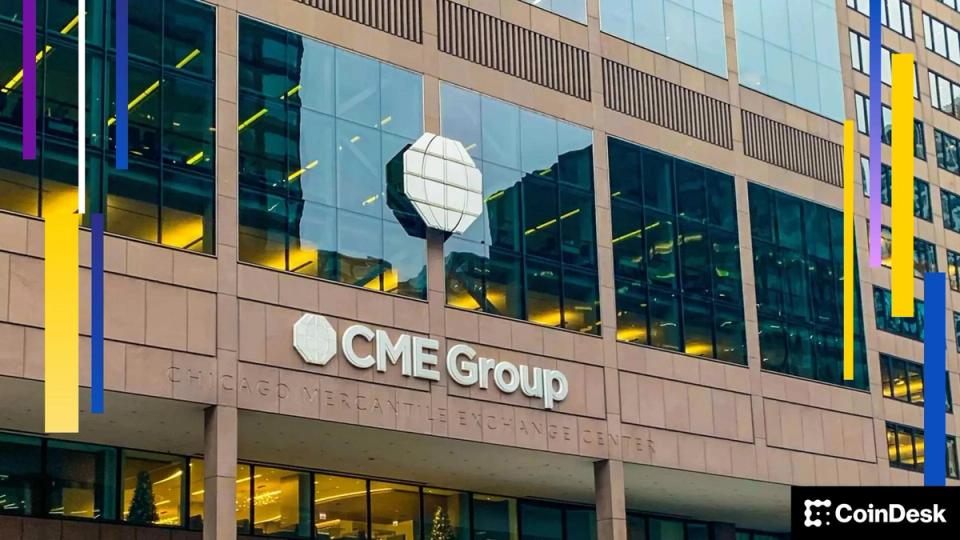
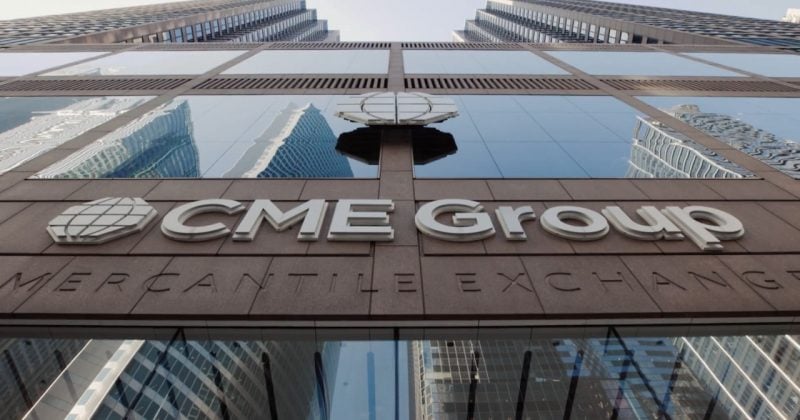
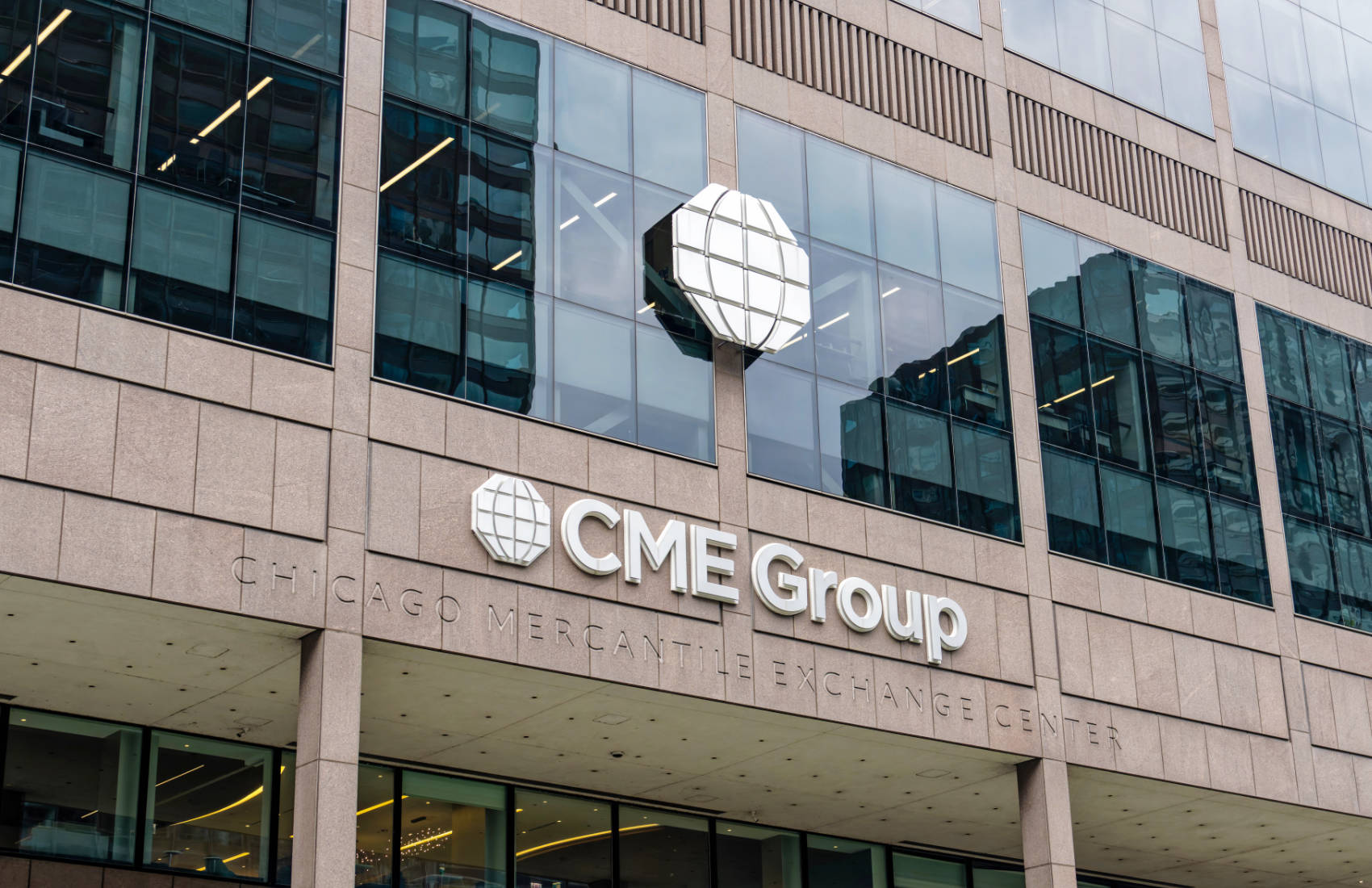
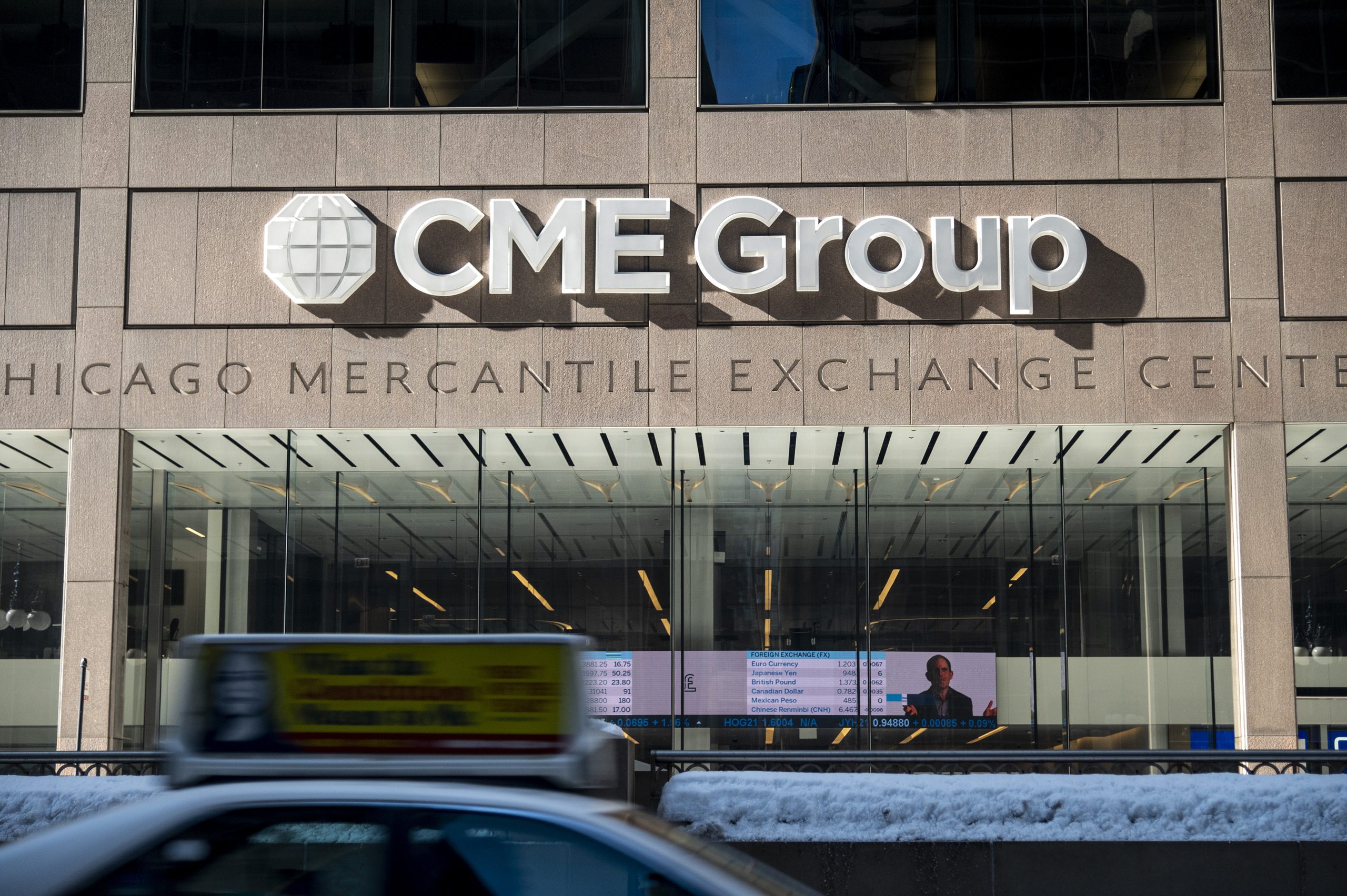
On the institutional side, activity on the Chicago Mercantile Exchange (CME) has declined sharply. Open interest in CME Bitcoin futures dropped to 97,935 BTC on Monday, the lowest level since October 2023.
This drop in CME activity suggests weaker institutional participation and may be contributing to softer flows into Bitcoin investment products.
“We view the ongoing steady drought
in CME exposure as a clear symptom of the broad lack of institutional interest in BTC,” the report added.
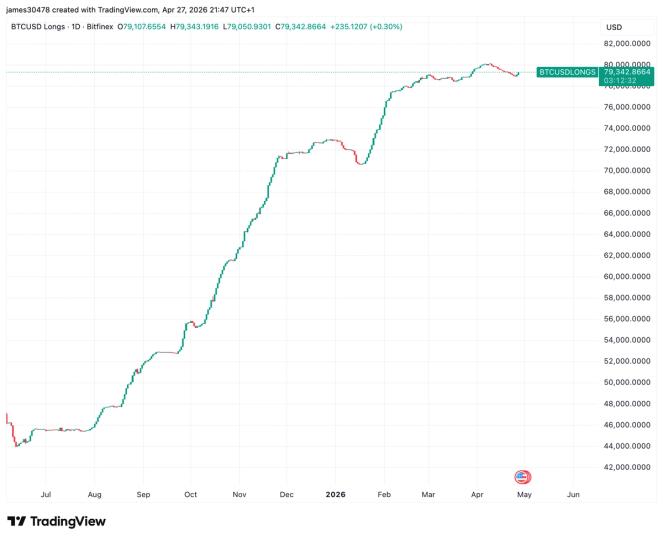
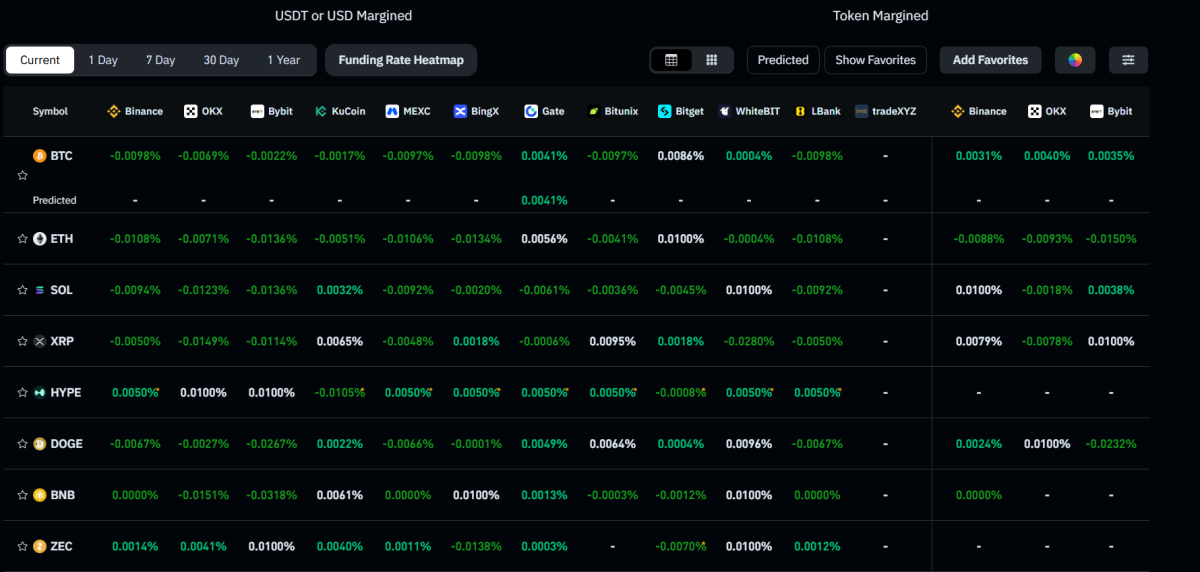
In contrast, perpetual futures markets show increased risk-taking. Open interest has climbed to near-yearly highs of around 310,000 BTC, while funding rates have risen to approximately 7.6% on a 7-day annualized basis.
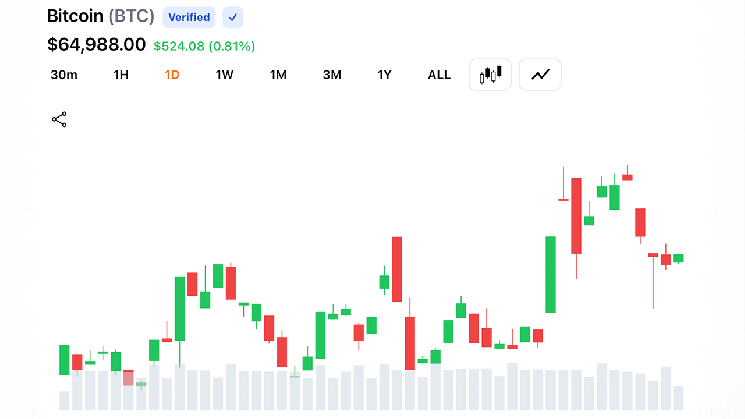
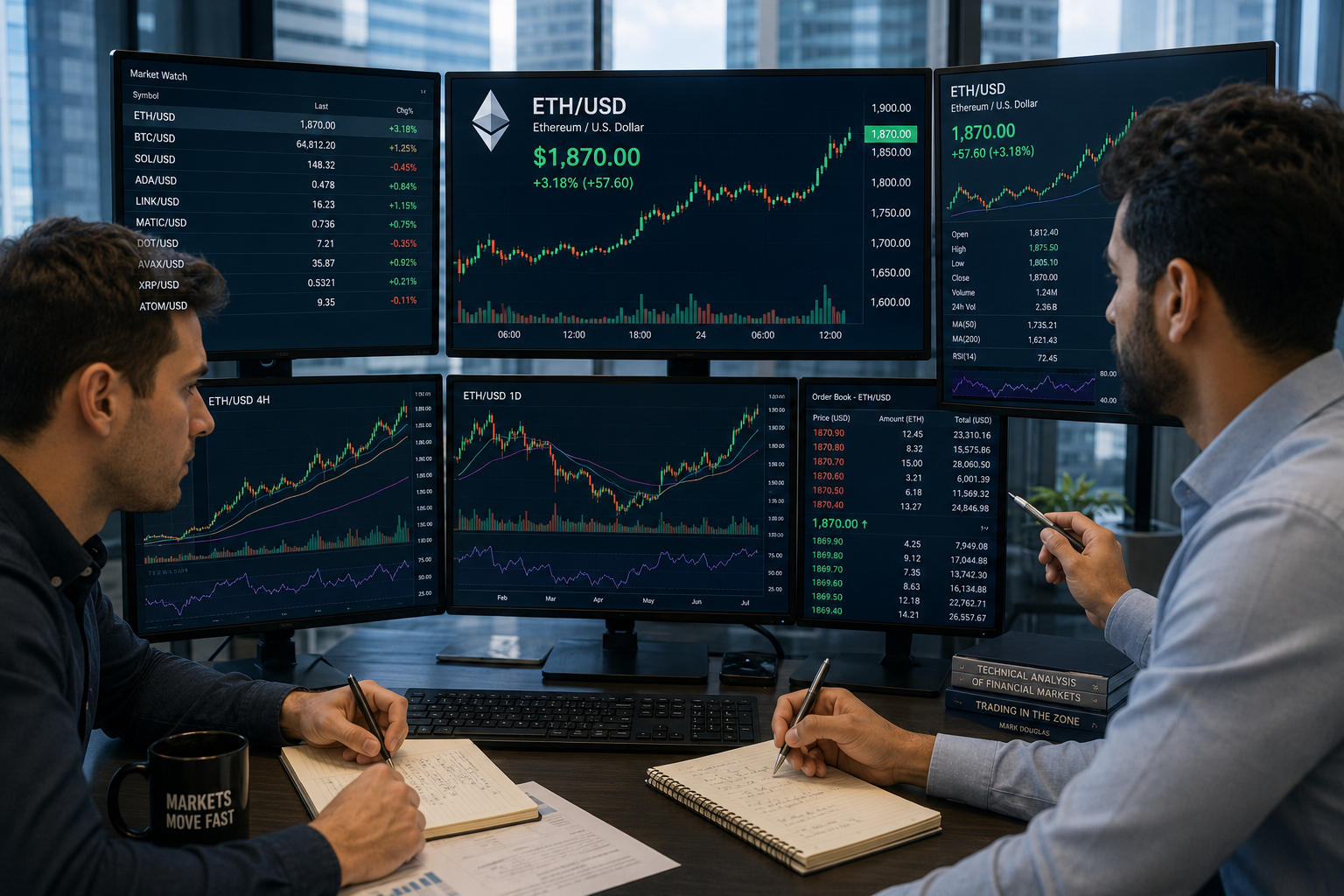
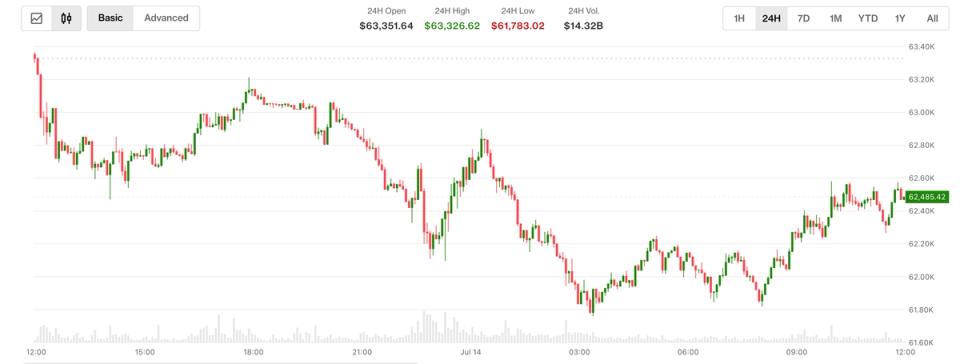
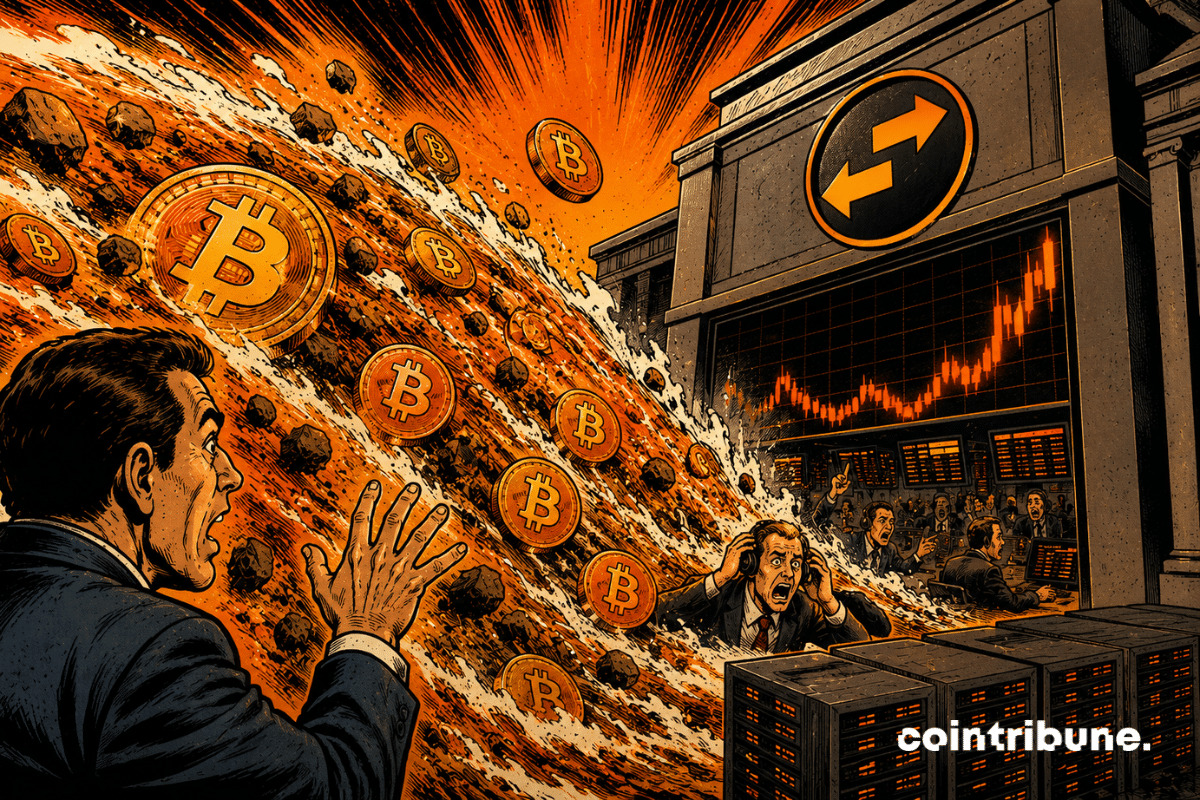
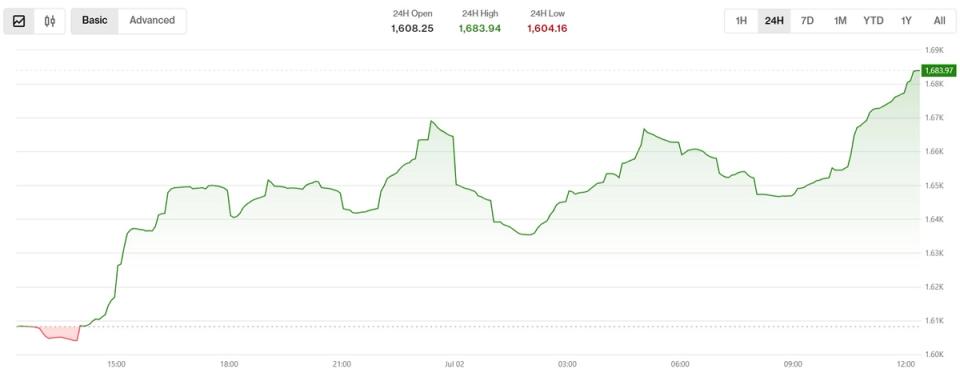
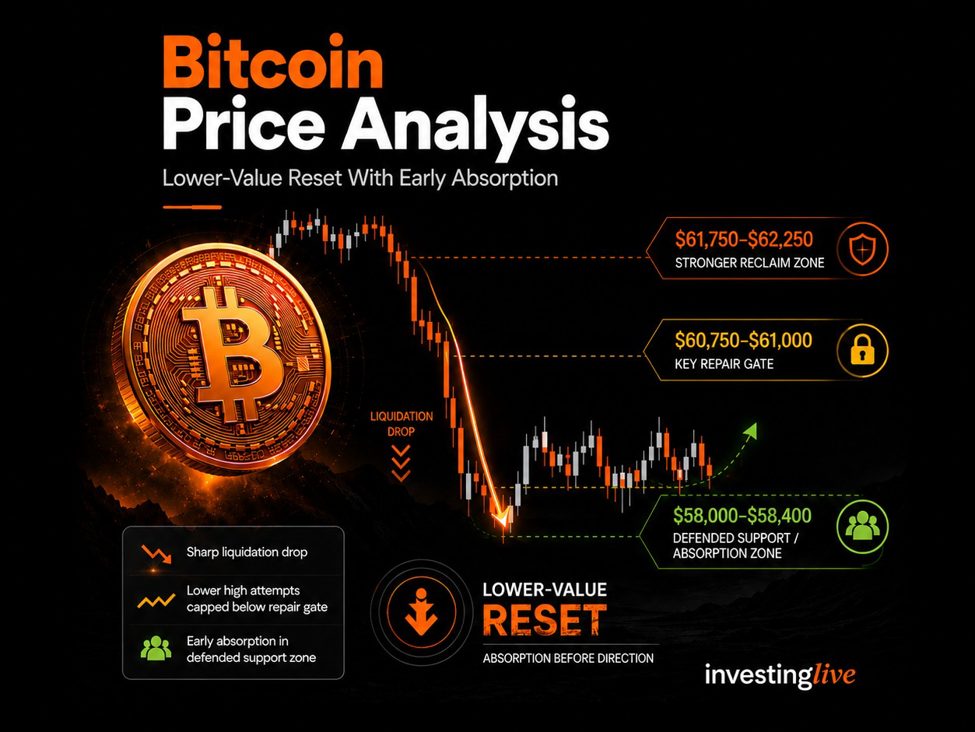
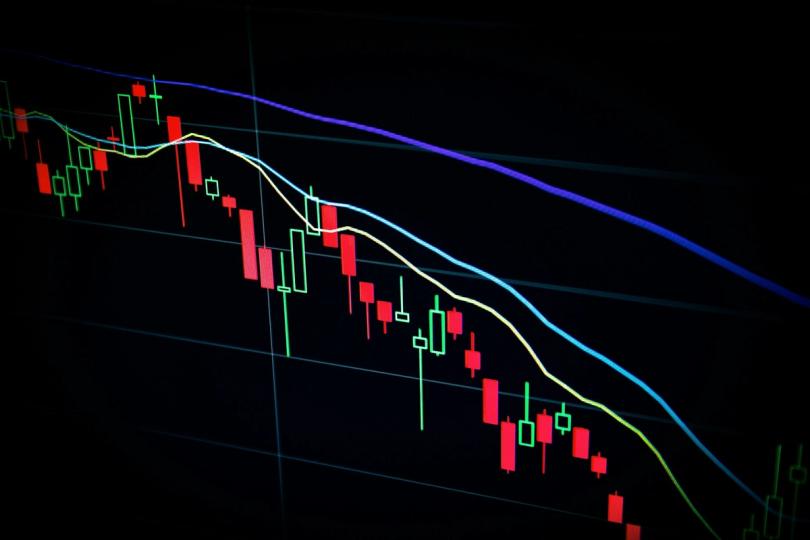
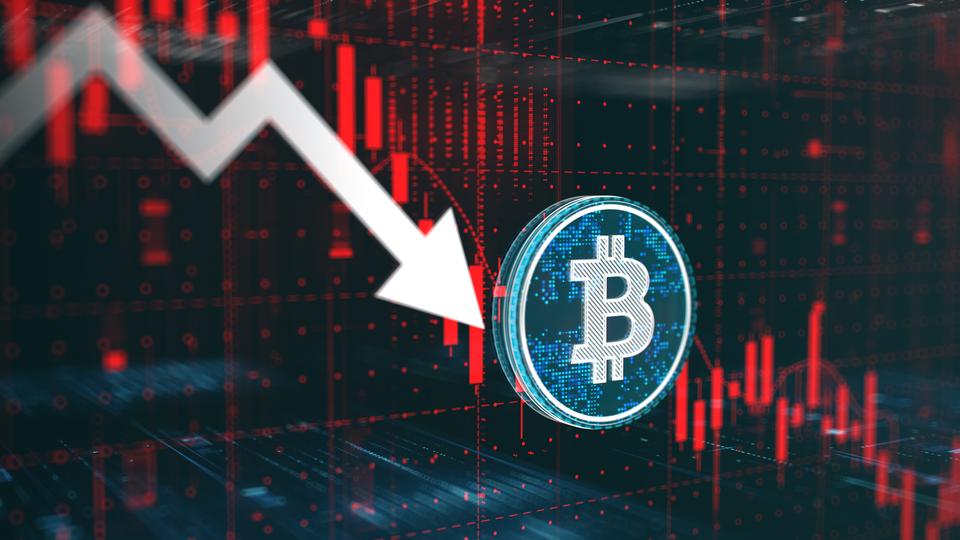
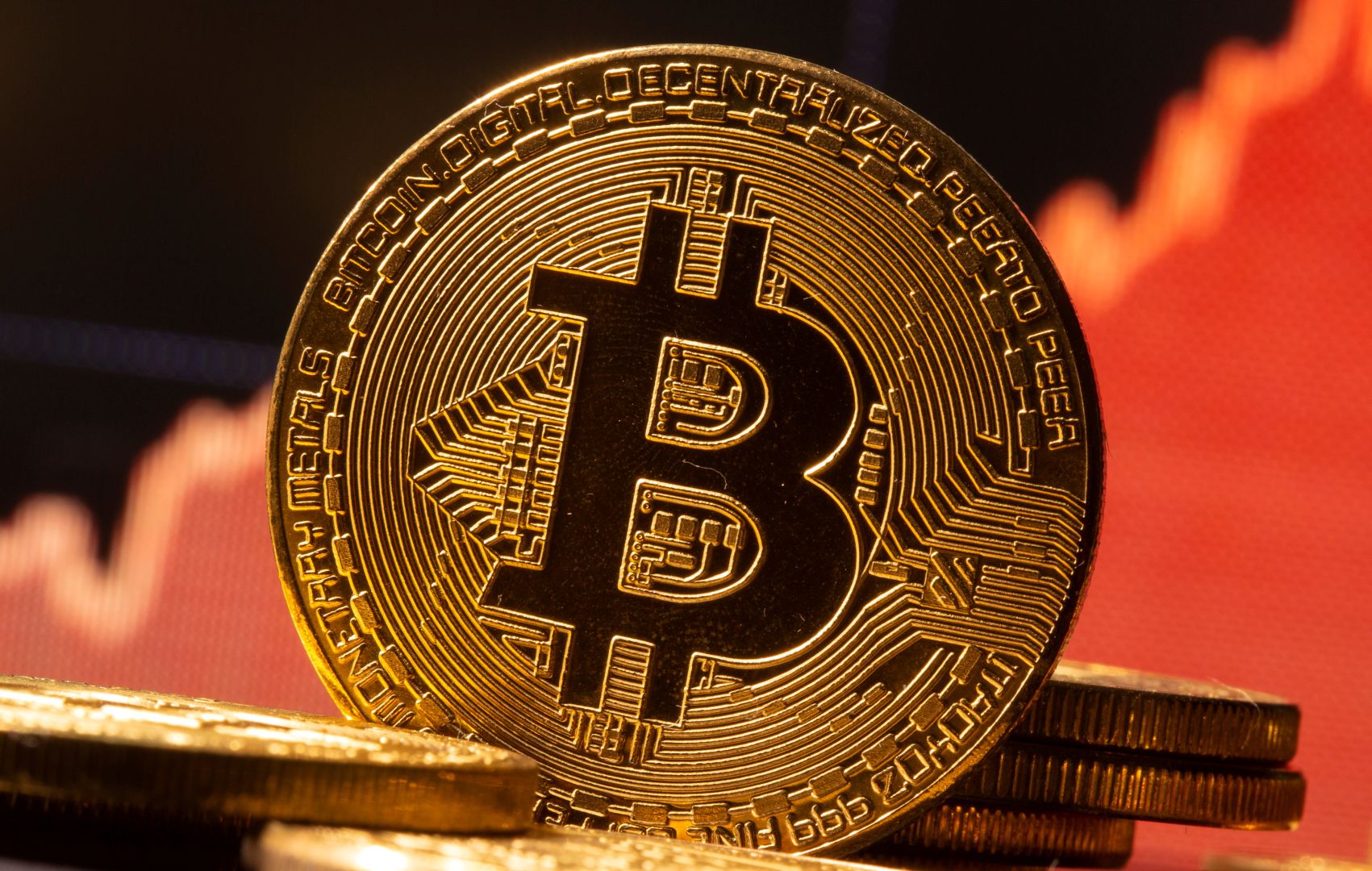
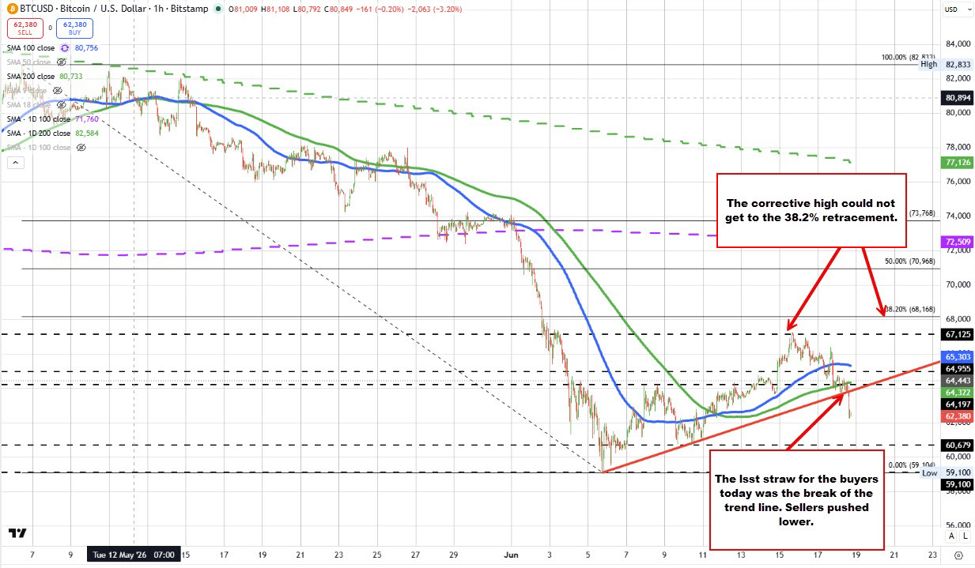
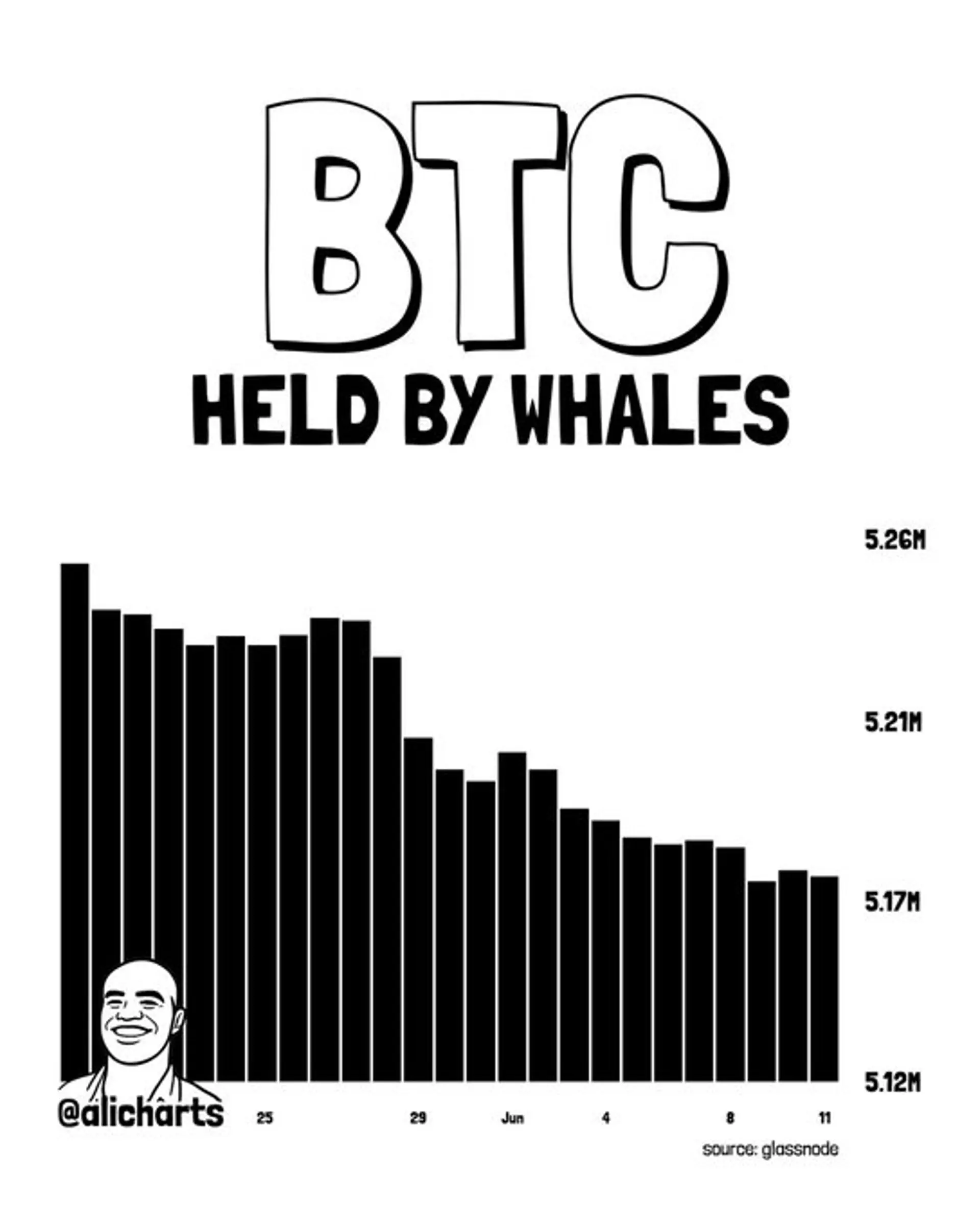
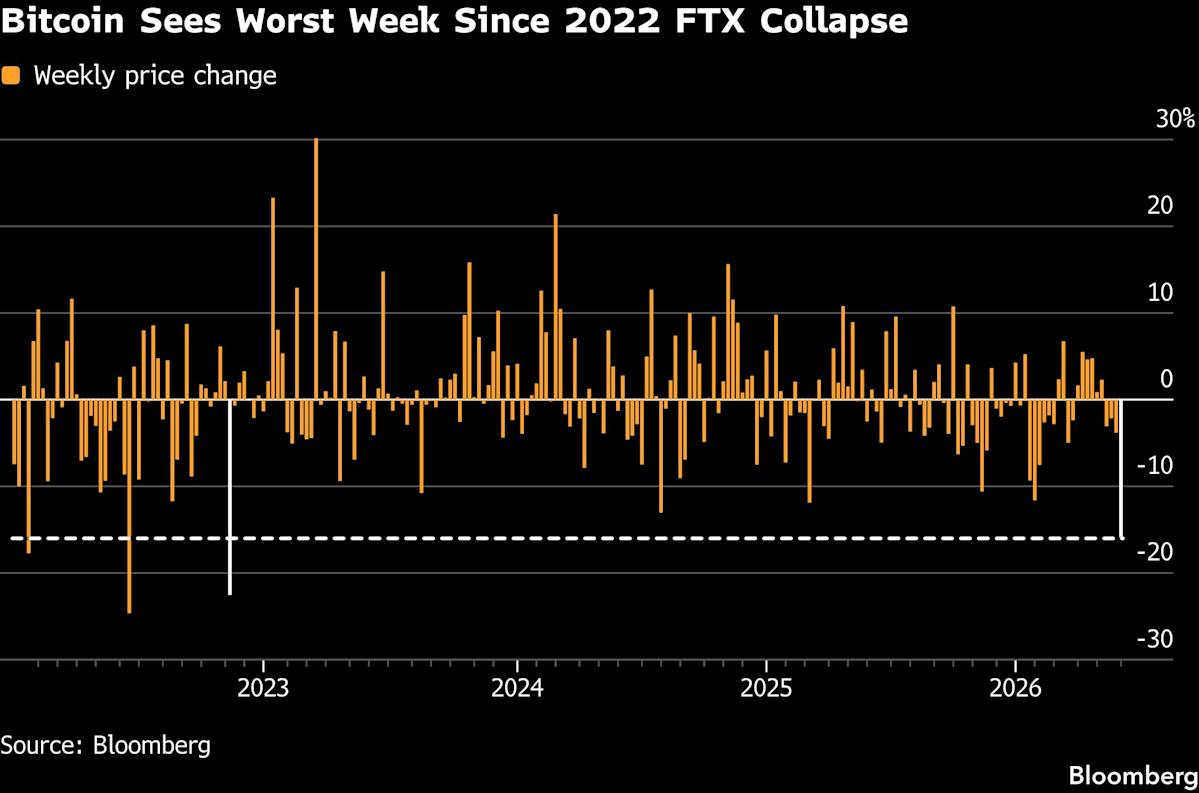
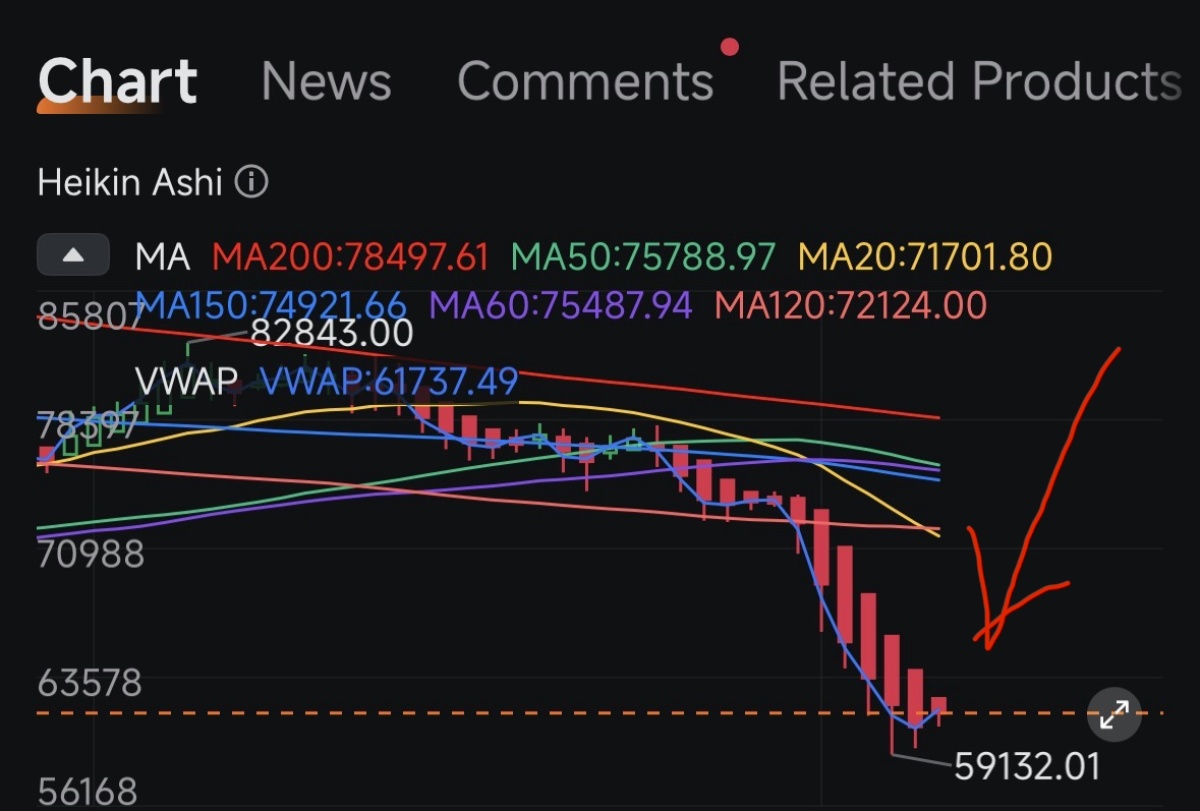
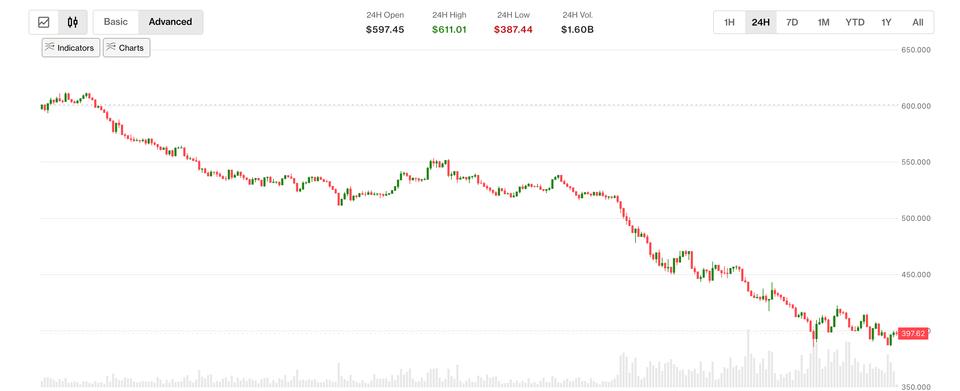
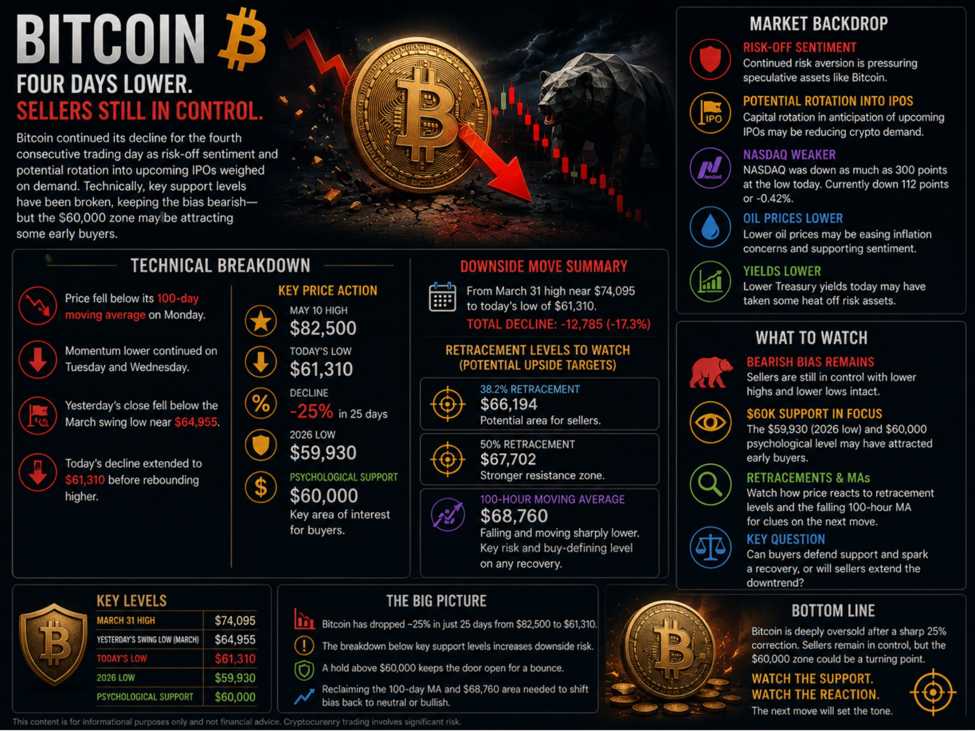
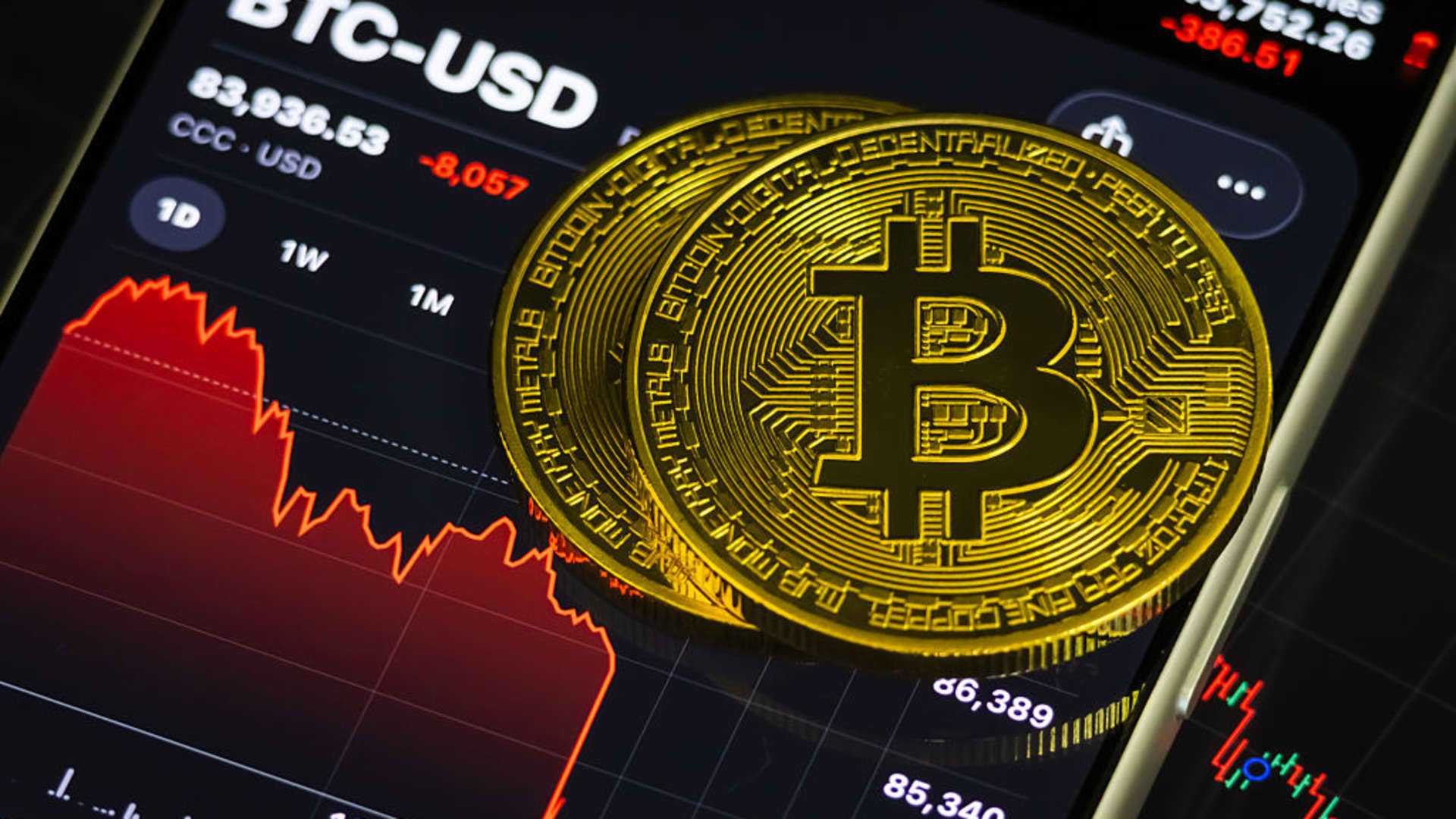
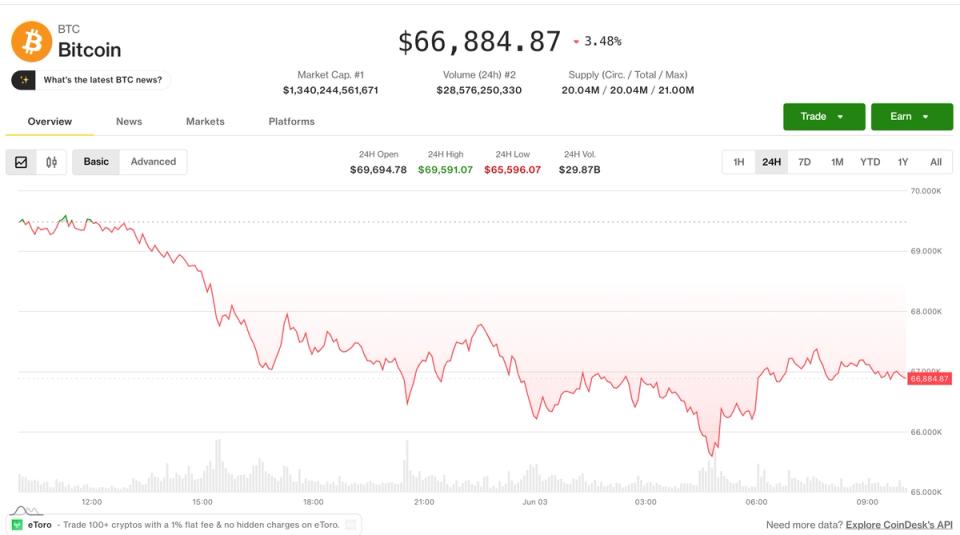
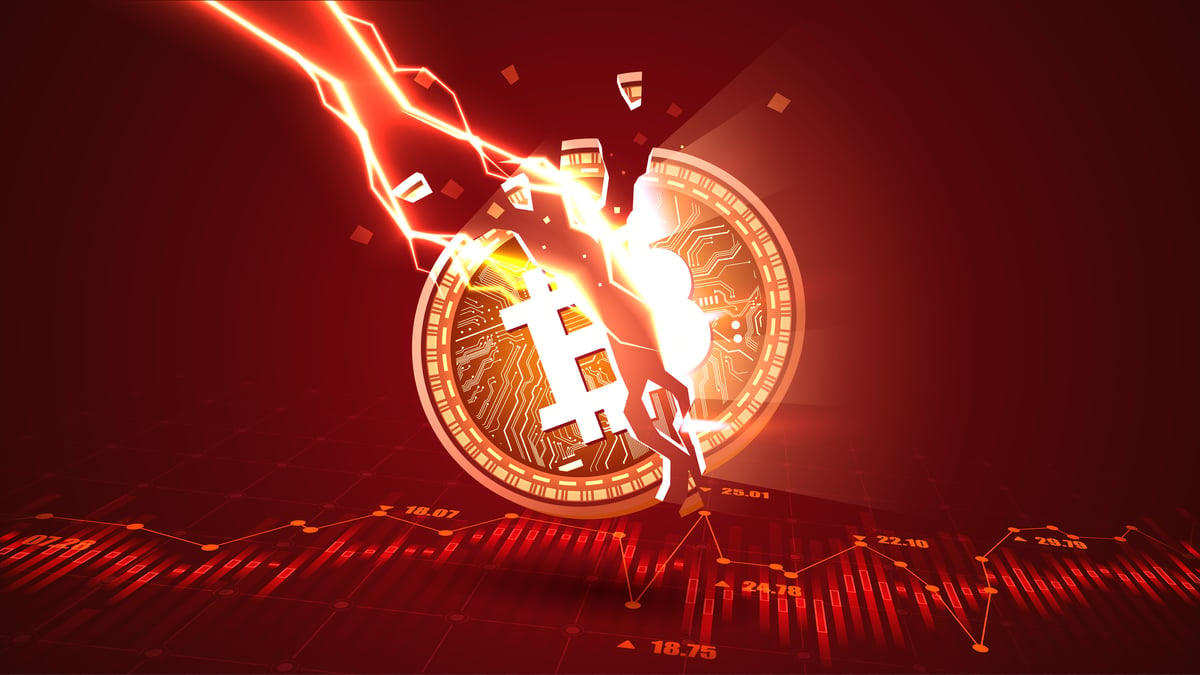
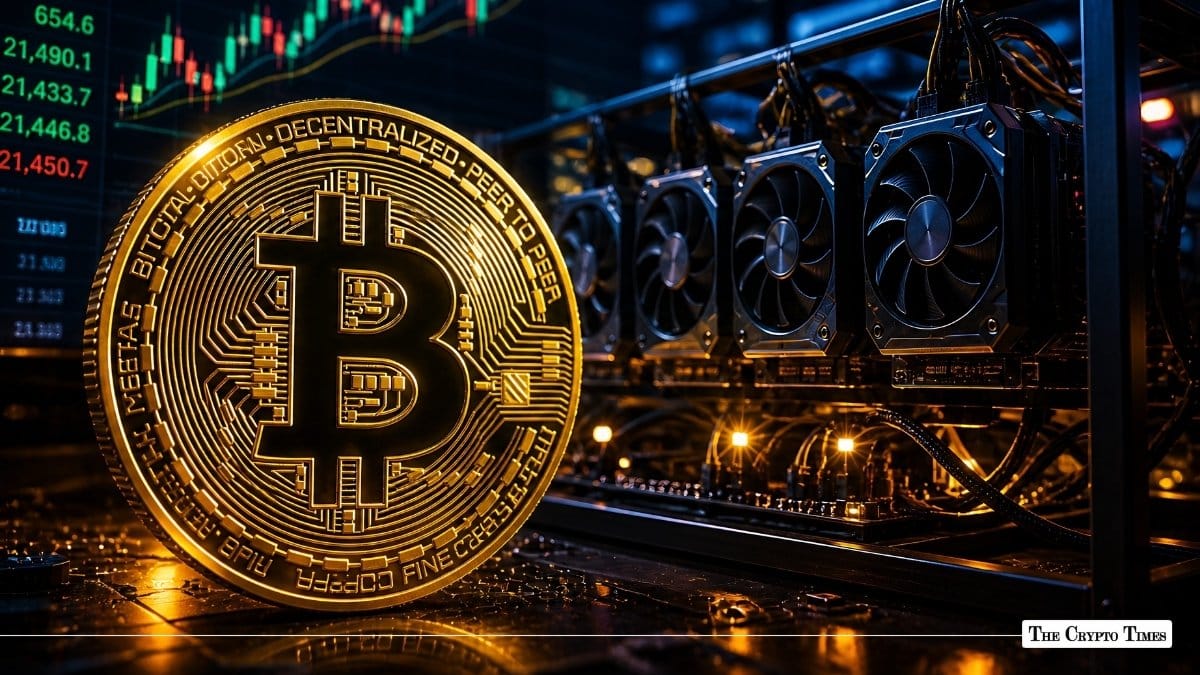
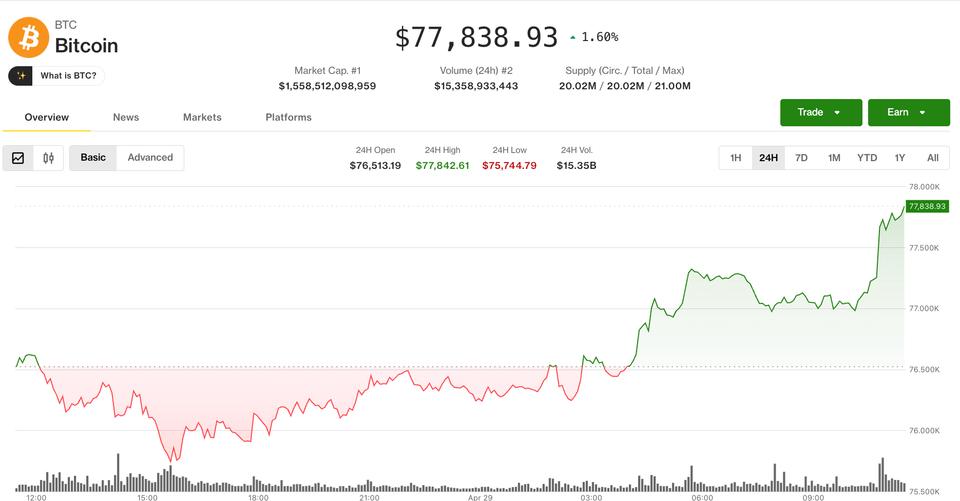
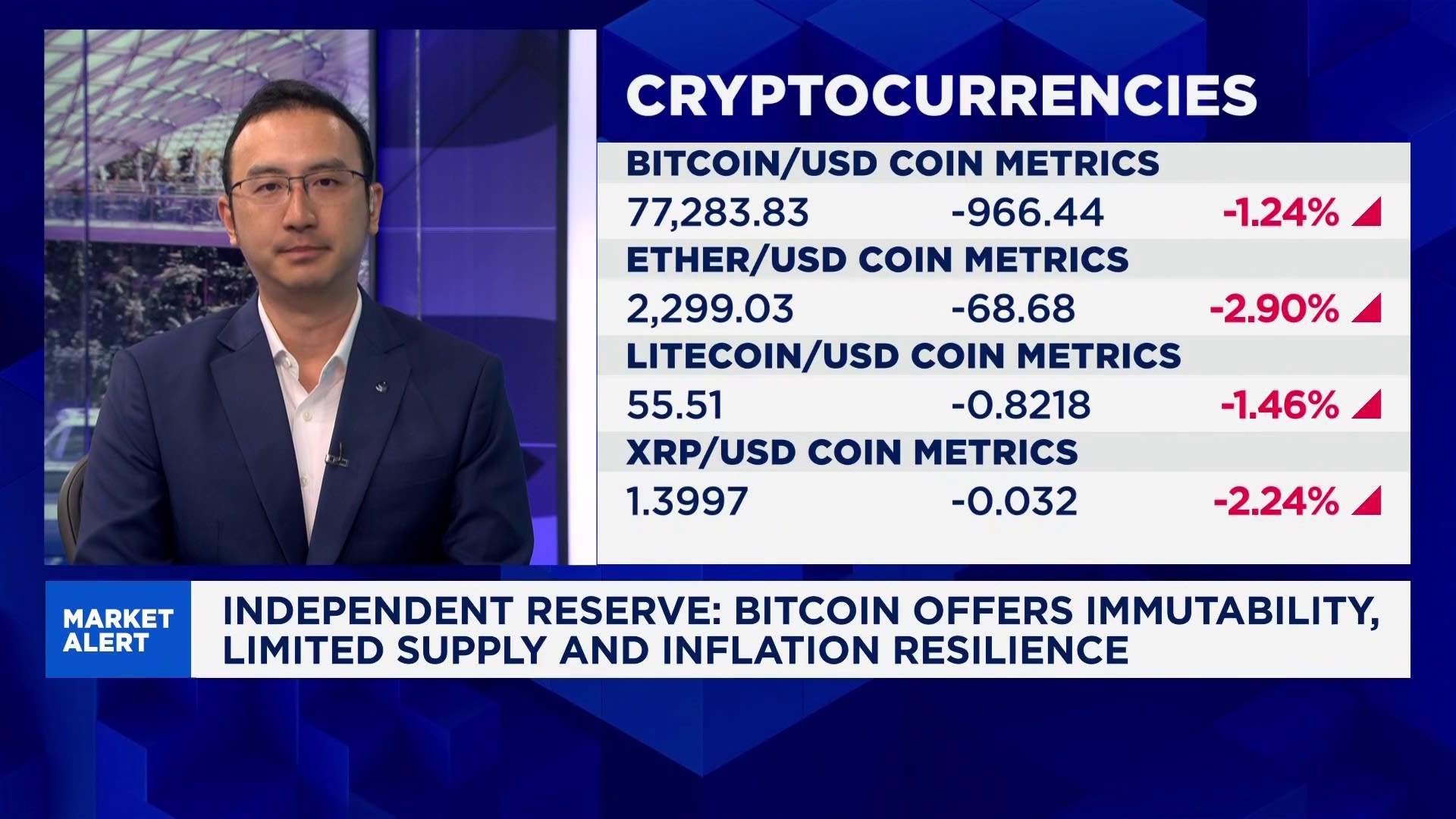
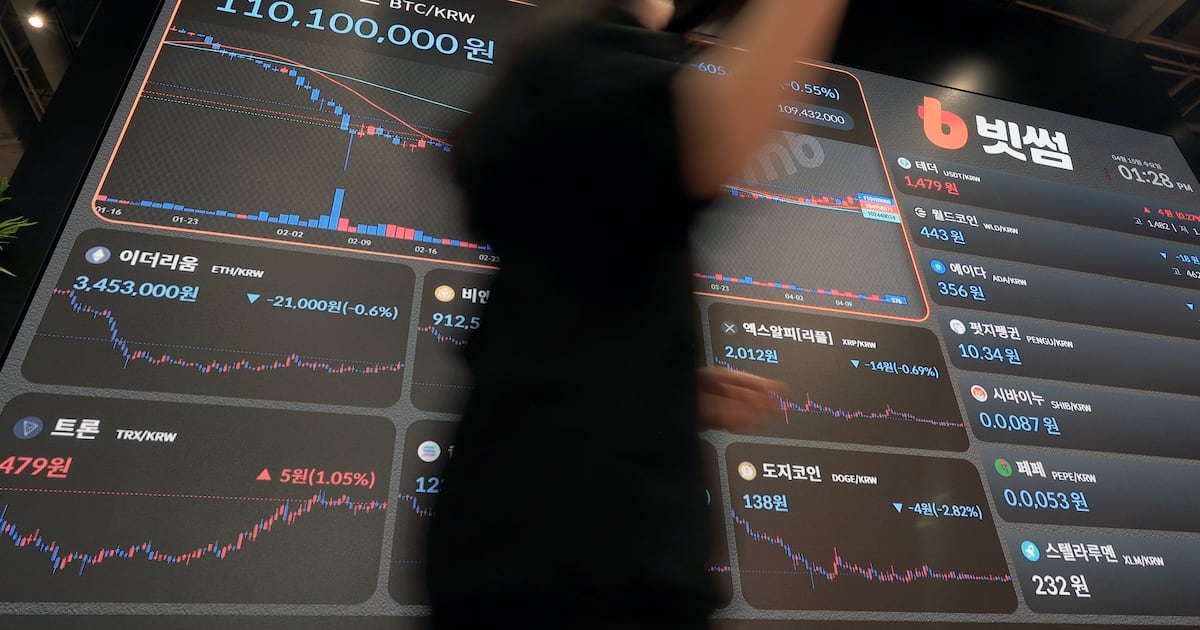
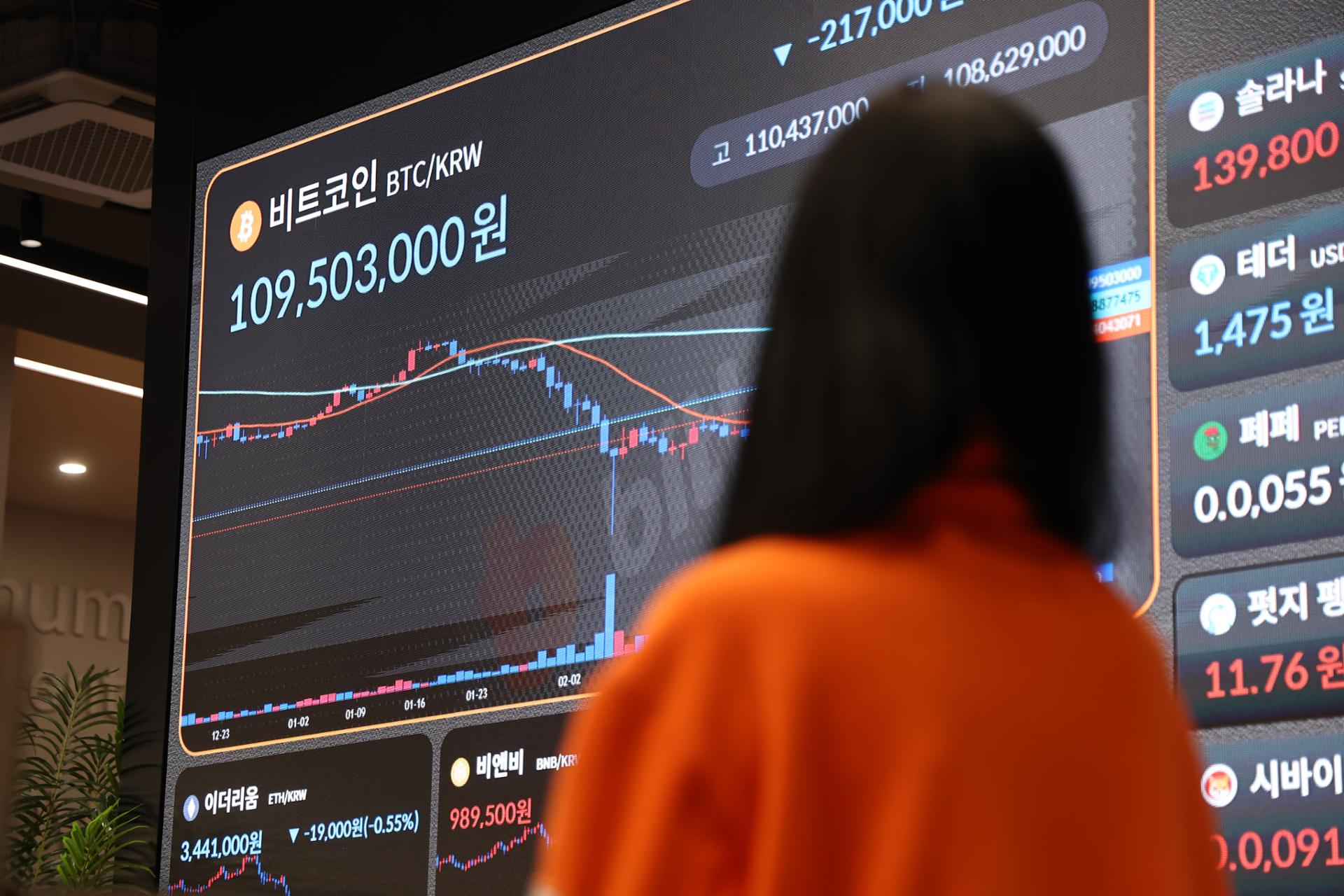
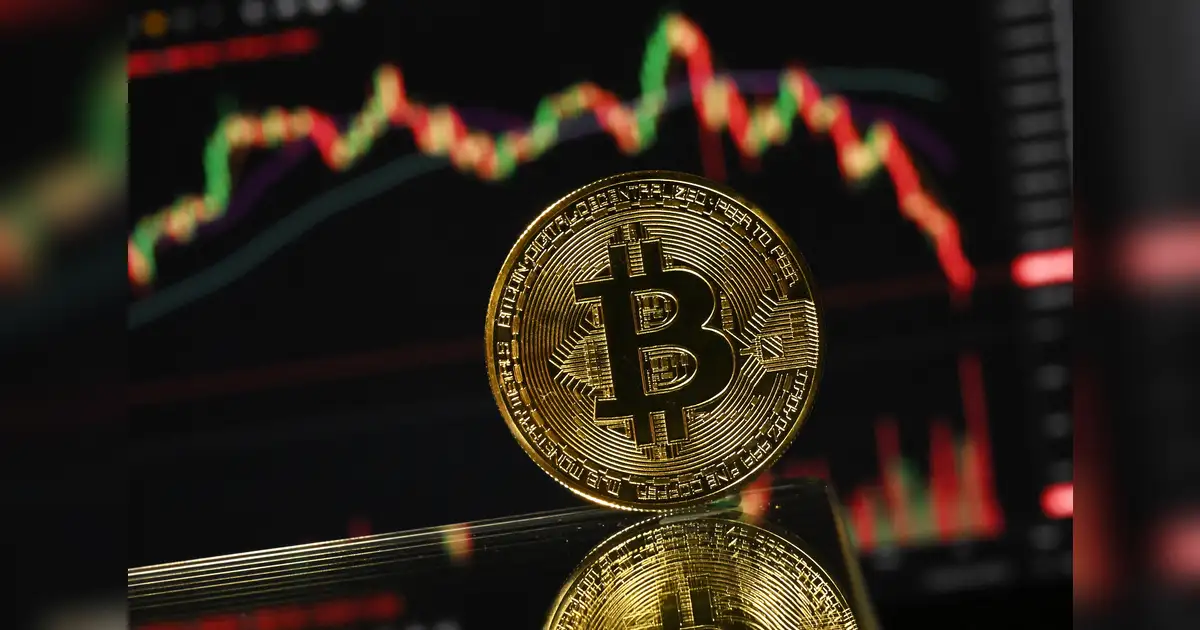
Bitcoin dropped to $66,700, down 5.7% in the past 24 hours and extended weekly losses to over 12% at the time of writing.