From legacy rails to stablecoin infrastructure
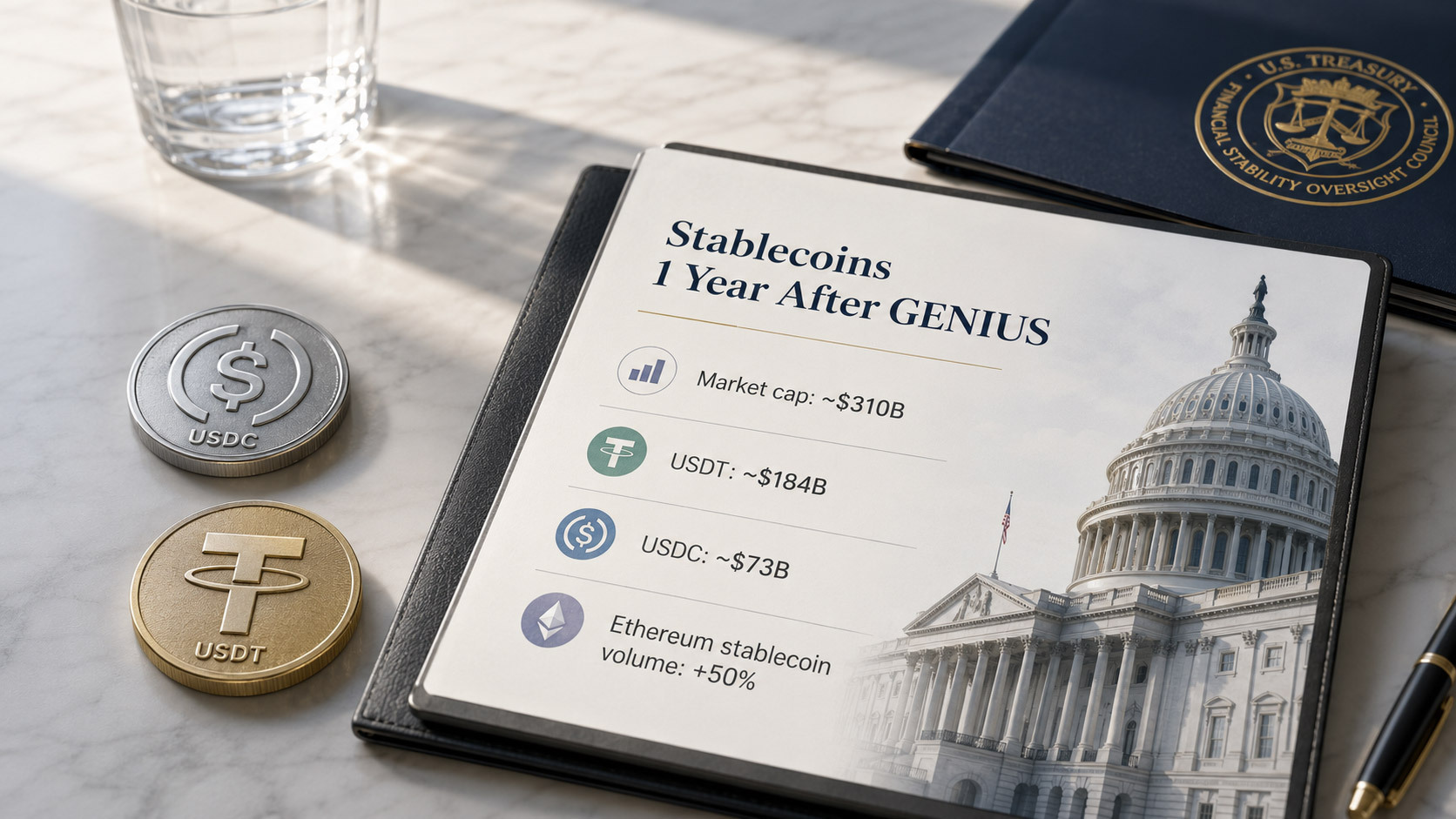
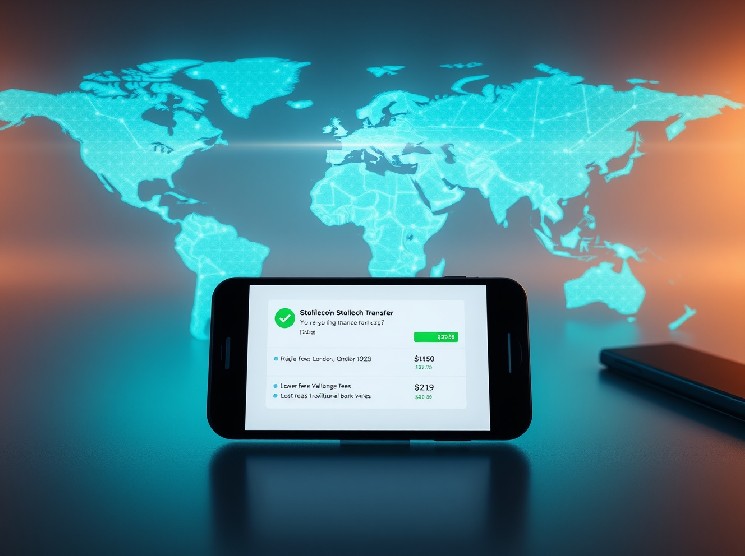
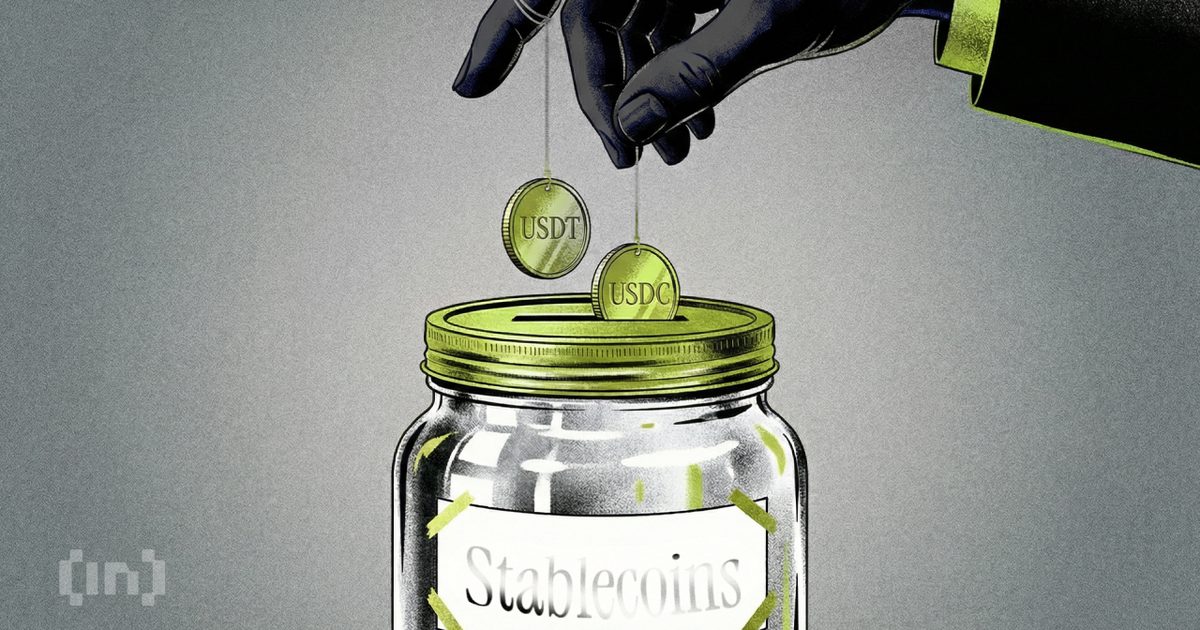
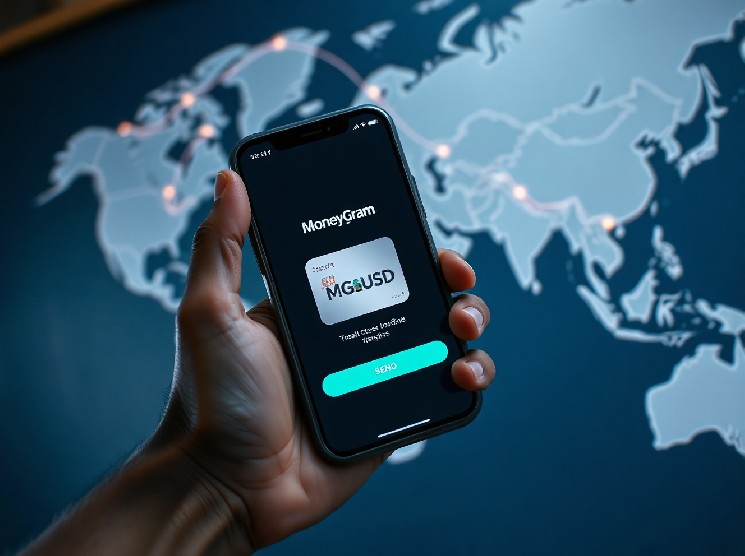
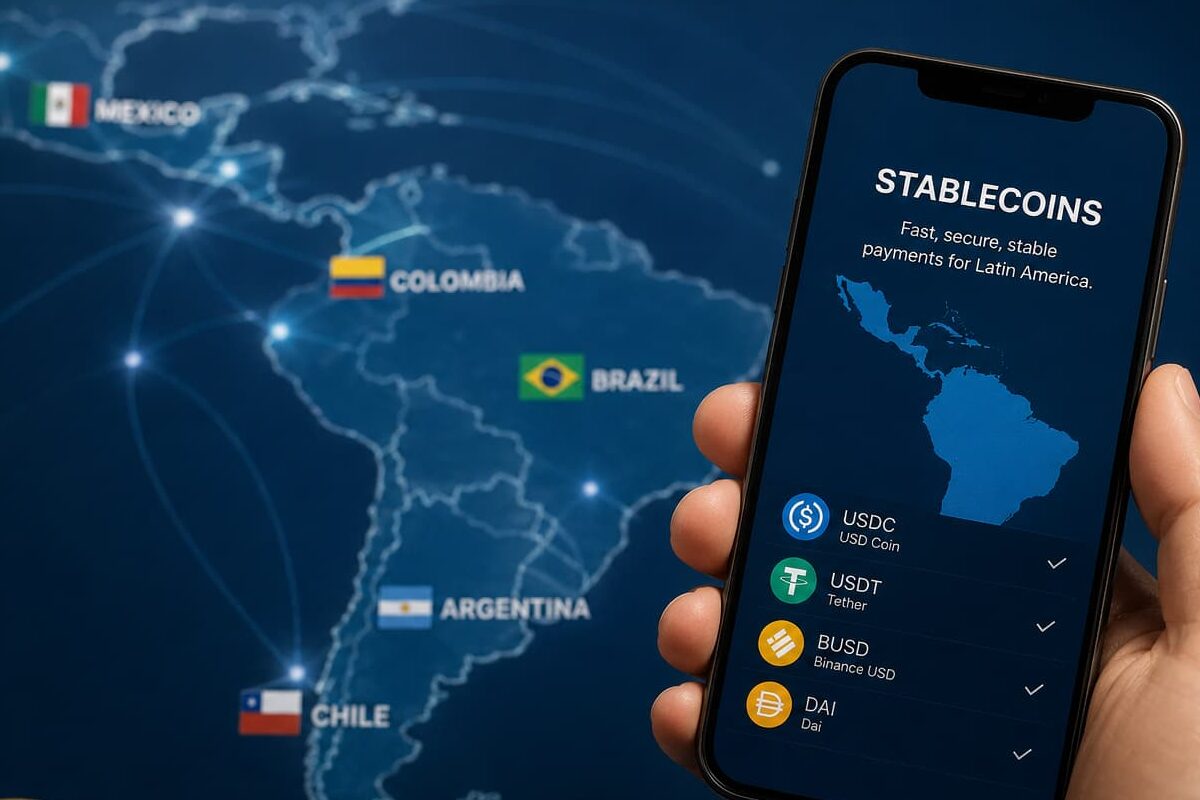
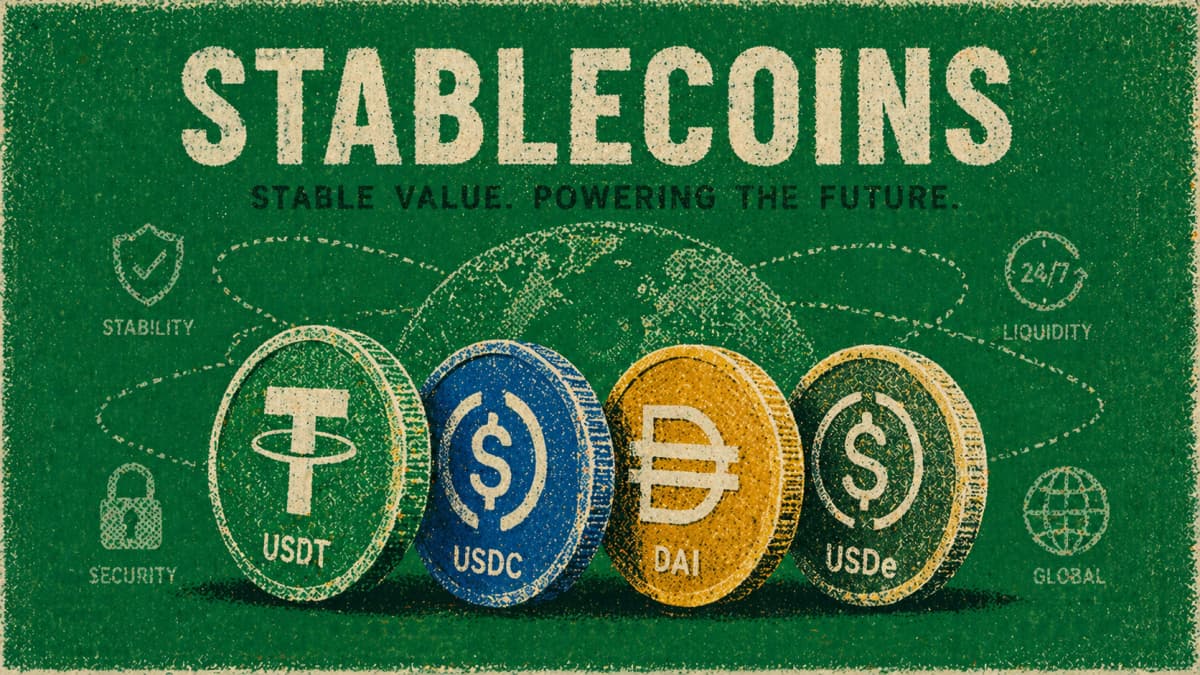
For the past half-decade, stablecoins were framed as an alternative financial system running alongside traditional banking rails. That framing is now obsolete. Stablecoins are a new layer of financial infrastructure that the existing system is starting to absorb. In fact, stablecoin payments alone accounted for more than $350 billion last year, with that figure set to climb far higher as infrastructure expands.
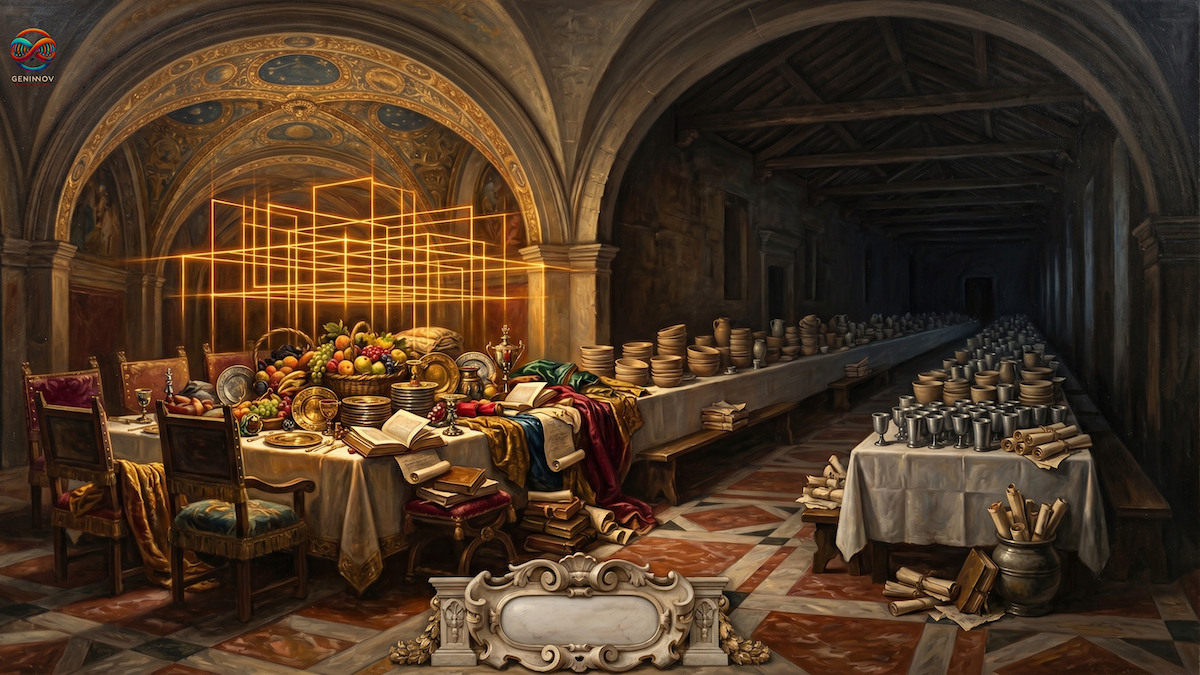
The rails the world has relied on, including SWIFT, RTP, FedNow, and global card networks, were all built for the banking system. Accounts are bank accounts, settlement happens through banks, and compliance, reporting, and reconciliation are designed around that model.
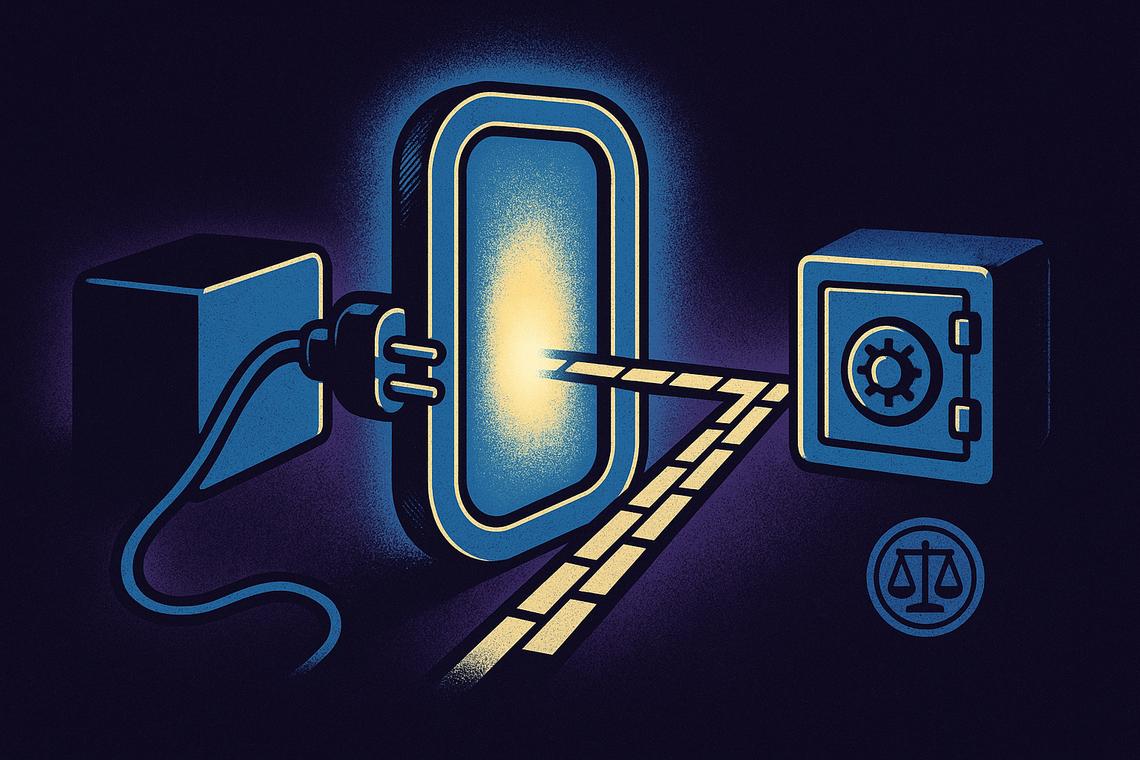
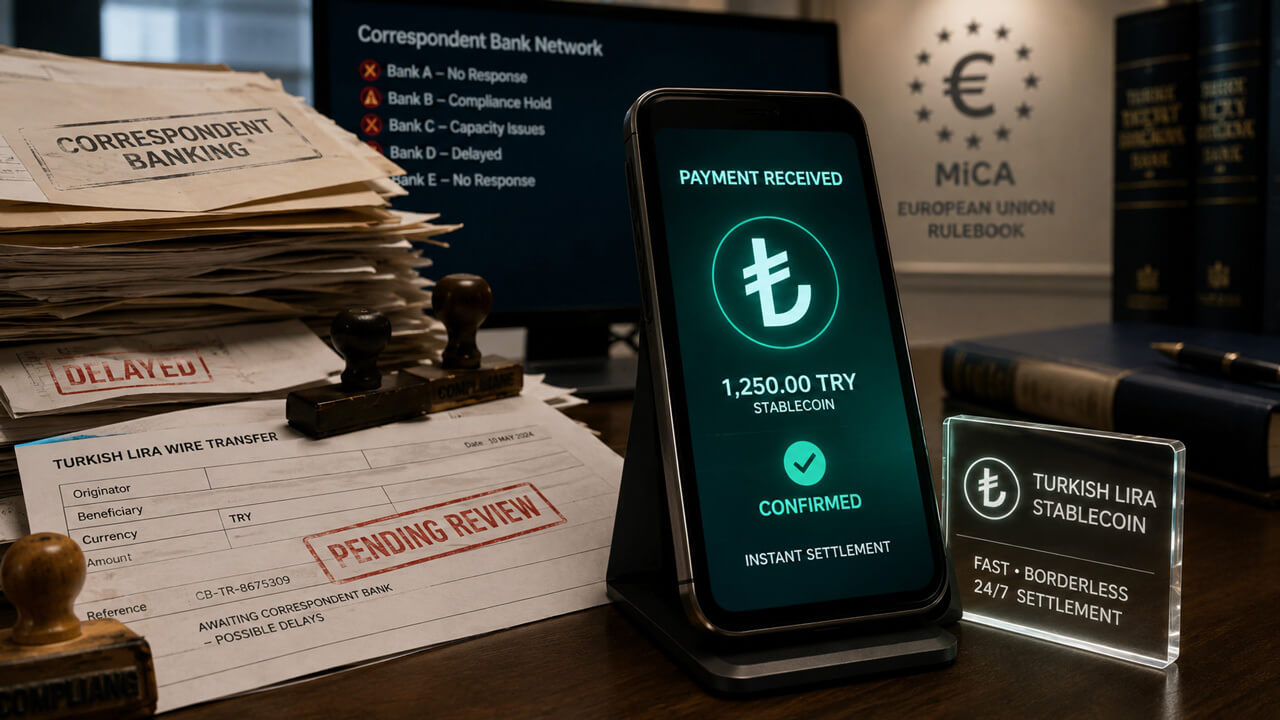
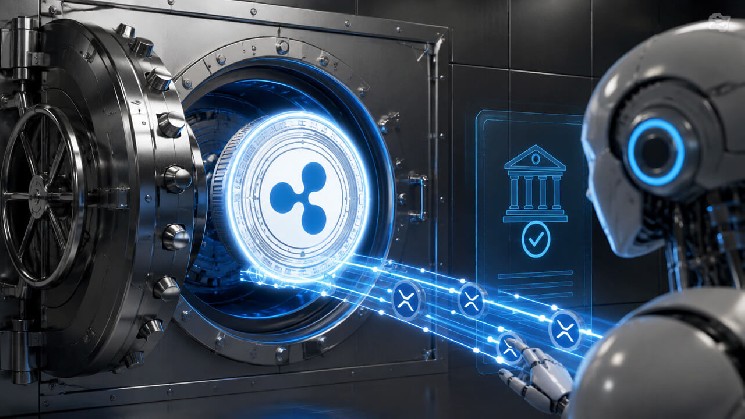
Stablecoin infrastructure emerged from a different environment, with on-chain settlement (blockchain), wallet-based accounts and value moving 24/7 across global rails. Companies that needed to operate across both worlds simply ran two stacks. That worked while stablecoins were a nascent rail. Today, the needs of every corporation and SME have evolved.
Now, UAE companies are using stablecoins to move working capital, fund payouts, and settle with counterparties on the other side of the world without waiting for correspondent banking cycles.
Where the separation breaks down
Once stablecoins start interacting with traditional rails at scale, the cost of running parallel systems becomes obvious. Reconciliation gets harder, because bank settlement files, blockchain transactions, and internal ledgers all need to be matched across disconnected systems, and finance teams lose a clean source of truth. Compliance becomes fragmented, with KYB, sanctions screening, and transaction monitoring stitched together across banking partners, wallet providers, and analytics vendors. These payment infrastructure problems are the legacy of a stack designed for a single-rail world that is now multi-rail.