Ripple just published its 2025 Impact Report, and by its own count it was the company’s biggest year of giving yet, with more than $70 million donated and over $250 million since 2018. The report is full of real wins, from drought relief in Kenya to small business loans across the U.S., and it shows convincingly that Ripple’s technology can do genuine good in the world.
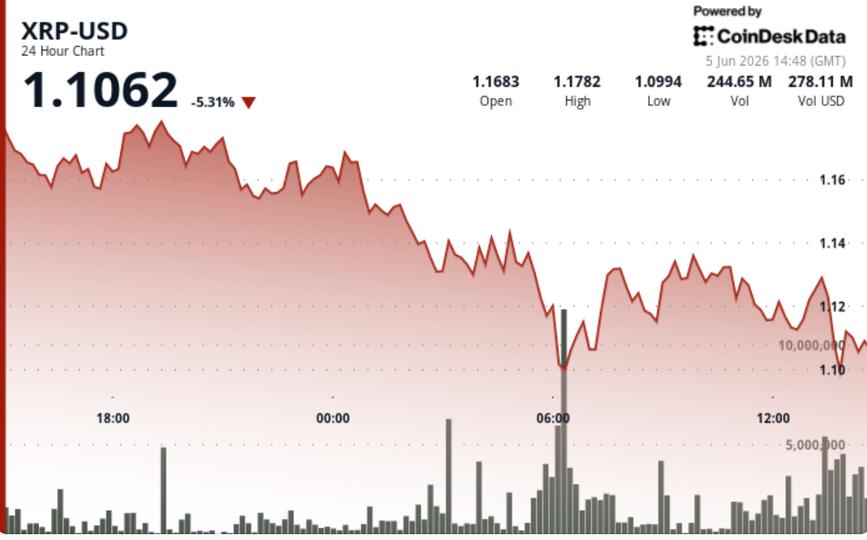
But for XRP (CRYPTO:XRP), the report raises an awkward question. Almost all of that good work runs on Ripple’s technology and its RLUSD stablecoin, not on XRP itself. The report also came out the same week XRP slipped back toward $1, and the token’s actual role in Ripple’s charity work turns out to be narrower than most holders assume.
Ripple’s Biggest Giving Year Was Also Its Biggest Real-World Test
It’s easy to wave off a glossy impact report as public relations, especially from a company still best known for its years-long court fight with the SEC. But that’s the wrong way to read this one. Ripple says 2025 was the year its giving “moved beyond pilots,” and that the work “crossed a threshold from demonstrating what’s possible to proving what works.” Behind the corporate language, that means Ripple ran its own payment rails in some of the toughest conditions money ever has to move through.
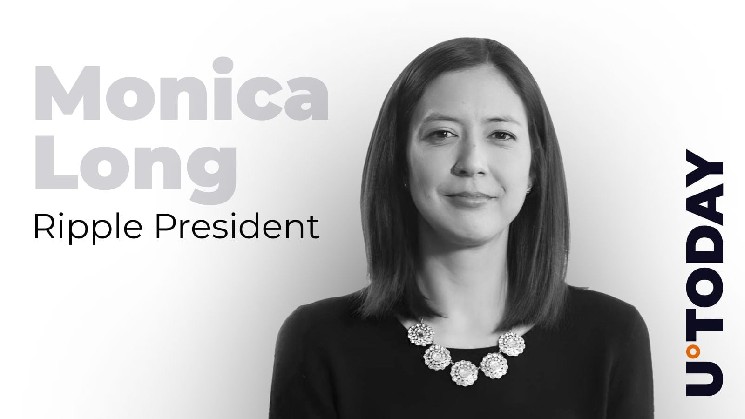
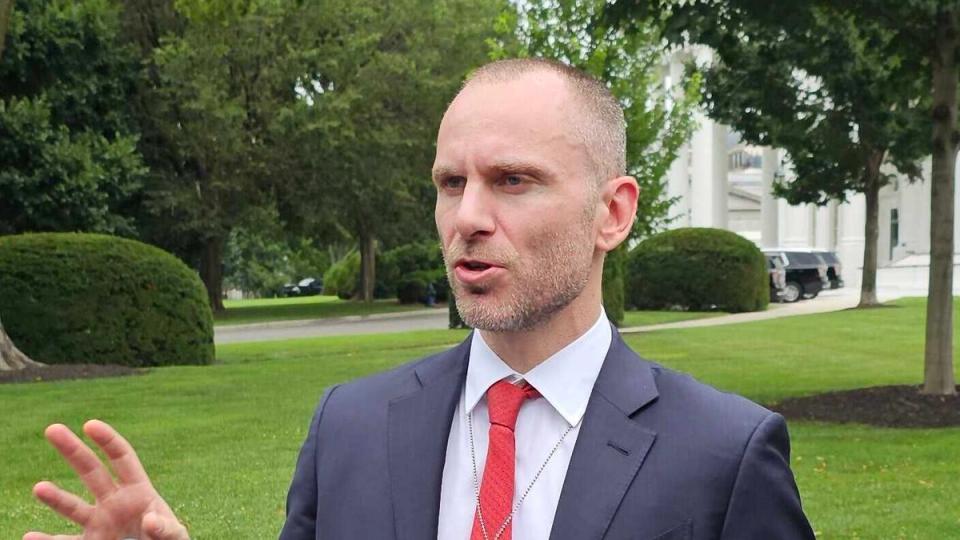
Those conditions are drought zones, disaster areas, and cross-border aid corridors, places where normal payments are slow, expensive, or just break down. Ripple’s president, Monica Long, even describes the whole effort as the point where the company’s business goals and its values meet, which is a polite way of admitting the charity work and the commercial strategy run on the same map.
So, the report is worth taking seriously, just not for the reason Ripple wants. For XRP holders, the thing to look at is which asset actually moved the money when it counted, and the report is surprisingly clear about it.
When the Money Moved, It Moved on RLUSD

In Kenya, from October to December 2025, Ripple worked with Mercy Corps Ventures and local partners to send money to 506 herding households in the north of the country ahead of a drought, so families could prepare before the worst hit instead of waiting for relief afterward.
Satellites watched for signs of drought, and once the land dried past a set point, the system released the funds automatically. The money reached people’s M-Pesa mobile wallets, with nobody pressing a button. Families said it arrived 95% faster and 64% cheaper than the old way, and 85% reported less financial stress.
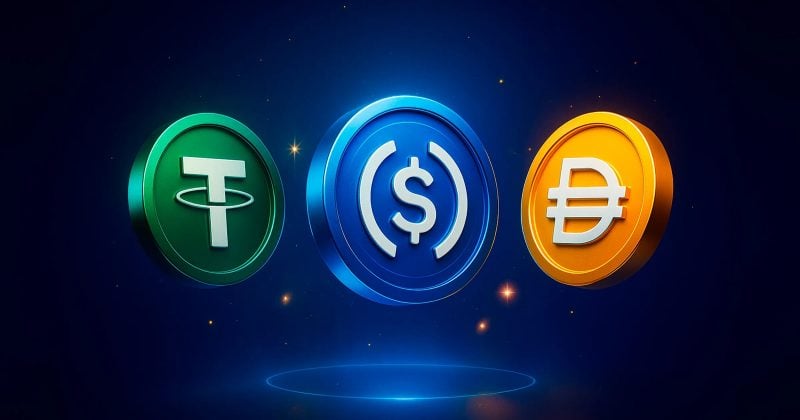
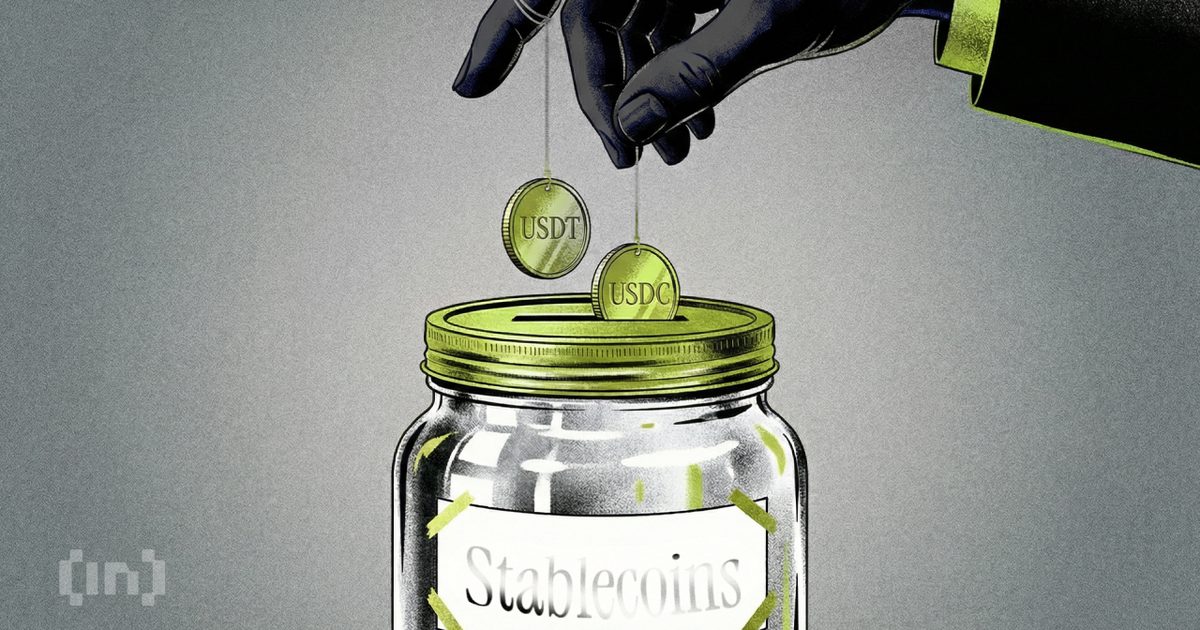
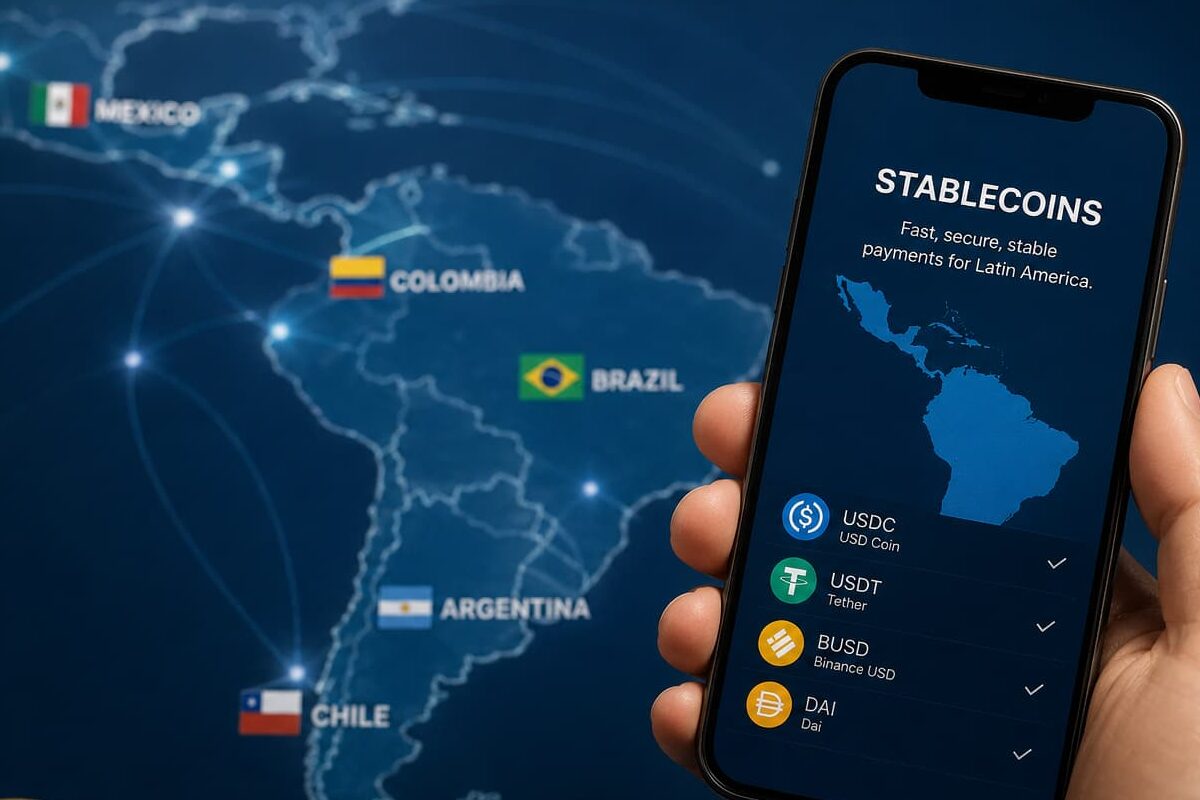
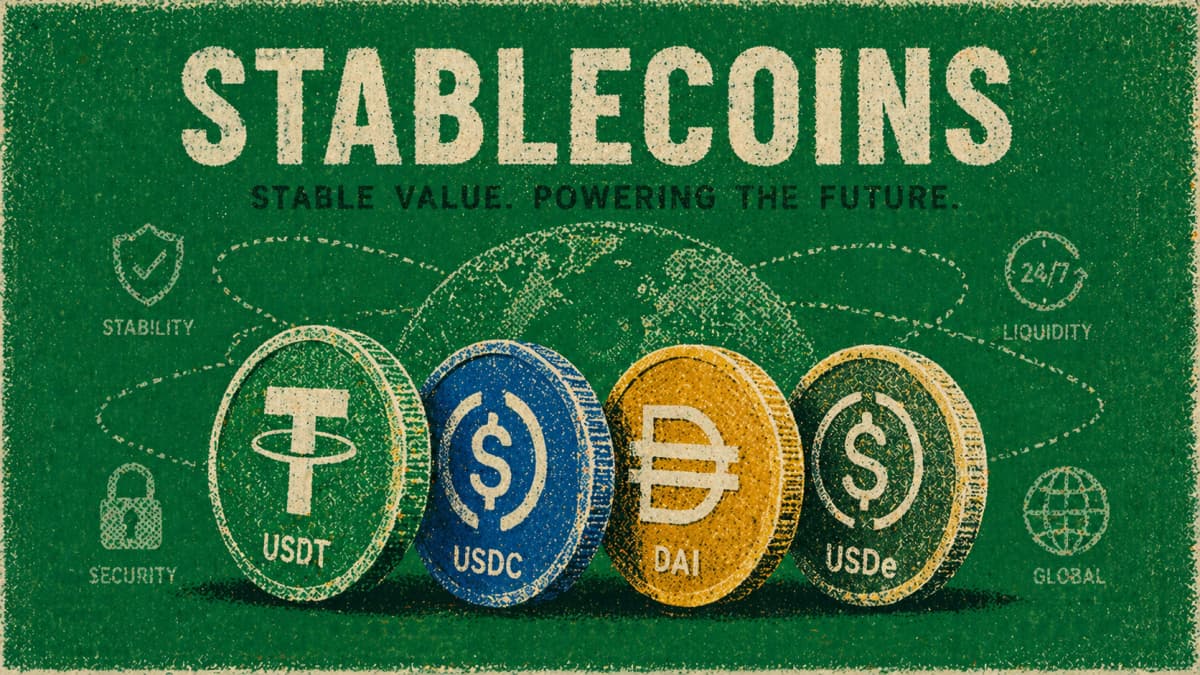
That’s a great result, and it ran on RLUSD, Ripple’s dollar stablecoin. Ripple also put $50 million toward U.S. economic opportunity in 2025, and it went out mostly in RLUSD, split between small-business and veterans’ programs plus a separate education push with DonorsChoose and Teach For America.
Its work with Water.org moved $6 million across Brazil, Mexico, and Peru on the same rails. And when World Central Kitchen needed to fund flood relief in Mexico and Spain, it used Ripple Payments and RLUSD to get cash on the ground in minutes instead of days.
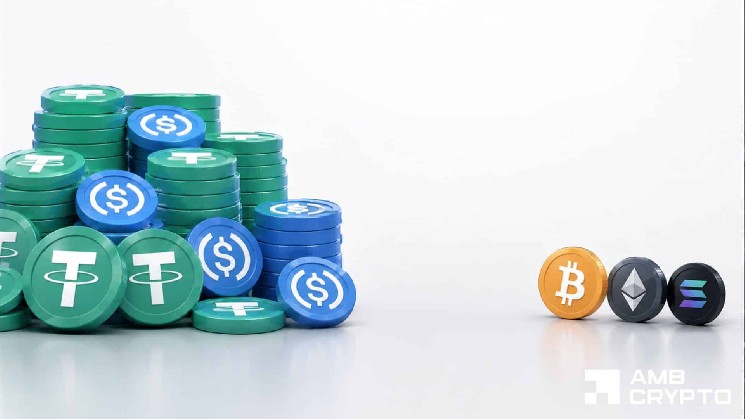
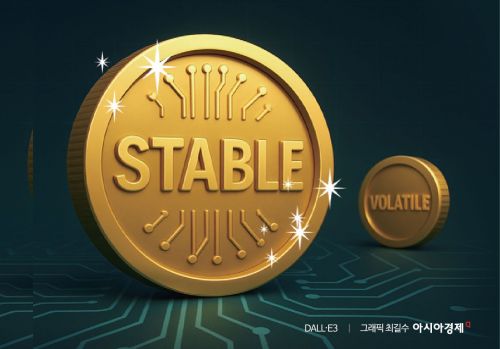
The plain reason for that, is that people won’t send drought aid or disaster relief in something that can drop 5% in an afternoon. Aid needs a steady dollar, and that’s exactly what RLUSD is built to be. So the stablecoin doing the heavy lifting isn’t a slight against XRP in any way.
XRP Is the Asset Ripple Gives Away

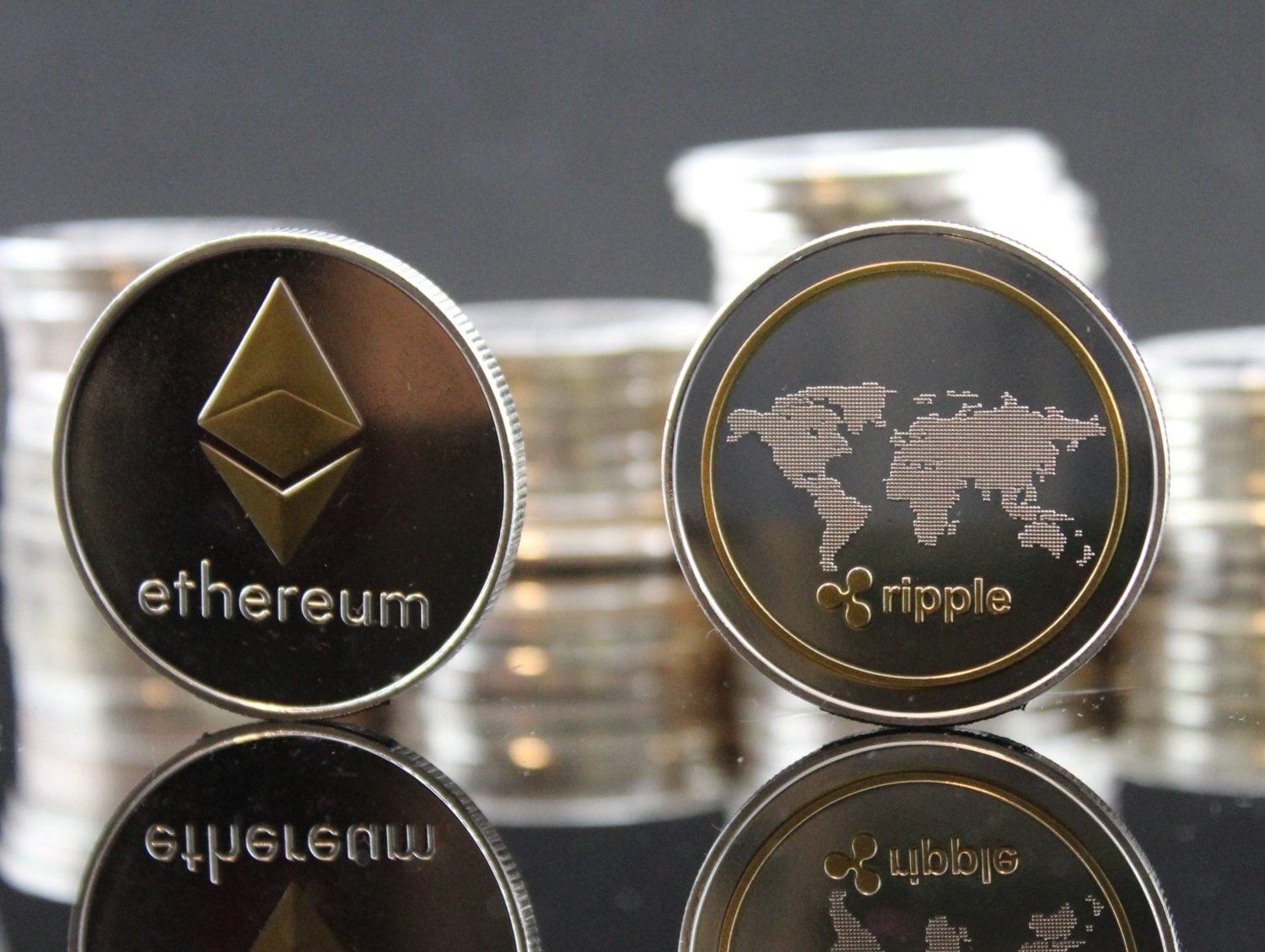
Across the report, the main job XRP does is get donated. When wildfires tore through Los Angeles in early 2025, Ripple sent $50,000 in XRP to GiveDirectly and another $50,000 in XRP to World Central Kitchen. Its support for Great Ormond Street Hospital Charity in the UK included £60,000 in XRP. The report also notes XRP ranked among the ten most-donated cryptocurrencies on The Giving Block in 2025.
This is the part XRP holders tend to celebrate, and fairly so. It’s a real-world use that has nothing to do with speculation, but something the XRP community has pointed to for years as proof the token does more than trade on a screen. Being one of the most-gifted coins in crypto is a genuine sign of reach.
However, it’s worth following the dollar a little further. When a charity receives XRP, it usually sells it to fund the actual work, the loans, the meals, the medical care. So a donation is a one-time handoff, not a steady source of buying.
It puts XRP in front of millions of people and earns Ripple goodwill, which has real value for the brand. What it doesn’t do is create the ongoing demand that lifts the XRP price. Being the asset Ripple gives away is good for visibility, but it’s not the same as being the asset the world needs to buy.
Where XRP Itself Gets Used on the XRP Ledger

On the XRP Ledger, XRP actually gets used rather than given away, because every transaction there leans on XRP. XRP is the ledger’s native asset and the bridge it uses to swap between currencies that have no direct market. The more real activity the ledger carries, the more XRP gets genuinely used instead of just donated—and that activity is building.
The report counts 198 new projects launched on the XRP Ledger in 2025, and tokenized real-world assets on it grew from $24.7 million to $568 million over the year. One of the impact pilots, a traceability project for Colombian sugar farmers, was built directly on the ledger. These are small numbers next to a token worth tens of billions, but they’re vital, because it is the only spot in the whole report where XRP gets consumed by the work instead of handed out by it.
That said, activity on the ledger isn’t the same as demand for the token, and a few hundred million in tokenized assets won’t move a coin this size on its own. But it’s the one thread in the report that could turn XRP from the thing Ripple donates into the thing the network runs on.
XRP’s Real Role, and Why the Price Isn’t Feeling It
XRP’s role in Ripple’s own world turns out to be narrower than most investors expect it to be. It’s the token Ripple gives away, and the quiet asset the ledger runs on, while RLUSD does the actual moving. Ripple’s charity work genuinely helps people, but it doesn’t put XRP to work in the way it should.
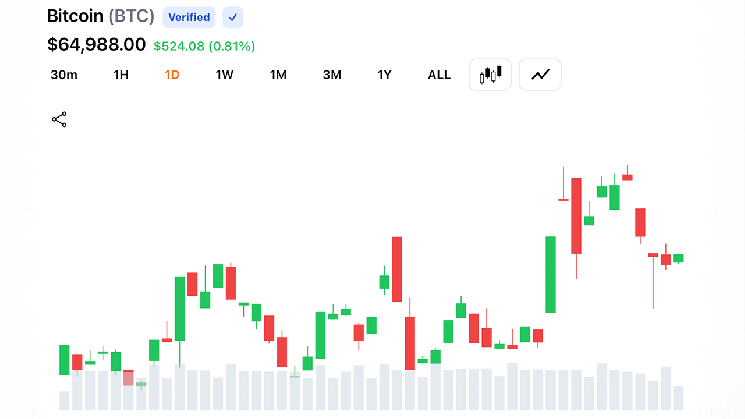
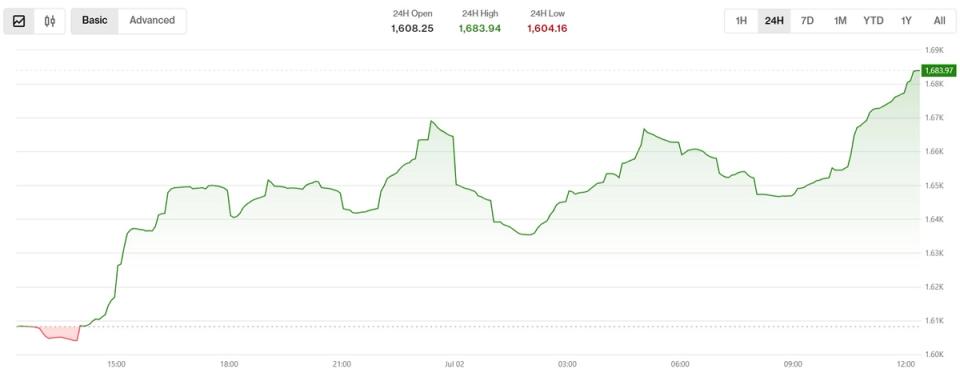
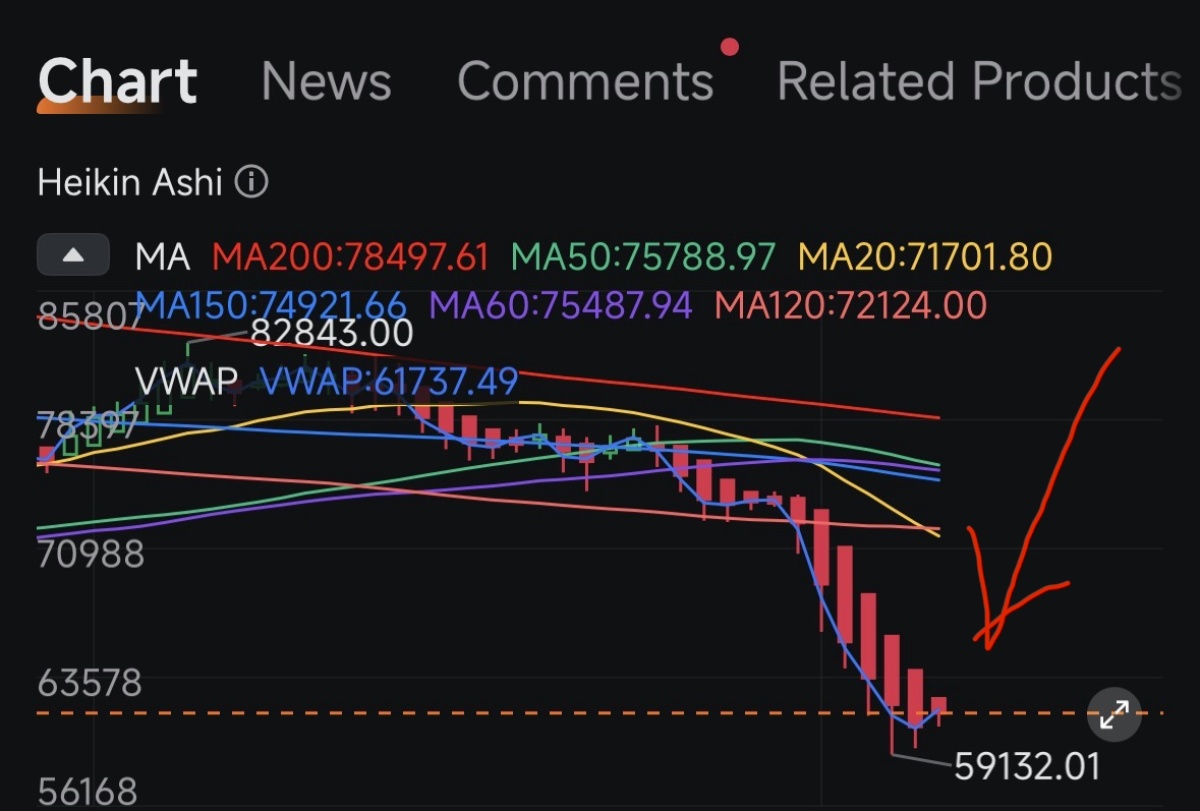
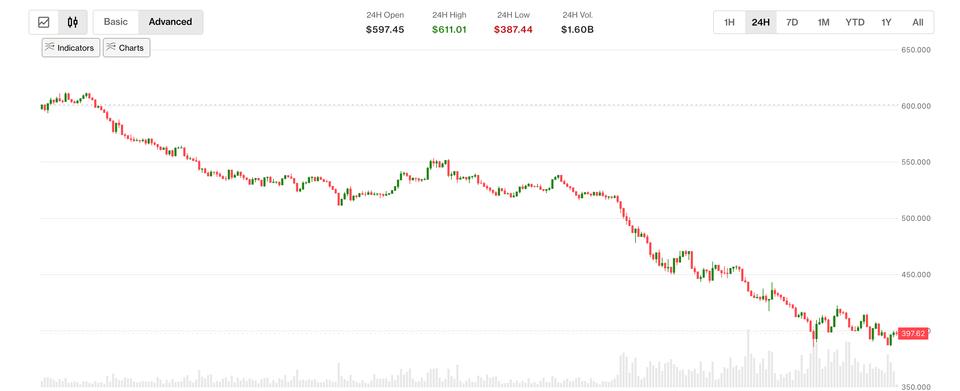
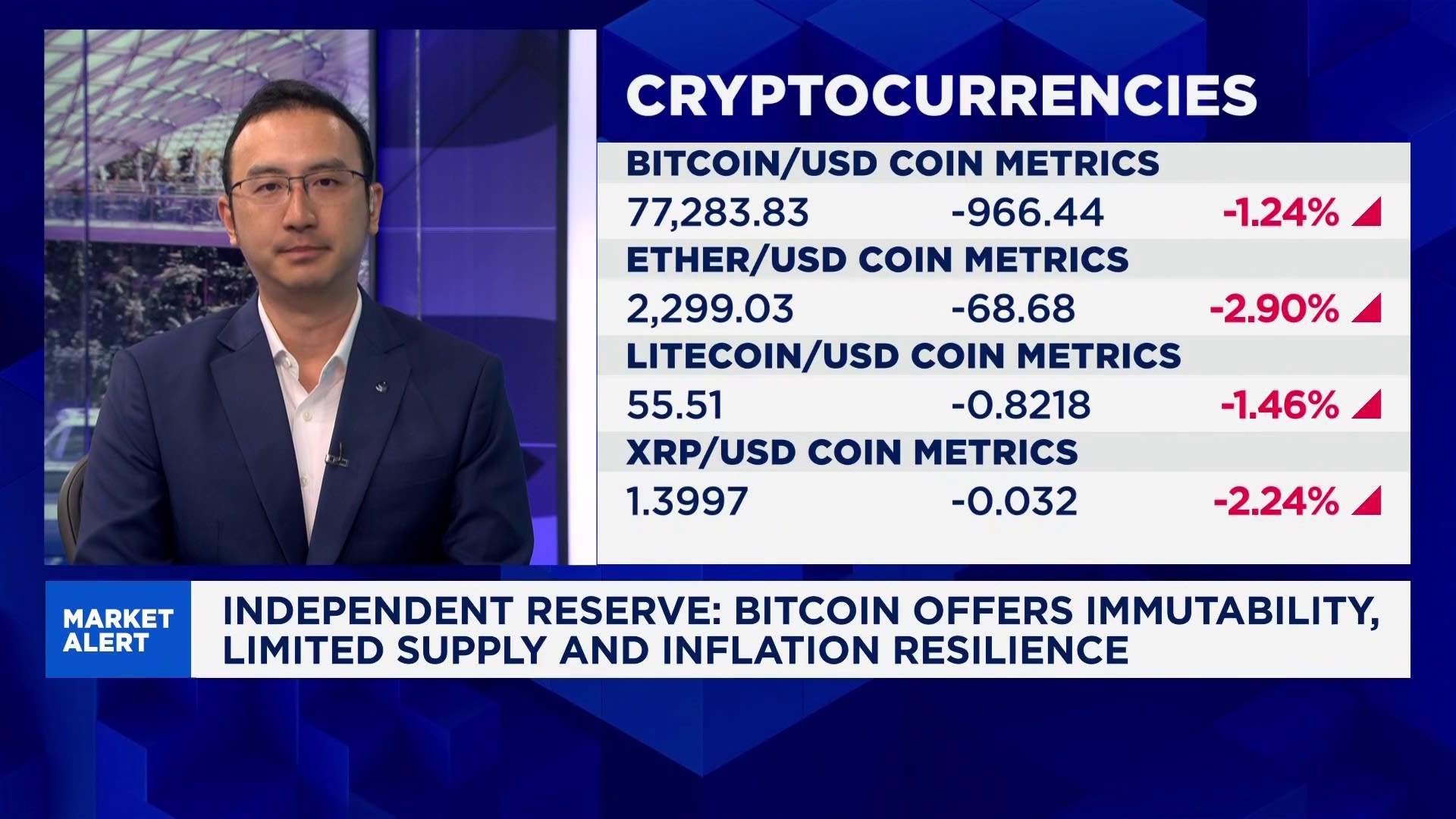
That’s why such an impressive report can drop the same week XRP trades around $1.03, down more than 50% on the year, without the price flinching. Ripple’s rails work, but the asset doing the moving is RLUSD.
This only starts mattering for XRP if the on-chain usage inside the report grows up, with real businesses and corridors routing serious volume through the ledger, rather than Ripple priming the pump with its own programs. Until then, the impact is great, but the token just isn’t the one collecting on it.