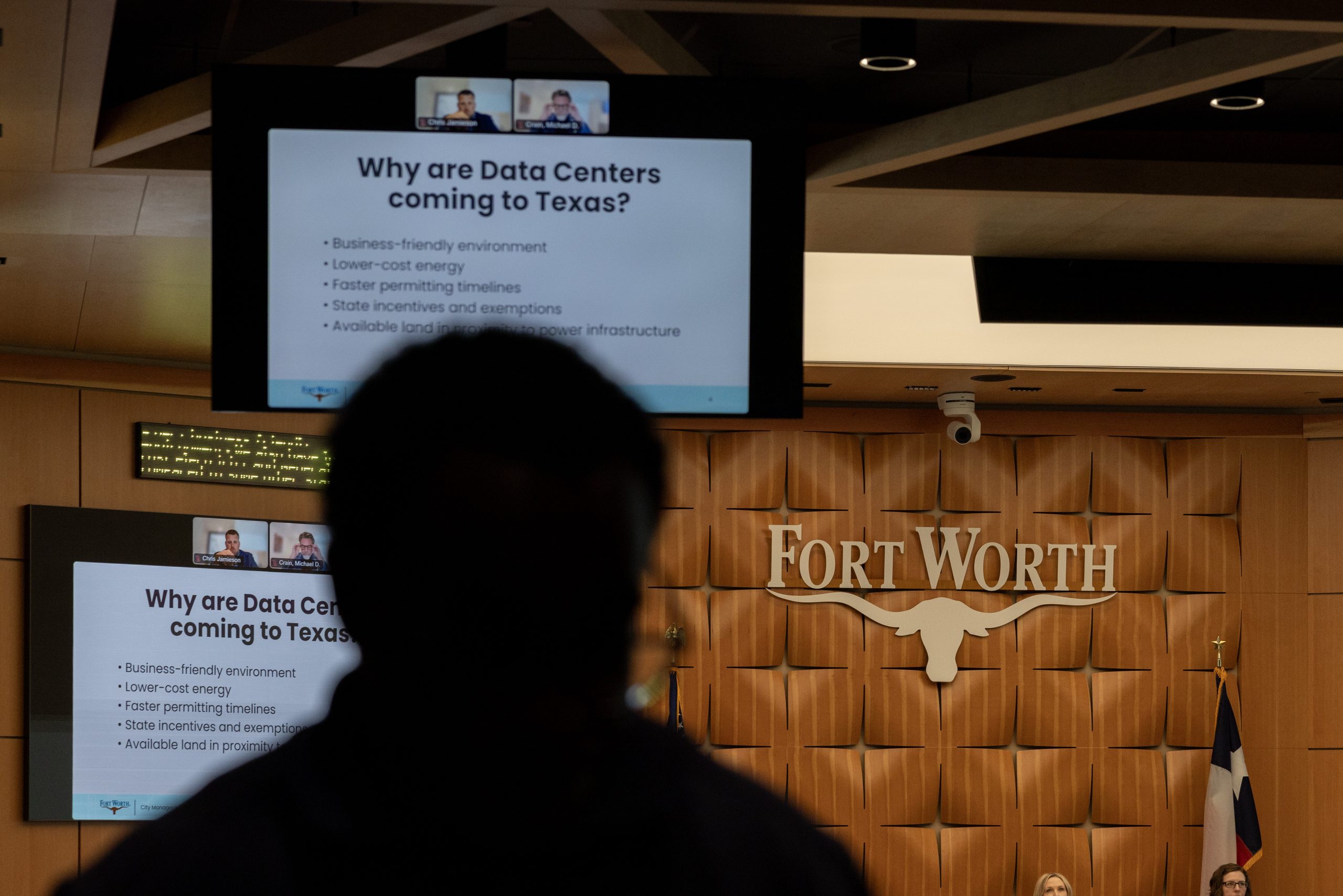
City officials are proposing Fort Worth leaders consider amending regulations that would shape how data centers can operate and prohibit the development of cryptocurrency mining.
The proposals come amid rapid development of data centers across the state and a flurry of concerns from residents about their impact on natural resources and quality of life.
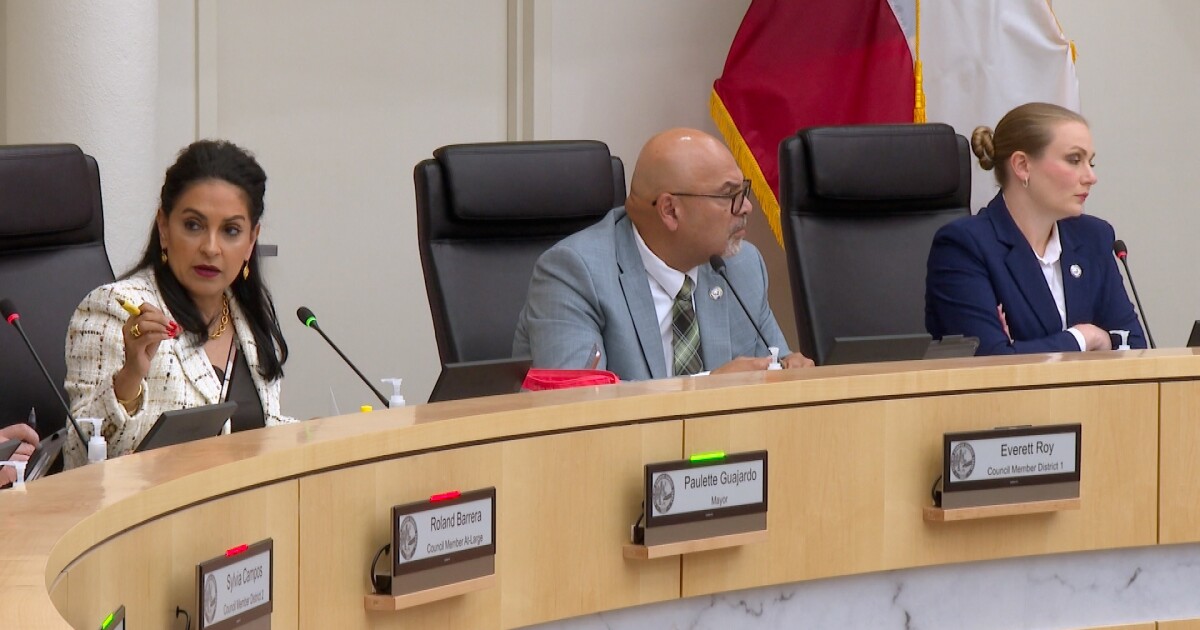
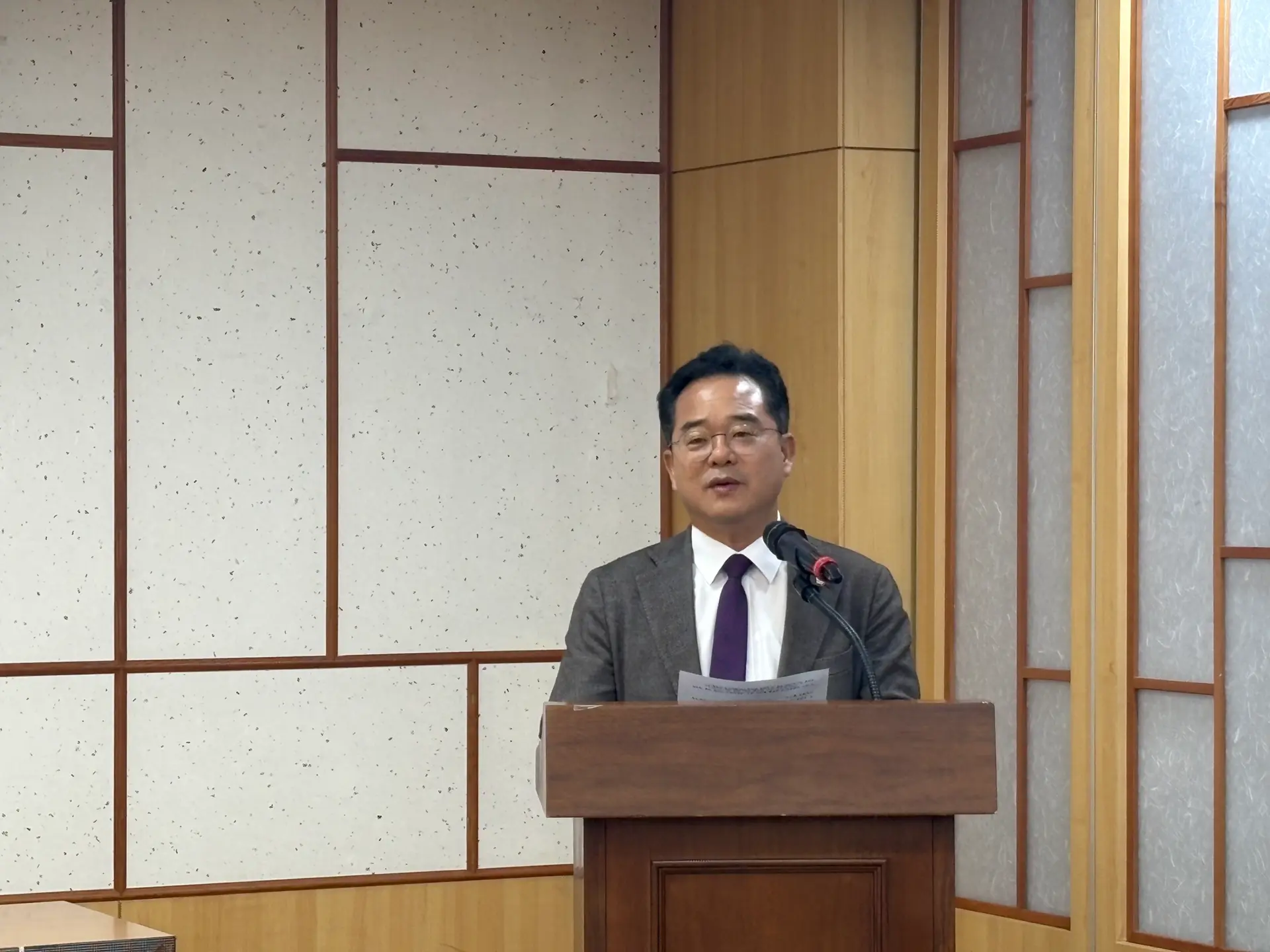
Data centers are a hot topic not just in Fort Worth but nationally, assistant city manager Jesica McEachern said in a Tuesday meeting.
“We’re seeing a huge boom of interest in data center developments,” McEachern said.
At the meeting, McEachern unveiled to Fort Worth City Council members proposals to amend noise ordinances, water requirements and business incentives, as well as to adopt zoning and development standards specific to data centers. The council will vote on the proposal Aug. 11 and the zoning standards will first go to the zoning commission for a vote on July 8.
“It’s important to note that there’s two sides of what we’re looking at as a staff perspective,” when Fort Worth considers data center centric-policies, McEachern said.

The supercomputer hubs are significant contributors to Fort Worth’s tax revenue, McEachern explained. In the last five years, data centers in Fort Worth contributed over $83 million in property taxes, according to data from the city.
McEachern went on to say impacts on natural resources — such as water and energy — as well as noise, air quality and overdevelopment will be considered.
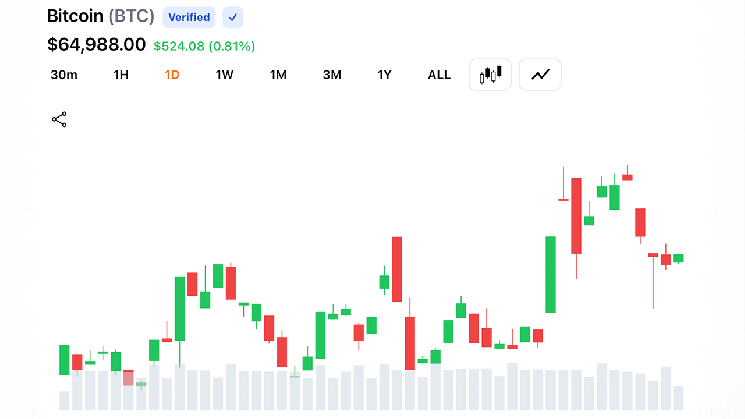
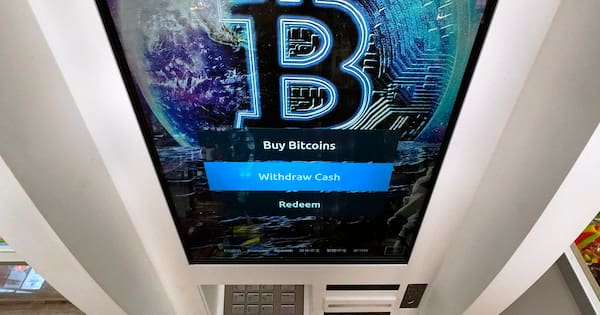
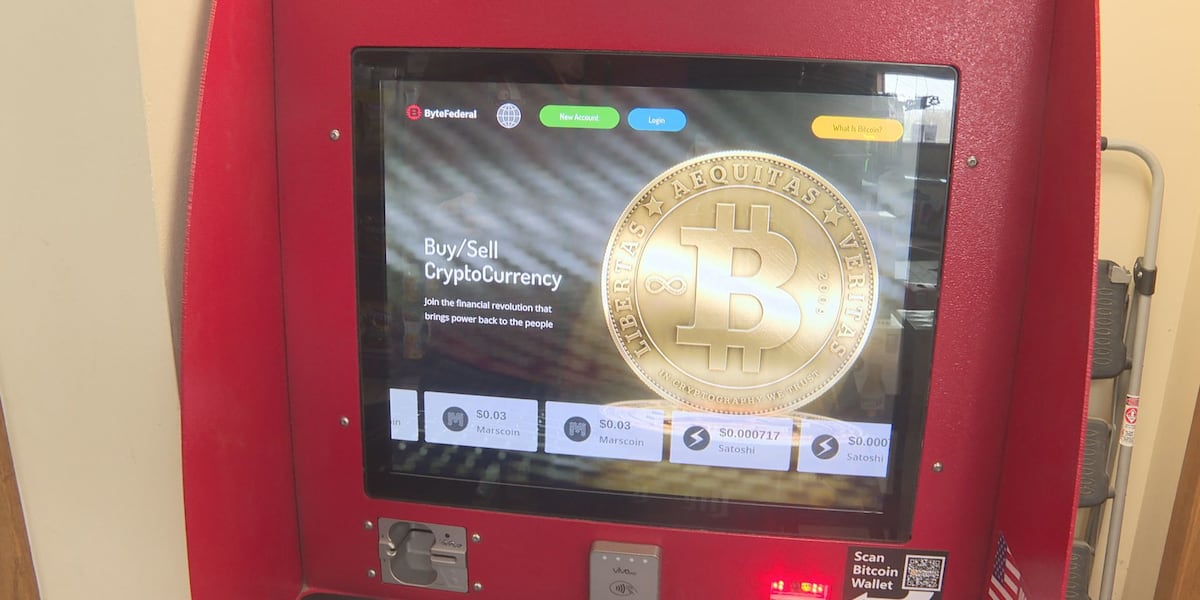
City staffers from economic development to environmental services departments, asked city leaders to prohibit data centers with cryptocurrency mining as a primary use, due to their noise and resource usage and consider such facilities separately from other data centers.
Under state law, local governments have the authority to prohibit cryptocurrency mining sites from zoning and land uses.
Where are Fort Worth’s existing data centers?
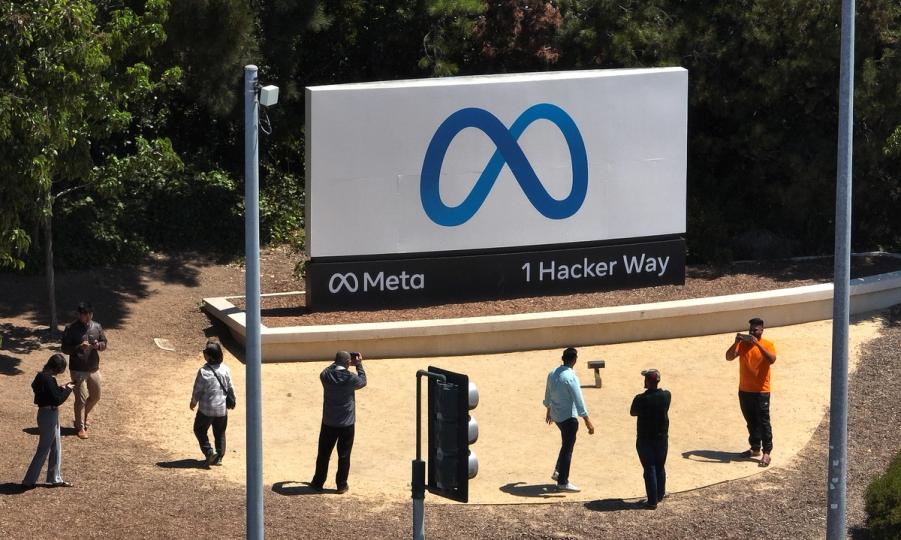
- Meta Inc. Fort Worth Data Center at 4500 Like Way
- QTS at 14100 Park Vista Boulevard
- Centersquare Data Centers at 14901 FAA Boulevard
- TierPoint at 13701 Independence Parkway
Except for two in extraterritorial jurisdiction, Fort Worth data centers under construction and in progress include:
- CyrusOne at 9401 and 9501 Asphalt Road
- Edged Data Centers, near the intersection of Interstate 20 and FM 2871
- Black Mountain, at Lon Stephenson Road and Forest Hill Drive
- ACS at 10059 Hicks Field Road
- WUSF 5 Rock Creek East LP at 10375 Old Granbury Road
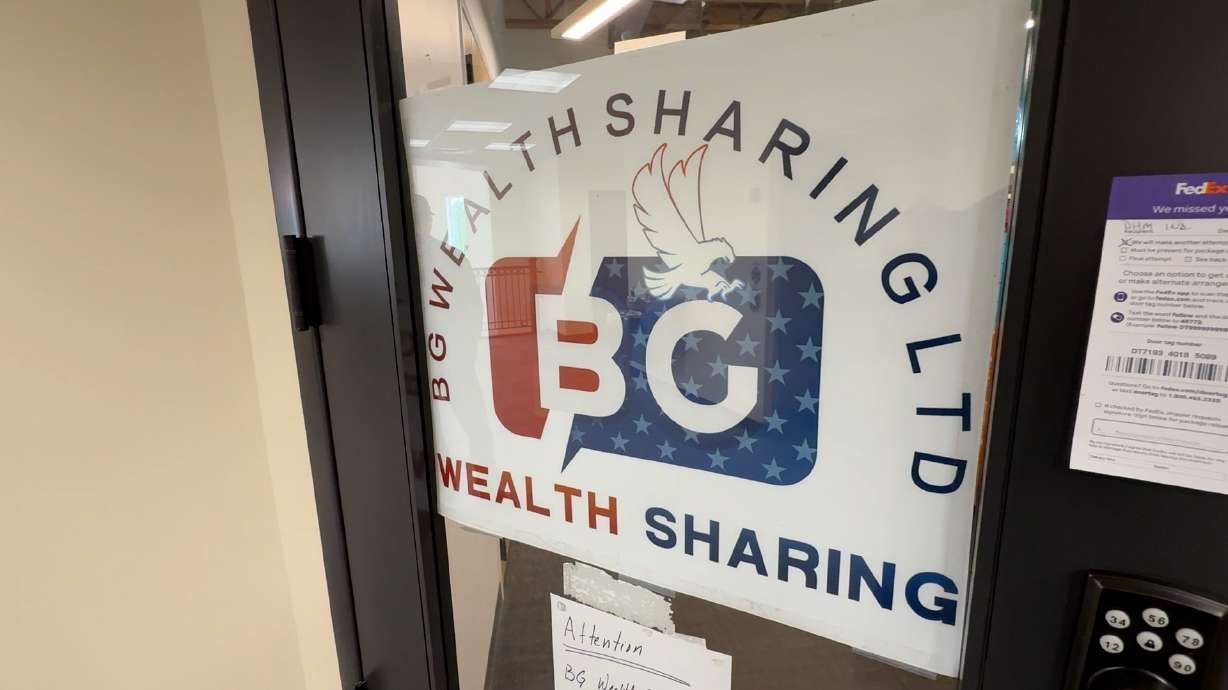
Since 2024, a bitcoin mining facility in Hood County, just south of Fort Worth, has garnered national attention and criticism from residents, with some citing negative health impacts due to noise generated at the site. The facility prompted the community to attempt to incorporate the area into a small town, Mitchell Bend, to create environmental ordinances.
The zoning regulations, if approved, would take effect as early as January and require data centers in Fort Worth to be built at least 250 feet from homes. Power generators would have to be at least 300 feet away from residences. The new standards would also require tree planting at site perimeters and landscaping to create more boundaries between the facility and nearby residents.
Fort Worth does not currently have standards on data center projects. However, industrial developments are required to be no closer to homes than 25 feet. Those facilities are also required to maintain 20% of the property’s tree canopy.
While industrial zoning districts are exempt from Fort Worth’s noise ordinance, officials suggest requiring data center operations to submit noise studies measured at property lines before construction.
The city limits noise in residential areas to a maximum of 70 decibels during the day and a nighttime maximum of 60 decibels.

The city compared 70 decibels to the noise level of a dog’s bark from a standing distance of 50 feet away or a washing machine 2 feet away. McEachern said 60 decibels is equivalent to a conversation at 3 feet away or a car driving at 55 miles per hour at 150 feet away.
If noise goes over permitted levels, data centers would be required to implement measures to mitigate sound.
The Fort Worth water utility is obligated to serve businesses so long as the city is adequately equipped with resources and water infrastructure such as transmission lines, McEachern said.
While McEachern assured council members the city has enough water to sustain data center needs, city officials recommend requiring interested developers to equip a closed-loop cooling system.
The method involves sealed pipes that recycle and reuse cooling fluid, instead of consuming or evaporating water.
The technology would help data centers situated on 100 acres of land to limit their water use to no more than a million gallons per month, according to city data. Evaporative water cooling would waste up to 6 million gallons in that same time frame, McEachern said.
McEachern also told council members to consider requiring developers to obtain wastewater pretreatment permits. Issued by the Texas Commission on Environmental Quality, the permits would require details on spill prevention plans, chemical disclosures and limitations of wastewater discharge.
Finally, McEachern recommended officials consider tax breaks for tech facilities that offer a minimum $500 million investment and comply with the Electric Reliability Council of Texas’ process to connect large demands for power to the state power grid.
Tax breaks would be capped at 50%, according to the presentation.
Council member Elizabeth Beck described the proposals on tax breaks for data centers as a “ridiculous policy.” She said data centers are not desirable for land but for their tax contributions.
“If (data centers) are so needed, then they’ll come,” Beck said. “If they’re so needed and they need an incentive, they can go somewhere else.”
The proposed regulations come as seven different data centers are slated for Fort Worth, including Black Mountain’s $10 billion facility in southeast Fort Worth and Edged Data Centers’ proposed $1 billion project in Veale Ranch. Four data centers currently operate in the city.
Council members were set to vote this month on zoning items from Black Mountain requesting additional acreage for their planned data center but those were pushed until December, a city spokesperson said in a statement.

Some members of the community say the proposed regulations are not enough.
“Cities across the country have paused approvals to study these issues,” said Ann Zadeh, executive director of Community Design Fort Worth. “That’s simply good planning. We are asking Fort Worth to do the same.”
Outside Fort Worth City Hall Tuesday, Zadeh was joined by several other residents calling on leaders to implement a moratorium.
Under state law, officials have the authority to call such a temporary pause or suspension of a development to review studies and regulation. McEachern said the tactic cannot be used to prohibit data centers altogether.
The law prohibits authorities from halting construction on planned data centers via a moratorium and Fort Worth would not be able to call for one until October, McEachern said.
Ultimately, she recommended Fort Worth follow through with the proposed regulations to be a “model that other cities can look at,” McEachern said.
Residents and officials from other counties have explored data center moratoriums. Recently, Hill County became the first in the state to issue a moratorium on the data processing hubs.
In Hood County, commissioners ultimately voted against a moratorium after state Sen. Paul Bettencourt, R- Houston, called on Attorney General Ken Paxton to investigate counties that implement such a move. Bettencourt said counties do not have the authority to impose such halts, the Associated Press reported.
One of Tuesday’s protestors, Jalyn Gordon, founder of Afrocentric Communiversity Village, also had thoughts.
“If a moratorium means that (data centers) will not be built ever again, that’s what we’re here for,” said Gordon.
Nicole Lopez is the environment reporter for the Fort Worth Report. Contact her at nicole.lopez@fortworthreport.org.
The Report’s environment coverage is supported by the Marilyn Brachman Hoffman Foundation.
At the Fort Worth Report, news decisions are made independently of our board members and financial supporters. Read more about our editorial independence policy here.
This <a target=”_blank” href=”https://fortworthreport.org/2026/06/03/fort-worth-could-ban-cryptocurrency-mining-data-centers-might-be-here-to-stay/”>article</a> first appeared on <a target=”_blank” href=”https://fortworthreport.org”>Fort Worth Report</a> and is republished here under a <a target=”_blank” href=”https://creativecommons.org/licenses/by-nd/4.0/”>Creative Commons Attribution-NoDerivatives 4.0 International License</a>.<img src=”https://i0.wp.com/fortworthreport.org/wp-content/uploads/2021/04/cropped-favicon.png?resize=150%2C150&ssl=1″ style=”width:1em;height:1em;margin-left:10px;”>
<img id=”republication-tracker-tool-source” src=”https://fortworthreport.org/?republication-pixel=true&post=588674&ga4=2820184429″ style=”width:1px;height:1px;”><script> PARSELY = { autotrack: false, onload: function() { PARSELY.beacon.trackPageView({ url: “https://fortworthreport.org/2026/06/03/fort-worth-could-ban-cryptocurrency-mining-data-centers-might-be-here-to-stay/”, urlref: window.location.href }); } } </script> <script id=”parsely-cfg” src=”//cdn.parsely.com/keys/fortworthreport.org/p.js”></script>