- June 8, 2026
- Olivia
- 0
When assets are valuable, liabilities are too. And vice-versa. That oversimplification is a part of why it is so easy to forget what dollars are when they work.
When consumers earn a dollar, deposit a dollar, spend a dollar and receive another dollar in return, the system appears almost natural. Money feels universal, interchangeable and permanent. Yet throughout history, dollars have never been generic. They have always been produced for specific users, for specific purposes, against specific assets and within specific institutional frameworks.
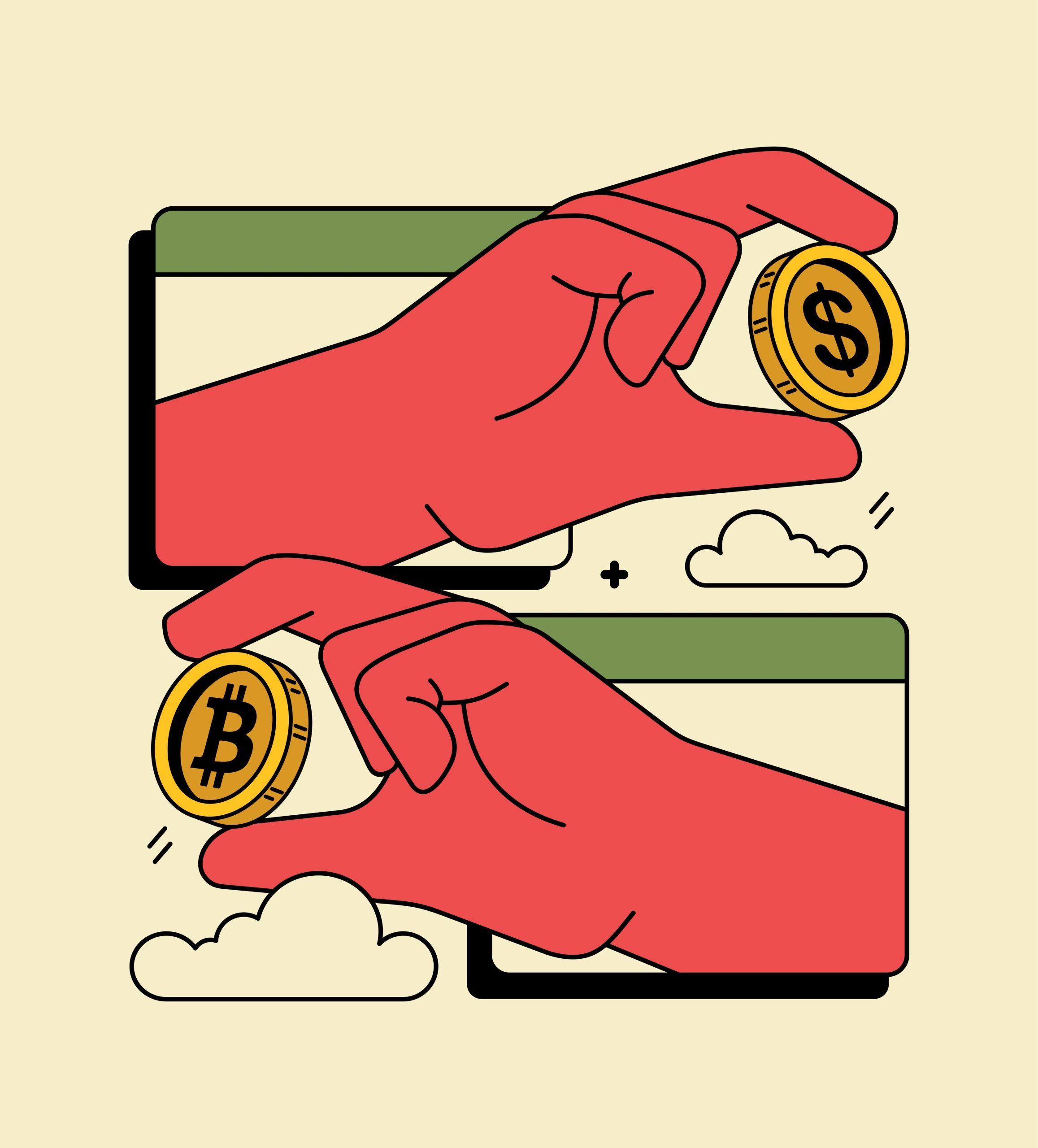
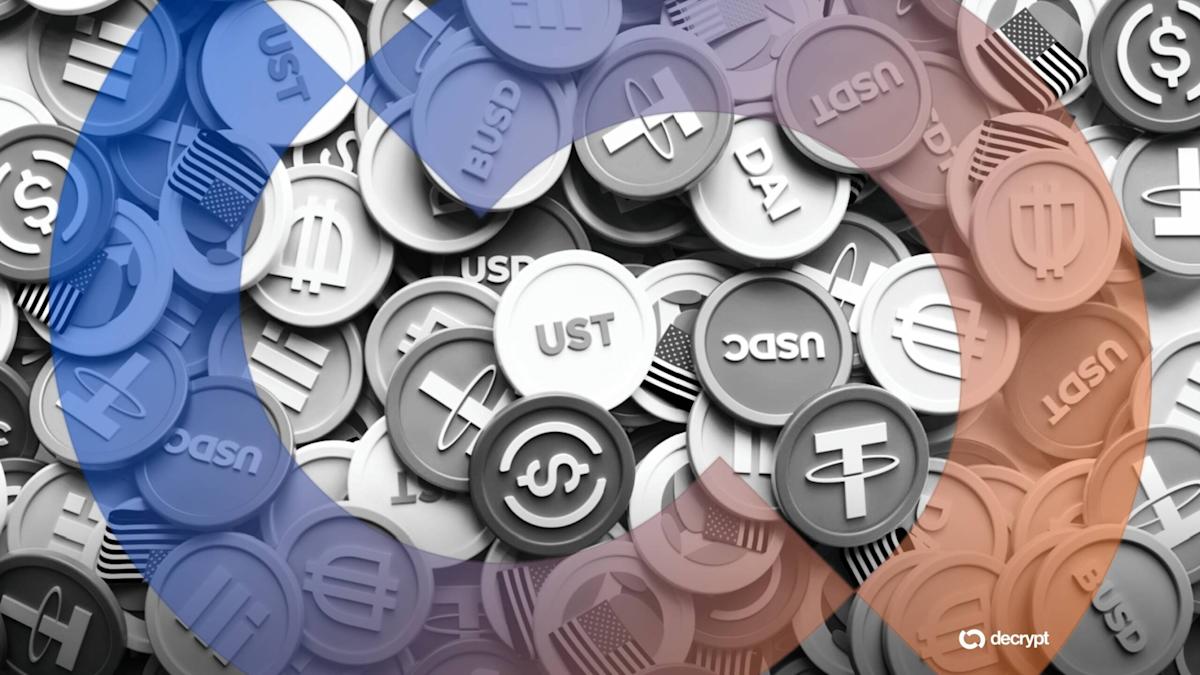
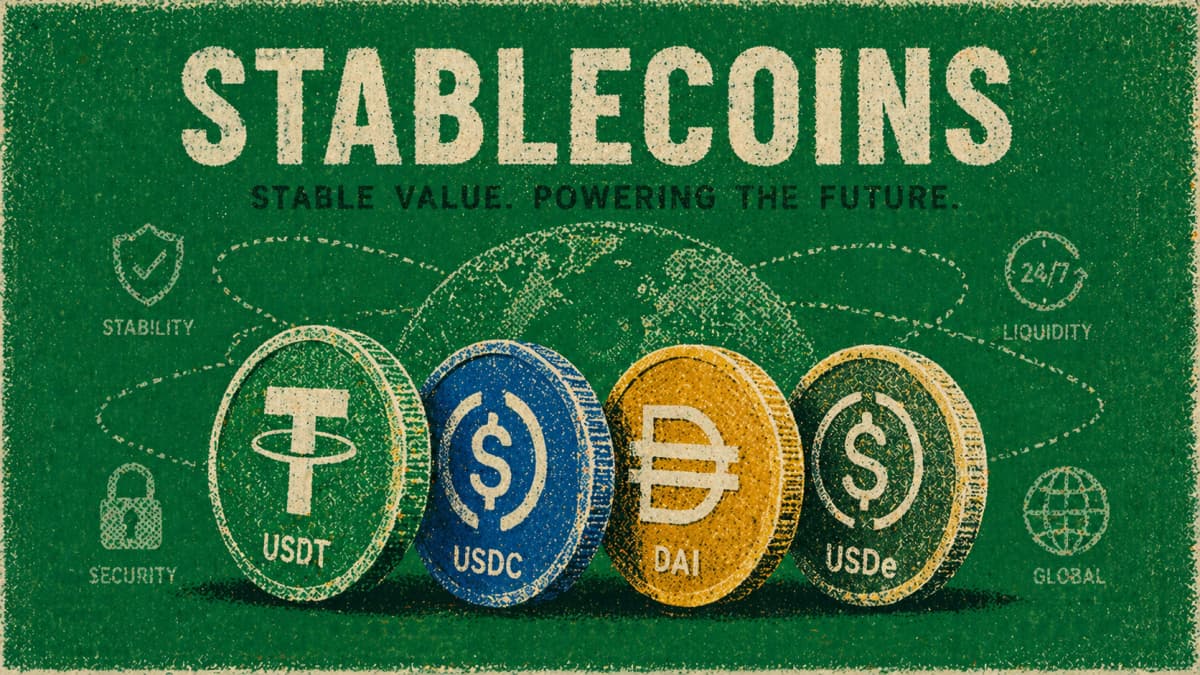
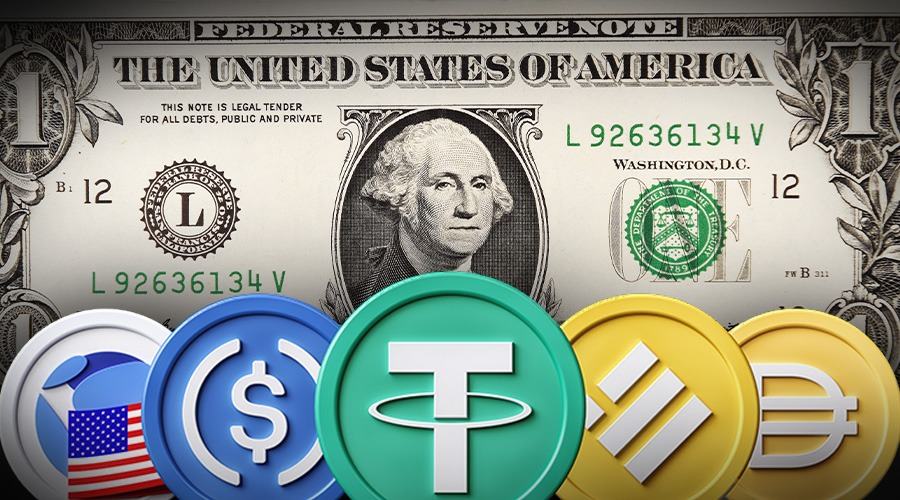
That historical reality matters because much of today’s debate around stablecoins, tokenized deposits and blockchain-based finance assumes that digital dollars represent a new category of money. In practice, they look more like the latest chapter in a very old story: the creation of specialized forms of money designed to serve different parts of the economy.
See also: Stablecoins Are Just Wildcat Banking With Better Wi-Fi
The Dollar Has Always Been a Designed Product
Modern economies have never operated with a single type of money, despite such appearances on the surface. Consumers interact with retail money like bank deposits, debit cards, cash and payment apps. Corporations and financial institutions operate within an entirely different monetary layer composed of reserves, settlement systems, correspondent banking networks and wholesale funding markets.
When a consumer sends money through a mobile app, the transaction often appears instantaneous. Behind the scenes, however, multiple institutions reconcile balances through infrastructure that can take hours or days to fully settle. The history of finance is largely the history of improving those invisible systems.
Advertisement: Scroll to Continue
Central banks emerged to coordinate settlement. Commercial banks developed deposit systems to support commerce. Payment networks built global acceptance layers. Every major monetary innovation has ultimately been about reducing friction between economic actors. Blockchain technology is entering that tradition rather than replacing it.
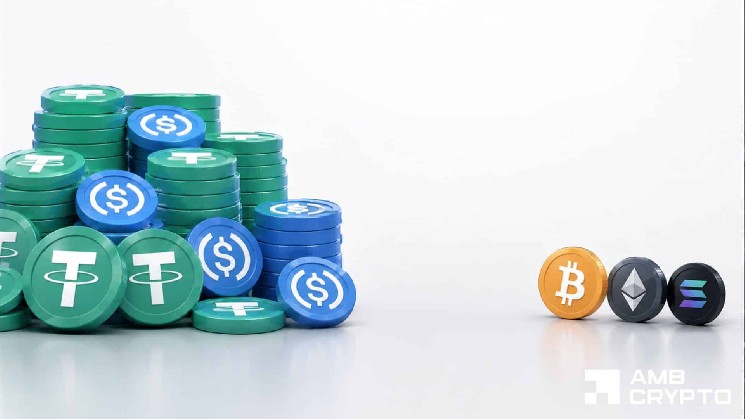
Stablecoins, tokenized deposits and other forms of digital money represent new settlement technologies. Their significance lies less in changing what money is than in changing how money moves. Yet consumer payments have rarely been the most profitable layer of finance. The largest pools of money reside elsewhere: corporate treasury operations, securities settlement, collateral management and interbank payments. As stablecoin adoption expands, institutions are recognizing that the underlying technology could modernize those higher-value activities as well.
As a result, the stablecoin conversation is shifting from digital wallets to financial infrastructure, putting digital asset dollars in supplier payments, intercompany sweeps, and payroll. These wholesale transaction flows are boring, recurring and, crucially, they are enormous.
Read more: Stablecoins Have a Money Market Fund Problem
The Bank-Led Rise of Tokenized Deposits
For centuries, money evolved alongside the institutions that moved it. That process is happening again. The next generation of dollars is not being designed for the checkout line. It is being designed for the infrastructure beneath the global financial systems.
PYMNTS covered how on Thursday (June 4), JPMorganChase, Bank of America, Citi, Wells Fargo and other major commercial banks announced plans to launch a tokenized deposit network in the first half of 2027, operated by The Clearing House, the real-time payment company co-owned by the same banks.
Unlike stablecoins, tokenized deposits represent regulated bank deposits held on blockchain infrastructure. The economic relationship remains fundamentally unchanged, but what changes is the settlement mechanism. As PYMNTS CEO Karen Webster wrote in January, the long-term winner may not be stablecoins at all, but tokenized deposits that preserve the regulatory structure and economics of commercial banking while delivering the programmability and around-the-clock settlement capabilities associated with blockchain-based money.
JPMorganChase has already expanded its Kinexys tokenized deposit capabilities, while Citi has advanced tokenized treasury initiatives and HSBC has introduced tokenized deposit services for corporate clients.
The significance of these initiatives is not that banks suddenly became crypto enthusiasts. Rather, banks realized that if money is becoming programmable, they want programmable money to remain inside the banking system.
Read more: Who Is Who in the Banks vs. Stablecoin-Yield Battle
Crypto Regulation Following in Dollar Oversight’s Footsteps
History suggests regulators are less concerned about whether money resides on a blockchain than about who issues it, what backs it, and how it behaves during a crisis.
The PYMNTS Intelligence and Citi report “Chain Reaction: Regulatory Clarity as the Catalyst for Blockchain Adoption” found that blockchain’s next leap will be shaped by regulation. And while the regulatory debate surrounding stablecoins often appears novel, in reality, many policy decisions reflect lessons learned from centuries of monetary history.
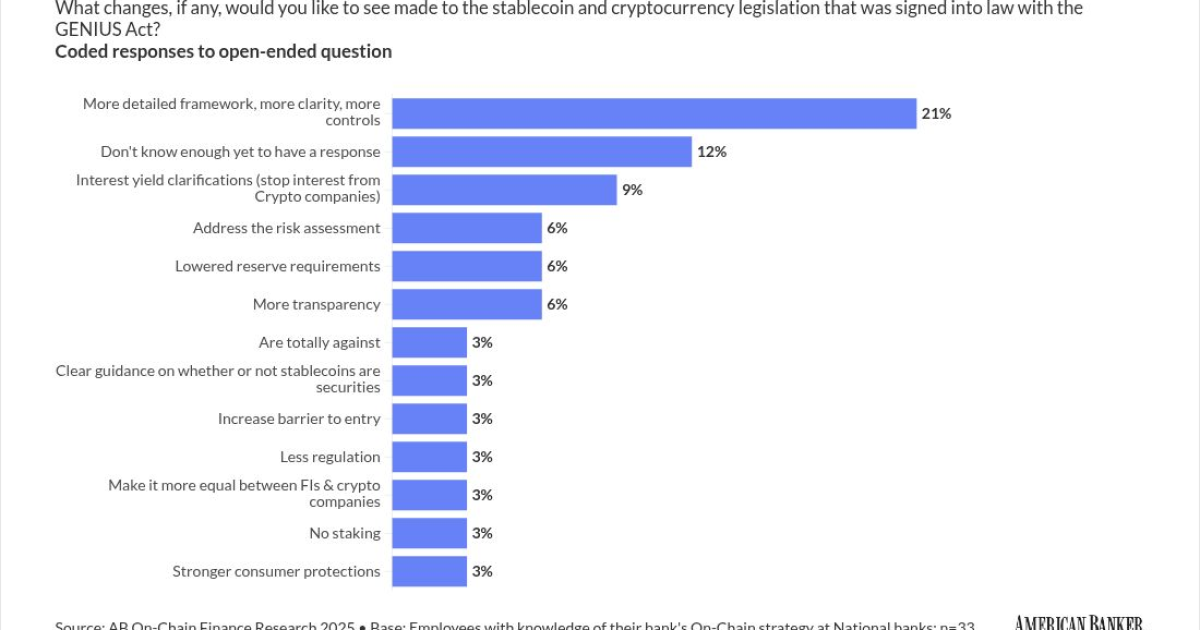
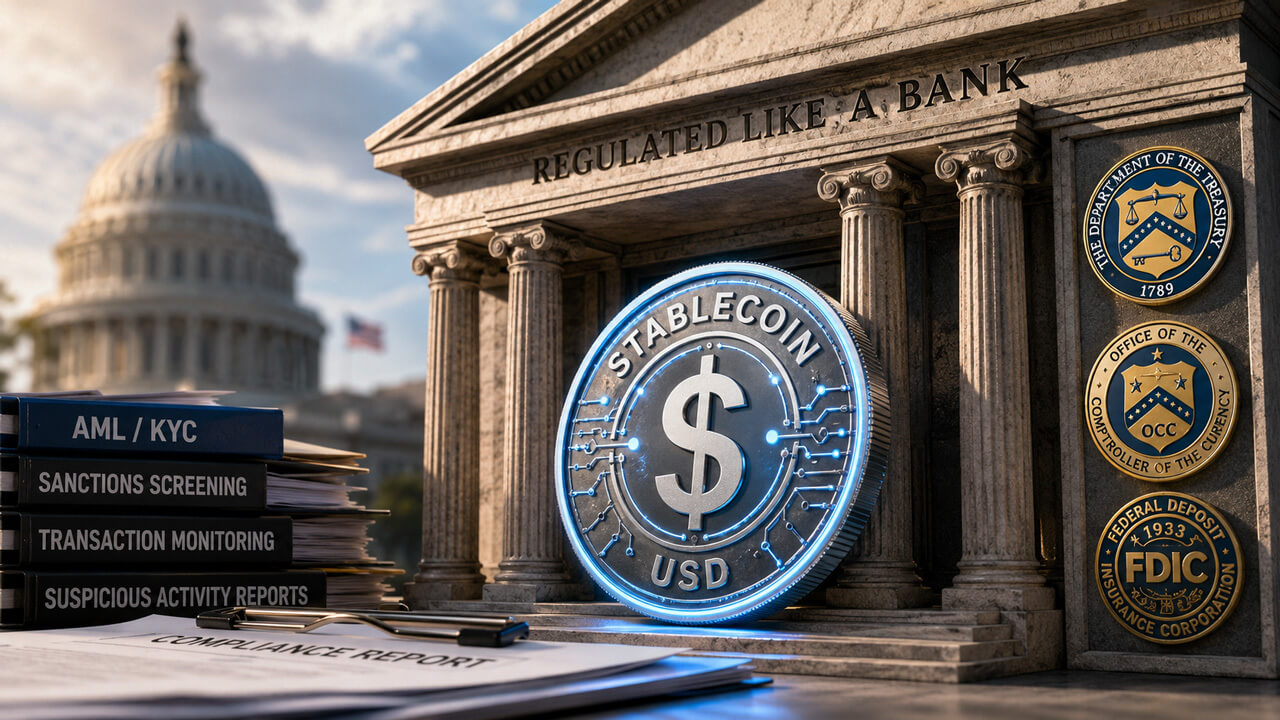
Stablecoins introduce a new institutional arrangement: privately issued digital liabilities backed by highly liquid assets. Regulators therefore focus heavily on reserve quality, redemption rights, liquidity management and operational resilience. These concerns are not unique to crypto. They echo historical debates surrounding private banknotes, shadow banking and money market funds.
“When you have a federal law, it sets the playing field for what is OK versus not,” Tempo Go-To-Market Lead Dan Romero told PYMNTS on the latest episode of “From the Block,” published Thursday (June 4), adding that for the first time, crypto has had “a regulatory tailwind, not a headwind.”
The future of money may be programmable. But it will still be governed by the same forces that shaped previous monetary systems: scale, trust and network effects. After all, a stablecoin can be technologically elegant yet struggle without distribution. A tokenized deposit network can be highly efficient but fail without institutional participation. Success depends less on code than on networks, trust and adoption.
Credit cards succeeded not because plastic was revolutionary but because networks achieved broad merchant acceptance. Bank deposits dominate because banks possess customer relationships, regulatory privileges and payment infrastructure. Dollars became global because institutions built systems capable of distributing them worldwide.
Those same principles apply today for digital dollars. Technology alone rarely determines monetary winners. It’s distribution that frequently matters more.