Institutional adoption is when organizations such as asset managers, corporations, hedge funds, banks, pension funds, and insurers get involved in crypto. This can mean investing in bitcoin directly or building products and services around it. The trend accelerated sharply after spot bitcoin ETFs launched in January 2024 and now spans most categories of regulated institutional finance, supported by maturing custody infrastructure, clearer rules, and rising client demand.
In this article, we’ll cover the types of institutions buying BTC, their motivations, and some of the challenges still in the way of wider adoption.
|
💡 Key Takeaways
• Institutional adoption means organizations are investing in or building products around bitcoin.
• The main participants today are asset managers, public companies, hedge funds, banks, insurers, and a growing number of pension funds.
• Spot bitcoin ETFs were the largest single catalyst, opening bitcoin to investors who needed a regulated wrapper.
• Common motivations include diversification, growing market infrastructure, and client demand.
• Institutional participation has deepened liquidity and legitimacy, but it has also tied bitcoin more closely to traditional macro and credit cycles.
|
What Is Institutional Bitcoin Adoption?
The phrase covers two related developments:
- Allocation: When an organization buys bitcoin or bitcoin-linked securities for its own balance sheet or for funds it manages.
- Product/infrastructure: When institutions create ETFs, custody platforms, lending desks, prime brokerage services, and tokenized products that other firms can use.
Institutional adoption looks quite different from retail adoption. Retail buyers typically purchase in small amounts through consumer apps and can react quickly to news. Institutions allocate larger amounts through registered securities or qualified custodians, and tend to hold across multi-year cycles.
|
Retail Adoption
|
Institutional Adoption
|
|
|---|---|---|
|
Typical allocation
|
Personal savings, generally small
|
Portfolio allocations, often large
|
|
Access route
|
Crypto exchanges, brokerages, self-custody wallets
|
Spot ETFs, qualified custodians, prime brokerage, private funds
|
|
Decision process
|
Individual choice
|
Investment policy, committee approval, fiduciary review
|
|
Holding horizon
|
Highly variable
|
Often multi-year, set by mandate
|
|
Reporting
|
None required
|
13F filings, fund prospectuses, audited statements
|
|
Custody
|
Self-custody or exchange-held
|
Qualified custodian, often with insurance and audit
|
Institutional adoption matters because it changes the shape of the market. When organizations with multi-year mandates buy bitcoin through regulated channels, liquidity deepens. The infrastructure built to serve those capital inflows then lowers the barrier for the next wave of allocators.
Which Institutions Are Adopting Bitcoin?
Different institution types have entered the market with varying motivations.
- Asset Managers: BlackRock, Fidelity, Grayscale, Franklin Templeton, Bitwise, ARK 21Shares, and others now run spot bitcoin ETFs that together hold the bulk of institutional bitcoin exposure.
- Public Companies: A growing set of public companies holds bitcoin on their balance sheets. Holders include Tesla, Block, Metaplanet, bitcoin miners, and Strategy, the largest corporate holder with more than 760,000 BTC.
- Hedge Funds: Hedge funds were among the earliest institutional buyers and remain active across spot, futures, options, and basis trades. Some funds operate as crypto-native specialists, while traditional funds use bitcoin as a tactical position.
- Pension Funds: Pension fund participation is more cautious and smaller in scale. A handful of U.S. state and local pension funds have disclosed bitcoin ETF positions through quarterly 13F filings, and at least one UK defined-benefit scheme has made a direct allocation.
- Insurance Companies: Insurance companies allocate conservatively because their reserves back long-dated policy liabilities. A small number have begun including bitcoin in surplus or alternative-asset portfolios, typically through ETFs.
- Banks and Financial Institutions: Bank balance-sheet exposure remains limited by capital requirements but is no longer prohibited. Banks have moved from offering crypto custody and brokerage to integrating bitcoin into wealth management platforms, prime brokerage, and tokenized financial products.
Why Are Institutions Now Adopting Bitcoin?
The reasons fall into four overlapping buckets:
- Scarcity: Bitcoin’s 21 million coin cap and predictable issuance schedule appeal to allocators who view it as a long-duration scarcity asset, particularly in an era of expanding fiat money supply.
- Portfolio diversification: Bitcoin’s correlations with equities and bonds have shifted over time, but multi-year returns have often differed meaningfully from traditional asset classes, which is the property modern portfolio theory rewards.
- Infrastructure/regulatory developments: Spot ETFs, qualified custodians, prime brokerage, and the March 2026 joint SEC-CFTC interpretation of crypto assets cleared most of the operational and regulatory obstacles that previously kept institutions out.
- Client demand: wealth managers, advisors, and retirement platforms saw retail clients ask for bitcoin exposure and built or sourced products to meet that demand rather than to take a directional view themselves.
The Role of Bitcoin ETFs in Institutional Adoption
Spot bitcoin ETFs were the single largest catalyst for institutional adoption. A spot bitcoin ETF is a registered securities product that holds bitcoin in cold storage through a qualified custodian and trades on a regulated exchange. They act as institution-friendly proxies for the underlying asset.
ETFs matter for institutional access because they fit cleanly into existing financial and legal frameworks. They are registered with the SEC, trade through standard brokerage accounts, and produce the audited disclosures that investment-policy statements typically require.
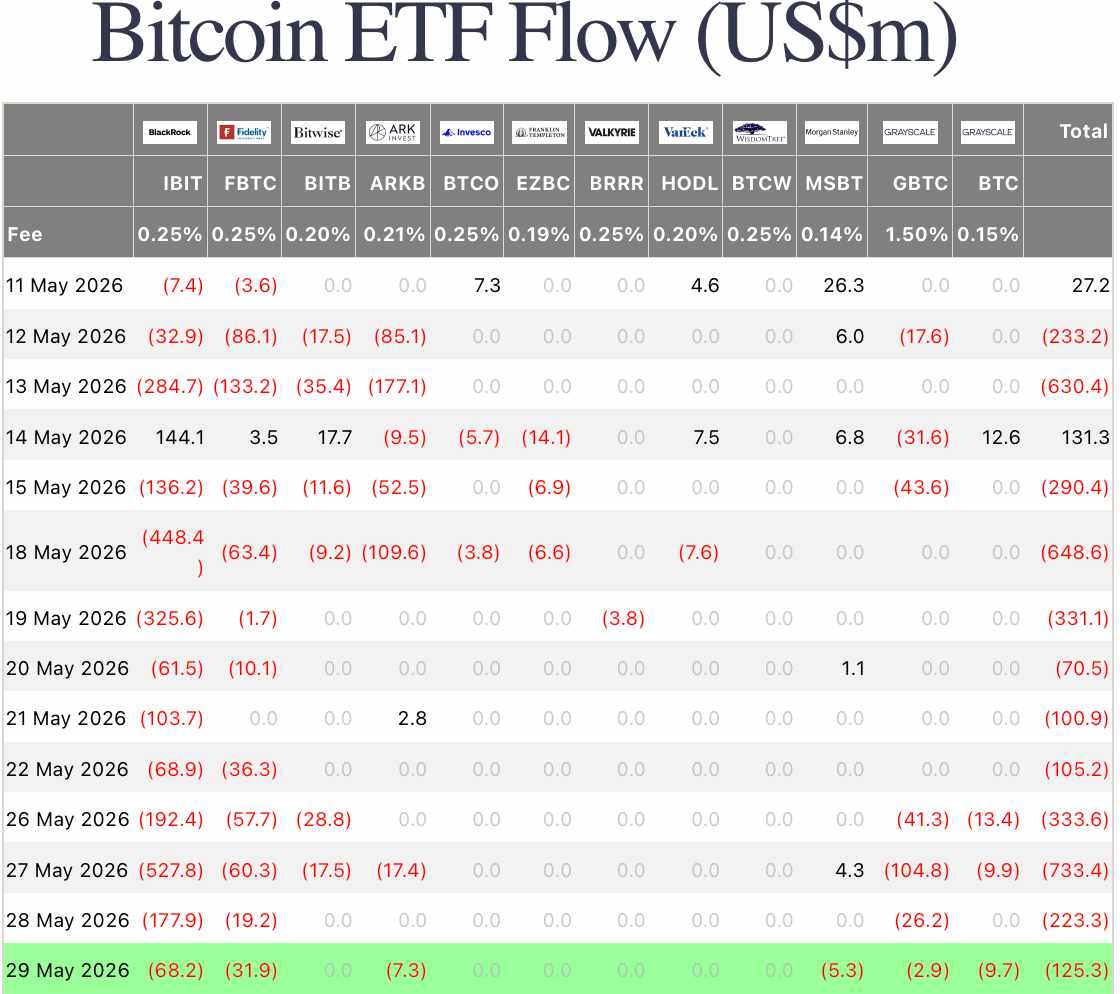
An asset manager, pension fund, or insurer can hold an ETF without worrying about self-custody, key management, or the risks of dealing with a crypto-native counterparty. The result has been a rapid build-up of institutional positions: total spot bitcoin ETF assets exceeded $100 billion within the first eighteen months of trading. As a result, ETF flows are now the leading indicator of institutional adoption and sentiment.
How Institutions Invest in Bitcoin
The vehicles institutions use depend on their mandate, risk tolerance, and operational capacity.
Direct Bitcoin Purchases
Some institutions buy bitcoin directly, typically through over-the-counter desks or institutional trading platforms, and custody it with a qualified custodian such as Coinbase Custody, BitGo, Anchorage Digital, or Fidelity Digital Assets. Direct purchases give the institution full control over its position but require internal policies for custody, audit, and reporting.
Bitcoin ETFs
ETFs are now the most common access route for institutions that do not want to manage direct custody. Holdings appear on quarterly 13F filings for U.S. funds, which is why ETF disclosures have become the most visible measure of institutional adoption.
Bitcoin Treasury Strategies
A subset of public companies seek out BTC exposure as a treasury strategy rather than a portfolio allocation. The mechanics, financing, and risks of this approach are different enough to warrant separate treatment.
Venture Capital Investments
Larger institutions also gain bitcoin exposure through venture allocations to firms building the surrounding infrastructure: mining hardware, custody platforms, layer-two networks, payment processors, and tokenization startups. These institutions are seeking exposure to the network rather than the price of the underlying token.
Bitcoin Mining Exposure
Some bitcoin miners such as MARA Holdings, Riot Platforms, CleanSpark, and Cipher Mining trade on public exchanges. Their stocks give equity investors leveraged exposure to bitcoin price moves. Returns depend on power costs, hardware efficiency, and execution, so miner equities are not pure bitcoin proxies.
Benefits and Risks of Institutional Adoption
Institutional flows have deepened liquidity on regulated venues and supported tighter spreads. They have also pulled in service providers — including custodians, auditors, and law firms — which have built out the infrastructure to support the next wave of allocators. In addition, institutions and ETFs absorb bitcoin that might otherwise circulate, reducing the circulating supply (which theoretically should be a positive for price).
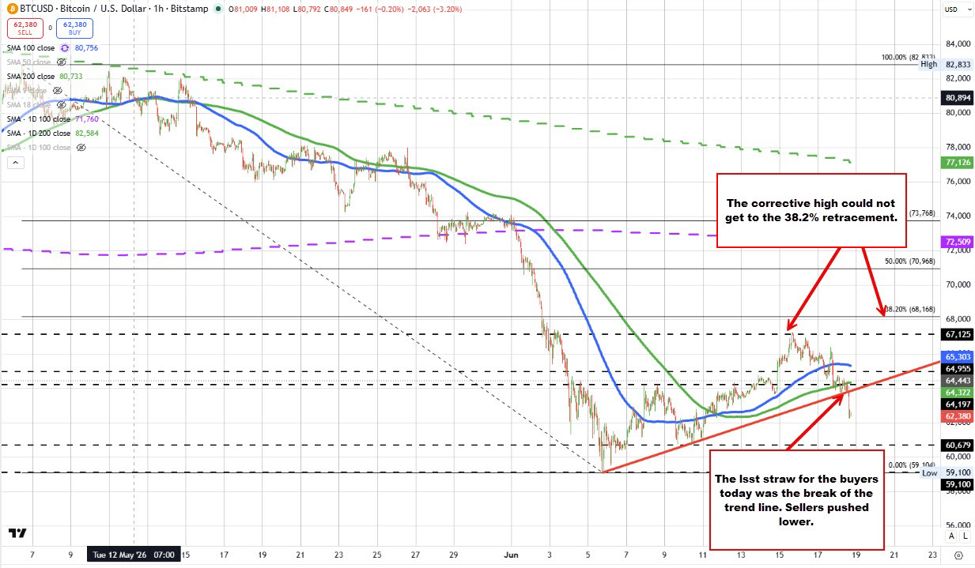
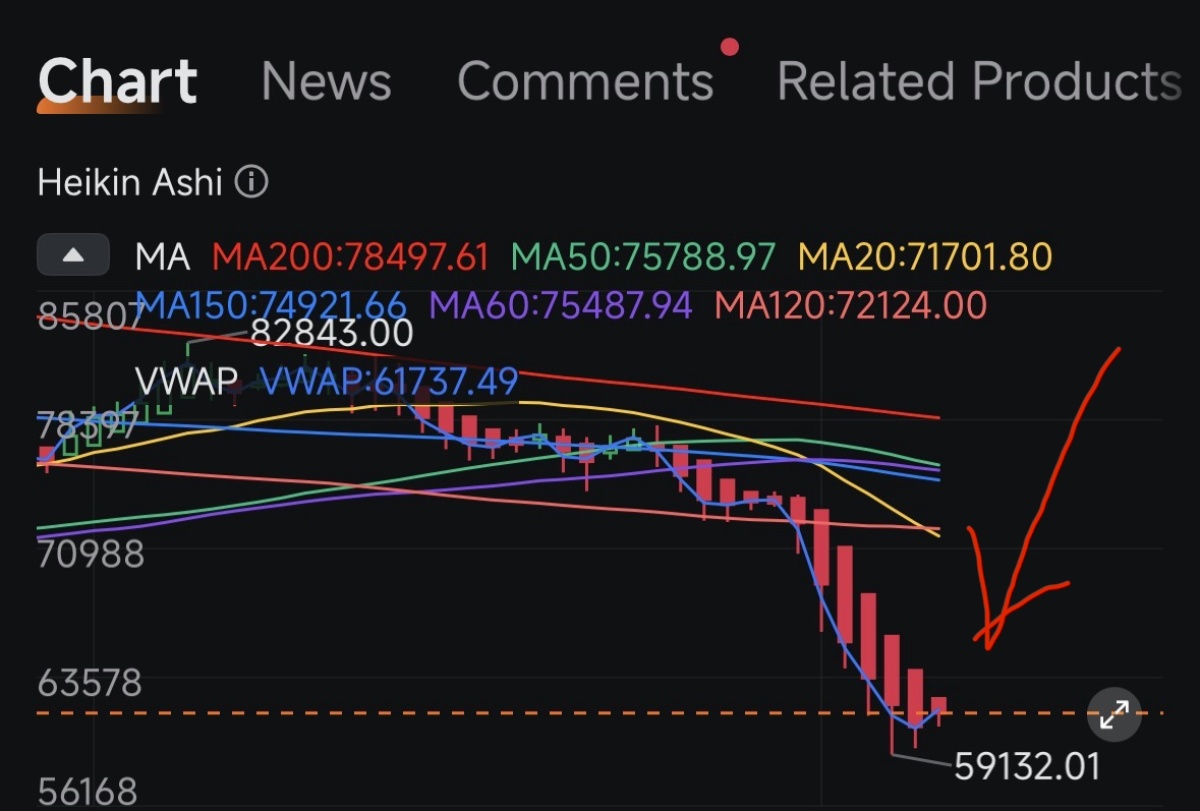
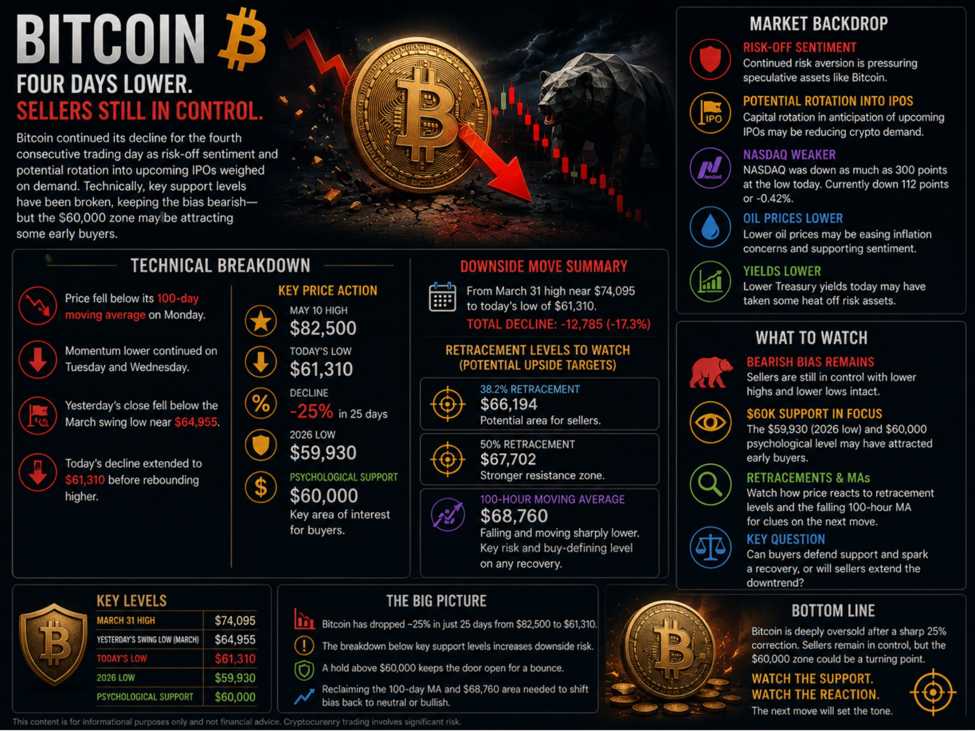
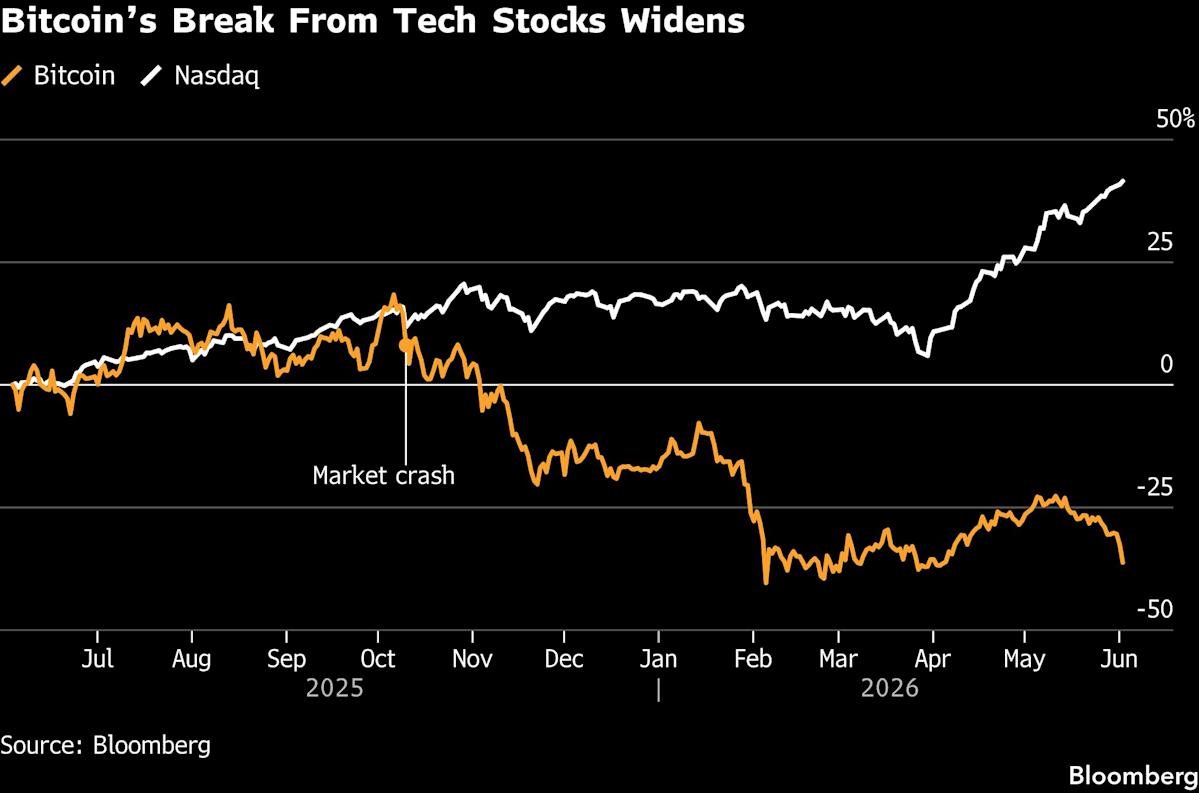
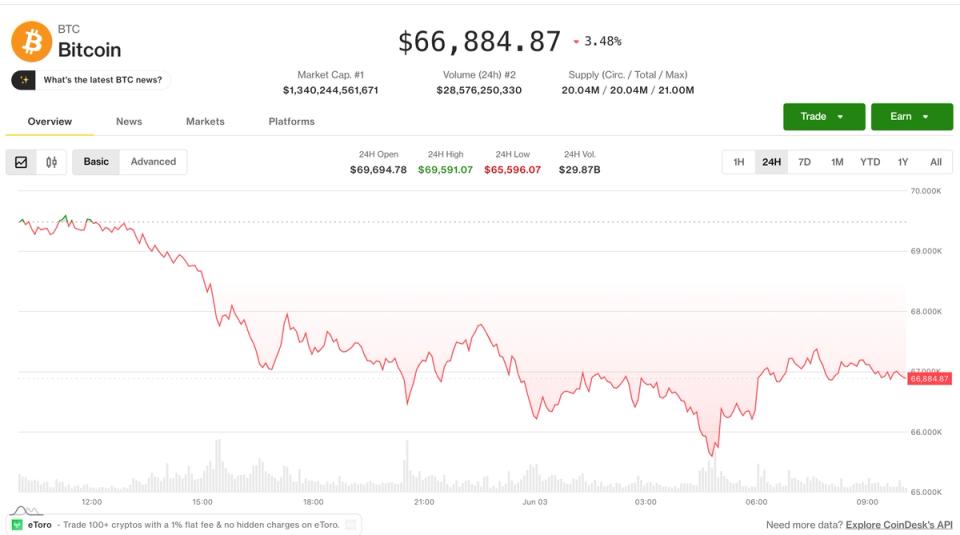
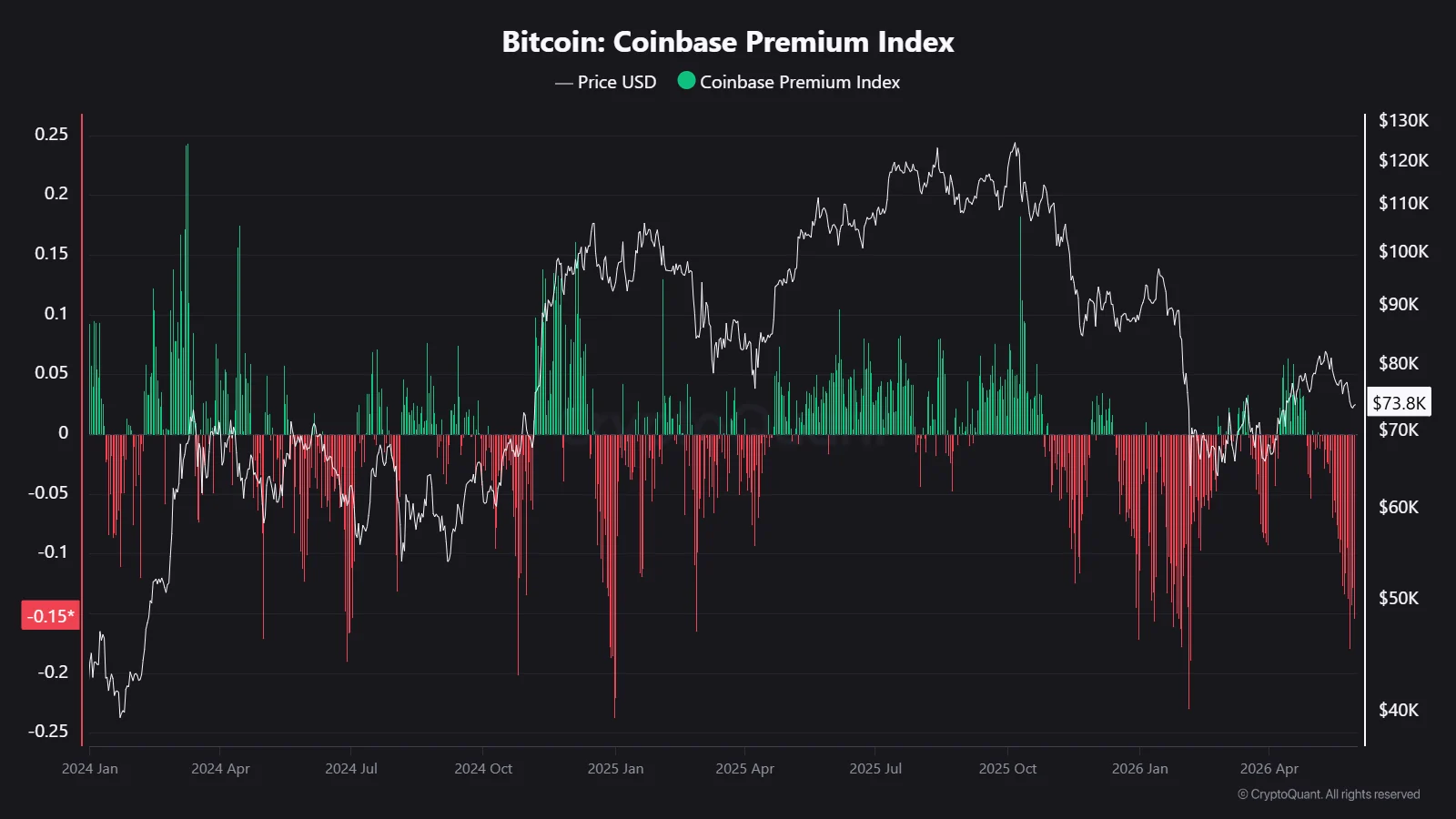
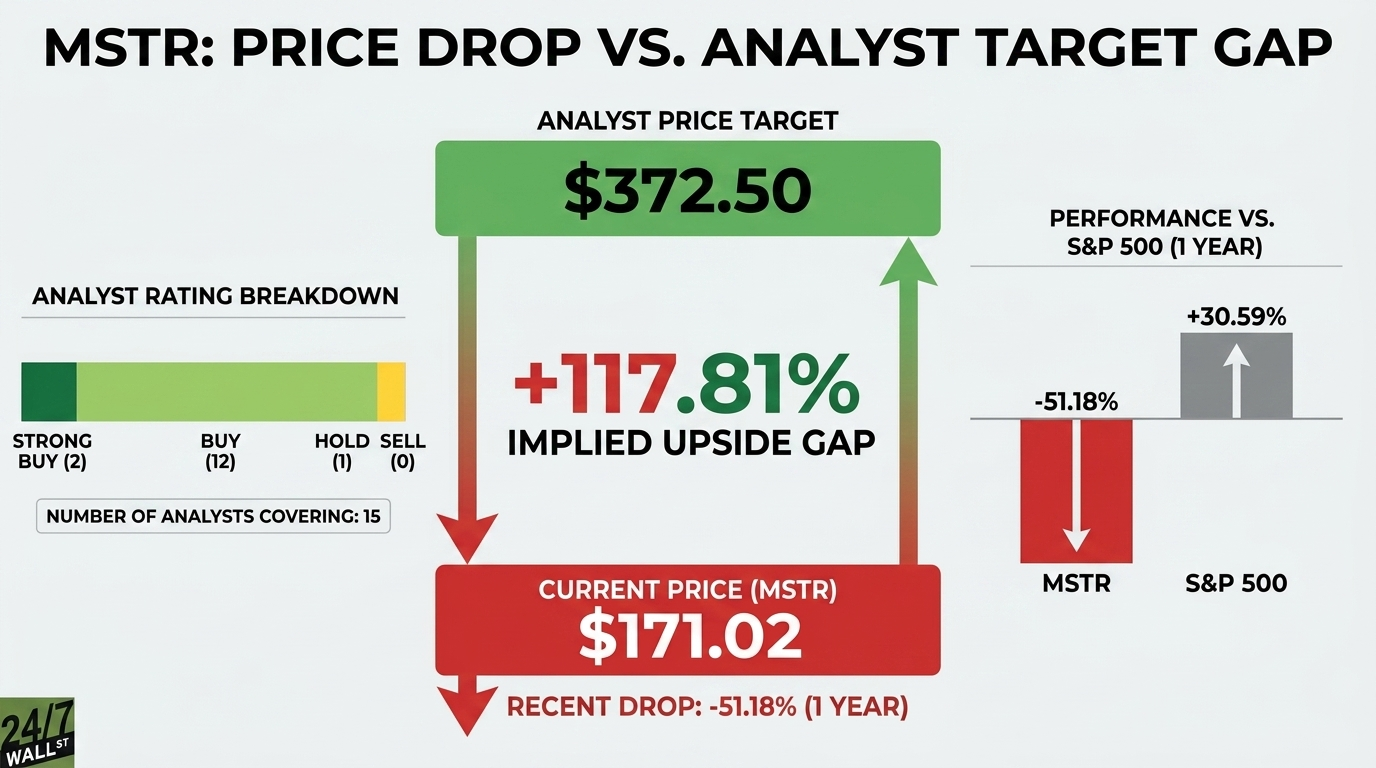
However, the risks are equally real. Bitcoin has continued to experience deep drawdowns despite institutional participation: a mid-2026 selloff pushed the price down by roughly 50% from its 2025 peak and wiped tens of billions of dollars from public companies whose business models centered on holding bitcoin. Some other core concerns include:
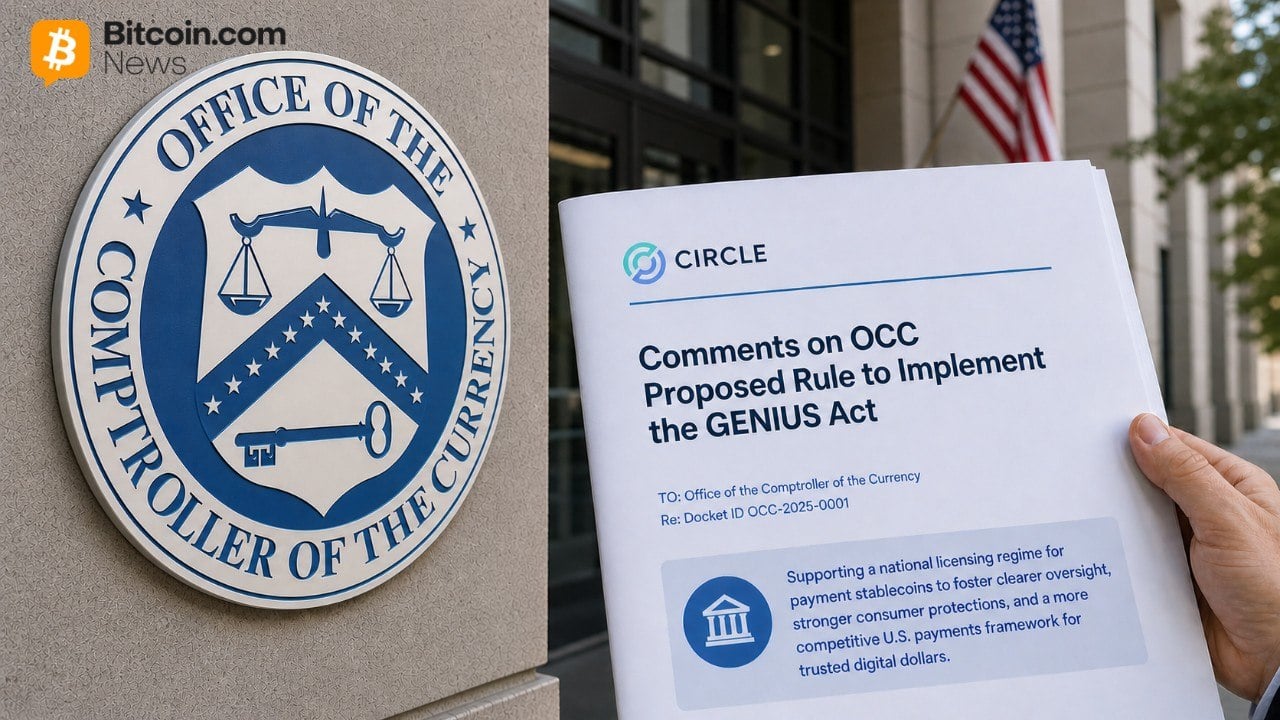
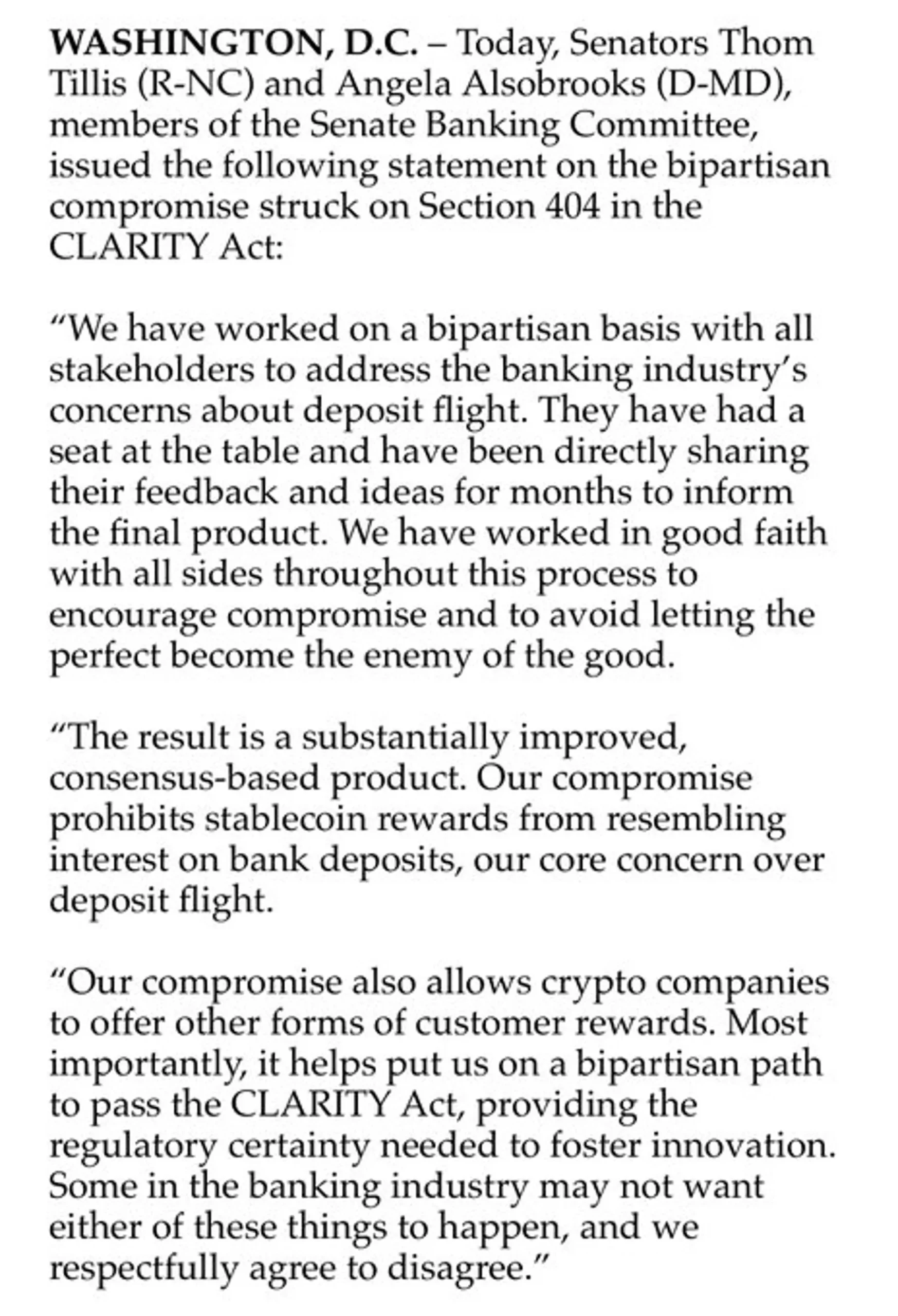
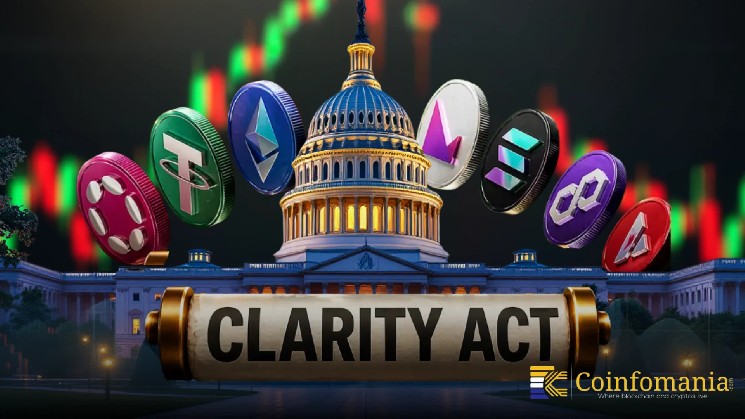
- The U.S. CLARITY Act is the latest step in crypto regulation evolution. However, future negative developments could significantly affect institutional capital allocation in crypto.
- Custody remains an operational risk even with qualified custodians: hacks and internal exploits could put funds at risk.
- The concentration of ETF assets in a handful of issuers raises market-structure questions if any of those issuers experience operational stress.
Contrary to what some expected, institutional adoption has not made bitcoin less volatile. What it has done is tie BTC more closely to traditional macro and credit cycles than during the previous retail-driven era.
Major Milestones in Institutional Bitcoin Adoption
Institutional adoption arrived in distinct waves:
- 2013 to 2019: The earliest institutional interest came from crypto-native venture capital, a small group of hedge funds, and academic endowments such as Yale.
- 2020 to 2022: Public-company treasuries entered the picture, led by MicroStrategy’s first bitcoin purchase in August 2020 and followed by Tesla in early 2021.
- 2022: The collapse of FTX set adoption back, especially among Canadian pension plans and other institutions that took direct losses.
- January 2024: The approval of U.S. spot bitcoin ETFs, followed by spot Ethereum ETFs later that year and spot XRP ETFs in late 2025, was the next inflection point.
- March 2025: The U.S. established a Strategic Bitcoin Reserve through executive order, funded by bitcoin already held by the federal government through criminal and civil forfeiture cases.
Despite this progress, plenty of institutional capital has stayed on the sidelines. Regulatory rules continue to develop, compliance and audit costs are high for direct-custody, and many investment committees prefer to wait for a broader product ecosystem to develop.
The Future of Institutional Bitcoin Adoption
Pension fund participation is expanding slowly, with U.S. plans gradually adding ETF positions and international plans in the UK and parts of Asia beginning to evaluate direct allocations. Sovereign wealth funds and central banks have also begun appearing as ETF holders in 13F filings, though disclosed positions remain modest. Banking integration continues to deepen as more traditional banks add custody, trading, and lending services for institutional clients.
Treasury adoption may continue to expand beyond the early movers, though the mid-2026 corporate-treasury drawdown is likely to make boards more cautious about leveraged bitcoin balance sheets. Spot bitcoin ETFs are no longer the newest product category, with spot Ethereum, XRP, and Solana products now trading. The pace of further adoption will depend on regulatory developments, infrastructure maturity, and how bitcoin performs through future market cycles.
Frequently Asked Questions
1. What is institutional bitcoin adoption?
The process by which large organizations such as asset managers, corporations, banks, hedge funds, and pension funds either invest in bitcoin directly or build products and services around it.
2. Why are institutions buying bitcoin?
The most cited reasons are bitcoin’s fixed supply and scarcity thesis, portfolio diversification across multi-year horizons, the maturation of regulated infrastructure such as ETFs and qualified custodians, and rising end-client demand.
3. Which institutions own bitcoin?
Major holders include asset managers issuing spot bitcoin ETFs (BlackRock, Fidelity, Grayscale, Franklin Templeton, Bitwise, ARK 21Shares), public companies (Strategy, Tesla, Block, Metaplanet, MARA Holdings, Riot Platforms), and a growing list of hedge funds, pension plans, and other allocators disclosed through 13F filings.
4. How do institutions invest in bitcoin?
Through spot bitcoin ETFs, direct purchases held with qualified custodians, equity in publicly traded companies with bitcoin exposure, venture allocations to crypto infrastructure firms, and tactical positions through futures and other derivatives.
5. Are bitcoin ETFs driving institutional adoption?
Yes. Spot bitcoin ETFs were the single largest catalyst, with total assets exceeding $100 billion within the first eighteen months of trading. ETFs provide the regulated wrapper, custody, and disclosure framework that most institutional mandates require.
6. What are the risks of institutional bitcoin investment?
Price volatility, regulatory change, custody and operational risk, and growing market concentration among a small number of ETF issuers. Treasury-leveraged equity strategies have shown amplified drawdowns relative to the underlying token.
7. How does institutional adoption affect bitcoin?
Institutional flows have deepened liquidity, supported regulated price discovery, and strengthened the surrounding infrastructure. The flip side is that bitcoin’s behavior has become more tightly linked to traditional macro cycles than during the predominantly retail era.
Disclaimer: This article was produced with the assistance of OpenAI’s ChatGPT/xAI’s Grok and reviewed and edited by our editorial team.
© 2026 The Block. All Rights Reserved. This article is provided for informational purposes only. It is not offered or intended to be used as legal, tax, investment, financial, or other advice.