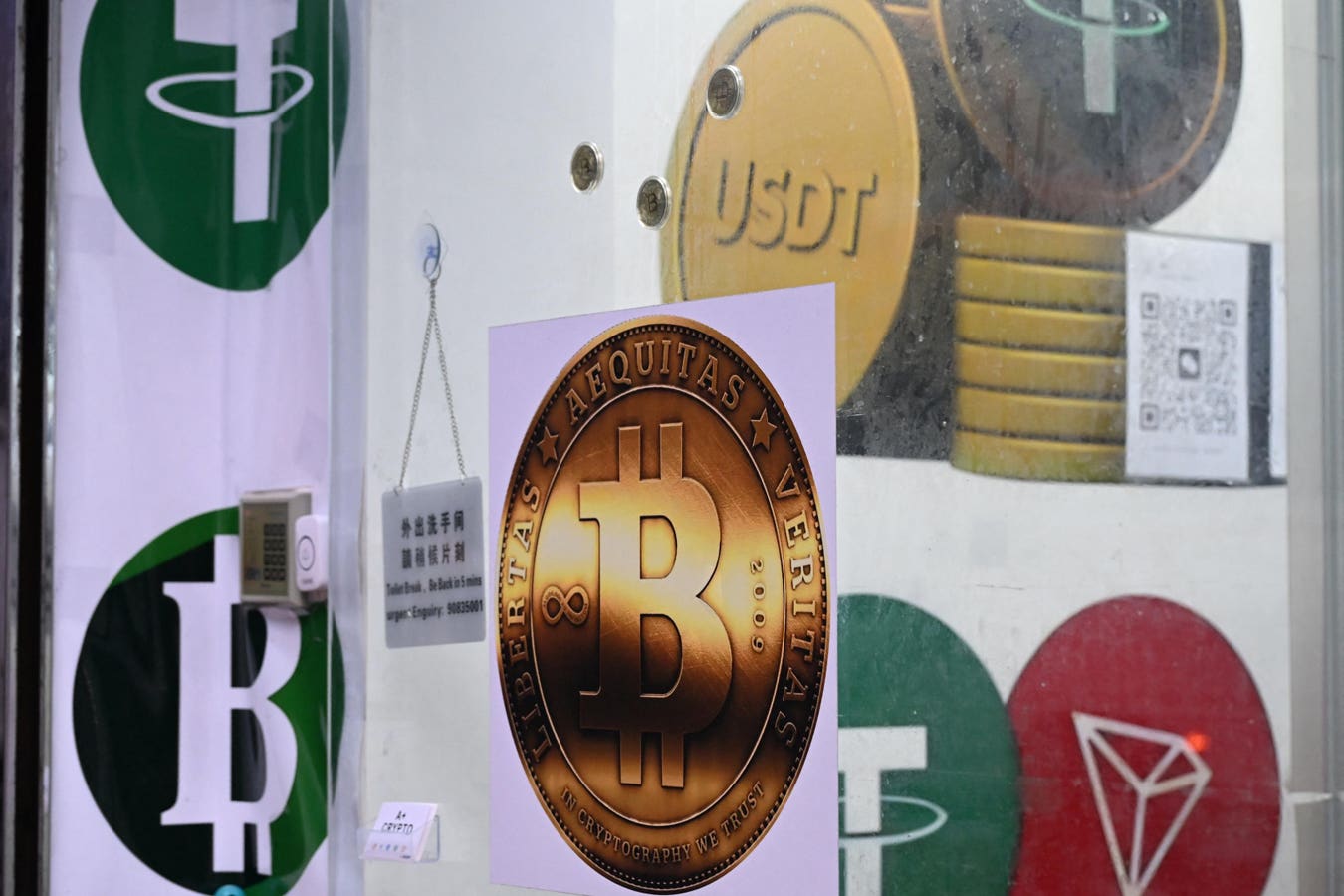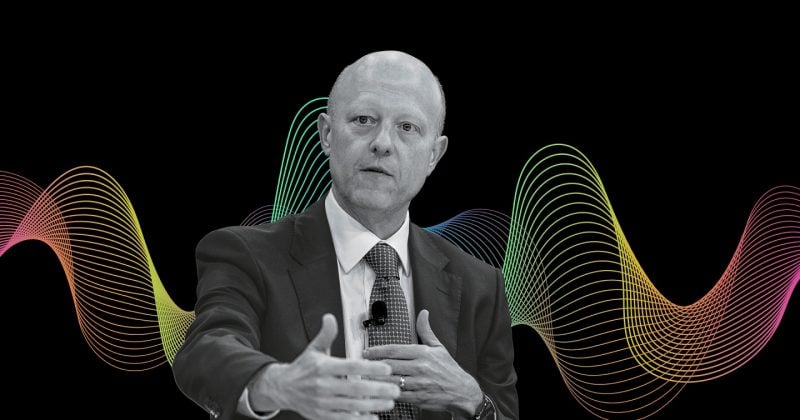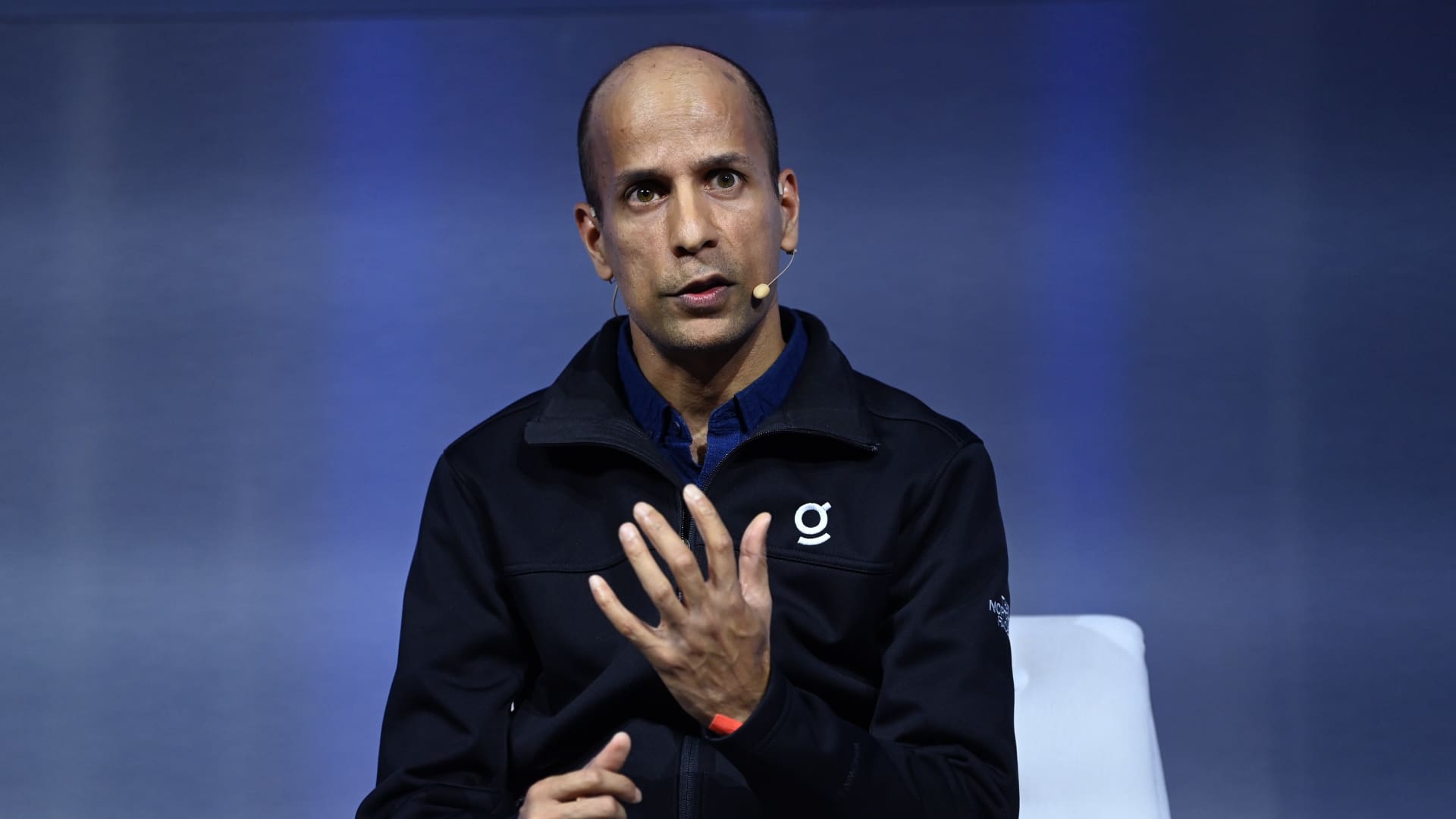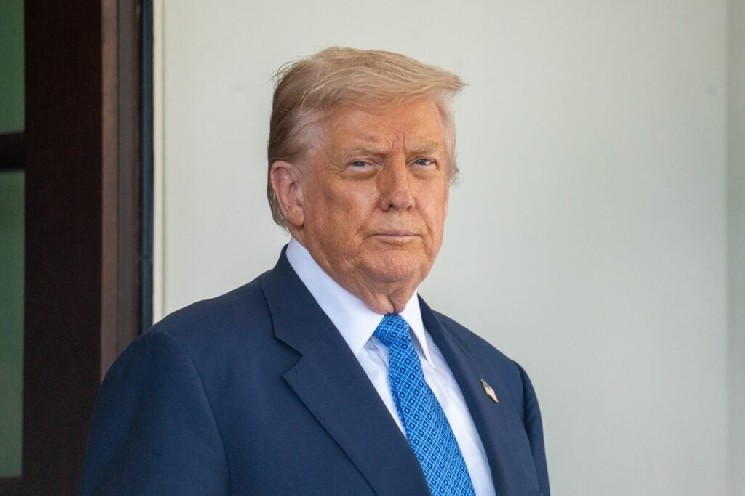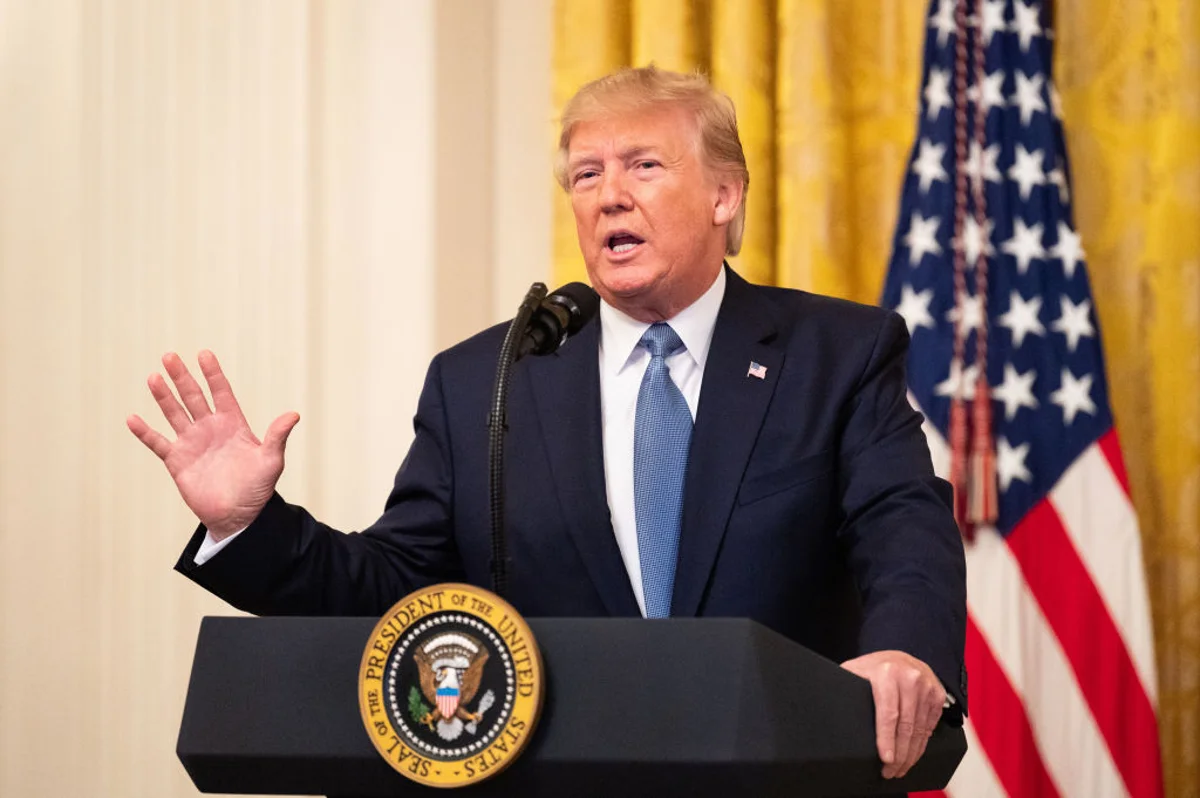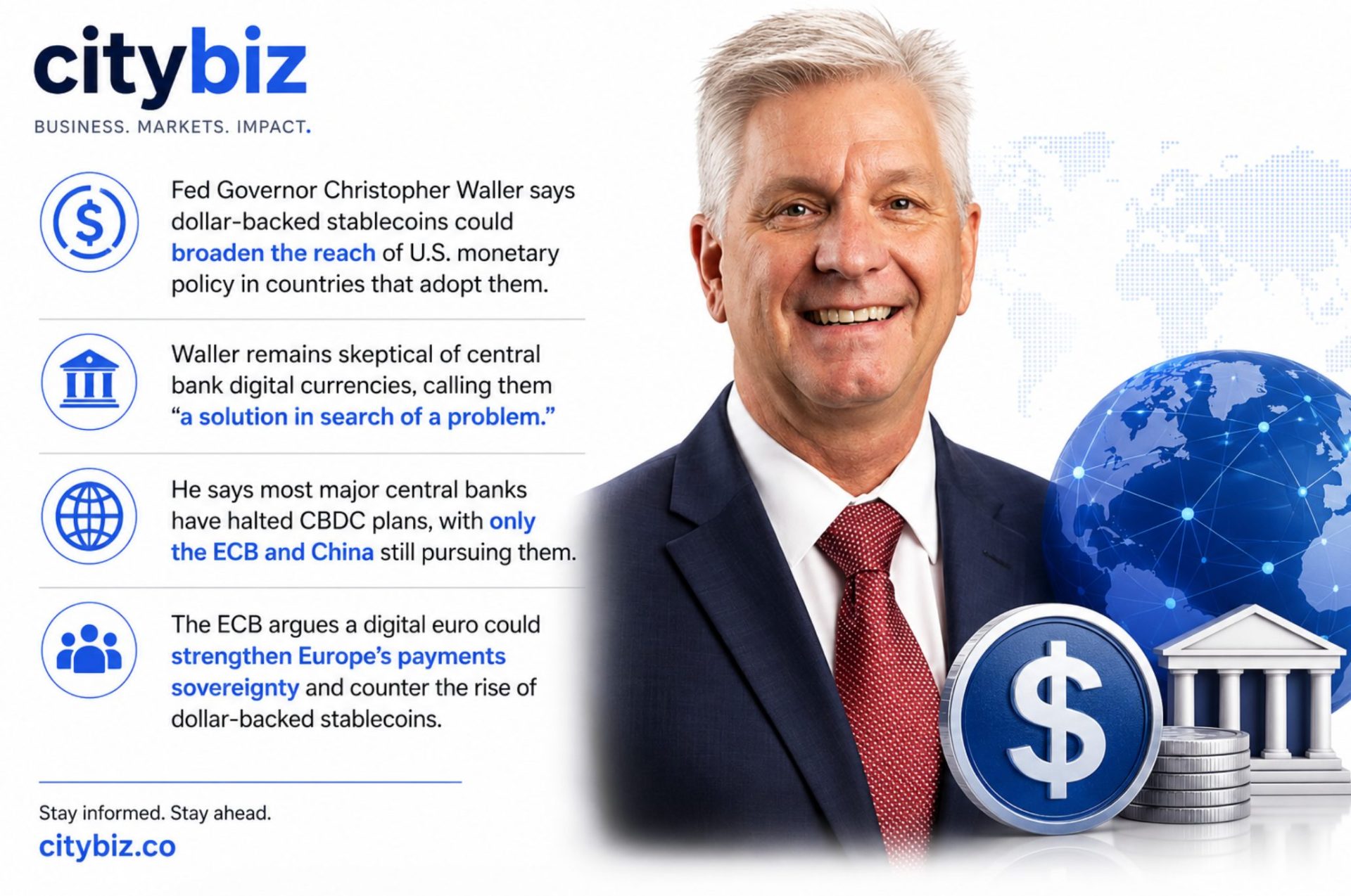

Federal Reserve Governor Christopher Waller said the growing adoption of U.S. dollar-backed stablecoins could extend the reach of American monetary policy worldwide, while again expressing skepticism about central bank digital currencies (CBDCs).
Speaking at a conference in Dubrovnik, Croatia, Waller argued that countries relying heavily on dollar-pegged stablecoins may effectively import U.S. monetary conditions, similar to the way nations operating under fixed exchange-rate systems are influenced by the policies of the currency to which they are tied.
According to Waller, broader use of stablecoins could strengthen the international role of the U.S. dollar by increasing global exposure to U.S. interest rates and financial conditions.
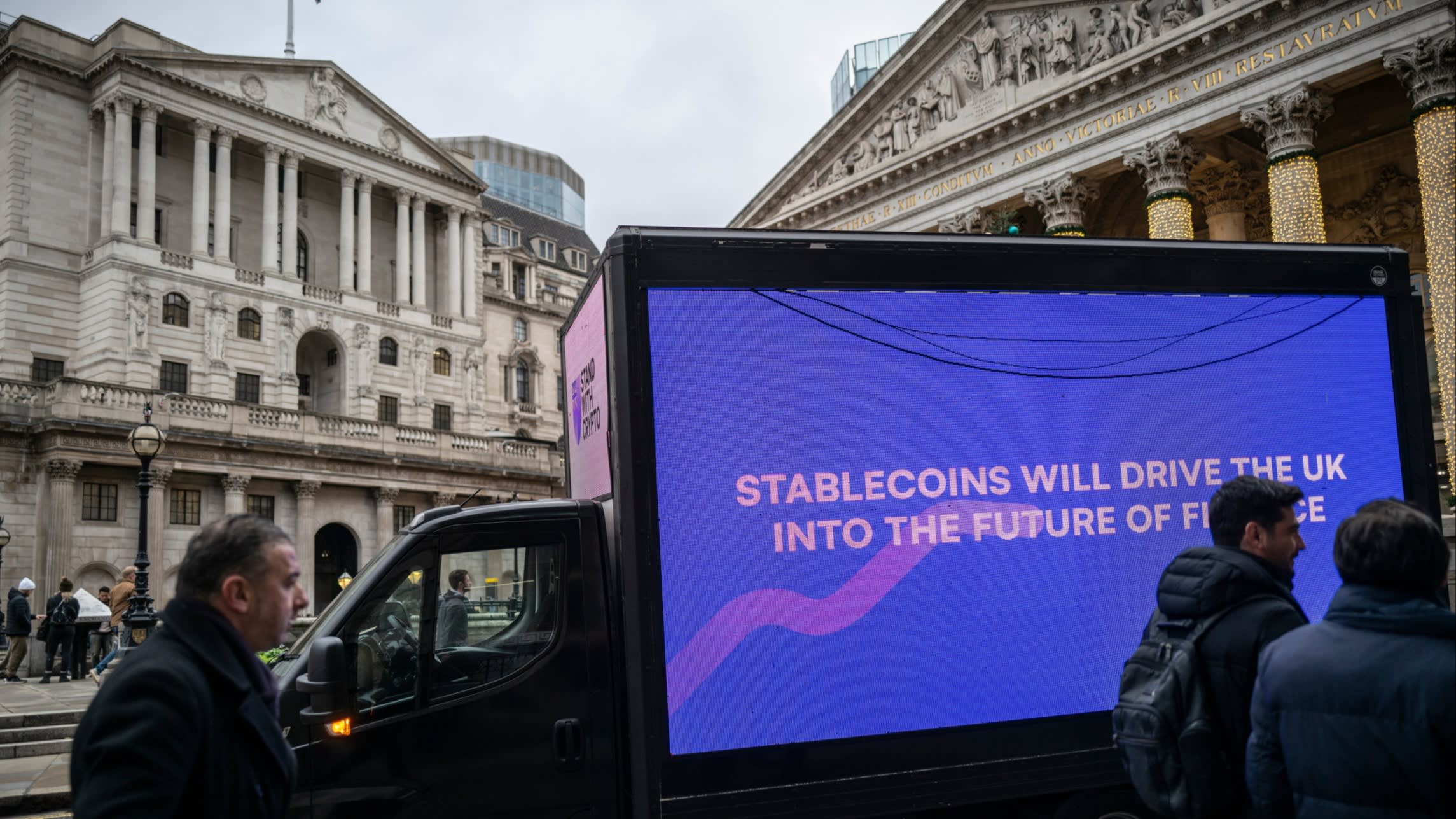
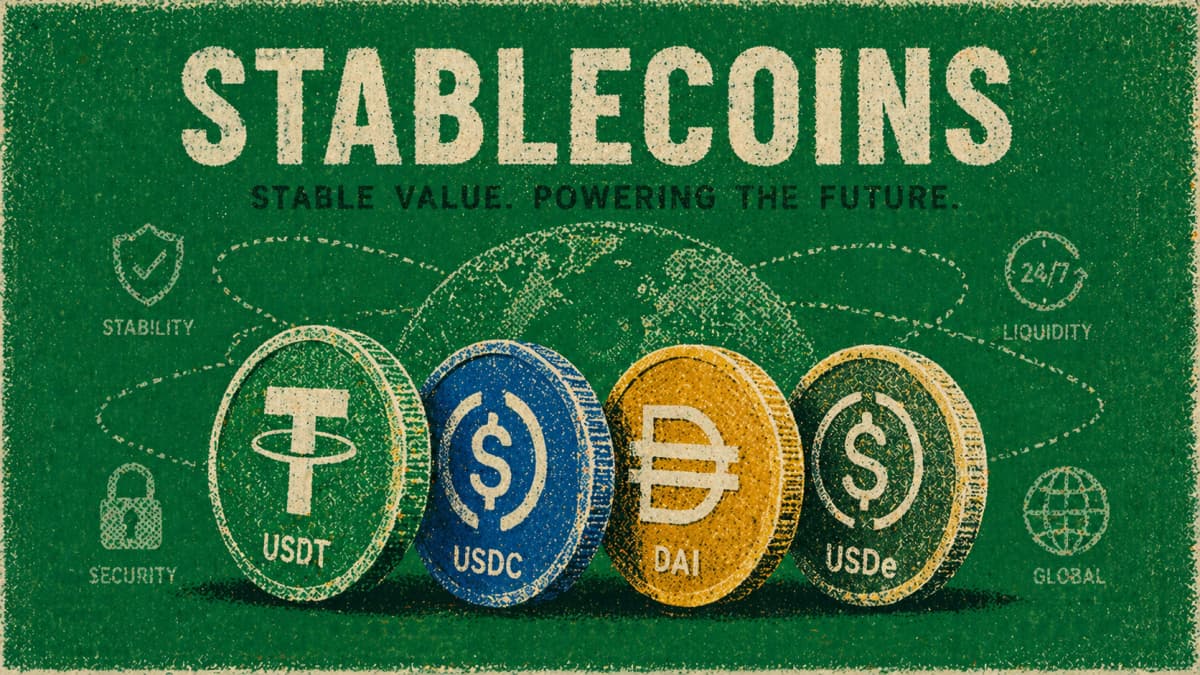
Waller has long maintained that stablecoins can support the dollar’s dominance in the global financial system, provided the sector is governed by clear and effective regulations. Stablecoins are digital assets designed to maintain a stable value, typically through backing by U.S. dollars, Treasury securities, or other reserve assets.
In contrast, Waller questioned the value of CBDCs, arguing that they have not demonstrated a unique benefit that existing payment systems cannot already provide. He described CBDCs as “a solution in search of a problem,” suggesting that central banks have struggled to identify a compelling use case for them.
He also claimed that enthusiasm for CBDCs has waned among many major central banks, saying that most have slowed or halted their efforts after failing to find sufficient justification for launching digital currencies.
Waller singled out the European Central Bank (ECB) and China as two major institutions still actively pursuing CBDC projects. Referring to China’s digital yuan initiative, he argued that consumer adoption has remained limited, with many users preferring established private payment platforms such as Alipay and WeChat Pay.
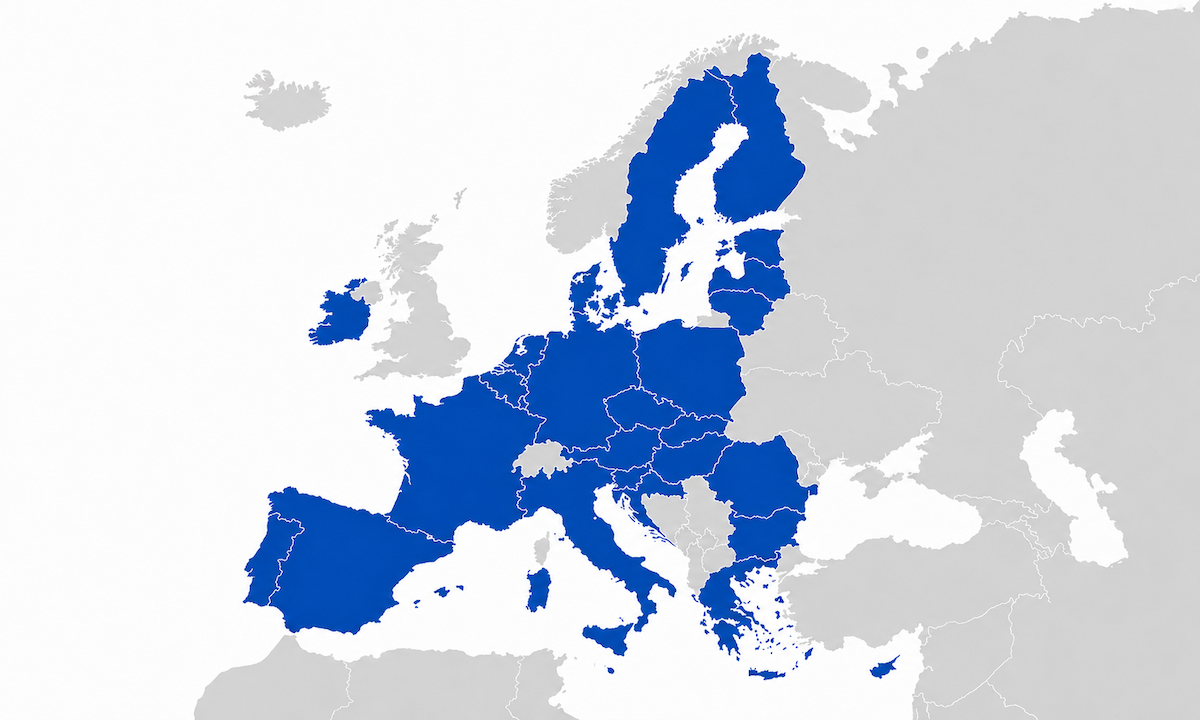
His comments drew a response from incoming ECB Vice President Boris Vujcic, who emphasized that the ECB’s digital euro project reflects the collective priorities of the euro area’s 21 member countries rather than the efforts of a single institution.
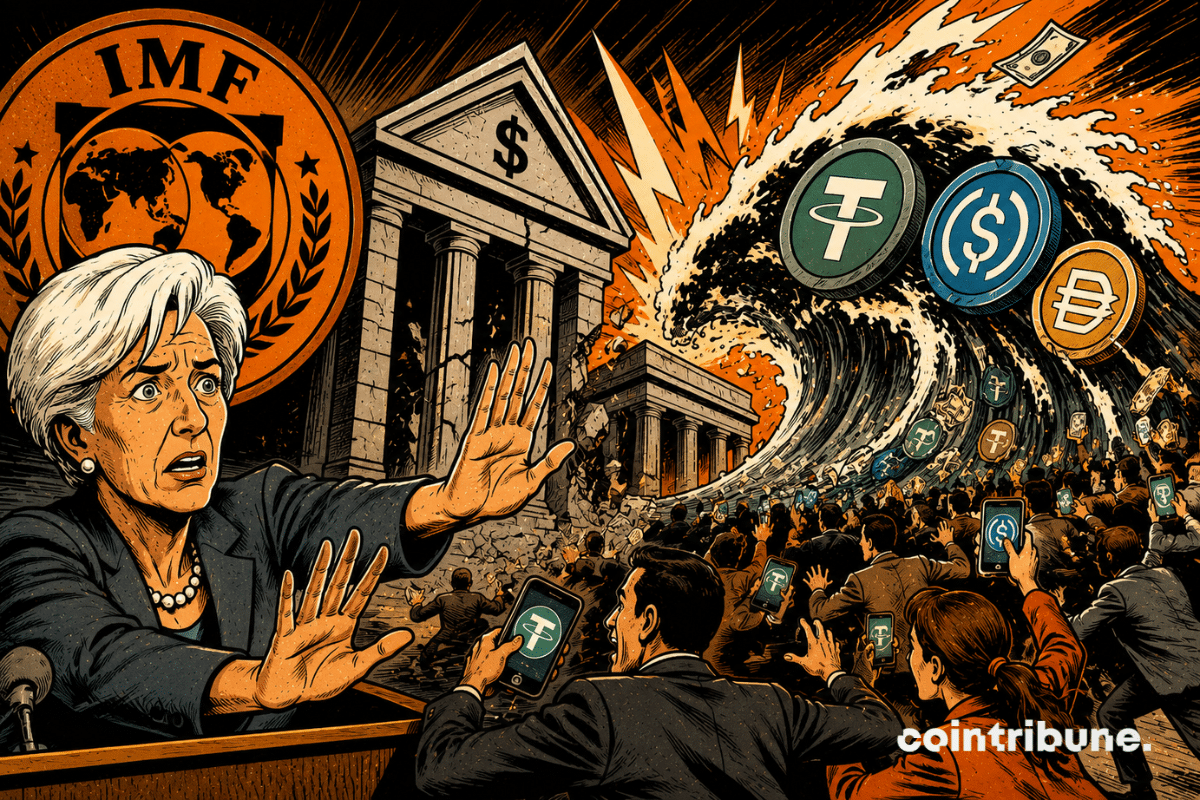
The ECB continues to target a launch of the digital euro later this decade. European policymakers argue that a digital euro could reduce the region’s dependence on U.S.-based payment networks and help balance the growing influence of dollar-backed stablecoins. ECB President Christine Lagarde has also warned that stablecoins could pose risks to financial stability and complicate the transmission of monetary policy, even when denominated in euros.