- June 12, 2026
- Olivia
- 0
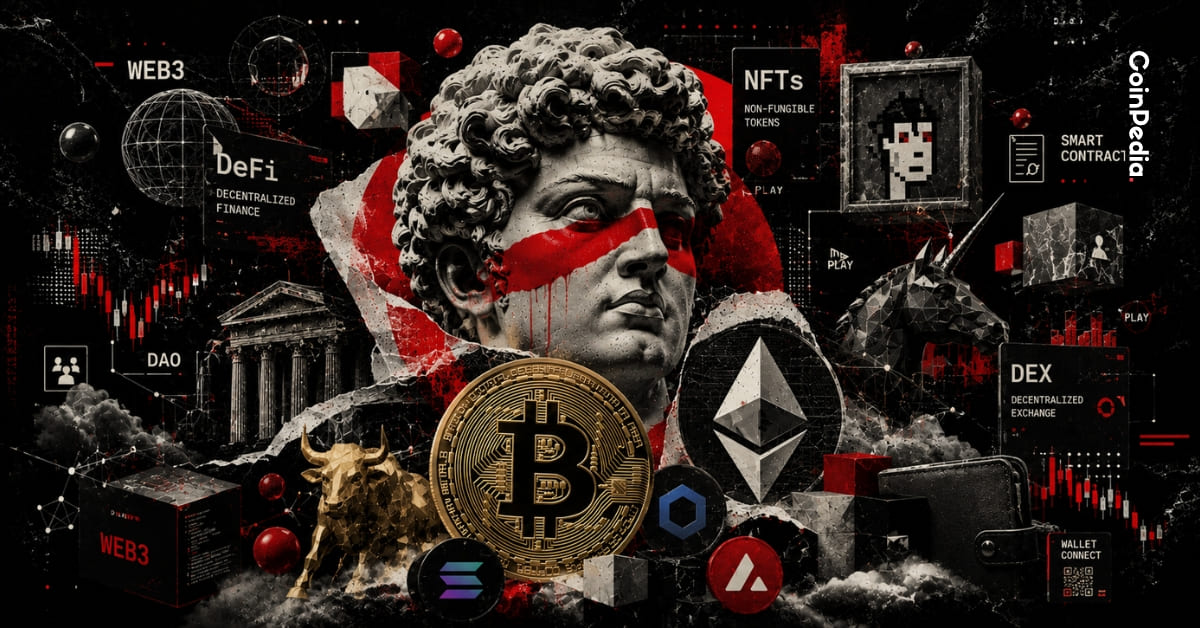
There’s something rare happening across the digital asset landscape: it’s quiet.
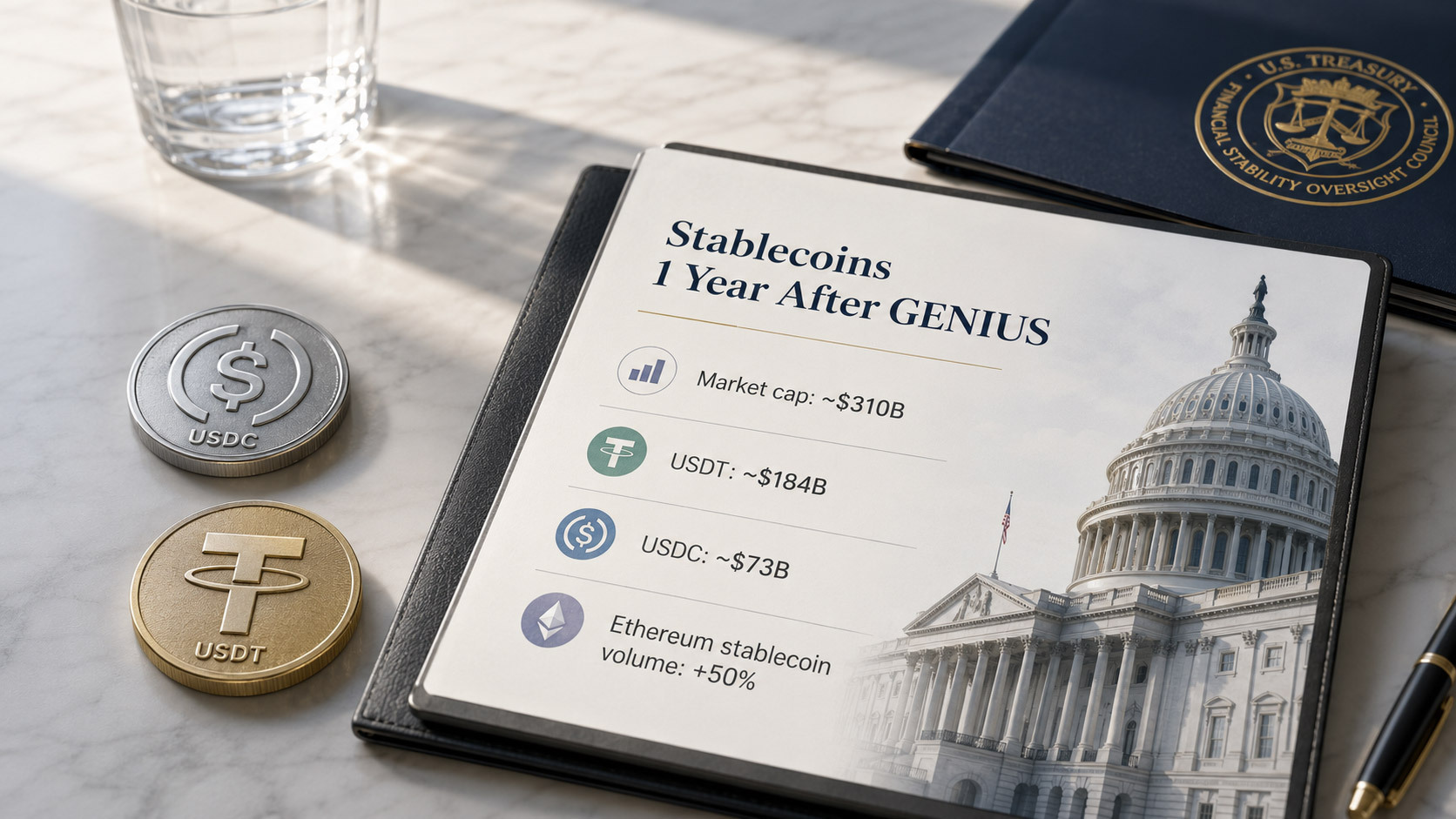
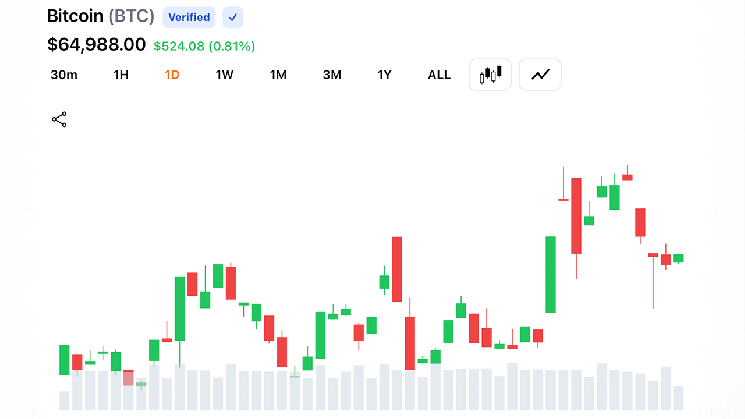
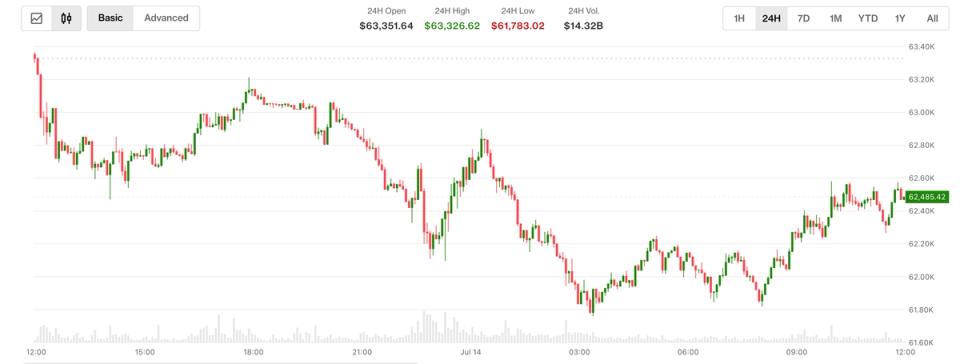
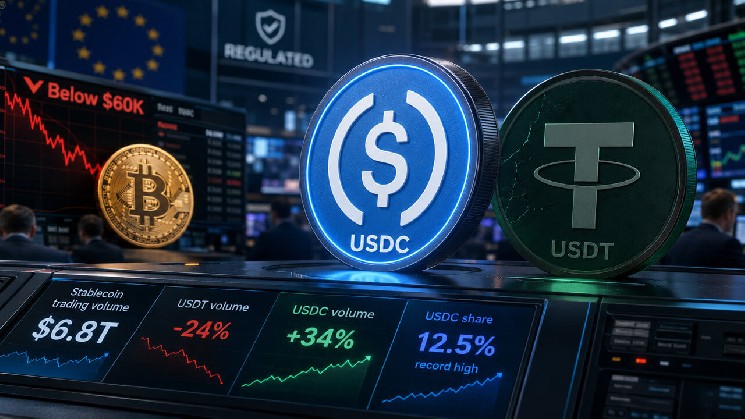
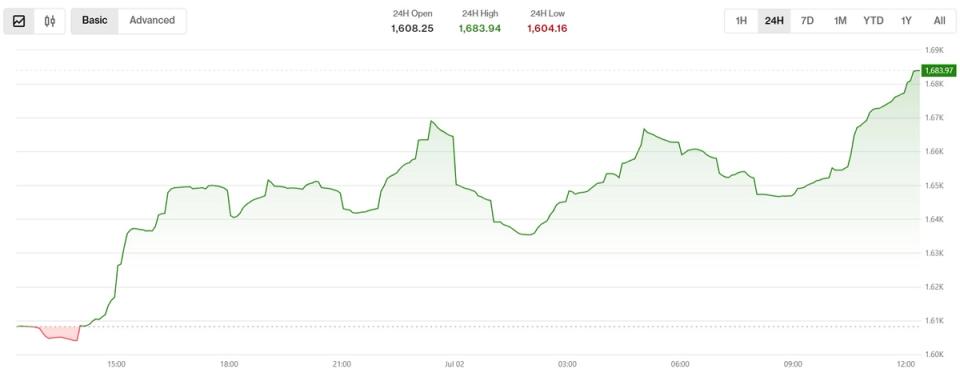
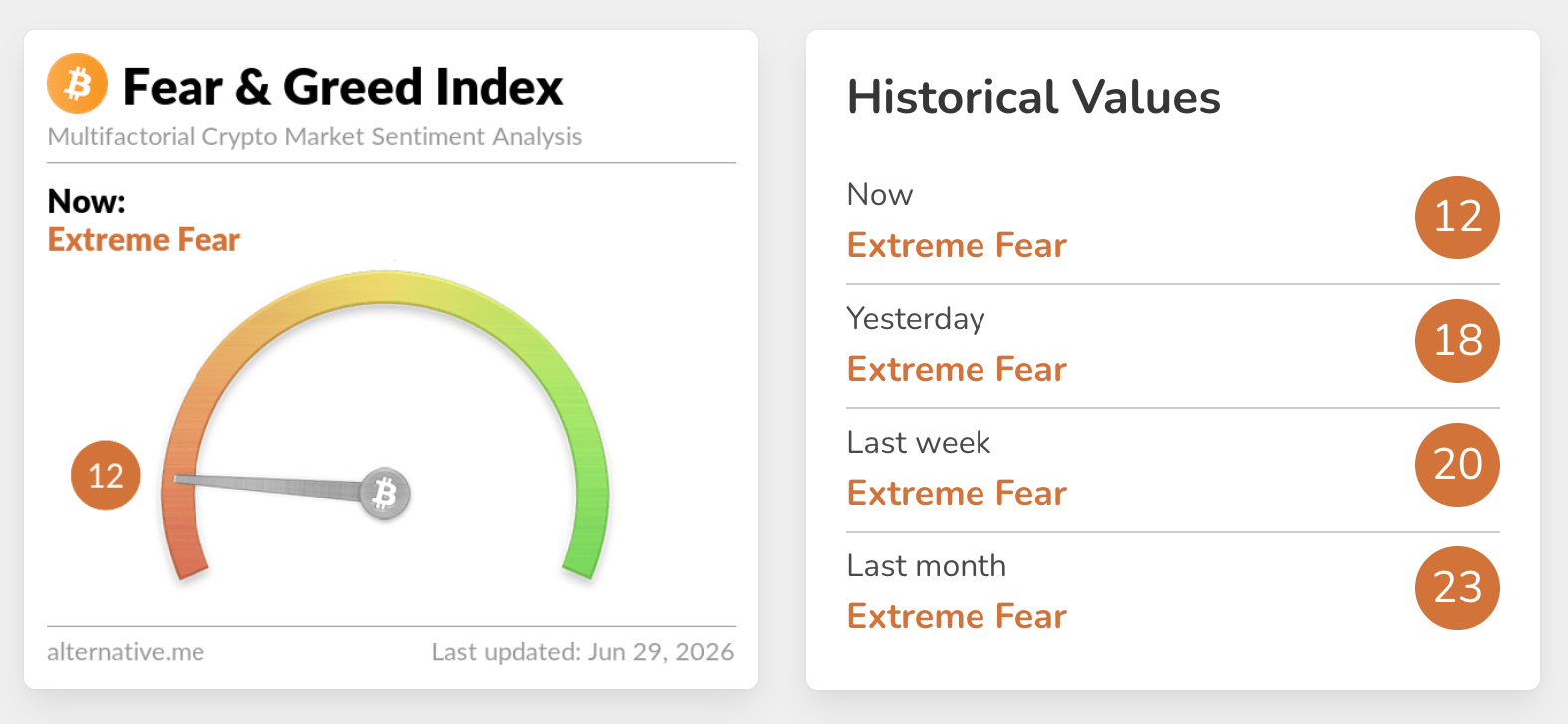
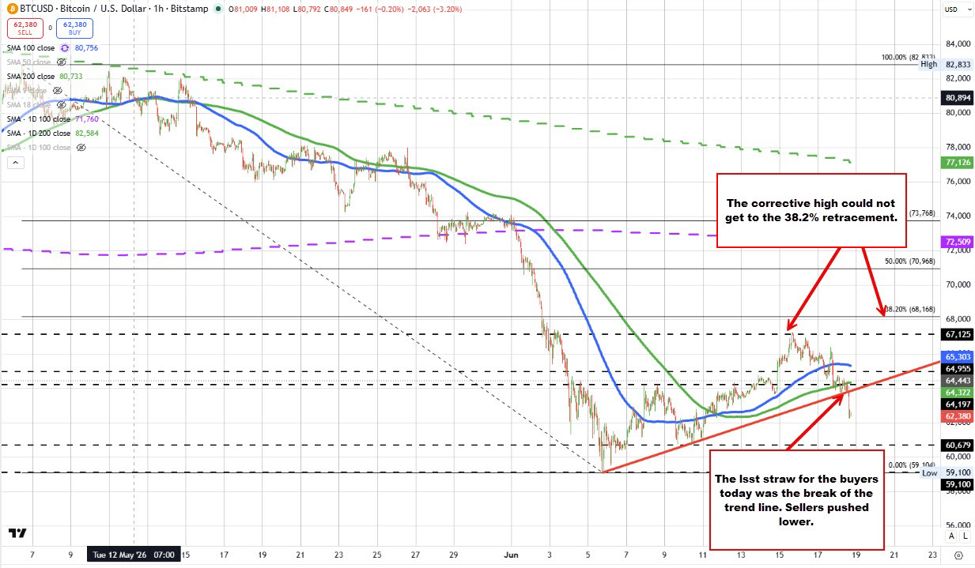
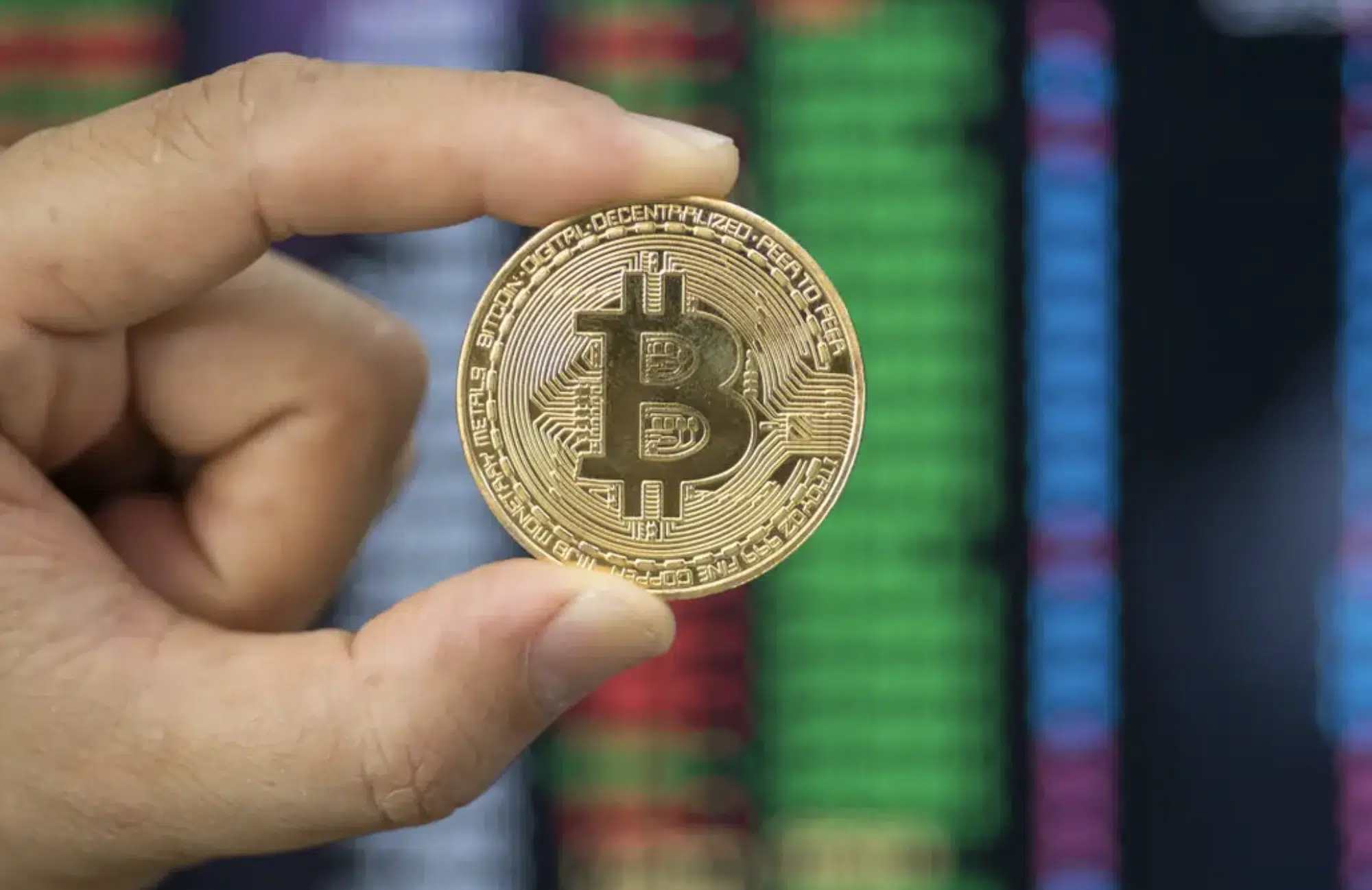
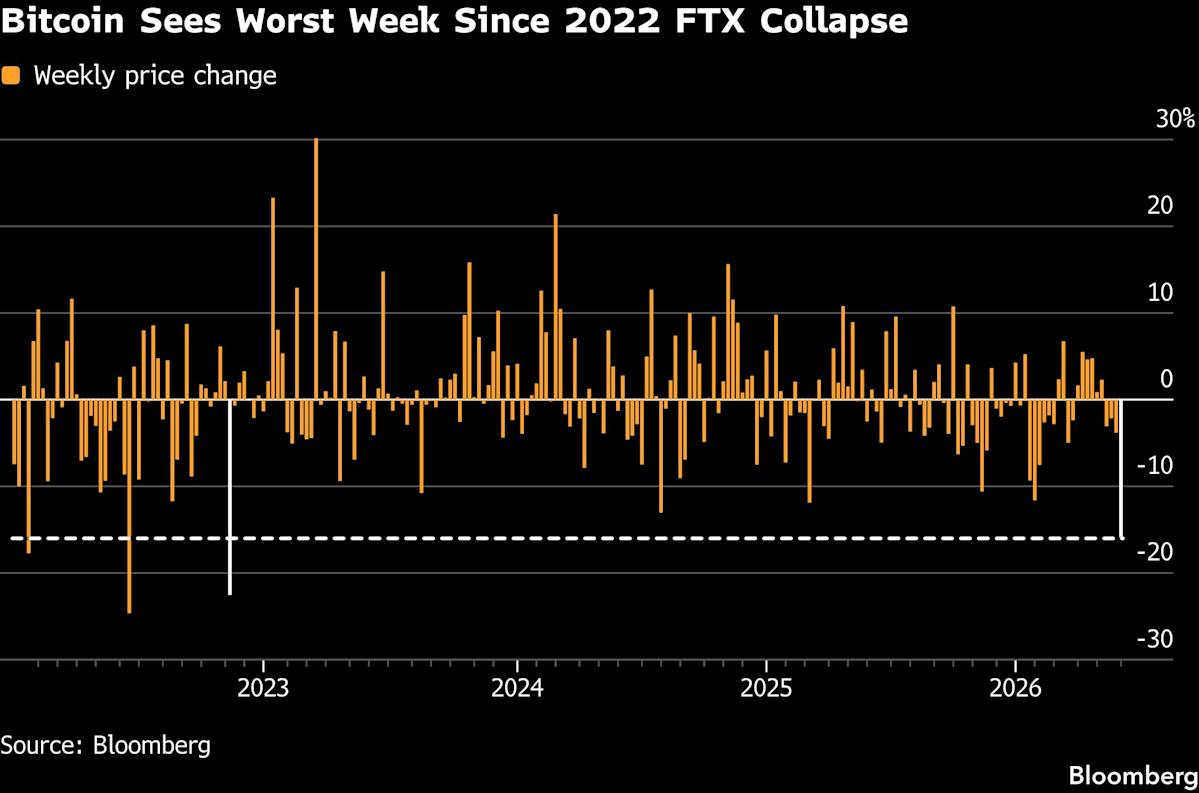
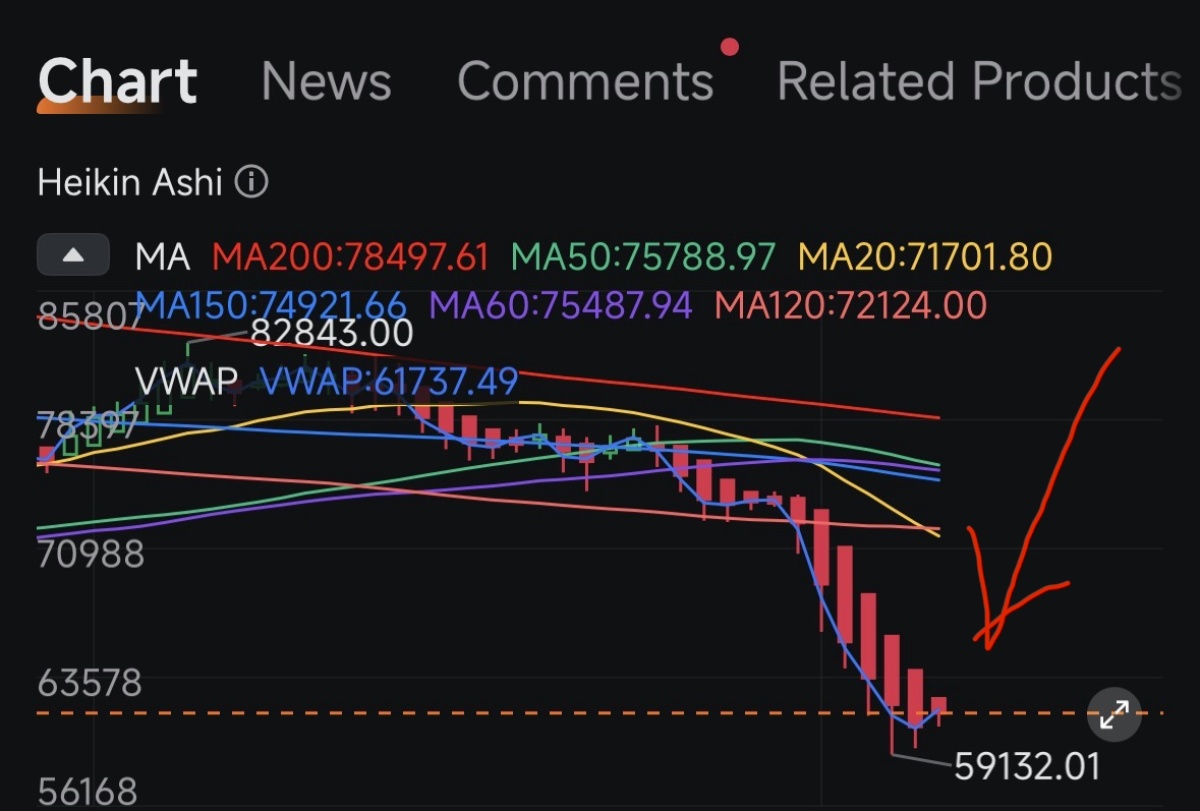
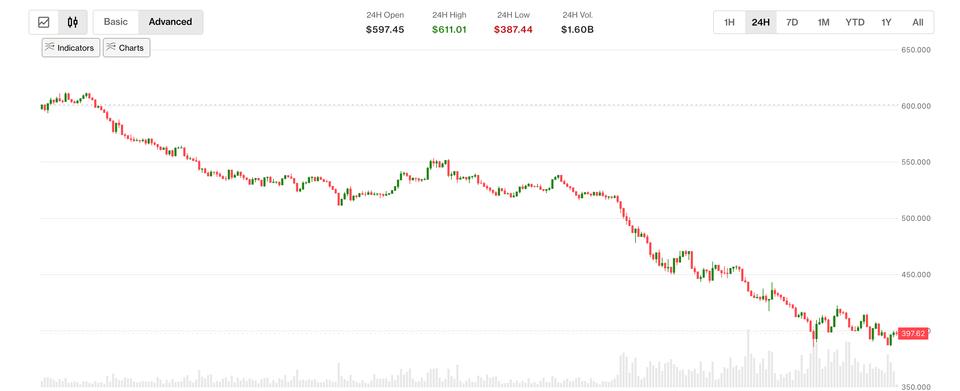
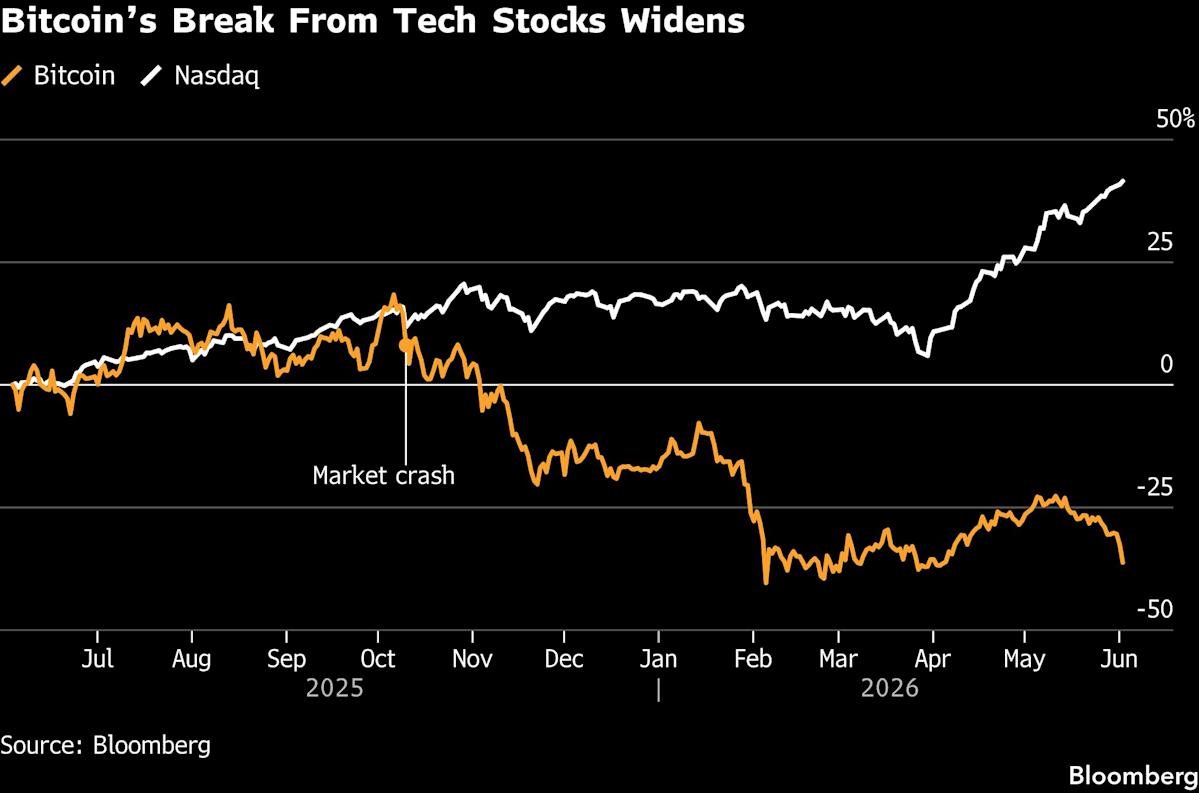
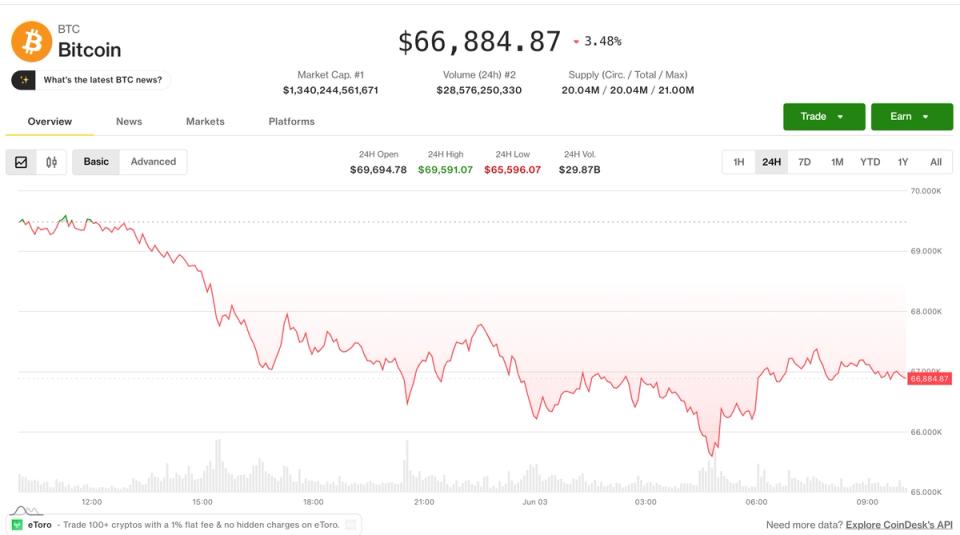
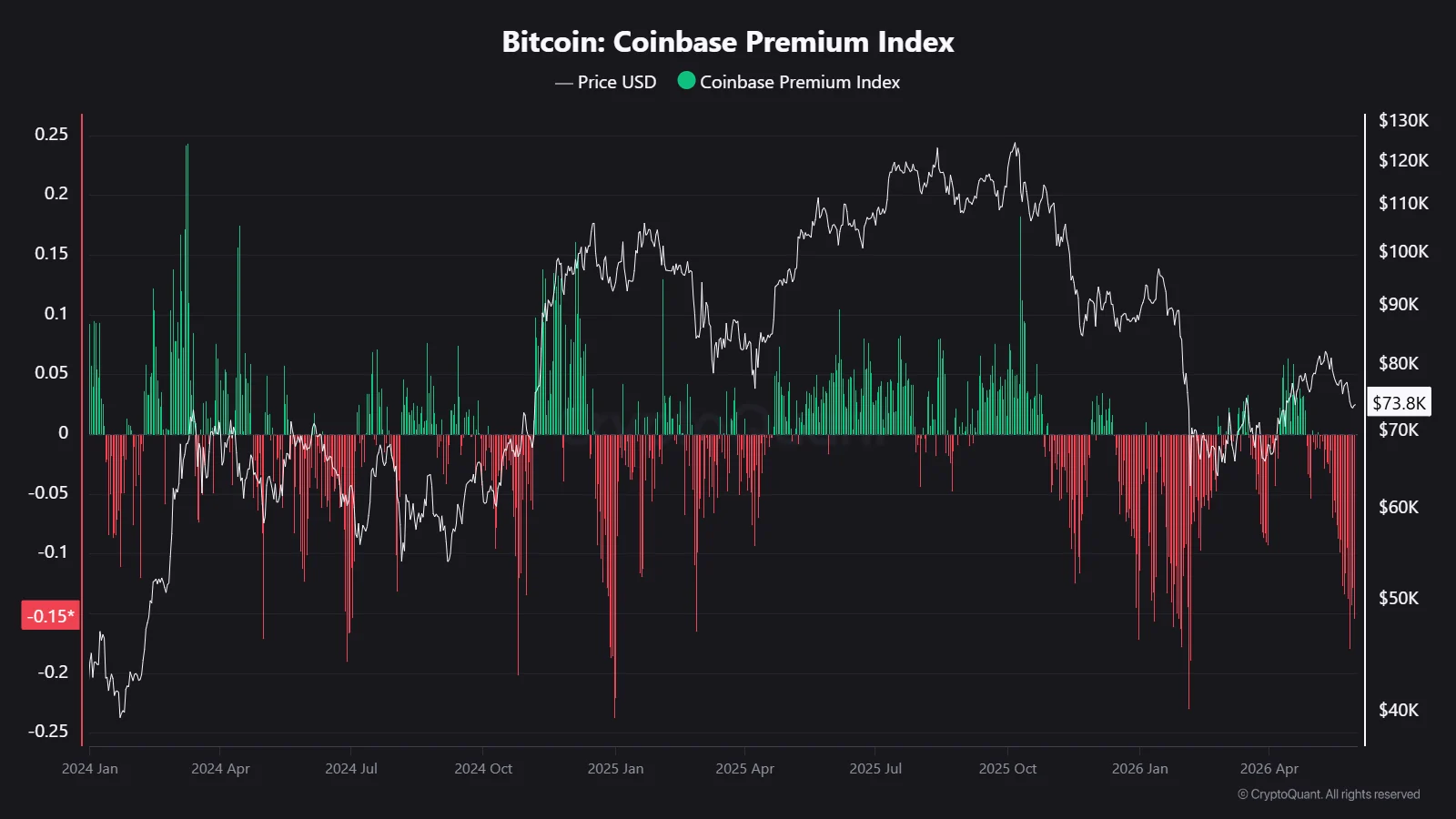
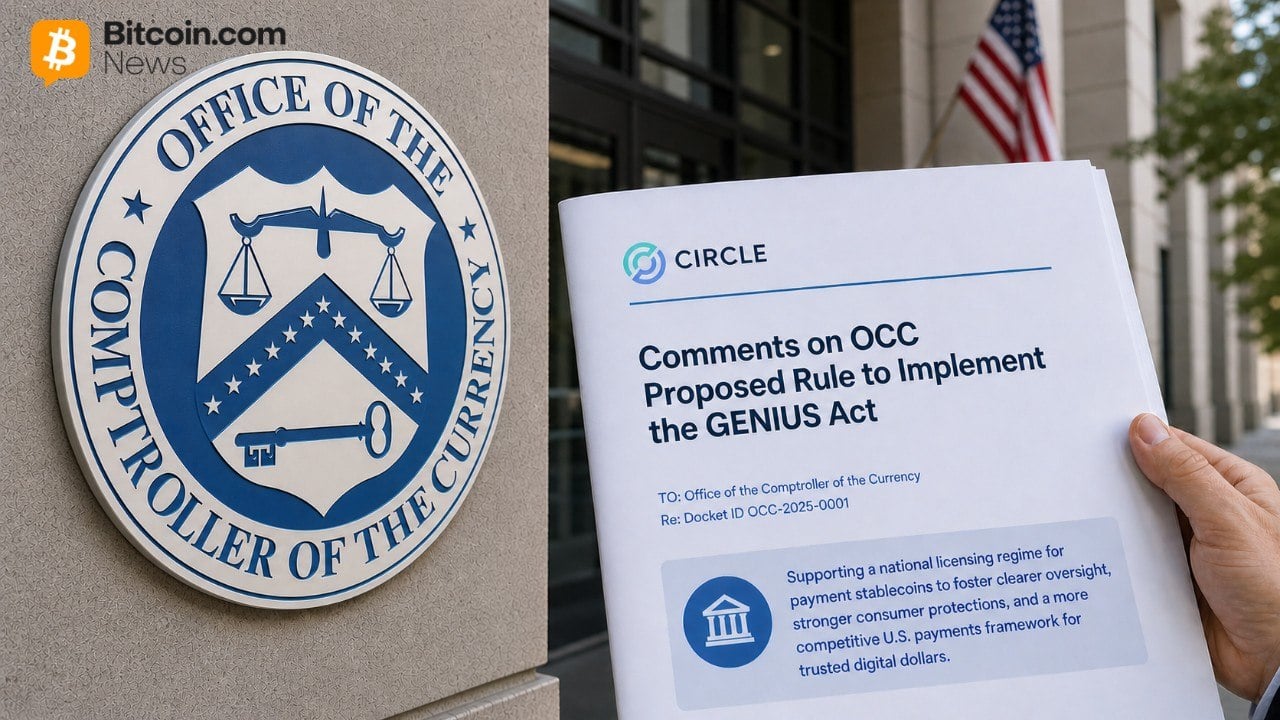
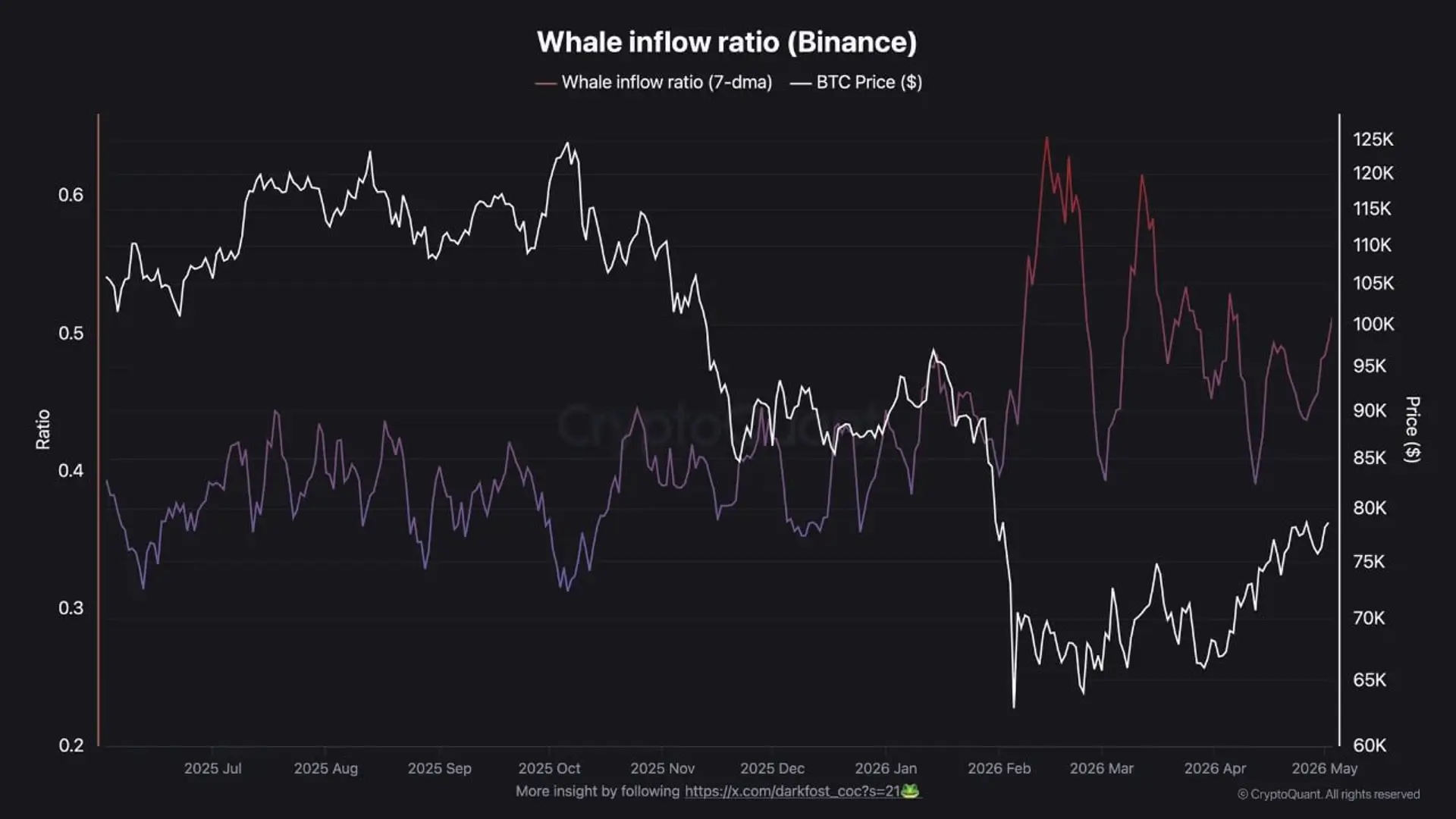
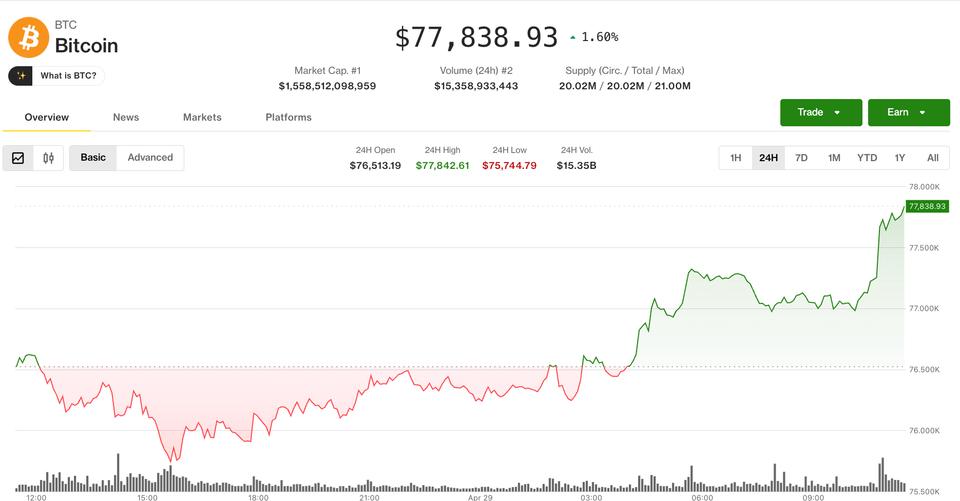
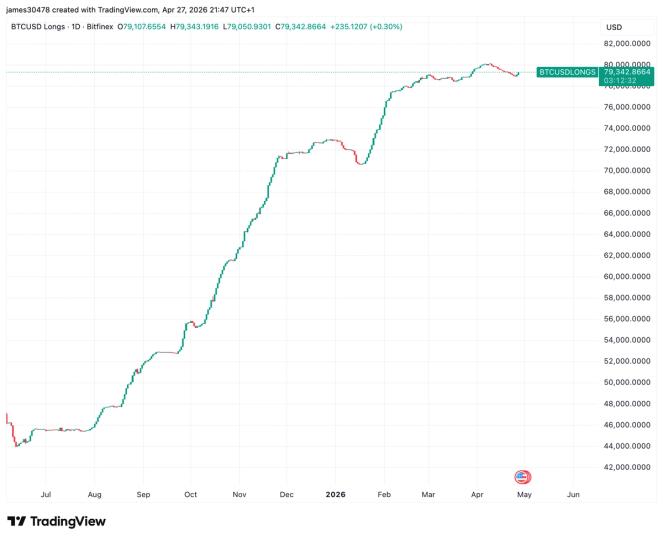
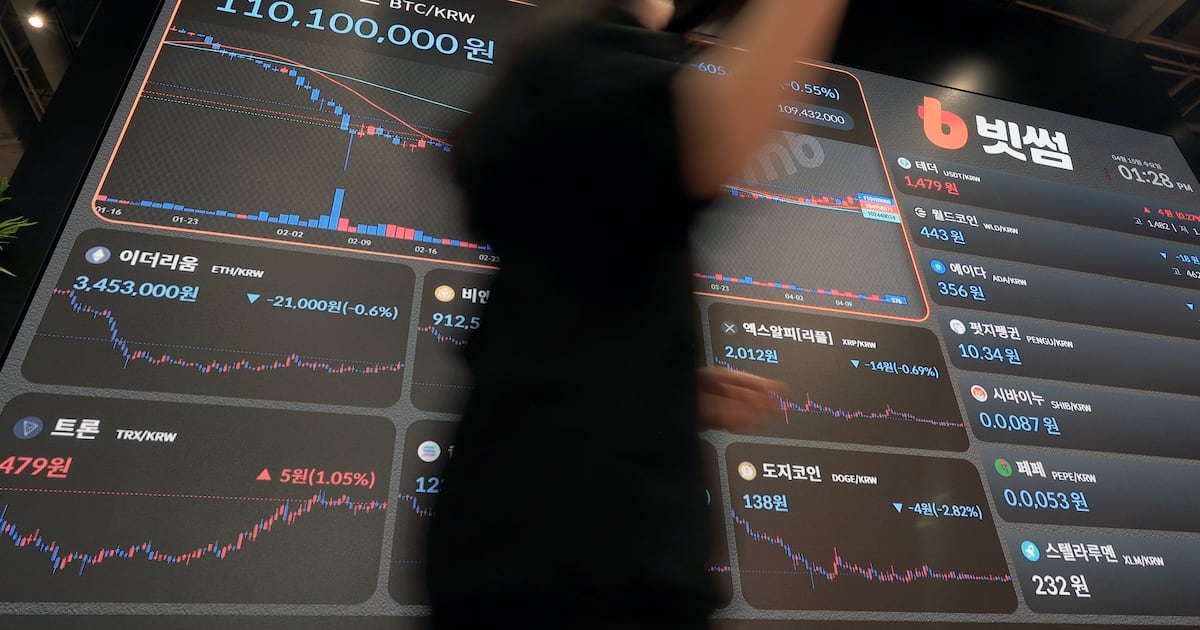
The sector’s typical drumbeat of disruptive headlines has been dampened by bitcoin’s sinking price and the broader crypto market’s ongoing contractions, while the institutional side of blockchain remains stuck in a wait-and-see standstill as U.S. stablecoin rulemaking unfolds.
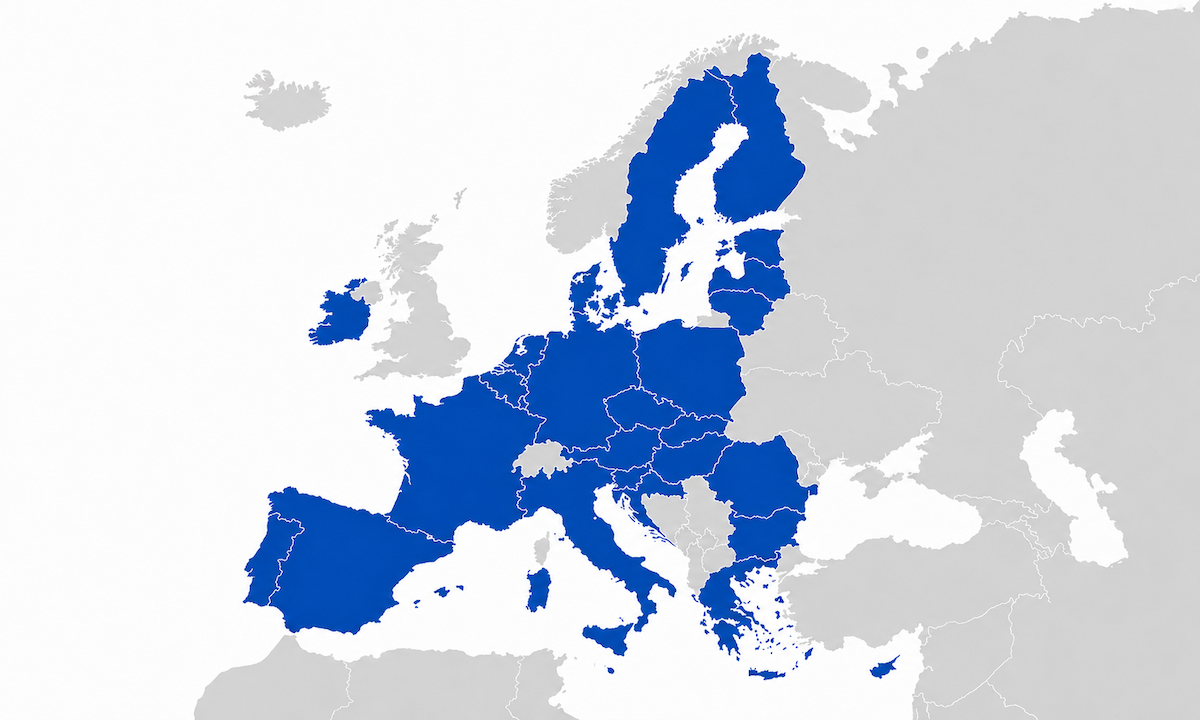
Stakeholders inside the crypto industry and out are being kept on their toes, wondering just what exactly will happen next. Even Europe finds itself caught in a period of crypto transition, as firms await the July 1 implementation of the full Markets in Crypto-Assets regulations (MiCA).
But listeners to “From the Block,” the PYMNTS podcast hosted by CEO Karen Webster and Citi Global Head of Digital Assets, Treasury and Trade Solutions Ryan Rugg, may have already picked up certain clues around the momentum and direction behind digital assets. Over the past several months, discussions with industry leaders have tackled everything from stablecoin adoption and crypto banking to the challenges of consumer protection, interoperability and enterprise deployment; painting a remarkably consistent picture of where the industry is headed.
See also: Nobody Told the ERP That Blockchain Won
What Needs to Happen for a Financial Infrastructure to Take Shape
Recent conversations on “From the Block” suggest the real story is already taking shape beneath the headlines: crypto is becoming an infrastructure business as the conversation shifts away from coins and trading toward rails and treasury operations.
Advertisement: Scroll to Continue
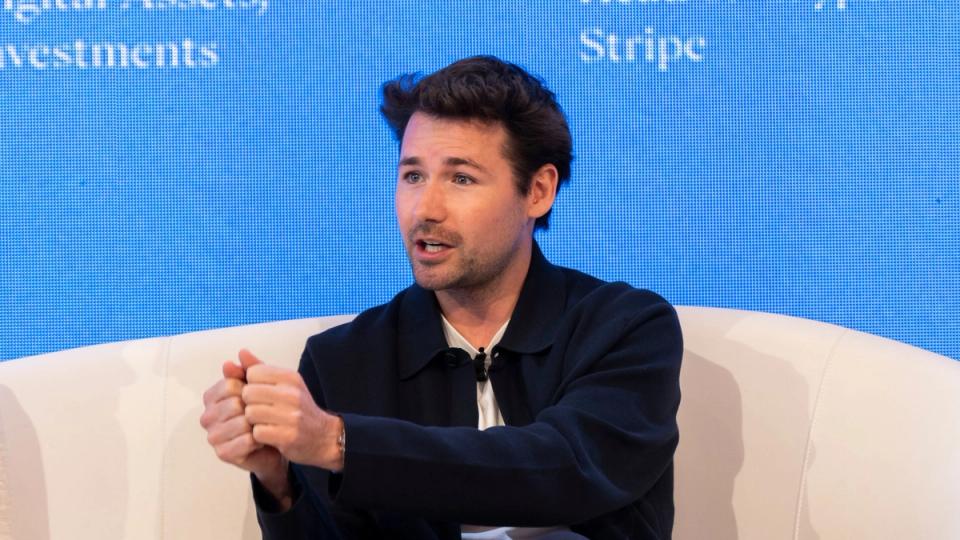
Tempo Go-To-Market Lead Dan Romero argued that cryptocurrency has evolved into what he called a “barbell economy” split between speculative markets and real-world payments rails.
The survivors in digital assets, Romero said, are the businesses focused on a far less ideological problem: moving money better. Many of crypto’s most ambitious consumer experiments, from decentralized social networks to mass-market apps, never gained traction. Romero himself spent years building Farcaster, a decentralized social protocol, before concluding that much of the sector’s consumer vision “didn’t work.”
“Most of what has happened in crypto over the last decade has not really impacted the real world,” he said.
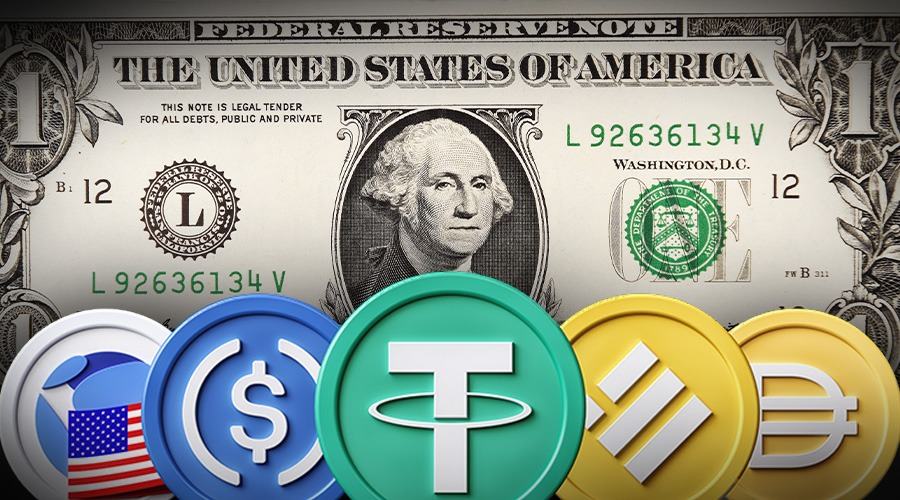
For years, stablecoins were positioned as alternatives to traditional banking systems. Increasingly, however, industry leaders see them as enhancements to existing financial networks rather than replacements for them.
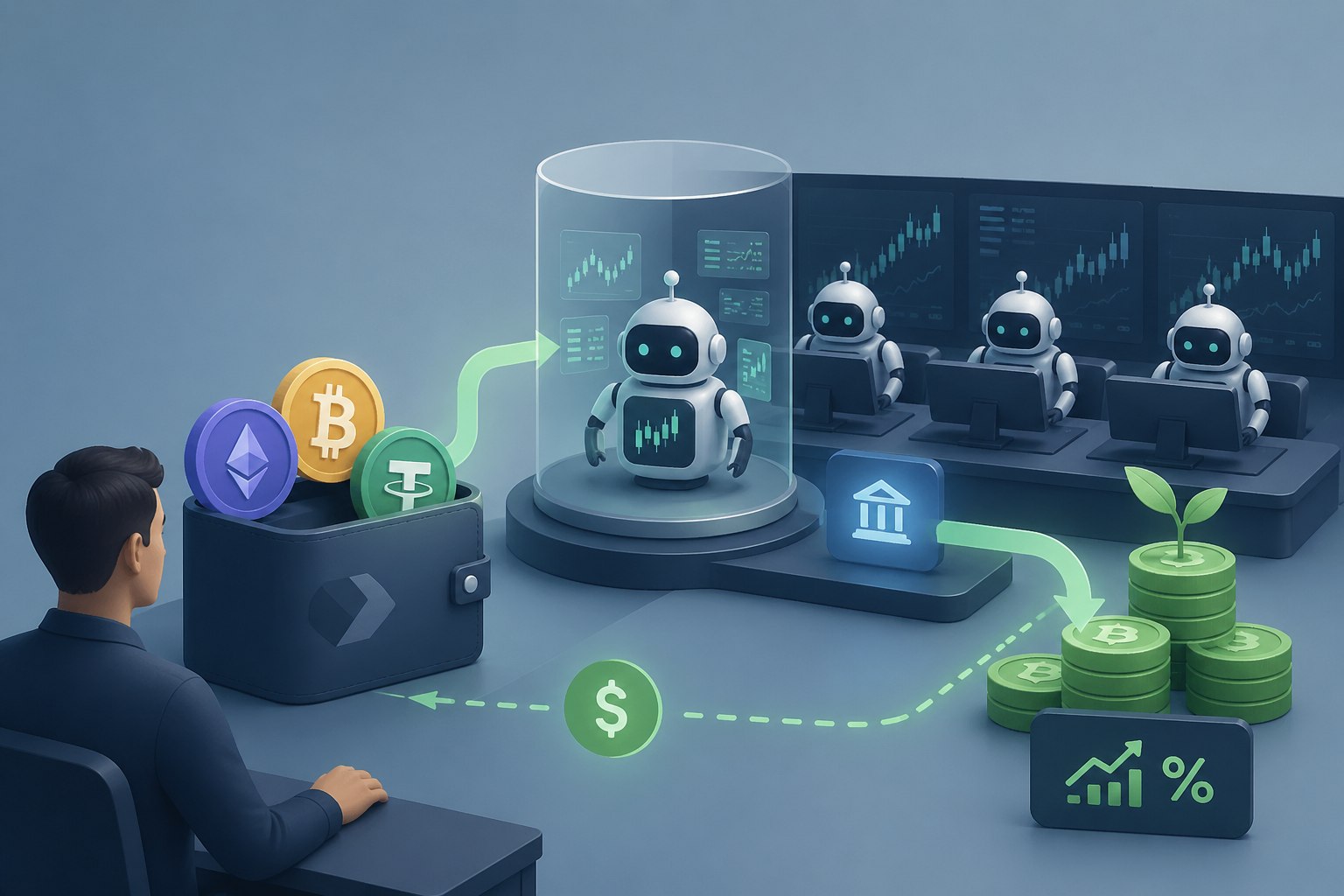
“We think of stablecoins as rails,” Mastercard Executive Vice President of Blockchain and Digital Assets Raj Dhamodharan told PYMNTS. “Each stablecoin can be thought of as a global ACH (automated clearing house), where the consumer doesn’t see the complexity.”
“The technology underneath this is quite powerful,” Dhamodharan said. “But that alone is not sufficient. To unlock the full value, really that orchestration needs to be provided.”
See also: Why Stablecoins Are a Money Story, Not a Consumer Story
Citi’s Rugg pointed out a familiar pattern.
“It’s very reminiscent of what happened in the early 2000s with payment innovators,” she said. “Initially, people thought they were going to put banks out of business. Instead, they ended up running on bank rails.”
The significance of that comparison is difficult to overstate. The question is no longer whether stablecoins will disrupt banking. The question is whether they can make money movement faster, more efficient and available around the clock.
The Clearest Signals on ‘From the Block:’
- First: proliferation. With stablecoin issuers proliferating, consolidation is likely, but the real issue is interoperability. Without it, the industry risks re-creating a siloed banking system.
- Second: systems. Integration into treasury management and reporting workflows is essential, with ERPs becoming a gating factor for blockchain adoption at scale. This is not a bolt-on decision for CFOs.
- Third: mindset. Adoption is becoming a prioritization question for CFOs. Digital assets should solve real pain points, not chase headlines. Institutions that fail to adapt to client needs risk being bypassed.
“CFOs are, rightly so, conservative,” Tanner Taddeo, CEO of Stable Sea, told PYMNTS. “They’re not buying innovation. They’re buying to de-risk something.”
Stablecoins, tokenized deposits and blockchain networks will matter only if they integrate into the systems businesses already use, meet regulatory expectations and reduce real-world friction.
“Removing reliance on intermediaries can help with improving on speed and fiat settlement,” Rugg said, stressing that regulators and industry participants will need clarity on how the new account works, how it will be supervised, and how operations will function.
“The big thing is same risk, same activity, same regulation,” she added.
See more: Stablecoins Are Just Wildcat Banking With Better Wi-Fi
Crypto’s Corporate Reality Check
If the global financial system is measured in the hundreds of trillions of dollars, the opportunity is not simply about crypto adoption. It is about re-platforming the infrastructure beneath payments, assets and capital markets.
“Of all the assets in the world, guess how many are on the blockchain at the moment?” asked Charles Cascarilla, co-founder and CEO of Paxos. “Essentially zero. You can round to zero.”
That sounds like a bear case. Cascarilla means it as a bull one. If the total addressable market is effectively the entire $900 trillion global financial system, the opportunity isn’t “adoption” in the narrow crypto-trading sense, it’s what he calls “re-platforming,” or moving the rails underneath payments, assets and capital markets onto programmable infrastructure.
That vision aligns with a recurring theme throughout “From the Block:” businesses are not asking for blockchain. They are asking for better outcomes.
“Play to your strengths,” Julian Sevillano, a senior advisor at Anchorage, told PYMNTS. “A global treasury bank should modernize treasury operations. A wealth manager should expand product access. The discipline is to define the business case before chasing the technology: “Who could be my client? What would be the product that I could serve? Do I have the core competencies to do that?”
Rugg, whose team is building tokenized deposit products for multinational clients, described a similar design philosophy where clients want better money movement outcomes, not the technical complexity of wallets, keys, reconciliation burdens, or bespoke compliance workflows.
Webster closed the loop. “It all comes back to liability,” she said. “Who bears the risk.”