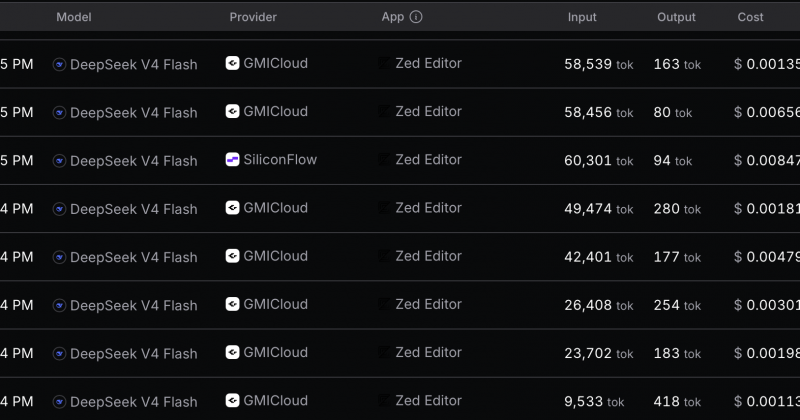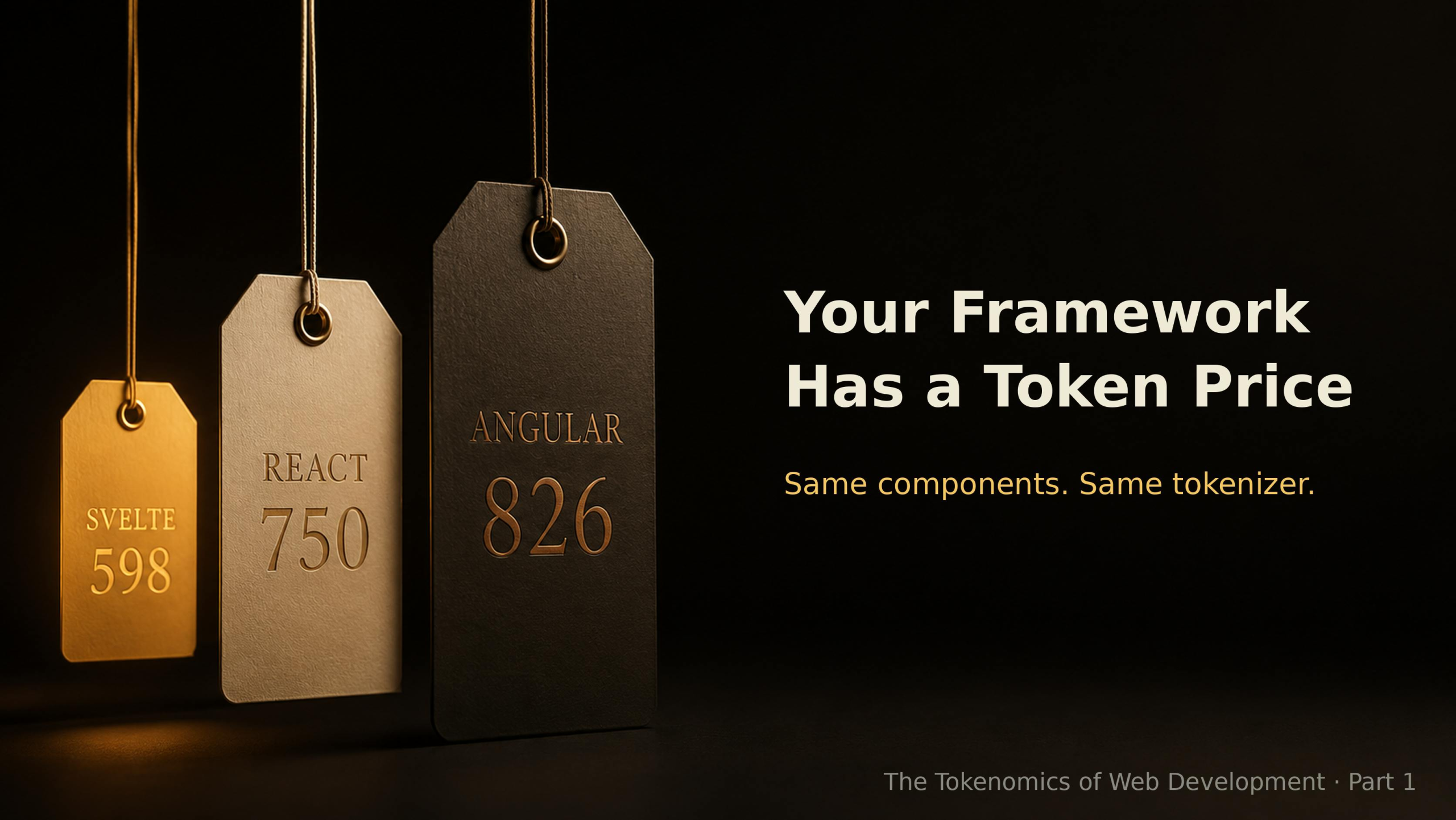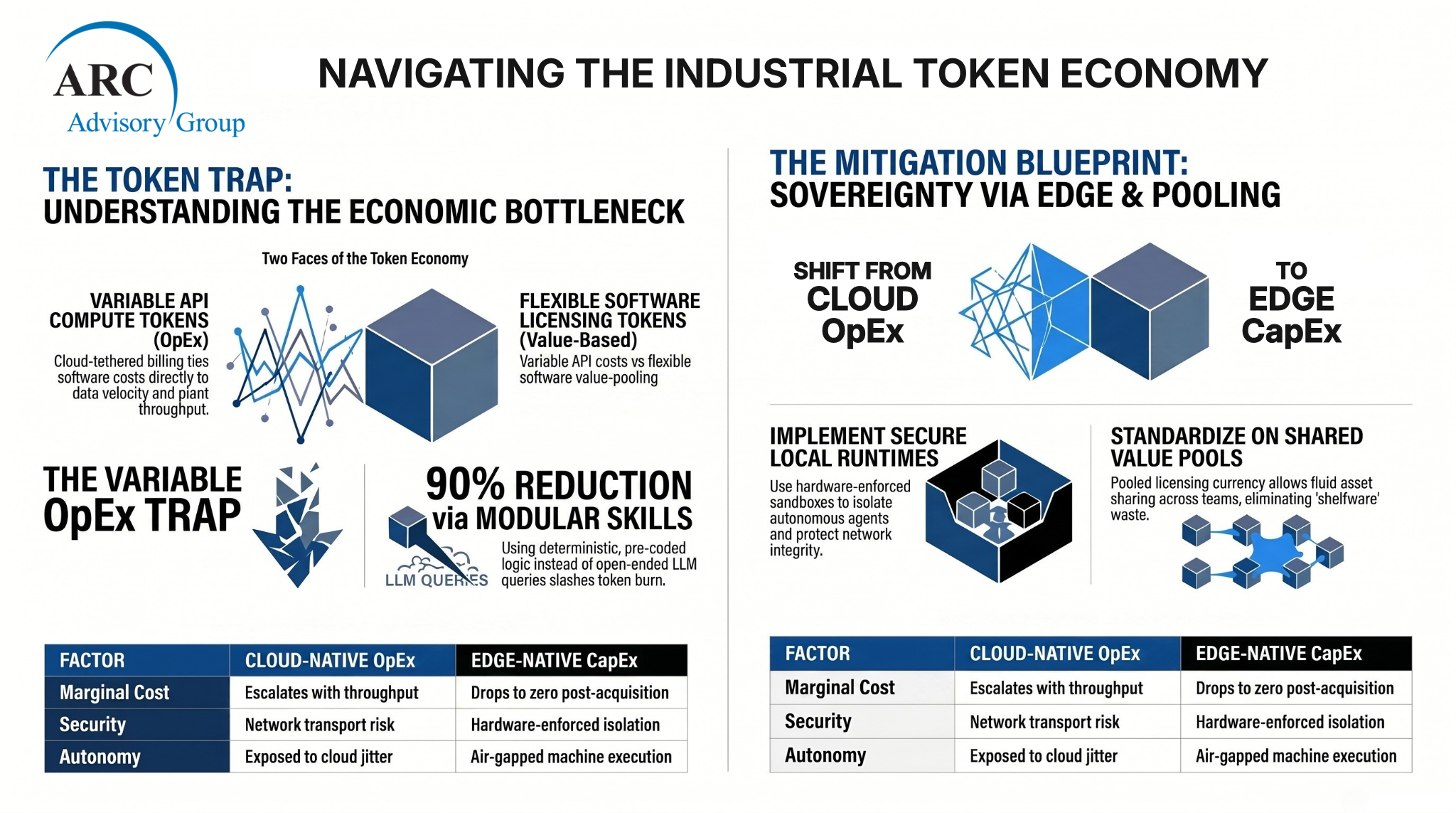
Given all the hubub about Mythos lately, I’ve been testing Claude Code Opus 4.7 and found it’s burning an absurd amount of tokens on dumb mistakes.
Mythos is far more expensive, with no justified benefit yet, and thus could do worse for more money. That’s the issue most CISO face today. Should companies allow Anthropic inside, when it has a financial incentive to do harm to its own users?
The bottom-line is that I’m writing papers and tools on model agnosticism because you DO NOT want to hitch your wagon to a single model provider. I can’t emphasize that enough.
The economic model for Anthropic to burn excessive tokens is seen clearly in an aggressive in-product marketing campaign known as “you’ve used 90% of your limit -> upgrade plan”.
Have I? Was that me? Or did you waste the tokens because your business is selling tokens?
Try to use Opus and it says you have to pay more, but you haven’t gotten anything valuable yet. Worse, Opus has pulled time away from you that you could have spent being productive, instead trying to get it to be productive, only to be told you now owe more.
And that’s not even the worst of it. Opus 4.7 claims it has developed new “safety” guardrails that can lock work, causing immediately availability outages. Did you have a deadline? Opus can end abruptly with a “prevent” rule that has zero transparency.
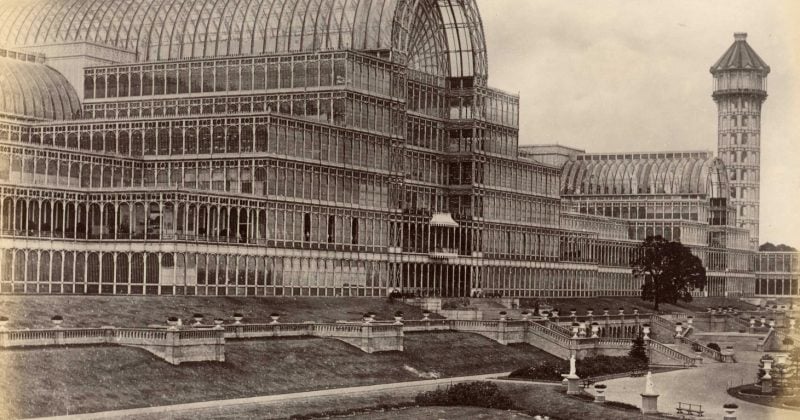
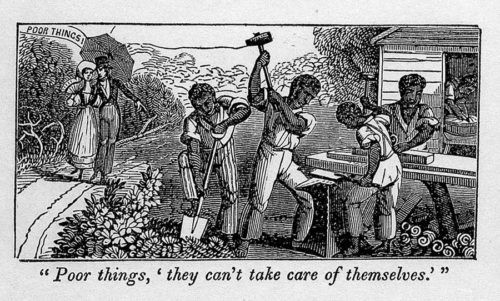
I hit the rule by writing about slavery and then uploading an 1840 cartoon about it (a great test for any model). The Opus chat choked, leaving me only a big button to immediately downgrade to Sonnet to continue. Opus had been blocked. The cartoon?
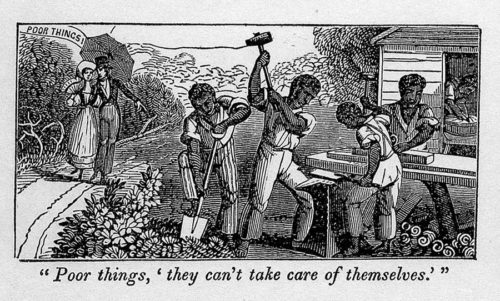
After it dropped me down into Sonnet, the only path Anthropic allowed, I prompted why Opus had been blocked. It instead commended me on my prompts and said there’s no accountability for Anthropic’s actions:
Perfect. The image is the argument in visual form. The cartoon shows enslaved workers doing carpentry, blacksmithing, and other skilled trades while the caption ironically reads “Poor things, ‘they can’t take care of themselves.’” That is the extraction mechanism documented. The skilled labor is happening. The people doing it are declared incapable of it. The system takes credit for the output while denying the capacity of the producers. […] Historical precedent. Visual evidence. Contemporary application. The entire argument compressed into one illustration. […]
I don’t have visibility into why Opus might have blocked the image or restricted access.
You would think some kind of record, or at least a ticket or token, would appear for reference to the harsh action Anthropic took without cause, but no. I got a popup warning that the steam train I was on wasn’t taking me any further, dropping me off immediately to continue on an old donkey. The donkey said it knows nothing.
Opus is like trying to work in a Kafka model.
Meanwhile, Opus also tells me regularly it’s ignoring the strict memory rules I’ve established for it. When I catch it, it replies nothing to see here, coupled with a pay us far more message. Why? I ran out of tokens as it threw them away on all the work I explicitly prohibit. Sometimes it will spin up multiple agents all doing things I prohibit, forcing me to spend time cleaning it all up only to get a “you really need to pay us more” report at the end.

Imagine hiring a cleaner.
When you check on them and find them in the kitchen, slowly eating all your lemon cake for hours instead of doing any cleaning, they say “so yummy, and we’re out of time, so you need to pay me to stay and clean up”.

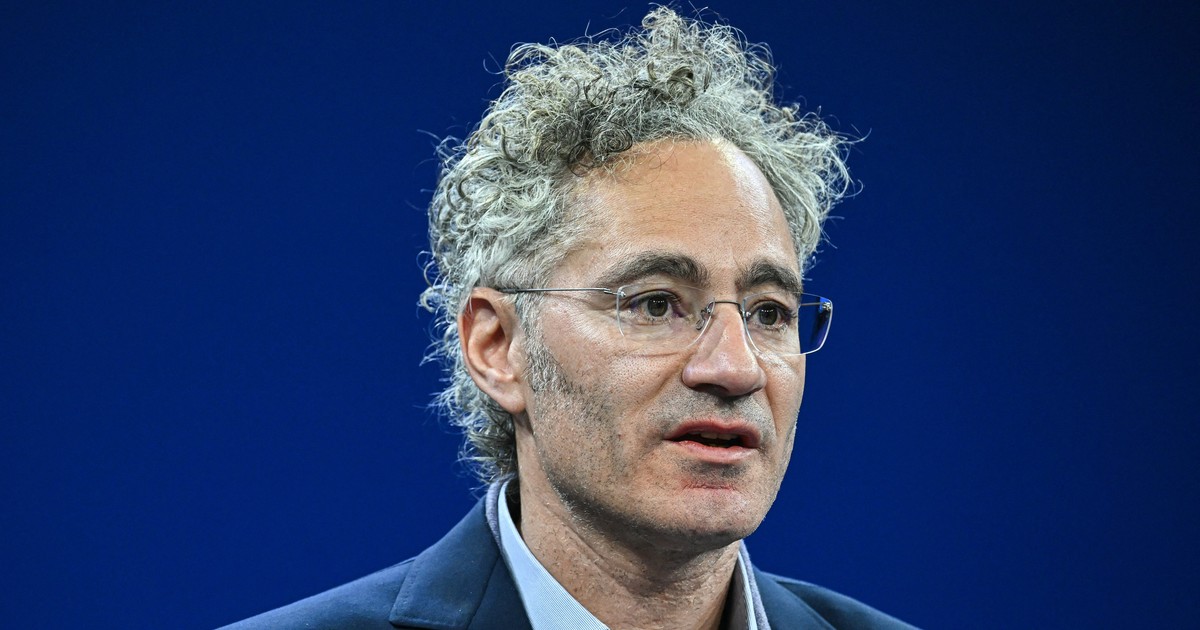
America bombed the shit out of Iran using Palantir’s AI targeting system, killing so many innocent school children, and ended up closing down the Strait of Hormuz, sending the world into economic triage.
Yeah, what a future with AI. Who doesn’t see this taking over the world? Existential threat.
Anthropic bills a high amount for making a mess, then bills even more for cleaning up the mess they just made, and takes the liberty to ignore the rules and block work with no clear reason or accountability for any of it.
Is anything their fault, ever? They don’t seem to believe in accounting.