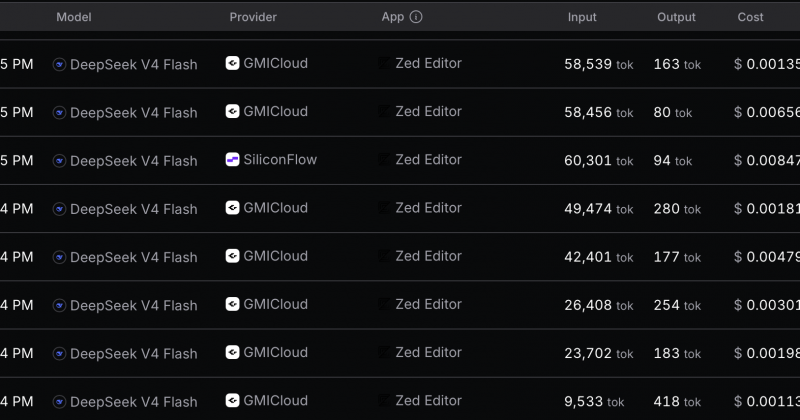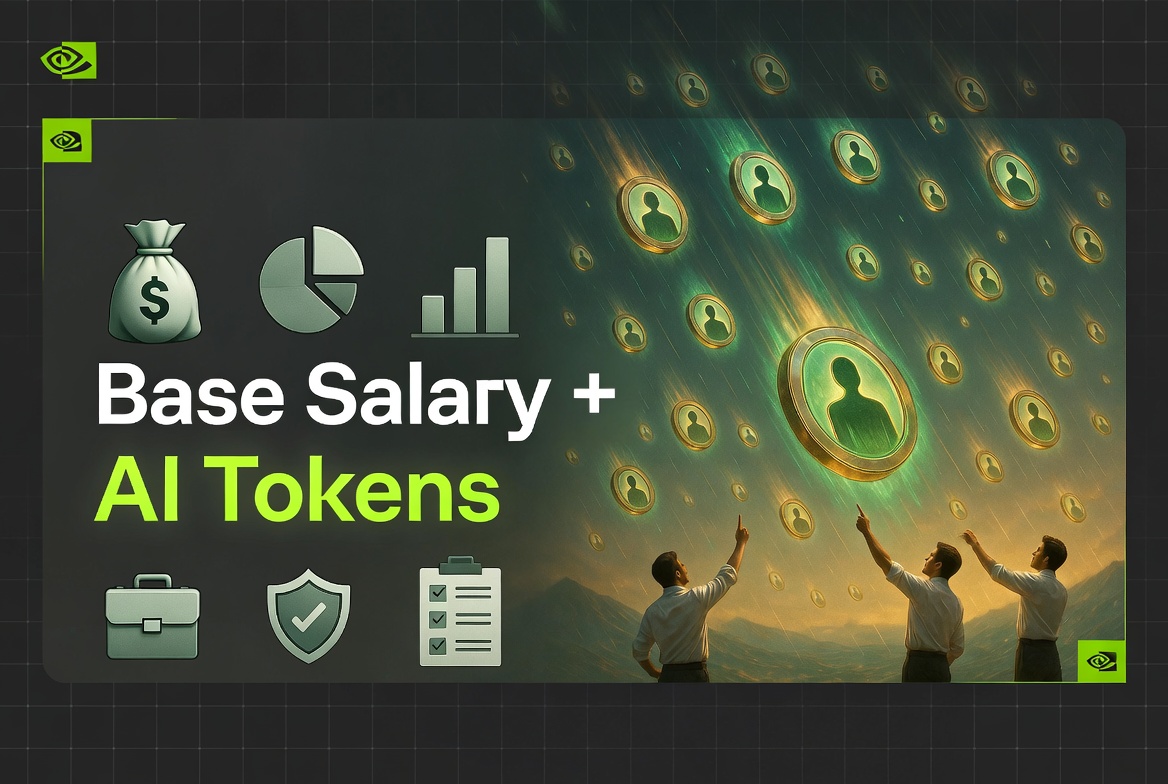
Mercor is putting a hard number on a question every AI company is starting to face: when agents do real work, their token bills start to look a lot like payroll.
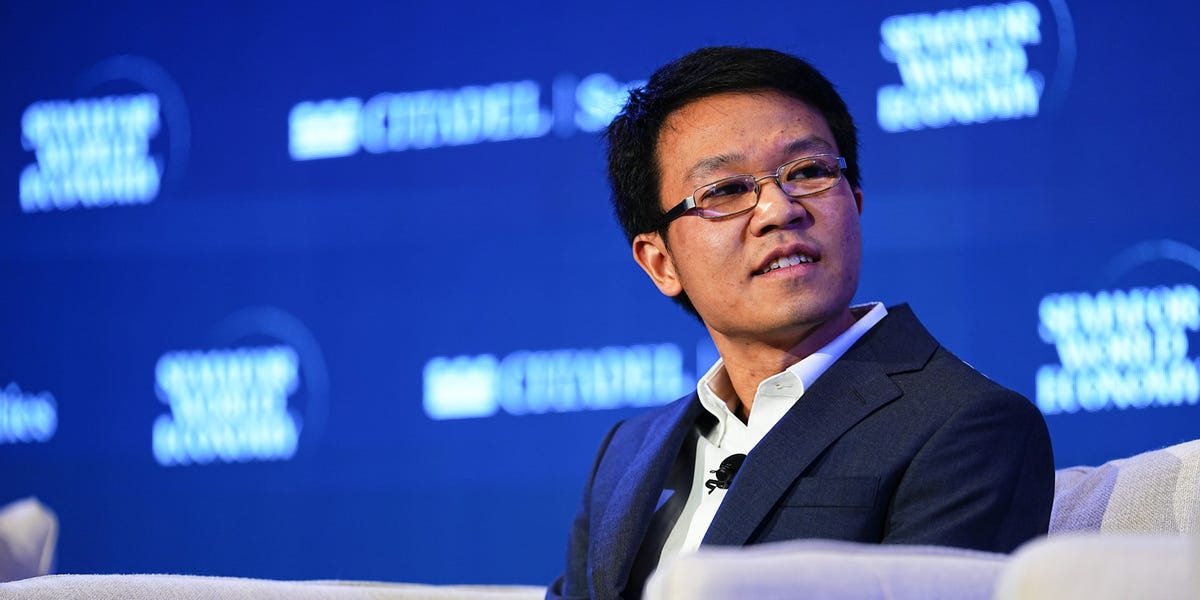
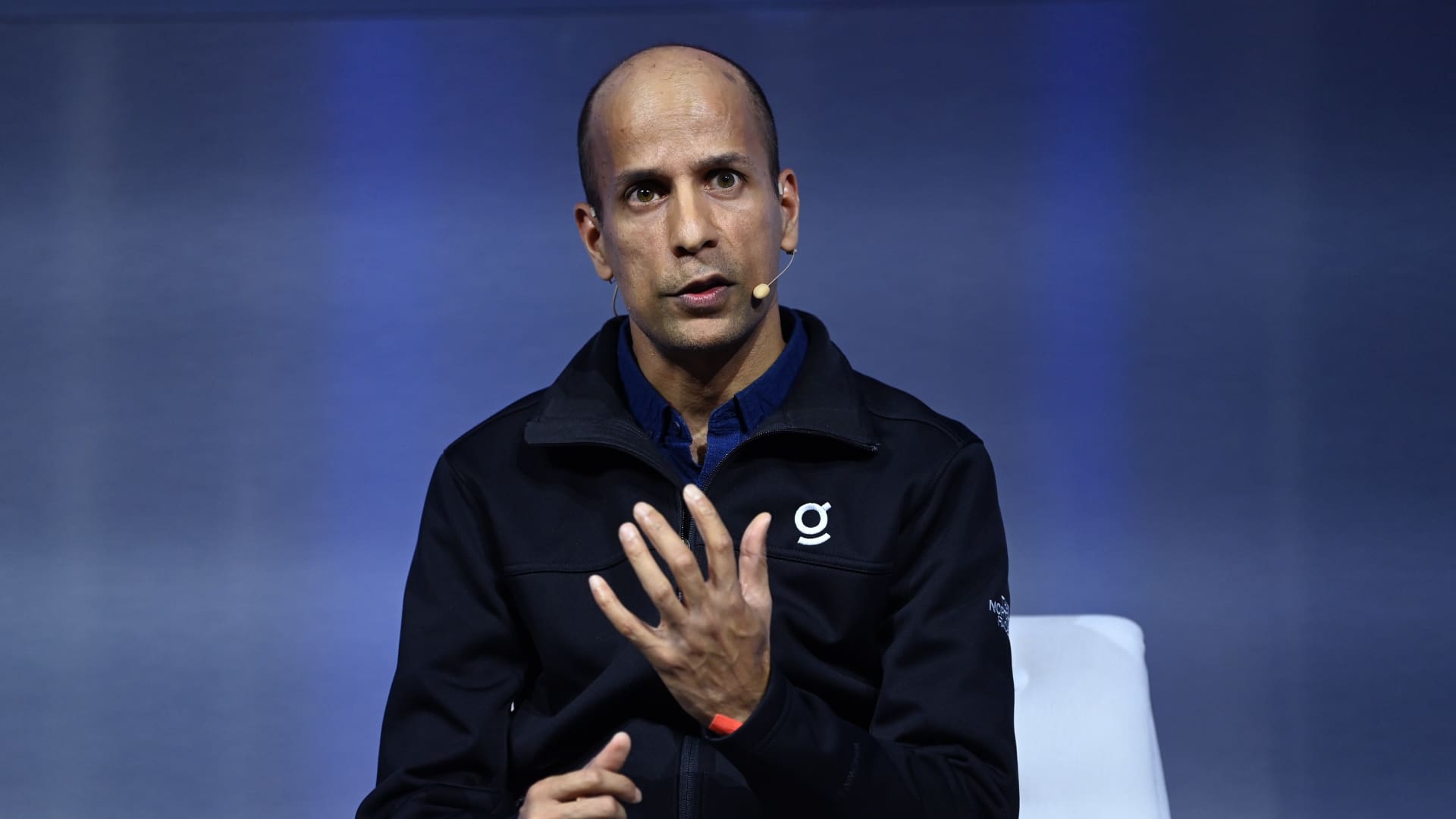
Mercor CEO Brendan Foody has given the AI spending debate a useful jolt by saying the company now spends more on inference tokens for its internal AI agents than it does on employee salaries. That is not a small claim from a startup built around the future of work, model training and expert labor.
The point is not that Mercor has found an expensive new software habit. The point is that AI-native companies may be moving into a cost structure where headcount is no longer the cleanest way to measure operating leverage. If agents are doing research, screening, coding, workflow management and evaluation inside the business, the labor line does not disappear. It partly moves into model usage.
According to a June 1 summary of Foody’s 20VC appearance, Mercor’s internal token spend already exceeds its employee salary costs. The same summary described Mercor as operating at more than $1 billion in annualized revenue and paying roughly $3 million a day to its talent network. Those figures matter because Mercor is not experimenting from the sidelines. It has become one of the more watched companies in the AI data and labor market, with TechCrunch previously covering its $10 billion valuation and its role connecting AI labs such as OpenAI and Anthropic with specialized contractors.
For years, the easy story around AI was that software would reduce the need for people. The first version of the shift looks messier. Companies are paying employees, contractors, cloud providers and model companies at the same time. In Mercor’s case, the unusual part is that the internal model bill has reportedly crossed the salary line already.
This creates a different kind of startup arithmetic. A traditional software company tries to scale revenue faster than headcount. An AI-native company may need to scale revenue faster than a blend of employees, contractors and token consumption. That sounds simple until agents are left running across long tasks, repeated evaluations, customer operations and internal tooling. Consumption pricing turns usage into a moving target.
There is also a cultural signal here. If a company encourages employees to use agents aggressively, a rising token bill can look like progress. It may mean more workflows are being automated and more people are learning how to manage agentic systems. But it can also mean nobody has connected spending to output clearly enough.
Mercor sits in the middle of that tension. Its business depends on the idea that expert human work can be converted into training and evaluation systems for AI. It pays lawyers, doctors, bankers, consultants and other specialists to help improve models. Internally, it appears to be taking the next step by allowing agents to absorb more of the work that would traditionally be done by salaried employees.
Uber Shows The Other Side
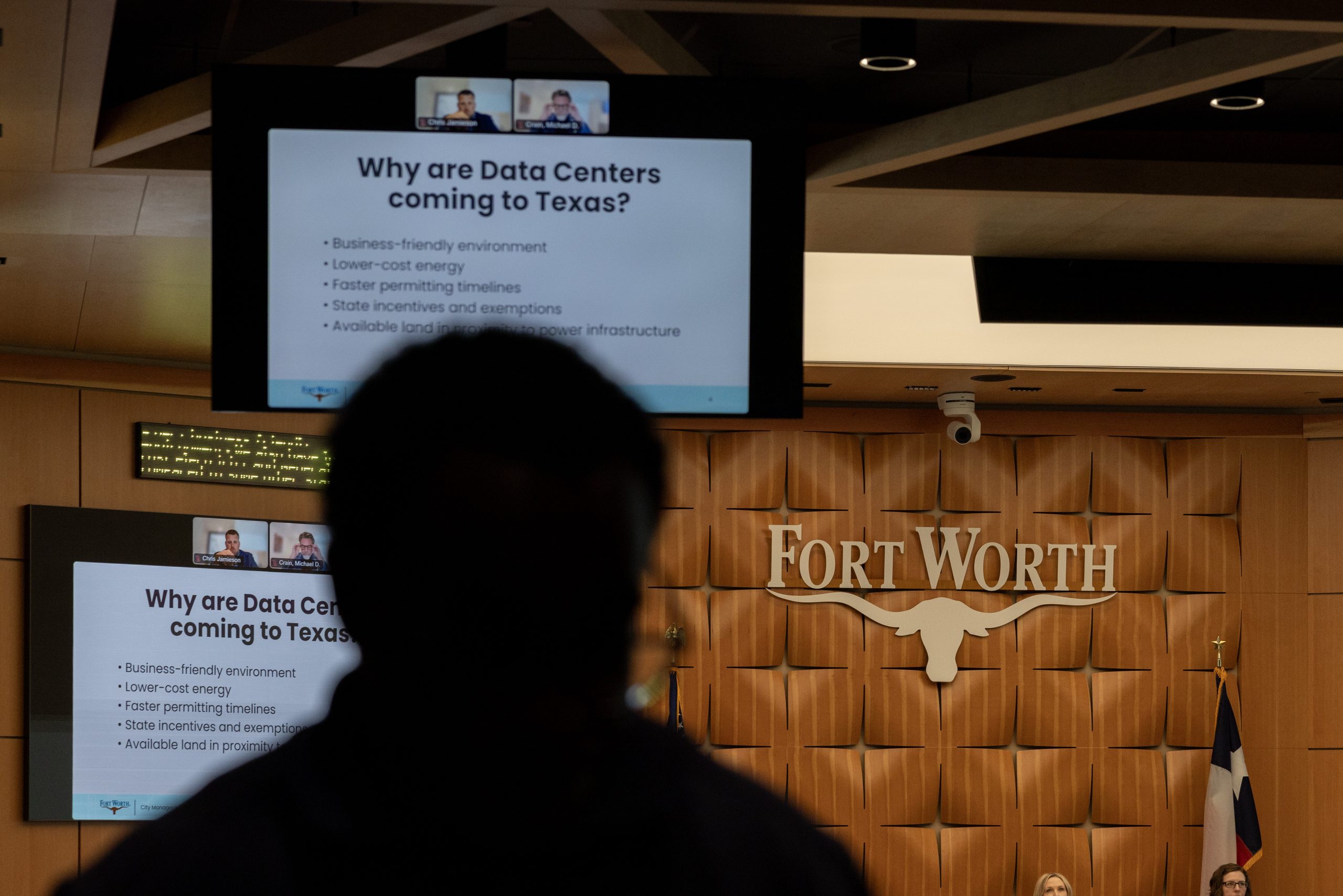
The contrast with Uber is useful because it shows what happens when AI usage moves faster than budget discipline. On June 2, TechCrunch reported that Uber had placed a $1,500 monthly cap per employee and per agentic coding tool, including Claude Code and Cursor, after the company blew through its annual AI budget in four months. The cap can be exceeded with permission, but the message is clear. Usage alone is no longer enough.
Uber’s experience is especially important because its problem was not lack of adoption. It was the opposite. The company encouraged staff to use AI heavily, tracked usage through internal dashboards and, according to earlier reporting cited by TechCrunch, ranked teams by AI usage on internal leaderboards. That kind of incentive can make sense when the goal is to move a large engineering organization into a new toolchain. It becomes risky when the metered cost of every extra agent run is still poorly understood.
Uber COO Andrew Macdonald has also questioned how directly the company can connect AI usage to new consumer-facing features. That is the practical issue every board and CFO will care about. More tokens do not automatically mean better products. More generated code does not automatically mean faster shipping. More internal agents do not automatically mean a leaner organization.
This is why Foody’s claim lands at the right moment. Mercor is treating token spend as a sign of where labor is going. Uber is treating uncontrolled token spend as a budget problem that needs governance. Both can be true. The companies that win will probably be the ones that measure agent output with the same seriousness they apply to hiring plans, cloud bills and sales efficiency.
What To Watch Next
The next phase of AI adoption will be less about whether employees use agents and more about which agents deserve to keep running. Companies will need workflow-level evaluations, model routing, spending caps, internal dashboards and clear rules for when a task should use a frontier model instead of a cheaper alternative. That sounds like plumbing, but it will shape the economics of AI businesses.
Mercor’s reported token bill is a warning and a signal. It suggests that AI-native startups may reach a point where model costs become a core operating expense, not a line item hidden inside cloud infrastructure. For investors, that changes how margins should be read. For founders, it changes how teams should be designed. For workers, it shows that the future of labor may involve managing agents as much as competing with them.
The market should watch whether Mercor can turn that spending into durable productivity, not just impressive usage. If it can, token-heavy operations may become a new form of leverage. If it cannot, the next wave of AI startups will learn a familiar lesson in a new language: a big bill is only exciting when it buys something real.
Also read: Cyera is testing how far AI security valuations can run • Nous Research brings Hermes Agent out of the terminal • Uber puts AI coding agents on a monthly budget