Qingcheng Jizhi debuted at the 2026 WAIC Shanghai Expo, partnering with domestic computing providers to launch an innovative “front store, back factory” Token model. The event unveiled a new ATM professional Token management tool, integrating with the AI Ping platform to bring together over 30 service providers and more than 600 model services. Leveraging proprietary products such as the Quchi inference engine and Bagua Furnace series, Qingcheng Jizhi has built a comprehensive technical system spanning Token production, intelligent orchestration, and real-world application, helping to reduce costs and improve efficiency for domestic AI computing.
Author and source: AI New Era
The 2026 World Artificial Intelligence Conference (WAIC) officially opened from July 17 to 20 at the Shanghai World Expo Exhibition & Convention Center. Following its debut in 2025, which garnered significant industry attention, Qingcheng Jizhi returned as an exhibitor, setting up its booth at H1 Pavilion, D1-1230. Collaborating with multiple domestic AI computing partners, Qingcheng Jizhi introduced an innovative “front store, back factory” Token model, unveiled its new professional Token management tool, ATM (Agent Token Manager), and partnered with the developer community to create a Token Lounge, integrating online and offline experiences to deliver a comprehensive Token ecosystem space.
Qingcheng Jizhi is a professional one-stop end-to-end Token solution provider. The core team originates from the Department of Computer Science at Tsinghua University and has built a comprehensive technical system encompassing compute optimization, standardized Token production, intelligent routing and scheduling, and terminal deployment, powered by proprietary technologies including the Chigu Inference Engine, AI Ping Intelligent Scheduling Platform, and the Baguālú software series. The company continuously enhances the production and utilization efficiency of domestic heterogeneous Tokens, delivering low-cost, highly stable, and controllable one-stop Token services to developers, SMEs, and government and enterprise institutions.

Offline first-ever Token “front store, back factory” immersive Token experience
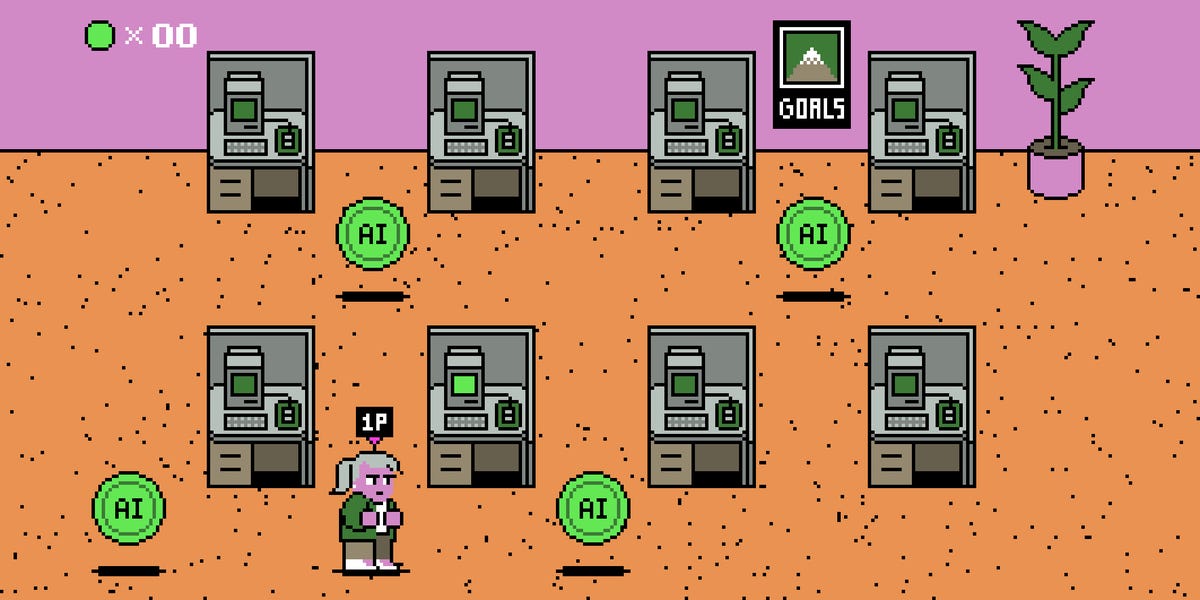
Unlike traditional exhibitions that feature static technology displays, this event, jointly created by Qingcheng Jizhi and its core computing power partner Liantai Cluster, presents an immersive, interactive two-scene experience—“front store, back factory”—with visualized Tokens. It transforms the abstract logic of Token production and circulation into tangible, experiential, and engaging offline environments.
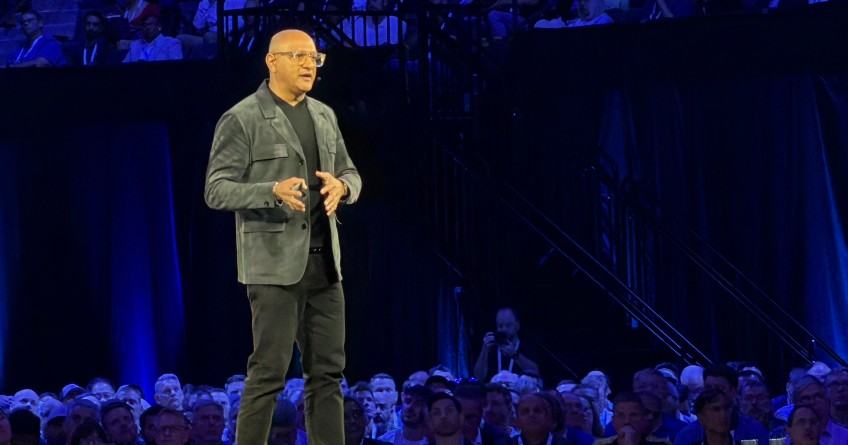
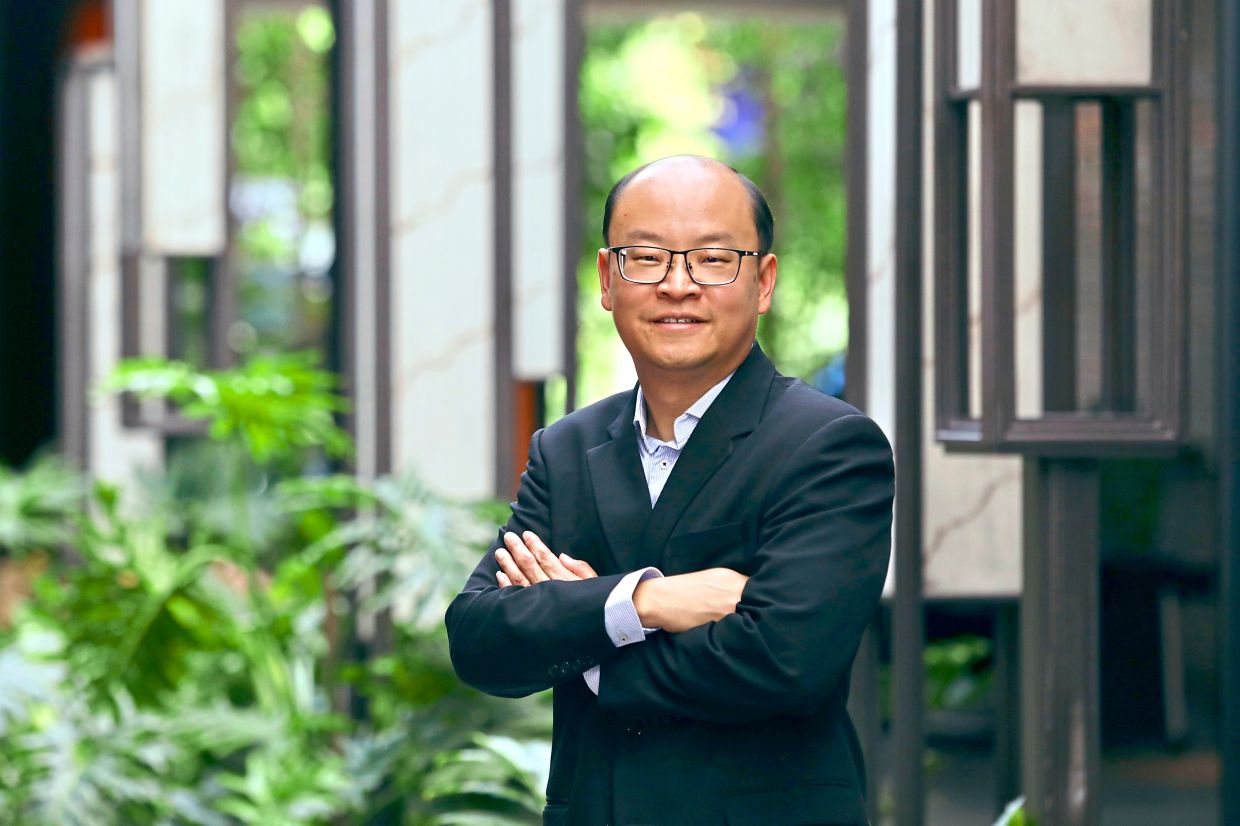
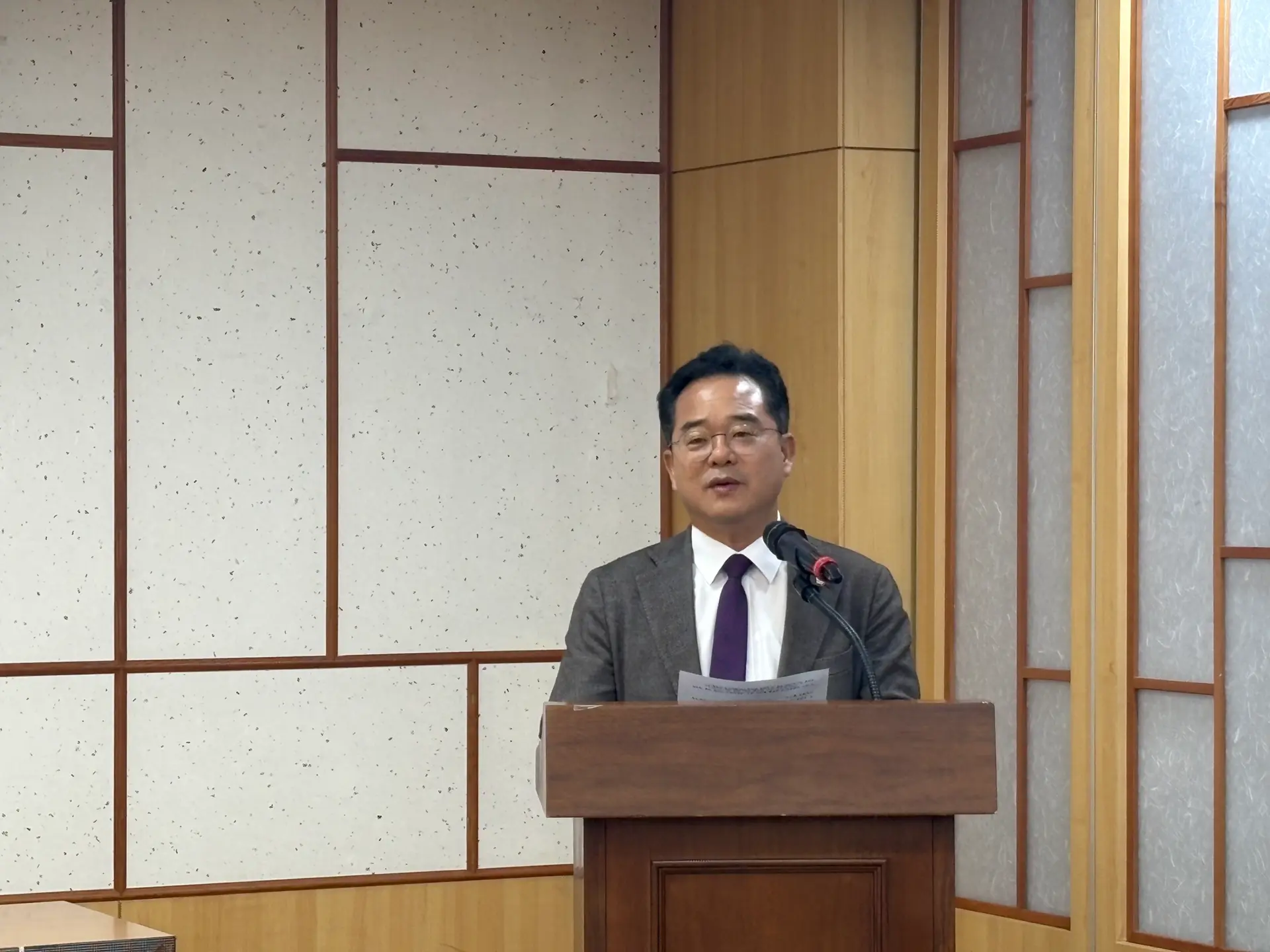
Shi Tianhui, Co-founder of Qingcheng Jizhi, said: “In previous industry events of this kind, exhibitors typically relied on static posters and text templates to list complex technical specifications—content that is highly specialized and difficult for the general public to understand. Given the inherently high technical barriers of the AI infrastructure sector, there is naturally a gap in public comprehension. At WAIC 2026, we aim to break down the barrier between professional content and the general audience by transforming Qingcheng Jizhi’s proprietary end-to-end Token service into an interactive, hands-on, and immersive experience. Whether they are industry professionals, university AI researchers, or beginners interested in AI, visitors will be able to quickly grasp the underlying logic of Token generation, distribution, and scheduling, clearly understand the core value of Token services, and bring AI compute infrastructure out of niche circles and into the public eye—allowing more ordinary people to personally experience the allure of underlying AI compute flow.”
The exhibition hall is divided into two functional zones:
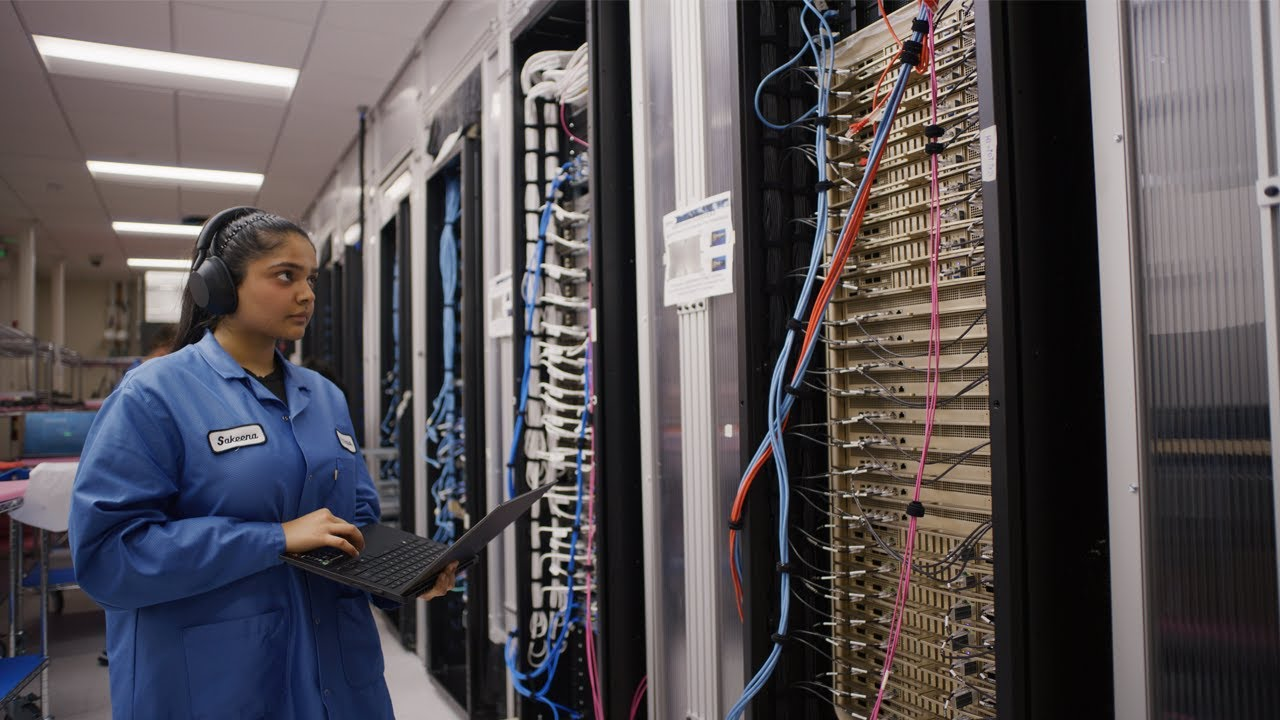
Houchang—Token Factory, the core computing infrastructure for the end-to-end AI experience in the exhibition area. Qingcheng Jizhi, in collaboration with industry partners including Hygon, Huawei, Liantai Cluster, Muxi, Suanyuan, and Taichu, has built a standardized hardware computing cluster. Leveraging its proprietary Quchi inference engine, the platform significantly enhances computing efficiency, improves the utilization of domestic computing power, and boosts Token production efficiency, ensuring continuous high-performance Token production and stable supply, thereby providing a complete, self-developed software and hardware foundation for the front store—Token Store.
The front store—Token Store—is the core physical experience zone for AI Ping. The online AI Ping platform has now gathered over 30 service providers and launched more than 600 model services. Powered by our proprietary millisecond-level intelligent routing technology and supported by 24/7 real-time performance evaluations, the platform dynamically matches the optimal models and computing resources to consistently deliver high-performance Tokens with stability, low latency, and cost-effectiveness—solving users’ challenges in model selection, multi-provider management, and Token invocation all in one place. The exhibition features multiple hands-on interactive tasks, allowing visitors to directly experience the full process of Token invocation and intelligent routing—easy to explore, fun to engage with, and deeply immersive. Exclusive Token experience cards are also available on-site, embodying the message: “Buy Tokens, visit aiping.cn”—comprehensively meeting diverse Token procurement and invocation needs.
Collaborate with CSDN to launch a dedicated AI Agent live stream, establishing a sustained technical exchange ecosystem.
To break through geographical limitations of offline exhibitions and reach a vast number of developers and AI startup teams nationwide, Qingcheng Jizhi is deeply collaborating with China’s leading developer community, CSDN, to launch a dedicated online live stream during the exhibition.
We invite leading project managers, frontline R&D engineers, and technology professionals from high-quality AI Agent projects in the industry to share insights. Topics span education, tourism and culture, youth development, 3D creation, software development, and more, with real-world case studies from self-developed products across various verticals. Participants will share practical experience throughout the entire process of AI Agent product development and commercialization. Online viewers can ask questions in real time, gaining valuable industry implementation insights from the comfort of their own homes to help developers iterate on their projects and achieve successful commercialization.
The all-new ATM Token management tool is officially launching, completing the critical component of granular Token management.
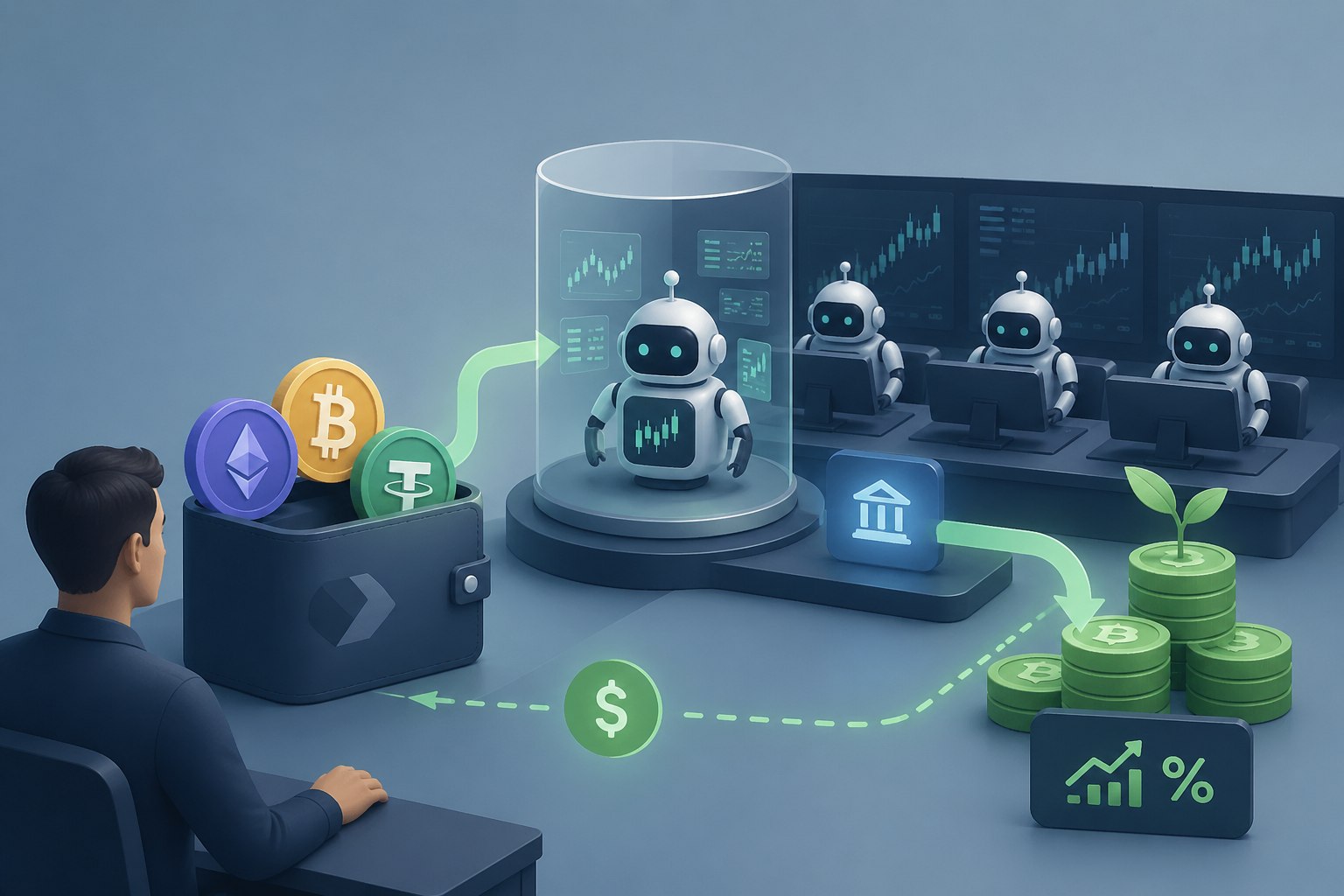
At this exhibition, Qingcheng Jizhi also showcased its local Token management tool—ATM (Agent Token Manager). ATM serves as an intermediary between Agents and Token service providers, centrally managing all Token service requests and offering capabilities such as unified key management across multiple platforms, traceable Token consumption details, Agent behavior logging, usage quota control, intelligent model routing, automatic fault recovery, and local cache optimization.
Three proprietary products build the end-to-end technical foundation for a “one-stop Token service”
In 2025, Qingcheng Jizhi made its debut at the World Artificial Intelligence Conference 2025, prominently unveiling two core products: the Bagua Furnace Training System and the Chitu Inference Engine. The company has deeply focused on the AI computing infrastructure sector, fully unlocking the potential of heterogeneous computing power through its integrated training-inference software stack, thereby strengthening the foundational infrastructure for domestic artificial intelligence and enabling large models to achieve low-cost, scalable development. This also lays a robust production foundation for the anticipated Token surge in 2026. In 2026, demand for Tokens experienced explosive growth; the company proactively launched the AI Ping all-in-one Token service platform and the Bagua Furnace series of agents at the beginning of the year. At this year’s WAIC, it also premiered the ATM local Token management tool. With this, Qingcheng has now established a comprehensive, fully self-developed product ecosystem covering the entire industrial technology chain: “Token Production—Token Circulation—Token Application Deployment.”
Chitu Large Model Inference Engine (Token Production底层)
Chitu is a production-grade inference engine jointly open-sourced by Qingcheng Jizhi and Tsinghua University, serving as the foundational token generation layer of the entire system. It is a native inference engine designed specifically for domestic computing power, fully compatible with both domestic hardware such as Huawei, Hygon, and Moxi, as well as mainstream international computing platforms. Leveraging underlying operators, compiler-level optimizations, quantization, and other technologies, Chitu delivers superior inference performance compared to general-purpose open-source solutions, enabling efficient execution of the entire DeepSeek model series on a single machine. It supports a wide range of mainstream large models and multimodal models across parameter scales from 0.6B to 1T. In response to the growing popularity of Agent tools, Chitu has implemented dedicated optimizations for Agent tool invocation.
AI Ping Intelligent Scheduling Platform (Token Liquidity Hub)
AI Ping serves as the central token liquidity hub connecting computing power providers with end users, offering an all-in-one online token service platform. By integrating via a unified API interface with over 600 models from 30+ service providers, the platform delivers objective, real-time model performance data through continuous 24/7 evaluations. Coupled with its proprietary intelligent routing algorithm, AI Ping automatically matches the most cost-effective token resources based on task requirements. Real-world testing shows that integrating with the platform reduces API invocation costs by over 37%, increases throughput by more than 90%, and decreases latency by over 20%. It comprehensively addresses industry challenges such as frequent platform switching, difficulty in model selection, and poor service stability for developers and enterprises, enabling efficient and accessible token resource circulation.
Bagua Furnace Full Series Tools (Token Implementation Vehicle)
The Bagua Furnace series serves as the practical vehicle for integrating Tokens into diverse industry business scenarios, comprehensively covering three product layers: agent development, local computing hardware management, and end-to-end software. The Bagua Furnace Agent is a proprietary enterprise-grade agent developed by Qingcheng, providing standardized intelligent capabilities for all business scenarios of government and enterprise B-end clients. The Bagua Furnace Intelligent Workstation is an enterprise-grade intelligent computing delivery platform built specifically for the Agent era. The Bagua Furnace Intelligent Software Stack is an all-in-one AI software delivery platform offering efficient end-to-end services covering large model training, inference, quantization, and application deployment.
Shi Tianhui, Co-founder of Qingcheng Jizhi, stated that with the rapid development of the AI industry, tokens—as core resources for running large models and AI agents—must be standardized in production, efficiently circulated, and applied at low cost to drive the large-scale deployment of AI.
In addition to static displays and interactive experiences at their booth, the Qingcheng Jizhi team also participated in several major industry forums during the exhibition, including the WAIC 2026 Large Model Forum, China Telecom’s AI Ecosystem Forum, the Open Computing Industry Ecosystem Forum, the Token Economy Chip Ecosystem Forum, and the Large-Scale Domestic Computing Power Implementation Forum, collaborating with leading industry enterprises and experts to explore the future development pathways of domestic computing power, token economies, and the AI agent industry.
At this year’s WAIC, Qingcheng Jizhi comprehensively demonstrated its end-to-end capabilities spanning Token generation, standardized Token supply, intelligent scheduling optimization, refined governance, and developer ecosystem empowerment, marking the company’s establishment of a complete AI Token industrial service system covering “compute infrastructure—technology engine—scheduling platform—management tools—scenario deployment.” This provides a new practical model for the scalable, commercial, and ecosystem-driven development of accessible AI in China.