The Financial Conduct Authority has set out new landmark rules for crypto, setting out clearer standards for the buying, trying, and holding of crypotcurrencies.
All firms must meet financial resilience requirements including capital and stress testing. The FCA is also introducing new market integrity rules covering areas such as insider trading and market manipulation.
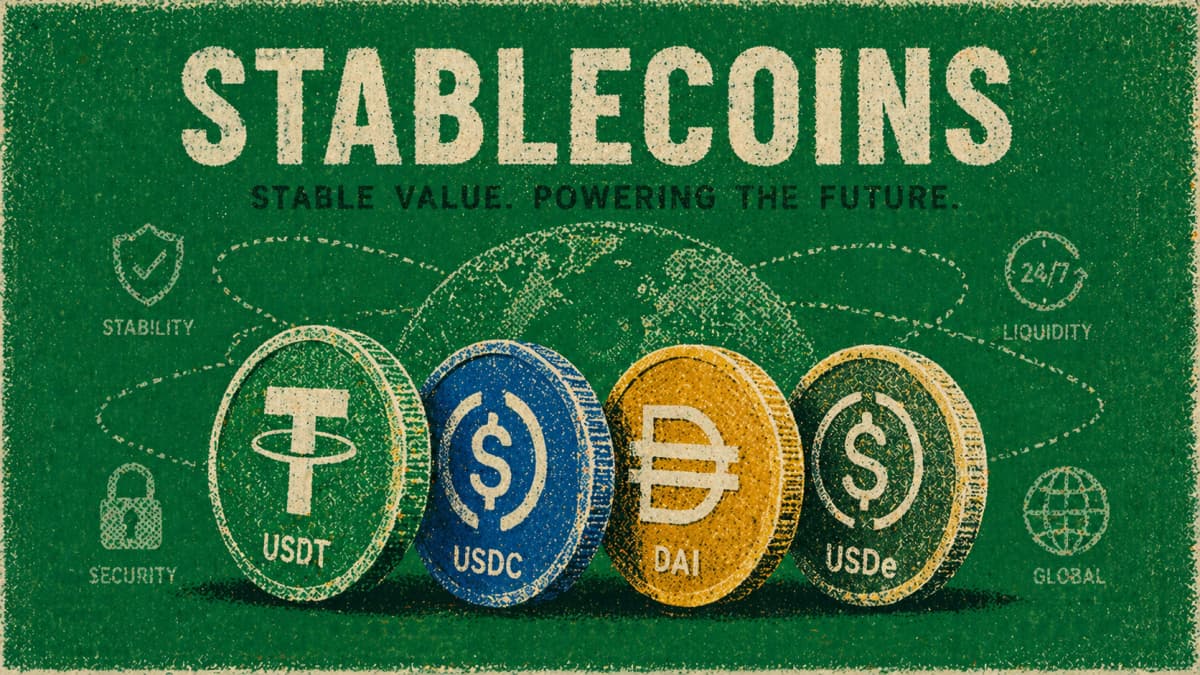
The new framework also sets out specific rules for stablecoins, a type of cryptoasset designed to maintain a stable value, typically by being linked 1:1 to a fiat currency such as the pound. Stablecoins will be subject to clear, strong and transparent standards, helping to build trust in how they are used over time.

Following consultation, the FCA has simplified key elements of the standards to make it more workable in practice including simpler capital requirements for stablecoin firms and tailoring trading rules to better reflect how crypto markets operate.
The FCA drew upon international best practice, applying established financial services standards where risks are comparable, including the Consumer Duty.
“This is a significant moment for crypto regulation in the UK,” David Geale, executive director of payments and digital finance at the FCA said.
“We’ve created a framework that doesn’t force firms to choose between regulatory certainty and room to innovate – this regime means they can have both in a stable, competitive home to build and grow.
“For consumers, it means firms will be held to similar standards to other financial providers, though we can’t regulate away risk.”
Legislation in February 2026 brought cryptoassets into the FCA’s remit, marking one of the most significant expansions of the regulator’s oversight in years. Until the new rules come into effect in October 2027, the FCA’s oversight of crypto will continue to be limited to financial promotions and anti-money laundering controls.
Crypto firms, including trading platforms, intermediaries, custodians, stablecoin issuers, and firms arranging staking must obtain FCA authorisation to operate in the UK.
The FCA is encouraging firms to prepare now and make use of its pre-application support meetings available from July.
Firms can apply for authorisation between 30 September 2026 and 28 February 2027, so they are ready to start or continue to trade under the new mandatory regime which will come into force on 25 October 2027.
Crypto remains high-risk and consumers should understand what protections apply before investing. The new rules set by the FCA provide the foundation for a more sustainable and trusted crypto market in the UK.
Commenting on the new regulations, Zumo’s Founder and CEO Nick Jones said: “Regulation must be proportionate if the UK is to compete on the international stage, and it’s therefore important that the FCA has reduced its planned capital requirements for stablecoin issuers and lifted its blanket disclosure rule, removing the requirement for smaller companies and firms with less risky activities to publicly disclose their capital requirements. Such moves show the regulator has listened and taken the time to address valid industry concerns.
Recommended reading
“However, firms will soon be regulated to the same stringent standards as UK financial services and will rightly be expected to show the same behaviours.
“They will need to meet rigorous benchmarks for backing assets, safeguarding, redemption, and operational resilience, as well as effectively manage AML/KYC, liquidity, reconciliation, and third-party dependencies. They will also have to conduct annual stress tests, proving they can withstand major market shocks and economic strain.”
Deep Patel, Partner & UK Payments Lead at global management and technology consultancy Capco said: “The FCA’s crypto rules are a significant step towards bringing digital assets into the mainstream UK regulatory framework.
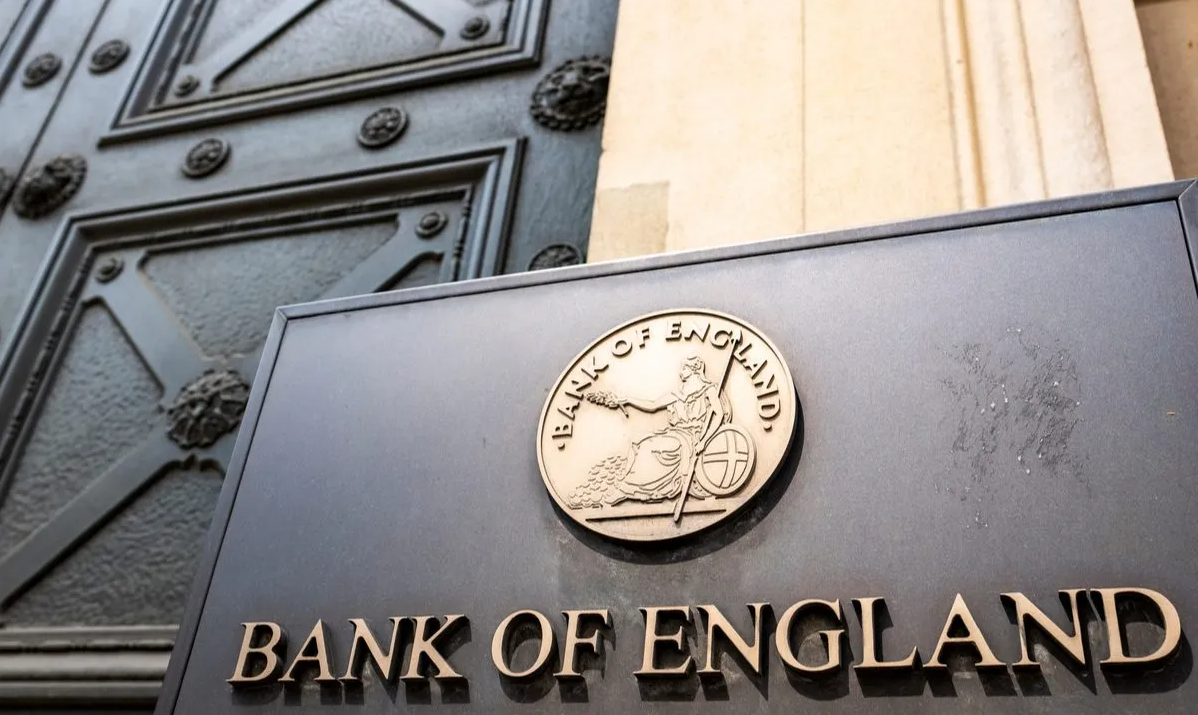
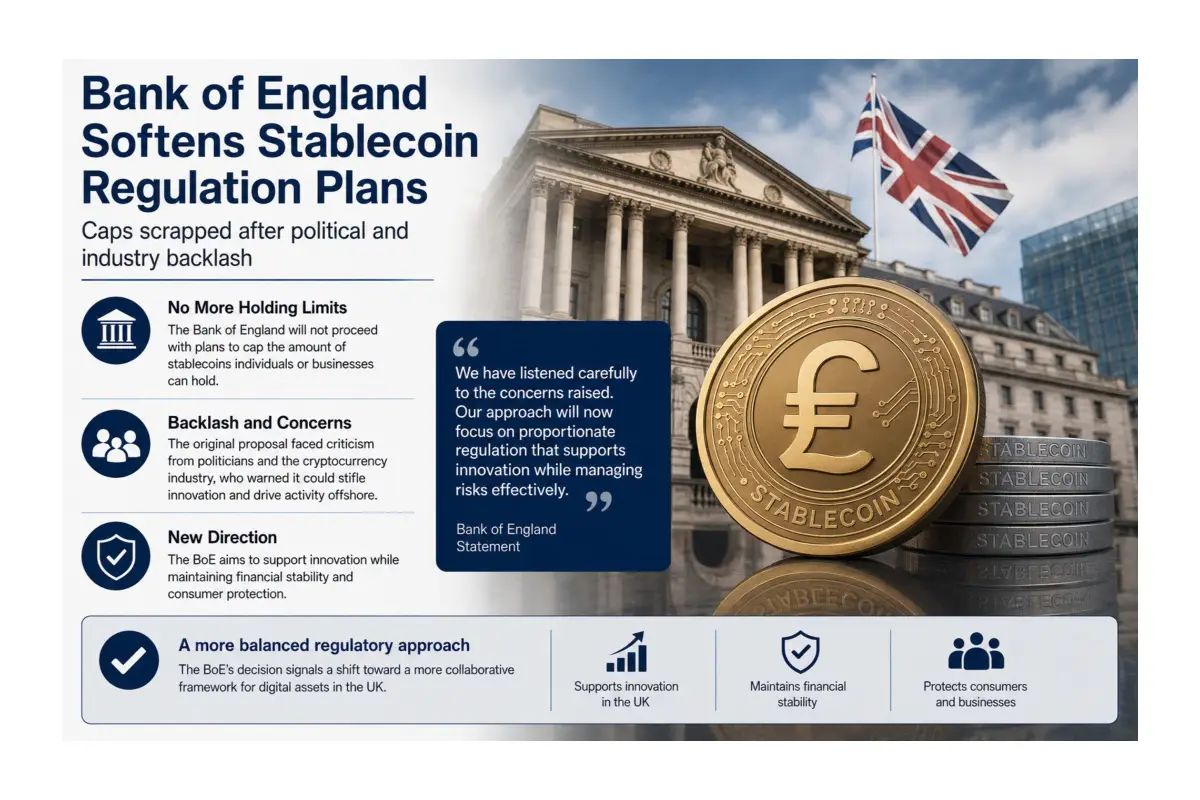
“Following last week’s Bank of England policy statement and Code of Practice on stablecoins, we are seeing clear moves to lay the foundations for a more integrated UK digital assets and payments ecosystem. The FCA and BoE are signalling that they want innovation, but only where cryptoassets and stablecoins are supported by proper safeguards and can operate with the level of trust expected of money.
“The future of payments will involve different forms of money sitting alongside each other – including bank deposits, tokenised deposits, regulated stablecoins and potentially a digital pound – with stablecoins increasingly being seen as a potential payments infrastructure.
“For payment firms, this creates opportunities around faster settlement, cross-border payments and programmable payments. For banks, it opens up new opportunities in custody, safeguarding, liquidity and settlement services, while also increasing pressure to develop tokenised deposit propositions of their own.
“However, firms will need to meet high standards on backing assets, safeguarding, redemption and operational resilience, while proving they can support reliable redemption at face value, including under stress, alongside managing AML/KYC, liquidity, reconciliation, payment cut-offs and third-party dependencies.
“These developments are a constructive step, giving sterling stablecoins and crypto a credible route into the UK payments ecosystem, but only for firms who are able operate with bank-grade controls.”