- July 6, 2026
- Olivia
- 0
Digital assets began with the idea that trust could be engineered out of the system. The current regulatory trajectory in the U.S. now suggests something different.
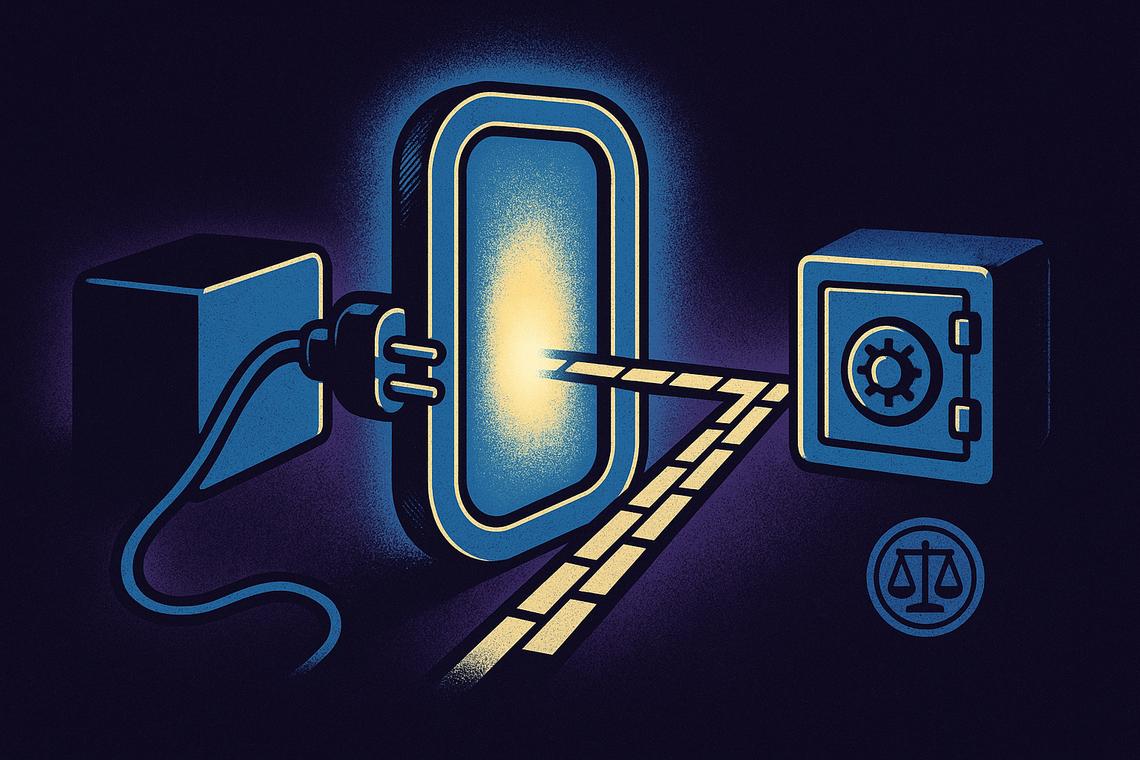
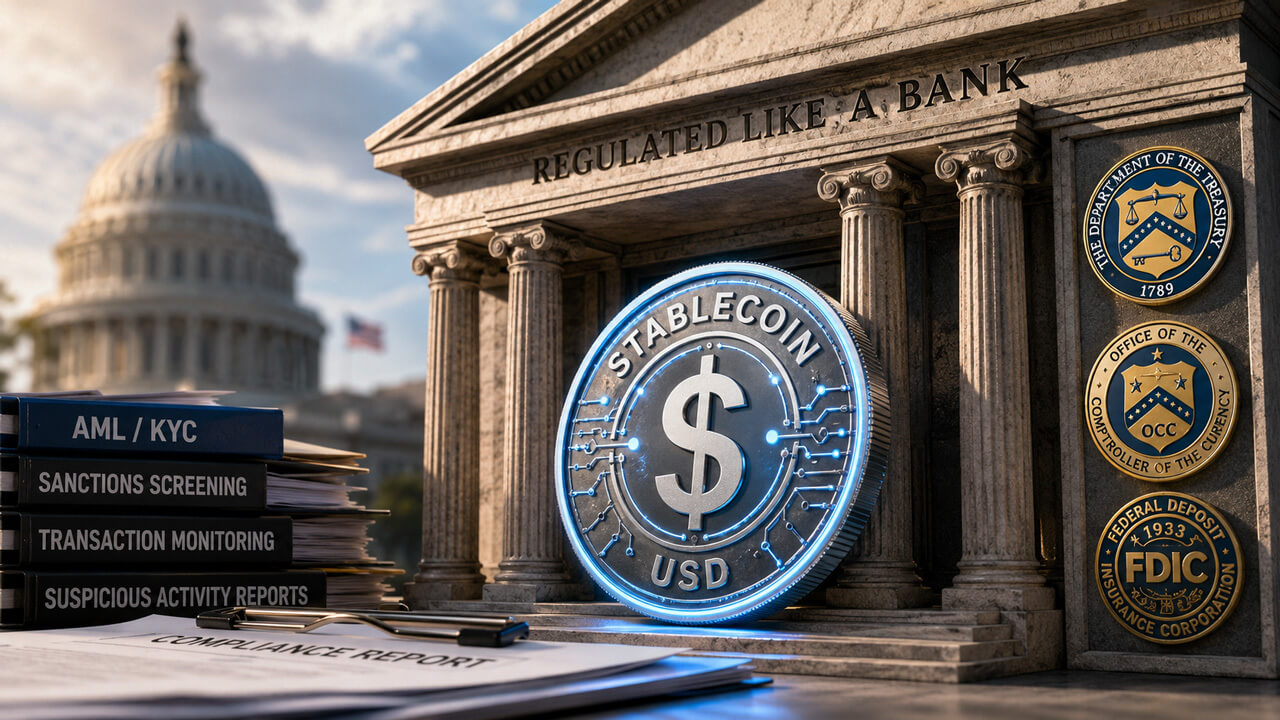
Two new legal developments, one from FinCEN and federal banking regulators and the other from the New York State legislature amending their Uniform Commercial Code (UCC), underscore that when it comes to crypto, stablecoins and blockchain finance, trust is being reinserted at the points where assets become bankable.
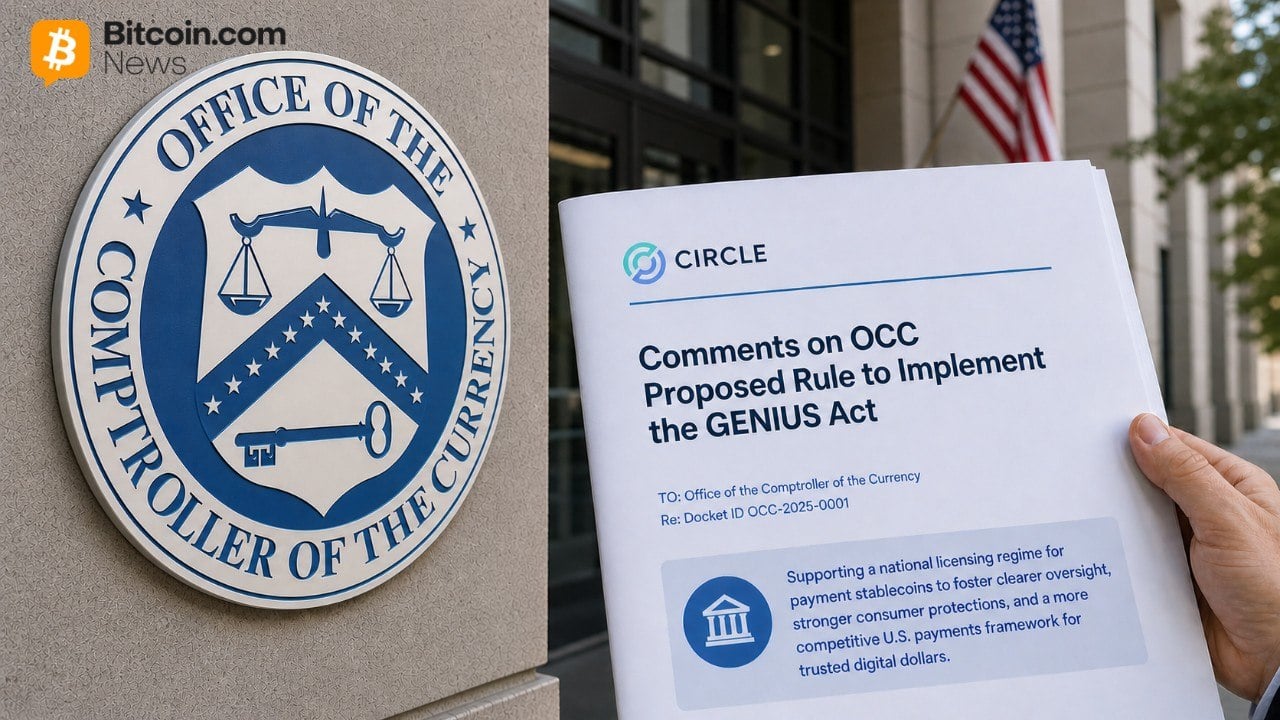
New York’s UCC Revision Act, which went into effect June 3, creates a clearer commercial-law framework for digital assets by introducing controllable electronic records and treating “control” as the digital equivalent of possession for certain digital collateral. Separately, FinCEN and federal banking regulators, also last month, proposed customer identification program rules (KYC and KYB) for permitted payment stablecoin issuers under the GENIUS Act that would impose formal CIP (Customer Identification Program) obligations on nonbank issuers.
For banks, FinTechs, payment firms and stablecoin issuers, the new question is not whether crypto can operate outside the banking system. It is whether digital assets can become bankable enough to move through it.
See also: Europe’s Crypto Reset Begins: Who’s In, Who’s Out Under MiCA
Legal Plumbing Is Catching Up to the Financial Product in Crypto
New York State’s revised law moves digital collateral out of legal improvisation and into a clearer secured-finance framework. Before the change, lenders taking crypto or other digital assets as collateral faced uncertainty over perfection, priority and enforceability. The new Article 12 introduces controllable electronic records, while amended Article 9 adds categories such as controllable accounts and controllable payment intangibles to reduce ambiguity for lenders.
The downstream impact is bigger than legal housekeeping. Digital assets that can demonstrate control may become more financeable than those that cannot. A token or asset may be liquid, widely held and technologically sophisticated. But if a lender cannot establish control, preserve priority or enforce rights in a default, that asset is less useful as collateral. In credit markets, financeability is not a branding exercise. It is a legal and operational test.
As a result, existing digital assets built for trading may not be the same as the future digital assets built for lending, treasury or working capital. The next premium in operational blockchain finance may attach to on-chain assets with clear control mechanics, enforceable payment rights and documentation that credit committees can underwrite.
“The big thing is same risk, same activity, same regulation,” Citi Global Head of Digital Assets, Treasury and Trade Solutions Ryan Rugg said on an earlier episode of “From the Block,” the PYMNTS podcast hosted by CEO Karen Webster.
The control standard also changes the role of custody. In retail crypto, custody has often meant safekeeping. In institutional finance, custody becomes infrastructure for enforceability. If control determines priority, then the custodian, wallet architecture and control agreement become part of the credit stack.
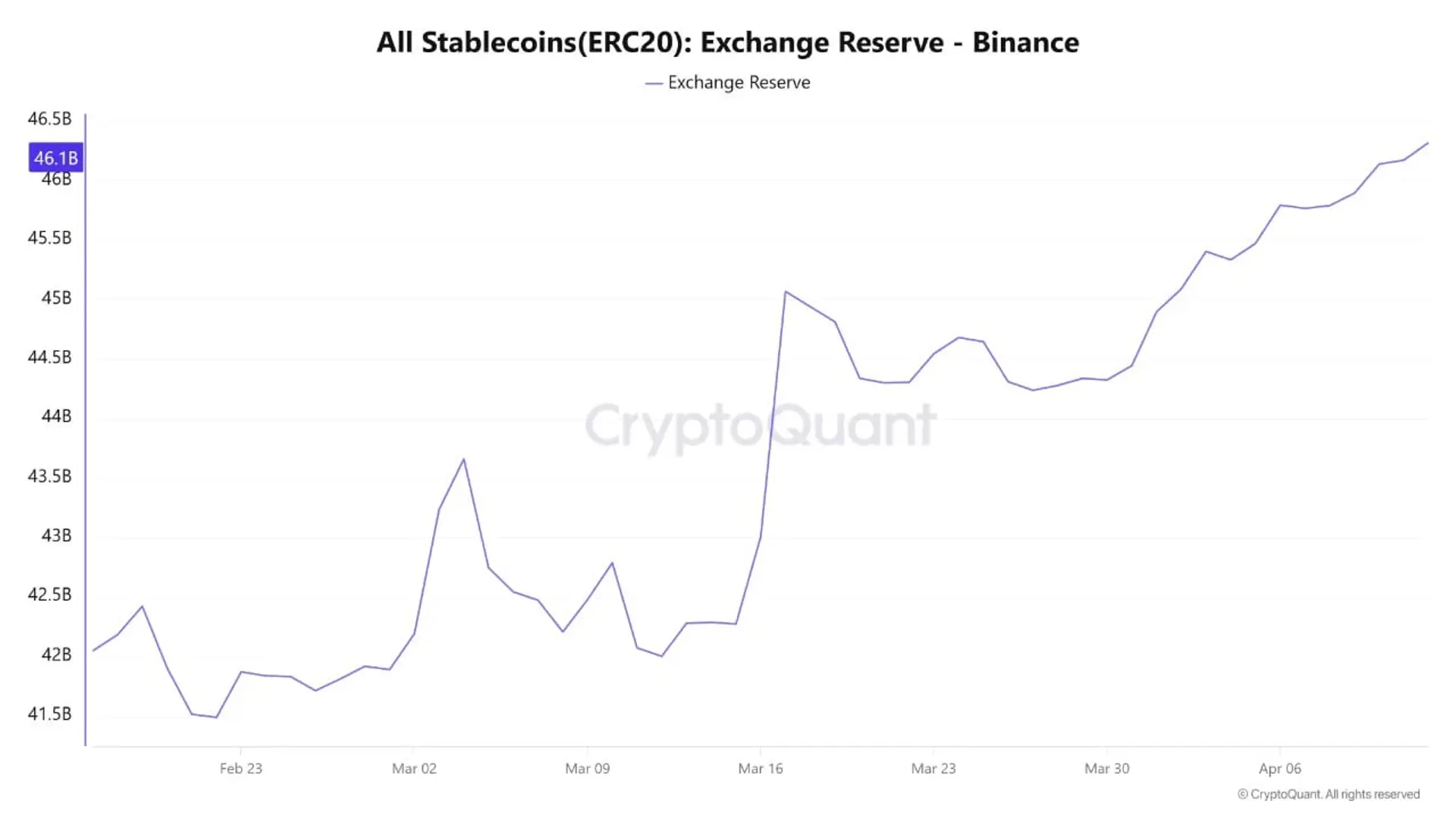
See also: Stablecoins Outgrow the Exchanges That Built Them
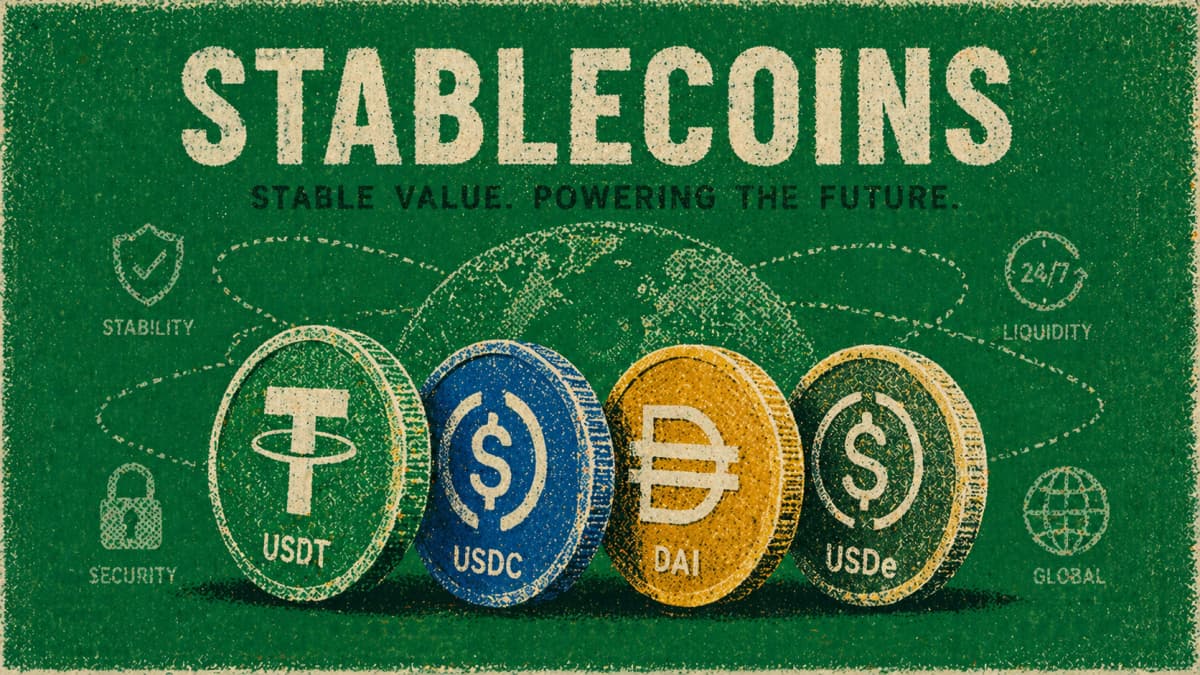
Regulators Want to Give Stablecoins a Customer Layer
The trend is clear: digital assets are being re-sorted by institutional usefulness. The FinCEN and the banking agencies, for example, are not proposing with their rulemaking to identify every person who touches a stablecoin in secondary circulation. The proposed CIP rule is aimed at direct primary-market relationships, including issuance, redemption, conversion, custodial services and similar dealings. Pure secondary-market ownership, by itself, would not necessarily create a customer relationship with the issuer.
Still, one potential impact is that stablecoin issuers may need to decide how much customer relationship they actually want. Issuers that stay focused on wholesale issuance and secondary-market circulation may carry one cost structure. Issuers that move closer to wallets, redemptions, custody and direct customer services may inherit more bank-like onboarding and verification obligations.
The biggest unresolved issue, however, is redemption. A holder may acquire a stablecoin through an exchange or wallet and later seek to redeem directly with the issuer. The agencies note that this kind of redemption could create an account and make the holder a customer. Their request for comment asks for input on how redemption-only relationships should be treated.
See also: Crypto Experts Tell PYMNTS Where Digital Assets Go Next
At the same time, the proposed rules could also give banks a stronger role even if they do not dominate stablecoin issuance. The proposed CIP framework would allow permitted payment stablecoin issuers to rely on another qualifying financial institution to perform customer identification under certain conditions. But that reliance framework is tied to federally regulated institutions and AML/CFT program obligations, which may give banks and federally regulated partners a structural advantage.
That matters because the branded stablecoin may not capture all the economics. The bank, processor, custodian or compliance partner that makes the token usable inside regulated flows may become just as important. In payments, that pattern is familiar. The visible product gets the consumer or merchant attention. The durable margin often sits in authorization, compliance, settlement, risk, identity and account infrastructure.
The winners may not be the companies with the most tokens in circulation or the fastest rails. They may be the firms that make digital assets financeable, redeemable and compliant without making them unusable.