How many stablecoins do we need?
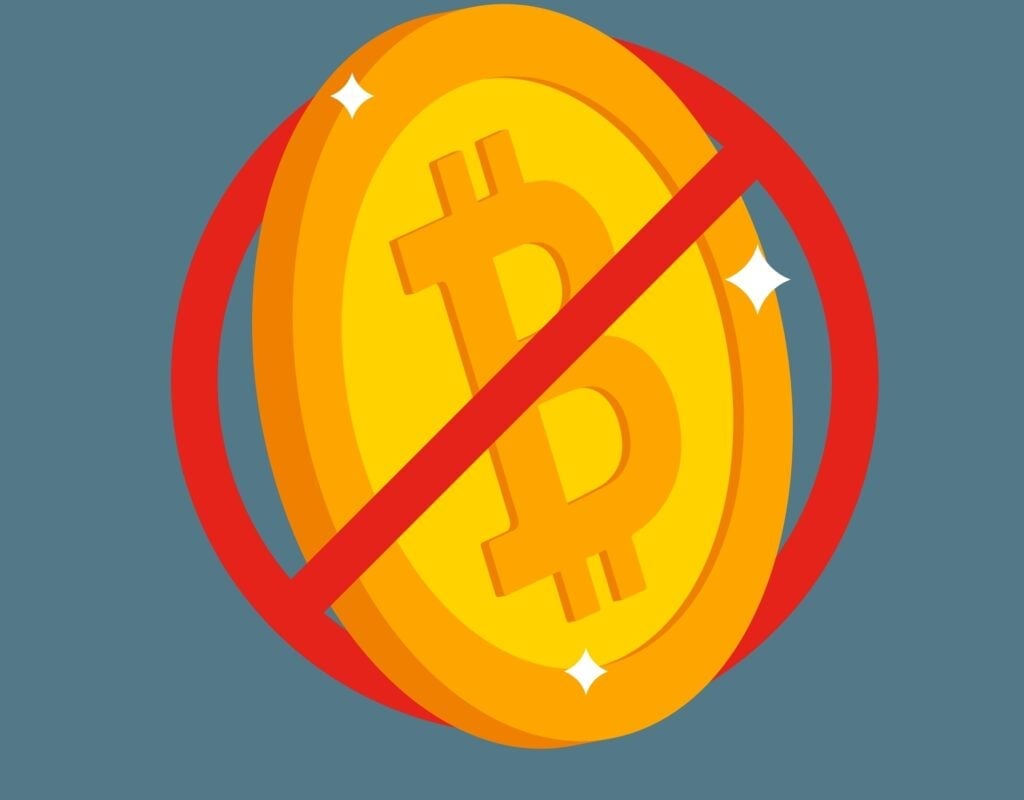
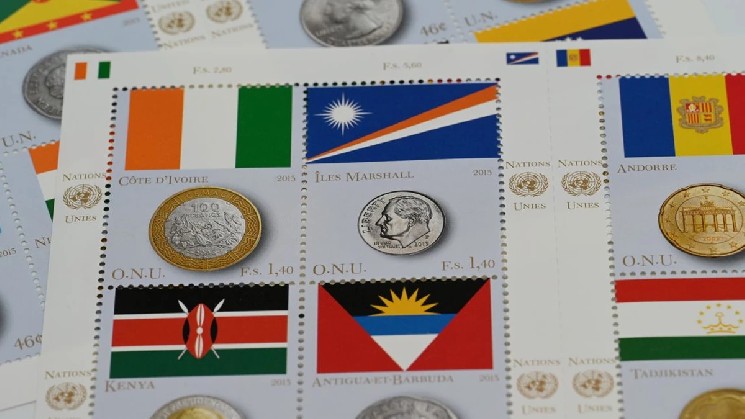
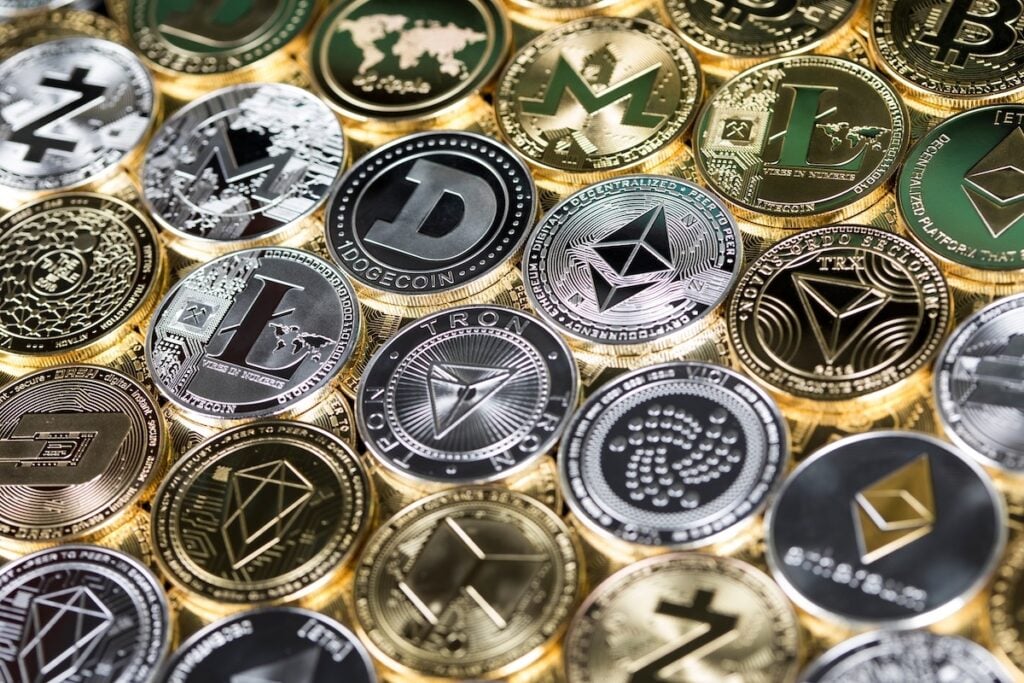
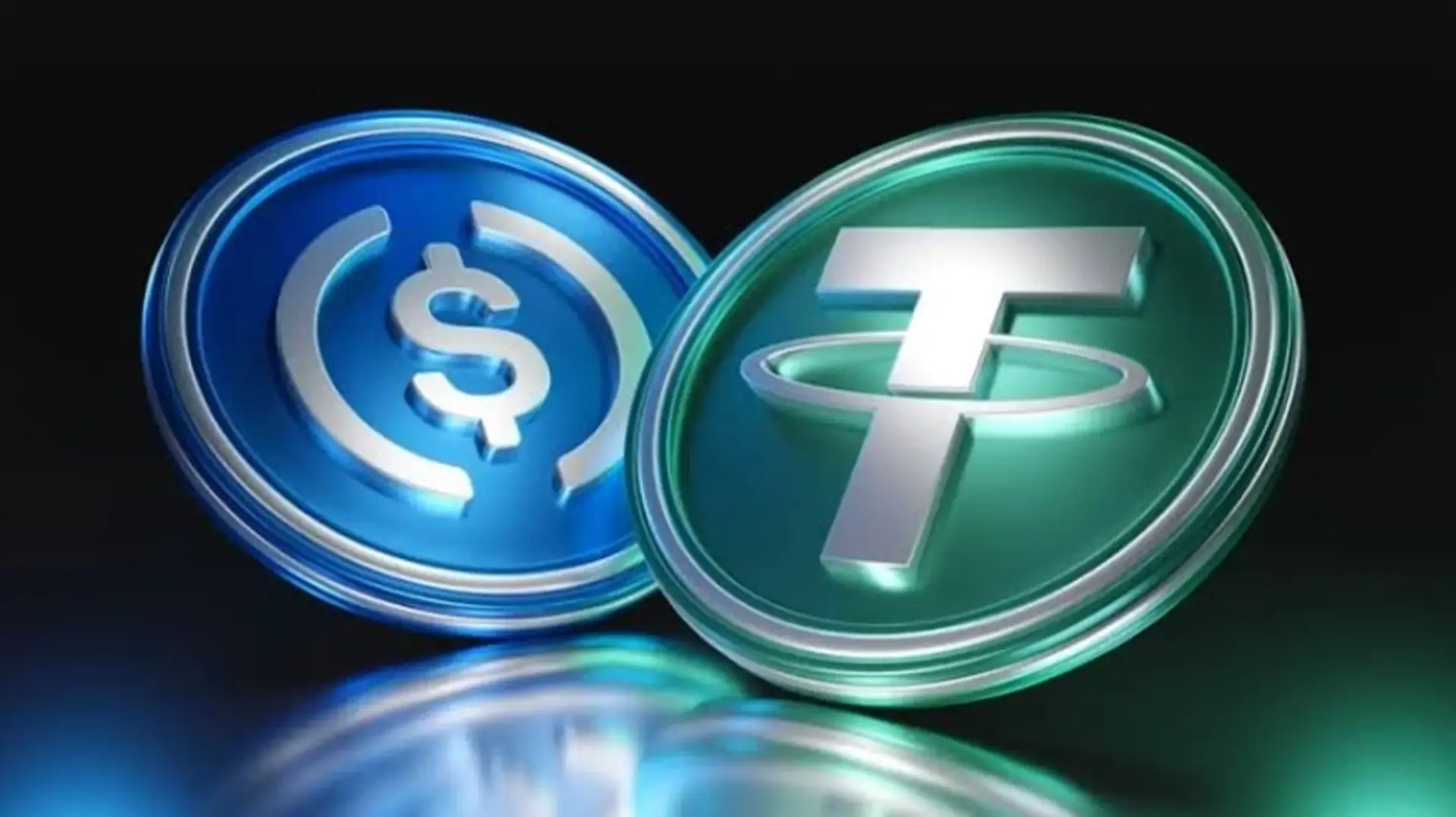
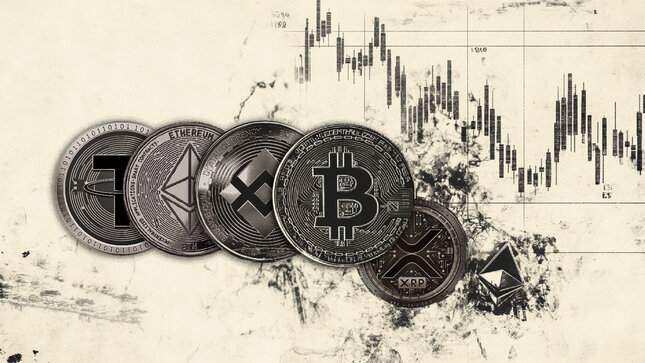
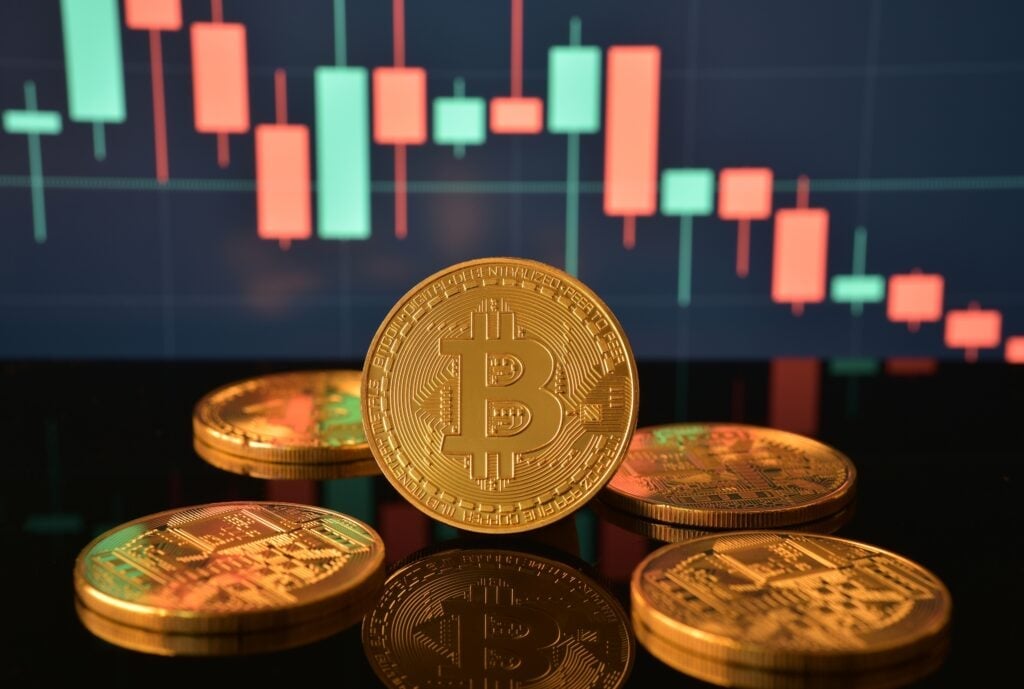
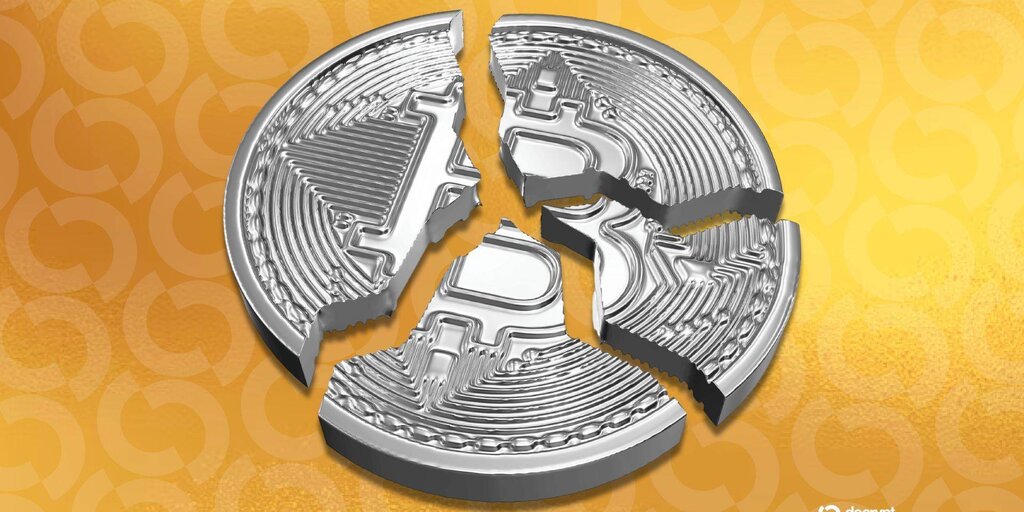
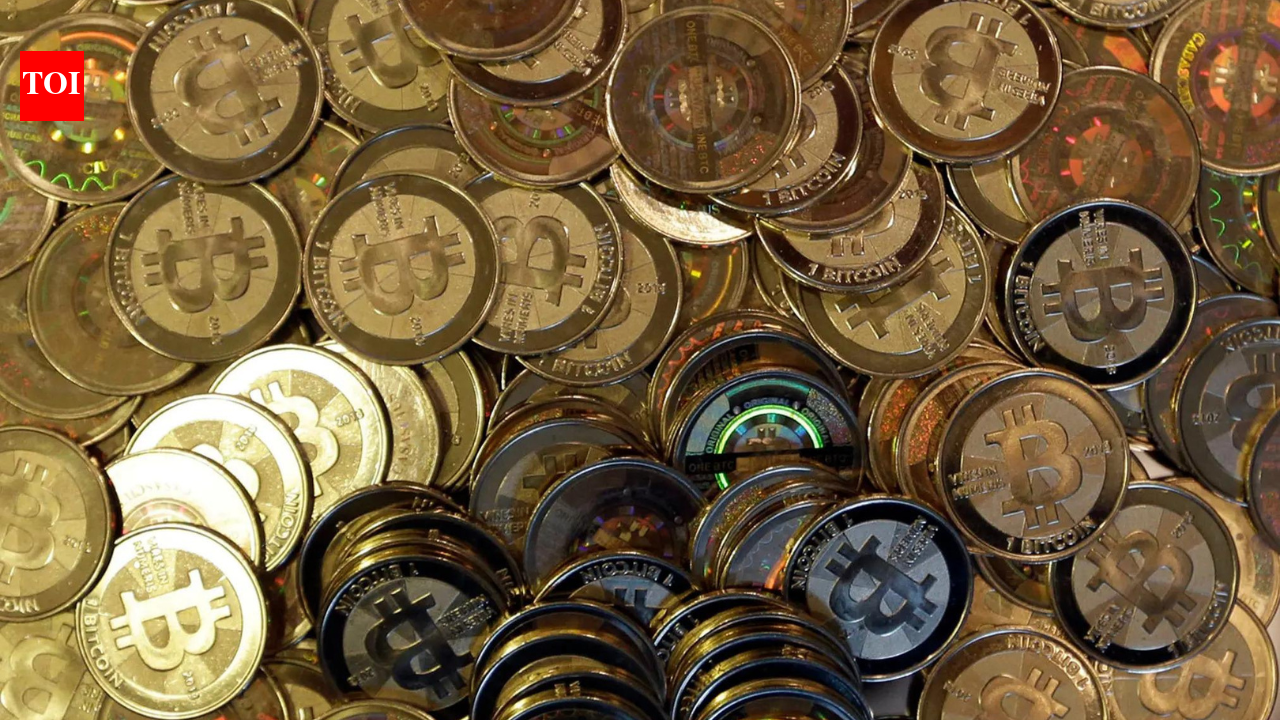
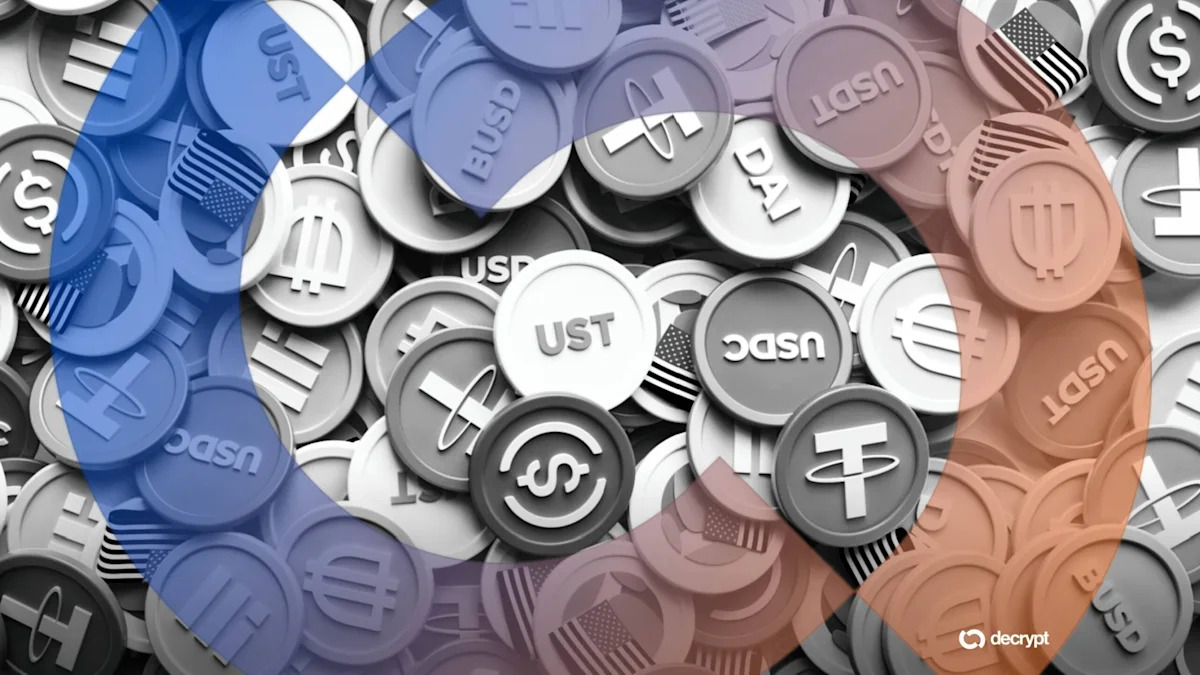
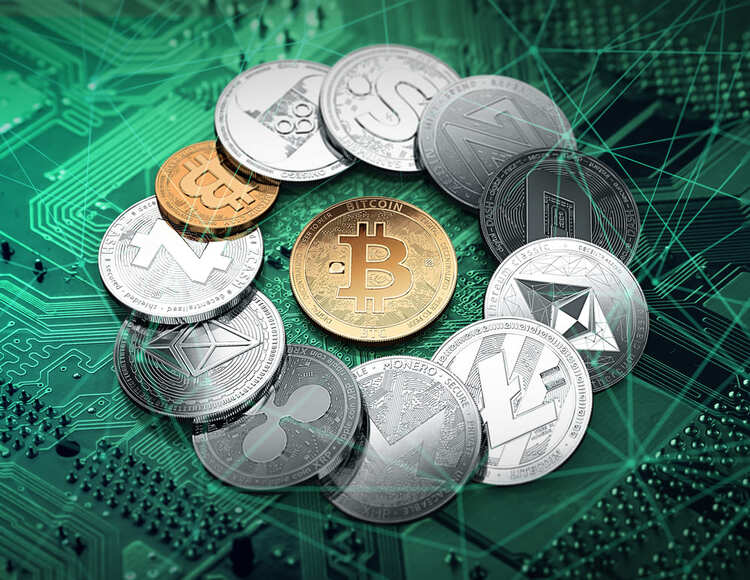
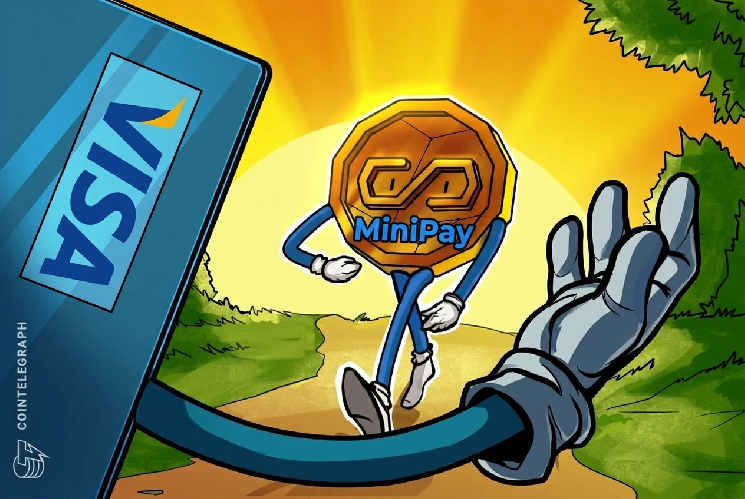
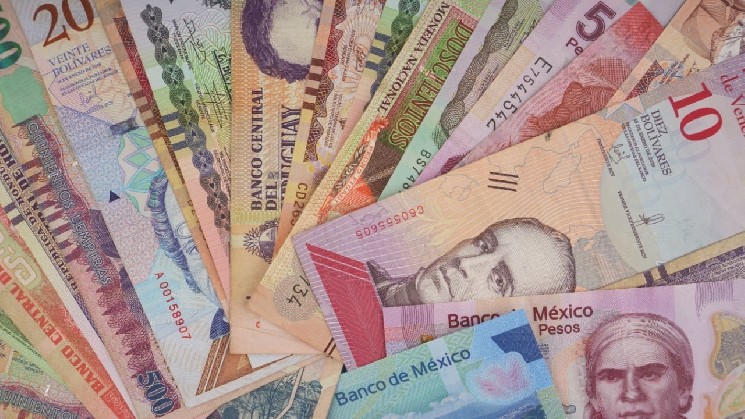
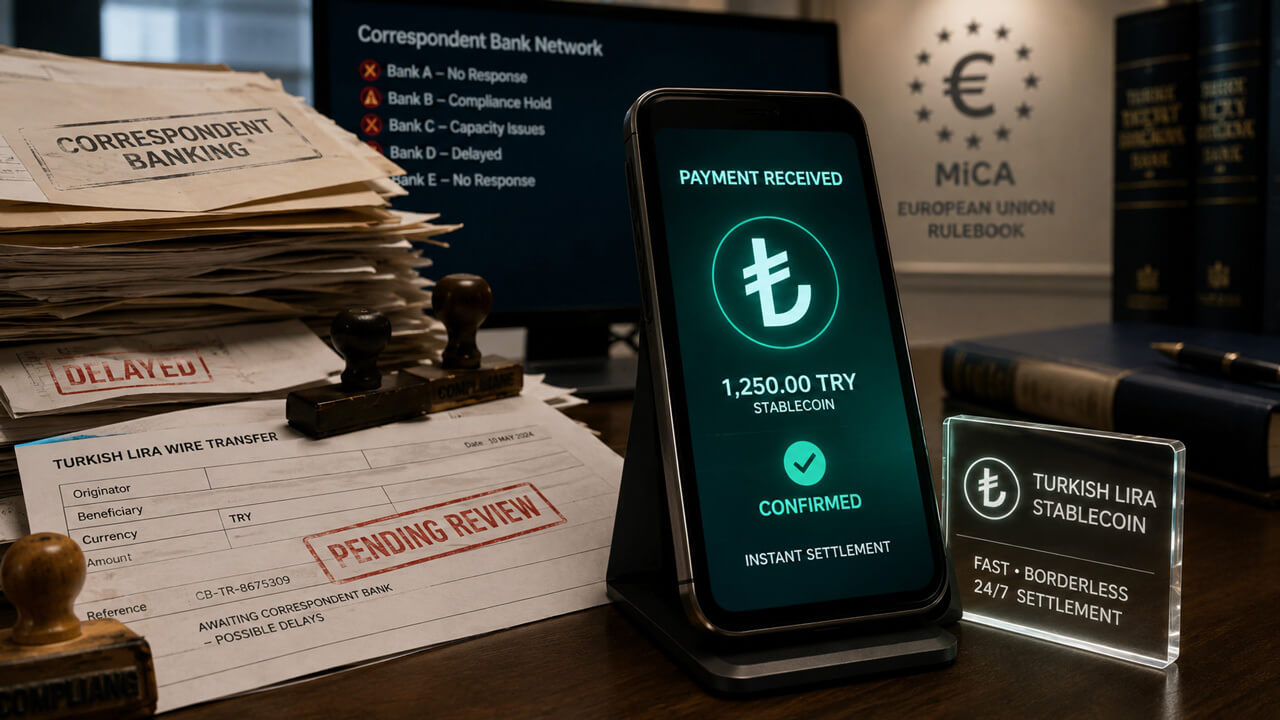
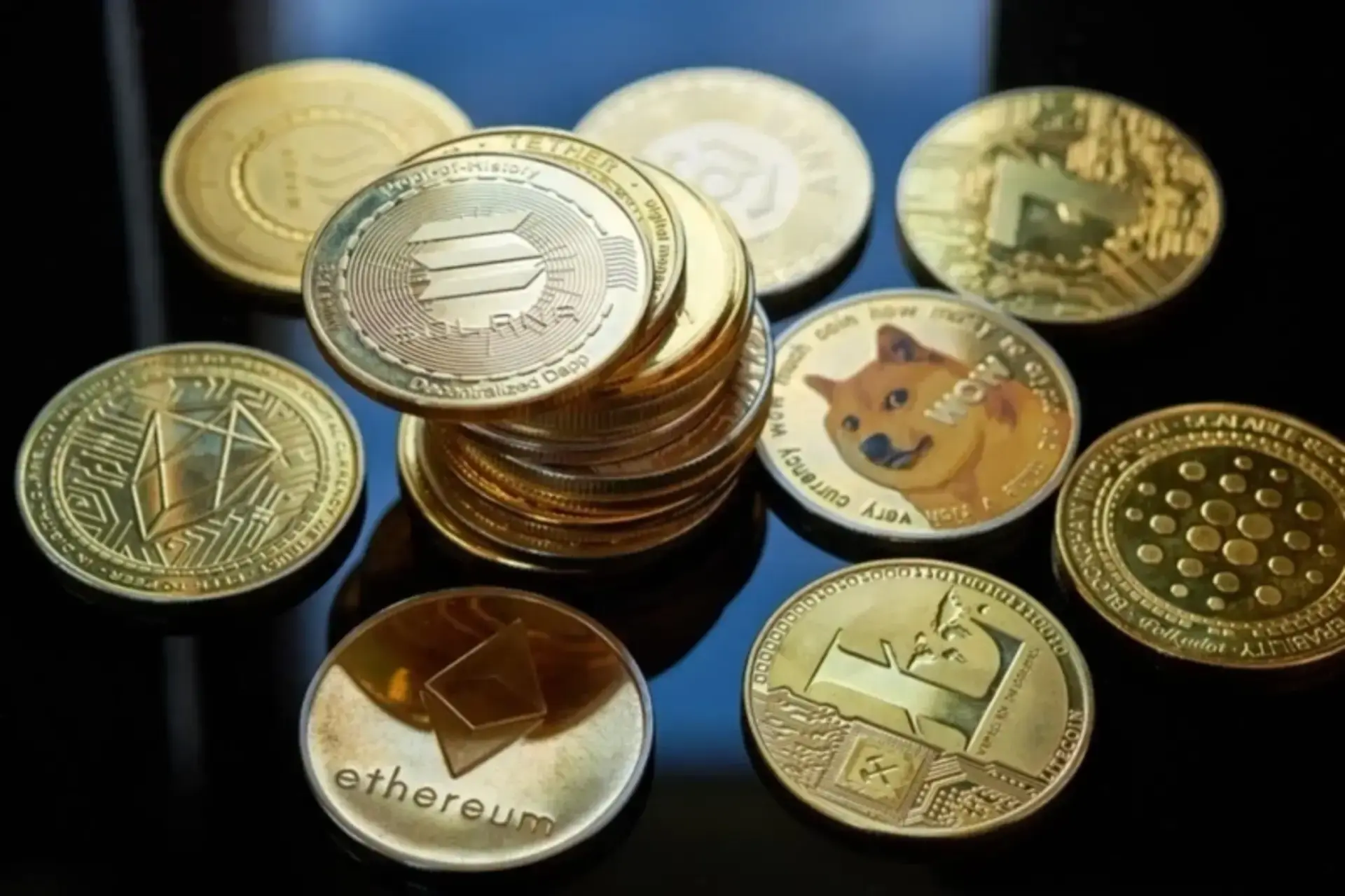
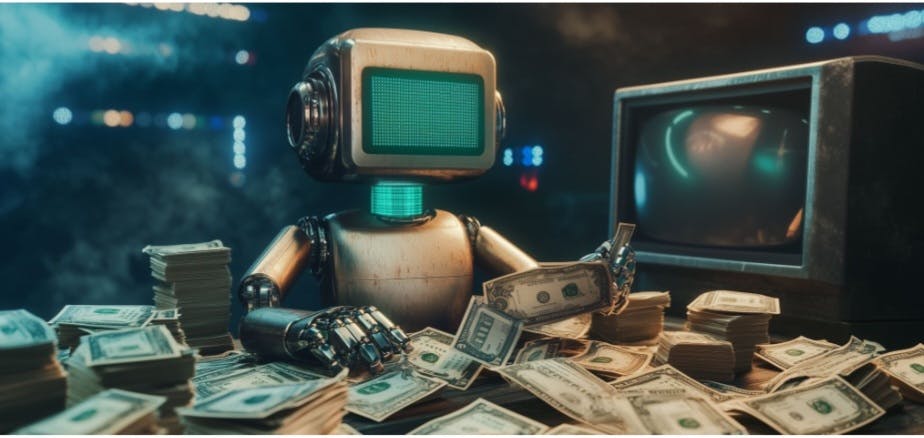
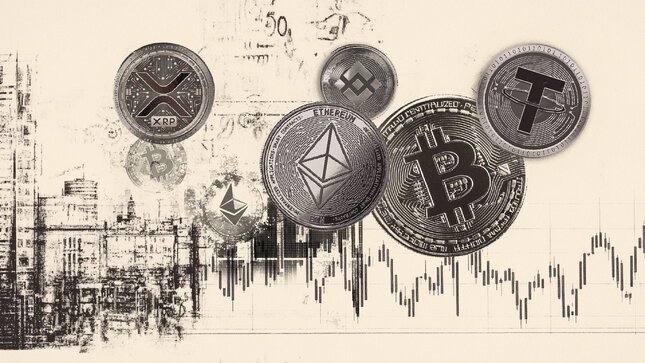
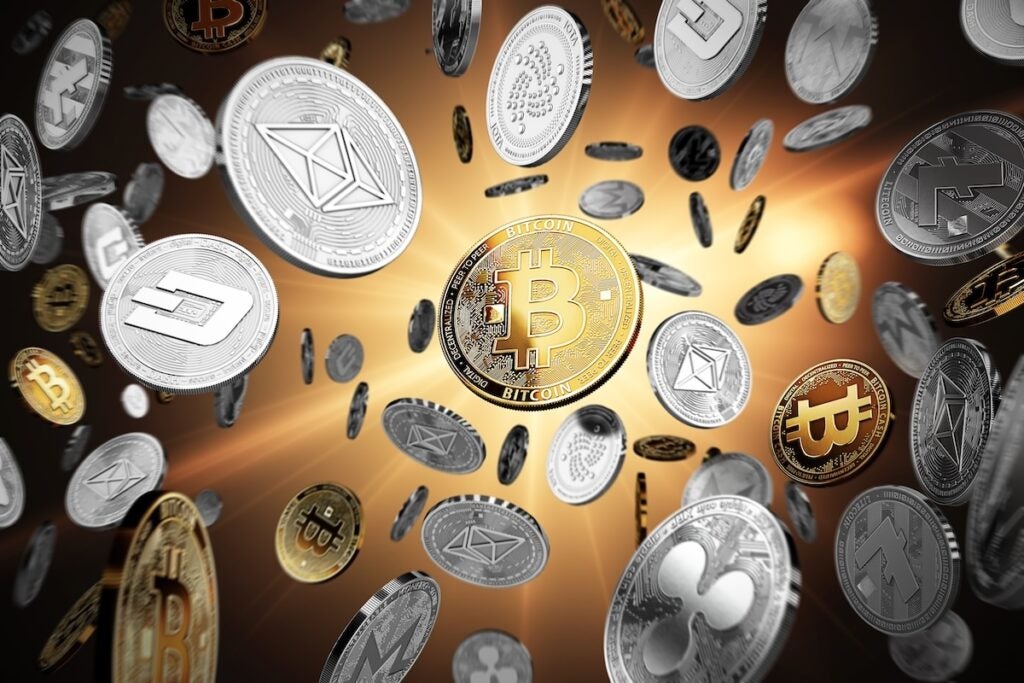
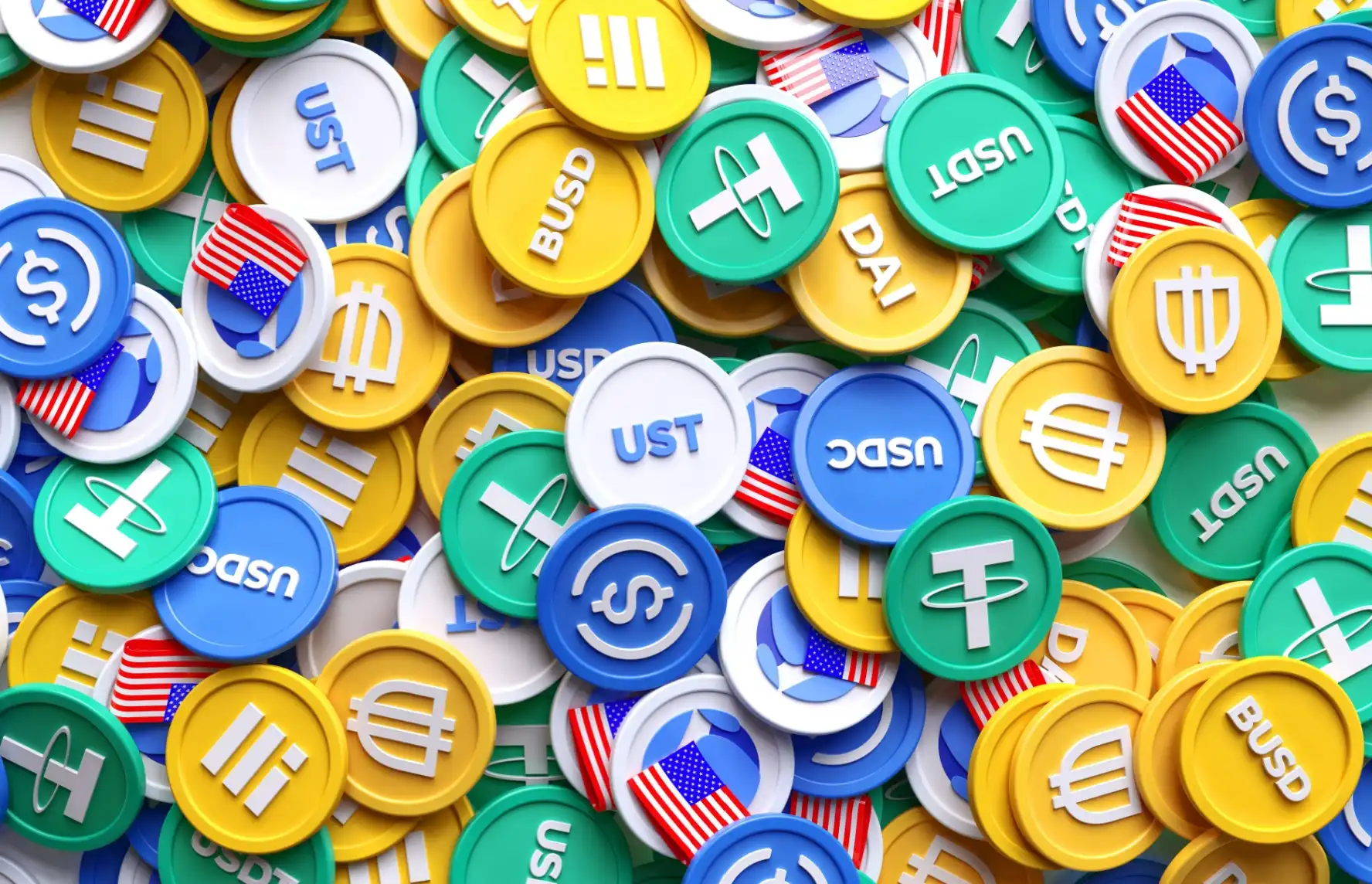
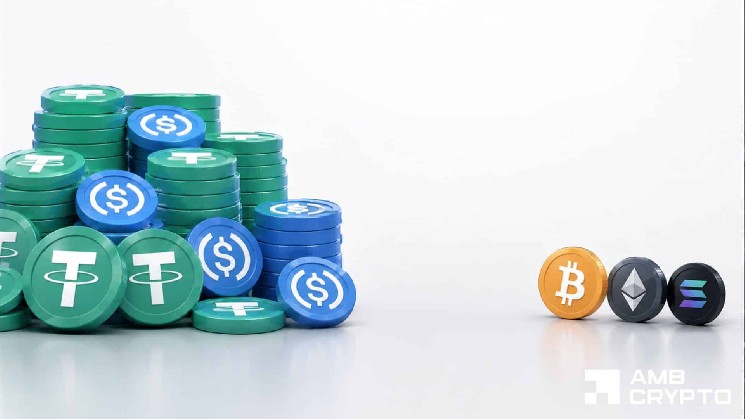
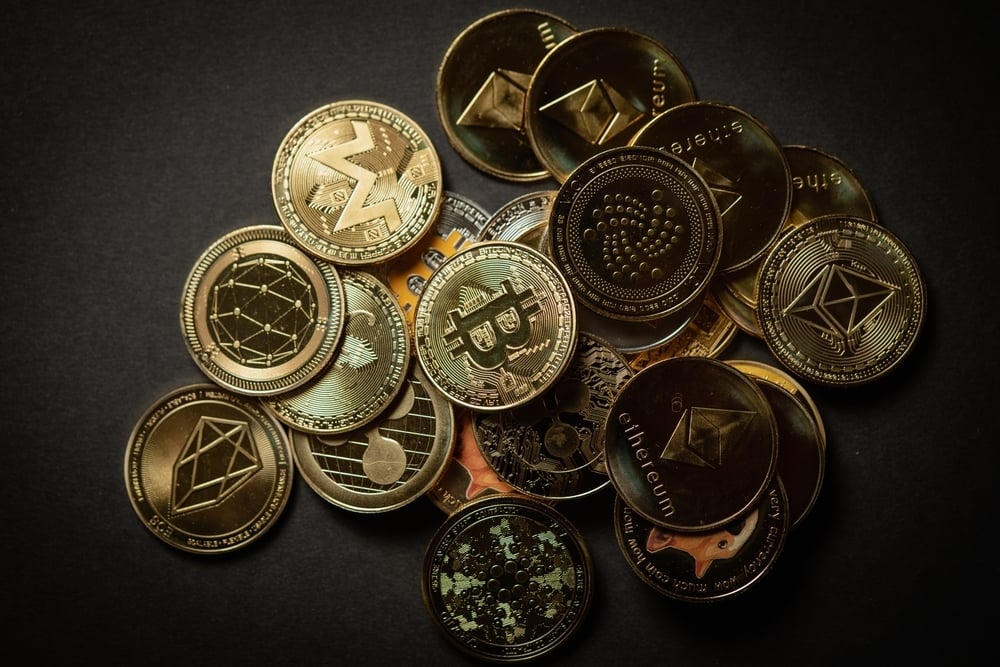
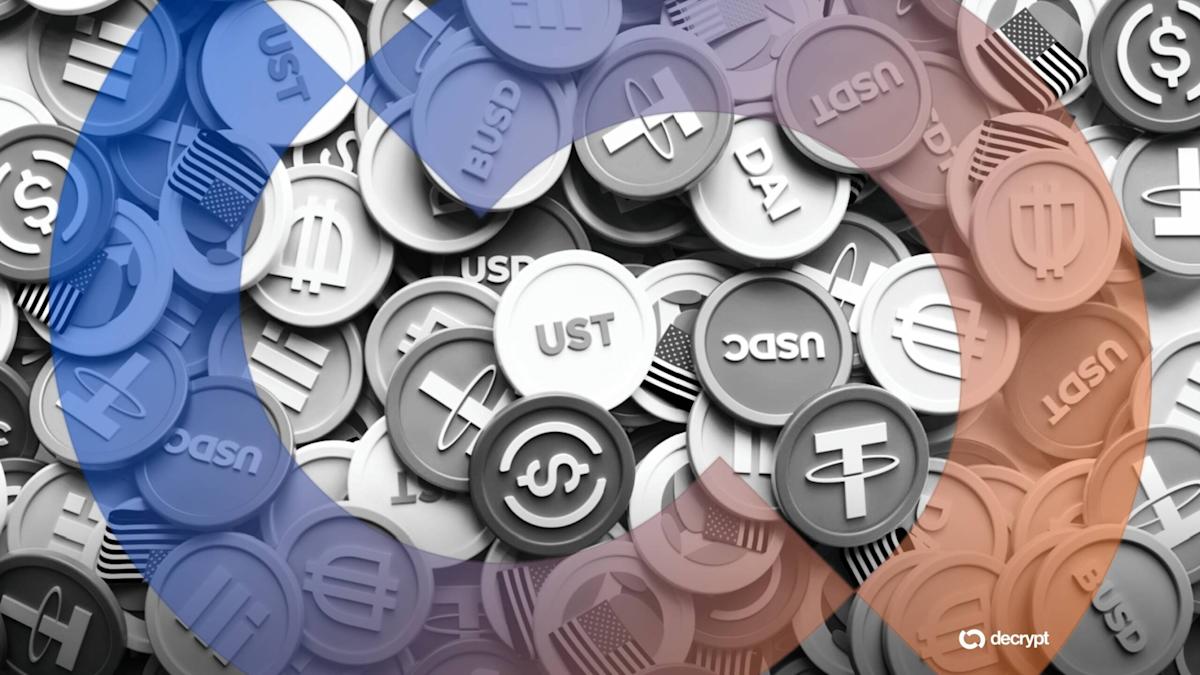
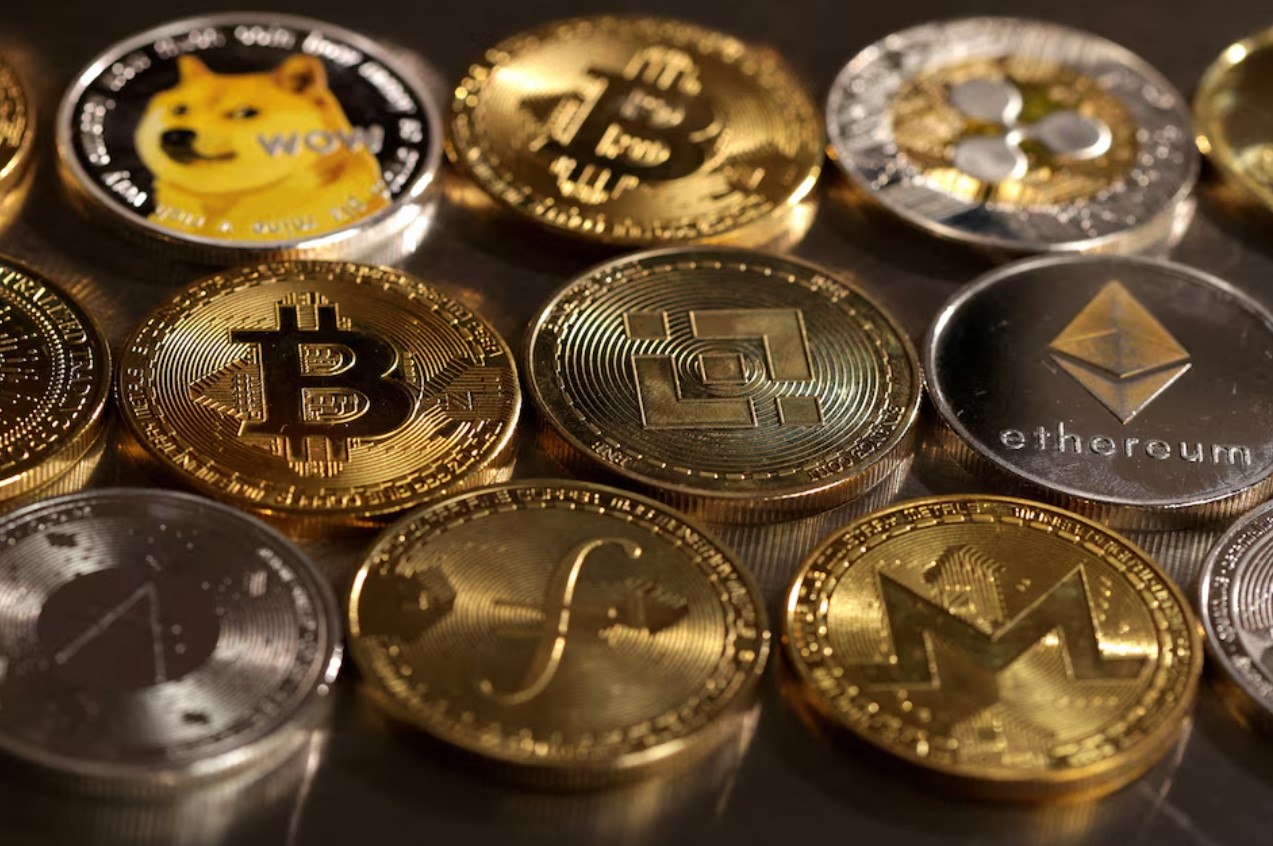
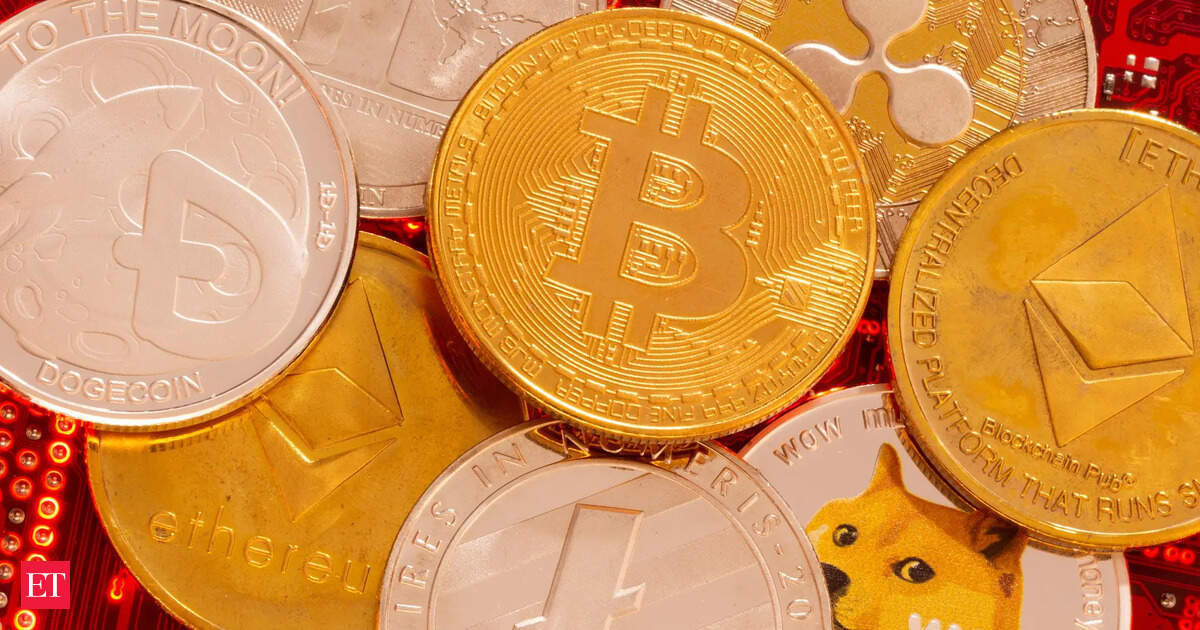
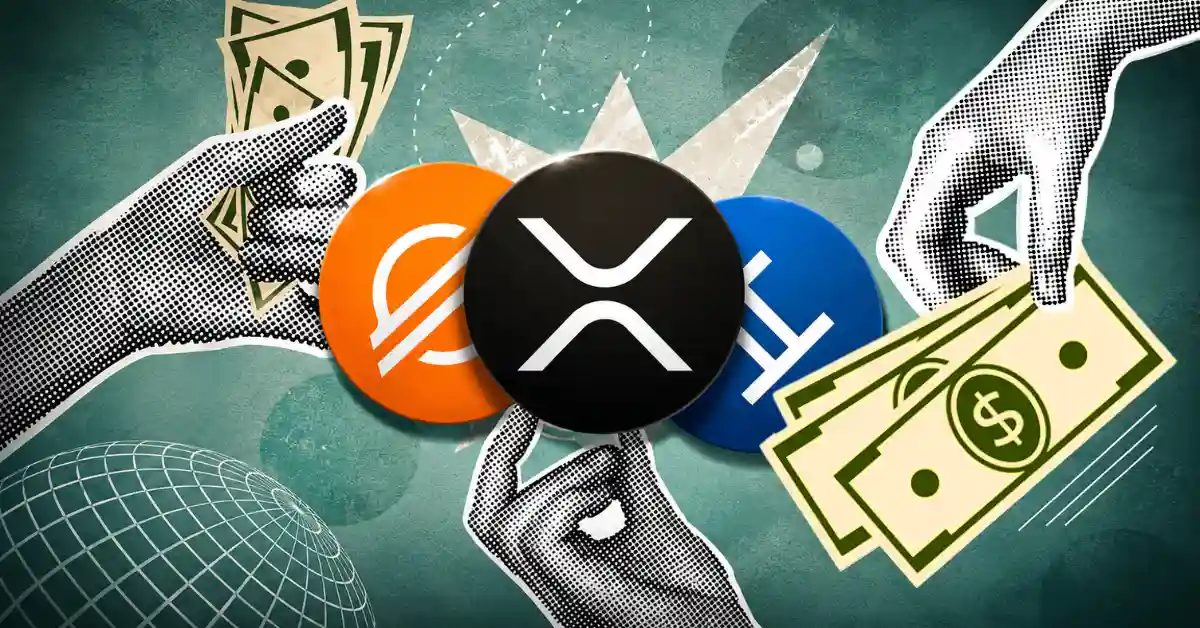
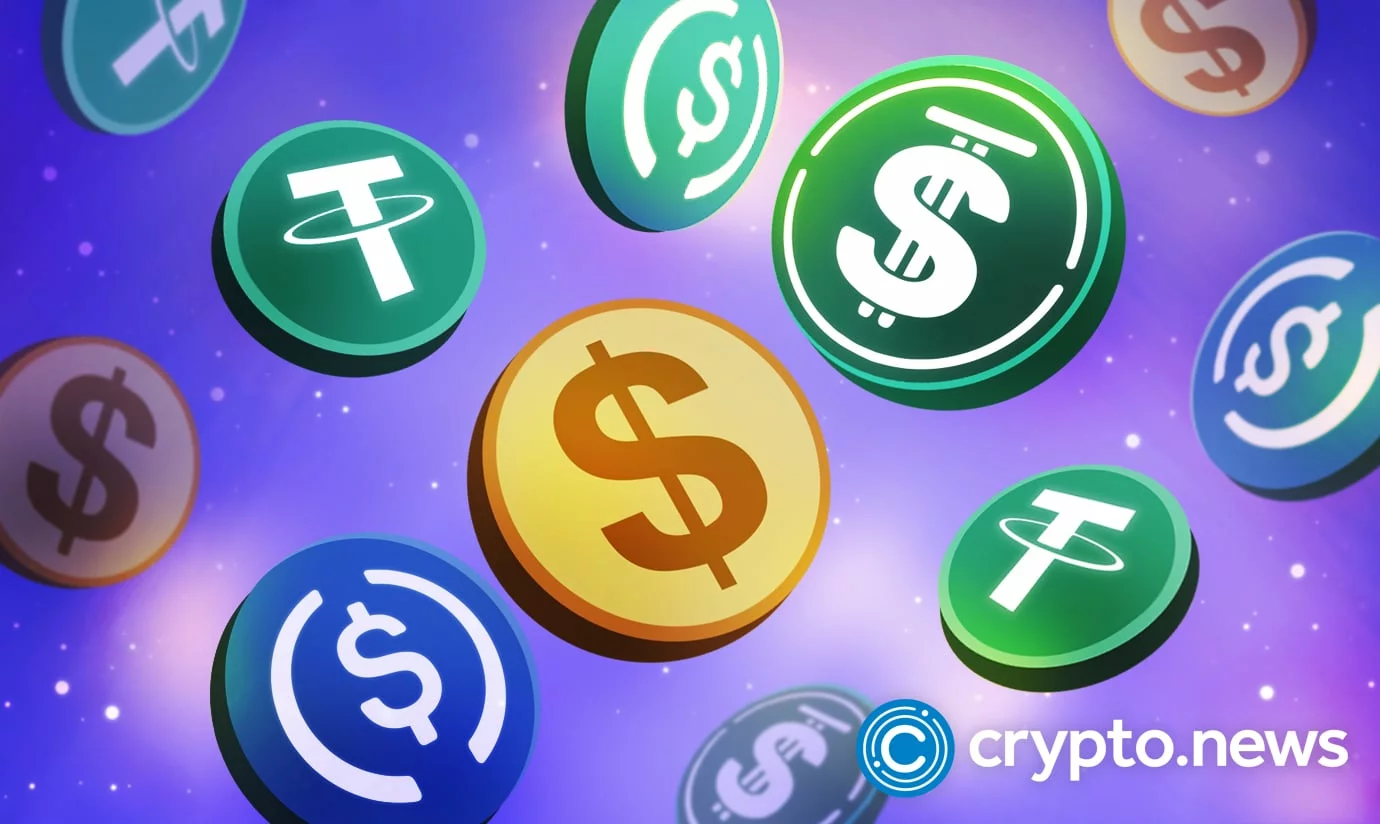
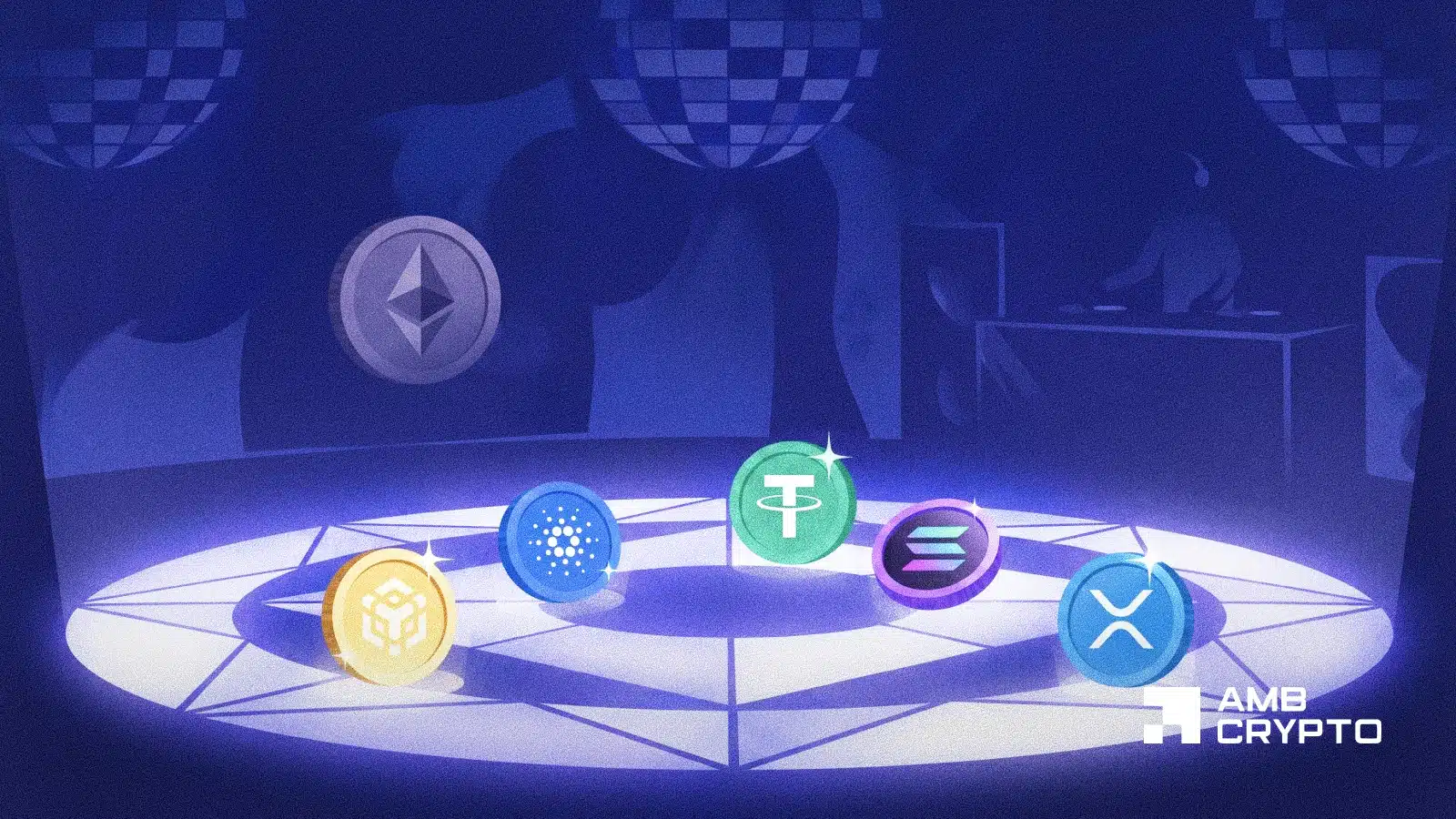
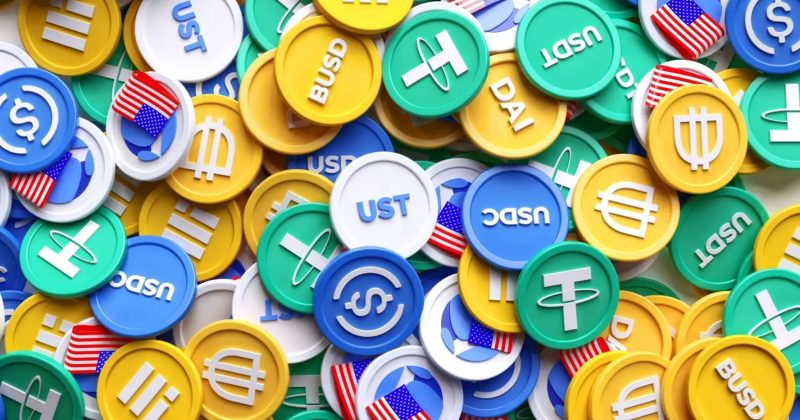
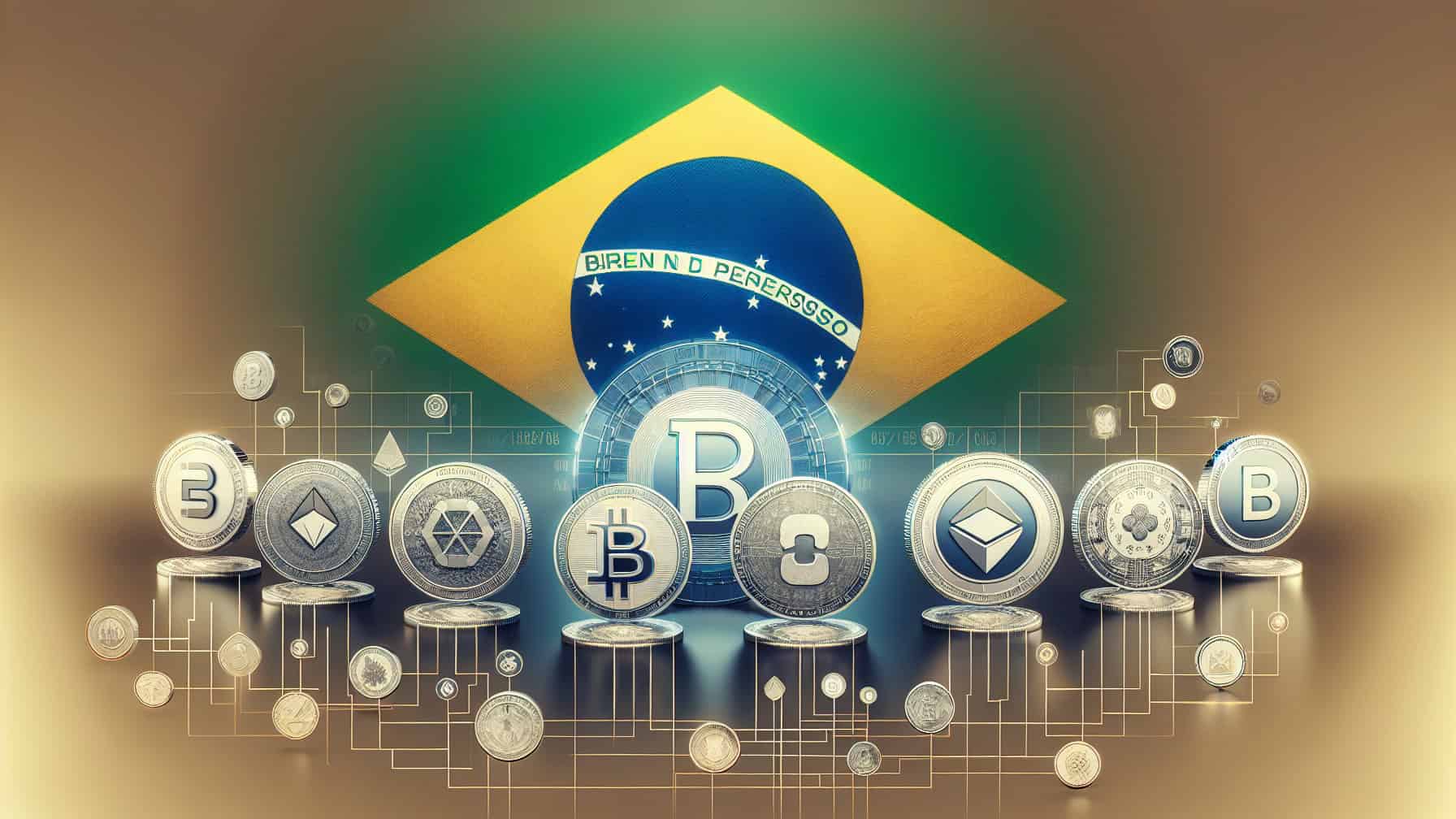
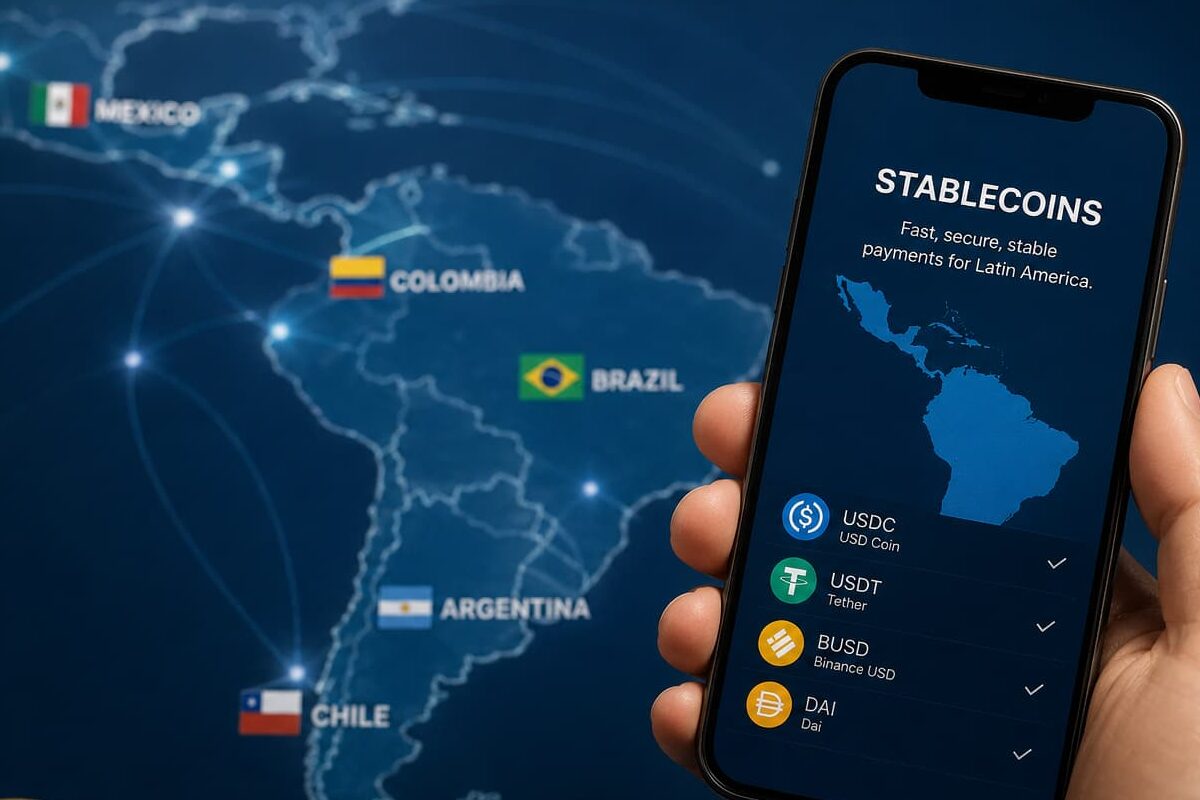
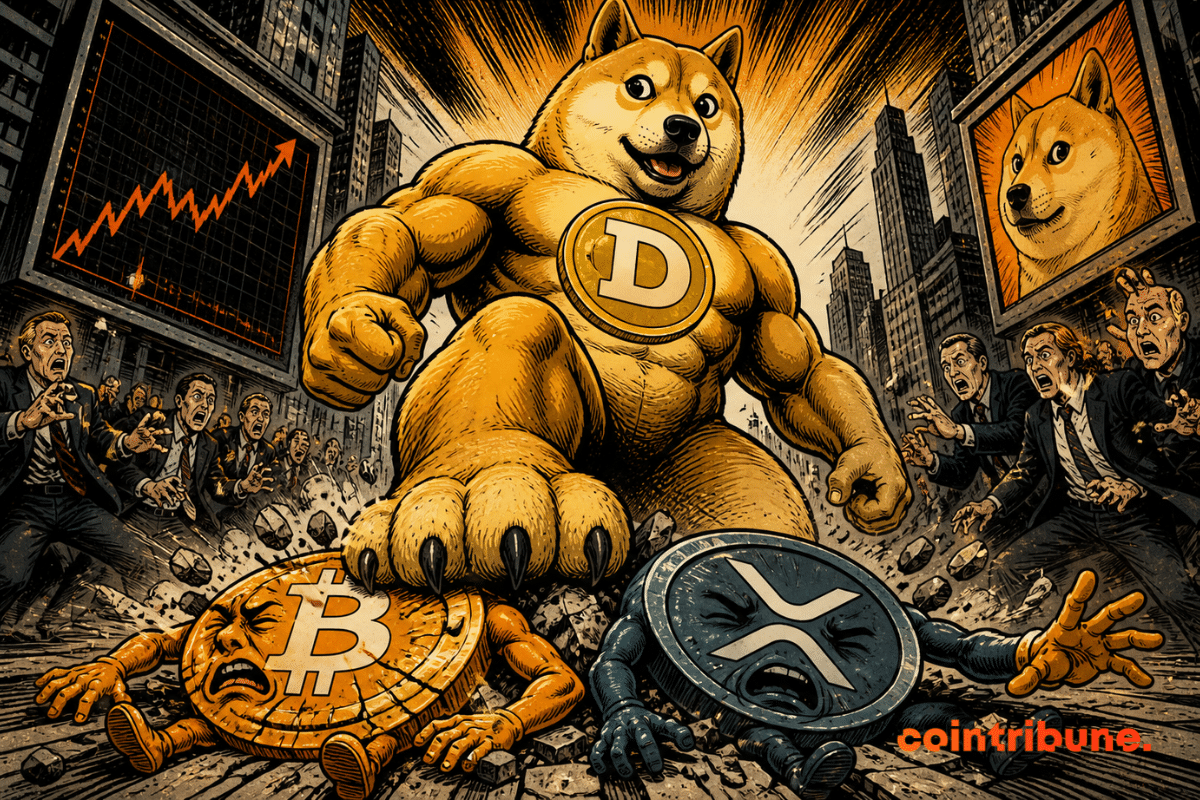
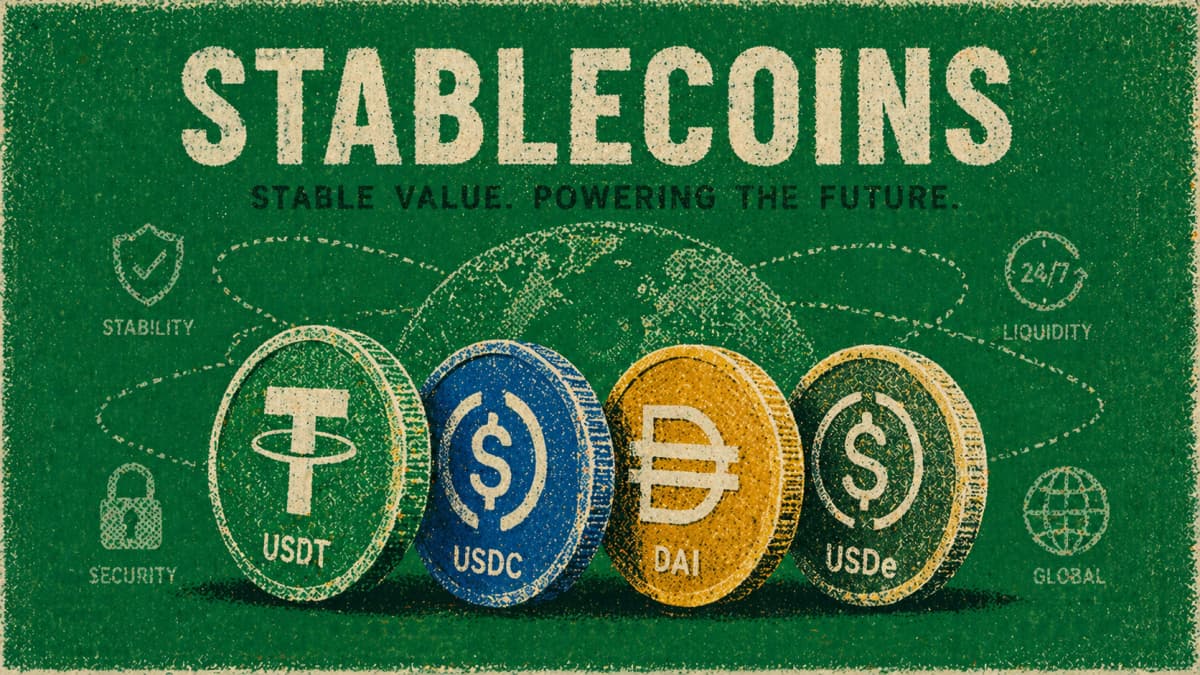
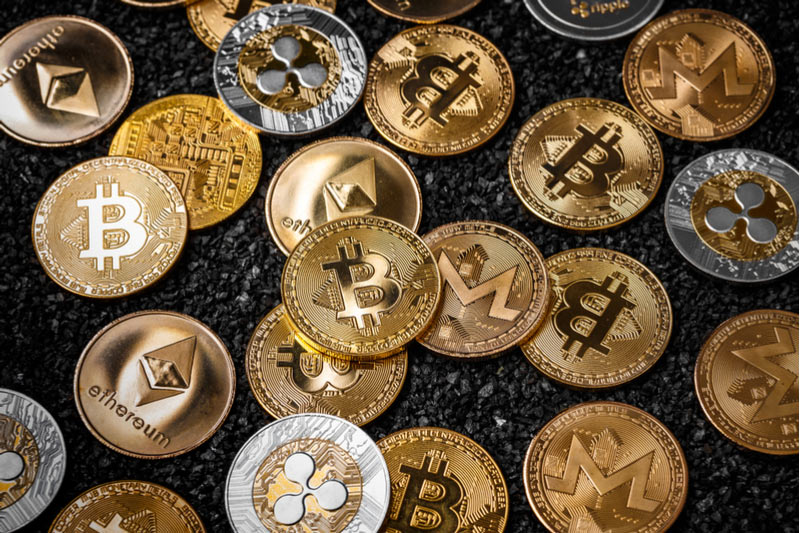
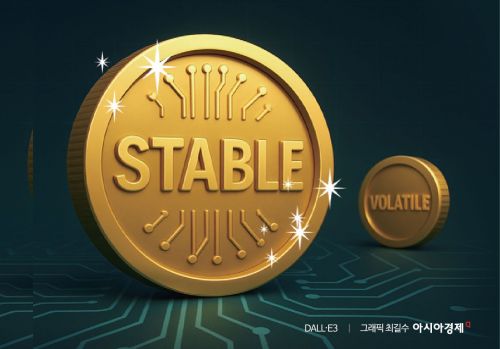
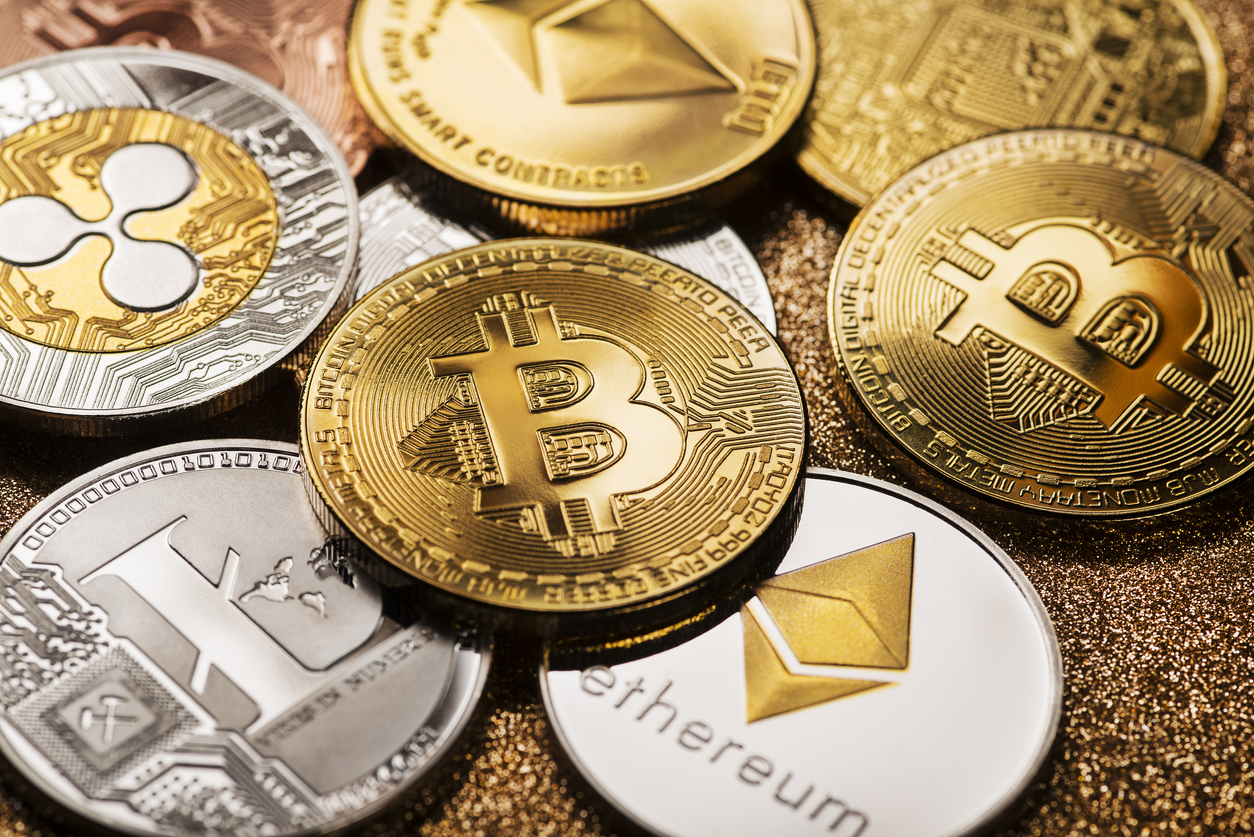
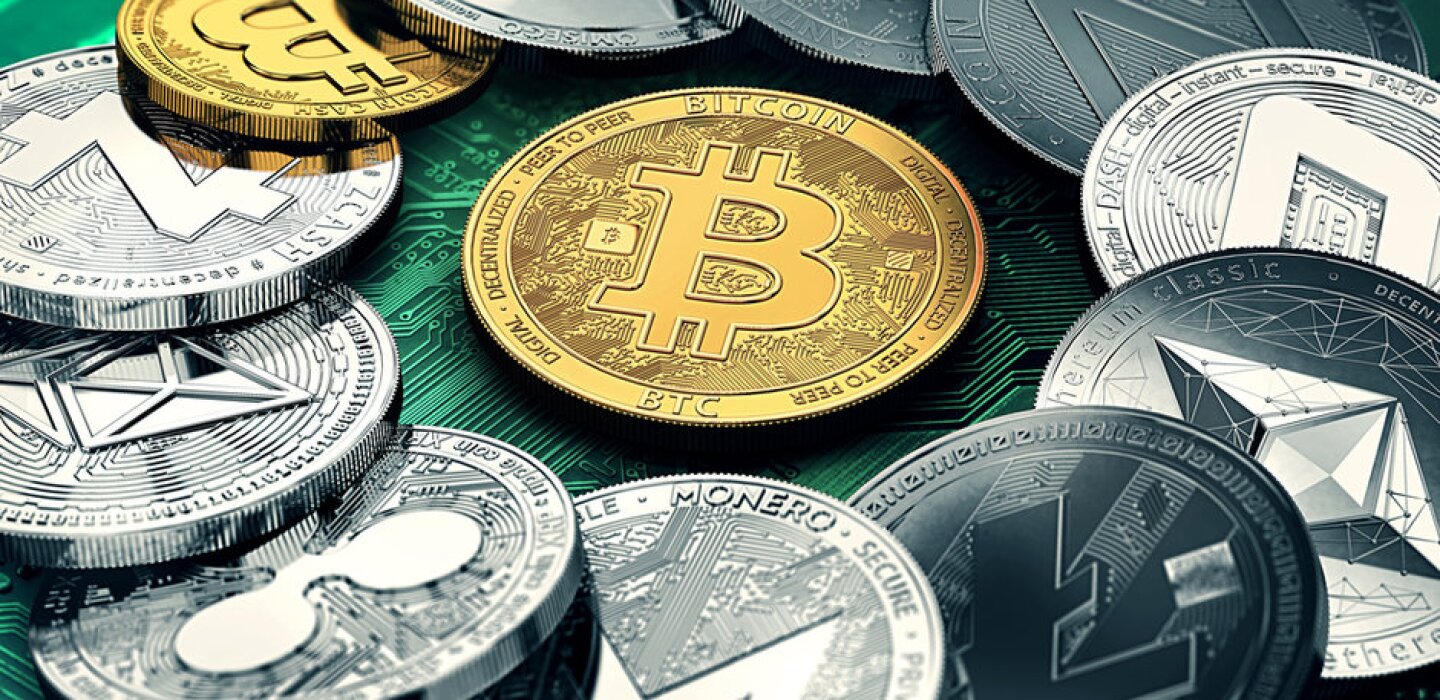
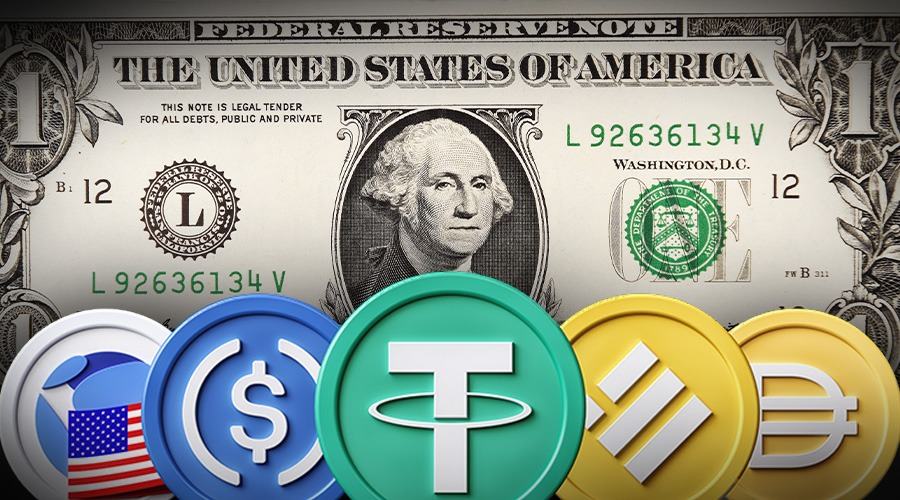
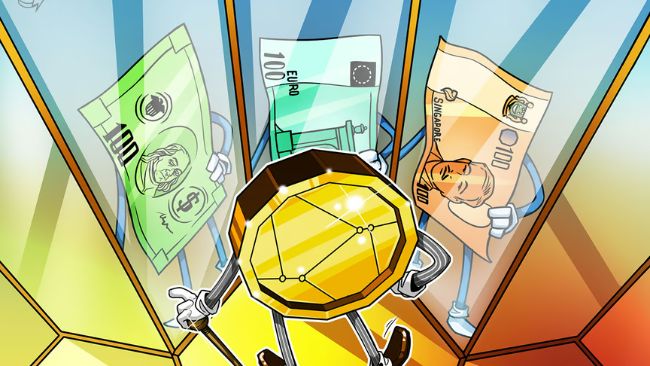
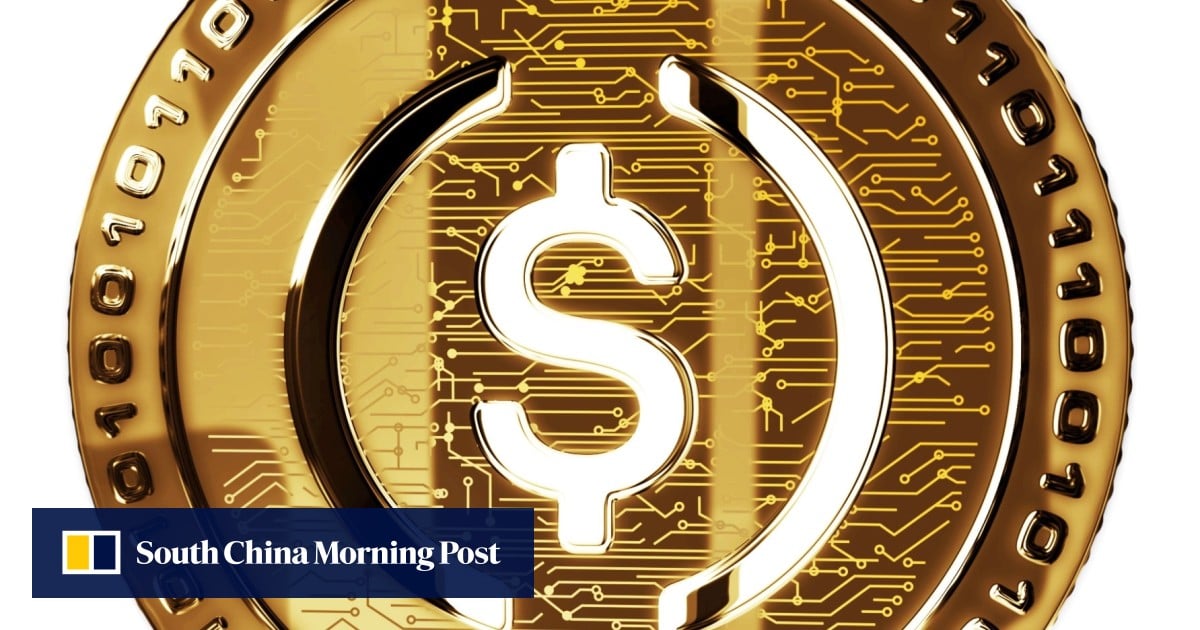
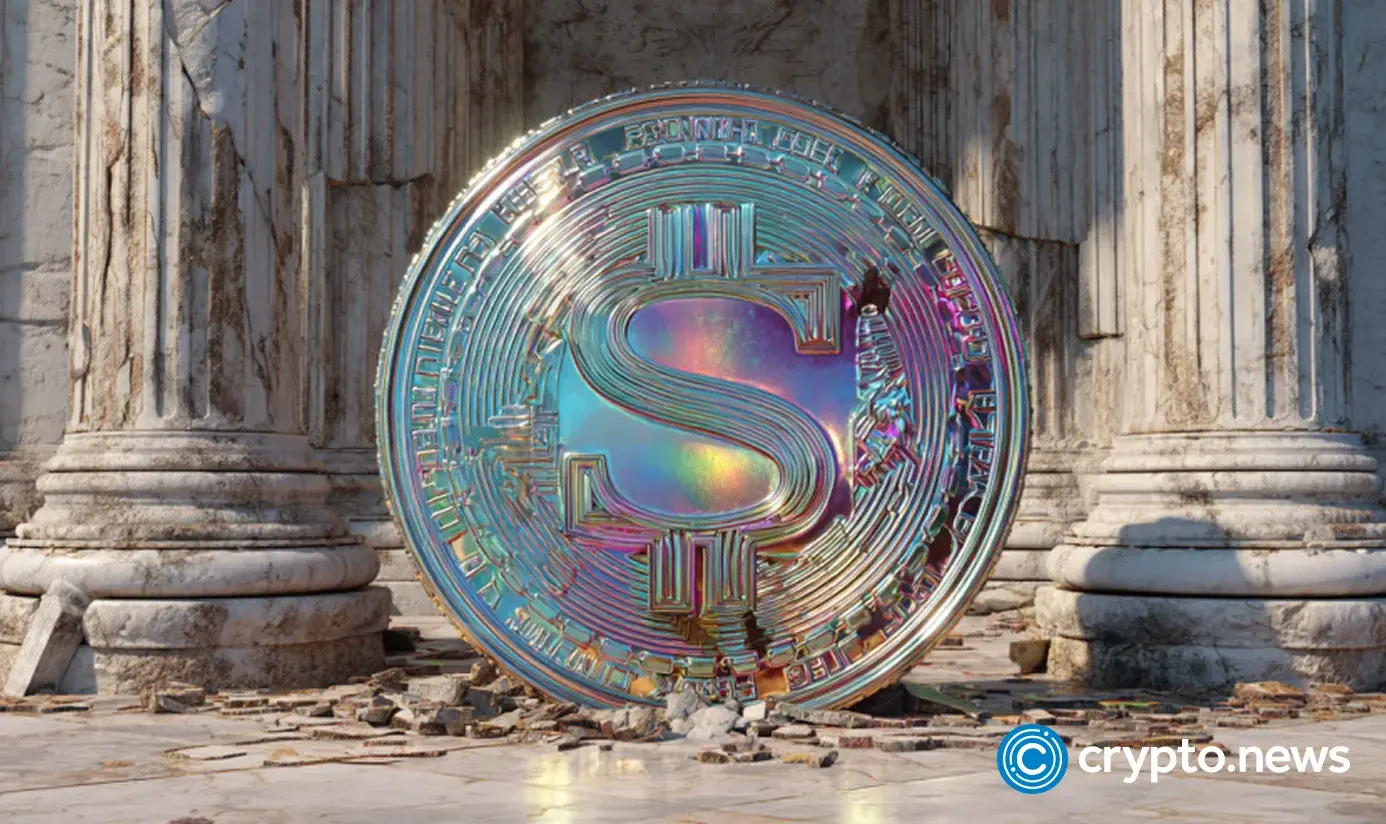
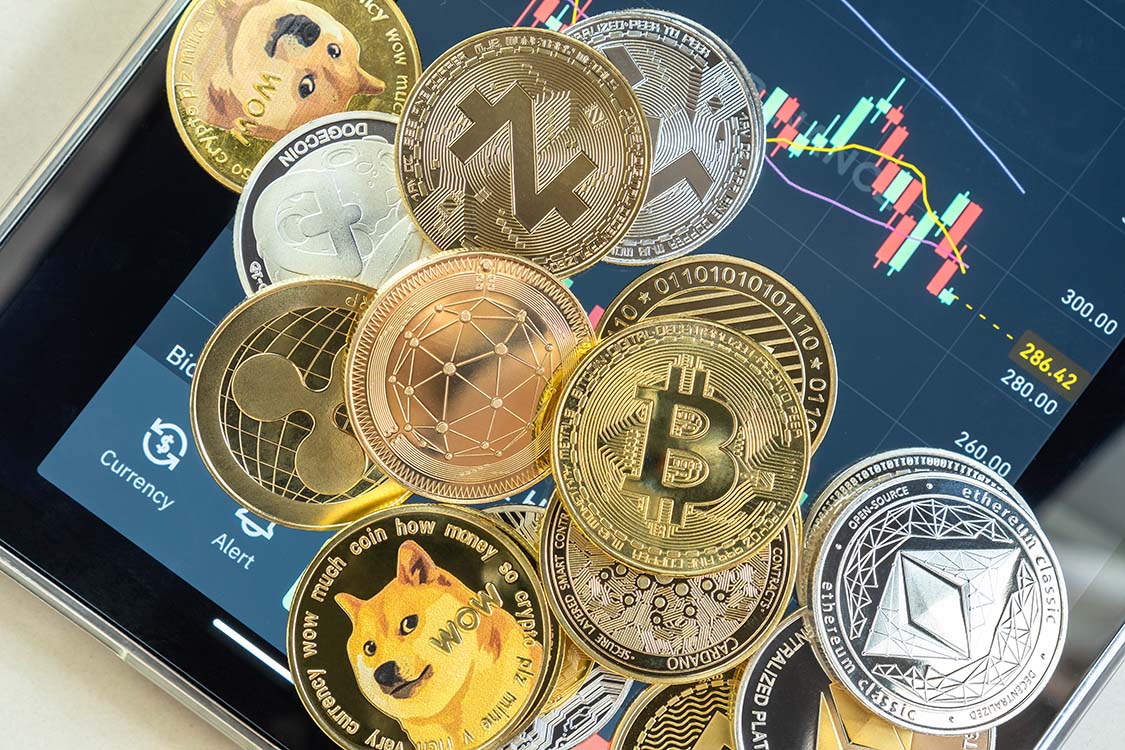
I may need to create a spreadsheet just to keep track of stablecoin projects. Every day seems to bring a new one. I am not exaggerating when I say there are more stablecoins than currencies in the world. There are roughly 180 circulating currencies in the world. There are more than 300 stablecoins, according to CoinMarketCap.
Processing Content
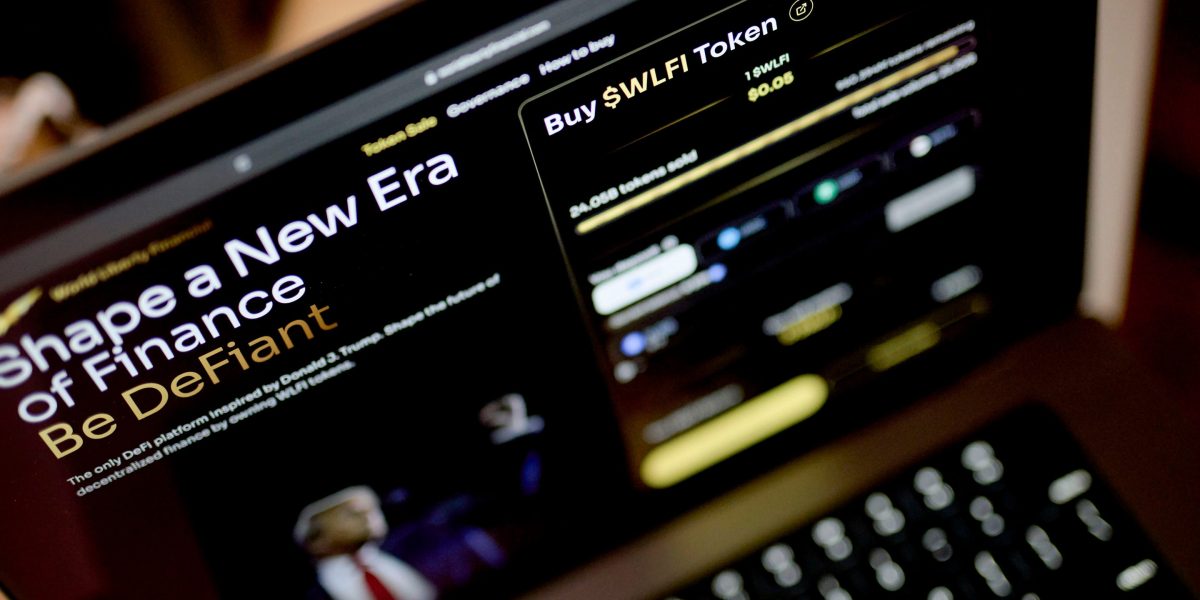
The latest effort to cross our transom
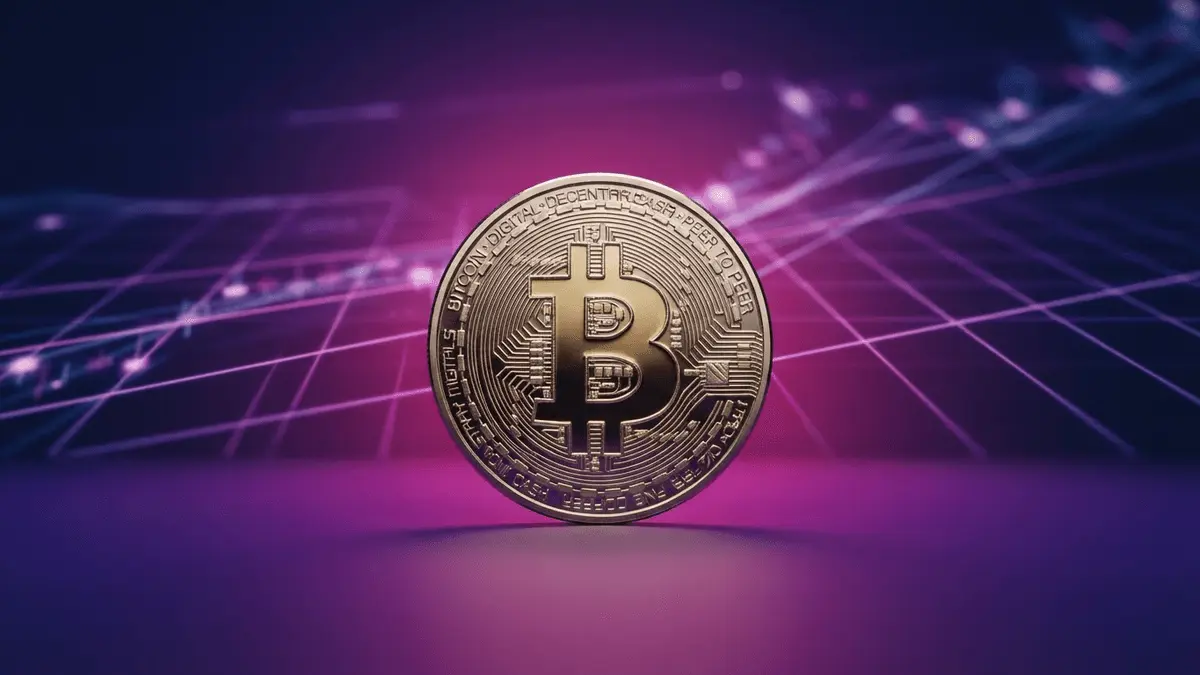
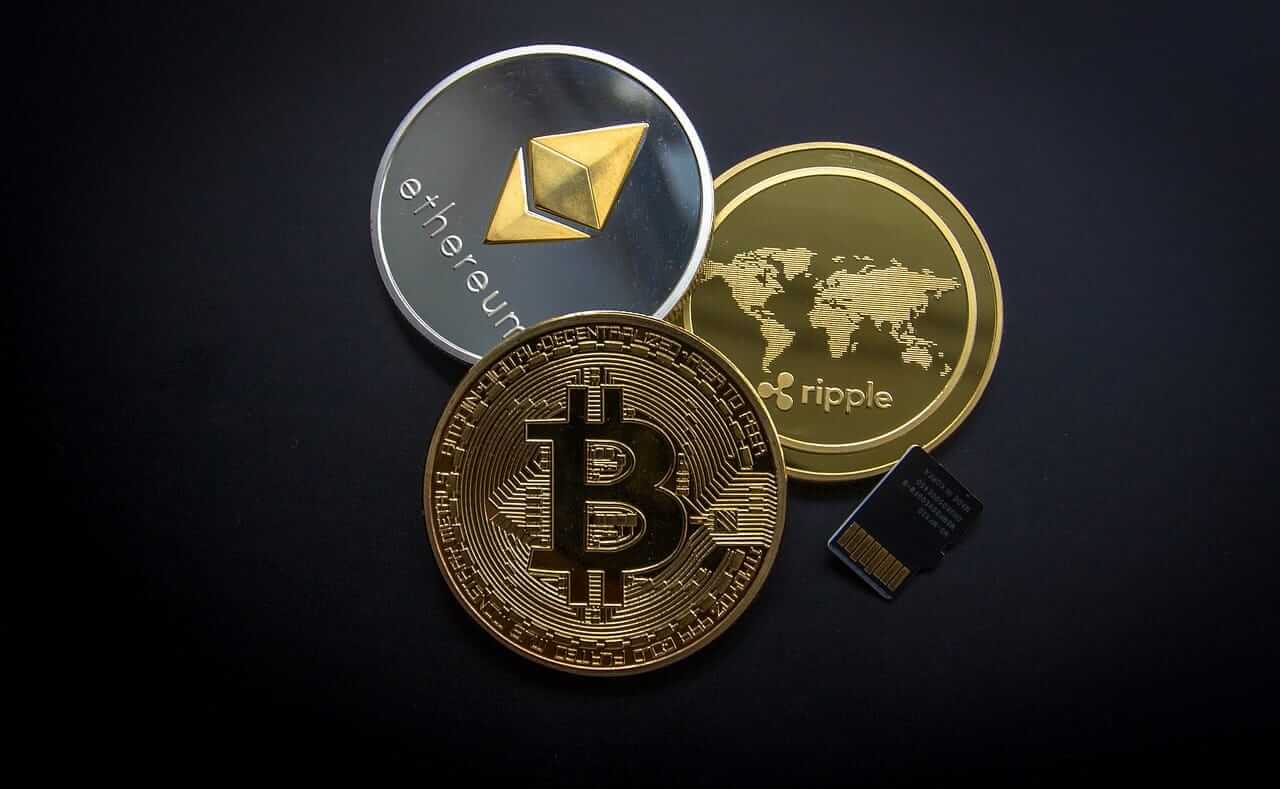
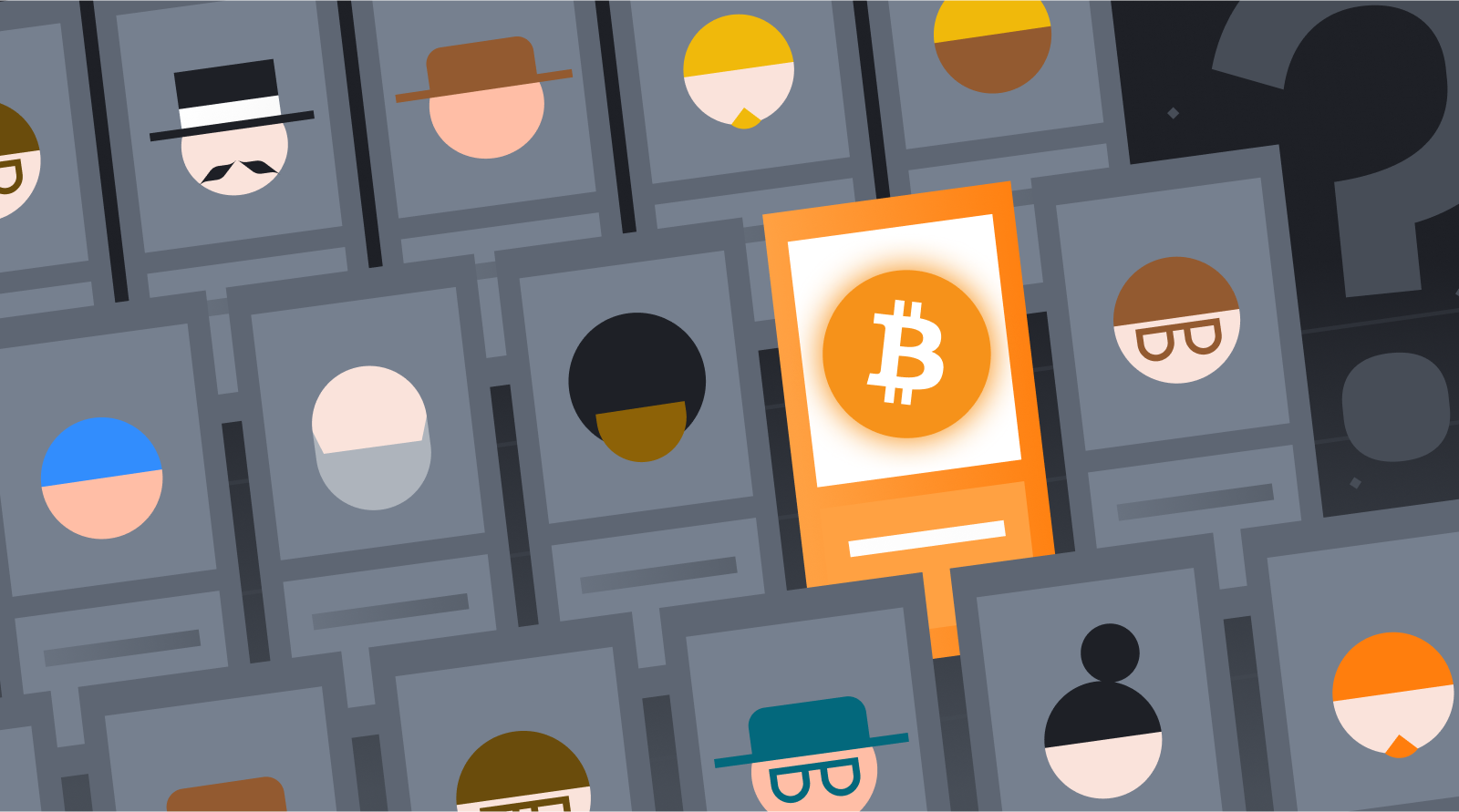
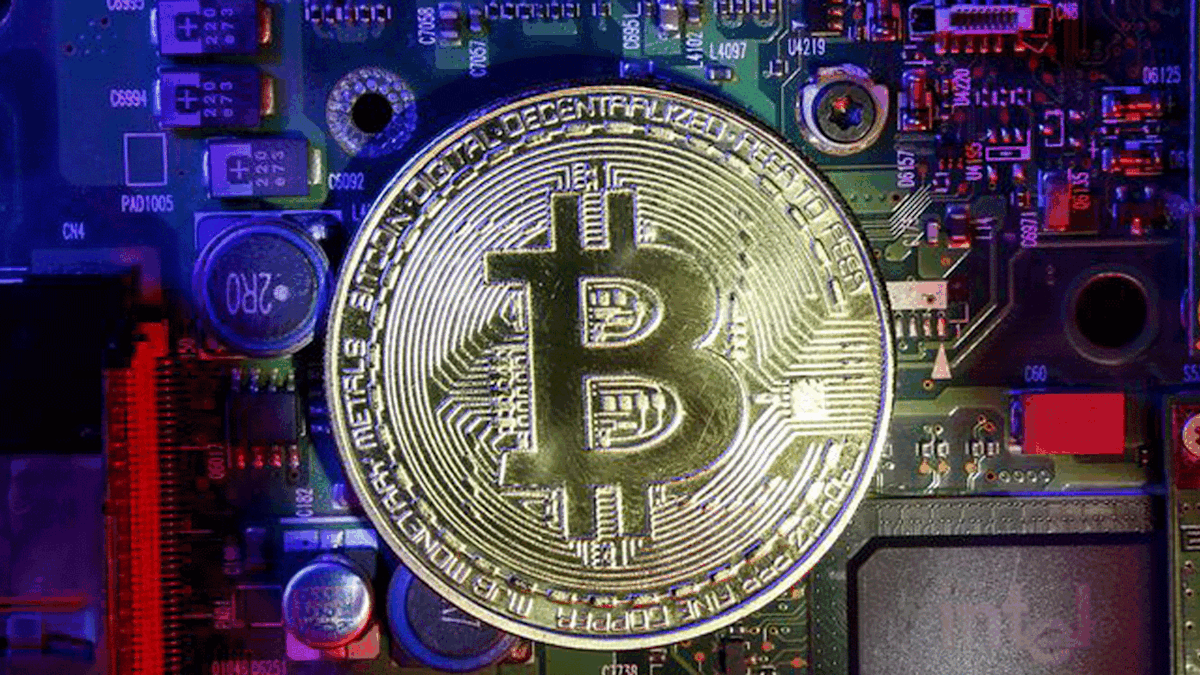
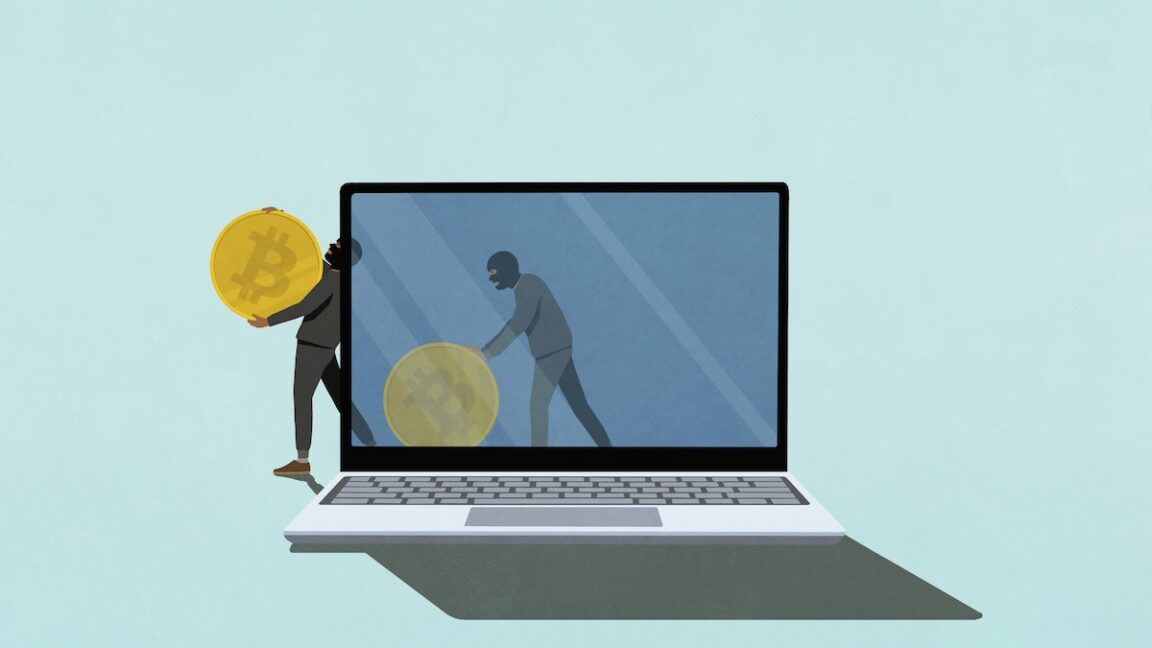
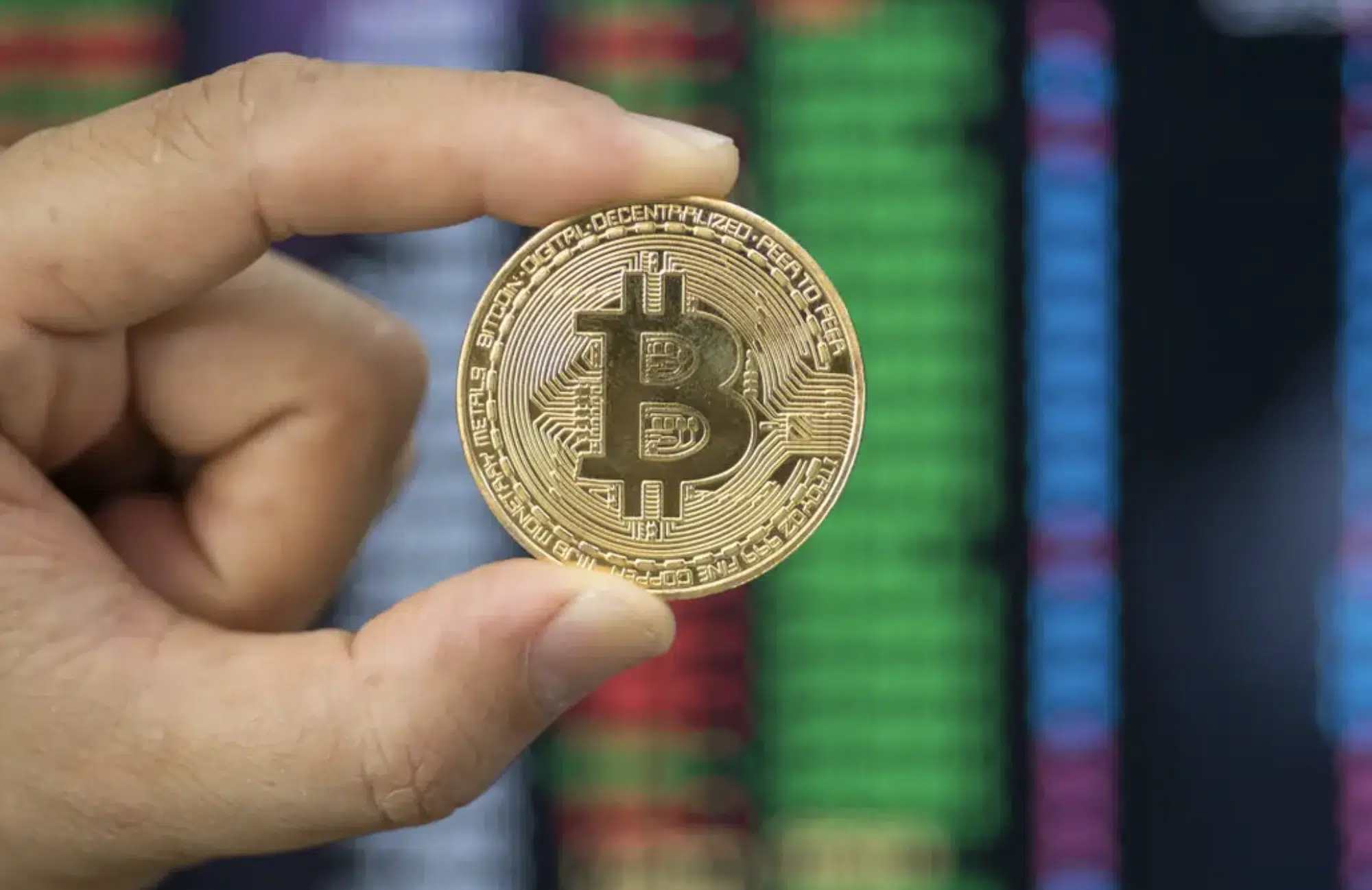
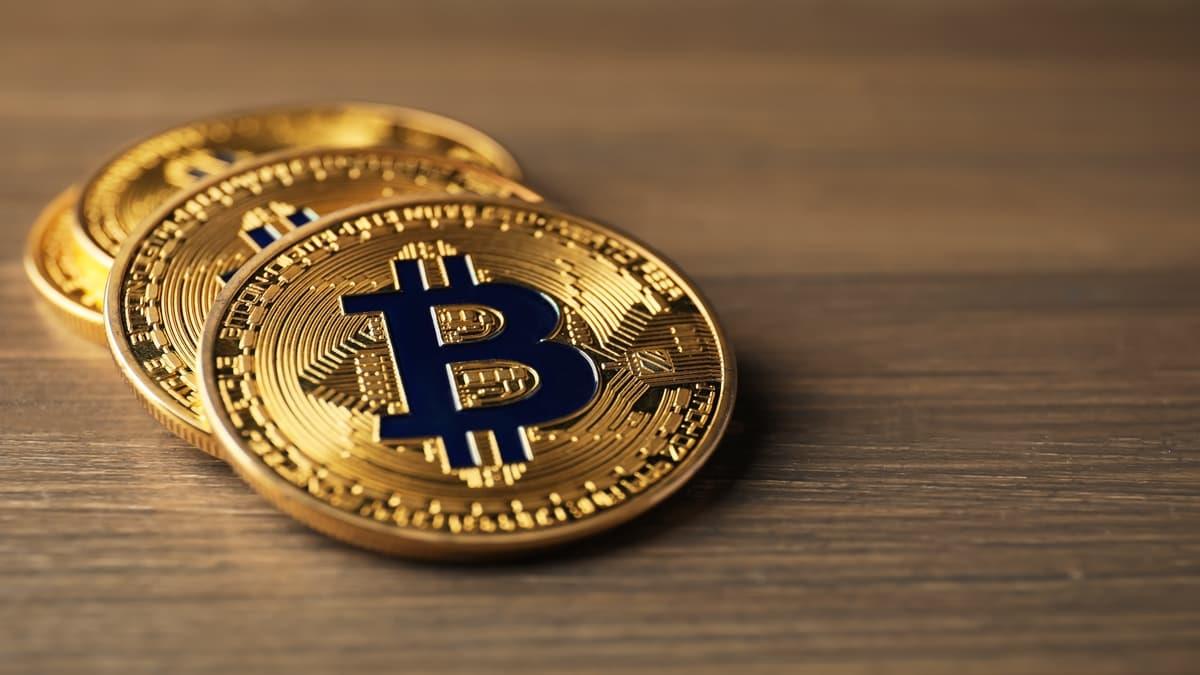
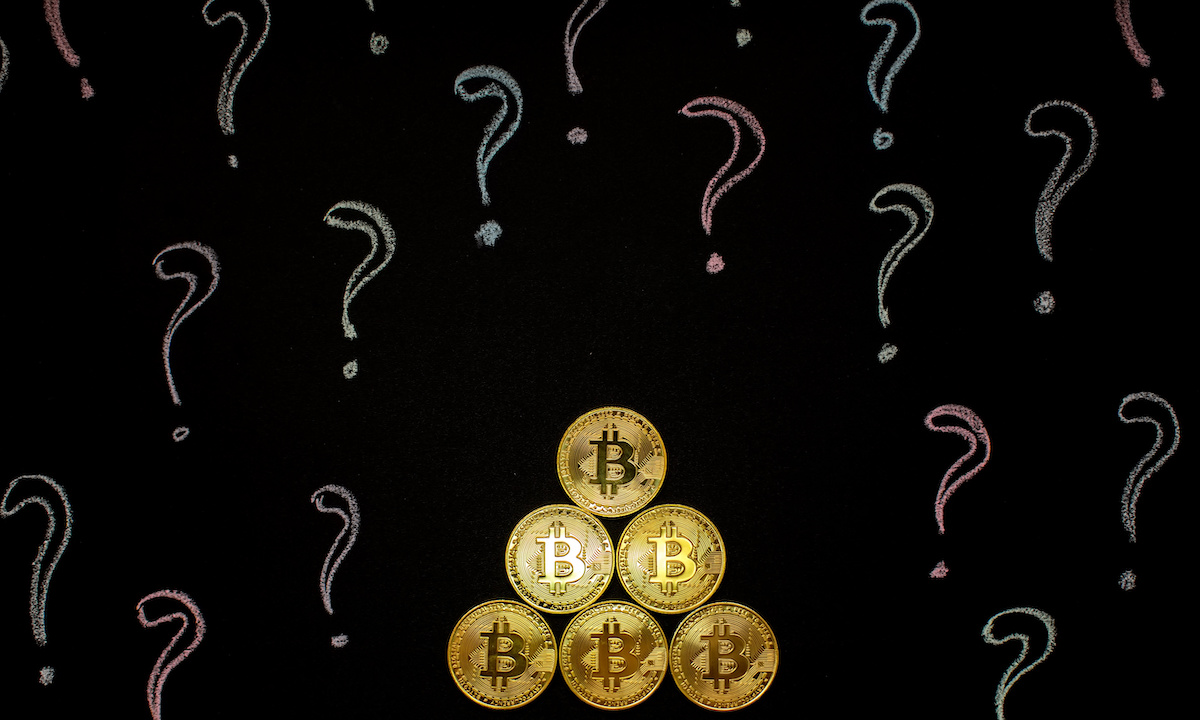
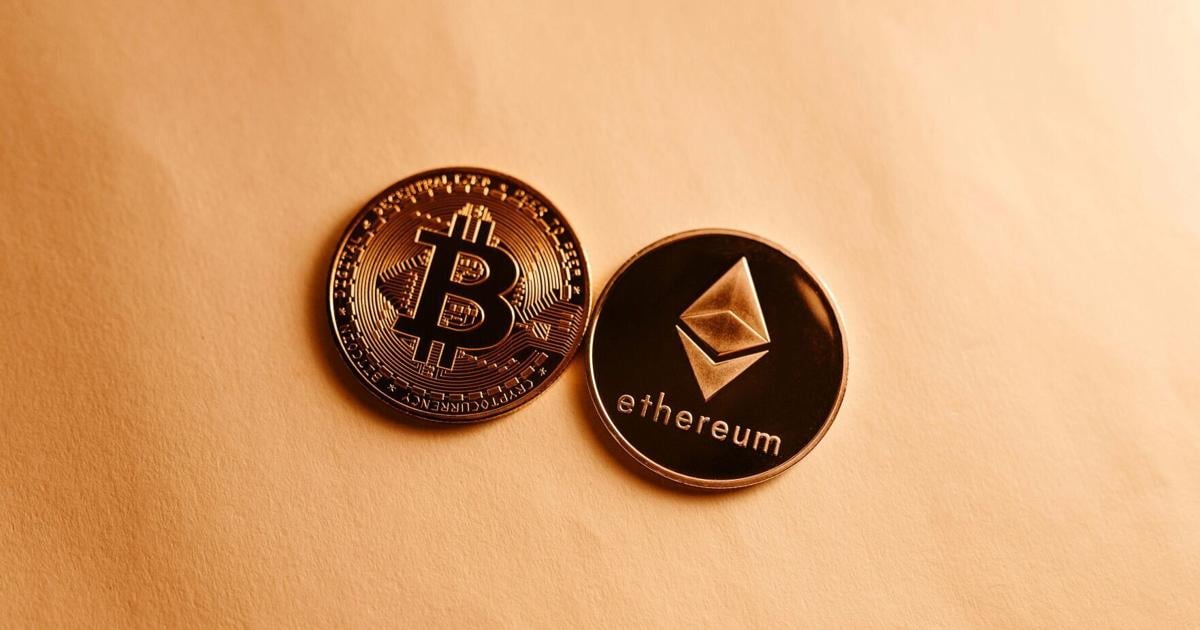
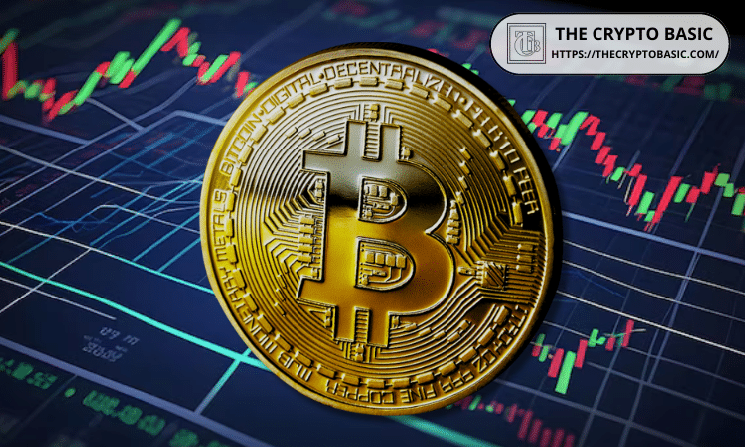
The bitcoin protocol is really quite ingenious, even elegant. The specific features that went into the bitcoin protocol combine in such a way to produce a network that can operate without central control. But ultimately, bitcoin is essentially just an elaborate open ledger dedicated to recording transactions. If you ask me, the most interesting aspect of the entire cryptocurrency phenomenon is the degree to which it has shown that what we think of as “money” is nothing more than a complicated accounting system.
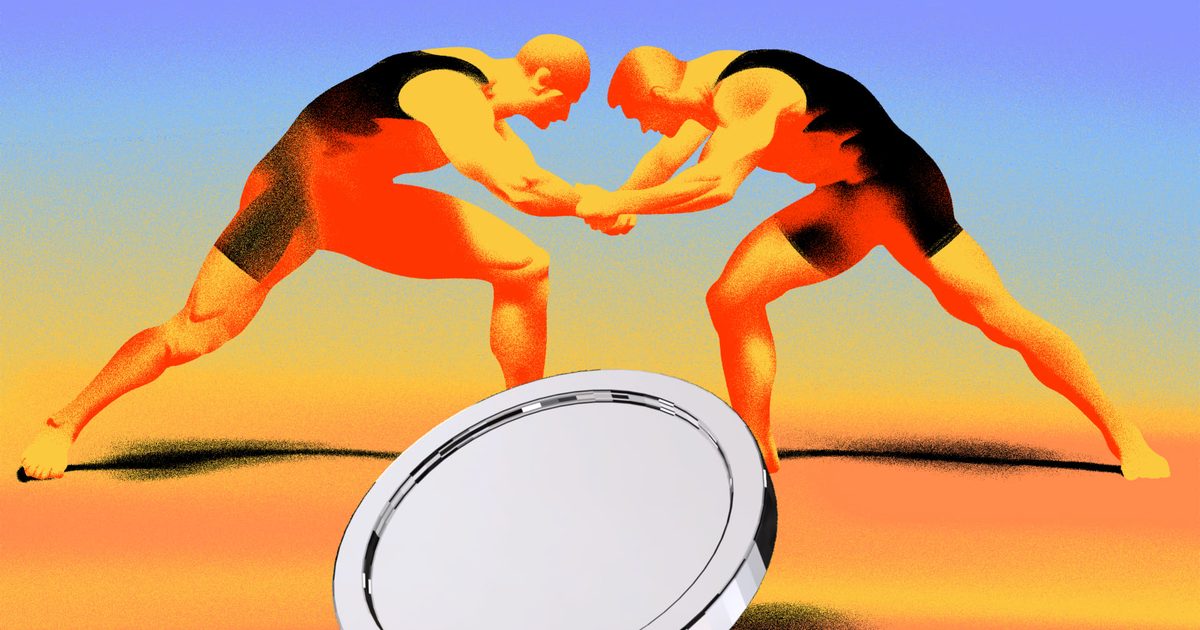
Really, anybody can create that. The features aren’t all that important. What is important is who’s backing them and who’s using them. What matters isn’t the token itself, what matters is who accepts it, and how many accept it. What matters is ubiquity. For national currencies, this is not an issue. Governments back them and decree their citizens use them. For stablecoins and cryptocurrencies, anybody can use them or not, so there is a scramble to get on board with whichever one or several will emerge dominant. They’re all exactly the same, which is why you see so many of the same names on all these announcements.
So, how many stablecoins do we need? One, assuming you can get everybody to agree on which one.
The X factor
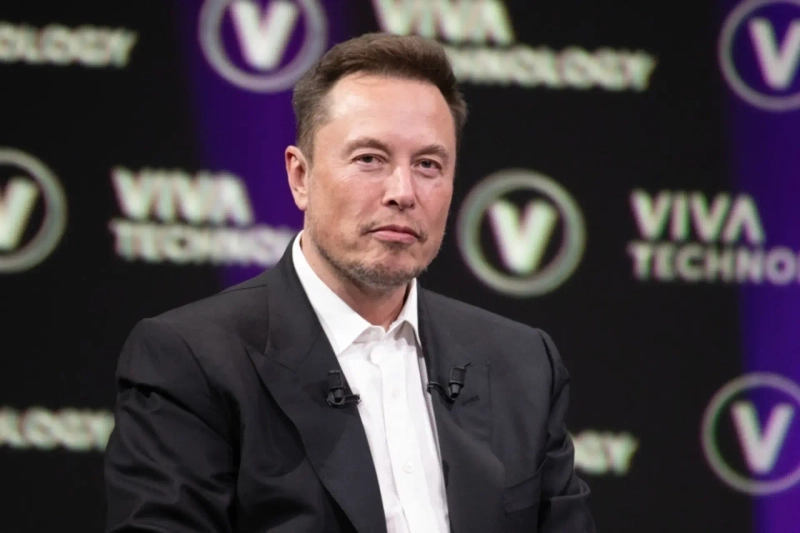
Speaking of the importance of ubiquity, Elon Musk
It’s not a bad idea, but it was a much better idea when Tencent had it 15 years ago for WeChat, which in China
Twitter was never the biggest social-media platform. What made it important was the social cache it had. It is a different platform today, a very different platform today.
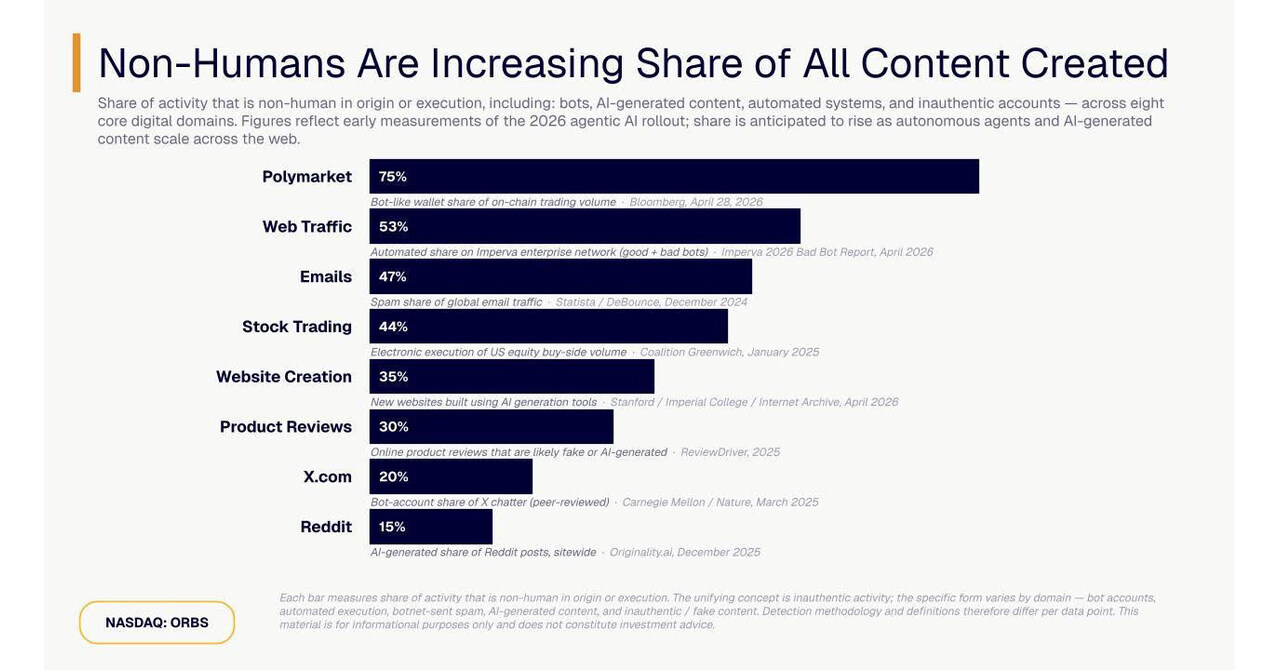
Statista has a good chart,
X has users, yes, but it is not nearly as ubiquitous as it was when it was Twitter. And it’s not even clear how many of those users on X are human anymore. Like it or not, Facebook has far more ubiquity than X, and
He should probably just join Open Standard and call it a day.