The cryptocurrency sector is beginning to take the emerging threat of quantum computing more seriously as rapid technological progress raises fears that future quantum machines could eventually defeat the encryption protecting digital wallets and blockchain transactions.
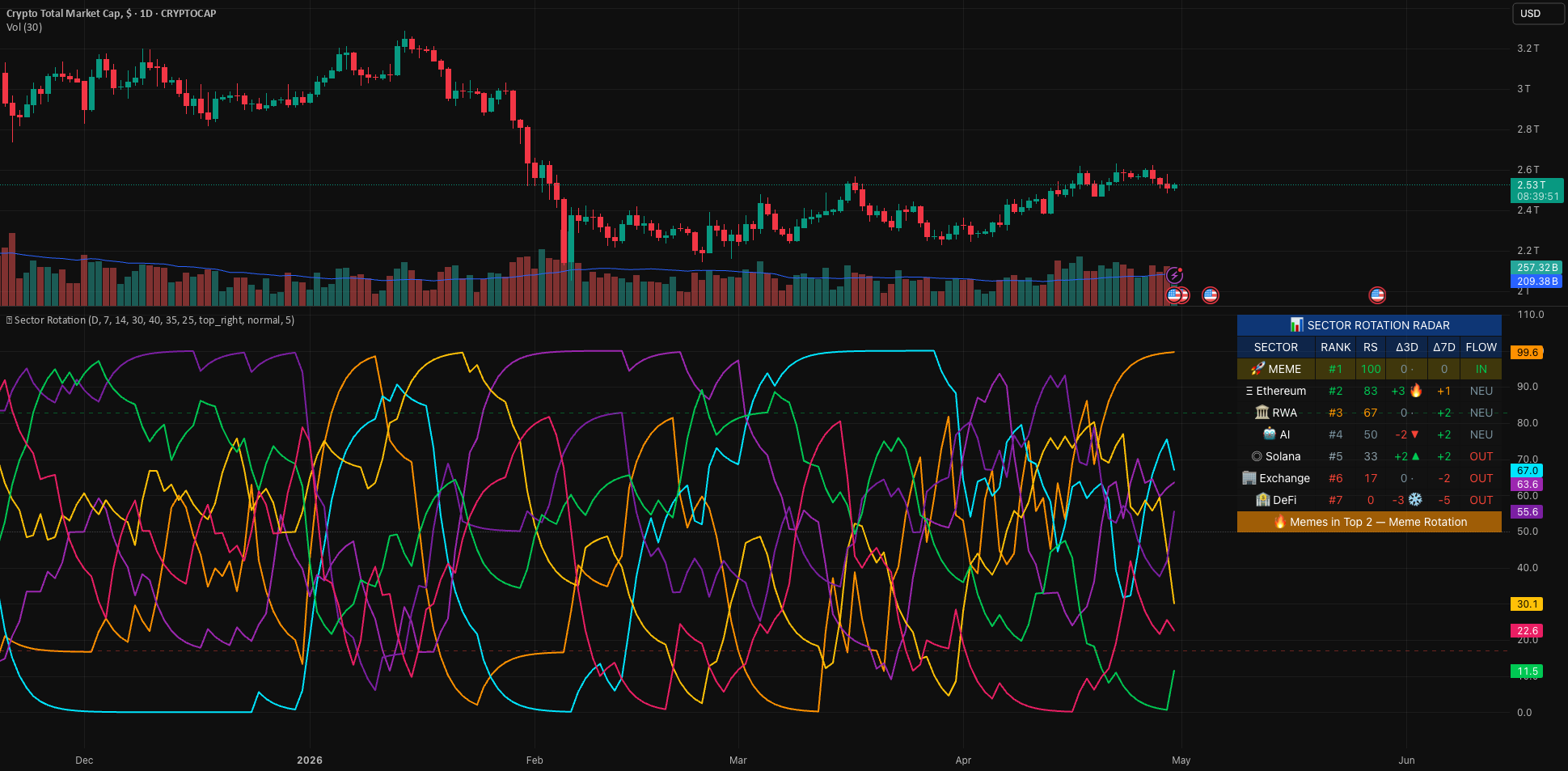
Unlike conventional computers, quantum systems are designed to process highly complex mathematical calculations at extraordinary speed. That capability could eventually allow them to crack the cryptographic methods that secure digital assets, posing a significant challenge for the global cryptocurrency market, now valued at around $2 trillion. Blockchain networks still rely on cryptographic techniques developed decades ago and have already faced numerous security breaches over the years.
Although practical quantum computers remain under development, concern has intensified after research published by Alphabet’s Google in March suggested that encryption-breaking quantum machines may arrive sooner than previously anticipated, according to industry executives and analysts. Google has indicated that such systems could emerge by 2029, compared with earlier expectations that they remained more than a decade away.
Additional studies, including recent work by Citigroup, argue that advances in both quantum computing and artificial intelligence have shortened the timeline before cryptocurrencies could face widespread vulnerability to cyberattacks.
Recognising the strategic importance of the technology, U.S. President Donald Trump signed executive orders last month aimed at strengthening America’s quantum computing capabilities.
In response, several cryptocurrency companies and blockchain developers are preparing plans to migrate their networks toward quantum-resistant encryption standards. The transition is expected to be complex, potentially taking years and requiring major upgrades across blockchain infrastructure.
“It’s the most direct and existential threat towards cryptocurrencies and crypto networks,” said Chris Tam, head of quantum innovation at BTQ Technologies, which focuses on quantum security.
Legacy Cryptography Faces Growing Pressure
Most blockchain networks depend on elliptic-curve cryptography, a security system that has been in use for decades. It creates the public and private keys and digital signatures that verify ownership of digital assets and approve transactions. In many blockchain systems, public keys become visible after funds are transferred or spent.
Current computers cannot realistically reverse-engineer a private key from a public one. However, a sufficiently advanced quantum computer could theoretically achieve exactly that, enabling criminals to forge signatures and approve fraudulent transfers.
The threat is particularly serious for public blockchain networks because, unlike traditional banking transactions, cryptocurrency transfers cannot be reversed once completed.
“Crypto especially is uniquely exposed because blockchains are transparent and permanent,” said Utkarsh Ahuja, managing partner at Moon Pursuit Capital, a crypto investor.
Bitcoin, the world’s largest cryptocurrency, is viewed as especially susceptible because its 17-year transaction history has exposed millions of public keys.
An unpublished June 2026 working paper by independent researcher Ahmed Raza Muhammad Umer estimates that roughly 35% of Bitcoin’s circulating supply could be vulnerable to a future quantum attack. Other research published last year suggested the proportion could be as high as 50%.
Cristiano Ventricelli, vice president and senior analyst of digital assets at Moody’s Ratings, warned that a successful theft involving a substantial amount of cryptocurrency could trigger a sharp market sell-off. “Everyone will feel the impact,” he added.
The long-term threat has already influenced some investment decisions. In January, Jefferies’ global head of equity strategy Christopher Wood removed a 10% Bitcoin allocation from his model portfolio, citing the long-term “existential” risk posed by quantum computing.
Blockchain Developers Begin Preparing for the Transition
Despite growing concern, Ahuja and other industry experts believe practical quantum attacks remain several years away, providing time for blockchain networks to adopt new forms of post-quantum cryptography designed to resist future quantum computers.
Many developers also caution against rushing the transition. Post-quantum encryption standards continue to evolve, while larger digital signatures could increase storage requirements, consume more bandwidth and raise operating costs. Networks with fixed block-size limits, including Bitcoin, could face additional scalability challenges, according to Zach Pandl, head of research at crypto asset manager Grayscale. Nevertheless, he believes technical solutions are already emerging.
“There is an engineering challenge ahead, but there are engineering solutions already on the table,” he added.
Some industry executives compare the scale of the required transition to the global Y2K technology overhaul, when businesses spent more than $300 billion preparing computer systems for the millennium change.
The decentralised nature of blockchain governance may make the process even more difficult. According to BTQ Technologies’ Chris Tam, reaching consensus across distributed communities on which solution to implement could prove challenging.
Industry participants interviewed for the report said none of the world’s 20 largest blockchains have yet introduced post-quantum signature algorithms. Within the Bitcoin community, developers remain divided over both the preferred technical solution and the appropriate timetable. Meanwhile, the Ethereum Foundation has said it aims to achieve full quantum protection by 2029.
“The sort of disaster scenario is that it happens way sooner than we think,” said Christopher Smith, CEO of Quantus, a blockchain that already uses post-quantum cryptography.
Among the projects taking early action is the Algorand Foundation. The organisation published its post-quantum roadmap last month and plans to begin supporting post-quantum accounts later this year, according to chief technology officer Bruno Martins.
“It felt right to start doing (something) now, because it’s responsible to have a plan,” Martins added.