SAN FRANCISCO – AT&T unveiled an open-source model designed to help telecom operators make better sense of vast amounts of network data.
Dubbed OTel 2.0, the model was co-developed alongside AMD, Microsoft, and other members of the Open Telco AI program that launched earlier this year. OTel 2.0 was trained on data provided by members, with the chip giant claiming it was the “best performing” industry-specific open model.
AMD in a press release stated that AT&T has already processed more than one trillion tokens on AMD graphics processing units (GPUs) via Microsoft Foundry for training, with tokens used to post-train OTel 2.0 to improve its performance capabilities.
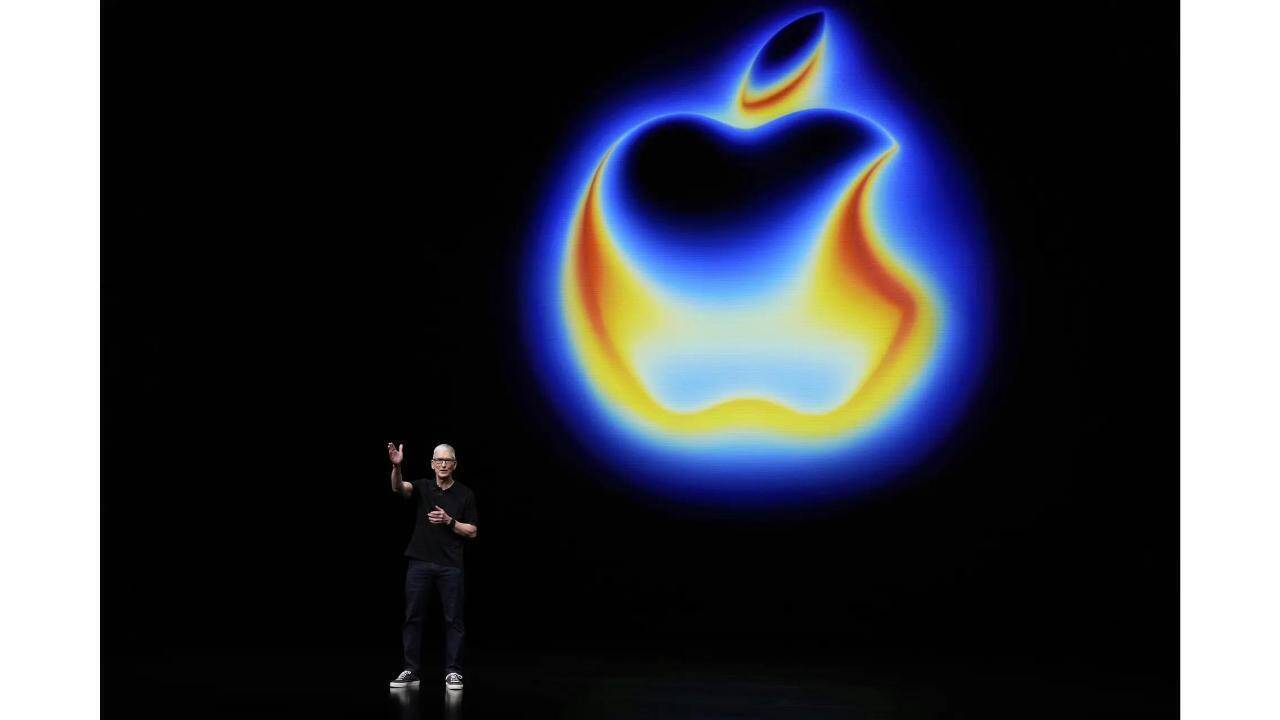
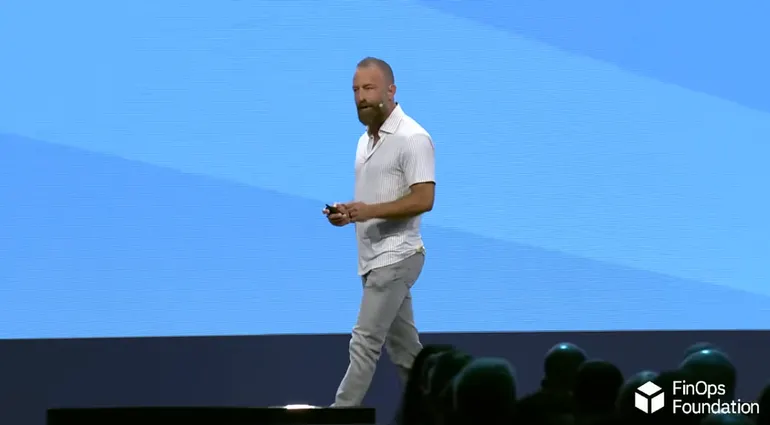
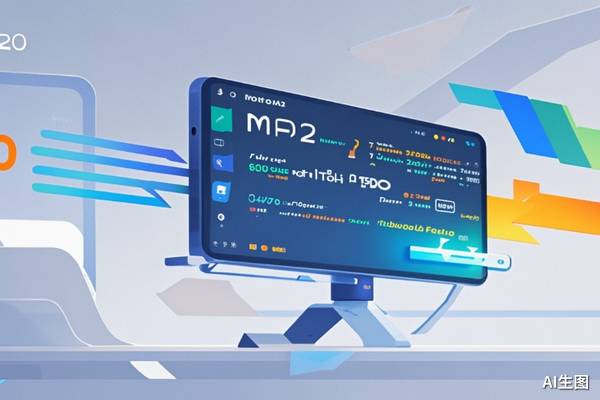
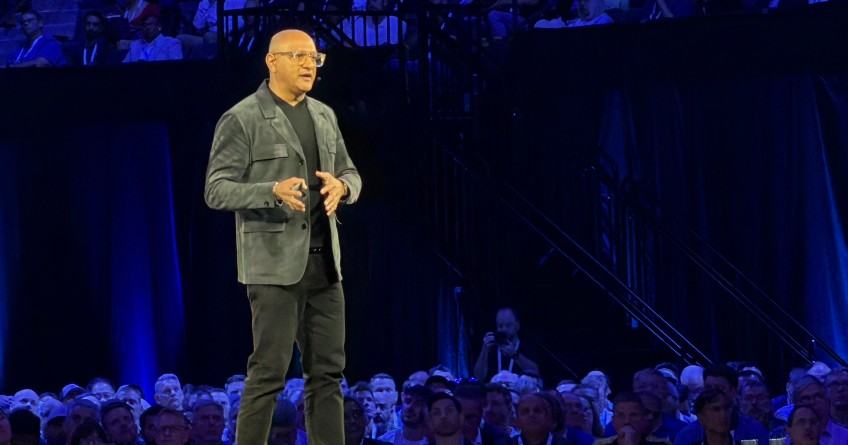
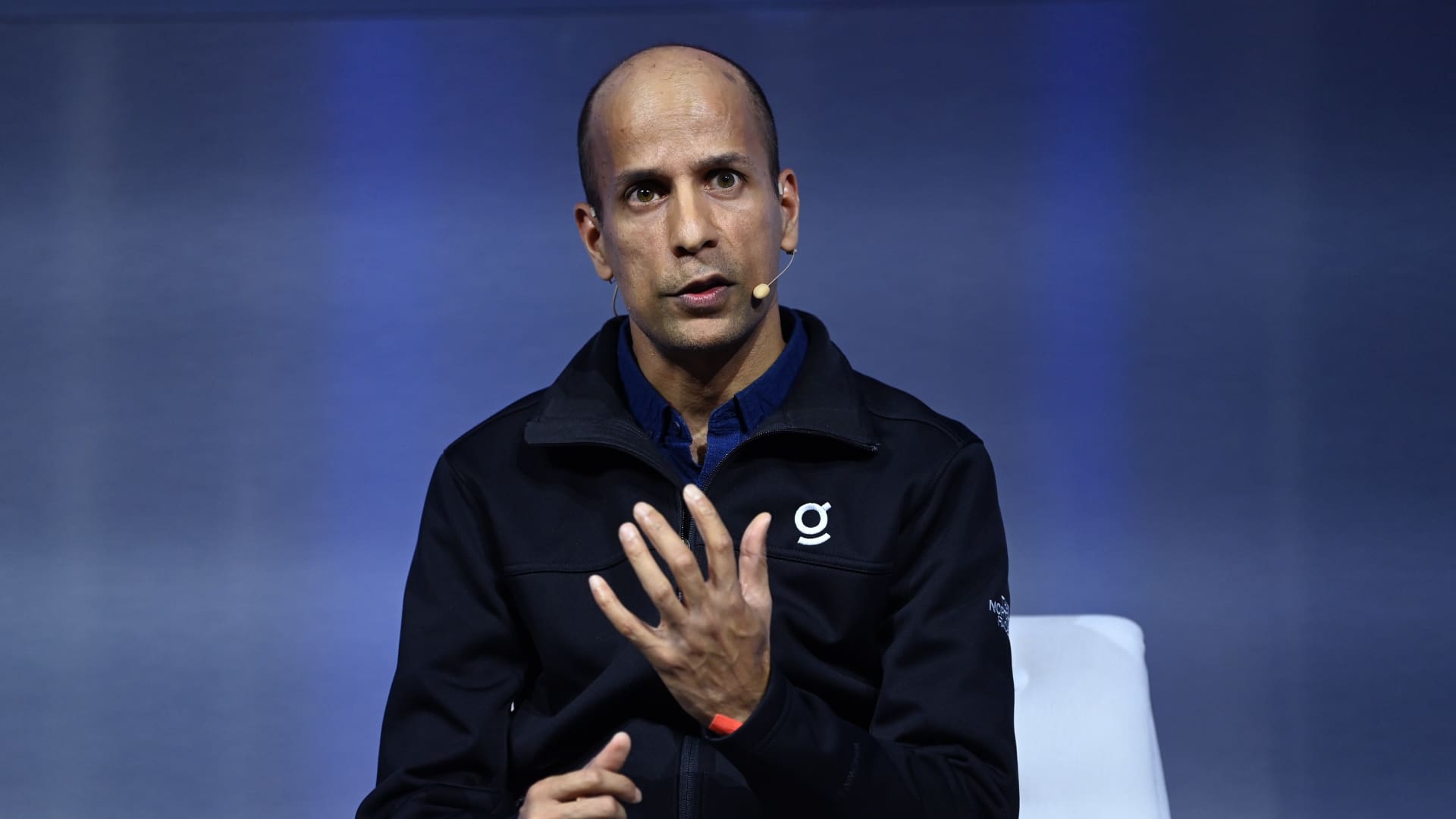
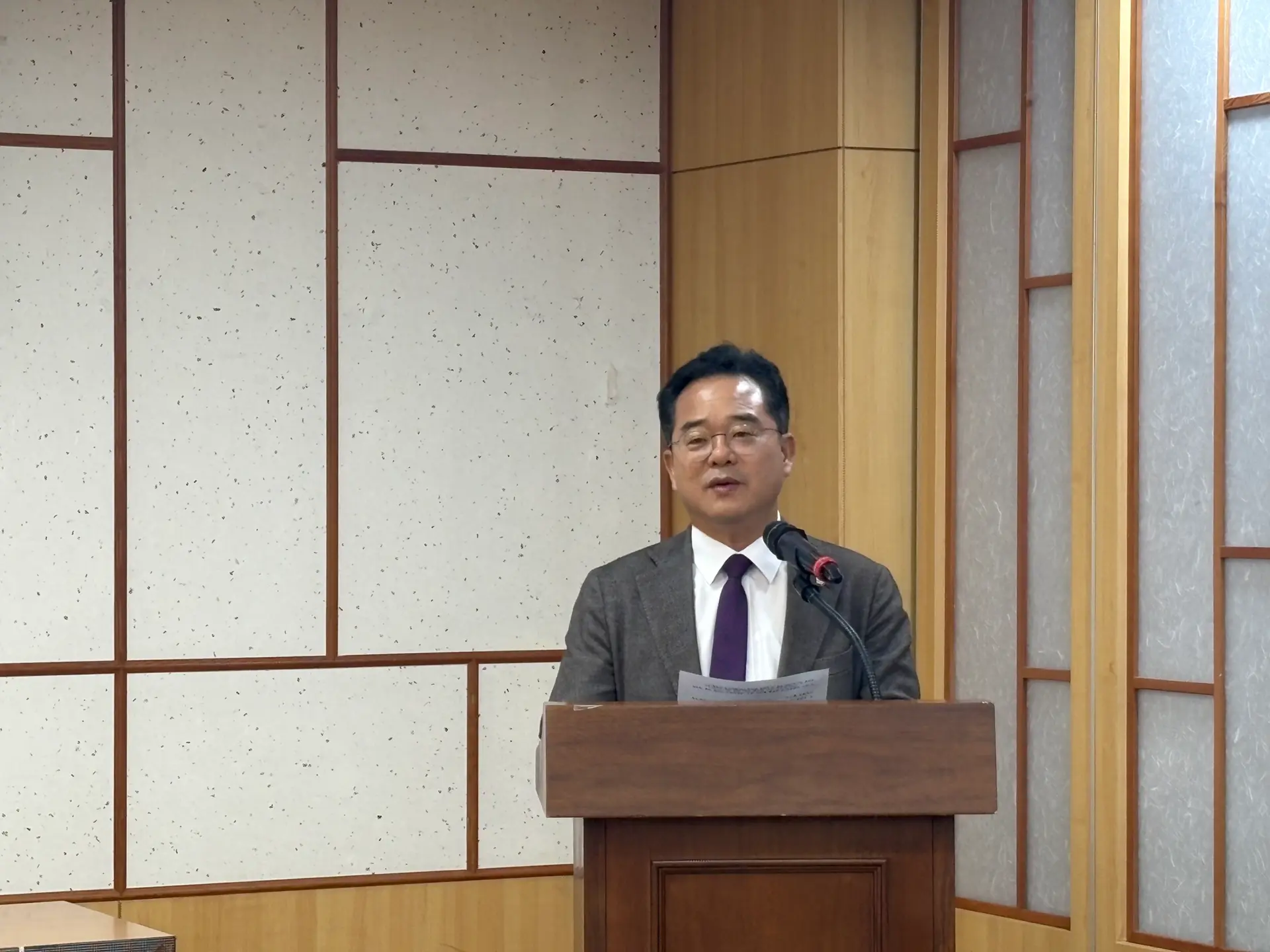
During the Advancing AI keynote, AT&T CTO Jeremy Legg took the stage, claiming the carrier was “burning about a trillion plus tokens per month,” a number that’s gone up “pretty dramatically.”
Driving that usage was the carrier’s aggressive AI efforts, with Legg telling the audience it has more than 100 generative AI models in production – with 40% running on AMD hardware.
The firm is spending around 45 billion tokens per day, per slides shown during the keynote, with areas AT&T’s models are covering include customer care, fraud detection, and cell tower placement, with Legg even claiming it was “agentifying” things like employee onboarding.
Legg told the audience that the initial version of OTel received more than 18 million downloads. This latest version is “more advanced,” though details on its exact capabilities were light.
“We felt like the industry was moving down a path where folks were only going to use closed-source models to solve solutions, and while closed-source models are an important ingredient in that, we didn’t want to lose sight of the fact that open-source models were going to be a very significant part of the solution,” Legg added.
“AT&T’s progress shows what becomes possible when open collaboration, telecommunications expertise, and right-sized compute come together,” Dan McNamara, AMD’s SVP and GM for compute and enterprise AI, said. “By combining AMD Instinct GPUs, the open AMD ROCm software platform, and flexible compute from core to edge, we can help operators build and deploy telco-specific AI at scale while balancing accuracy, performance and cost.”
Like its big green rival, AMD has sought to tout its hardware to carriers and operators, with the ever-growing AI radio access network (AI-RAN) segment edging closer to reality.
Unlike Nvidia and its decision to invest $1 billion in one specific player in this space, AMD instead opted to toe its traditional open, community line via the Open Telco AI program. The chip giant acts as the compute capacity provider and has also made its open software foundation available to the likes of Telefónica, China Unicom, and SK Telecom, who count among those on board as program contributors.