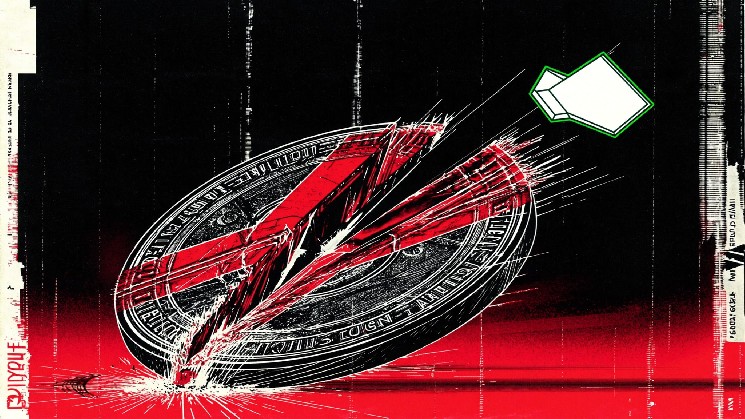
US spot Bitcoin and Ethereum ETFs hemorrhaged a combined $102 million in net outflows on June 18, snapping what had been a brief period of positive inflows and reigniting concerns about institutional appetite for crypto exposure.
Bitcoin products bore the brunt of the damage, with approximately $90.7 million walking out the door according to Farside data. Ethereum ETFs contributed roughly $12.77 million in outflows, with BlackRock’s iShares Ethereum Trust (ETHA) accounting for nearly all of the Ethereum-side losses.
The numbers behind the bleed
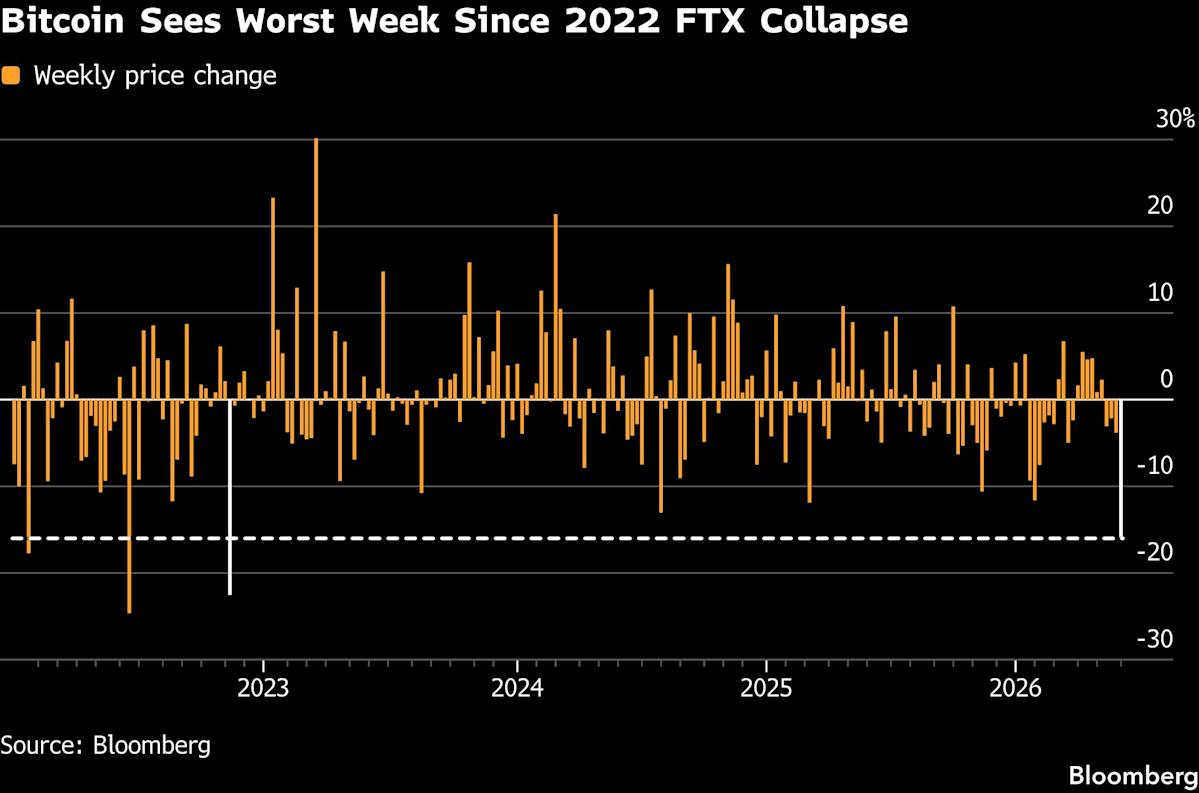
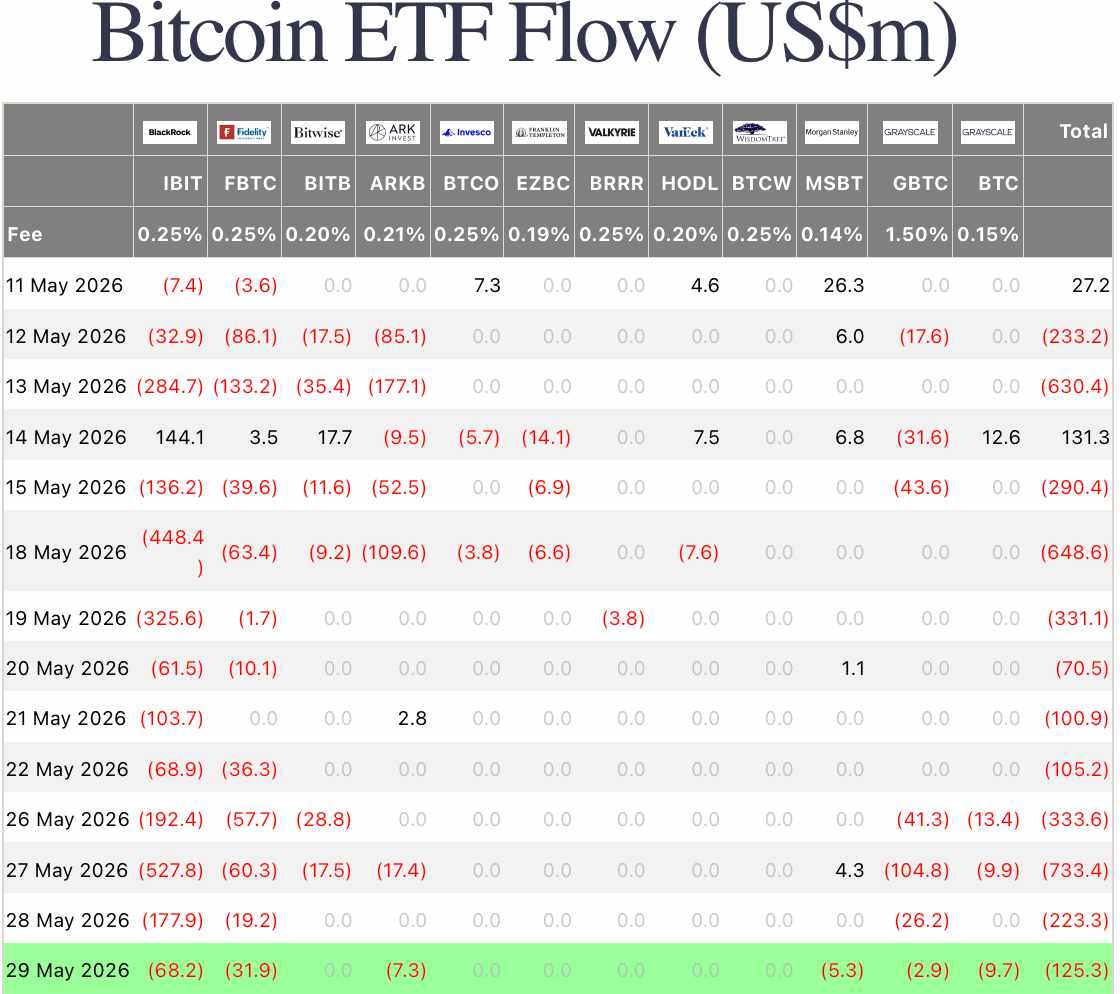
This sell-off arrived just two weeks after a record 13-day Bitcoin ETF outflow streak finally ended on June 5. That streak alone drained roughly $4.4 billion from Bitcoin products.
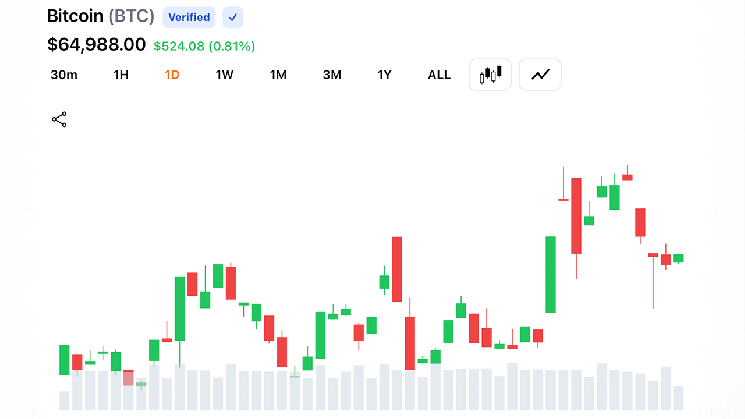
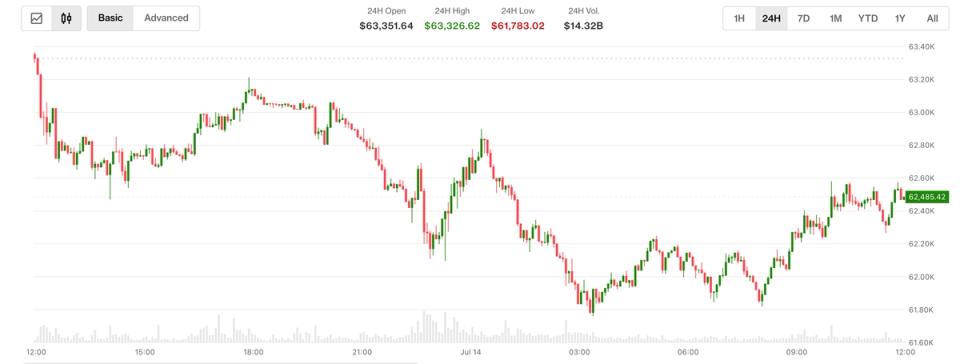
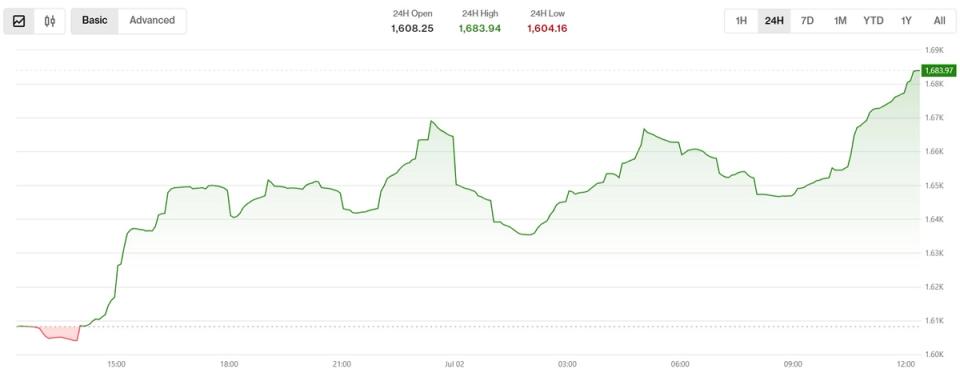
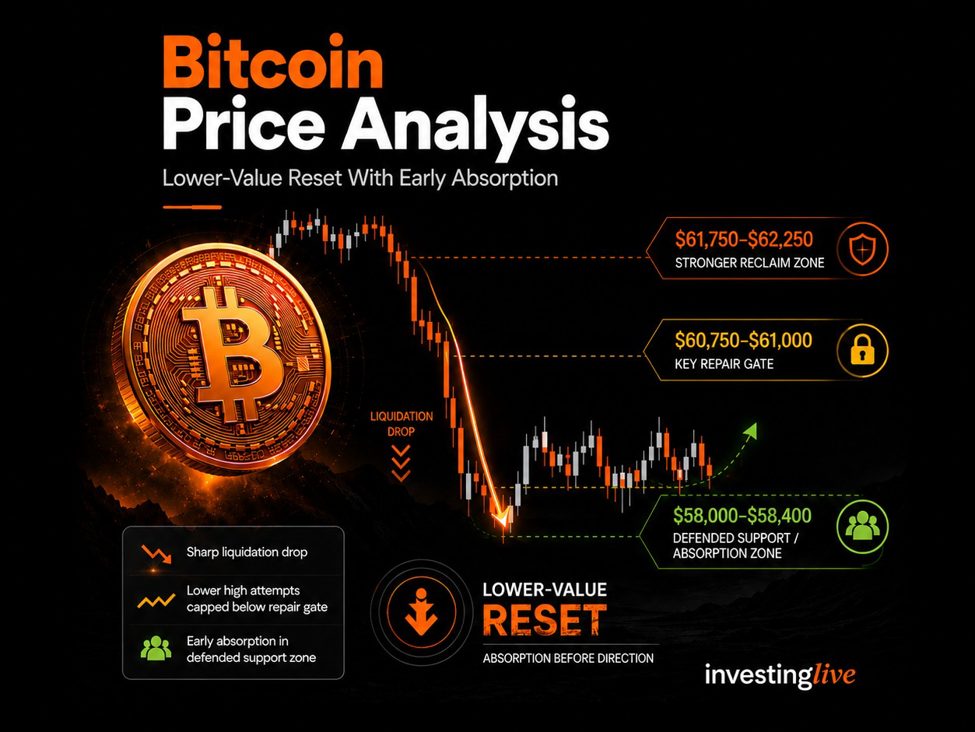
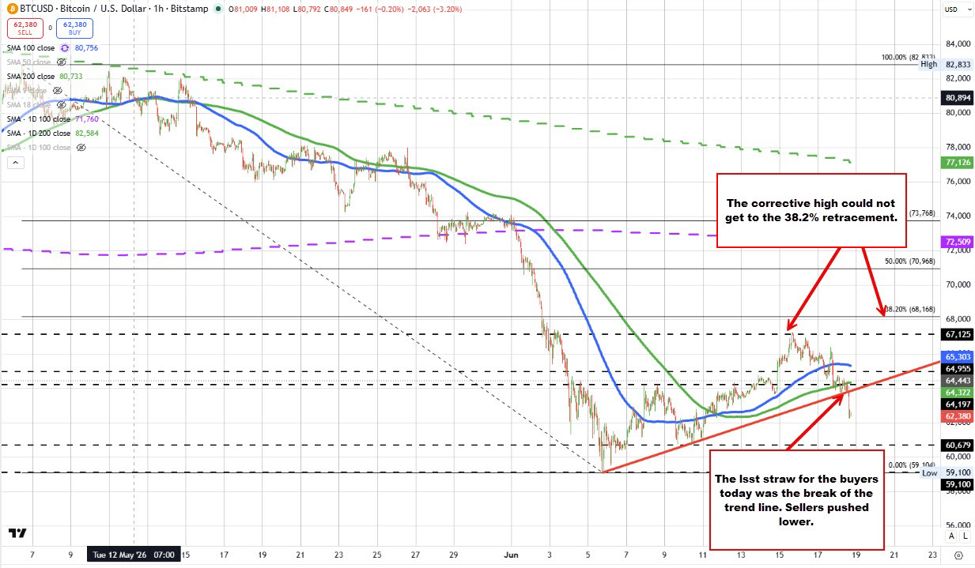
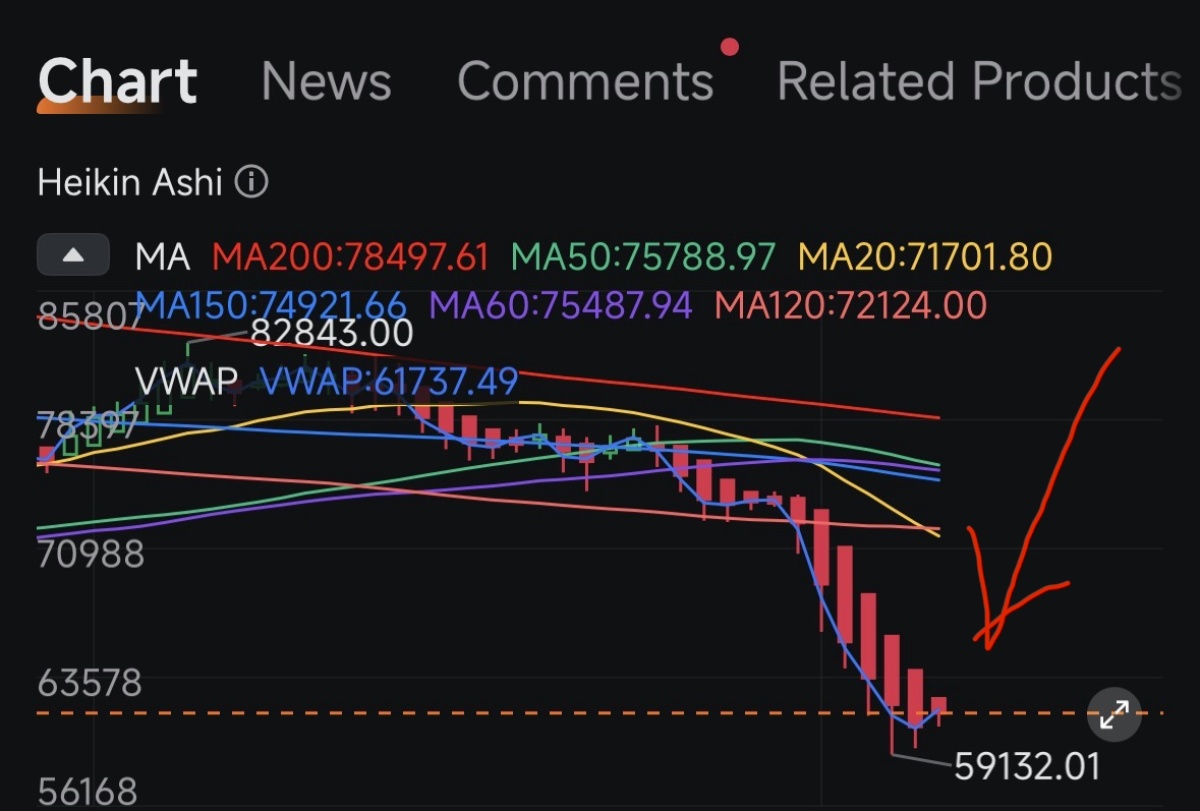
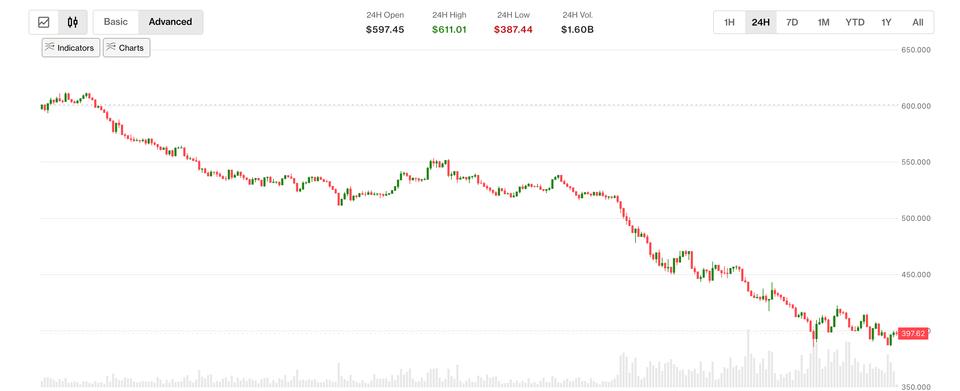
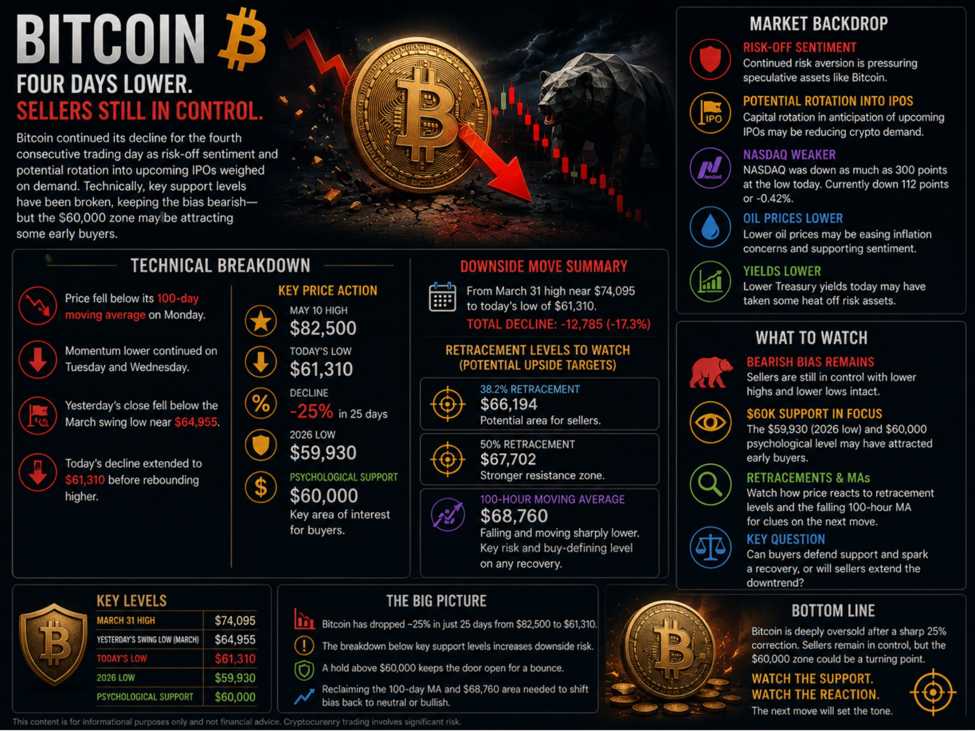
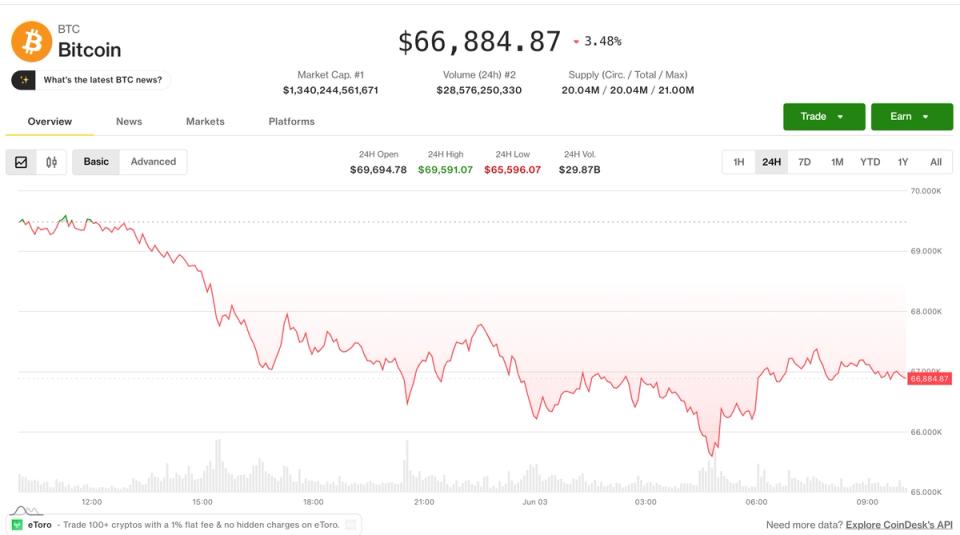
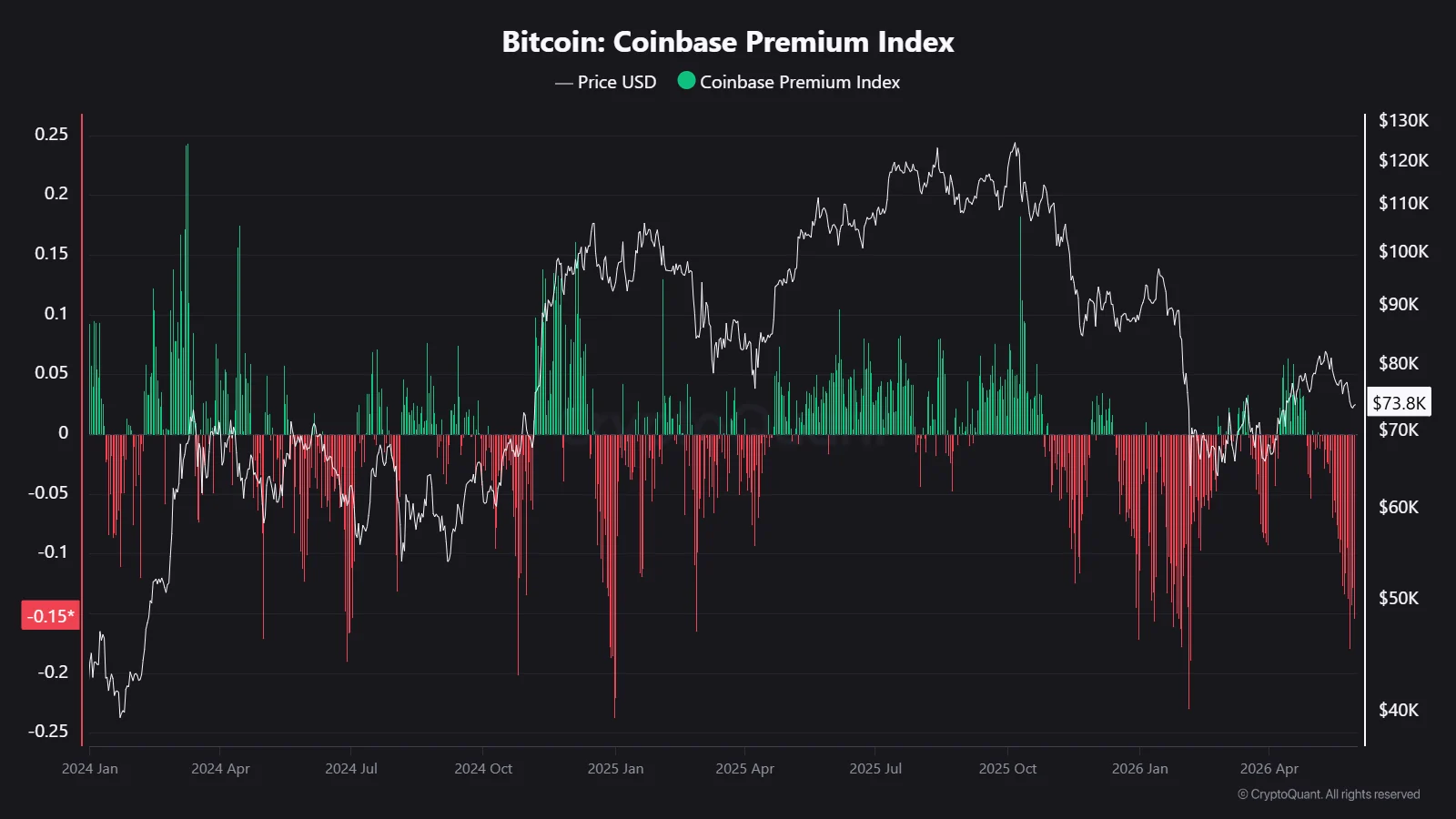
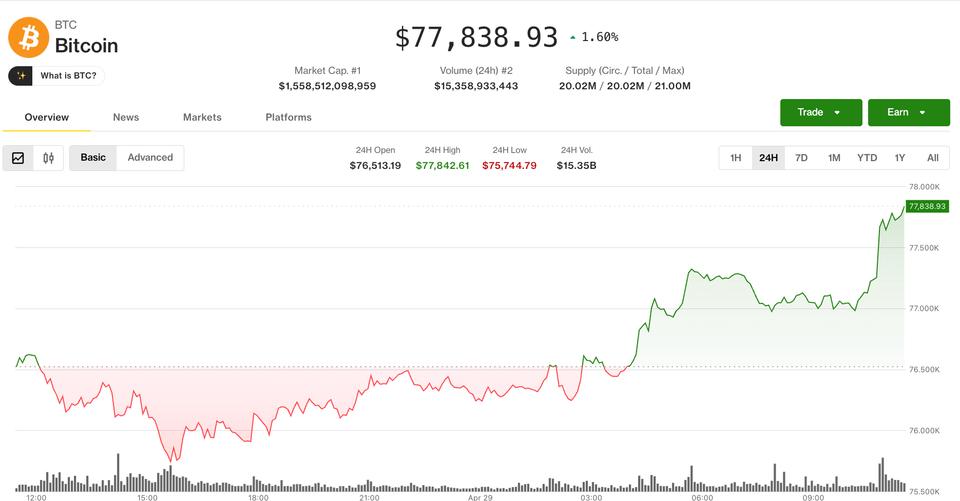
On the Ethereum side, the $12.77 million net outflow translated to a reduction of approximately 7.32K ETH. Ethereum itself was trading around $1,700 on the day, while Bitcoin hovered in a $62,000 to $64,000 range.
Ethereum had its own rough stretch earlier in June. The token’s spot ETFs endured a 17-day outflow streak before finally recording a positive $19.3 million inflow on June 5.
A volatile year for ETF flows
Despite cumulative net inflows for Bitcoin ETFs surpassing $53 billion by mid-June, the path to that figure has been jagged. Multiple multi-week outflow periods totaling billions of dollars have punctuated the year.
The key issuers tell a familiar story. BlackRock (IBIT for Bitcoin, ETHA for Ethereum), Grayscale (GBTC and ETHE/ETH), and Fidelity (FBTC and FETH) remain the dominant players in the spot ETF landscape.
What this means for investors
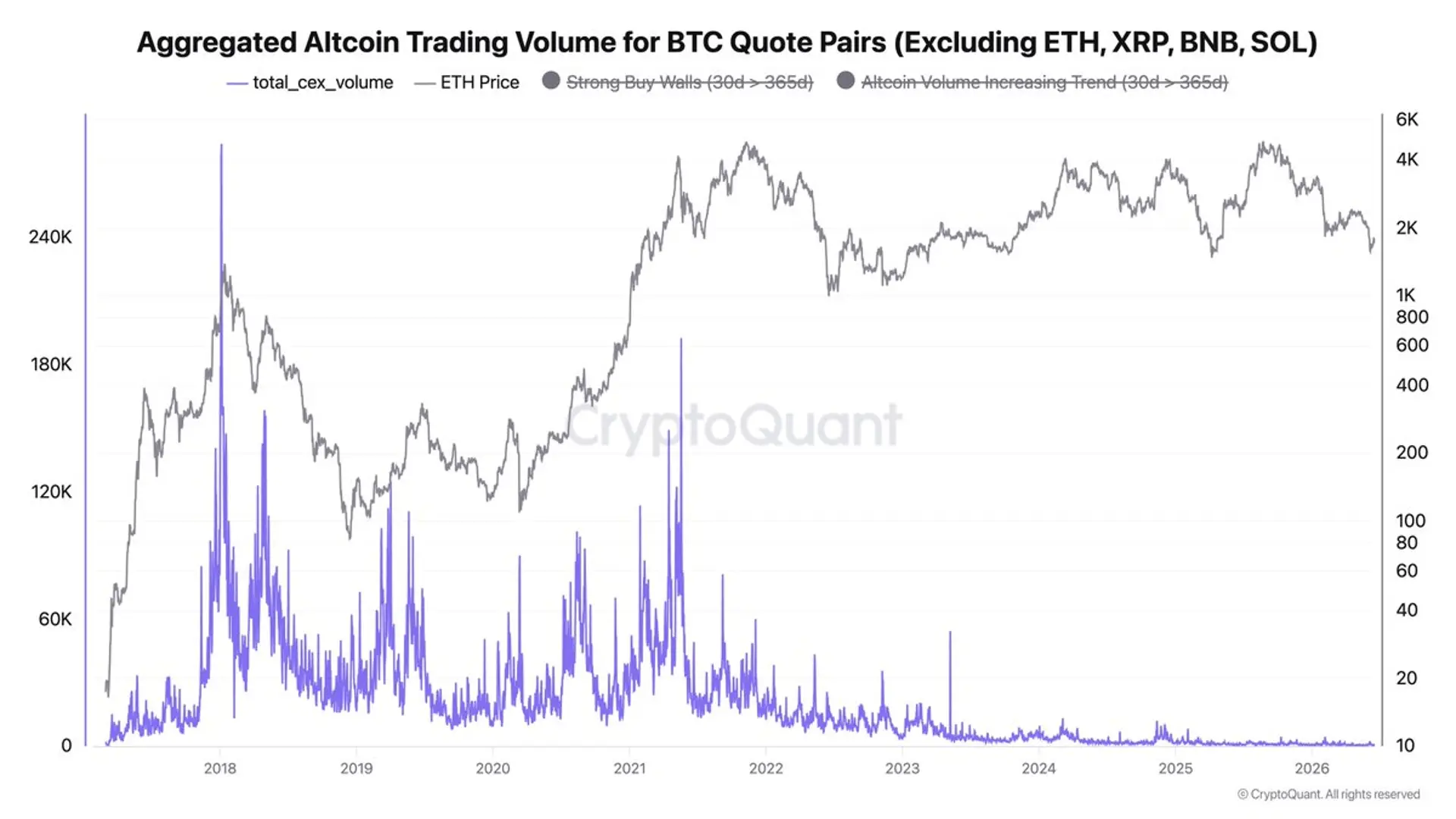
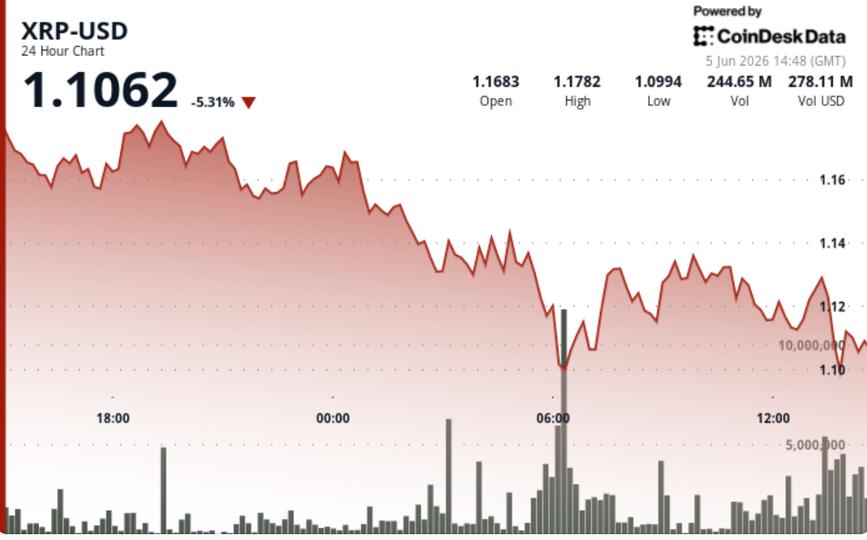
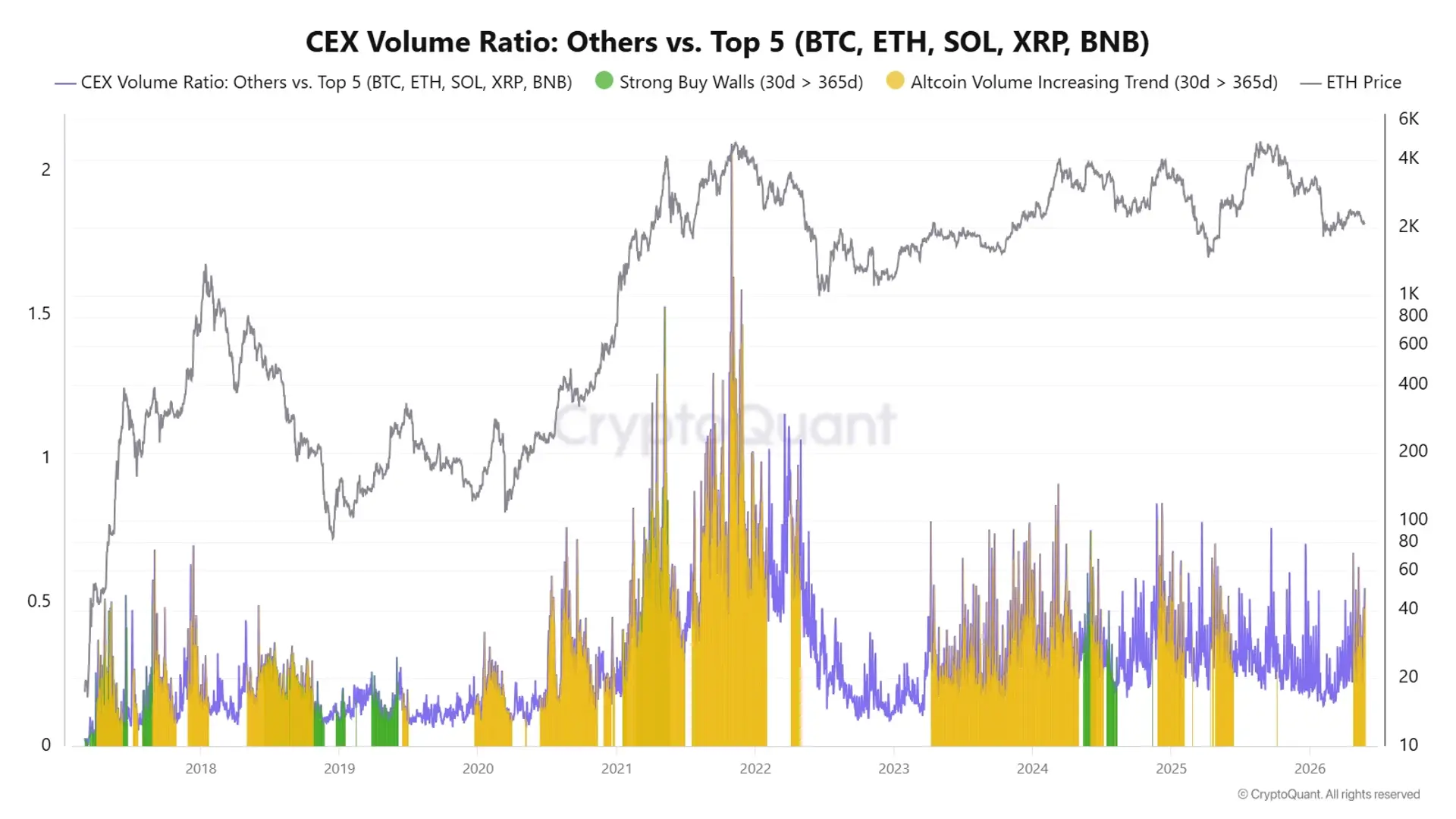
There’s also an emerging trend worth watching: the rotation into altcoin ETFs. Products tracking assets like XRP and Solana have been attracting attention as investors look beyond the two largest tokens for returns.
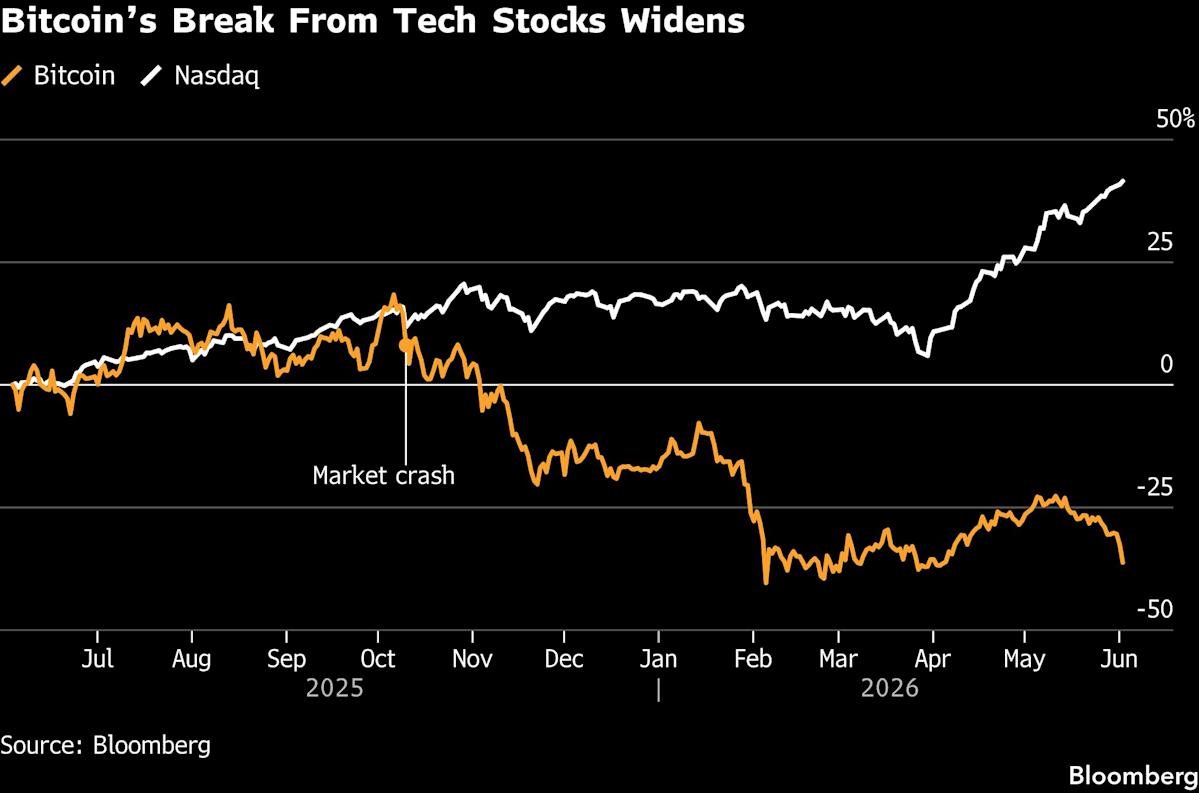
When Bitcoin ETFs lose $90 million in a day, that translates to real selling in spot markets, as ETF issuers need to liquidate holdings to meet redemptions. The $4.4 billion that left Bitcoin ETFs during the prior streak created material downward pressure on price.