SIREN (SIREN) jumped 150% in a day despite a broader crypto sell-off, but warnings over token concentration and past whale selling kept rug-pull fears alive.
Key Points:
- SIREN rose to about $0.11 after a prior 95% collapse tied to whale selling.
- Top holders still control most of the supply, according to CoinMarketCap data cited in the report.
- Analysts warned that the rebound may reflect speculation rather than a durable recovery.
SIREN Rally
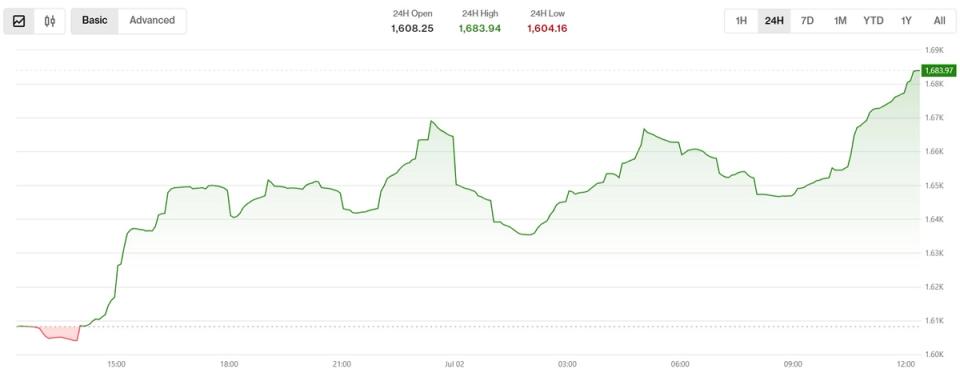
SIREN climbed about 150% over the past 24 hours to roughly $0.11.
The move stood out because the wider cryptocurrency market was under pressure, while SIREN became the second-most trending token on CoinGecko, ahead of Solana (SOL), Hyperliquid (HYPE) and Pi Network (PI).
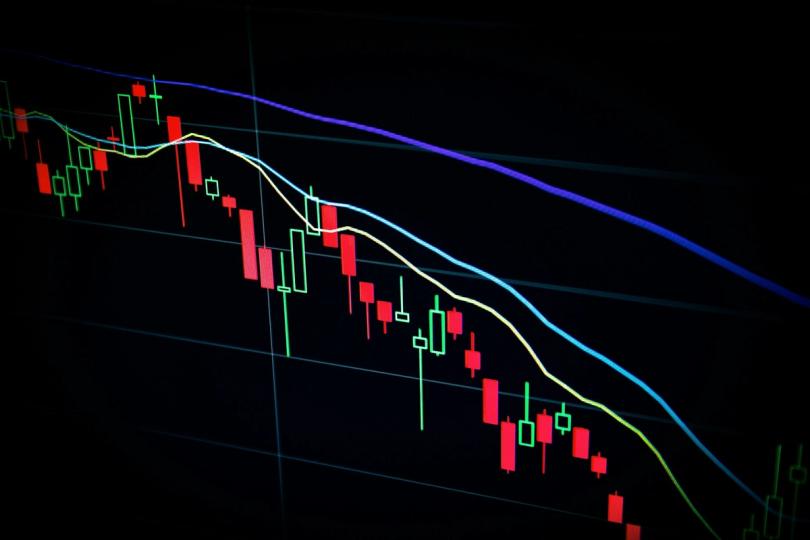
The rebound followed a severe collapse only days earlier, when whales sold 670 million tokens, equal to about 92% of circulating supply, and helped trigger a 95% price drop.
Also Read: Franklin Templeton Eyes Sept. 1 Launch For Bitcoin Dividend ETFs
Meme Coin Warnings
Several analysts said the latest price jump should not be treated as evidence of a new bull run, because SIREN has shown a pattern of sharp rallies followed by violent corrections.
X user Team LAMBO said “the guy behind SIREN should be in jail,” alleging that the same actor dumps tokens after each rise, while analyst Honey said the recent drop may have liquidated long positions before the latest jump. Earlier warnings came from analytics platform Bubblemaps and blockchain investigator ZachXBT, who said in March that one entity controlled roughly half of SIREN’s supply and warned that “this only ends one way.”
Data cited in the report showed the top 10 addresses held more than 82% of SIREN’s supply, a concentration that can leave prices exposed to manipulation by large holders.
SIREN remains a meme coin with unclear fundamentals and limited stated utility, so its recent history matters: a 95% collapse, followed by a 150% bounce, points to speculation rather than a stable market structure.
Read Next: Ethereum Hits 14-Week Low Amid Persistent Spot ETF Outflows