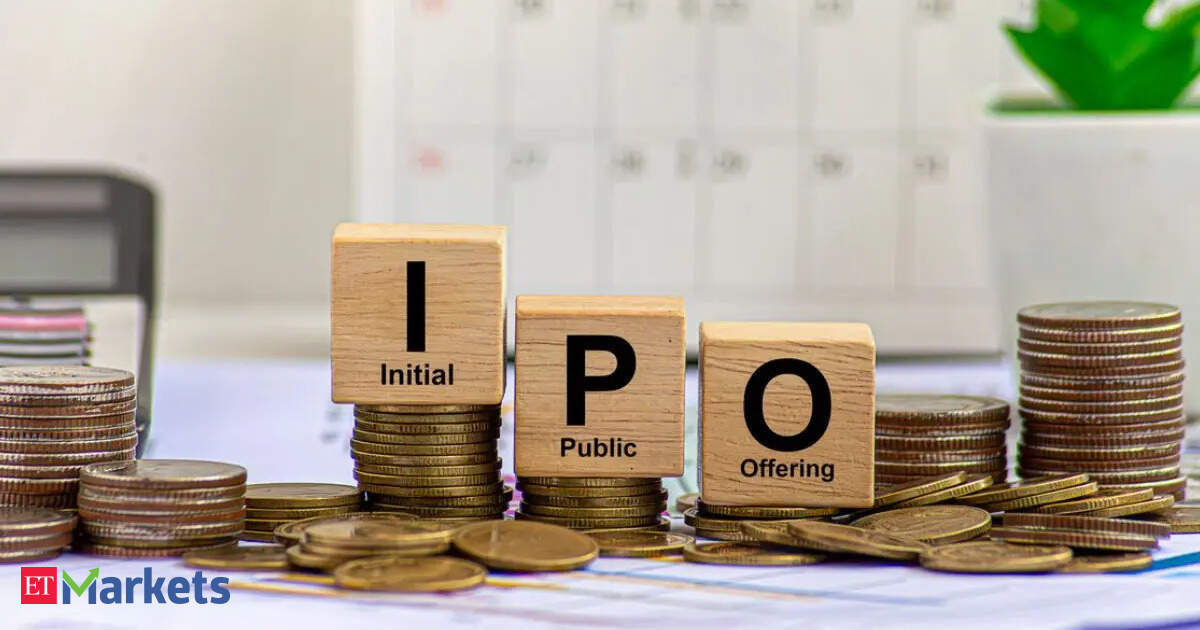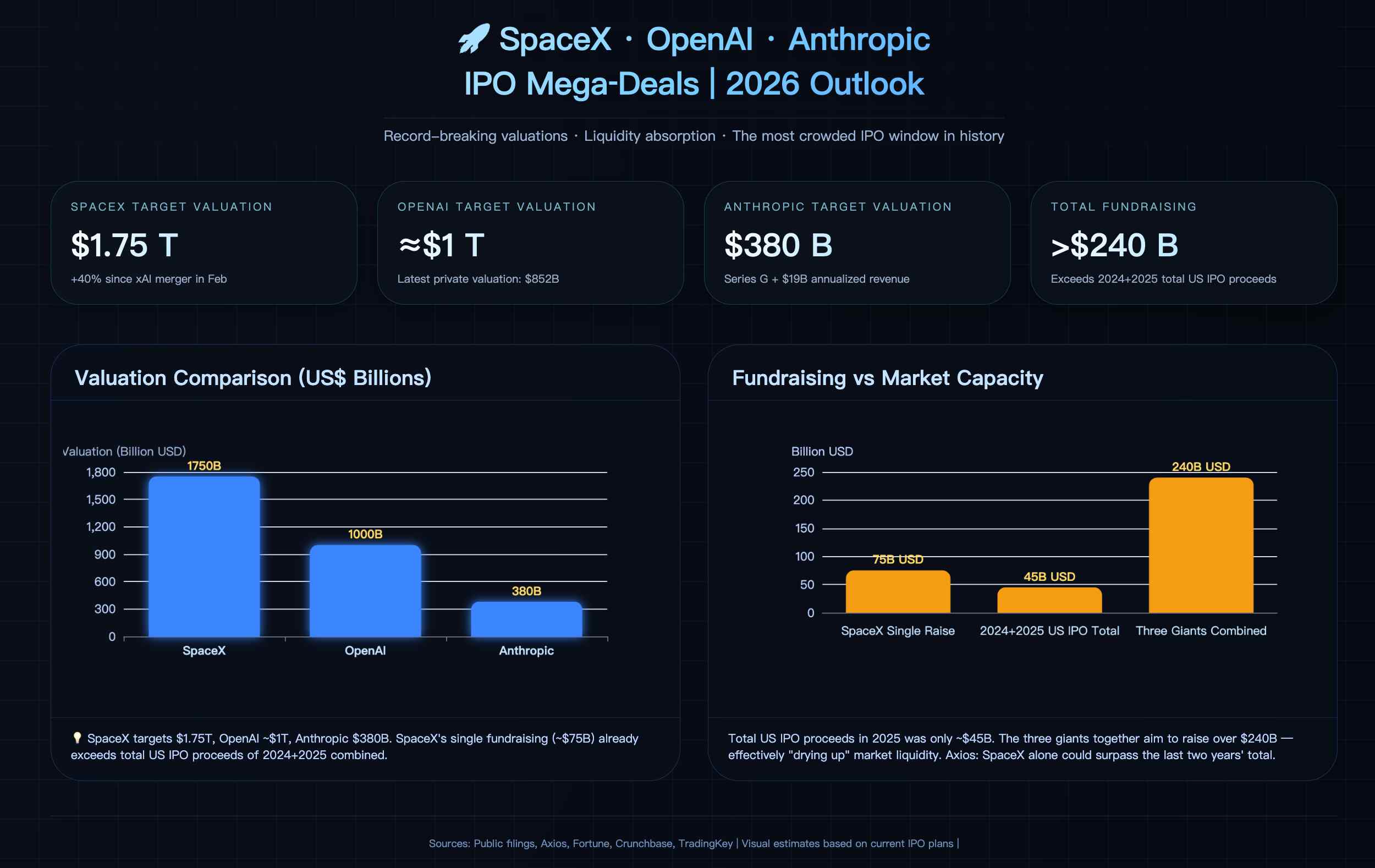
SpaceX will make history later this month, when it becomes the largest initial public offering (IPO) by market value in U.S. history. The company reportedly plans to target a $2 trillion valuation. Previously, Meta Platforms was the largest U.S.-based IPO, with an initial market value of $81 billion.
SpaceX will trade on the Nasdaq Exchange under the ticker SPCX, and the company may list shares as early as June 12, according to Reuters. The IPO, likely to be a blockbuster event, is expected to draw particularly strong demand from retail investors, many of whom admire CEO Elon Musk.
The market is so eager to own stock in the rocket and satellite company that the S&P 500 (^GSPC 0.74%) is considering rule changes that would fast-track SpaceX’s inclusion in the index. But investors need to see two alarming statistics before purchasing shares.
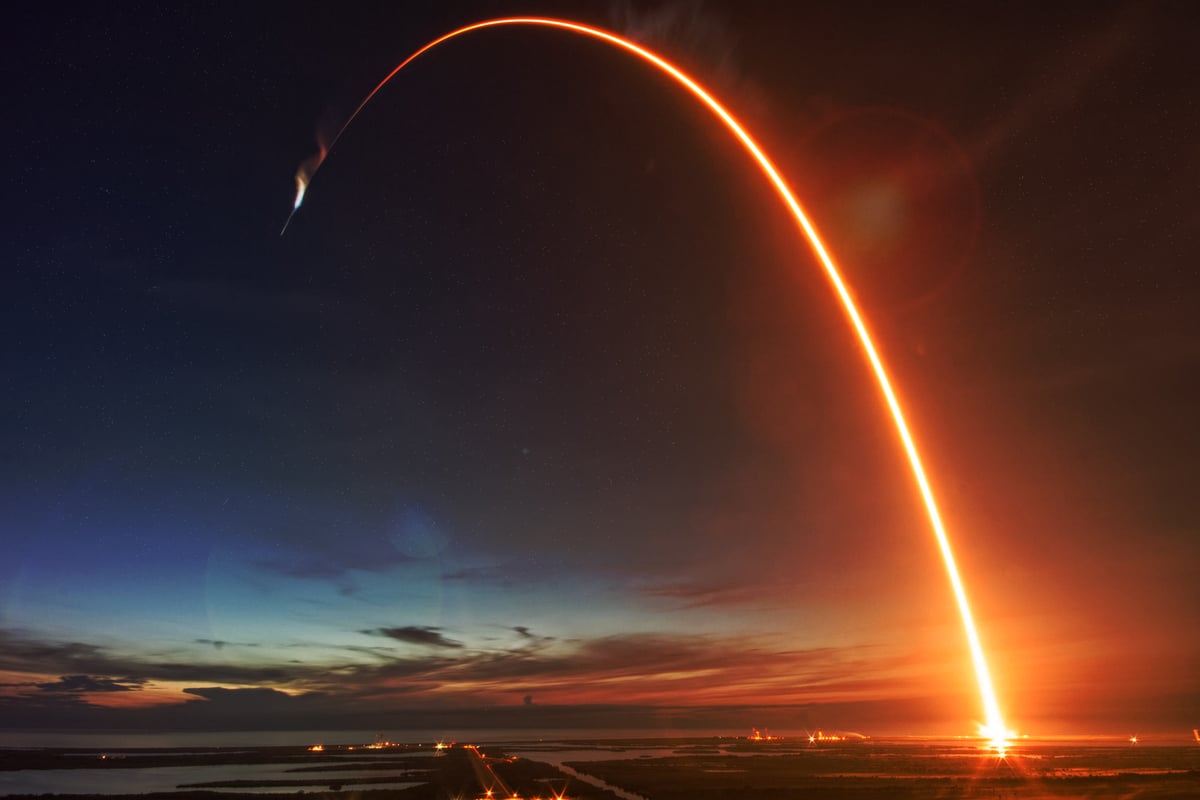
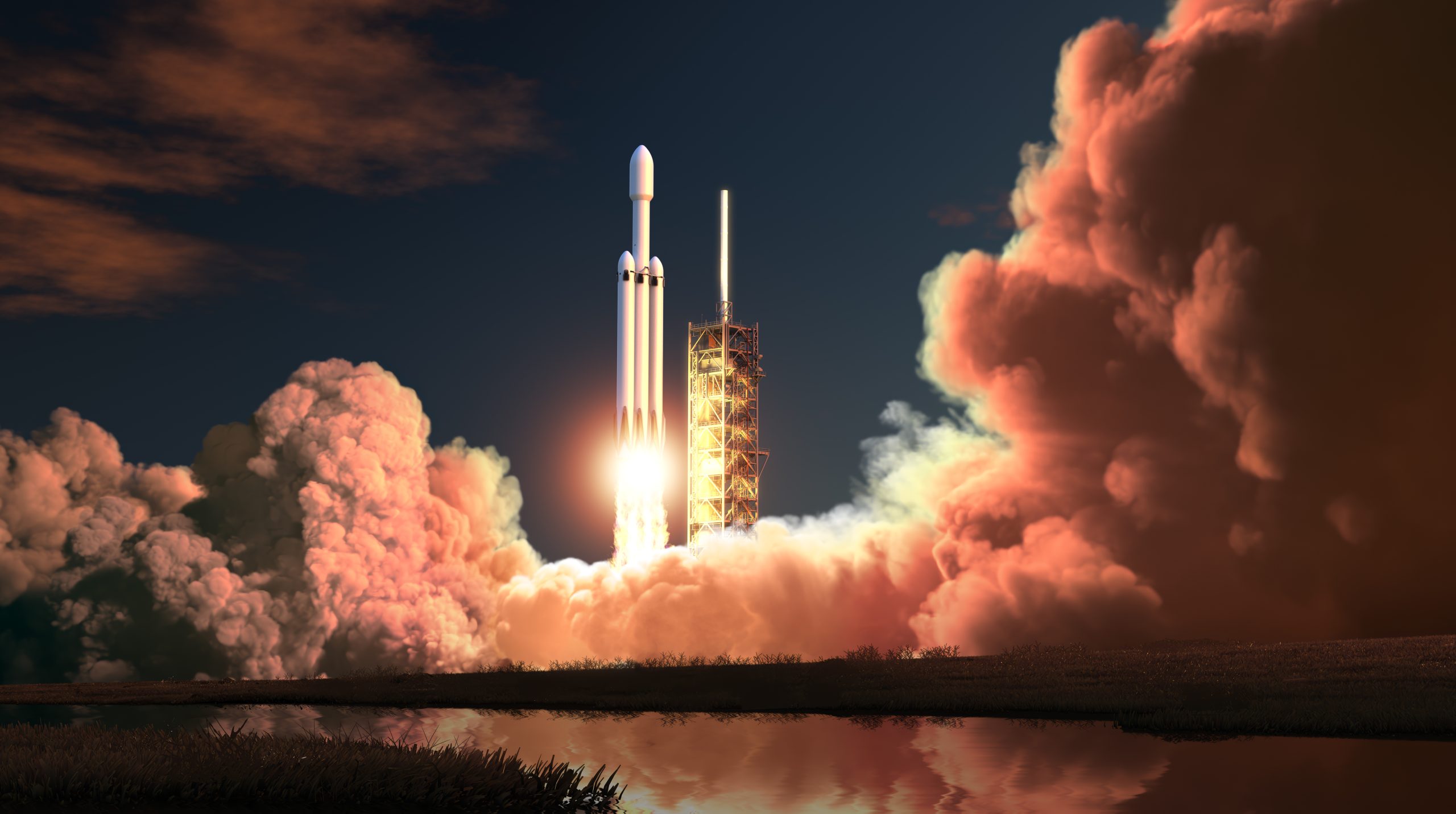
Image source: Getty Images.
Statistic 1: SpaceX could start trading at 103 times sales, 40% higher than the most expensive stock in the S&P 500
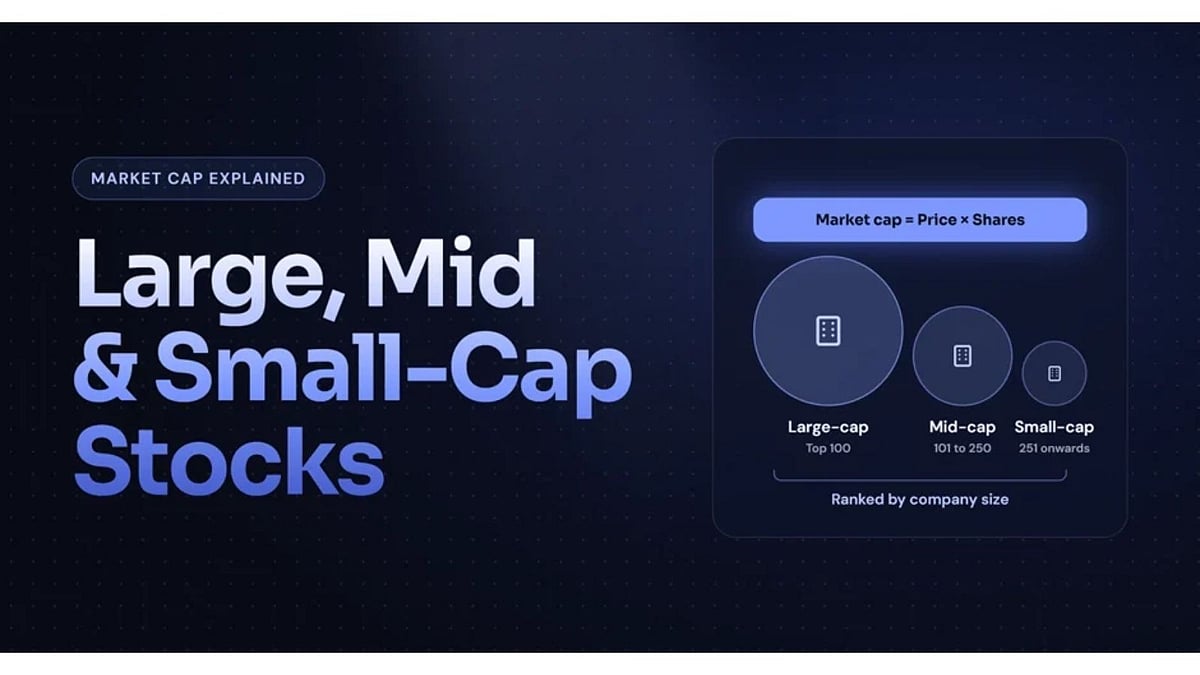
SpaceX reportedly plans to go public with a market capitalization near $2 trillion, according to Bloomberg. The company reported $19.3 billion in sales over the past four quarters, which means its price-to-sales (P/S) ratio will be somewhere around 103, perhaps even higher if the stock pops on the first trading day.
That is an absurdly expensive valuation. For context, Palantir Technologies currently has the highest P/S ratio in the S&P 500 at 73. If SpaceX goes public at 103 times sales, it will immediately be about 40% more expensive than the most richly valued stock in the index. A premium of that magnitude is unsustainable.
I reviewed more than 100 of the most popular technology stocks and identified only eight that had valuations above 100 times sales at any point in history. All of those stocks dropped sharply after achieving peak P/S ratios, with an average peak-to-trough decline of 75%. In other words, history says SpaceX could lose three-quarters of its value at some point in the future.
Statistic 2: The 10 largest U.S. IPO stocks have underperformed the S&P 500 by 127 percentage points
SpaceX will be the largest IPO in U.S. history by initial market value, and stocks that go public with large market values typically lag the S&P 500 over time. In fact, since listing shares, the 10 largest U.S. IPO stocks on record have underperformed the S&P 500 by an average of 127 percentage points, according to FactSet Research.
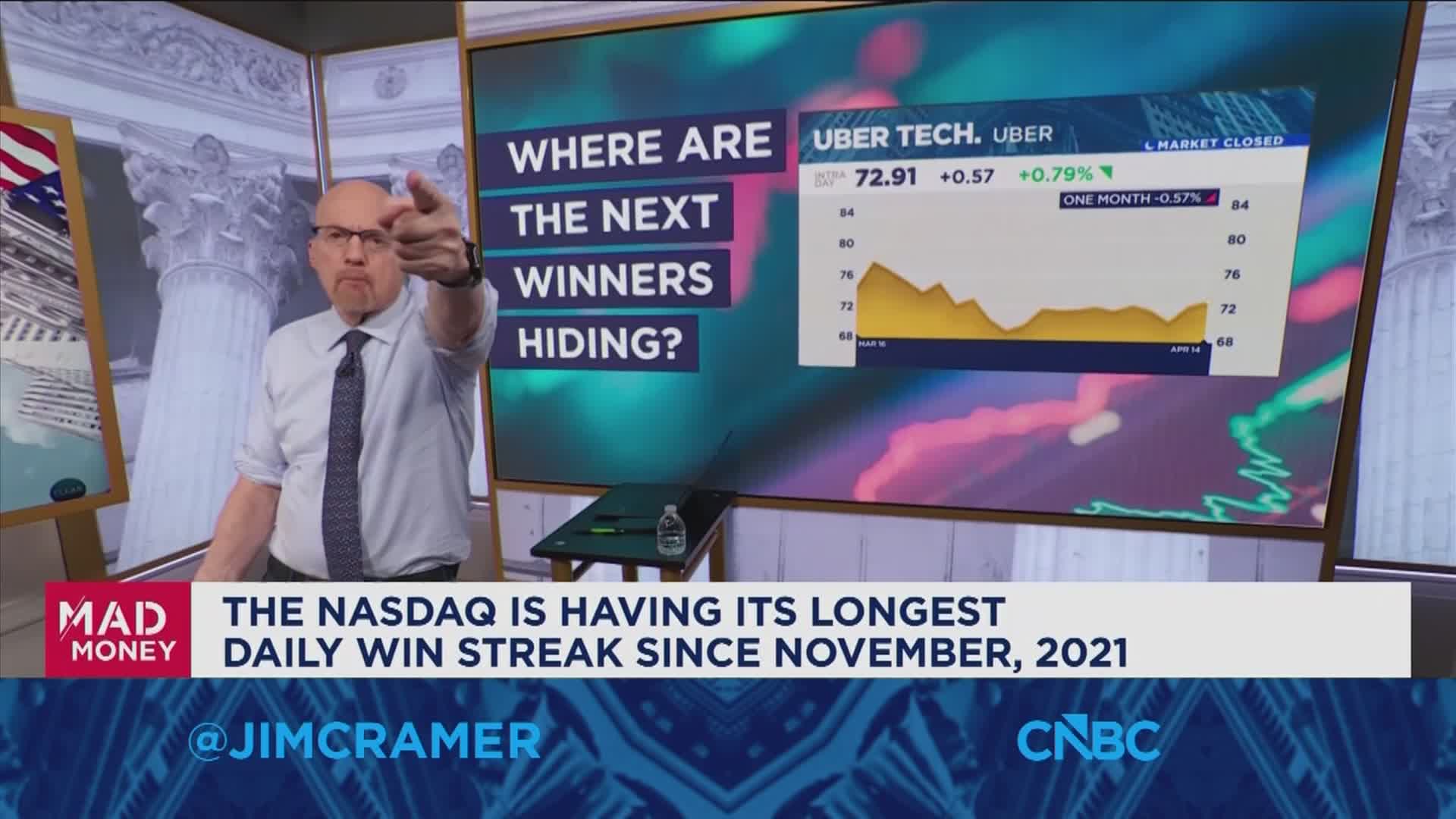
That doesn’t mean investors should forget about SpaceX. Instead, they should wait for a better entry point. Uber was the second-largest IPO in U.S. history, behind Meta Platforms. The stock has underperformed the S&P 500 by 116 percentage points since the IPO in May 2019, but it has outperformed by 118 percentage points since May 2023.
The lesson? Investors who avoided Uber stock until it traded at a more attractive valuation have been well rewarded for their patience. SpaceX may be a similar story. Equity analyst Nicolas Owens at Morningstar recently wrote, “We think the company has been significantly overvalued and investors will have opportunities to buy the stock at more attractive levels after the IPO.”
Why investors should keep SpaceX on their watchlists
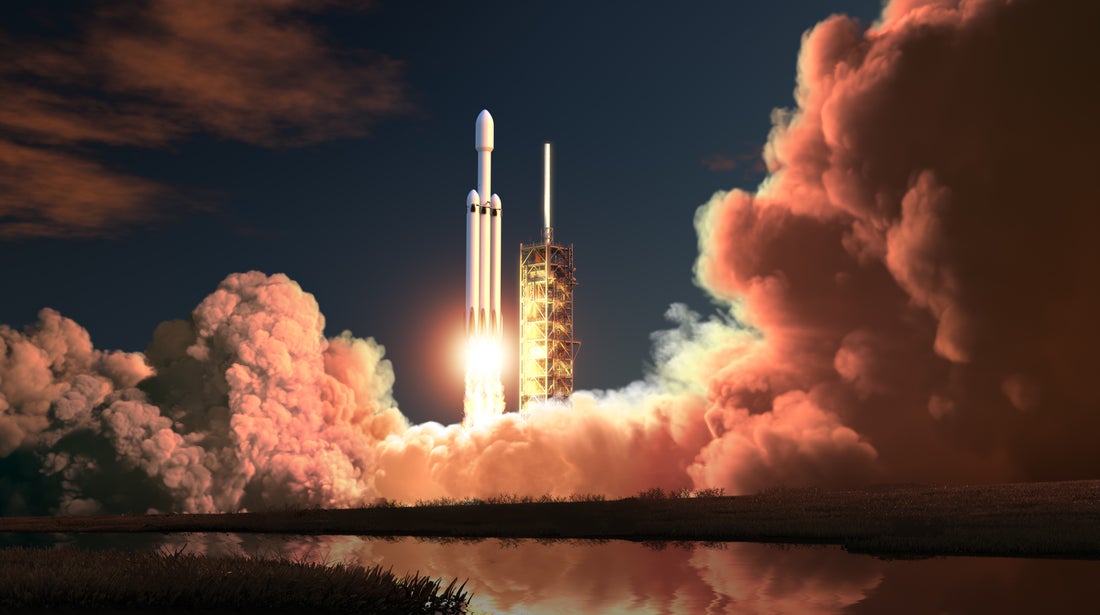
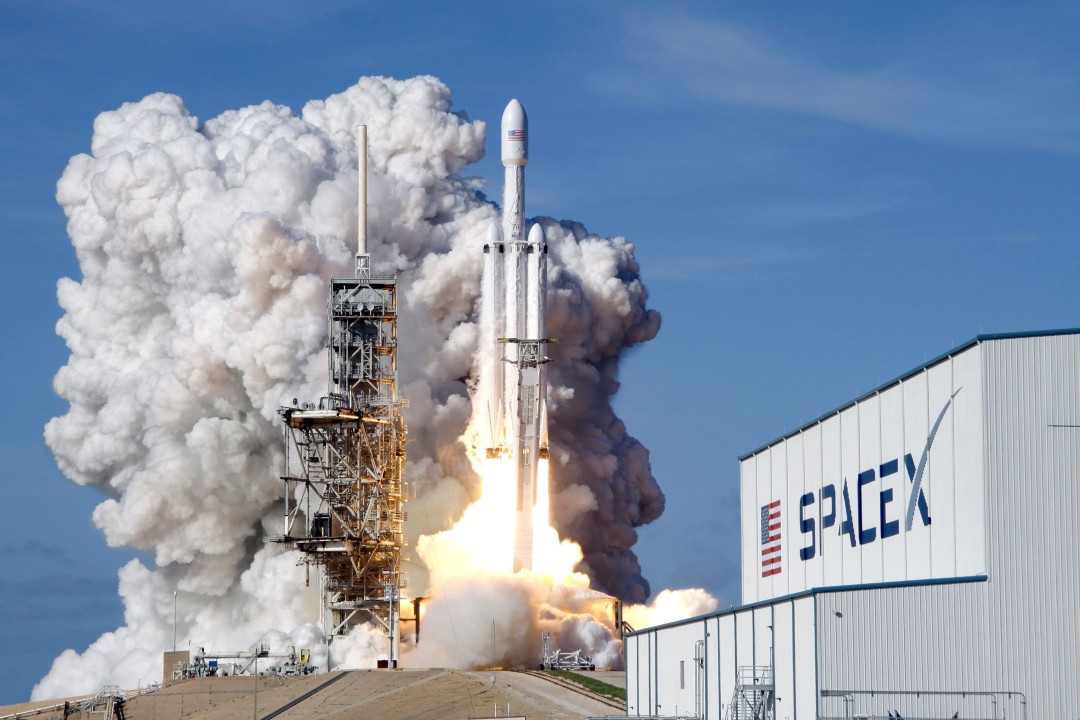
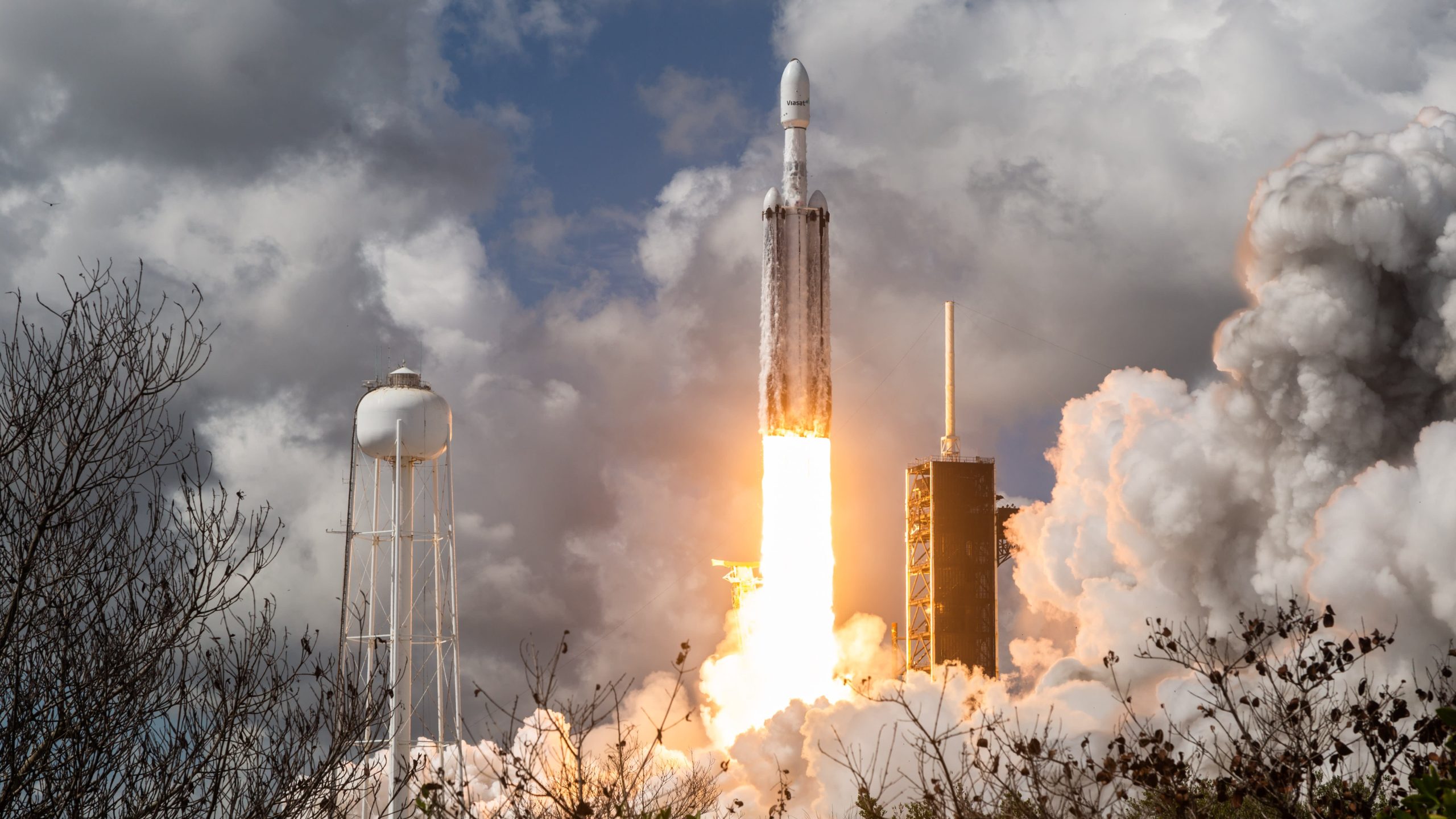
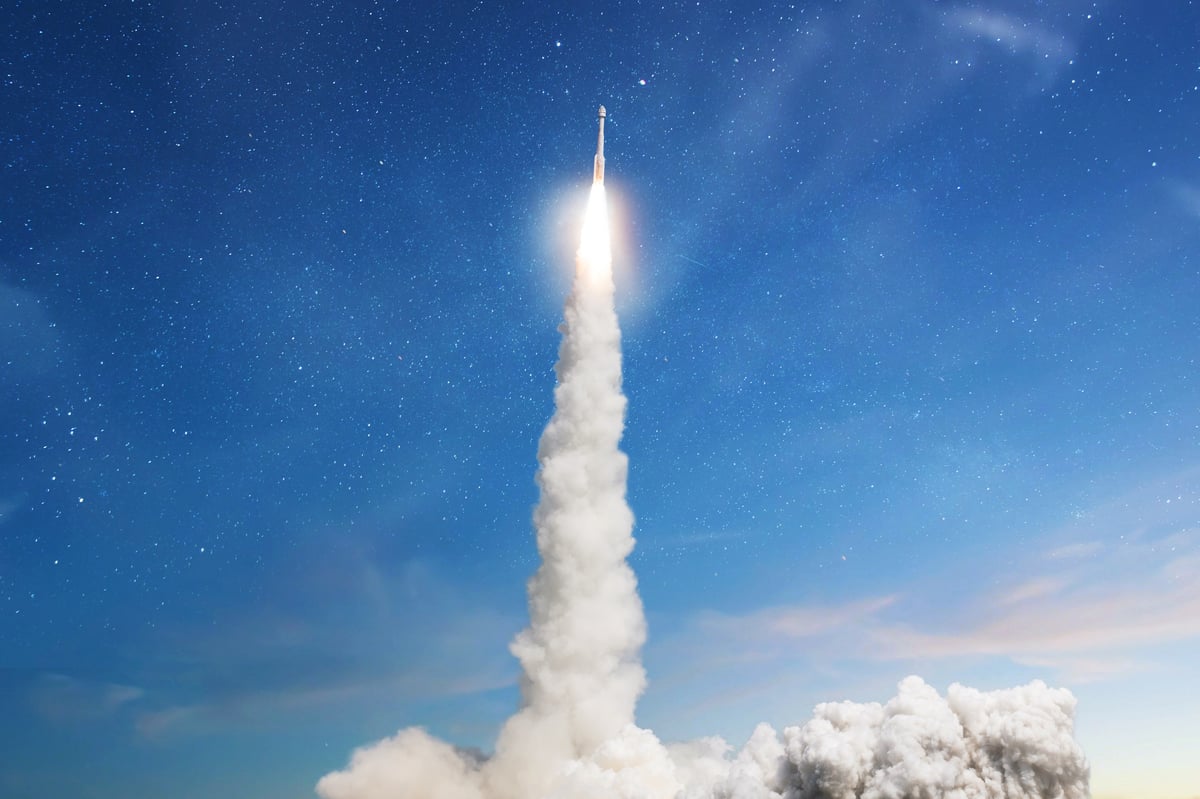
SpaceX has revolutionized the space industry by developing reusable rockets that reduce launch costs. In 2018, the company successfully landed its Falcon 9 booster on Earth after launching it into space, something no competitor had done at the time, though Blue Origin has since achieved the same feat.
SpaceX will further cement its leadership with Starship, the first spacecraft designed to be fully and rapidly reusable. It comprises two stages, a booster and the spacecraft, which return to the launch tower rather than landing elsewhere, enabling rapid turnaround times. SpaceX says Starship’s reusability will lower the cost to reach orbit by 99% relative to the historical average.
“This dramatically lowers per-launch costs by minimizing hardware replacement expenses and spreading fixed production costs across repeated uses,” according to the registration statement (S-1) filed with the SEC. “Space flight that historically cost billions per launch now costs of tens of millions, fundamentally reducing the cost of space access.”
In total, SpaceX values its addressable market at $28.5 trillion. That figure consists of $360 billion from launch and mission services, $1.6 trillion from Starlink broadband internet and mobile services, and $26.5 trillion from artificial intelligence infrastructure services and enterprise applications. That leaves a long runway for future growth, so investors should keep SpaceX on their watchlists despite its absurd valuation.