TradingKey – Since investors are extremely interested in the coming SpaceX IPO on June 12th, the number of allocations will be very limited. Individual investors usually have trouble buying an IPO directly, and the trading can be quite volatile after the IPO. A less-congested, less-prominent alternative might be to buy an ETF that tracks the S&P 500 Index. As a result of index rules and passive fund structures within their portfolios, a broad-market ETF can provide a means to invest in SpaceX without having to go through all the hoops required for IPO allocations or face the risks associated with investing in individual stocks.
SpaceX IPO: How the S&P 500’s Fast-Track Rules Give You Instant Exposure
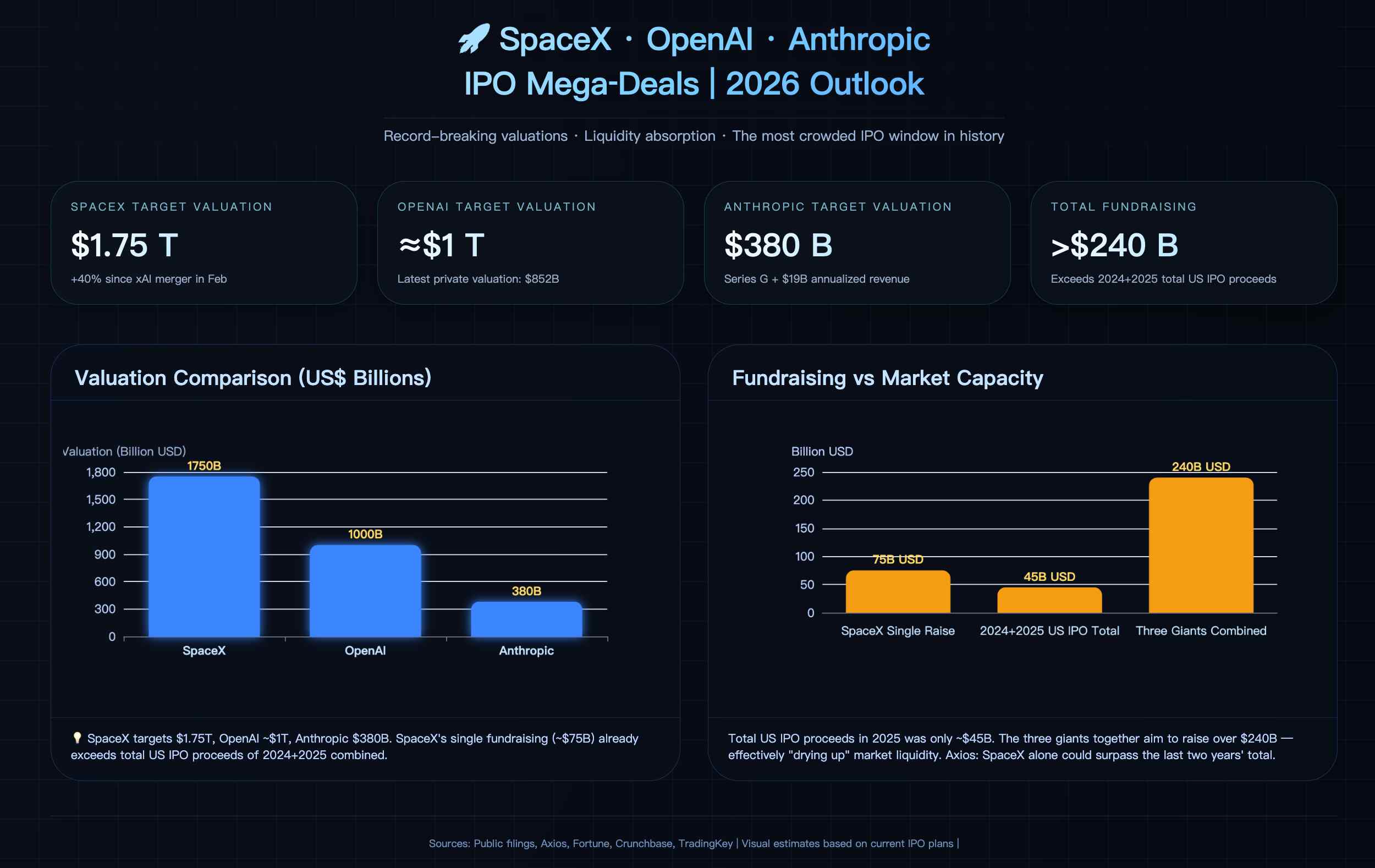
S&P Dow Jones Indices utilizes the so-called Accelerated Index Inclusion rule, which enables very large companies to enter the S&P 500 Index faster and is changing the game for them. In the past, there was a seasoning period for new listings. Today, a company debuting with a mega-cap valuation could be added in a matter of weeks, subject to it meeting the index’s rules. If SpaceX does indeed list near the $1.75 trillion mark, as has been suggested, it could be eligible for rapid inclusion and possibly move up to be one of the largest weights in the index over time as its free float increases through insider sell-downs and follow-on liquidity.
The index is free-float market-cap-weighted. This means the market capitalization of SpaceX is based on the portion of its stock available for tradable shares and not merely total company value. SpaceX plans to raise $75 billion, and some indices utilize float-based cap and multiplier methodologies as a method to limit concentration at all times. These methods are intended to keep passive investments from having to take complete ownership of an entire float in the initial public offering. As more liquidity is added, passive ownership will tend to increase. Therefore, for investors in a traditional S&P 500 ETF such as the Vanguard S&P 500 ETF (VOO), this will provide for automatic rules-based allocations to SpaceX without concern of timing your entry or purchasing shares on the IPO date.
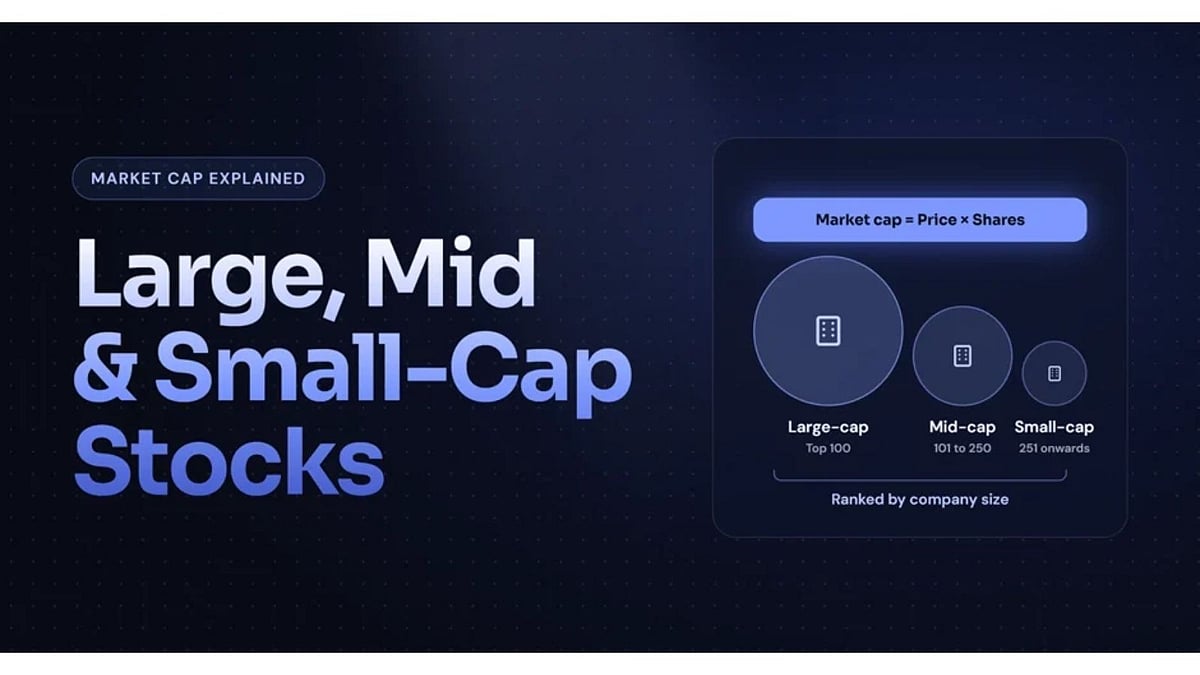
The S&P 500 has a high concentration of large-cap stocks. So, adding any large-cap stock will have a meaningful impact on the index. The largest weightings in the index play a significant role in determining the index’s performance and are represented by companies such as GOOGL, AMZN, TSLA, and META. If SpaceX were to be added to the index, it is likely that any movement in SpaceX’s stock would have more influence over the S&P 500 than an average company newly added to the index, especially as its market capitalization increases with additional trading volume. Thus, as the index’s framework will provide investors immediate exposure to SpaceX from the date of ever being added, it will also provide them with continued exposure to SpaceX as it builds liquidity in the marketplace.
Why an ETF Beats Single-Stock Volatility
There’s excitement in buying a single large headline-grabbing IPO, but the combination of valuation risk, short trading history, and headline risk means results can be wild. SpaceX is a diversified, ambitious company covering launch, satellites, connectivity, and more, but per its S-1, it racked up $18.67 billion in revenue in 2025 with an operating loss of $2.59 billion and a net loss of $4.94 billion, fueled by massive R&D and AI capital expenditures.
At a $1.75 trillion valuation, that represents a very high sales multiple. An S&P 500 ETF provides an alternative route. Fees are generally low compared to active funds, so a large proportion of your potential return remains invested rather than being eroded by fees. The diversification of the broader market also acts as cushioning. If SpaceX jumps, the index gets a piece of that upside; if SpaceX stumbles, diversification will help pad the blow. The index is already home to many SpaceX-adjacent companies across aerospace, semiconductors, cloud, and AI—areas that have some overlap with SpaceX’s ecosystem—so you can gain exposure to those related themes without having to pick individual winners. That same diversification is what enables risk mitigation, particularly in early, more volatile stages of a new listing.
The Dark Side of the SpaceX IPO Hype
SpaceX’s strategy covers launch dominance, global connectivity, and AI-related businesses, among other things, with interests in xAI and the X social platform, as well as holdings in digital assets disclosed in its S-1. Ambition on this scale almost always necessitates deep investment and can tolerate losses for years. Elevated early valuation multiples imply less margin for error, and new-issue prices may overshoot fundamentals. Concern about concentration risk among index investors is a two-edged sword: a small number of companies can drive returns higher, but they can amplify drawdowns when sentiment reverses. Following S&P 500 methodology changes, SpaceX’s float increase, and its continued path to profitability will provide some indication for when and how index weight could change.
Is It Time to Buy an S&P 500 ETF?
Investors looking for SpaceX IPO exposure who anticipate they may experience allocation constraints or who simply don’t want to deal with single-stock volatility can also gain and lose exposure immediately after the IPO by adding an S&P 500 ETF such as the Vanguard S&P 500 ETF. Because index inclusion is rules-driven and float-based, there is no specific best day to buy. A simple strategy—like averaging into a position—can take out some of the guesswork related to trying to pinpoint the inclusion date or the first-day trading reactions. This also enables you to scale your SpaceX exposure naturally as the index weight changes with liquidity.
Also, passive funds outside the S&P 500 will need to build positions. Examples: broad-market funds like the Vanguard Total Stock Market ETF (VTI), style funds like the Vanguard Growth ETF (VUG). As the float gets larger, these types of vehicles tend to add to the position, giving long-term investors a chance to stay invested without having to do active stock picking.
Disclaimer: The content of this article solely represents the author’s personal opinions and does not reflect the official stance of Tradingkey. It should not be considered as investment advice. The article is intended for reference purposes only, and readers should not base any investment decisions solely on its content. Tradingkey bears no responsibility for any trading outcomes resulting from reliance on this article. Furthermore, Tradingkey cannot guarantee the accuracy of the article’s content. Before making any investment decisions, it is advisable to consult an independent financial advisor to fully understand the associated risks.