Another parallel to the dot-com era is rearing its head, Bank of America says.
The bank said on Tuesday that there’s risk of a fresh “shock” emerging for markets, pointing to one divergence that’s appeared lately in stocks. It’s the growing split between single-stock volatility and volatility in the broader indexes, which have remained relatively stable despite an ongoing rotation in tech.
The S&P 500 Constituent Volatility Index, a measure of single-stock volatility in the S&P 500, is now showing its largest-ever spread against the VIX, the market’s broader volatility gauge, the CBOE said in a June report.
CBOE
The S&P 500 Constituent Volatility Index, or the VIXEQ, hovered around 50 on Tuesday, a 46% increase year to date. The VIX, meanwhile, was at 16, up 13% for the year.
A similar divergence was seen in the late stages of the dot-com bubble, Bank of America’s global equity derivatives research team said, adding that its measures of single-stock realized volatility were at levels last seen before the bubble popped.
“Stock vs index vol near Dotcom extreme… shock risk is real,” BofA analysts wrote. “Index vol remains relatively muted, driving a historic divergence that could widen further, and potentially surpass dotcom extremes, if valuations (not just price action) move further into bubble-like territory.”
Stocks are also heading into a “seasonally challenging period,” analysts added, referring to how May to October tends to be the market’s weakest six-month stretch.
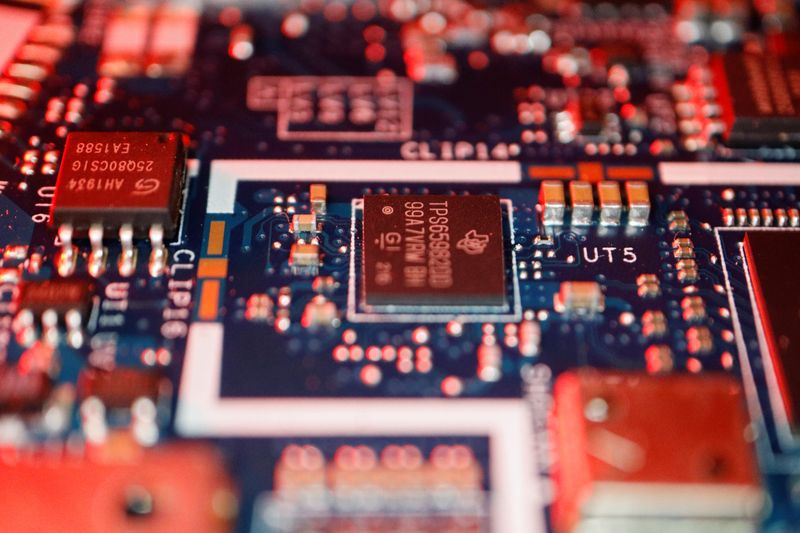
The widening gap between single-stock volatility and index-wide volatility has largely been driven by the sell-off in the semiconductor sector, BofA said. Investors are rotating out of hot chip names to take profits and seek more attractive areas of the market.
The iShares Semiconductor ETF, one fund overlooking the sector, is still up 83% for the year, but has tumbled 12% from its peak in late June.
The spread has also been driven by the “increasing de-correlation of semis from other megacaps and software,” with the correlation between chip stocks and the broader market indexes now hovering near record lows, the bank added.
Other forecasters on Wall Street have also flagged the growing gap between single-stock volatility and market-wide swings as a potential warning sign for the AI trade.
In a recent note, Stifel said that falling dispersion — or, when the gap between the VIXEQ and the VIX grows smaller — has typically preceded large drops in the market.