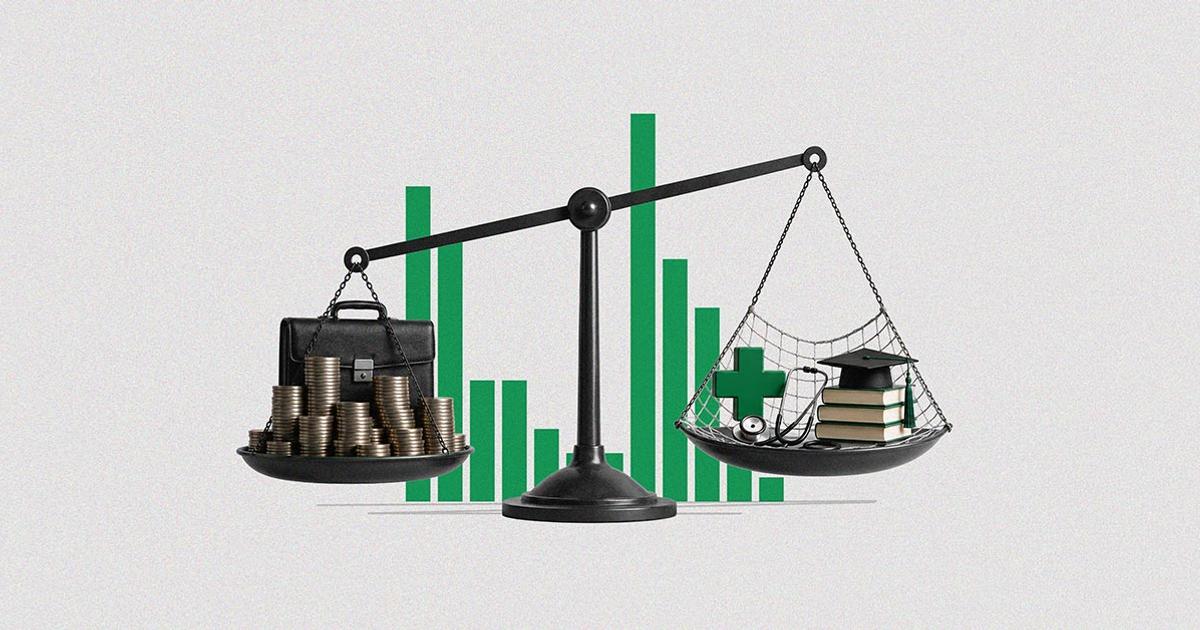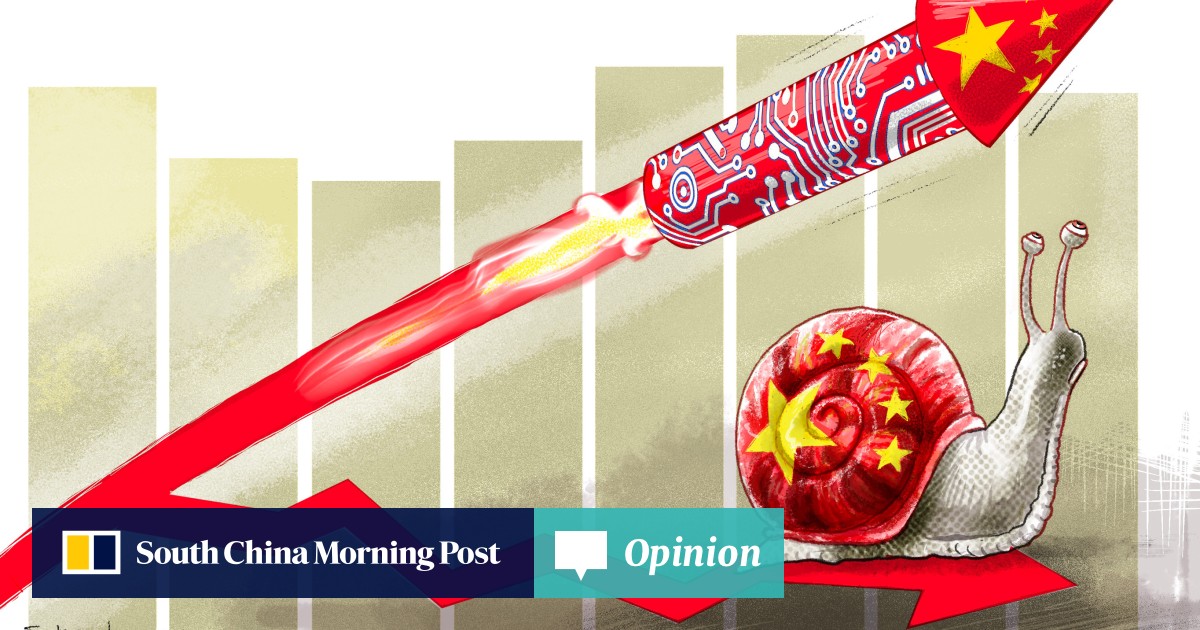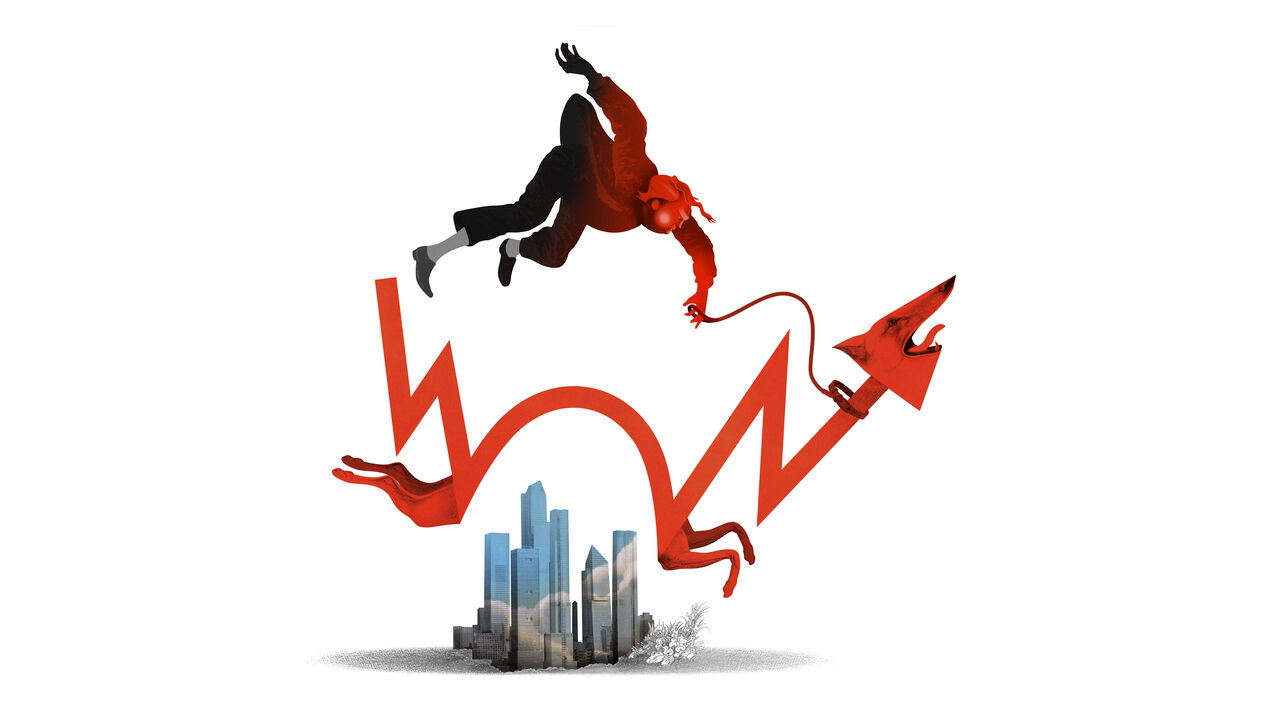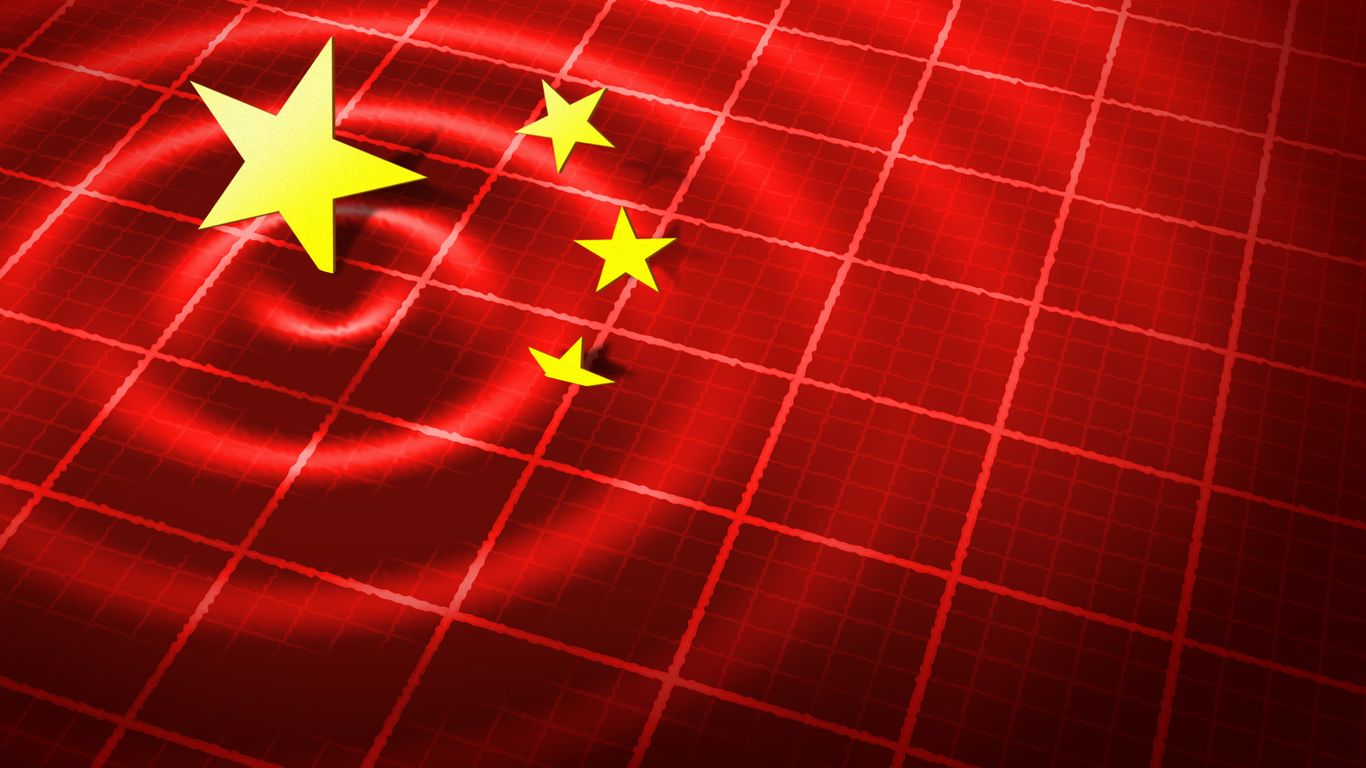
The intrigue: New data shows China’s divide widening.
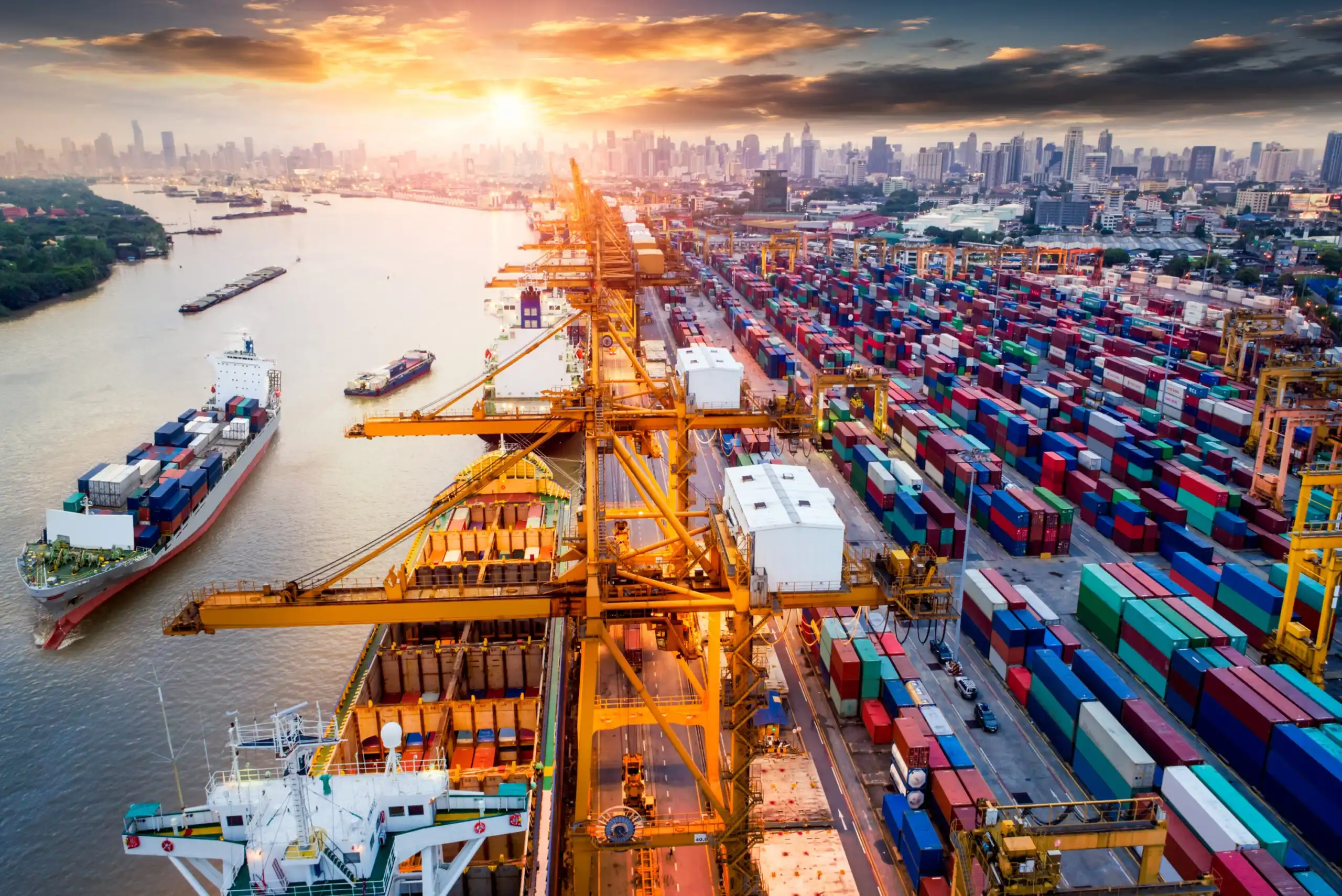
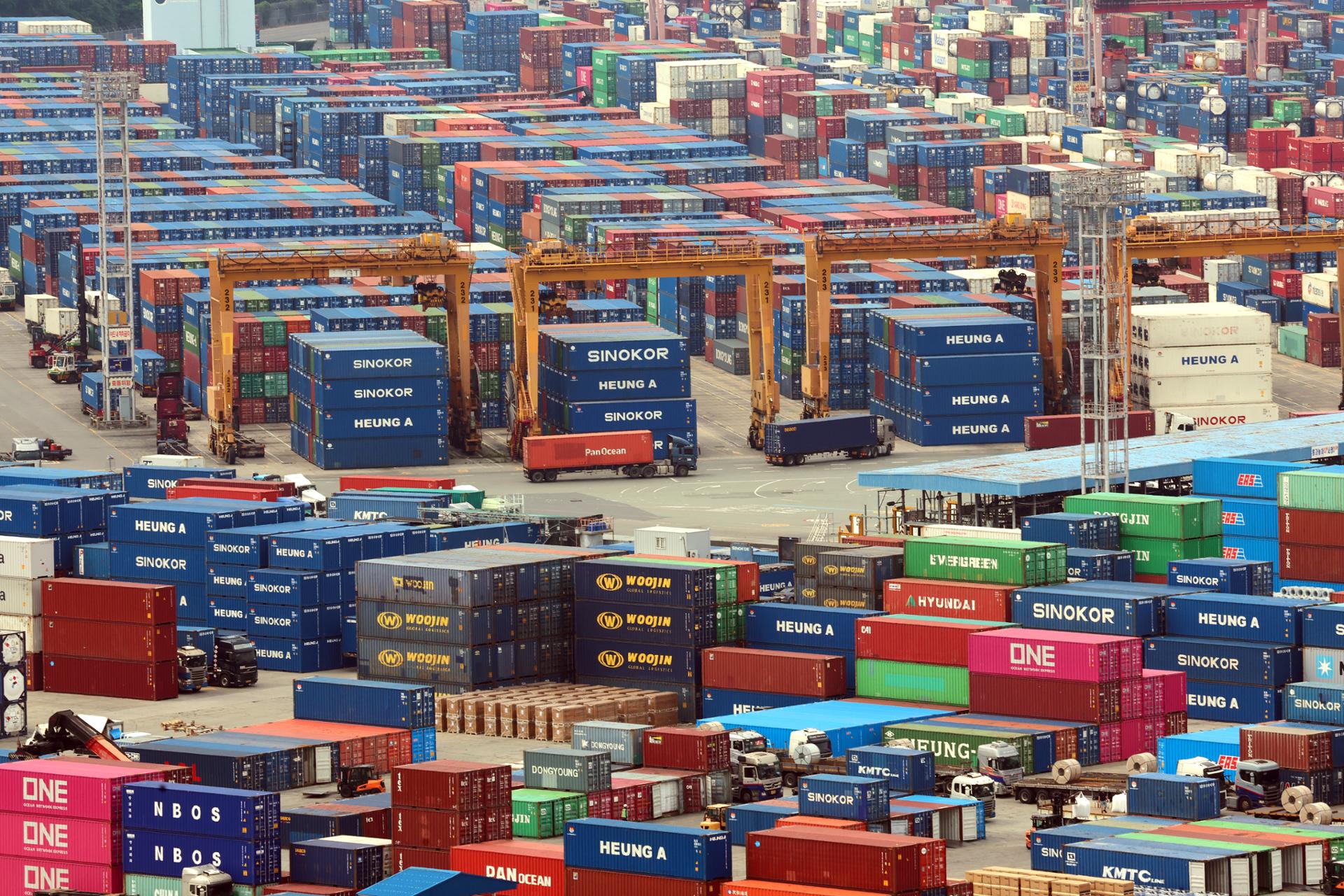
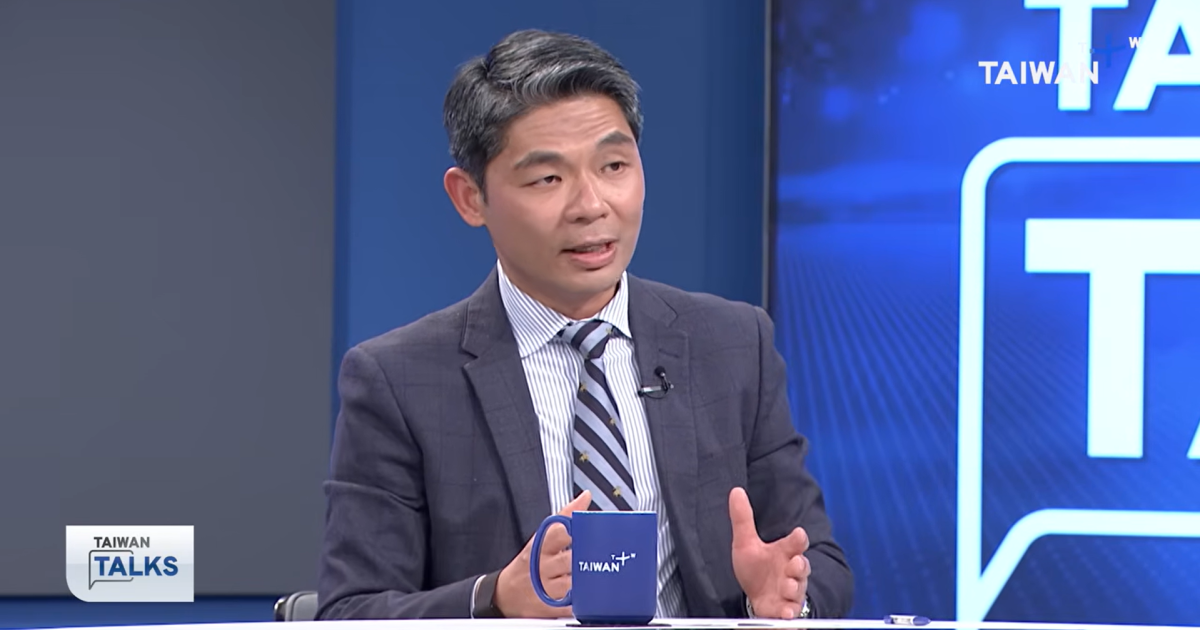
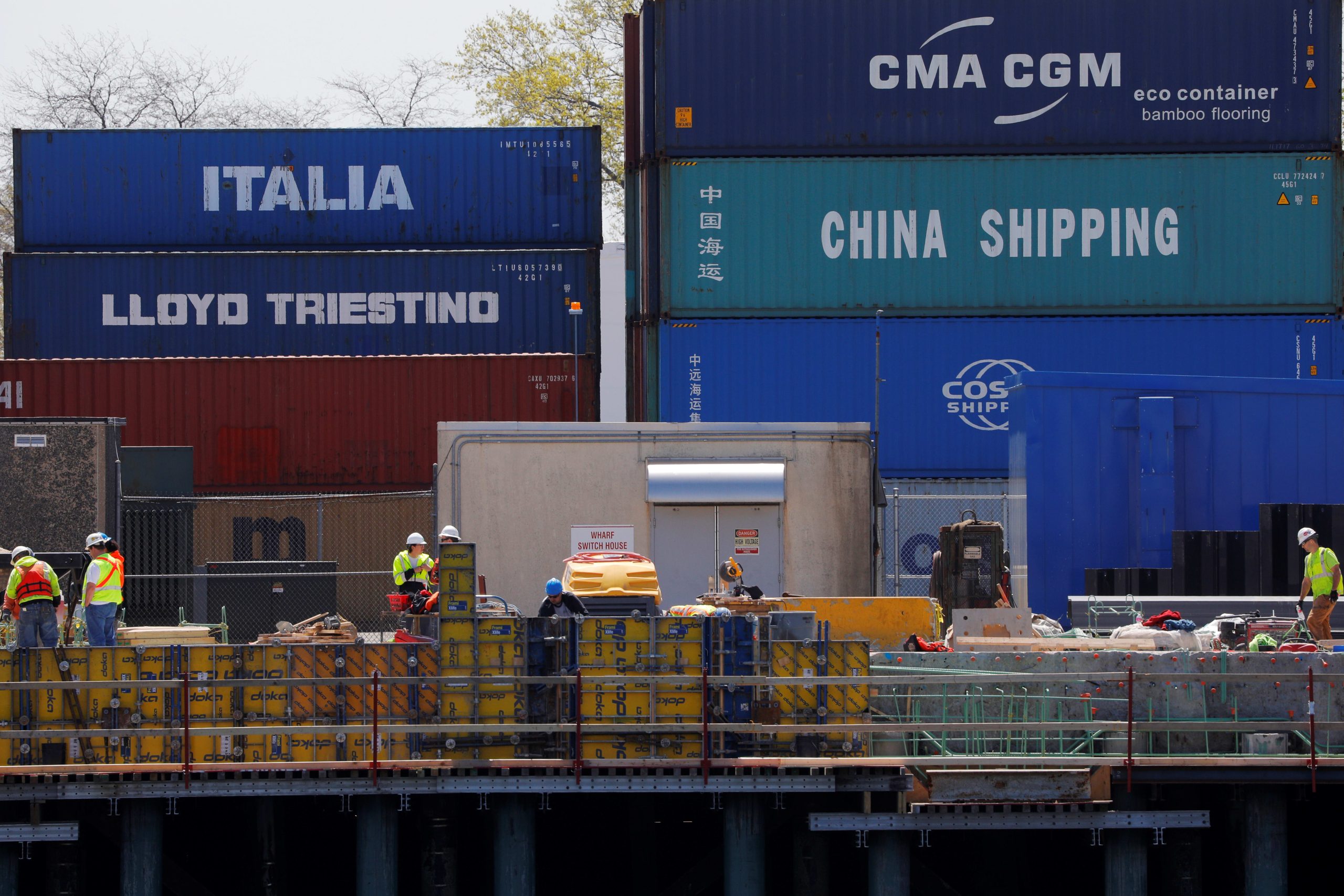
What they’re saying: Arjen van Dijkhuizen, a senior economist at Dutch bank ABN Amro, wrote in a note Monday morning that the July data shows a widening gap between what China produces and consumes, potentially fueling further trade tensions with major partners.
- “Although Chinese exports are still benefiting from the global tech/AI boom, the re-escalation of tensions in the Middle East and the broadening of weakness in domestic demand mean that the balance of risks to the Chinese economy is shifting into a negative direction again,” he wrote.
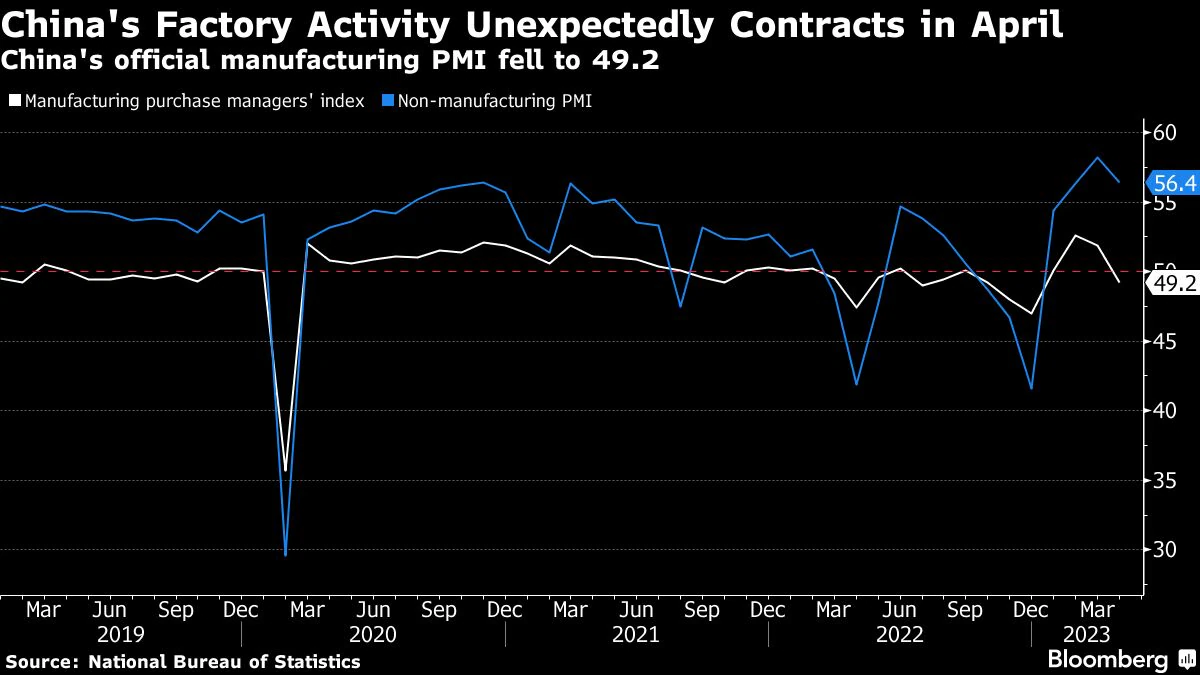
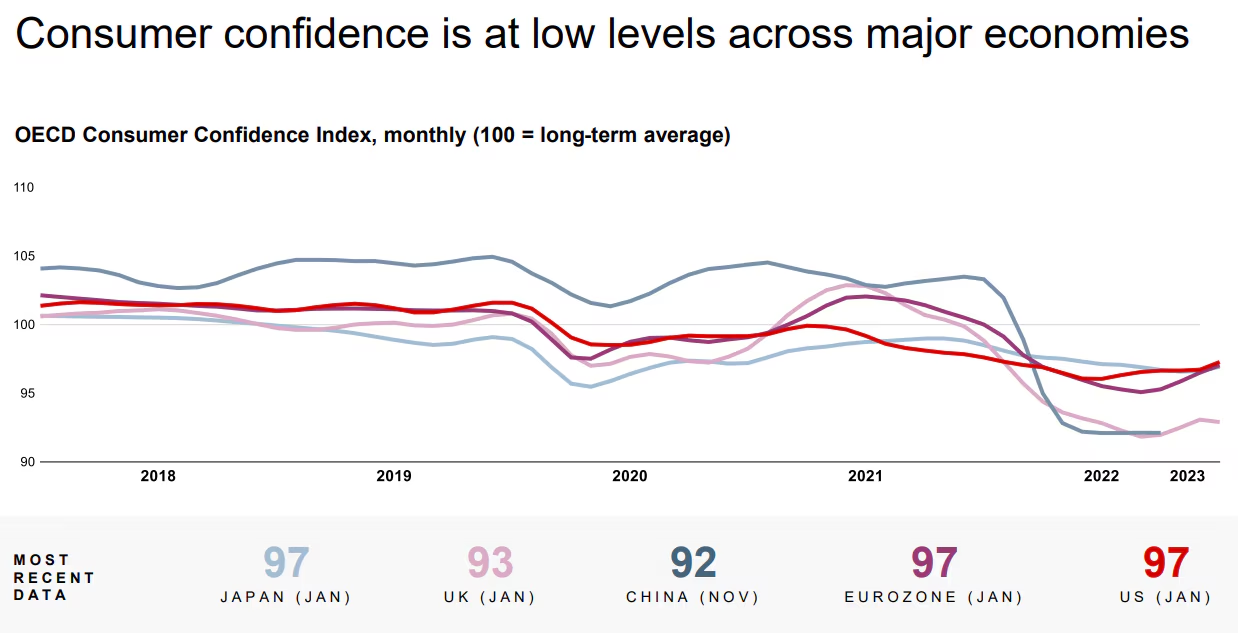
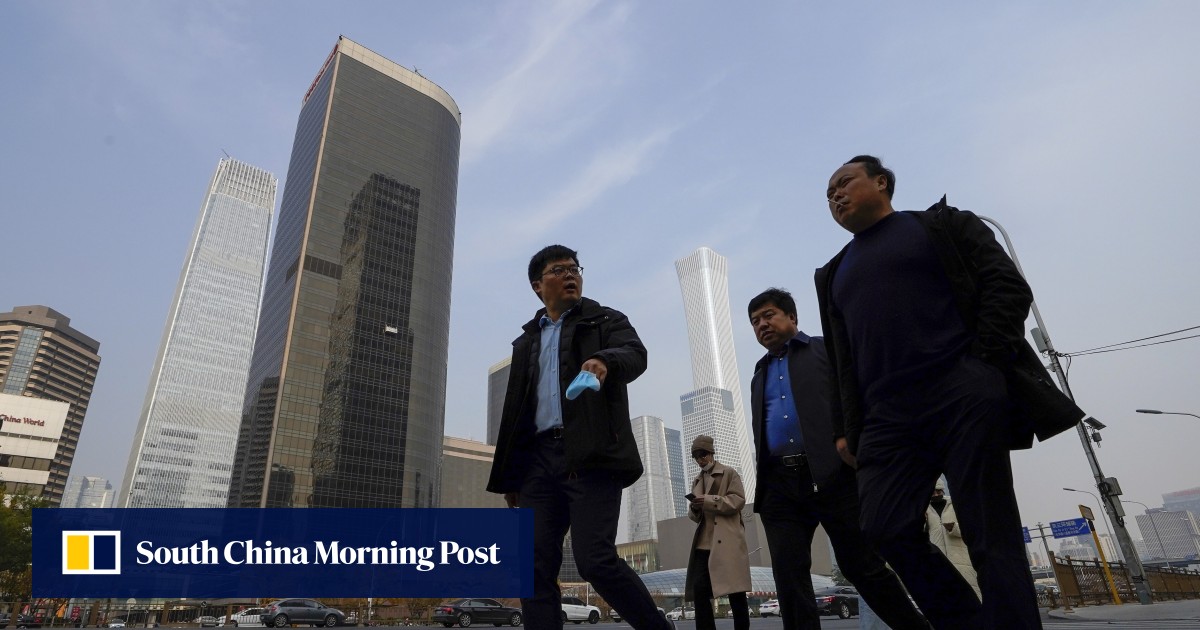
Driving the news: China’s economy lost momentum in July, with consumer spending barely growing alongside a deepening investment slump.
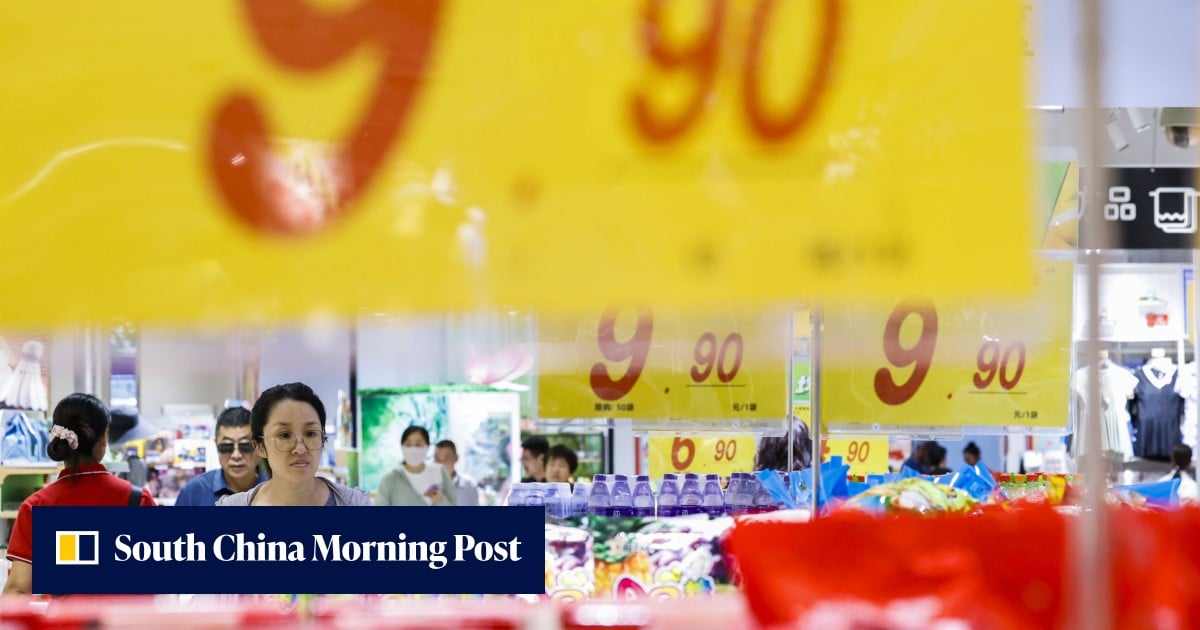
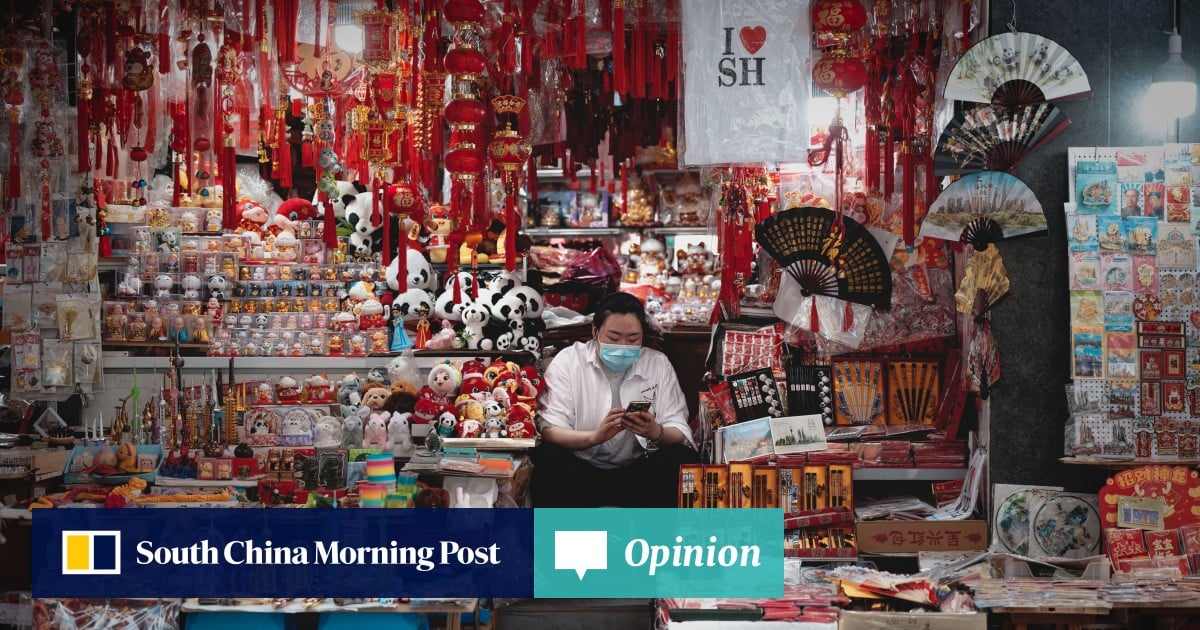
- Retail sales rose just 0.6% compared with the same period a year ago, slowing further from June.
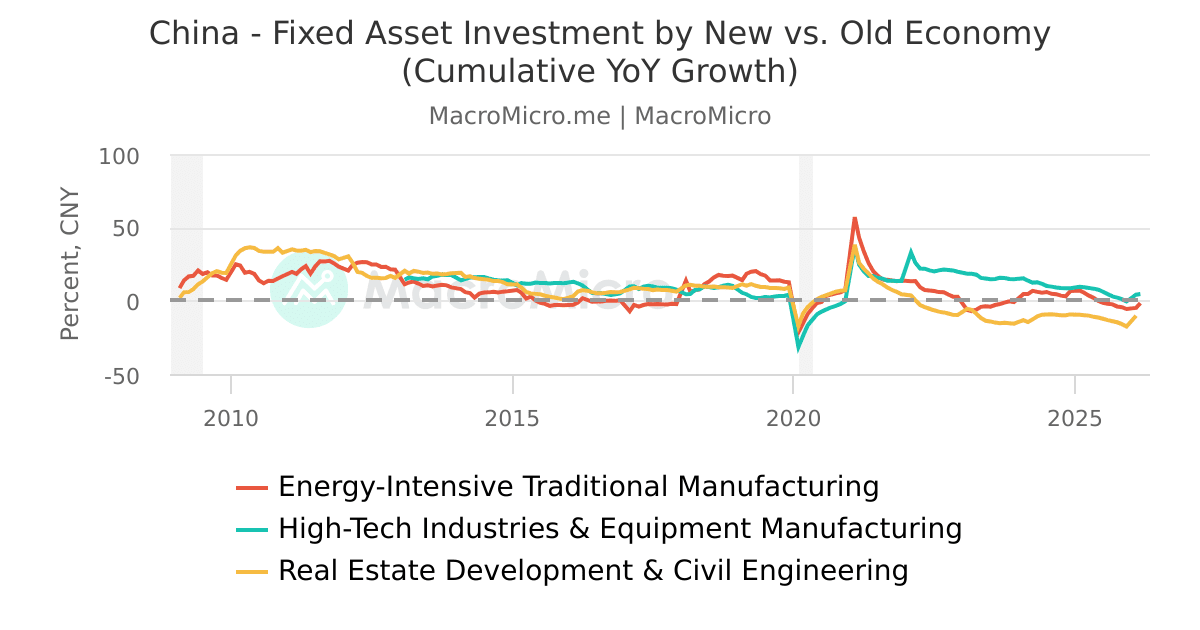
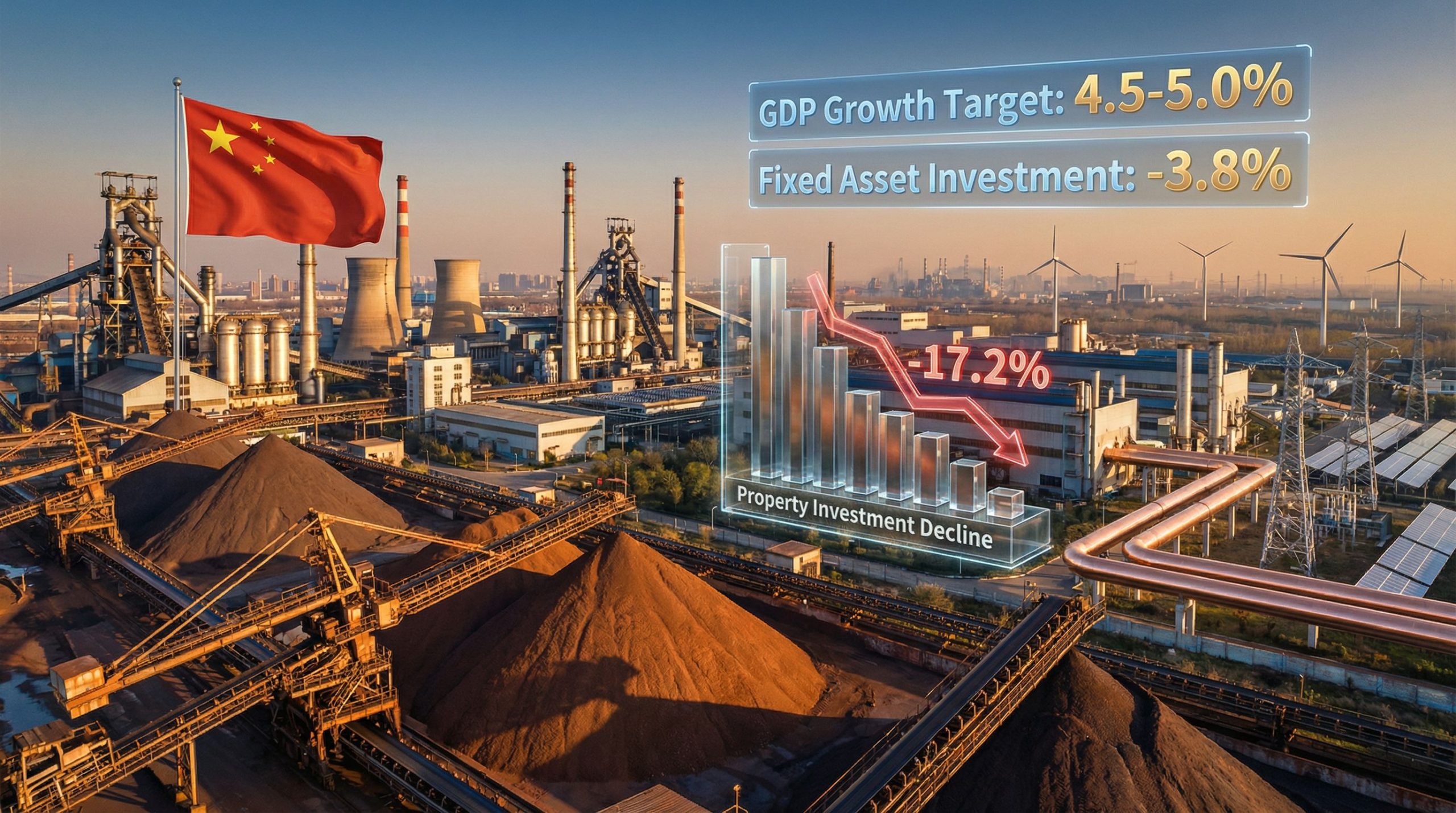
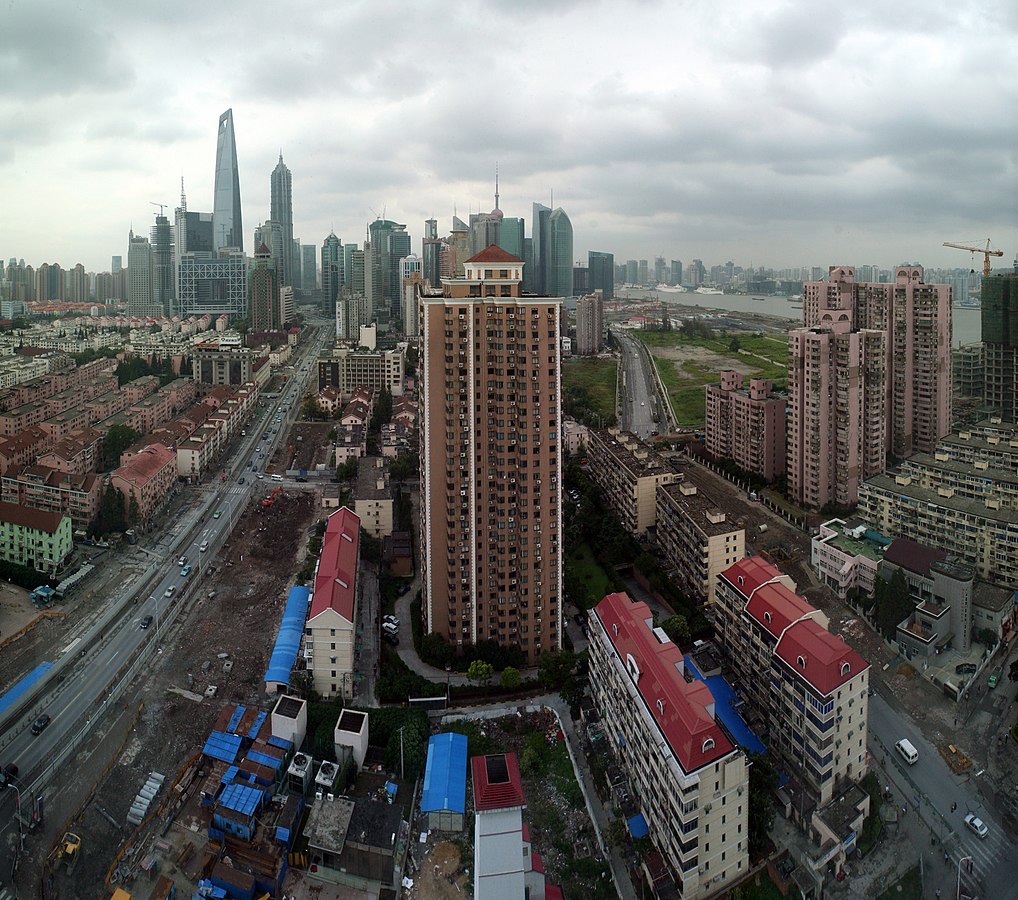
- Fixed-asset investment fell nearly 7% in the first seven months of 2026 as China’s yearslong property bust continued to weigh heavily on activity. Real estate investment plunged 19%, while sales of newly built properties fell by double digits.
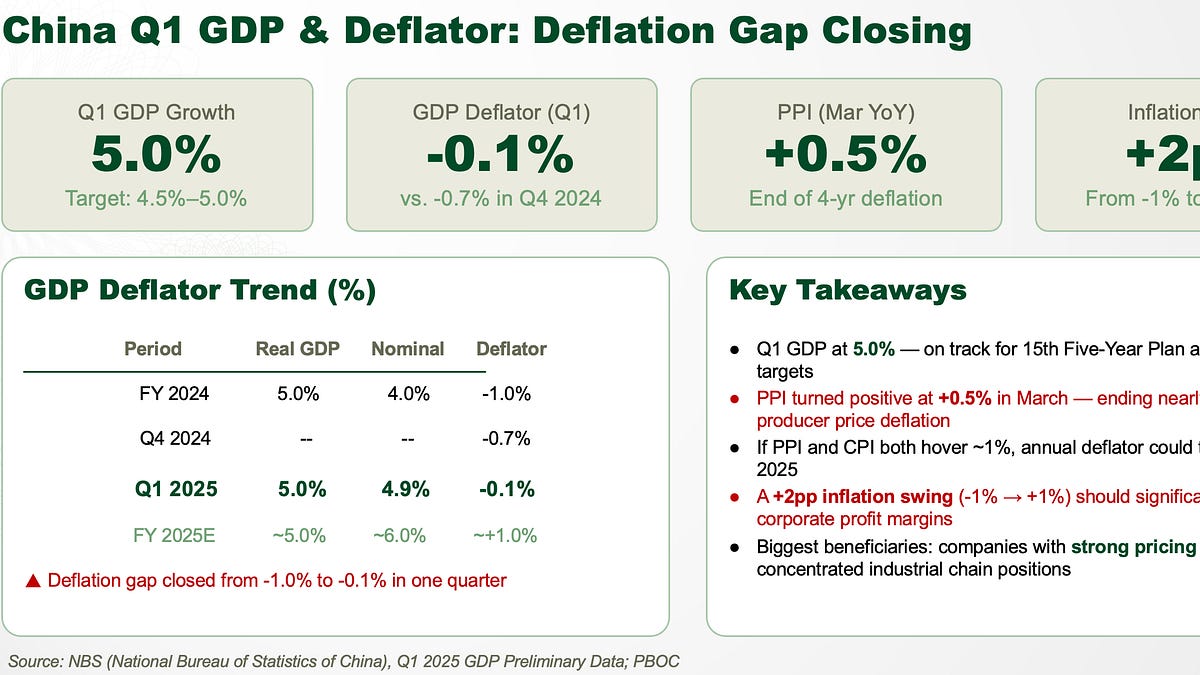
- The data suggests that the slowdown that took hold in the spring is continuing: GDP grew 4.3% from a year earlier in the second quarter, data released last month showed, down sharply from 5% in the first quarter.
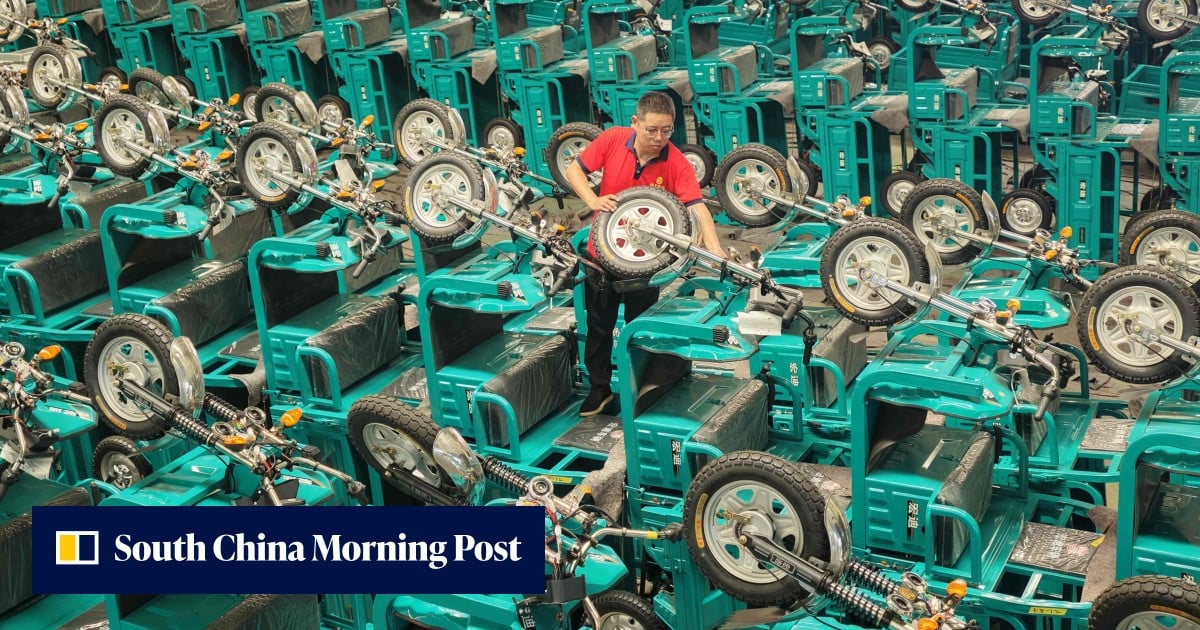
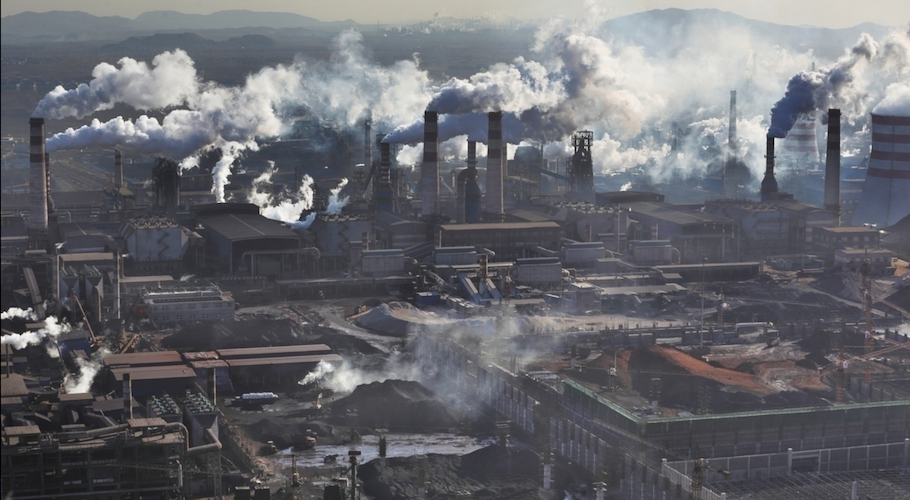
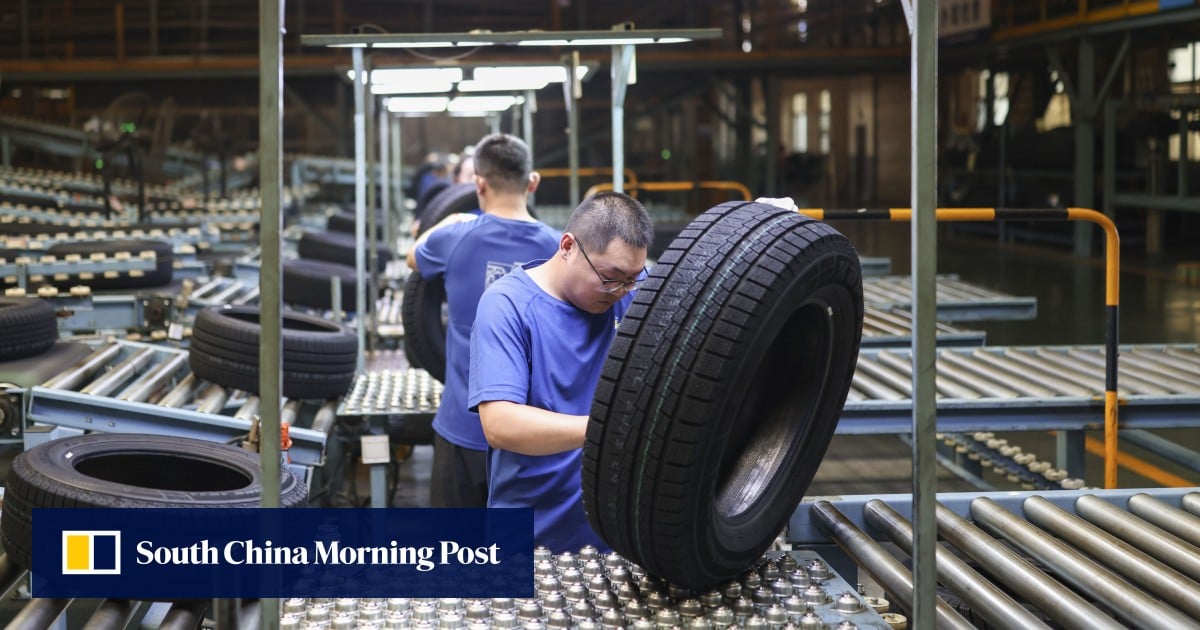
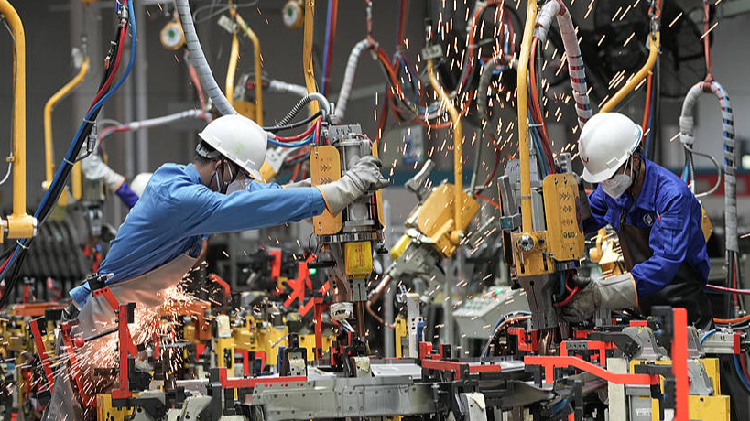
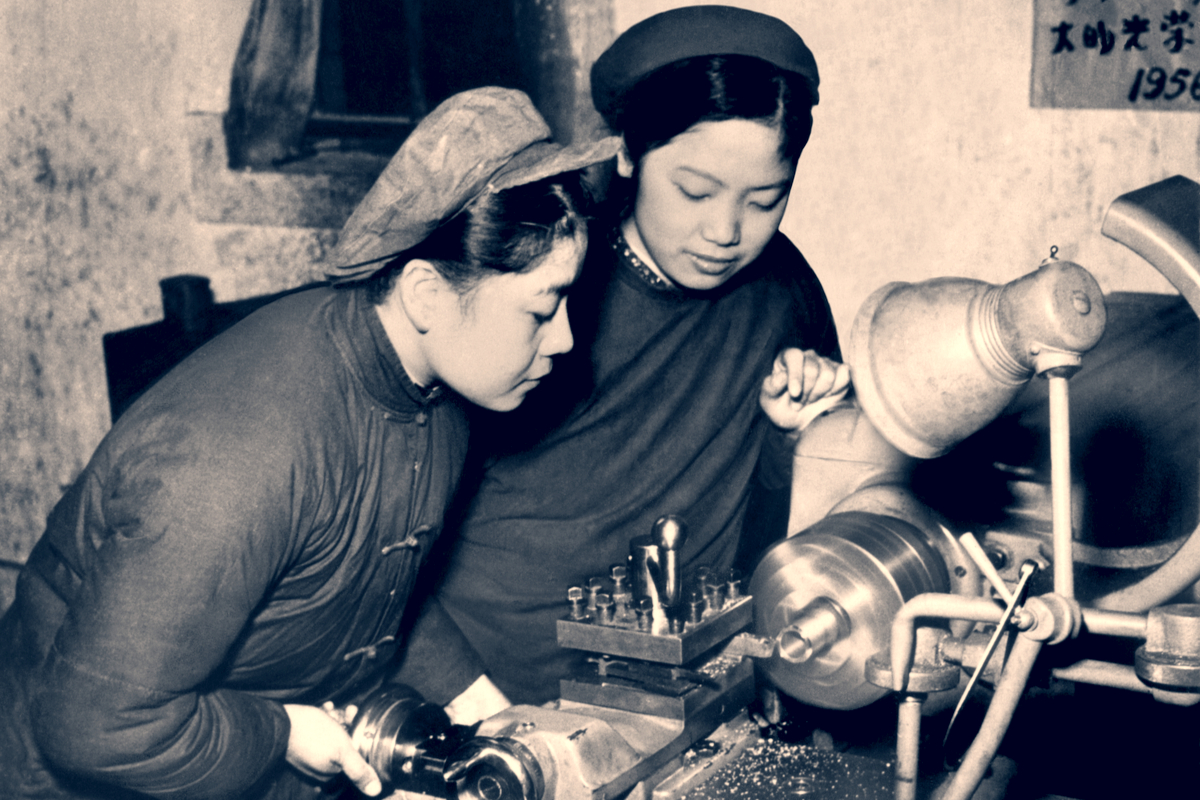
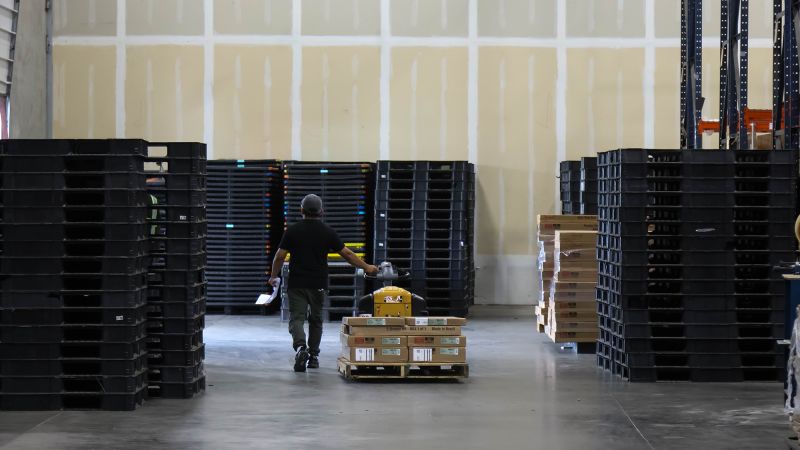
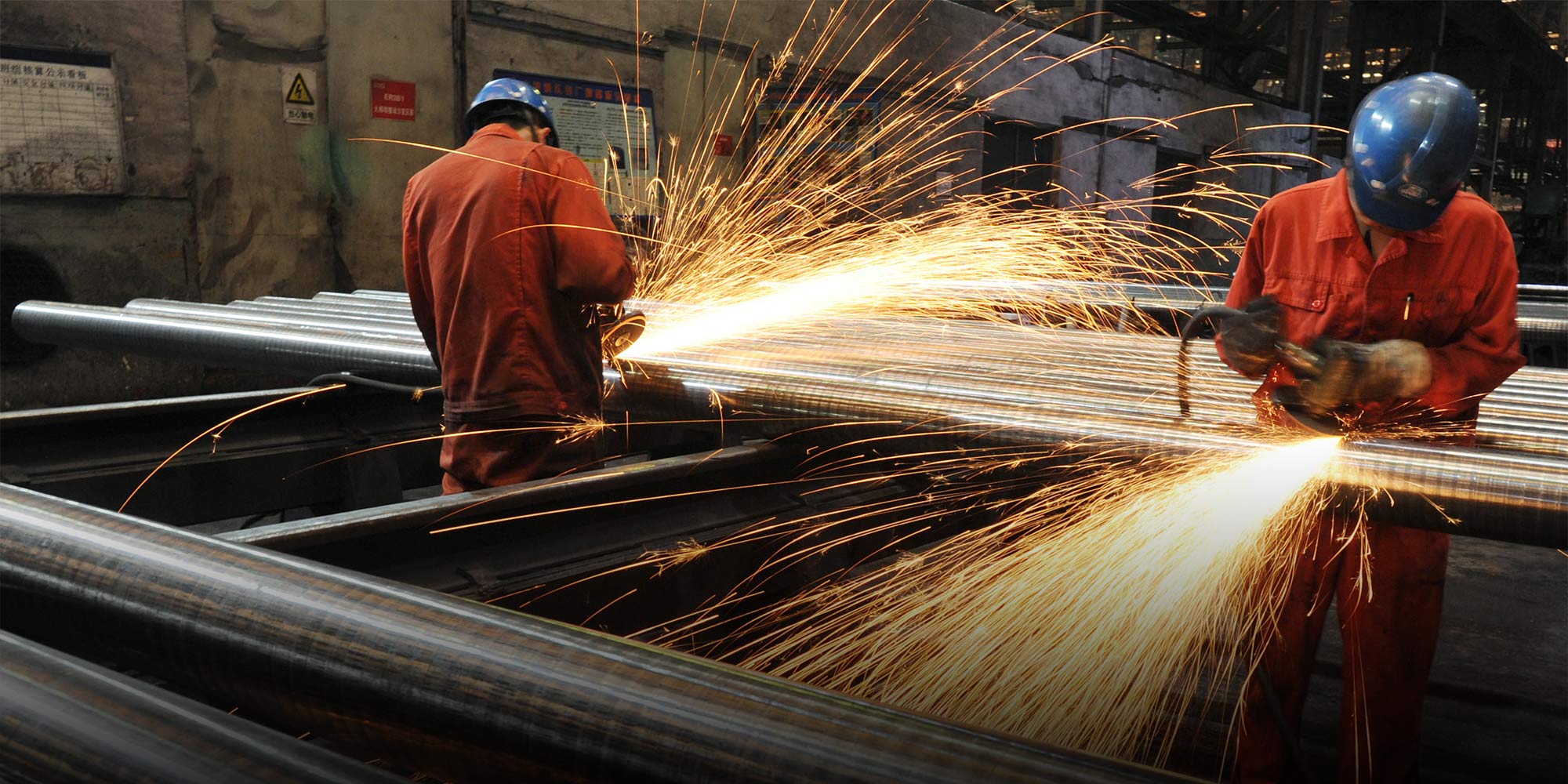
The other side: China’s factory engine continued to roar, even as demand at home remained weak.
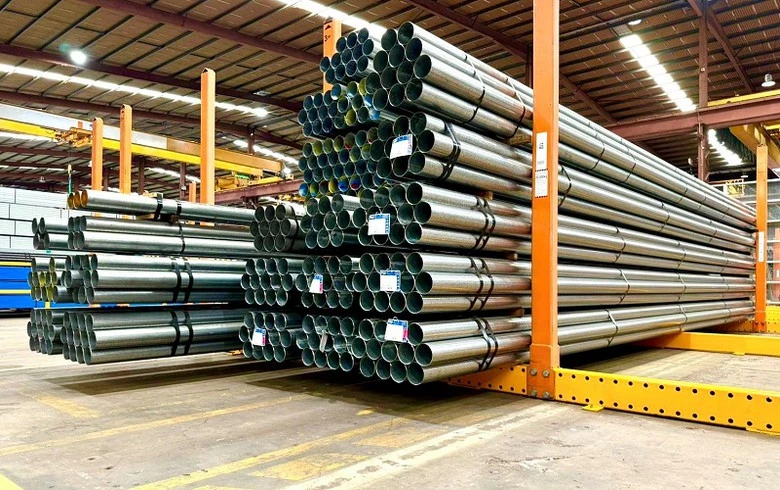
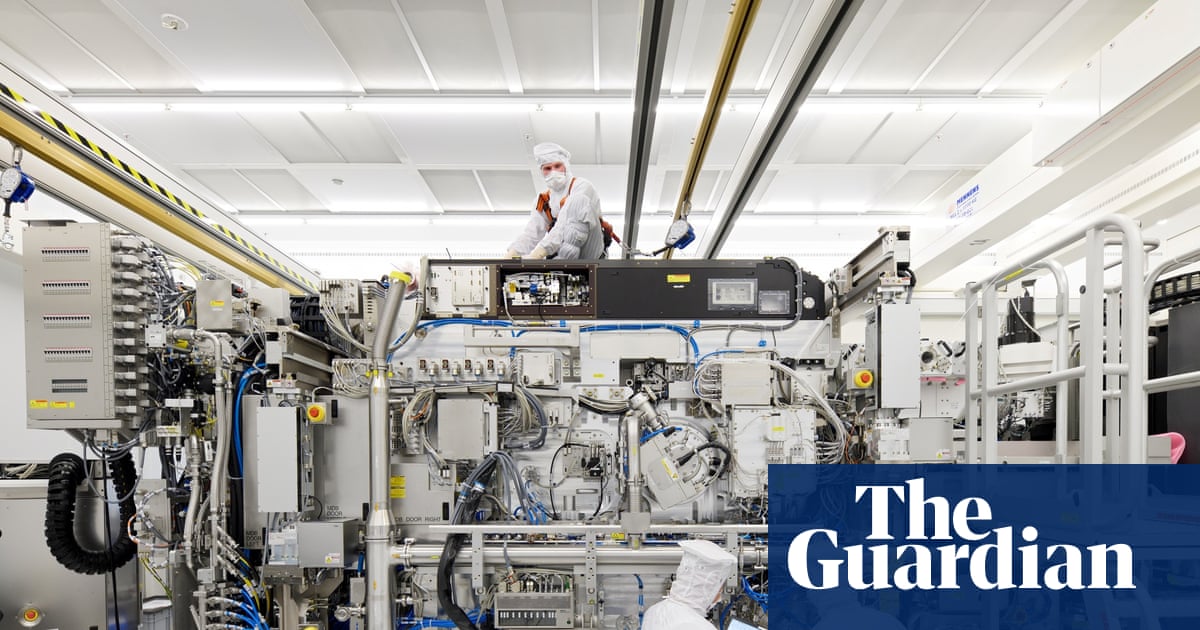
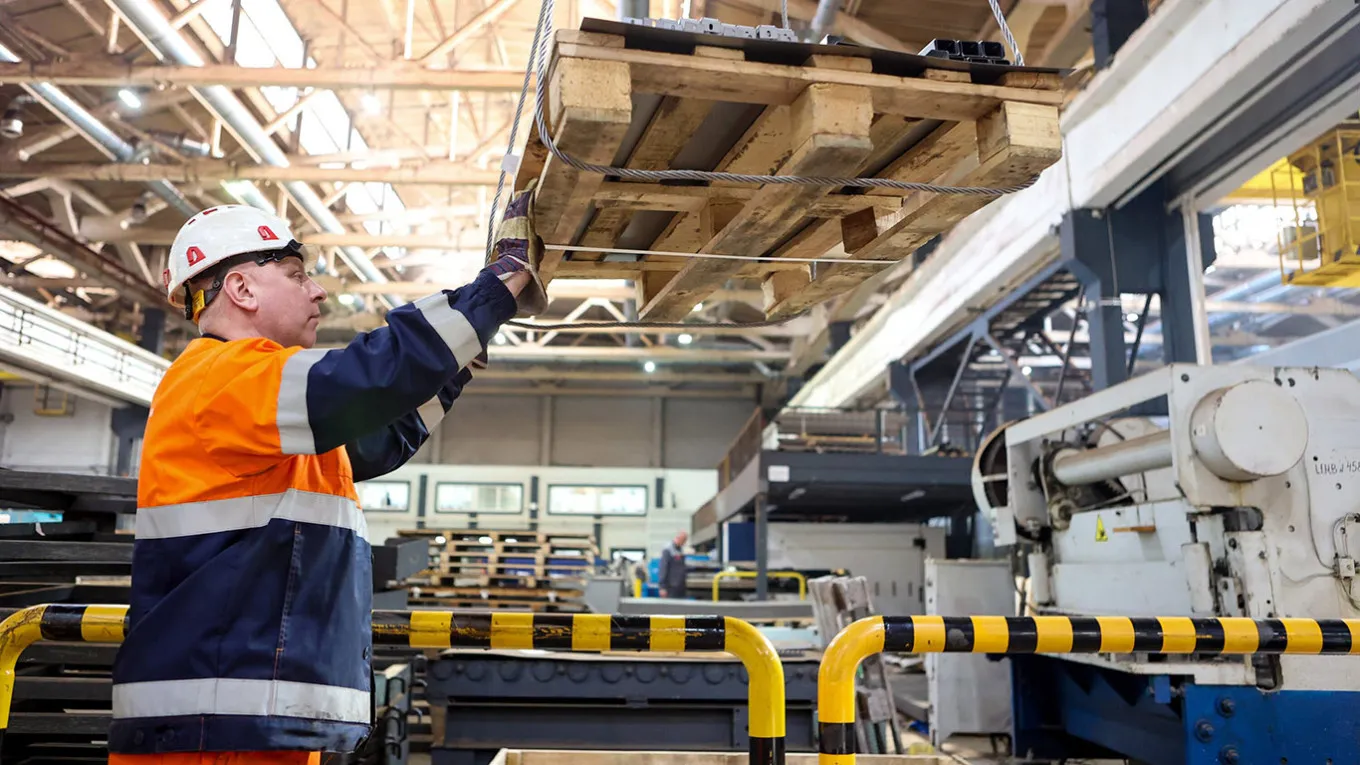
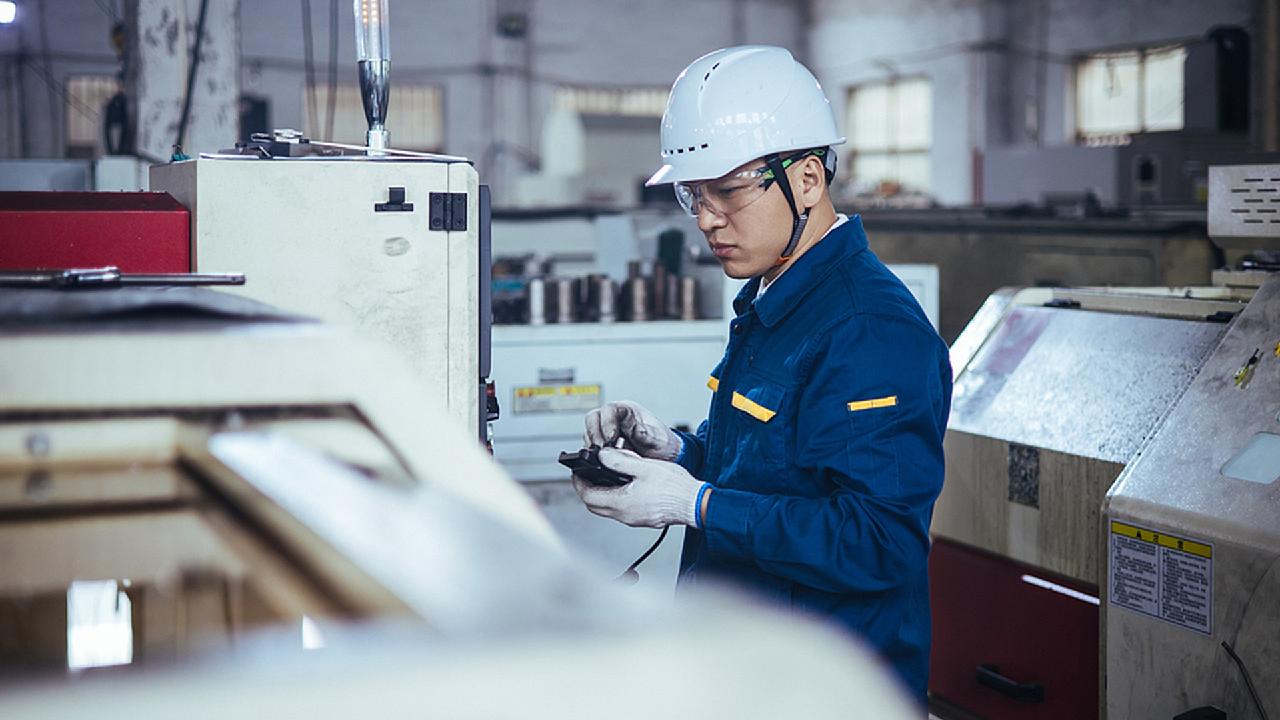
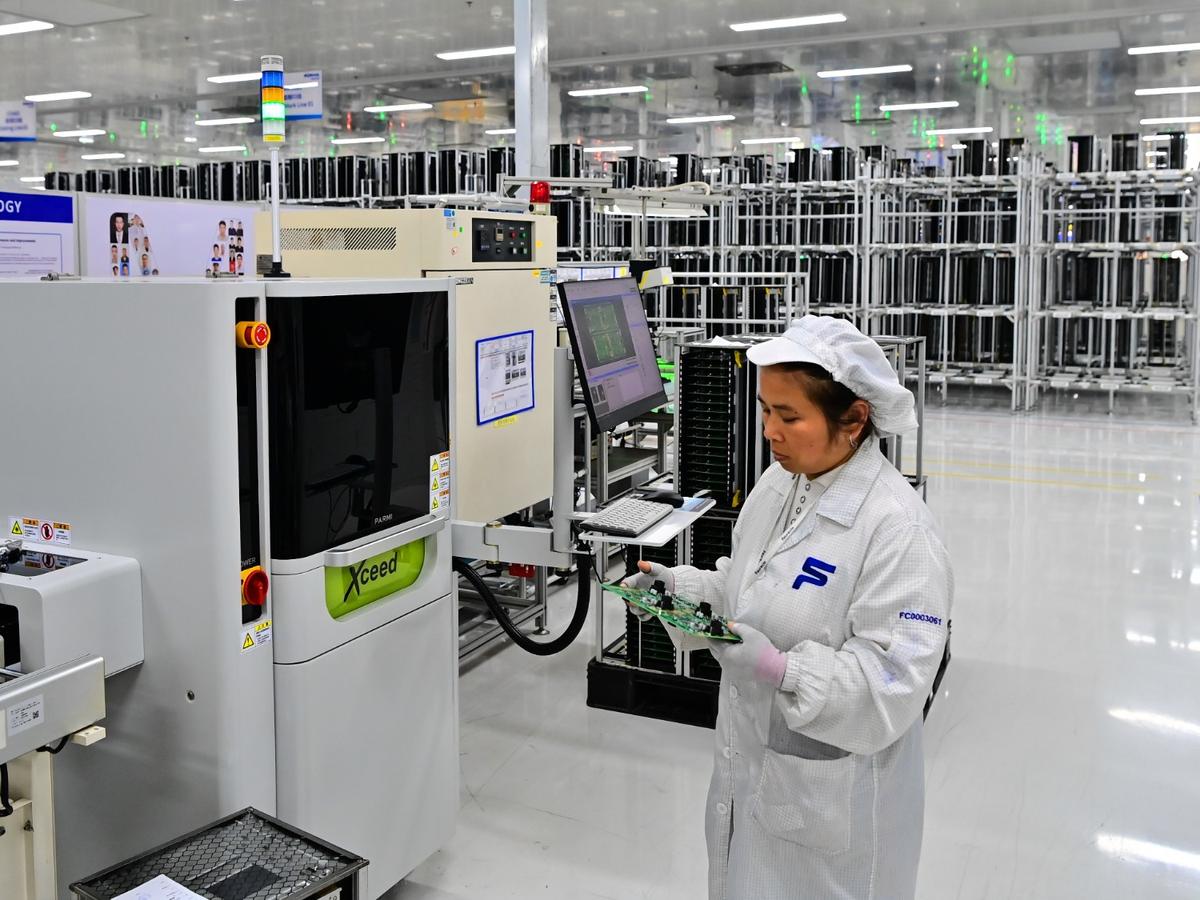
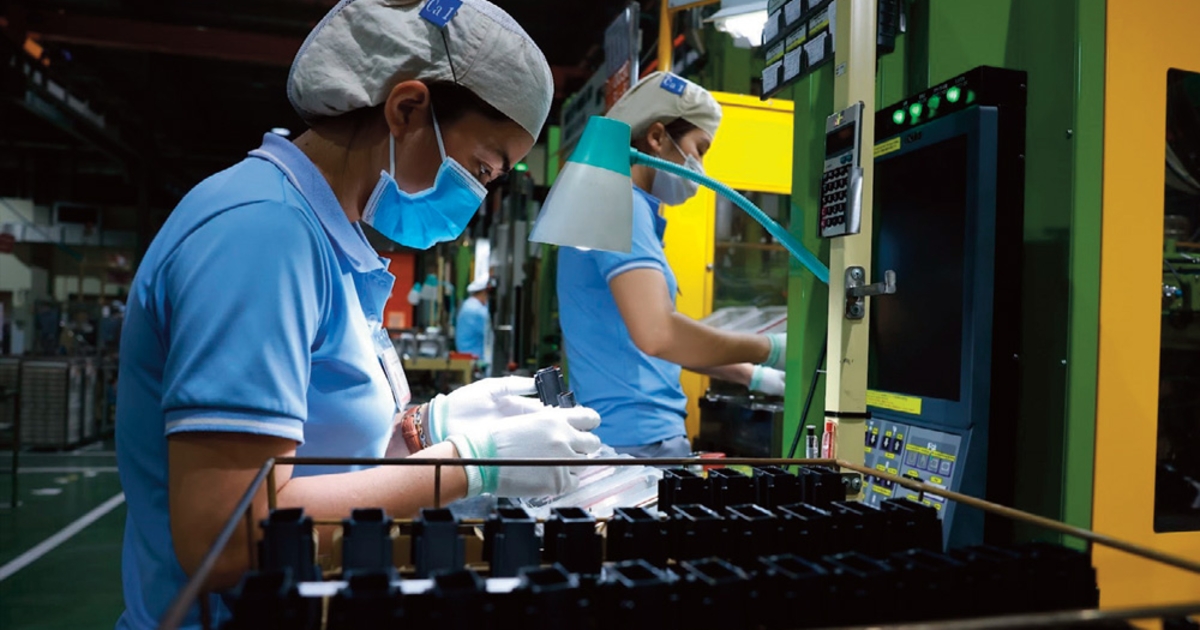
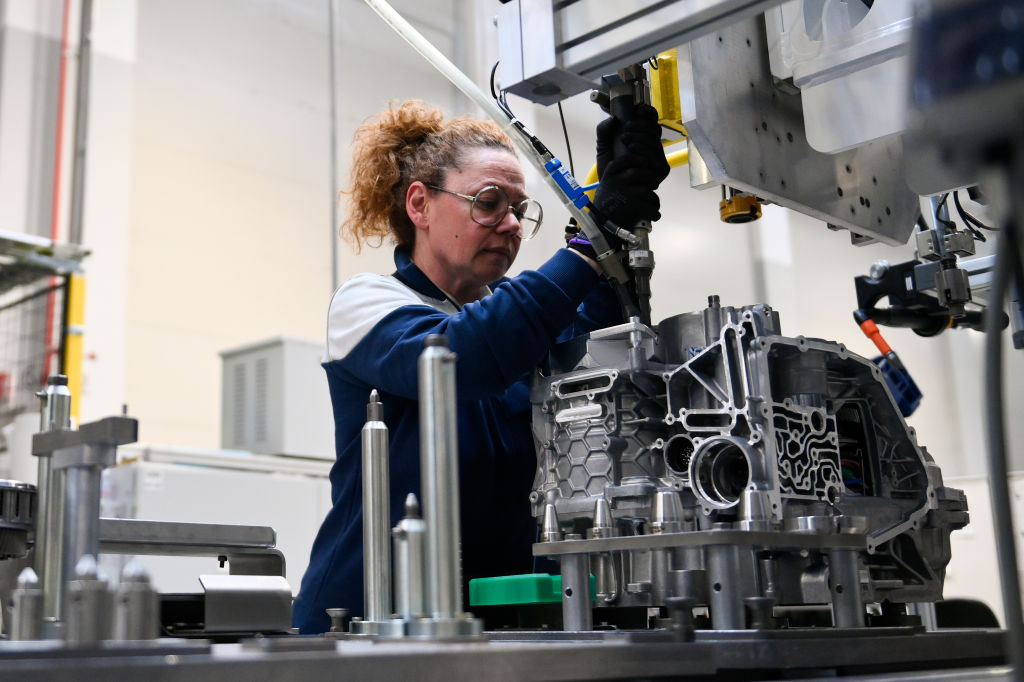
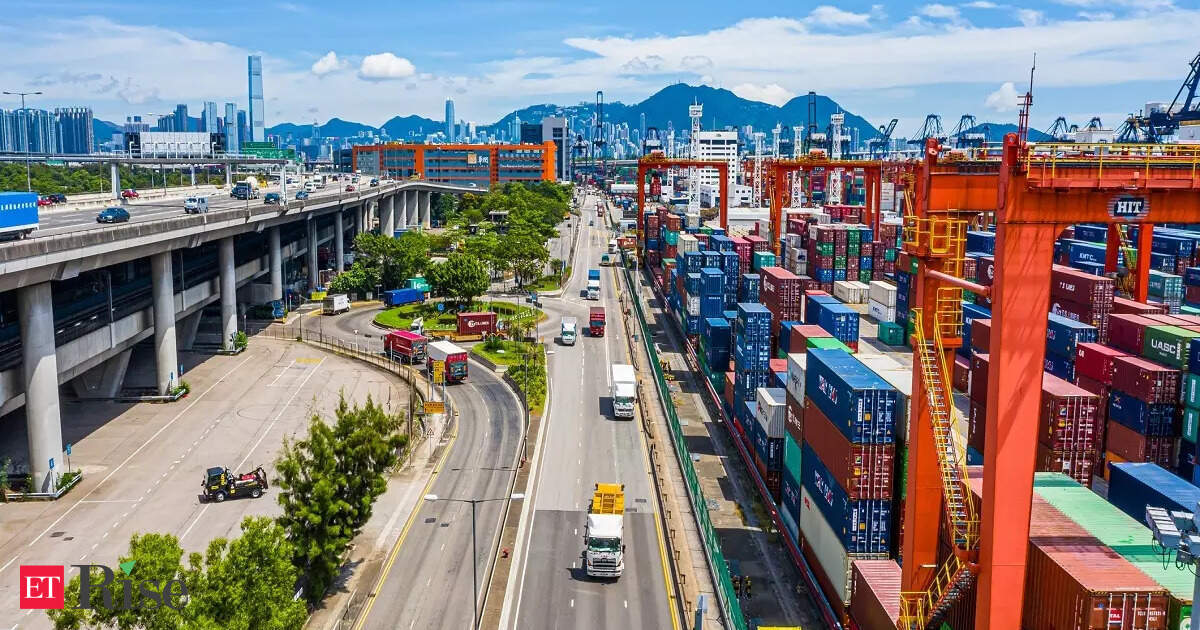
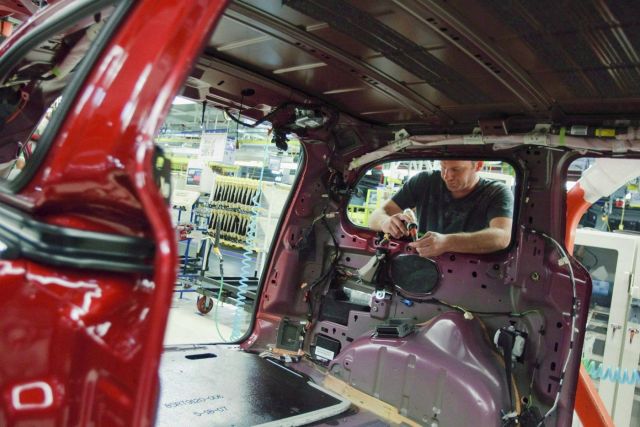
- Industrial output rose 4.5% in July from a year earlier, while high-tech manufacturing rose nearly 14% in the first seven months of the year, extending a manufacturing boom that has been particularly strong in AI-related industries.
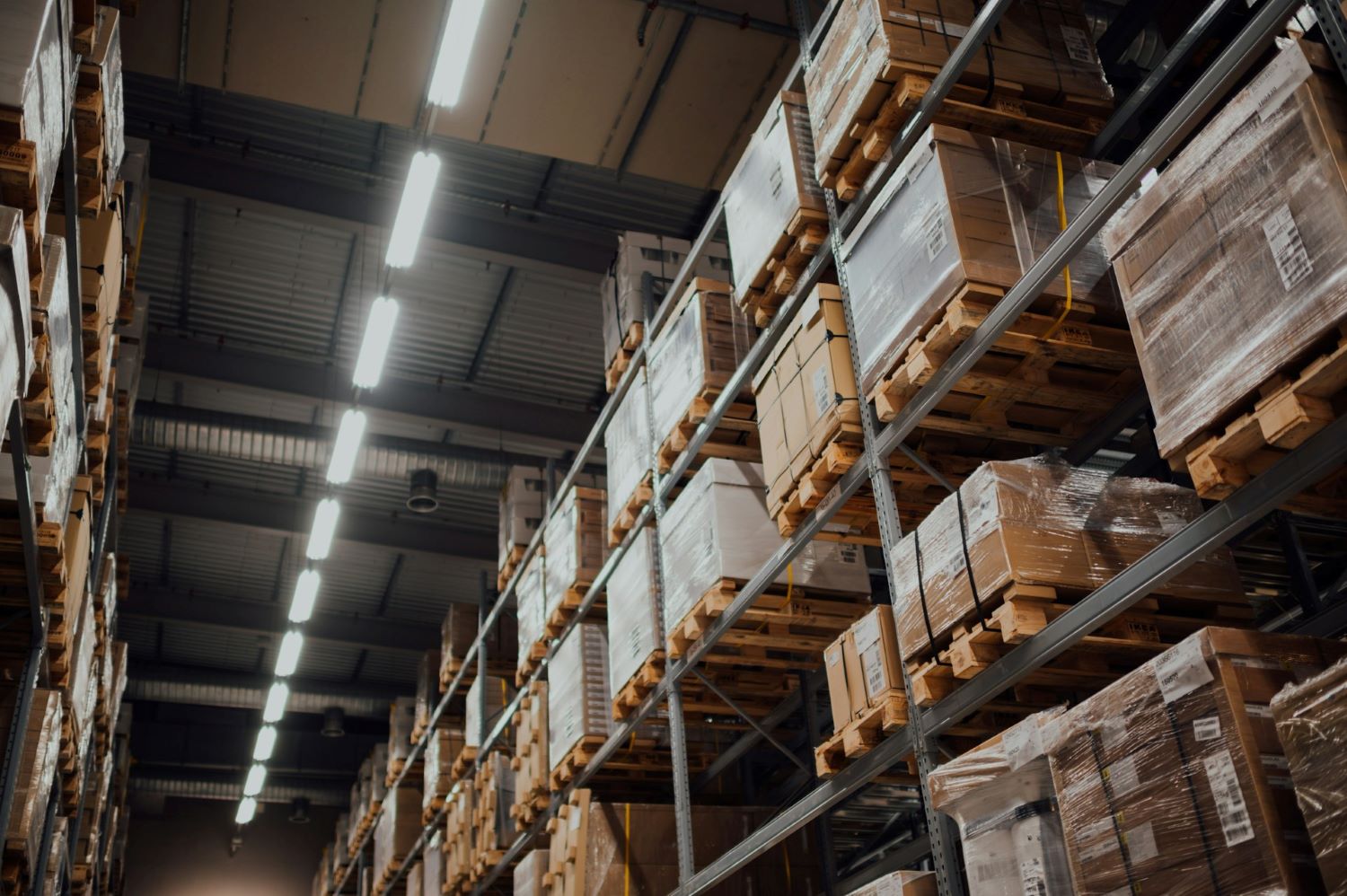
What to watch: Beijing recognizes the imbalance, with a top statistics official acknowledging that “strong supply and weak demand” remains a prominent problem.
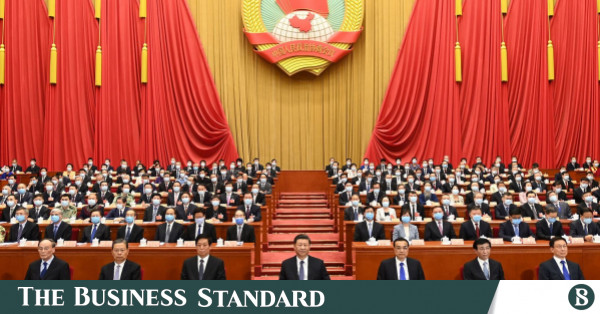
- Policymakers have extended consumer support measures introduced in recent years, including subsidies under its car and appliance trade-in programs.
- But they have stopped short of the type of large-scale fiscal support that some economists believe is necessary to boost household demand.
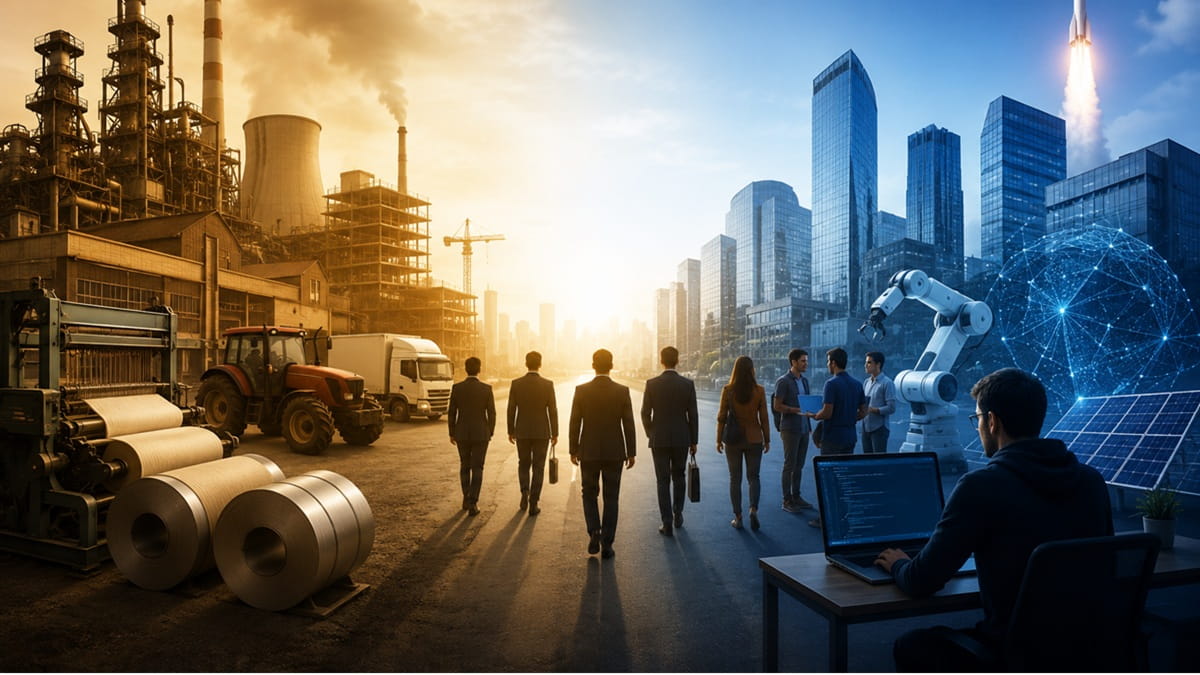
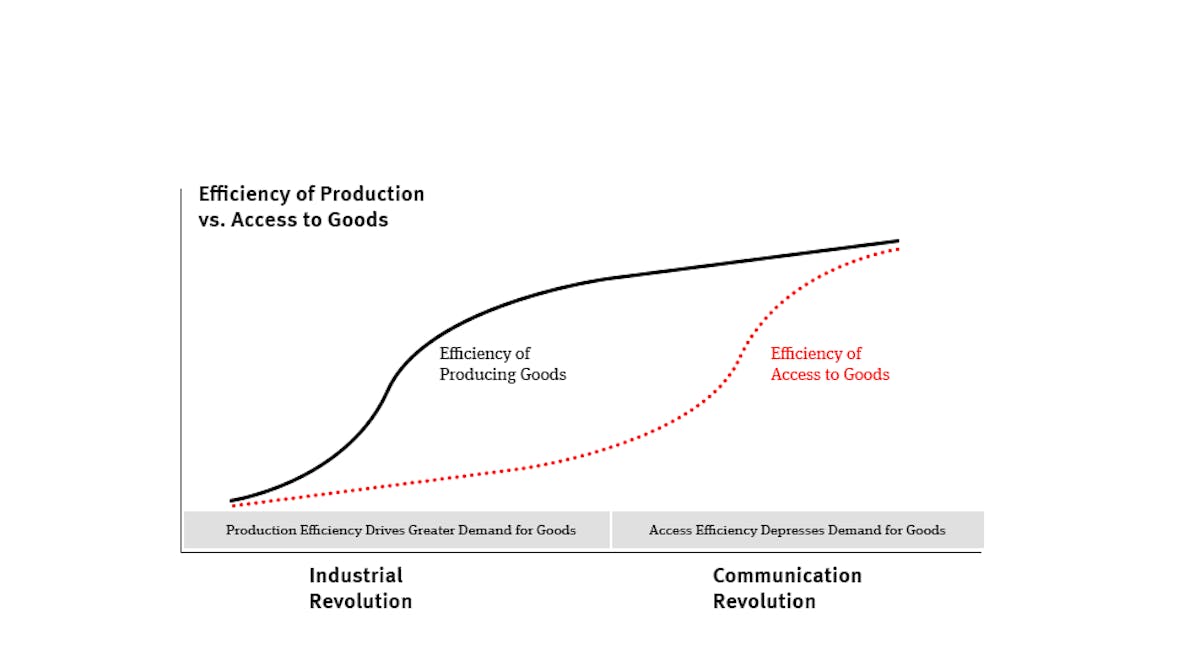
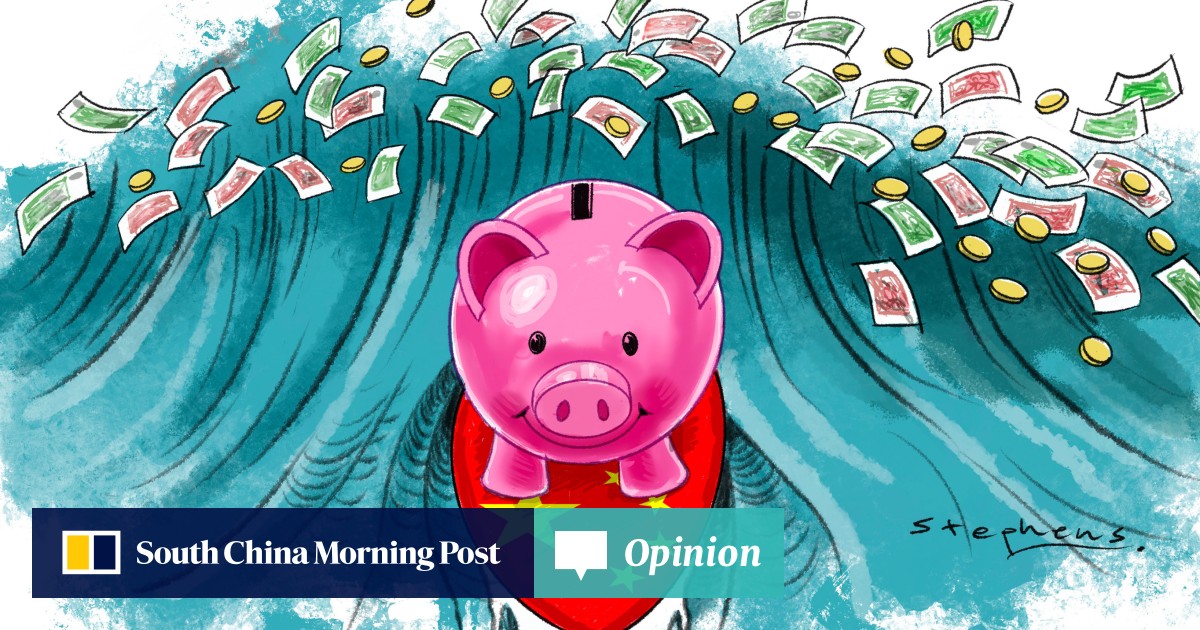
Friction point: The AI race could deepen China’s longstanding economic imbalance by making its industrial base more productive without necessarily boosting demand at home.
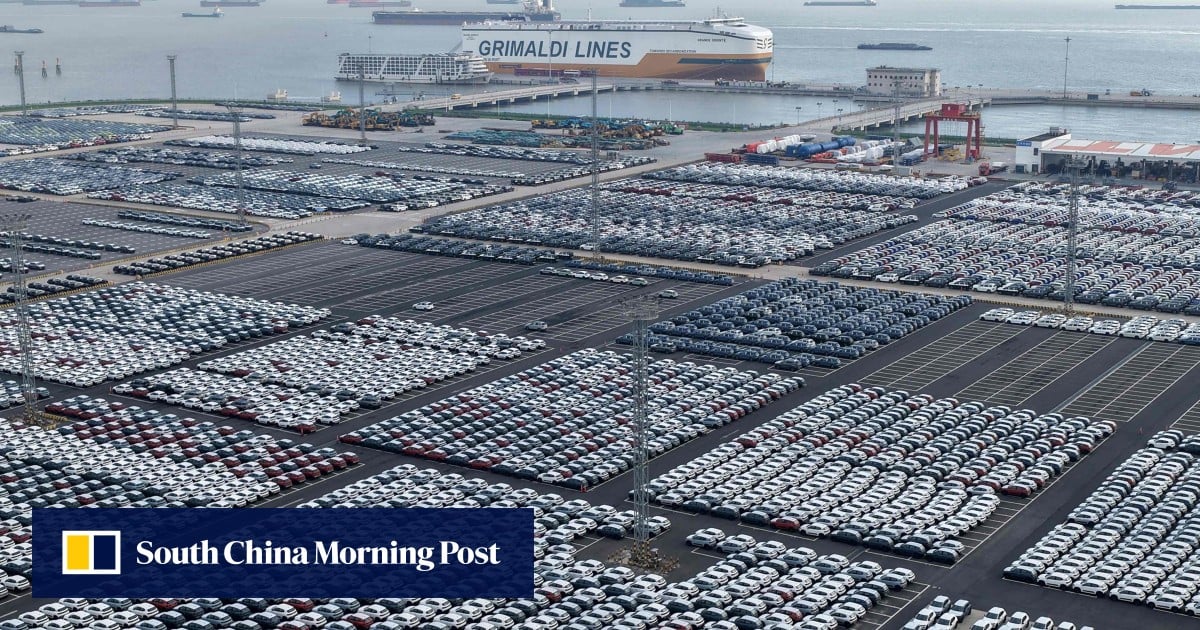
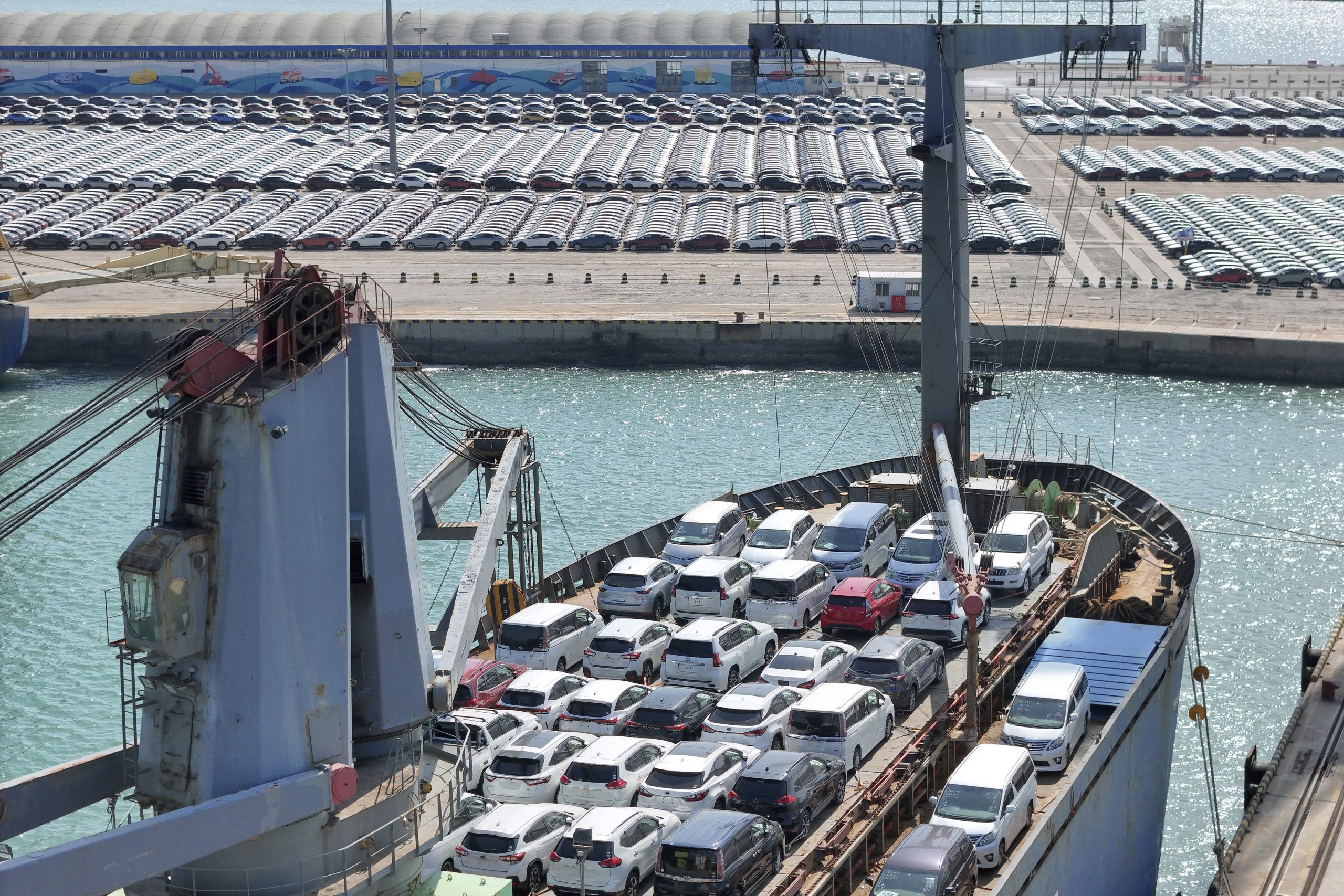
The bottom line: China’s AI push raises the stakes in an already fraught debate over how much Chinese production the rest of the world can absorb. At a certain point, it becomes unsustainable.
- The pressures are already visible in Europe’s battered auto industry that’s teetering on the brink of crisis.