This article first appeared on GuruFocus.
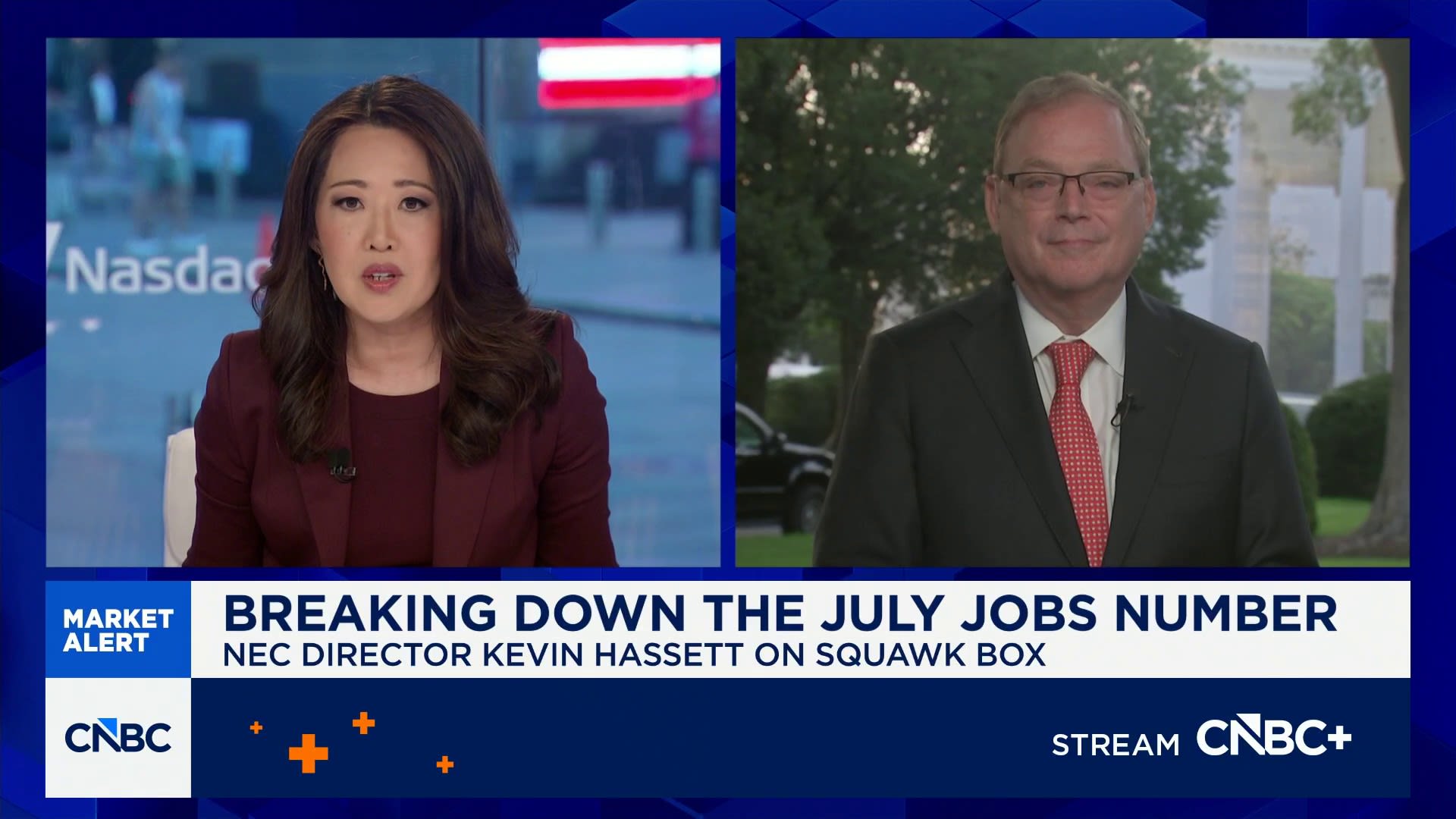
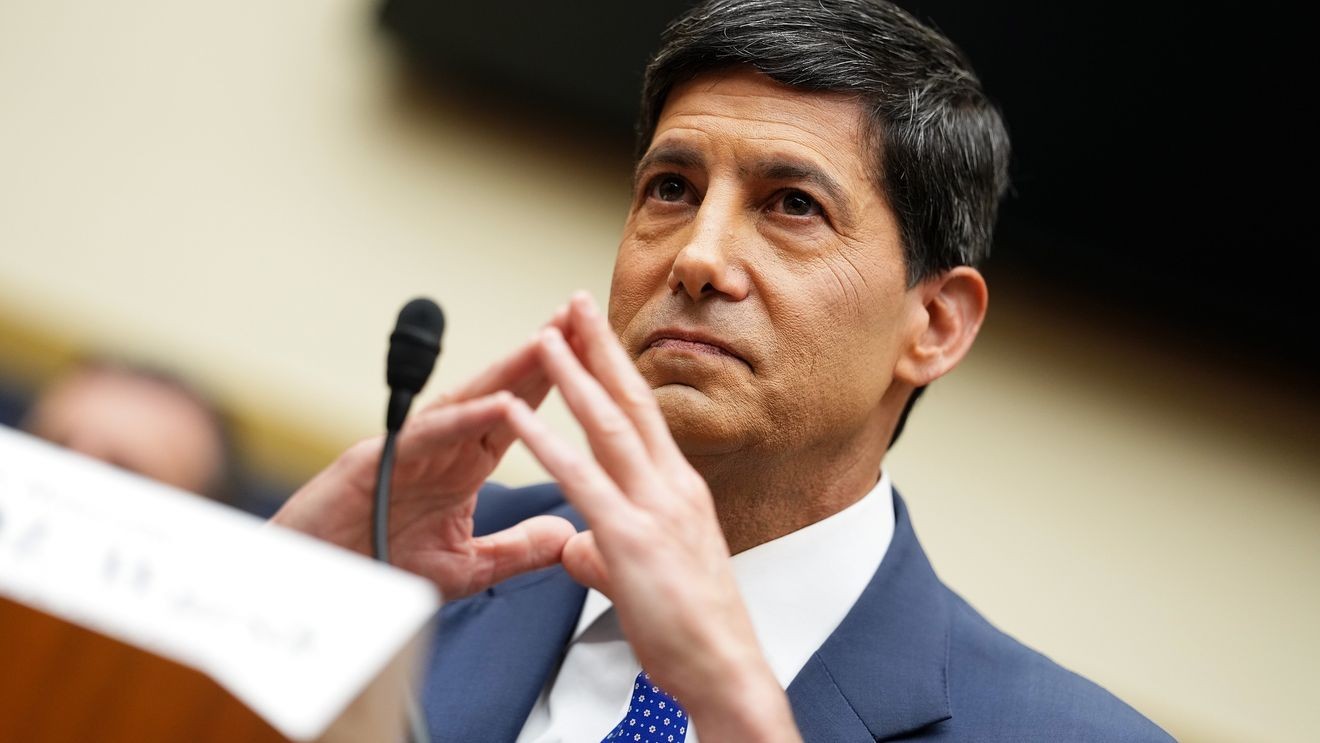
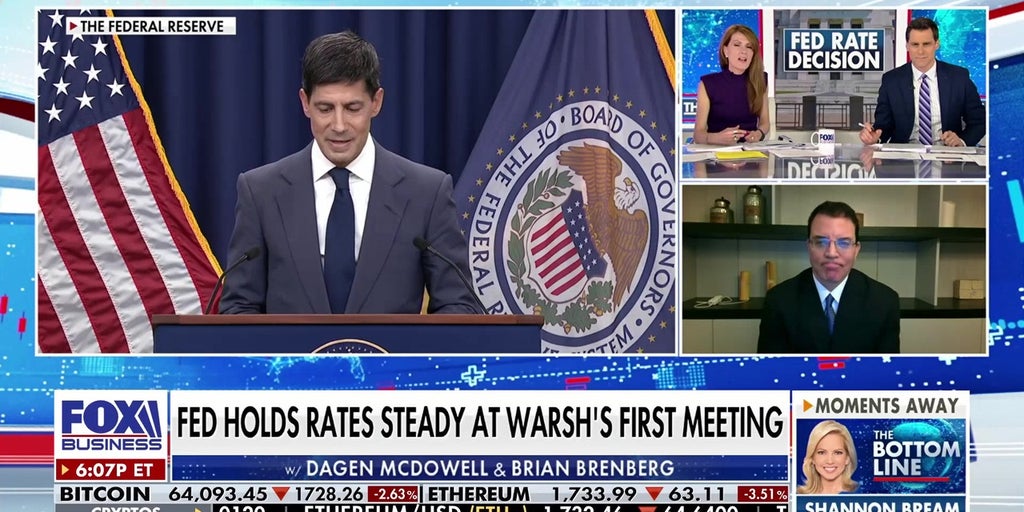
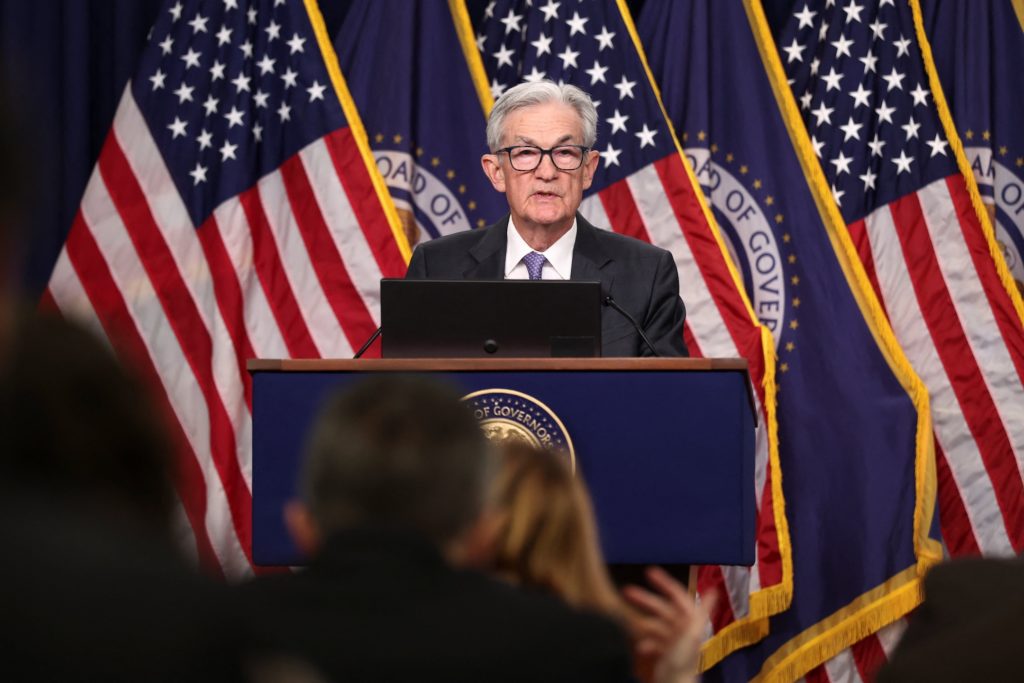
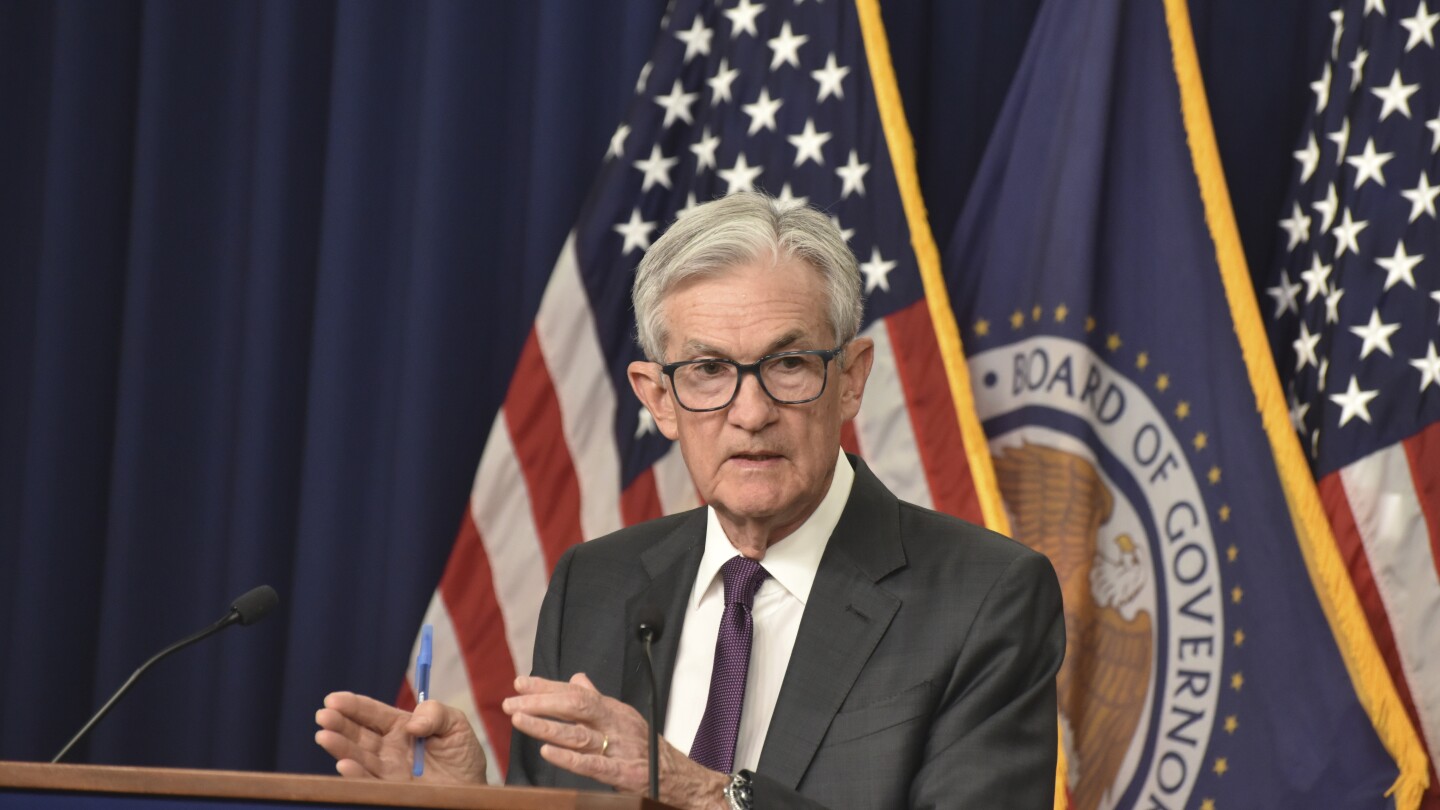
U.S. payrolls unexpectedly contracted in July, delivering the clearest warning yet that the labor market is losing momentum and complicating Federal Reserve Chair Kevin Warsh’s case for a September rate hike. Employers shed 23,000 jobs, badly missing expectations for an increase, while steep downward revisions showed hiring had already been considerably weaker than previously reported.
The Bureau of Labor Statistics revised May payroll growth down to 63,000 from 129,000 and June to just 20,000 from 57,000, removing a combined 103,000 jobs from the prior estimates. Average monthly payroll growth over the previous 12 months has slowed to just 34,000.
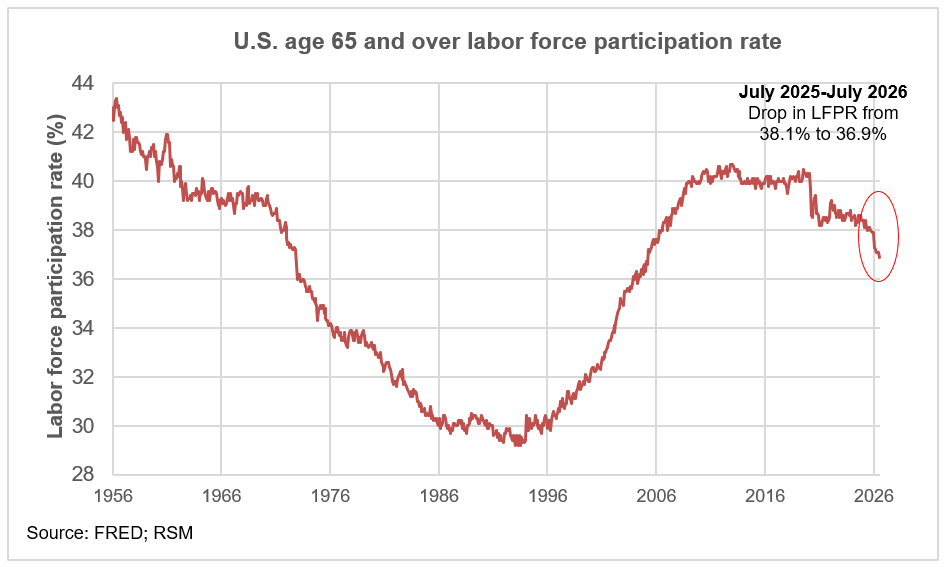
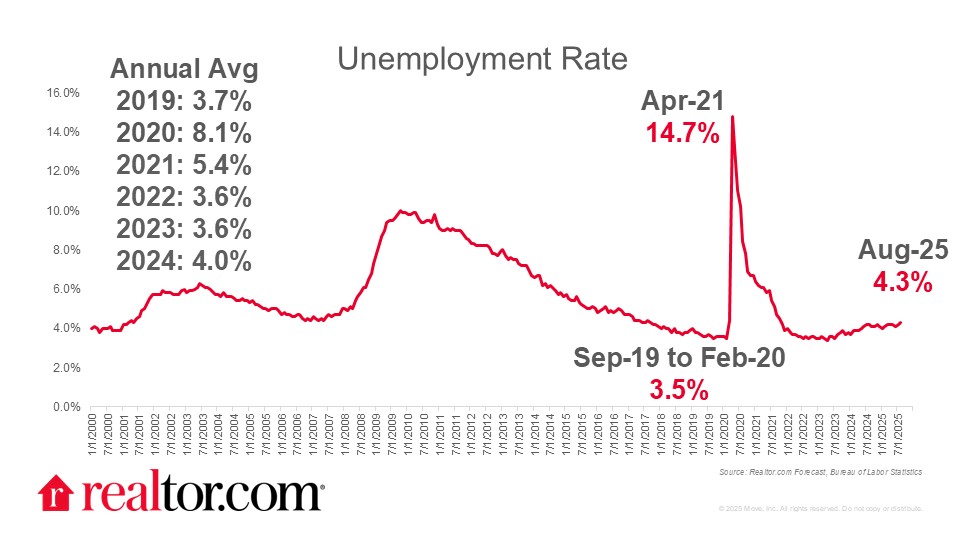
The unemployment rate nevertheless declined to 4.1% from 4.2%, but the improvement was less reassuring than it appeared. Labor-force participation slipped to 61.4%, down 0.7 percentage point since January.
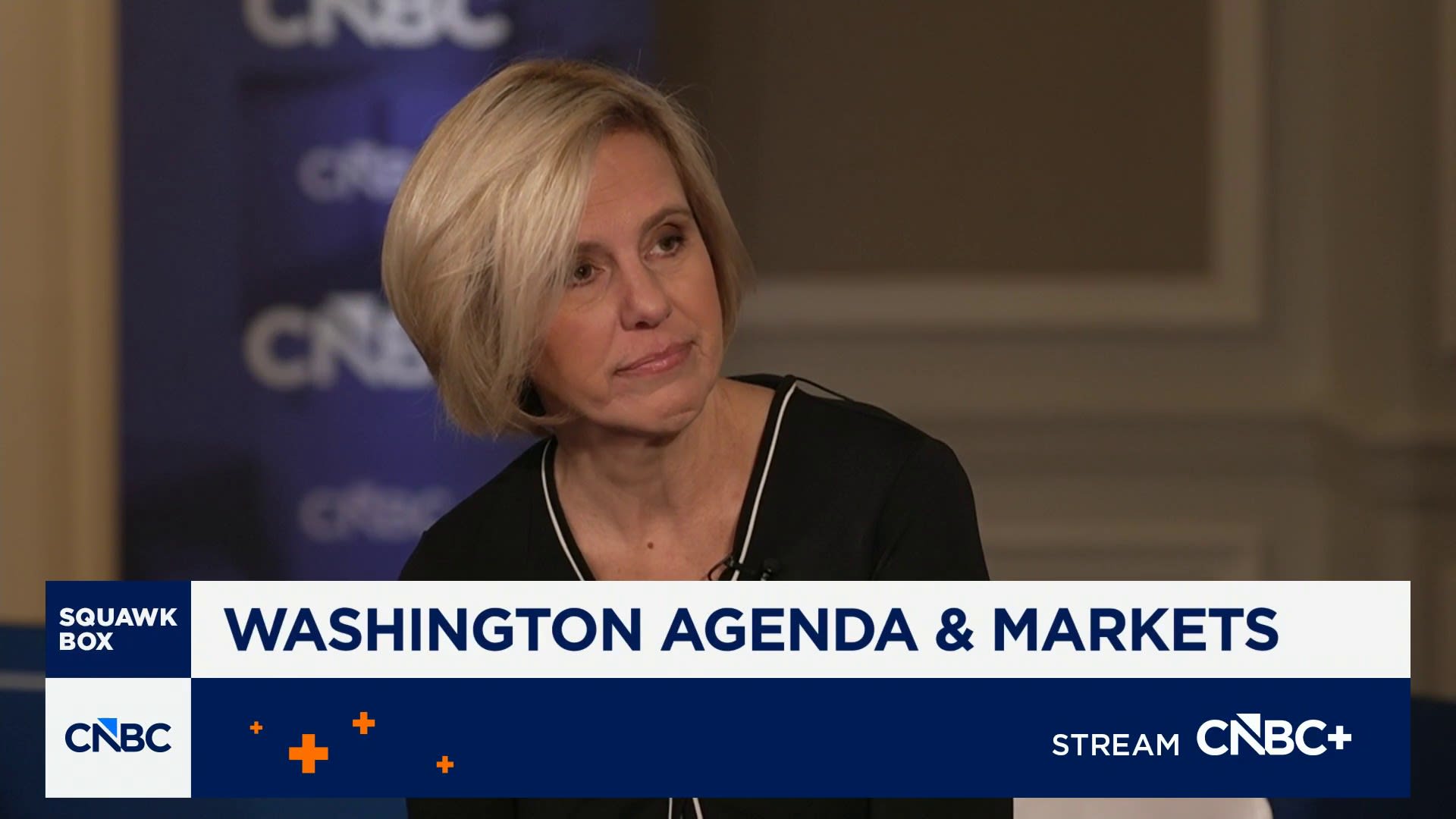
The unemployment rate fell for the wrong reasons, said Heather Long, chief economist at Navy Federal Credit Union. People continue to leave the labor force. Labor force participation is at the lowest level since February 2021. Even worse is that wage growth cooled to a mere 3.2%, the lowest level in five years.
Hiring weakness was broad enough to raise concerns. Local government education lost 50,000 jobs, retail shed 19,000, and financial activities fell by 14,000. Health care added 22,000, but even that was below its 12-month average. Average hourly earnings increased just 0.1% monthly and 3.2% annually.
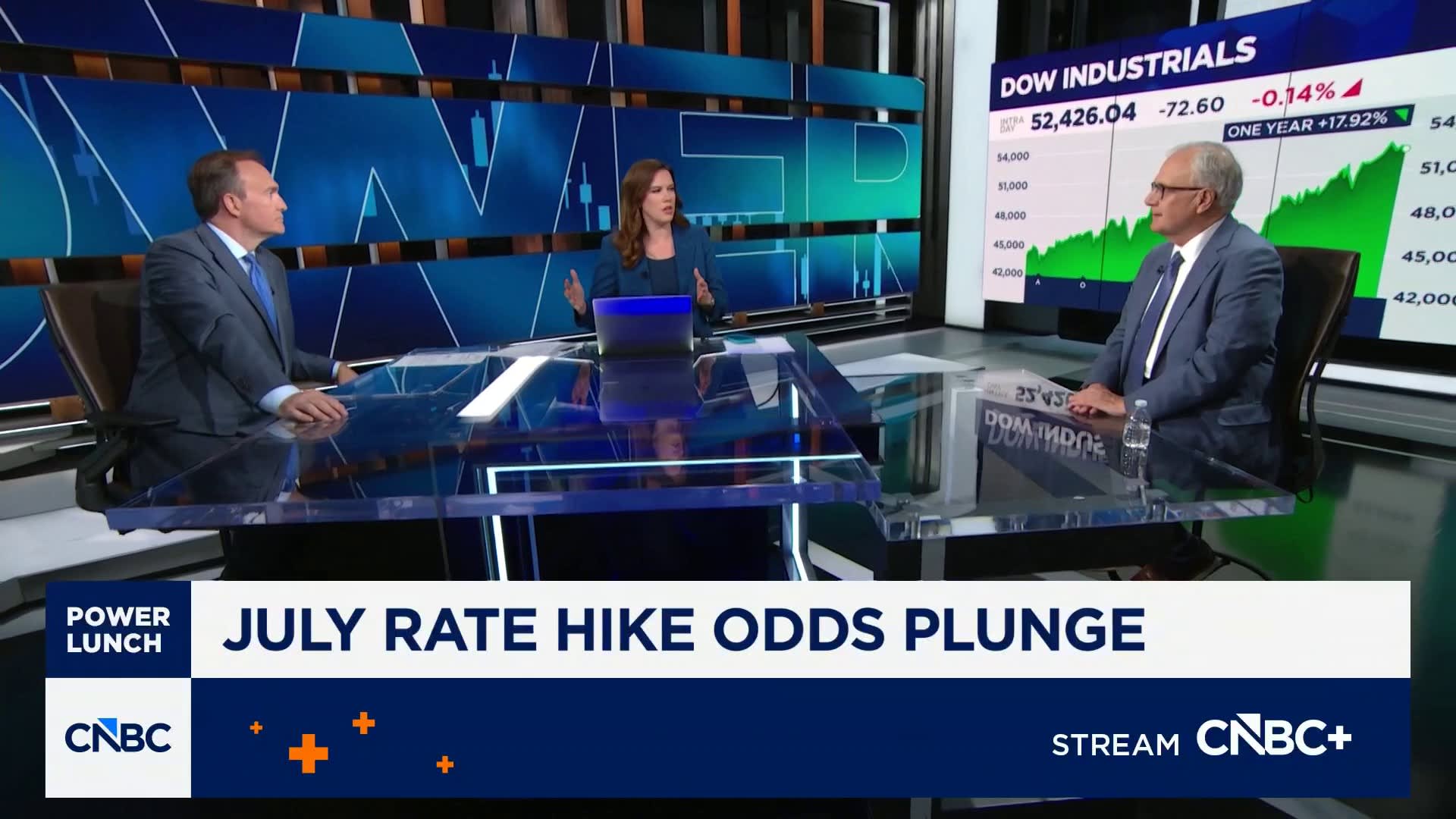
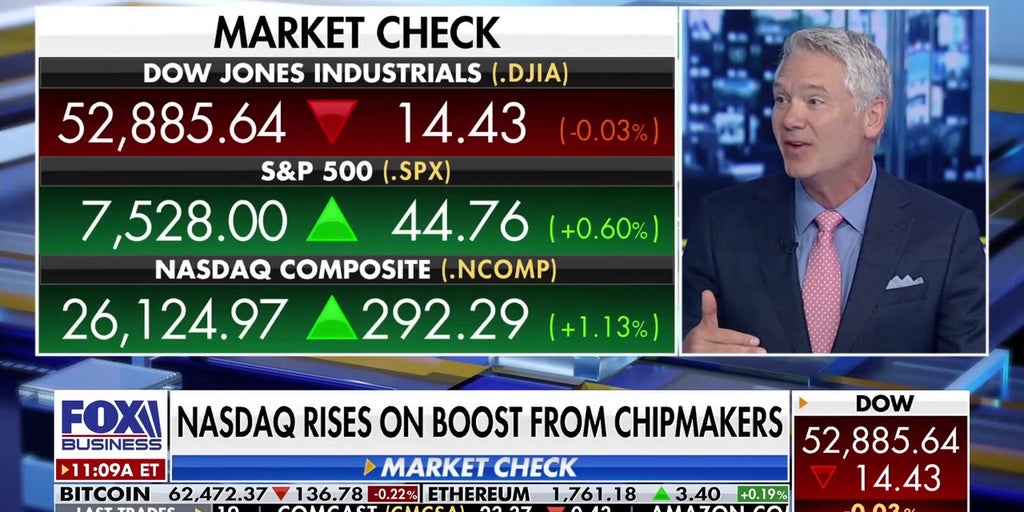
Markets initially treated the report as rate-friendly: stock futures rose, Treasury yields fell and traders sharply reduced expectations for a September Fed hike.
Investor Takeaway
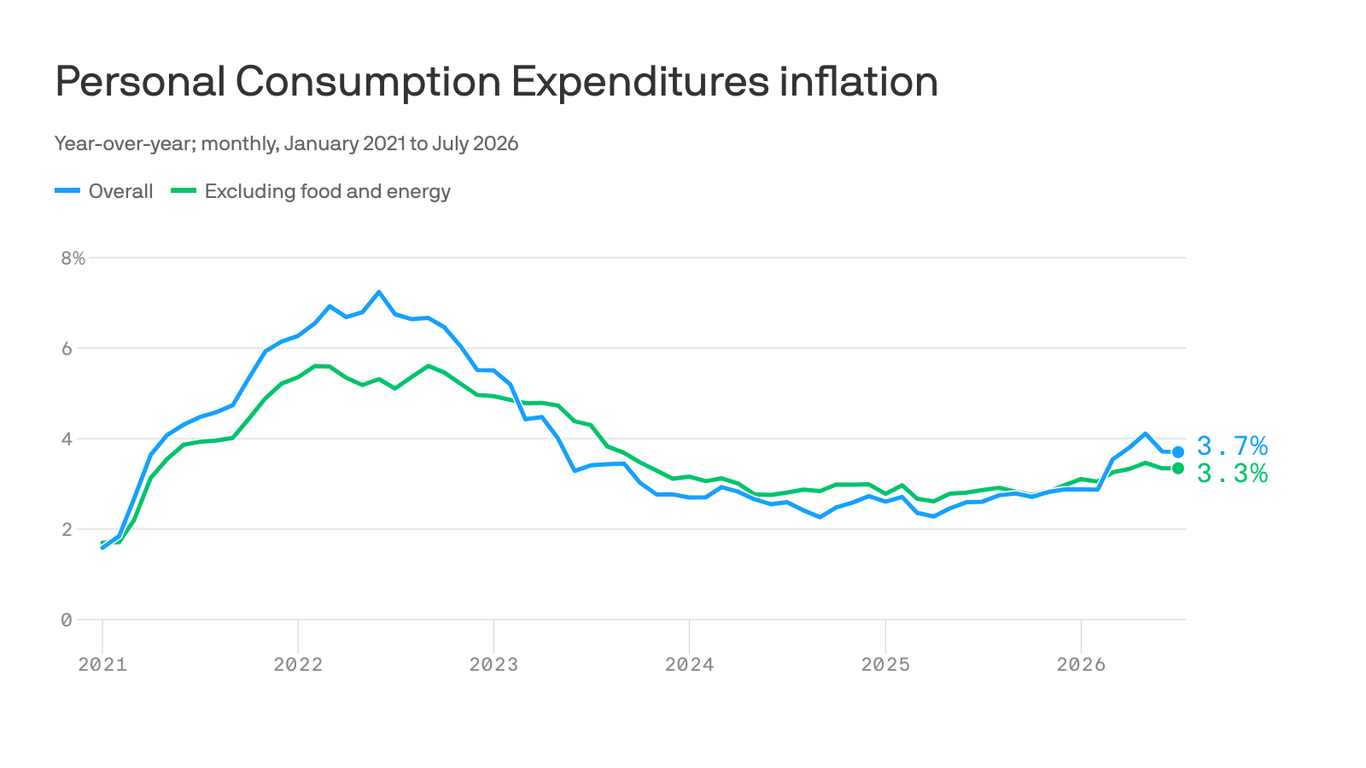
The report shifts the Fed debate from whether inflation warrants another hike to whether the economy can withstand one. Investors should now focus on July CPI on August 12, PPI on August 13 and the next inflation readings before the September meeting.
Cooling inflation alongside weak employment would favor a prolonged pause and could support technology stocks, bonds and gold. But another inflation surprise would leave the Fed with an uncomfortable choice: tighten into a deteriorating labor market or tolerate above-target inflation.
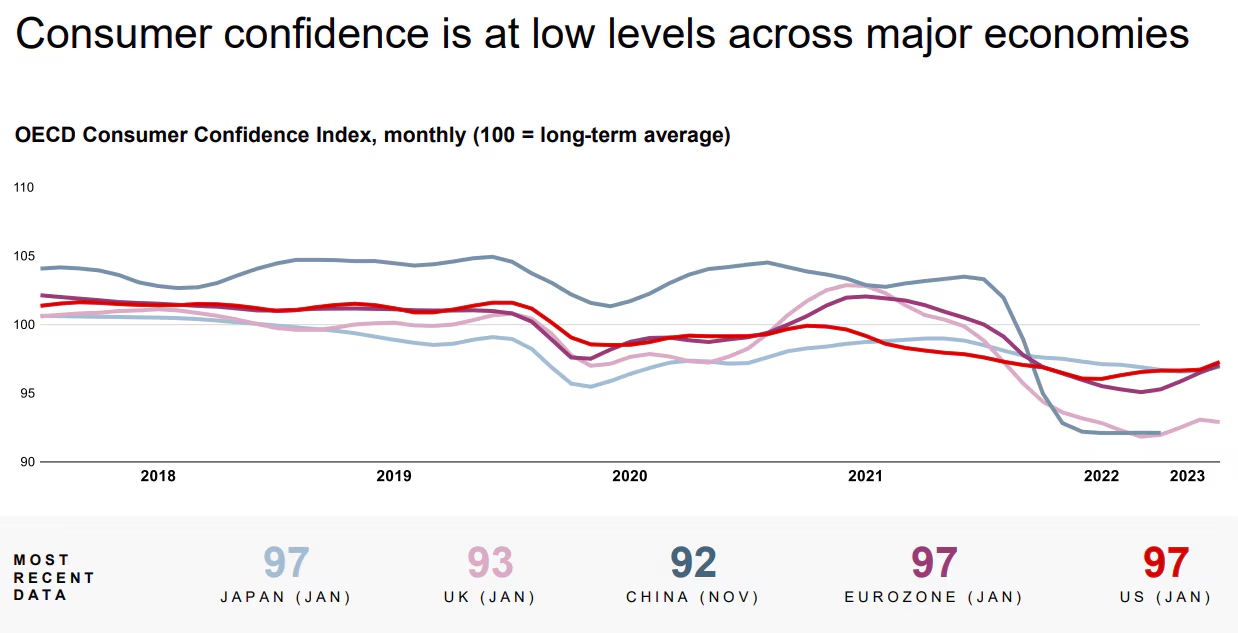
The most concerning signal is not July’s negative payroll print alone. It is the combination of repeated downward revisions, slowing wages and falling participation, suggesting the employment cushion beneath consumer spending is becoming increasingly thin.