British consumer confidence held steady in June but younger people turned more pessimistic about the economy and their personal financial situation against a backdrop of political uncertainty, a long-running survey showed on Friday (June 19).
The survey also showed households’ assessment of the economy over the past year deteriorated further, although expectations for the coming 12 months improved modestly.
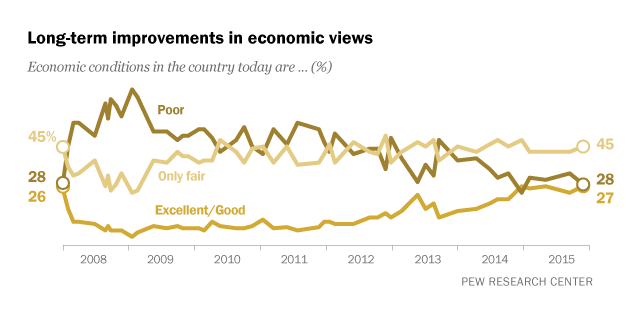
GfK’s monthly Consumer Confidence Index held at -23 in June the same as in May, and marginally above economists’ median forecast in a Reuters poll that had pointed to a fall to -24.
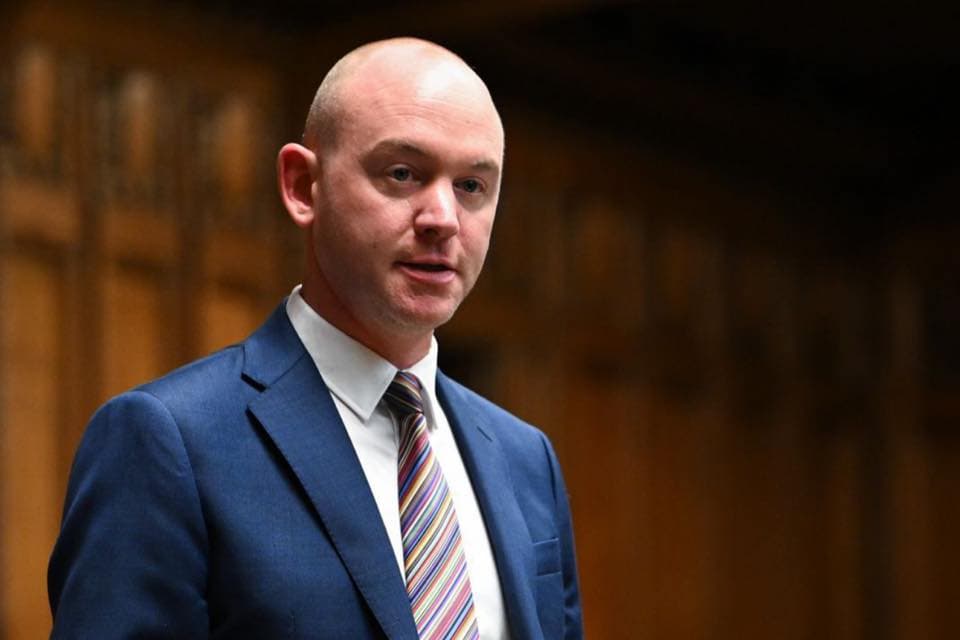
“The lack of movement in the headline figure is misleading as, beneath the surface, there are new signs that confidence is weakening,” Neil Bellamy, GfK’s consumer insights director, said.
Confidence among people aged between 16 and 29 dropped by 11 points to -2, the weakest in two years. Consumers’ assessment of their personal financial situation over the past 12 months fell by three points to -10 while their expectations for the coming year held at -2.
Intentions to make major purchases was unchanged at -20, its joint-lowest since January 2025. Households’ assessment of the general economic outlook for the past year fell by two points to -49, while their outlook for the coming 12 months rose by two points to -36.
The GfK survey was based on 2,003 responses between May 29 and June 10.
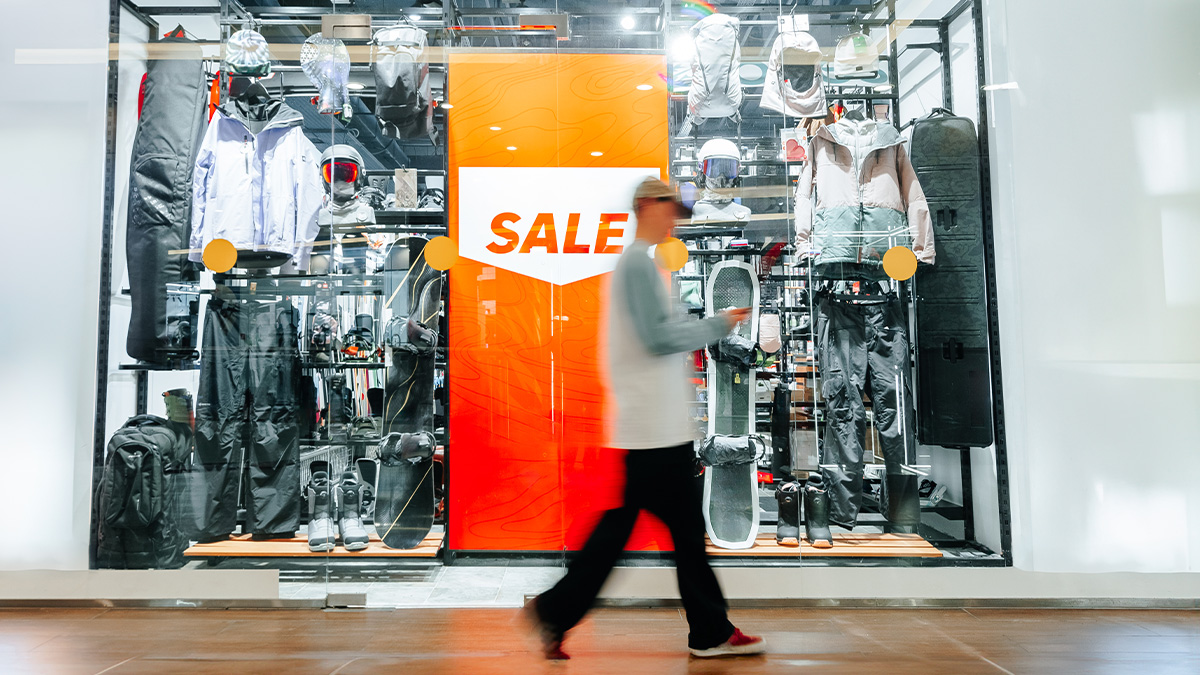
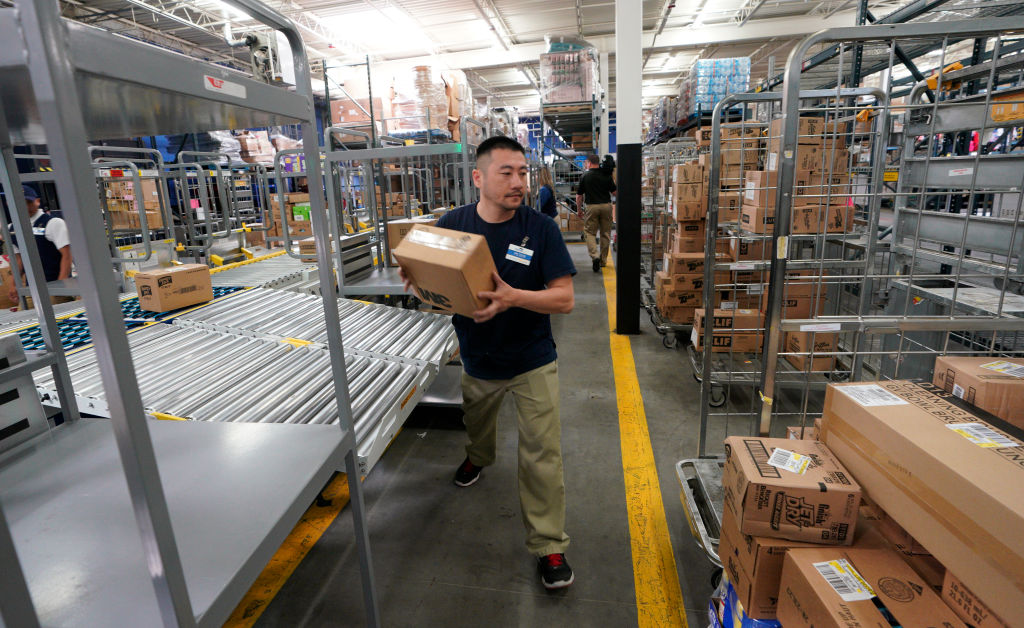
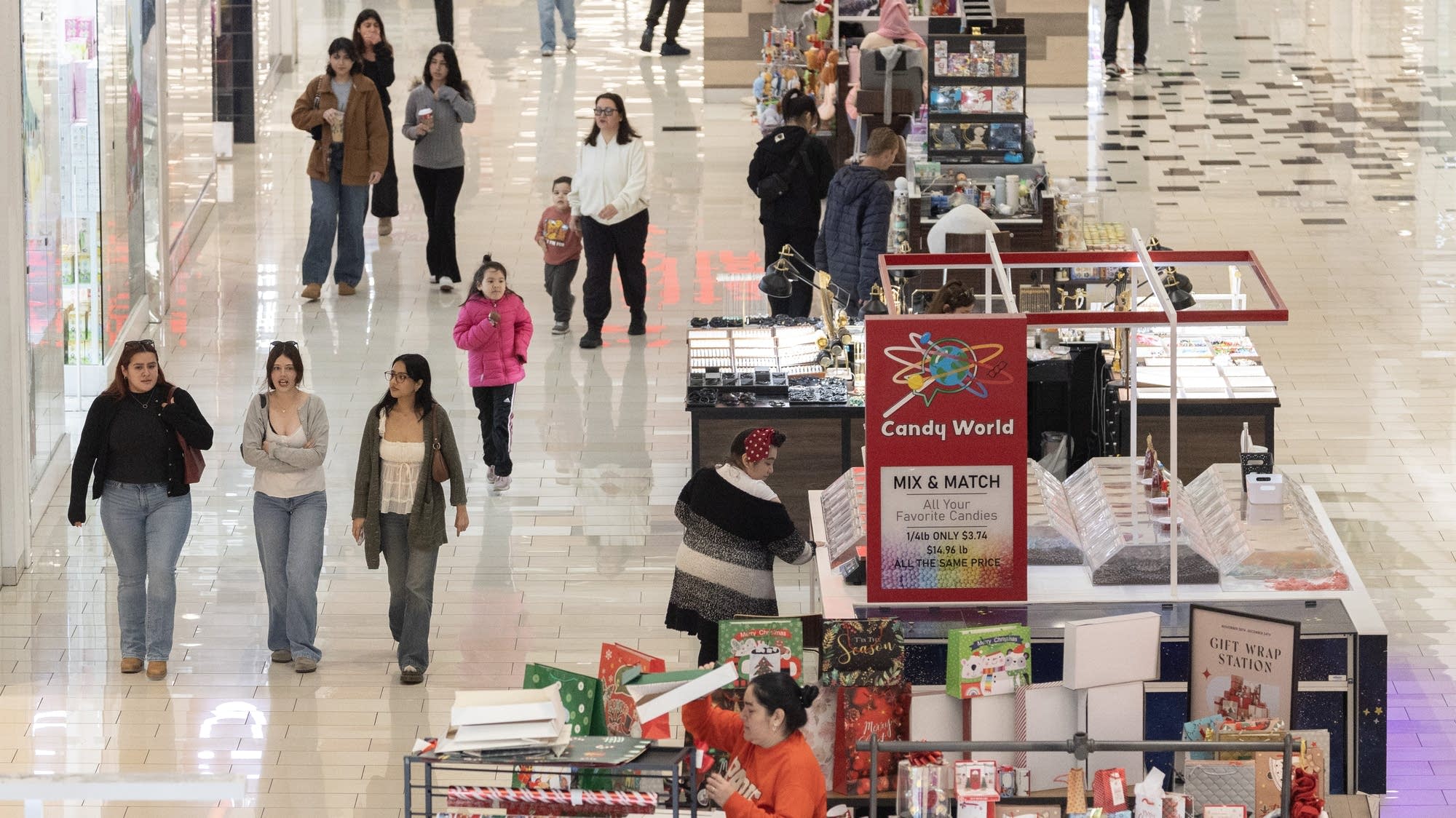
The survey findings comes as Office for National Statistics (ONS) data released on Friday (June 19) shows rise is sales volume.
According to Nicholas Found, Head of Commercial Content at Retail Economics, beneath the headline growth, this remains a market shaped by selective demand rather than renewed confidence.
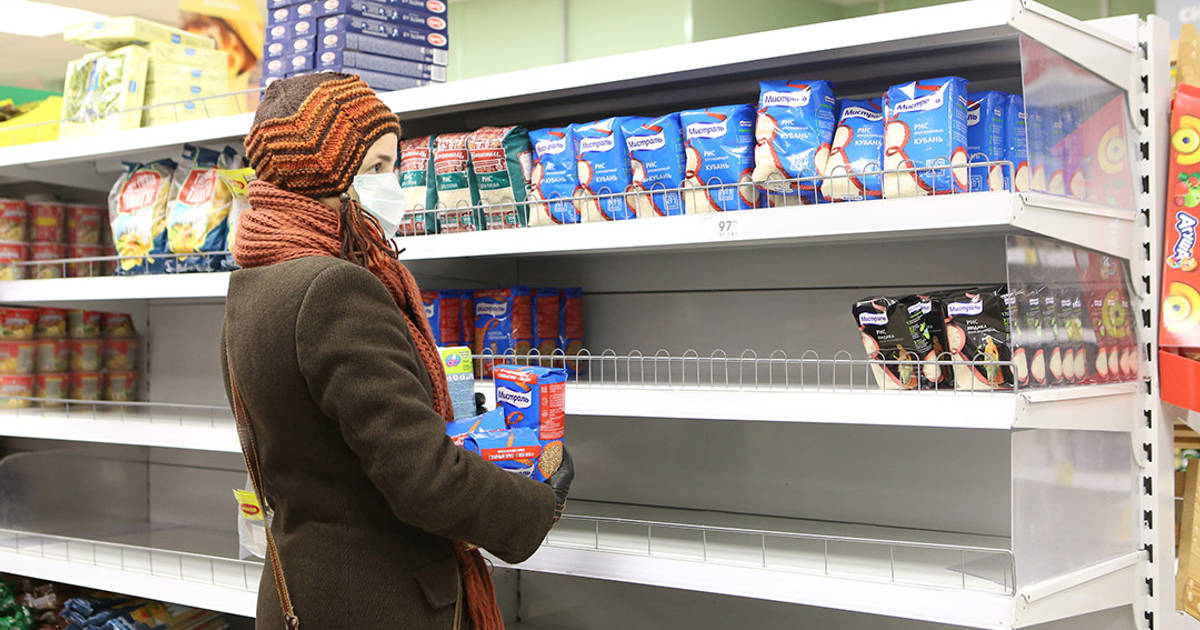
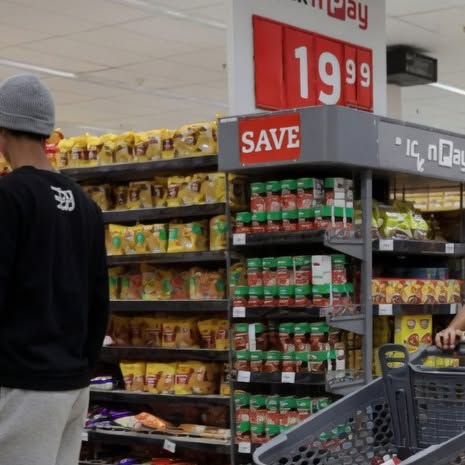
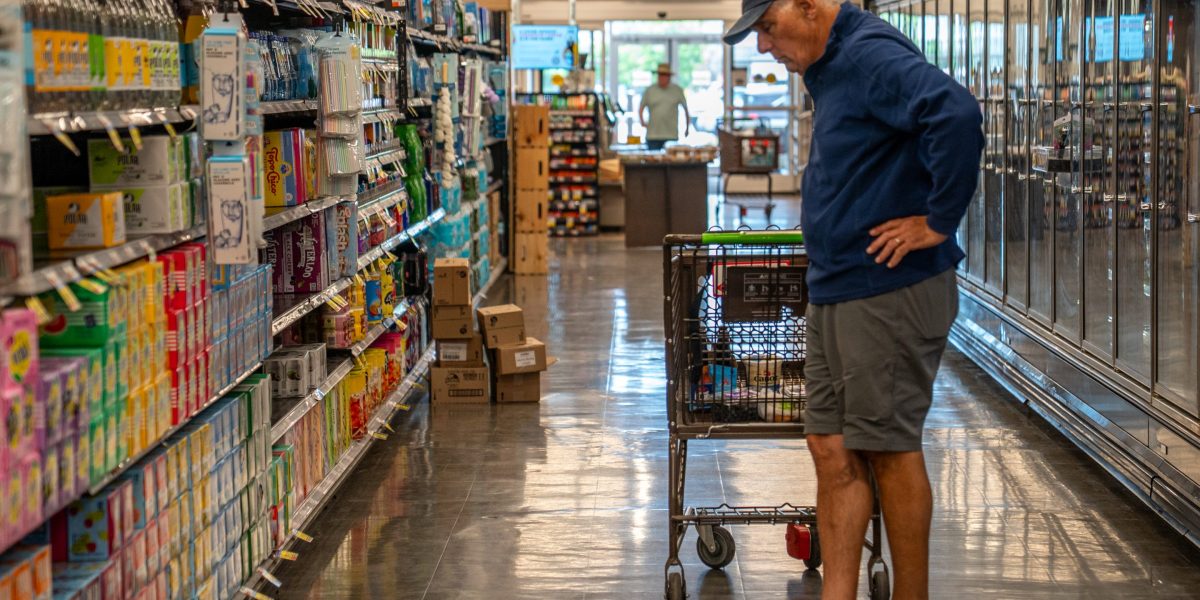
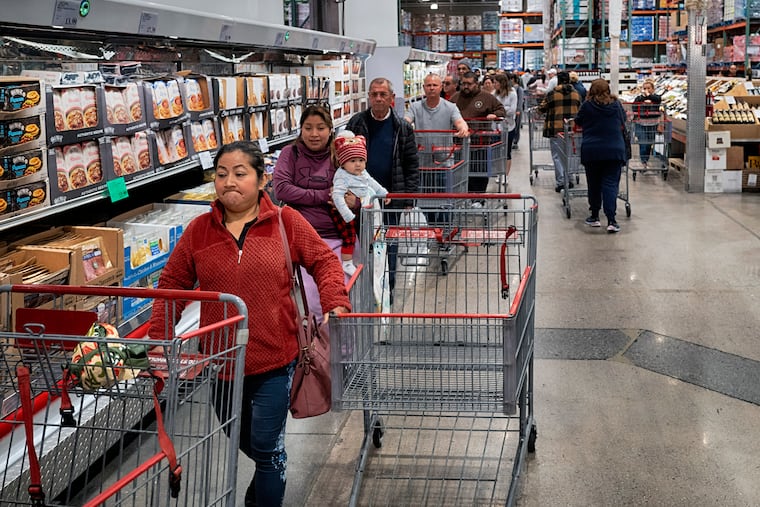
“Grocery volumes remain under pressure, and in non-food the strongest gains came where weather, timing and clear purpose aligned. Consumers are still value-conscious, deliberate and willing to shift channel or delay spend in search of the right proposition and promotion.
“That leaves retailers trapped between political pressure and commercial reality. Government is pushing the sector to do more to support stretched households, but retailers are facing rising wage, energy and operating costs of their own.
“Looking ahead, the World Cup could provide the next spending catalyst, particularly if England make a deep run. But retailers know these moments tend to create pockets of demand rather than a broad uplift. The challenge remains in supporting affordability for customers, while protecting profitability.”