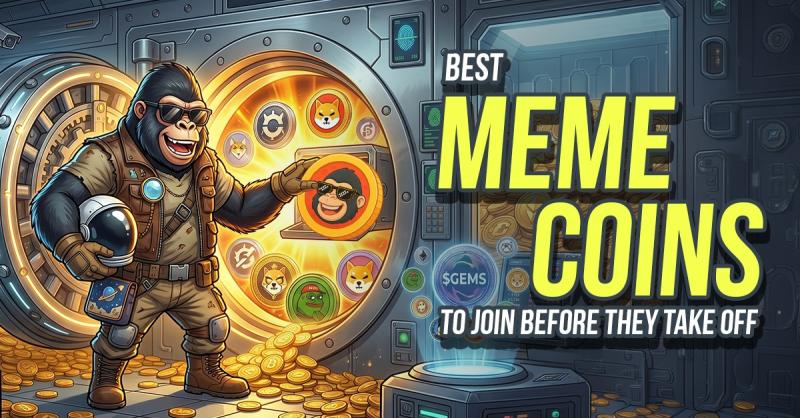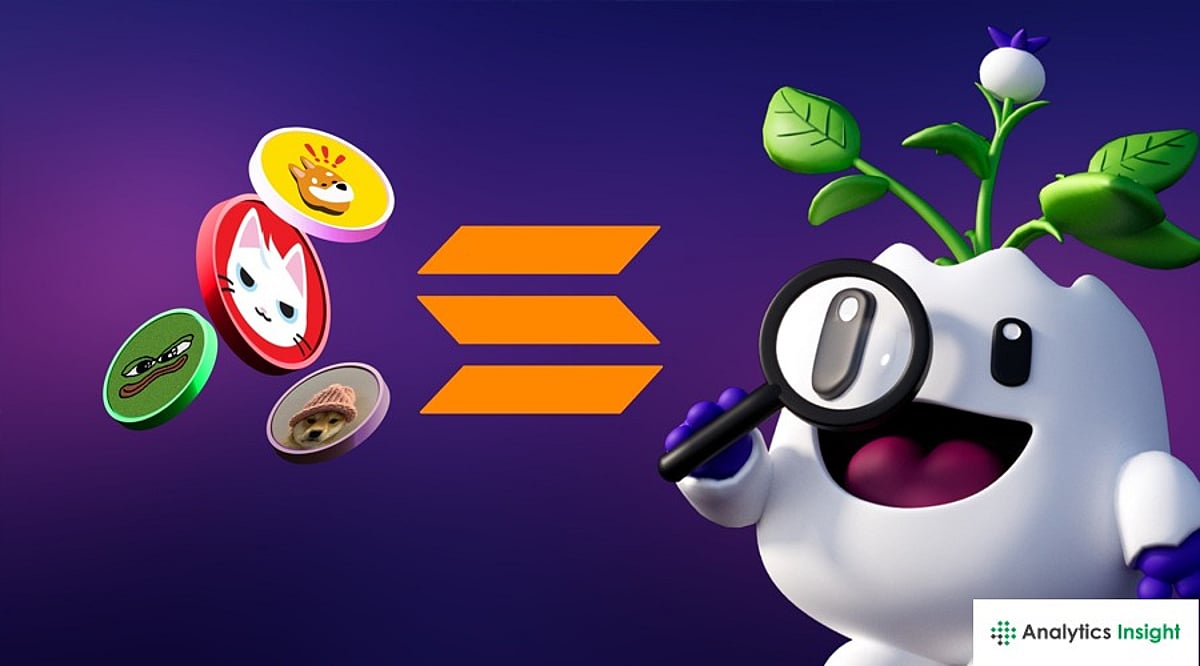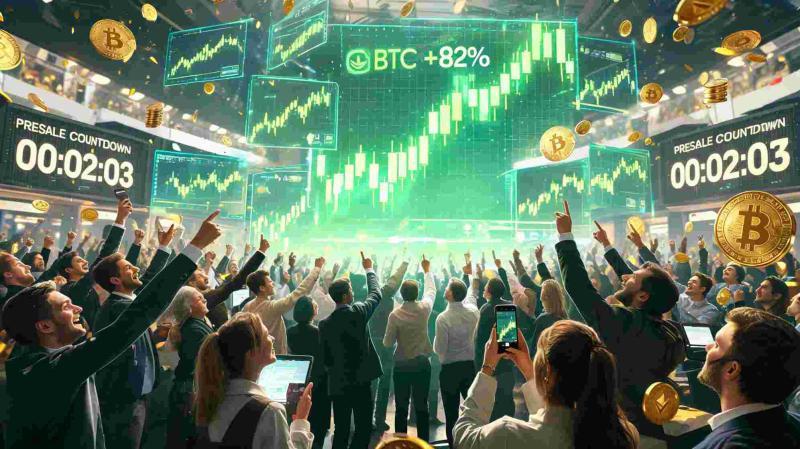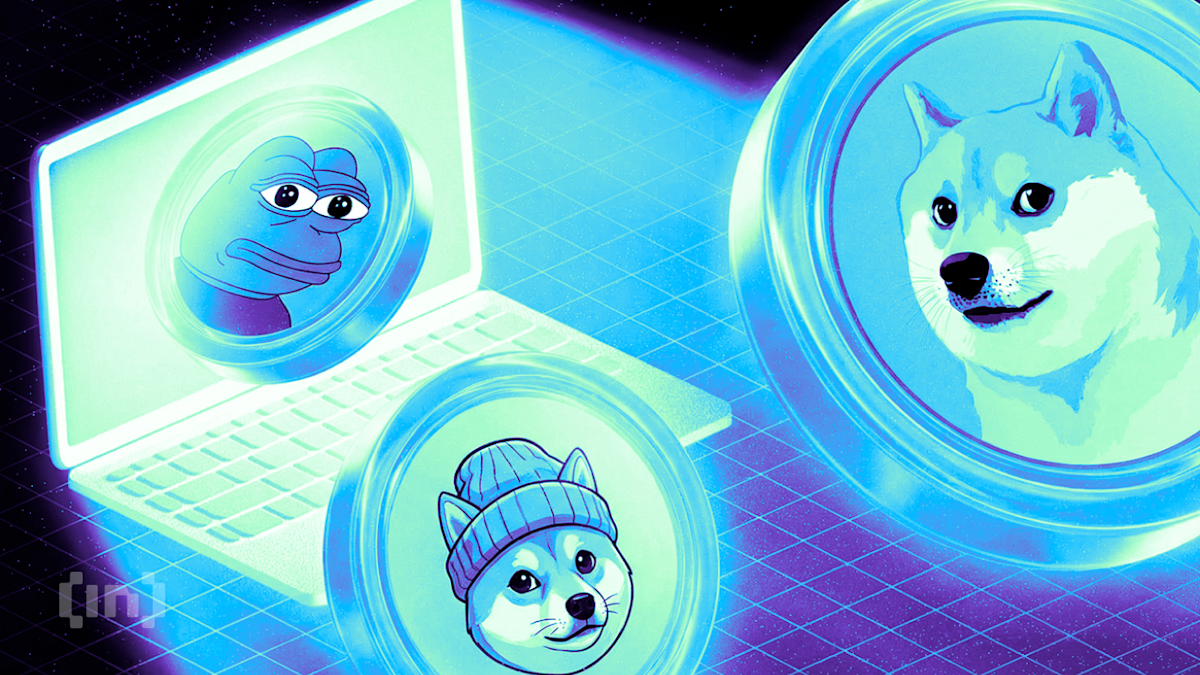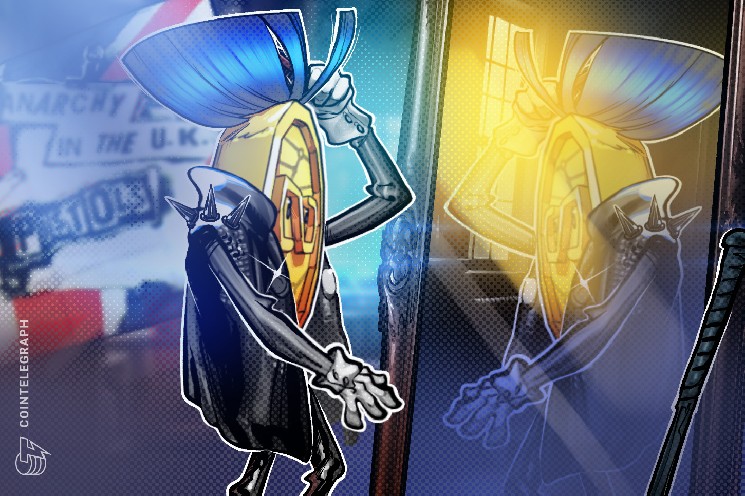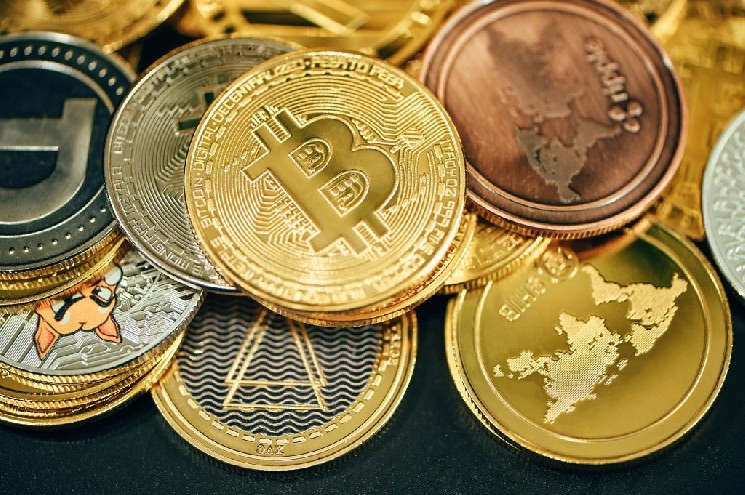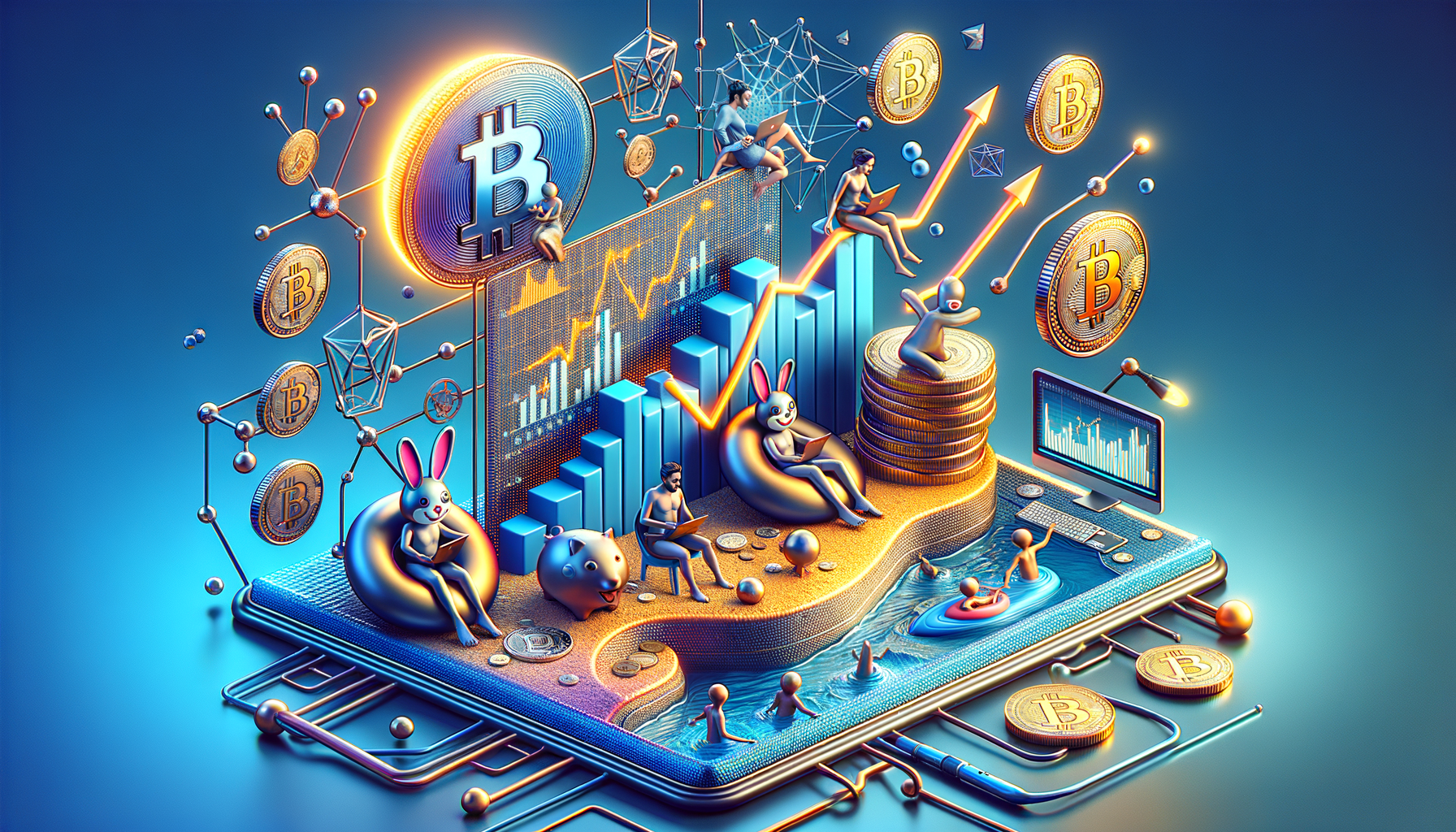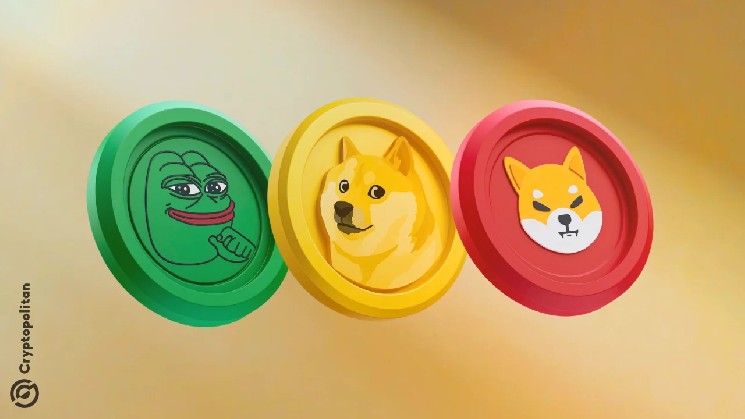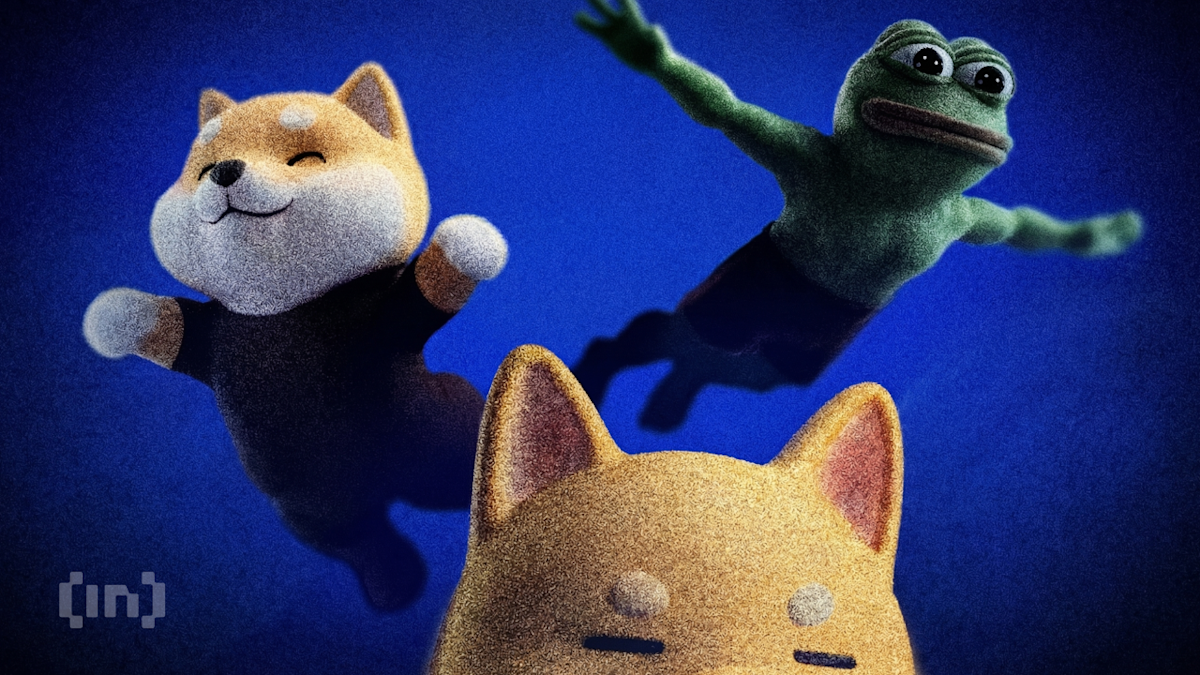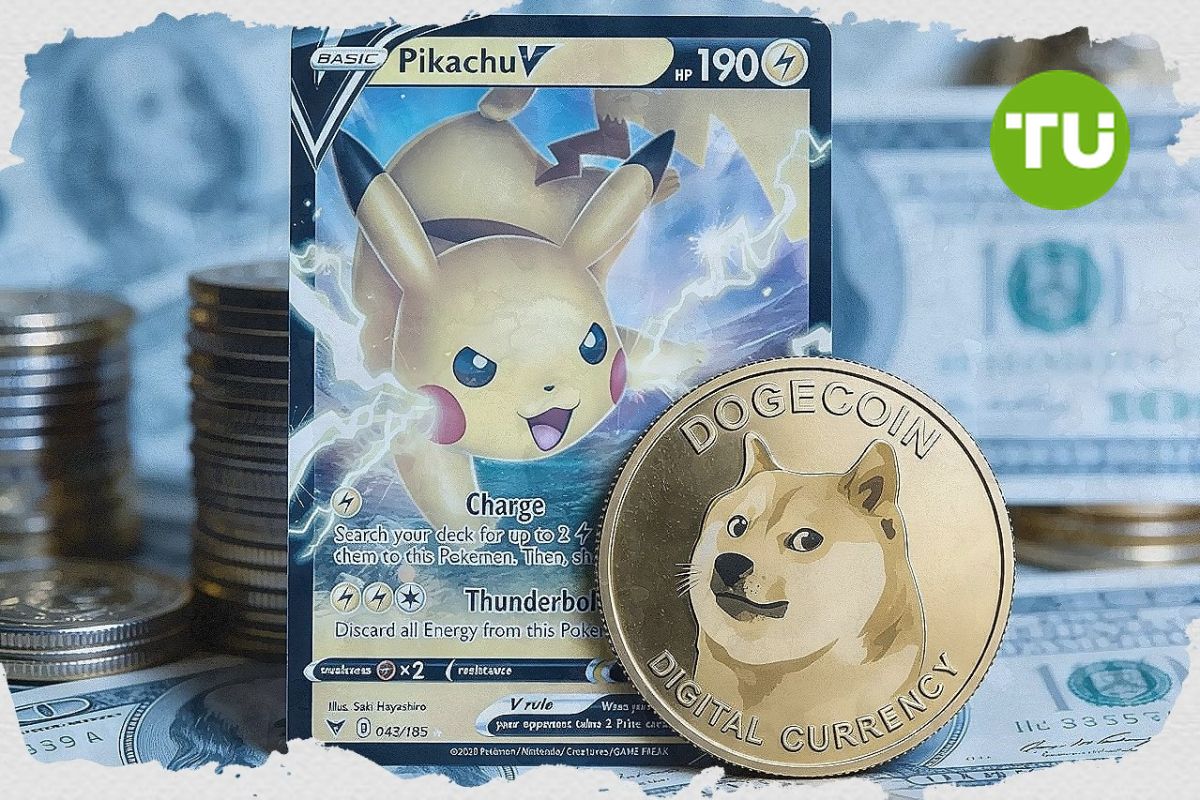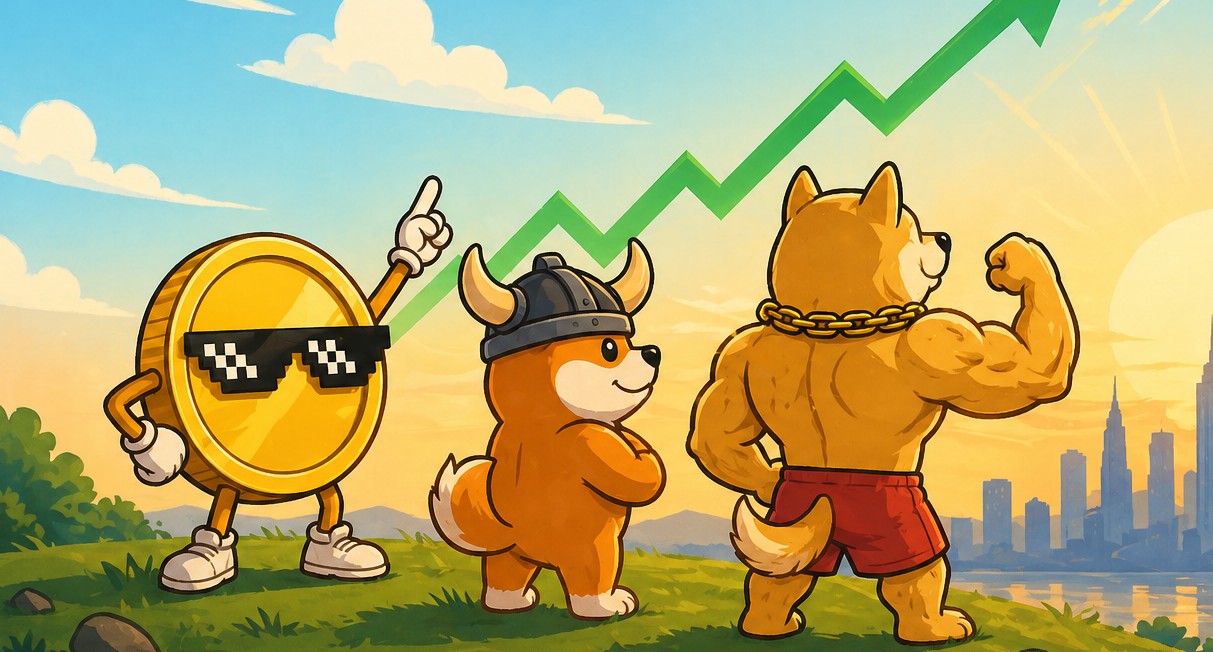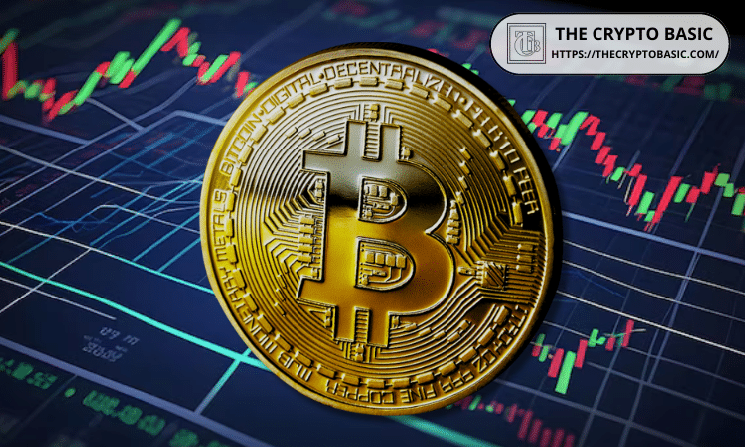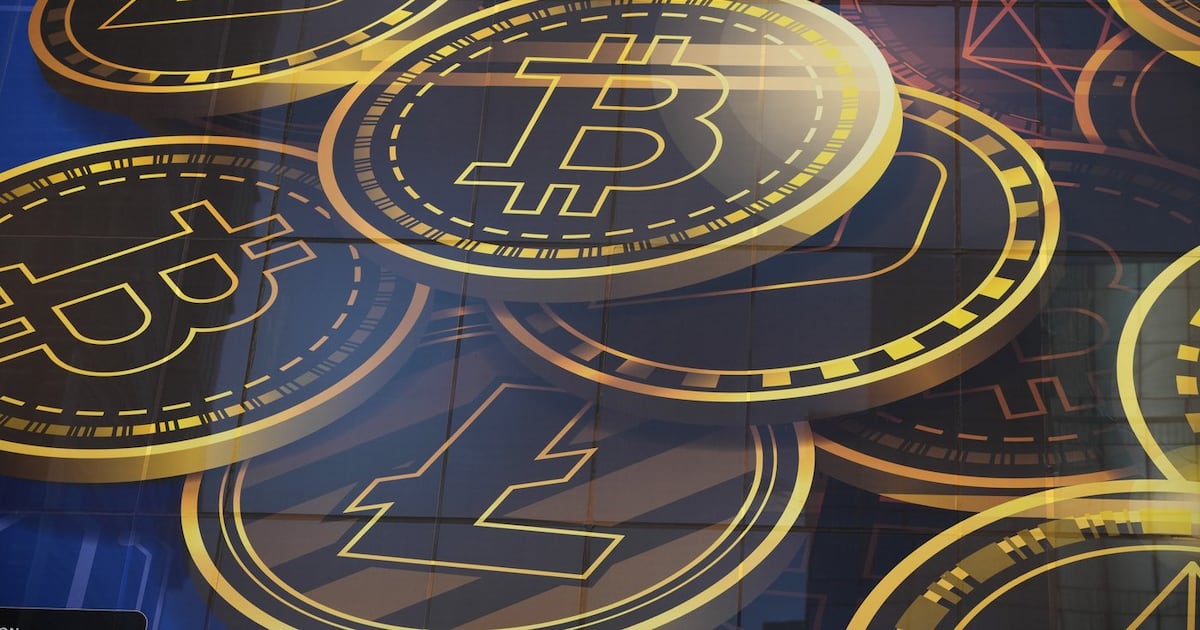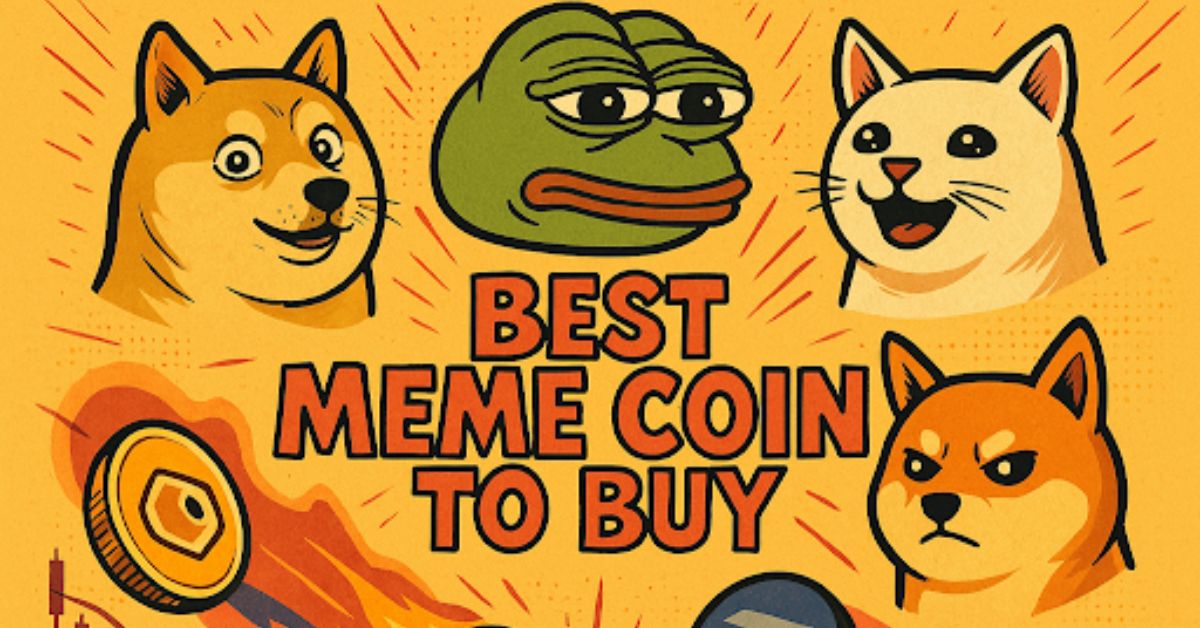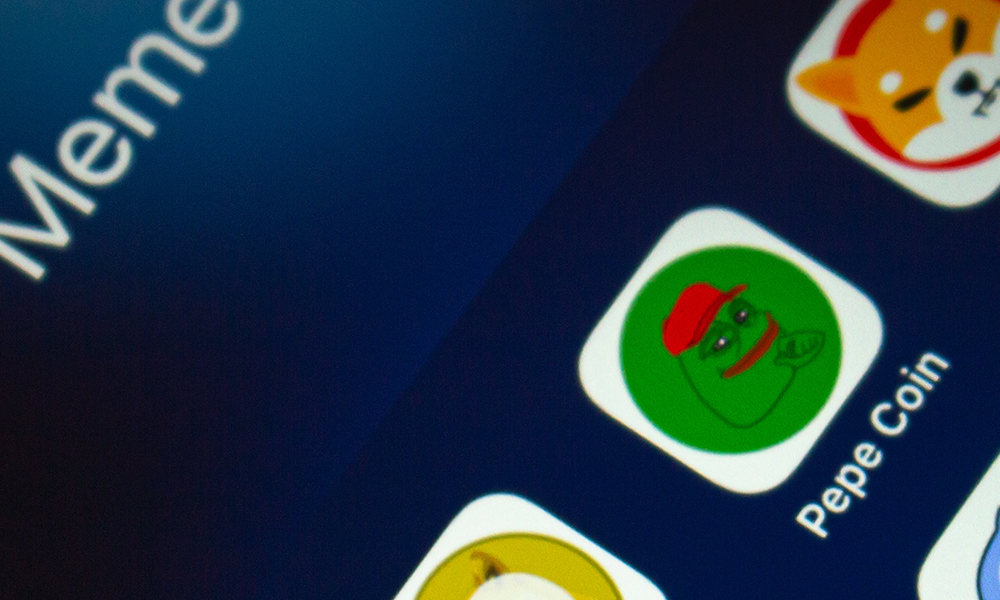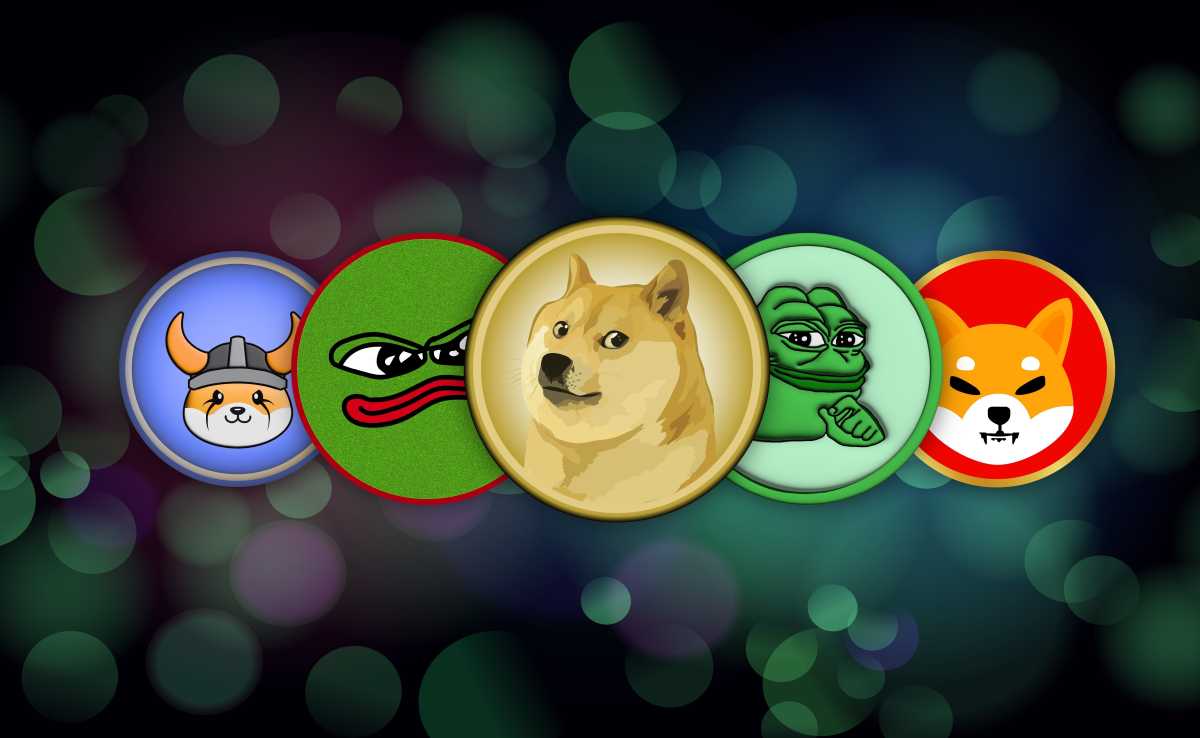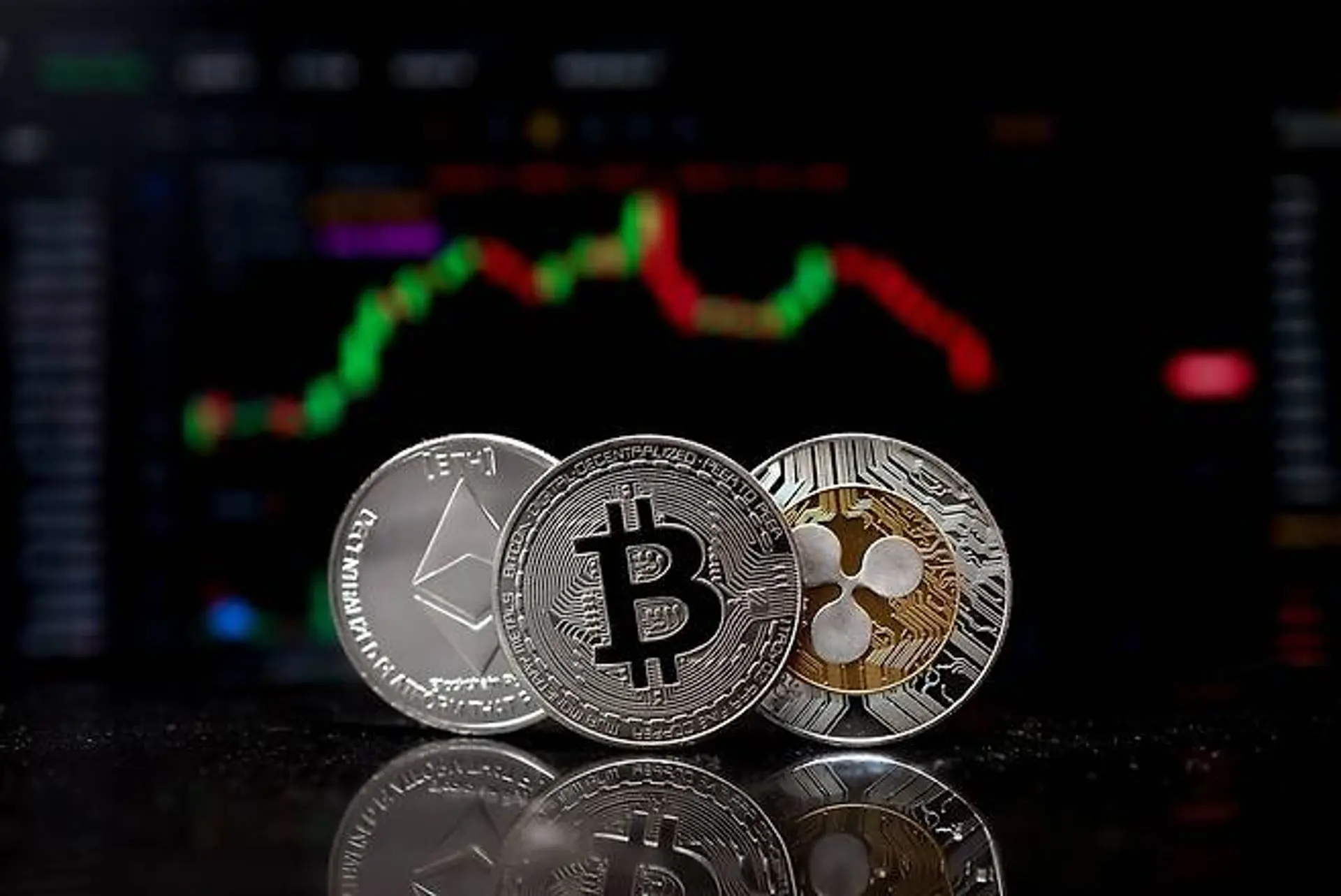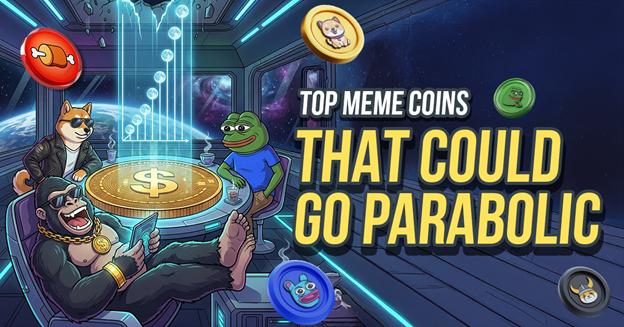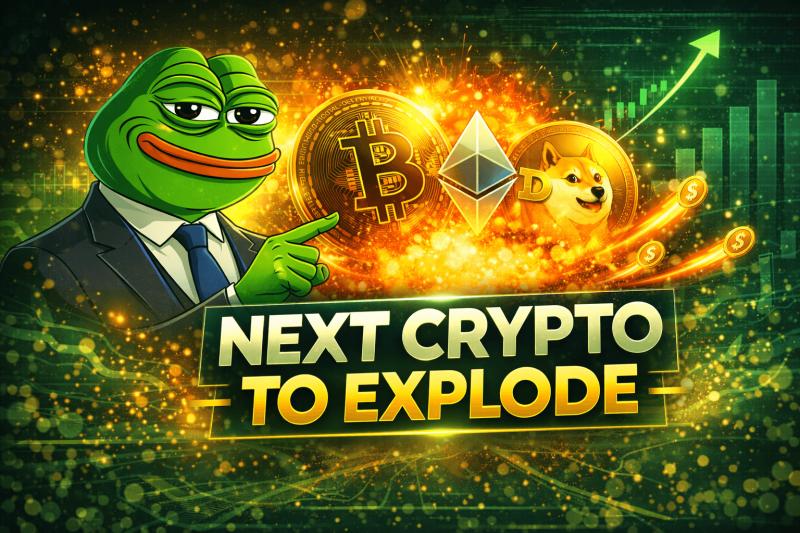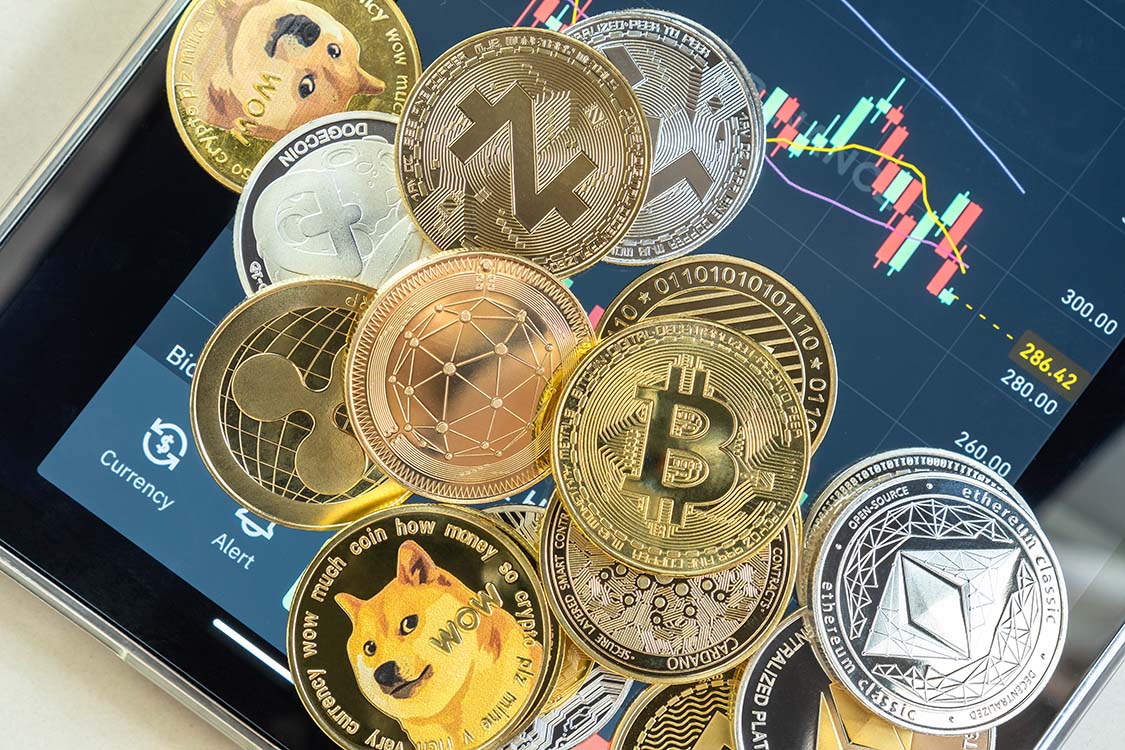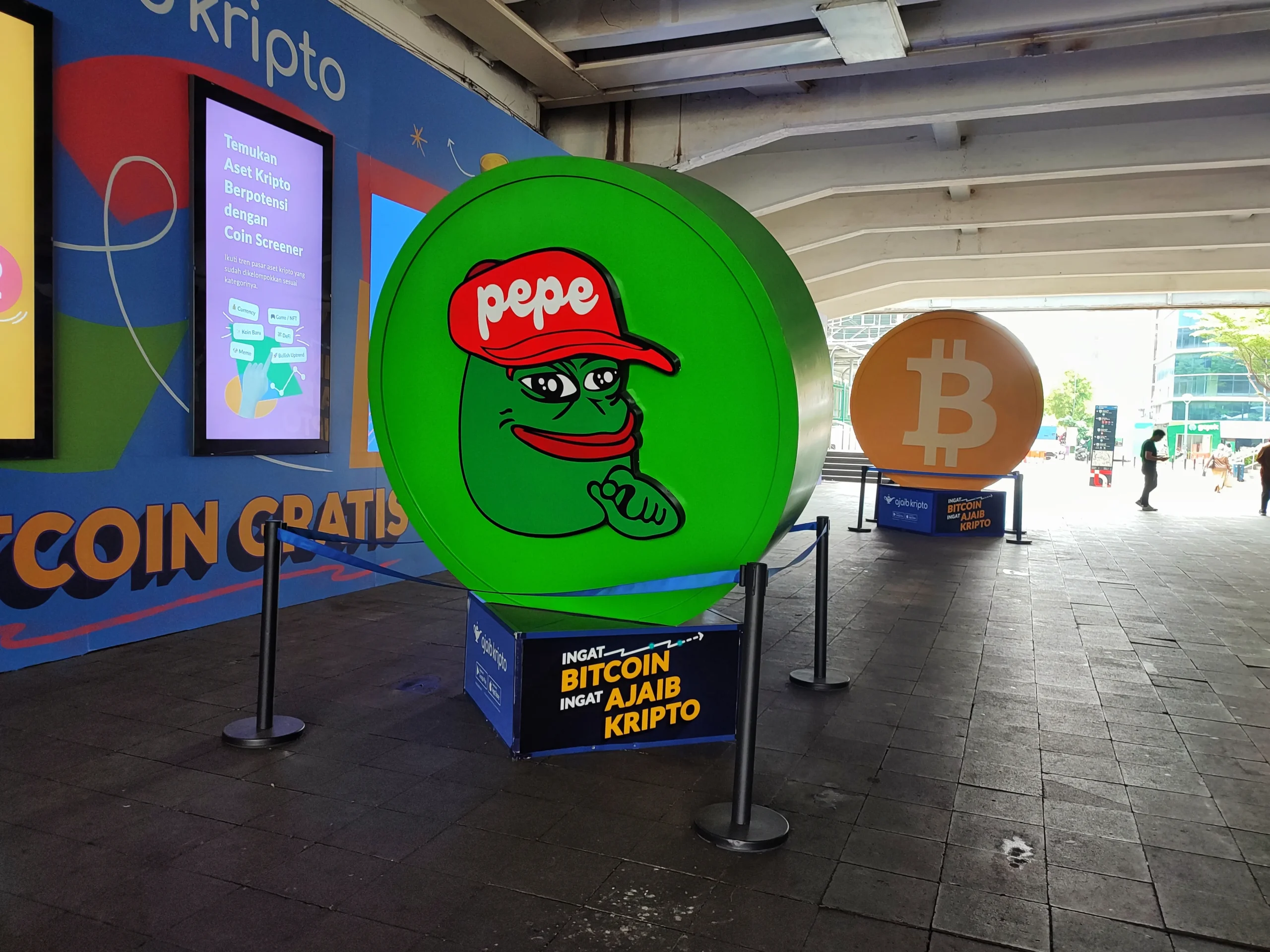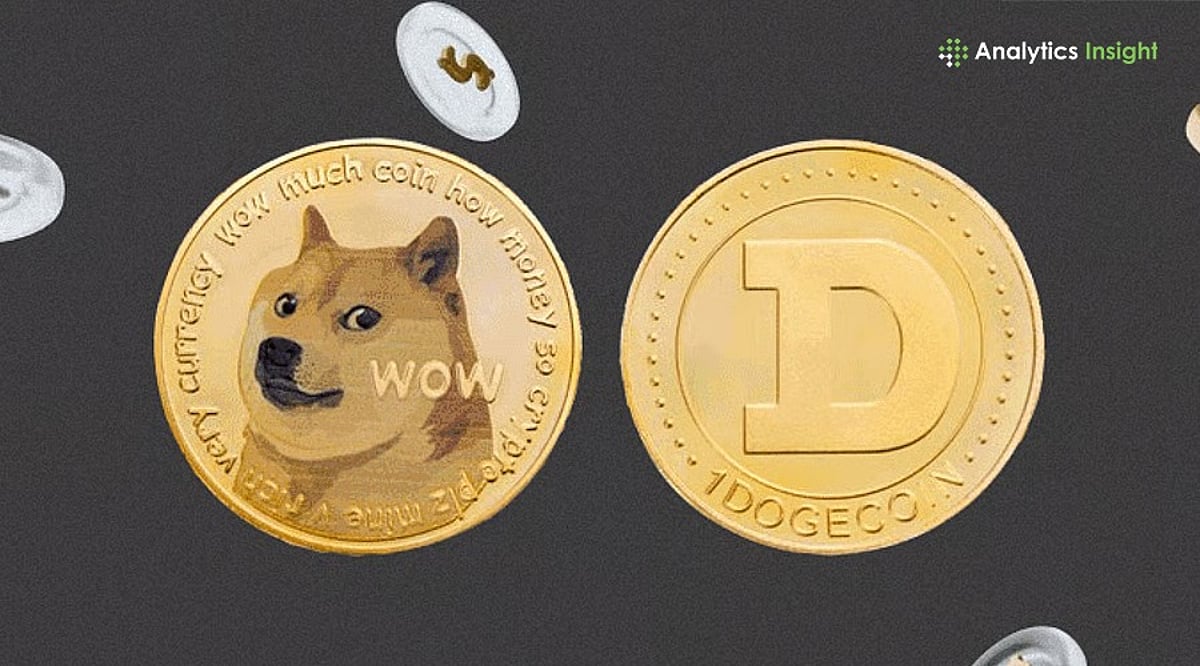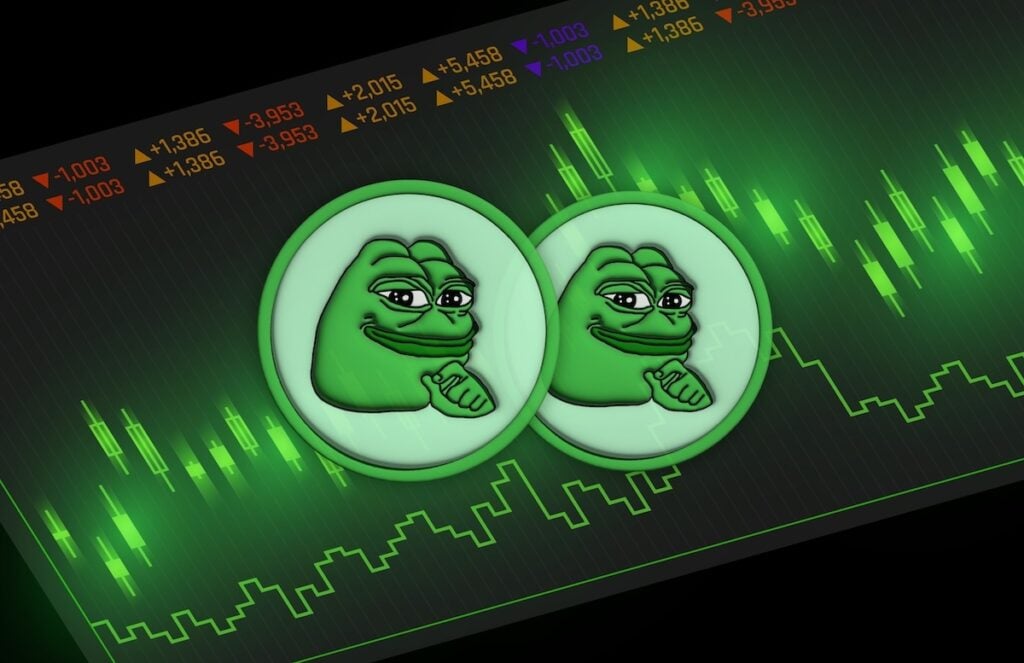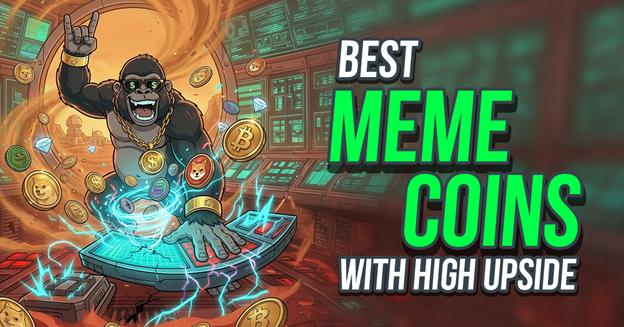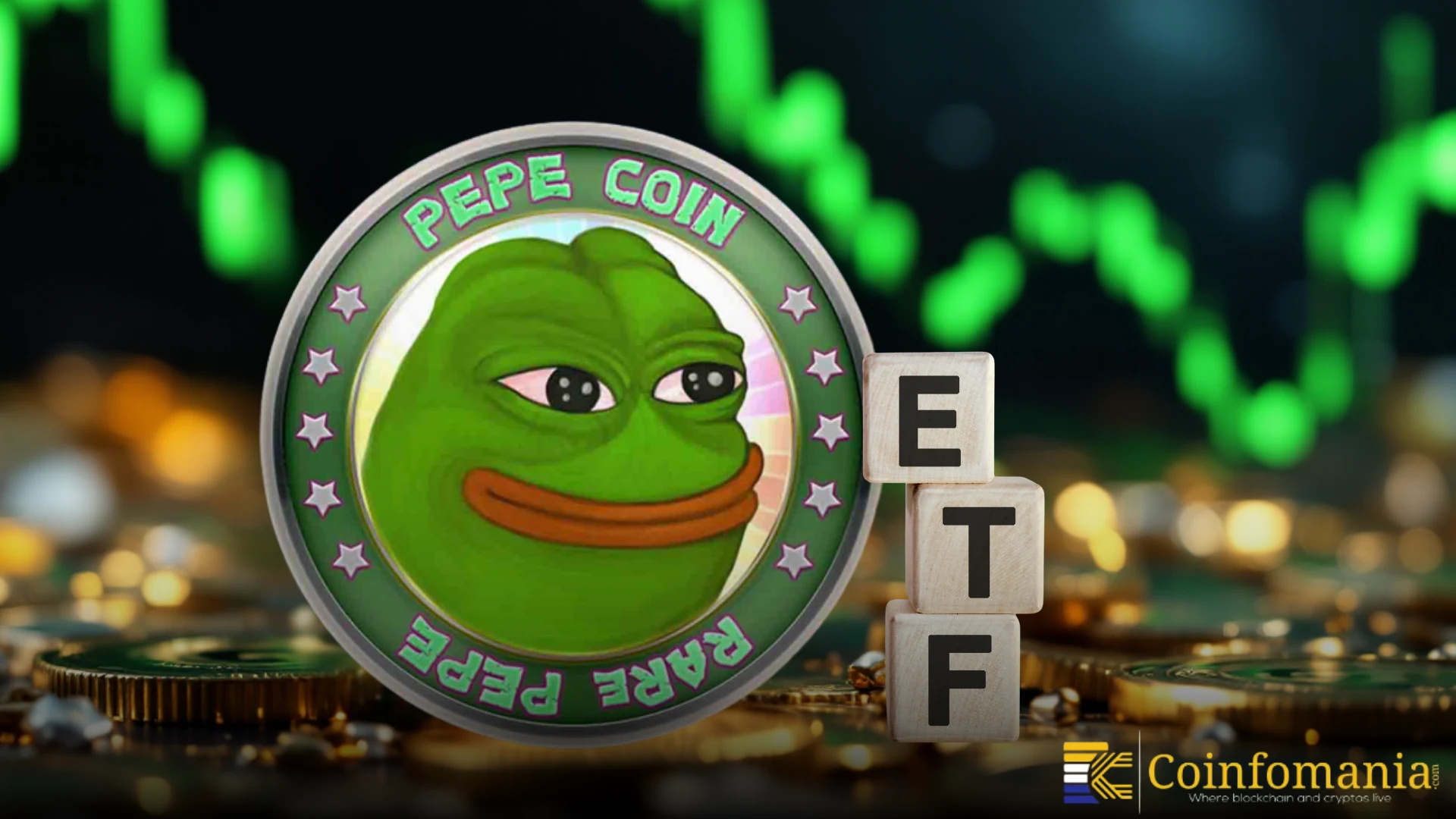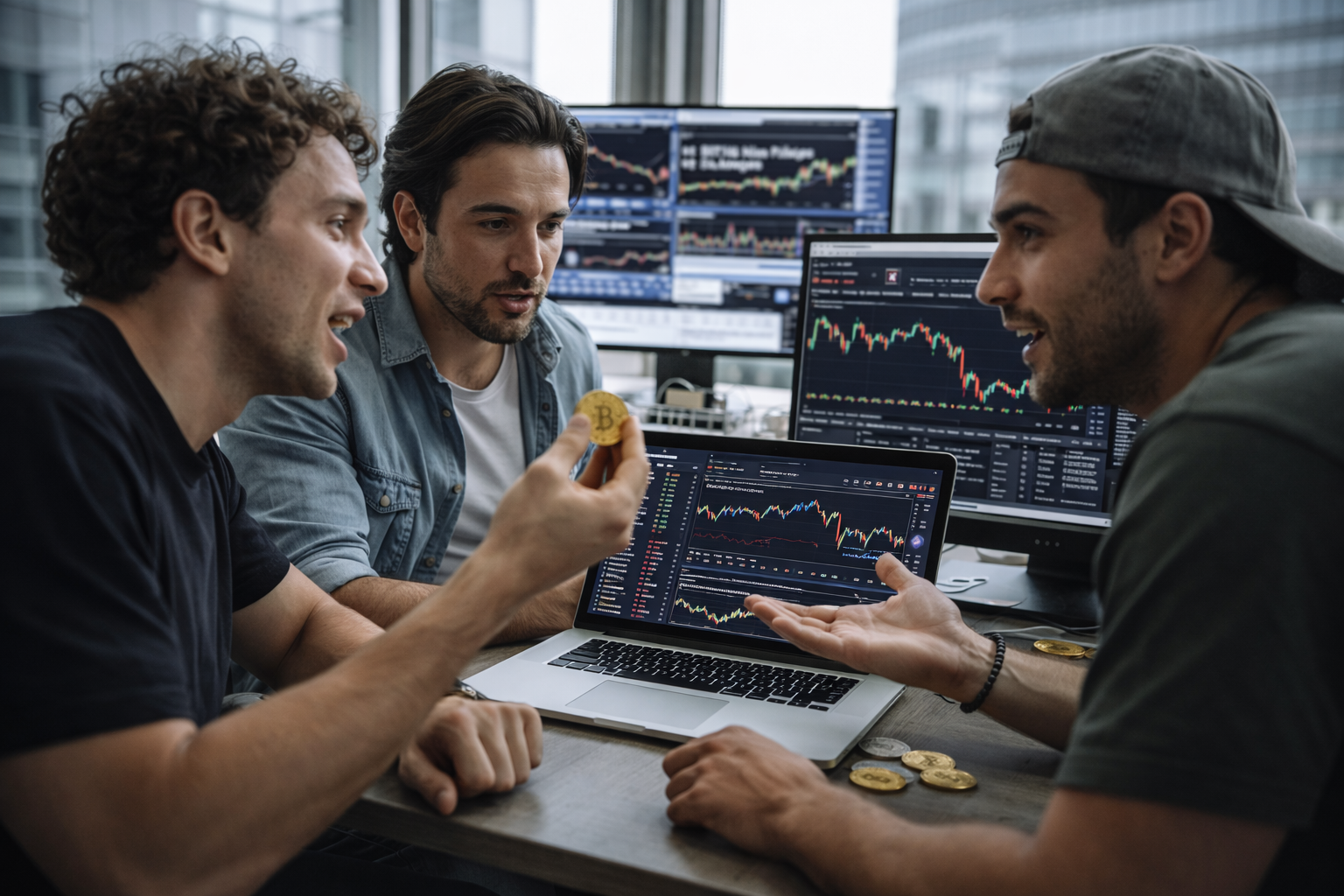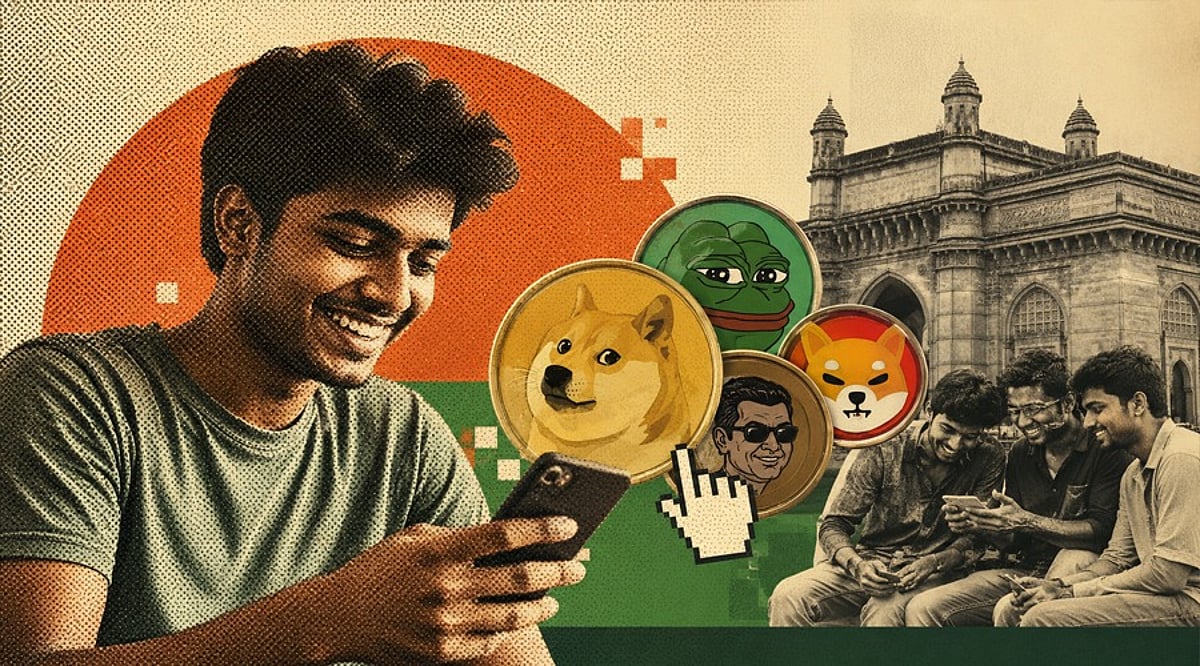
There’s a good chance that somewhere right now, in a college hostel room in Pune or Lucknow, a group of students is debating whether some ridiculous coin named after a meme is about to “go to the moon.”
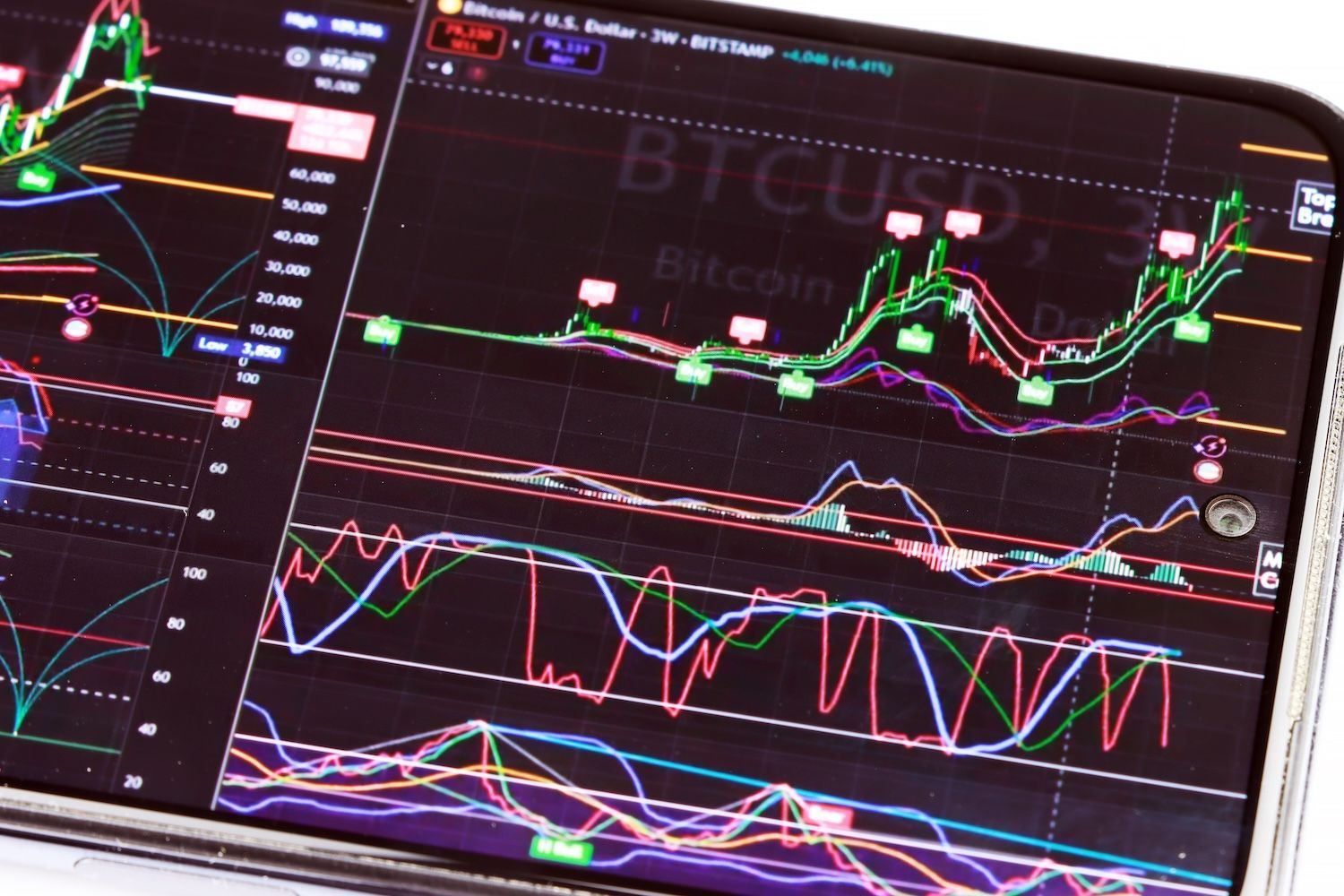
One person is showing screenshots of overnight gains. Someone else is pretending they’re “diamond hands” after losing half their money in a crash two days ago. There are Telegram notifications going off every few seconds, Twitter memes flying around, and somehow everyone is treating the whole thing half-seriously and half-like a joke. That’s probably the most accurate way to describe India’s meme coin culture right now.
From the outside, still look like pure speculation random internet tokens with funny names and no real value and yes, a lot of them are exactly that. But reducing the phenomenon to just speculation misses something important that’s happening online, especially among younger Indians.
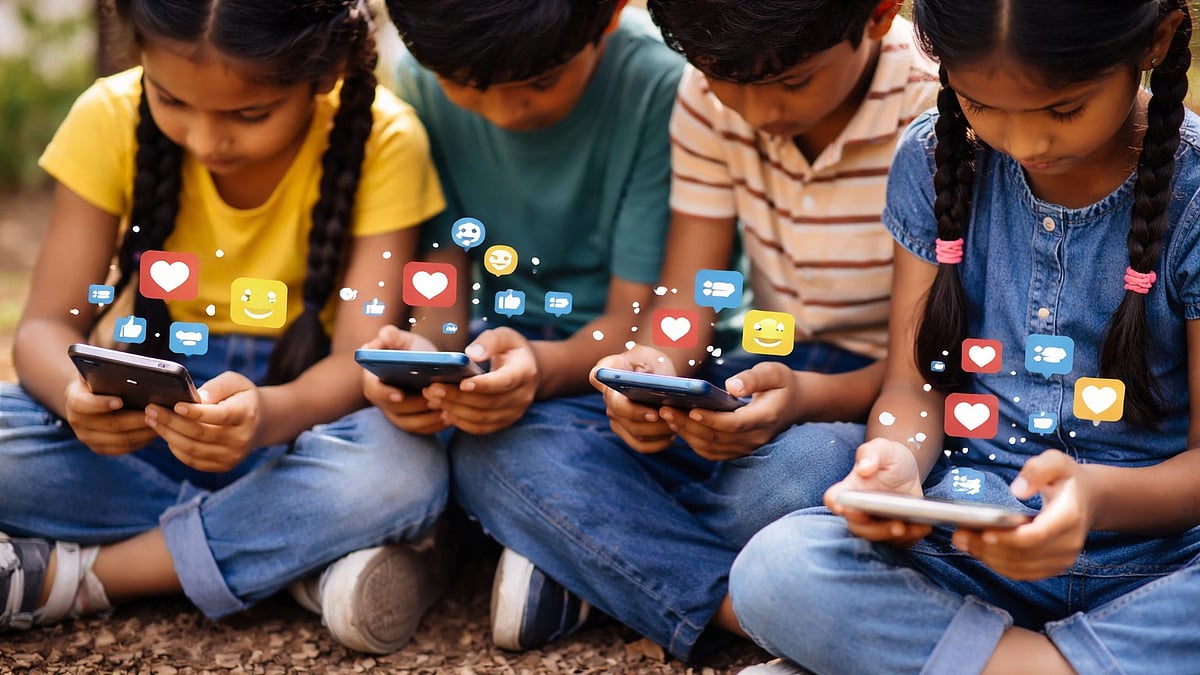
For a growing number of people, meme coins are becoming less of a financial product and more of an internet culture layer.India didn’t discover crypto the same way the West likes to imagine it. Most young Indians did not enter through long threads about decentralisation or by reading whitepapers. They came in through memes, influencers, Telegram groups, , Instagram reels, and screenshots of somebody making absurd money overnight.
Crypto here spread socially before it spread intellectually and honestly, that makes sense.
India already has one of the most hyper-online youth populations in the world. Internet culture here moves insanely fast. A meme can go from one Twitter account to thousands of WhatsApp groups in a couple of hours. Trends are constantly being recycled, regionalised, and turned into jokes again. People communicate online through references now cricket memes, Bollywood dialogues, political satire, Hinglish humour, reaction images.Meme coins fit naturally into that ecosystem because they work exactly the same way.
The coin itself is often secondary, what matters more is the community around it and the feeling of being early to something viral. Owning the token becomes participation in the joke.
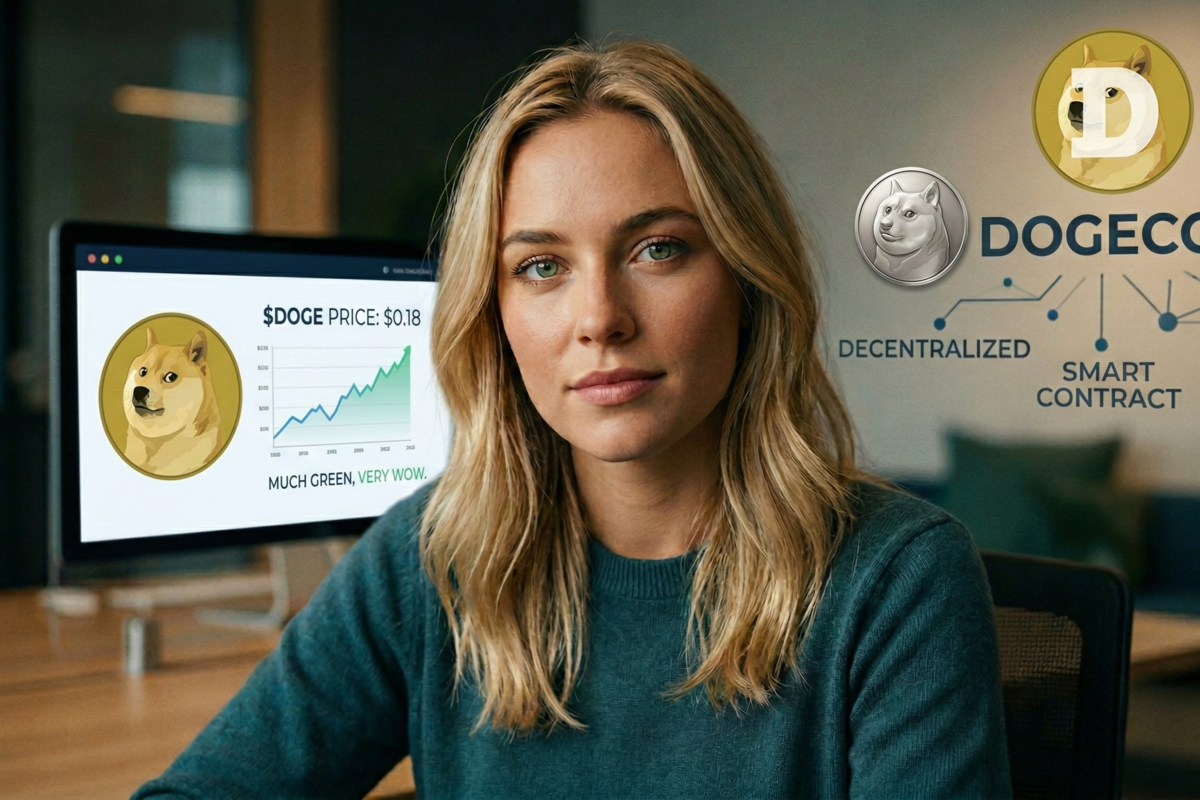
You see this especially with India-specific meme coins or tokens built around cultural references people instantly recognise. A coin linked to a cricket controversy or a Bollywood meme doesn’t need complicated marketing because the internet already understands the reference. People share it for the same reason they share memes: it’s funny, relatable, and socially rewarding.
And once enough people start participating, the joke suddenly starts carrying real money. That’s where things get interesting.
India’s meme coin boom also says a lot about the mindset of young Internet users today. There’s this mix of hustle culture, economic frustration, ambition, and pure internet brainrot all colliding together. A lot of young people feel financially locked out of traditional wealth-building anyway. Salaries feel slow, housing feels impossible, and the internet constantly pushes stories of overnight success.
So when somebody says they turned ₹1,000 into ₹1 lakh on a random meme coin, it doesn’t automatically sound unrealistic anymore. It sounds like another version of the same online dream everyone is already consuming daily.
That doesn’t mean people fully believe in these projects long-term. Most don’t. Even the communities themselves joke about how unserious everything is. But that self-awareness is part of the culture too.