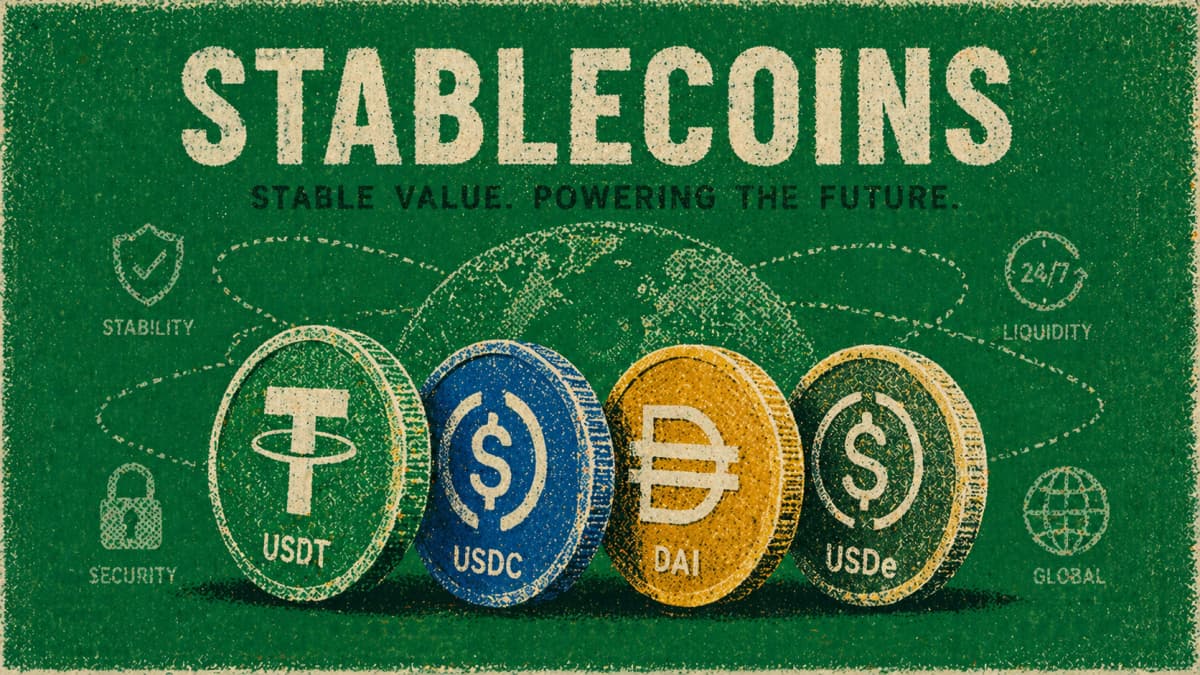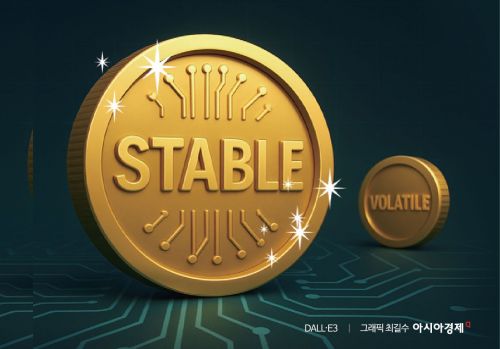
For most of history, moving money has been slow, expensive, and complicated. Stablecoins, which started as crypto-native trading infrastructure, have evolved to allow people and corporations to move billions of dollars around the world for under a cent and in under a second.
Last year alone, stablecoins accounted for $9 trillion in annual transactions, putting them in the same league as Visa and PayPal, and U.S. dollar denominated stablecoin supply now exceeds $270 billion.
The move to the mainstream has made stablecoins one of the most important tools for global finance. Cross-border money movement, B2B payments, and FX are driving a growing share of the volume, with stablecoins increasingly serving to upgrade the parts of the financial system that have historically been slow and expensive.
At the center of this shift is Circle and its USDC stablecoin. Roughly $79 billion of USDC circulates across more than 30 chains, and a majority of cross-chain stablecoin movement runs through Circle’s CCTP. Circle’s relationships with banks, payment networks, and corporate treasuries have steadily turned USDC into one of the major units of account in parts of the financial system that crypto hasn’t yet reached.
While USDC has become the trusted digital dollar for banks, corporations, and financial institutions seeking the speed of crypto without its volatility, there remains a problem. The internet infrastructure which USDC runs on today wasn’t built with big institutions in mind. It was built for individuals and crypto enthusiasts.
That’s where Arc comes in.
Arc is designed as a new economic operating system. One that is open and EVM-compatible, where treasury teams at some of the largest corporations in the world can budget, in dollars, against their own balance sheets. Settlement happens in under a second, giving clearing operations the certainty they need. Privacy is configurable, allowing institutions to shield transaction details while still granting auditors and regulators view-key access. Validators are known institutional operators with contractual obligations. Cross-chain movement runs through Circle’s CCTP.
Arc will launch with a distinct advantage: the dominance of USDC, its own products deployed natively on Arc from day one, and a suite of over 200 partners who have contributed to its design, including Goldman Sachs, Visa, and Mastercard, and that span DeFi, payments, fintechs, and asset managers. Circle is well positioned to execute on Arc’s impressive vision.
Jeremy Allaire and the team at Circle have a long track record building and scaling the products that digital finance requires, with the established regulatory standing and institutional relationships that a chain like Arc depends on. This depth of experience at the intersection of stablecoins, traditional finance, and global regulation now goes into the Arc blockchain.
As the world’s finance moves onchain, we believe that a handful of blockchain networks will together emerge as the new backbone of the financial system. Arc is in a strong position to become one of them. We’re excited to invest $75M in the ARC token and partner with Jeremy and the Circle team to help them build the network.