- May 18, 2026
- Olivia
- 0
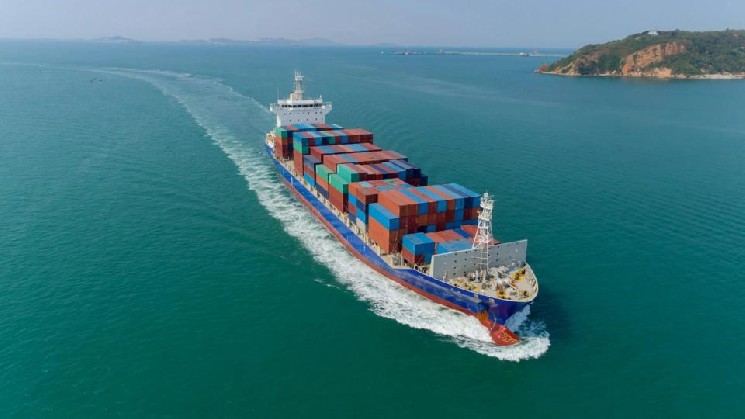
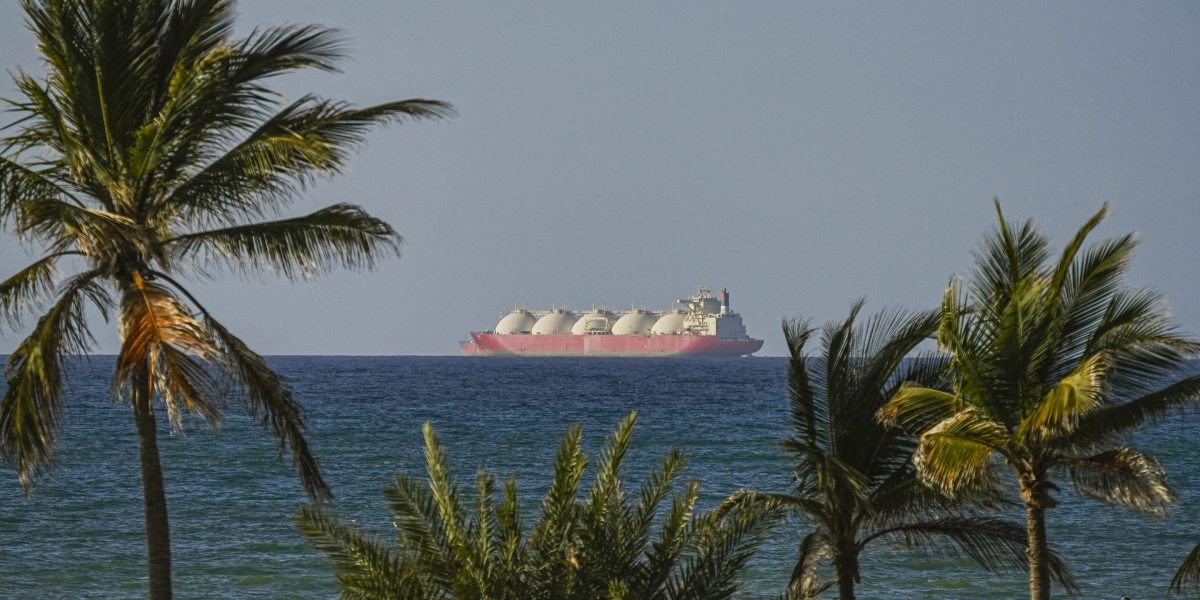
Roughly a fifth of global oil consumption passes through the narrow waterway connecting the Persian Gulf to the Arabian Sea, making it less a regional shipping lane than a structural pillar of the global economy. When traffic through Hormuz is disrupted, as it is now, energy prices spike, insurance markets convulse, and supply chains from Rotterdam to Shanghai feel the aftershocks.
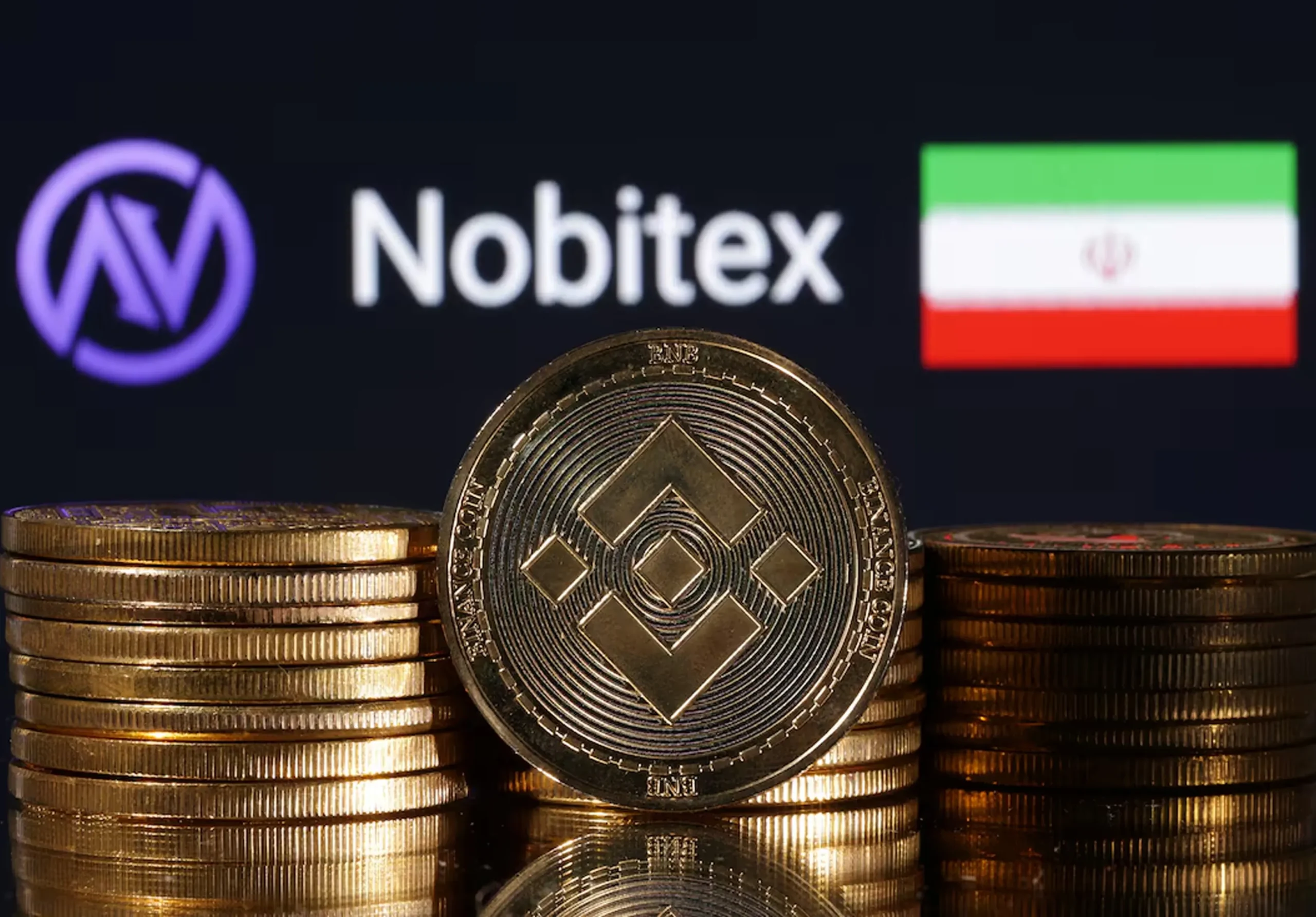
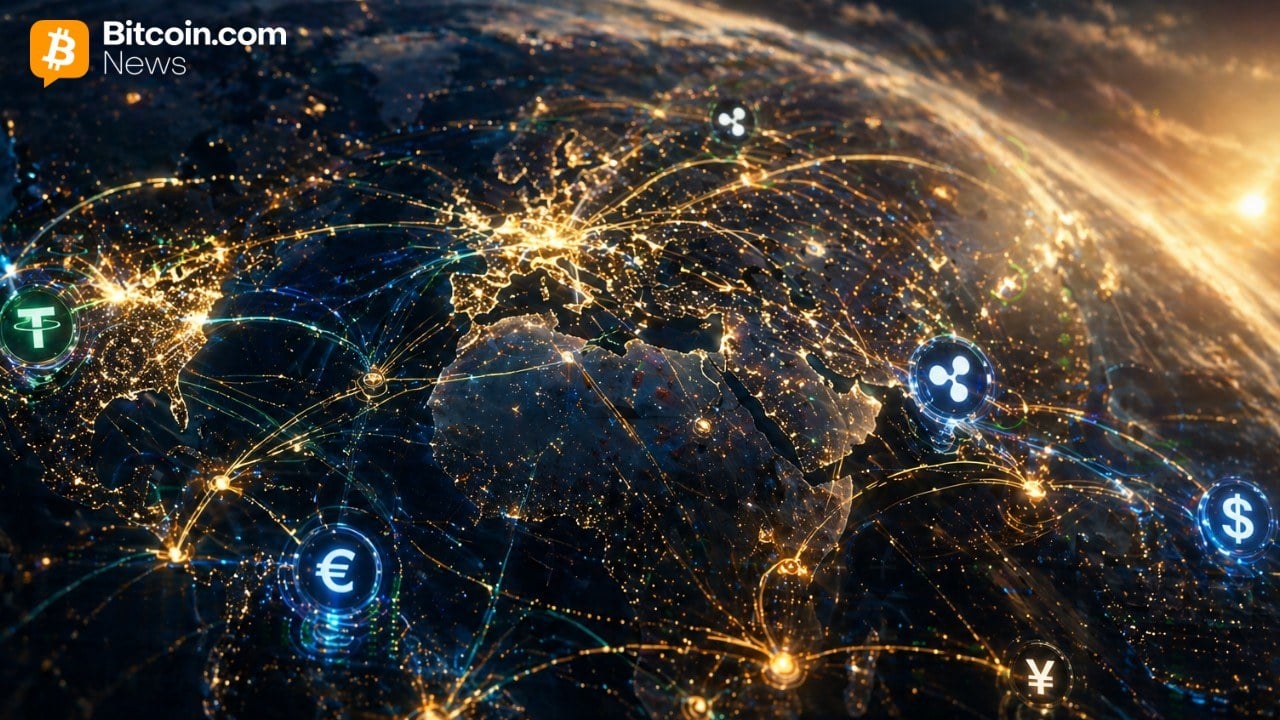
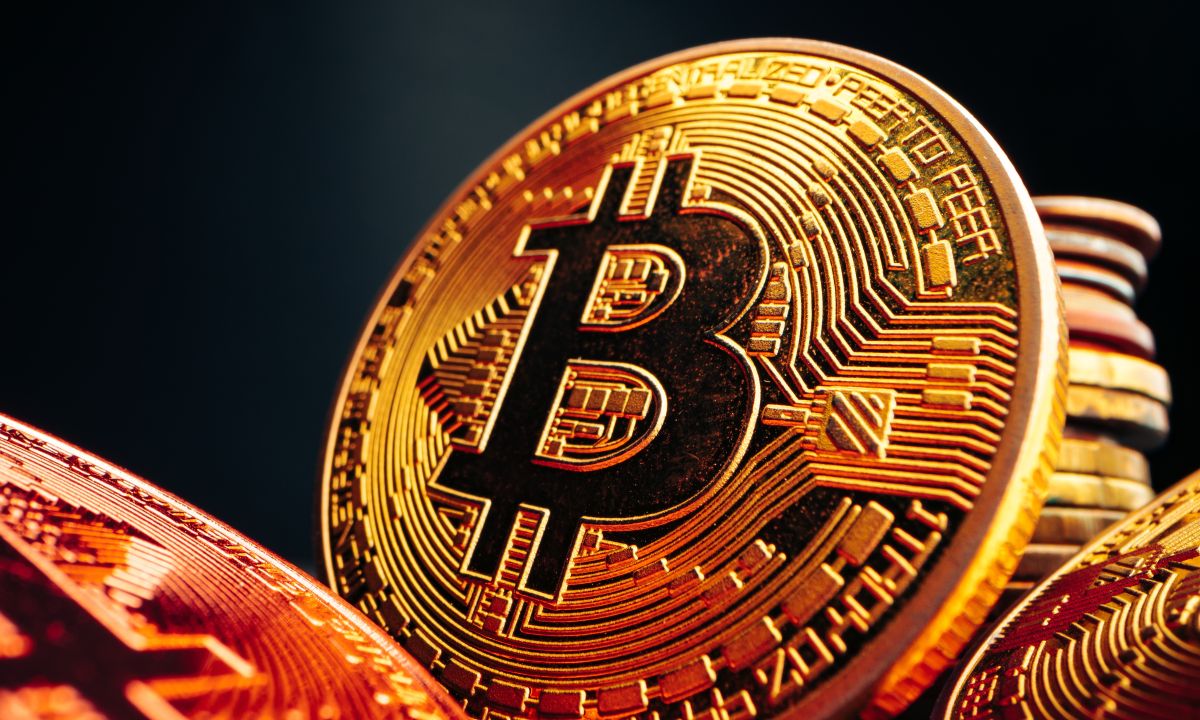
A new report from Iran’s Economy Ministry revealed that, amid escalating instability surrounding the nation and a prolonged maritime security crisis in the Gulf, Tehran appears to be experimenting with using bitcoin infrastructure to create an alternative maritime insurance market.
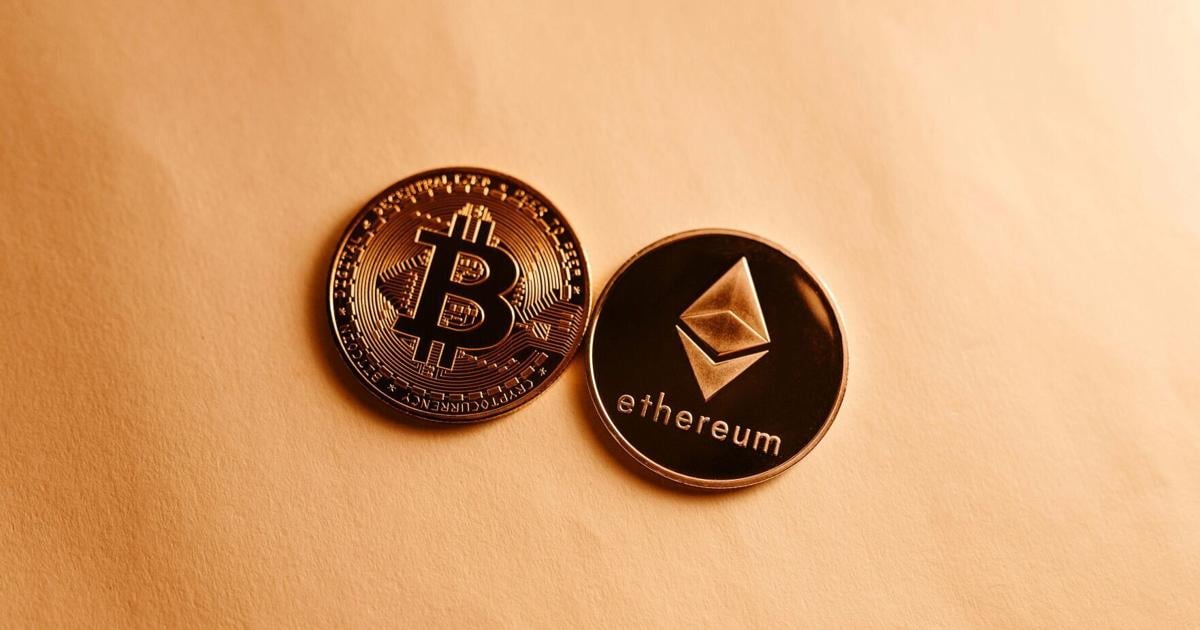
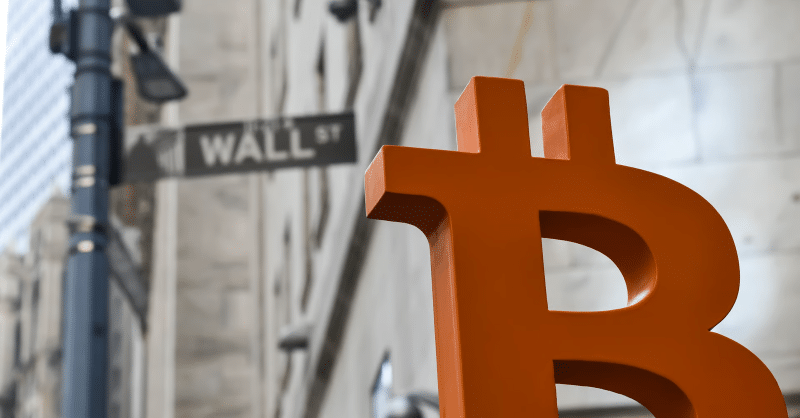
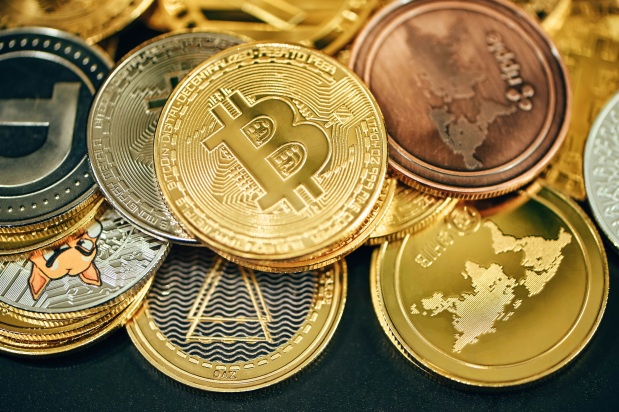
The alleged system, known as “Hormuz Safe,” would allow shipping operators and cargo owners to obtain maritime insurance coverage using bitcoin and other digital assets for vessels transiting the Strait of Hormuz. The system reportedly uses blockchain-based verification and digital documentation to confirm insurance coverage and settlement.
The concept sounds futuristic, but the underlying business logic is simple. Iran is attempting to monetize geopolitical risk while bypassing the financial rails that global sanctions have largely closed off. In effect, the country is trying to convert territorial leverage into programmable financial infrastructure via the use of cryptocurrencies. The initiative comes on top of other tactics the Middle Eastern nation has turned to in order to avoid Western sanctions over the years.
See also: How CFOs Can Manage for Today’s Supply Chain Choke Points
Advertisement: Scroll to Continue
Insurance Is the Real Crisis
Most public discussion about Hormuz centers on oil flows and military escalation. But the more immediate economic issue is insurance. Shipping through conflict zones depends on war-risk coverage provided by specialized insurers and reinsurers. When geopolitical threats rise, those premiums can surge, or coverage can disappear entirely.
At the end of the day, global shipping can be governed less by naval power than by financial risk tolerance. A tanker captain may be willing to sail through dangerous waters, but financiers, insurers and cargo owners may not be willing to absorb uninsured losses. Instead of imposing an explicit transit toll, which could trigger broader international retaliation, Iran appears to be exploring an insurance-based framework that effectively prices access indirectly. In practice, safe passage becomes a financial product rather than a military concession.
Markets tend to normalize fees and premiums more easily than coercive political demands. An insurance instrument also creates recurring revenue and embeds Iran into the transaction architecture of global trade. Still, traditional maritime insurance depends on dollar settlement networks, correspondent banking relationships, and global compliance regimes heavily influenced by the United States and Europe. Any Iran-linked payment flowing through conventional rails risks delay, seizure or sanctions scrutiny.
A bitcoin-settled maritime insurance framework effectively converts geopolitical tension into a digitally mediated revenue stream. The more unstable the region becomes, the more valuable the insurance mechanism potentially becomes.
Read also: Crypto Regulation Moved From Theory to Market Force This Week
Chokepoints Become Monetizable FinTech Rails
The most important takeaway is not whether bitcoin becomes widely used in maritime insurance markets. It is that governments facing geopolitical constraints are beginning to explore how digital financial infrastructure can be tied directly to strategic assets and trade flows.
None of this guarantees success. A bitcoin-based maritime insurance market faces enormous legal, technical and geopolitical obstacles. Any blockchain networks or exchanges linked to sanctioned activity could become targets for aggressive enforcement by U.S. regulators. Global insurers may refuse to recognize alternative coverage frameworks. Shipping companies may fear secondary sanctions more than maritime disruption itself.
The PYMNTS Intelligence and Citi report “Chain Reaction: Regulatory Clarity as the Catalyst for Blockchain Adoption” found that blockchain’s next leap will be shaped by regulation, and evolving guidance is beginning to create the foundations for safe, scalable blockchain adoption.
There is also the question of trust. Insurance works because counterparties believe claims will be honored. In conflict zones, credibility is difficult to establish and even harder to maintain.
Regardless of whether Hormuz Safe succeeds, however, the initiative illustrates a shift in the relationship between geopolitics and finance. States are no longer merely competing over territory and resources. They are competing over transaction systems.
For all PYMNTS digital transformation coverage, subscribe to the daily Digital Transformation Newsletter.