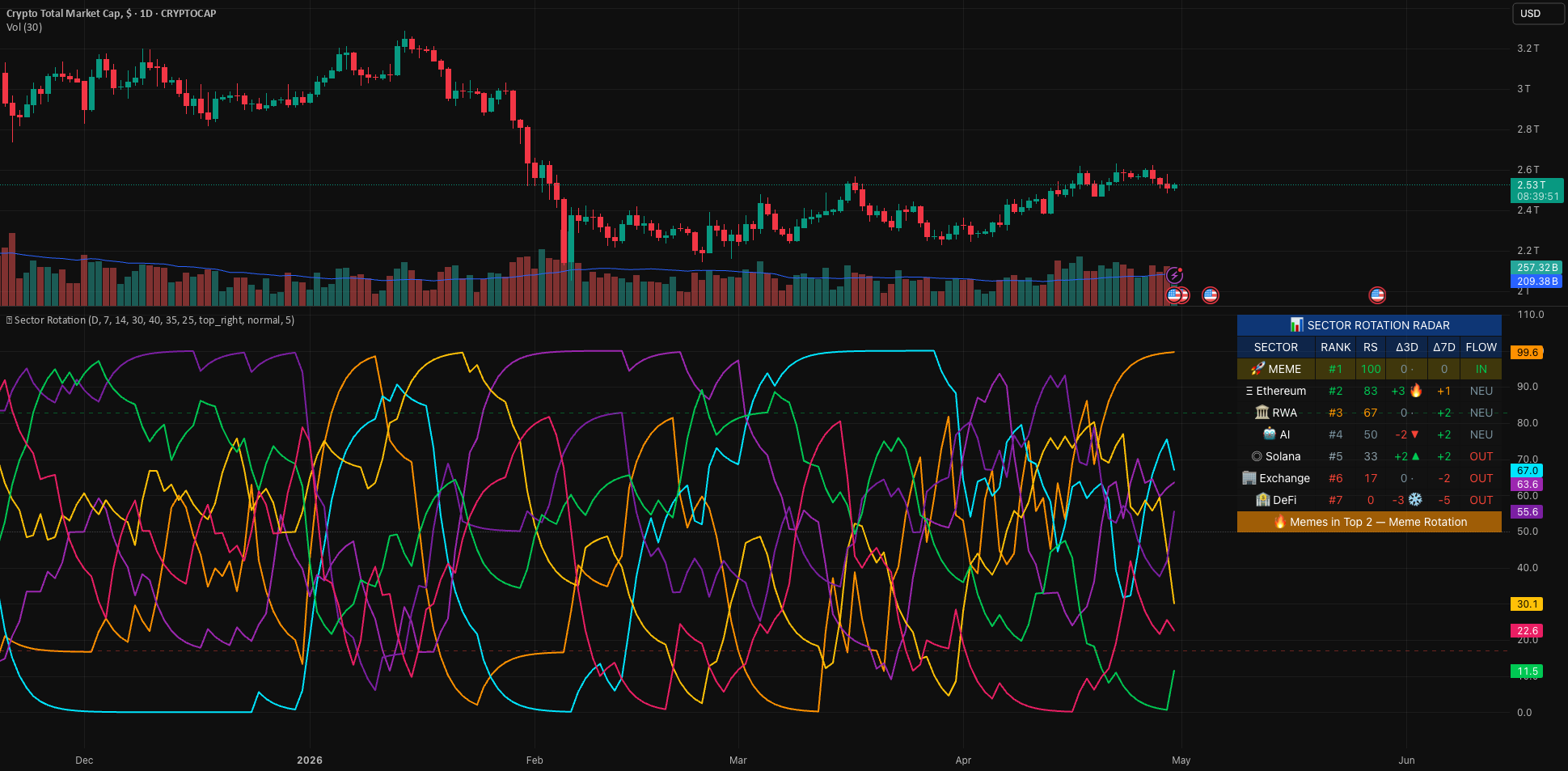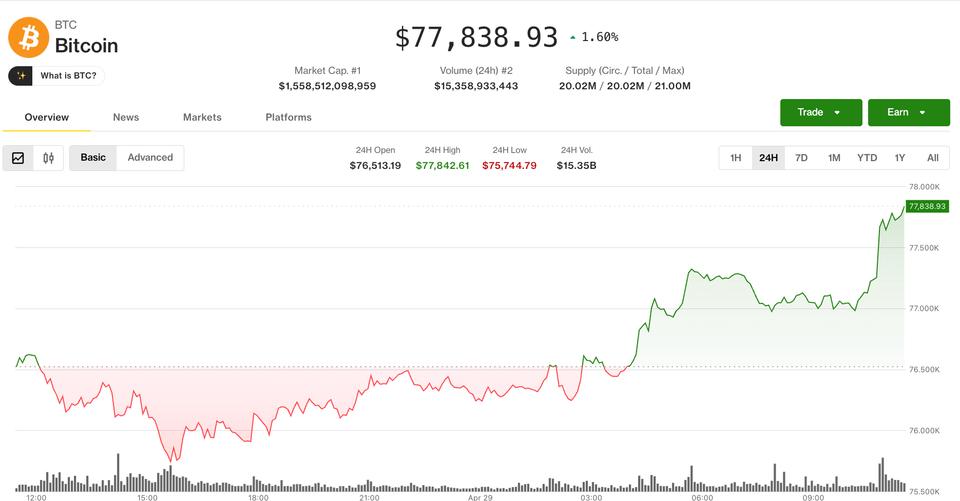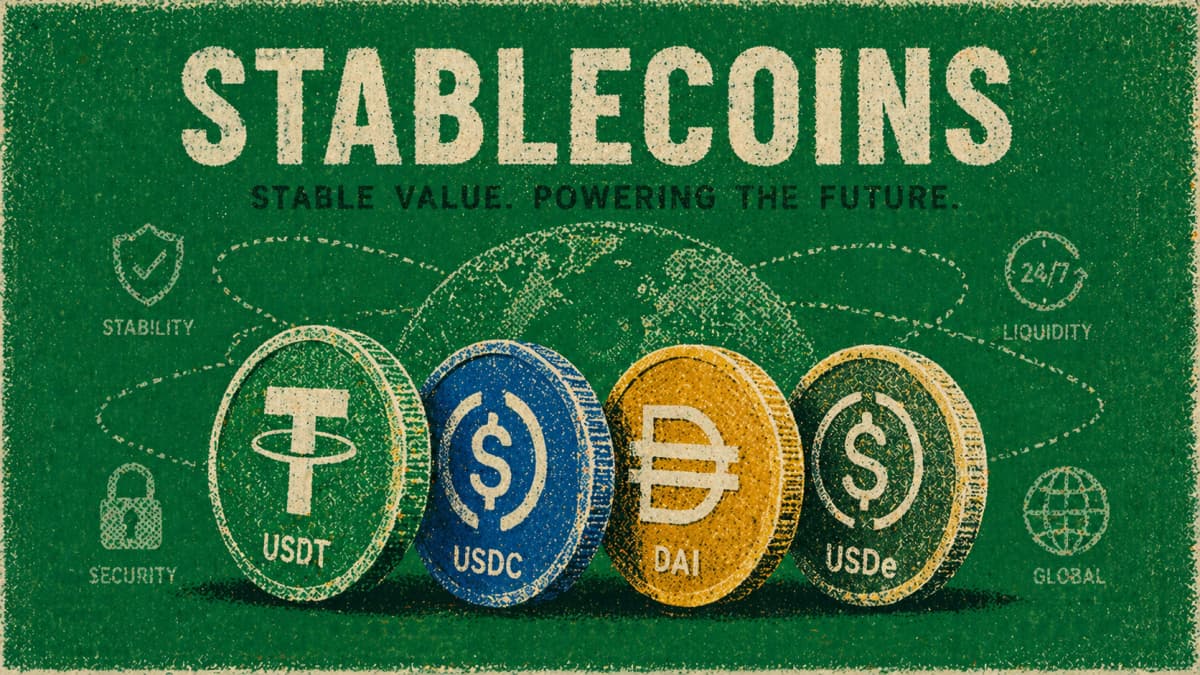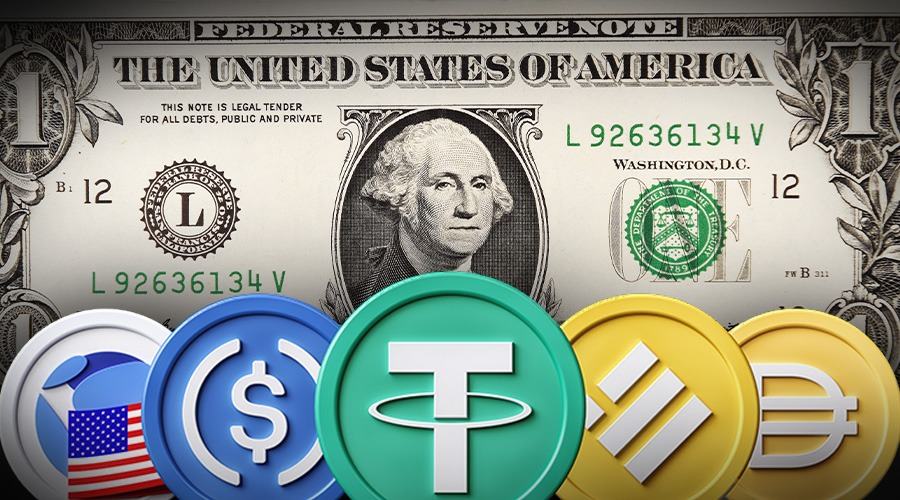
The overall crypto market may be reeling, but the stablecoin industry continues to grow at a prodigious rate. Stablecoins are now worth $300 billion and could be worth upwards of $3 trillion by the end of 2030, according to Treasury Secretary Scott Bessent.
So, what’s the best way to get exposure to these dollar-pegged digital currencies? The latest Motley Fool research on stablecoins highlights three ways investors can get exposure to the stablecoin boom.

Image source: Getty Images.
Card issuers and payment networks
As a starting point, it’s worth considering two credit card behemoths: Mastercard (MA +2.35%) and Visa (V +2.27%). Both are now putting their full weight behind new blockchain-based payment initiatives, including some that feature stablecoins.
As the new Motley Fool research points out, Visa and Mastercard are not trying to become stablecoin issuers. Instead, they are positioning themselves as the connective layer between stablecoin wallets and the existing payments infrastructure. As stablecoin payments scale, both Visa and Mastercard are attempting to stay one step ahead of the competition.
With that in mind, Mastercard launched a global Crypto Partner Program in March 2026 with more than 85 digital asset and fintech firms, including PayPal (PYPL 0.06%), Circle Internet Group (CRCL 2.29%), Binance (BNB +0.32%), Gemini (GEMI 3.76%), Kraken, MetaMask, and Ripple. For its part, Visa has begun accepting stablecoin payments through various crypto partners, allowing customers to link their Visa cards to stablecoin wallets.

Today’s Change
(2.35%) $11.59
Current Price
$505.79
Key Data Points
Market Cap
$447B
Day’s Range
$490.95 – $506.23
52wk Range
$480.50 – $601.77
Volume
413
Avg Vol
3.6M
Gross Margin
96.57%
Dividend Yield
0.64%
Banks and financial institutions
The Motley Fool research also highlights that a number of top banks and financial institutions are running stablecoin pilot projects. These include JPMorgan Chase (JPM +0.98%), Bank of America (BAC +1.85%), and Citigroup (C 0.82%).
Here’s where the lines really begin to blur between traditional finance and blockchain finance. The growing consensus is that stablecoins, running entirely on blockchain payment rails, could make a lot of sense in terms of cost savings and potential efficiencies.
But it’s not clear right now what the best strategy is. Should these banks offer their own stablecoins, or should they use popular stablecoins — such as Tether (USDT 0.02%) or USDC (USDC +0.00%) — that already exist? Or should they hedge their bets and partner with a large group of banks to offer a new type of dollar-pegged stablecoin with its own unique properties?
Stablecoin issuers
The final option — and arguably the riskiest — is to invest in stablecoin issuers such as Circle Internet Group. As the issuer of the $77 billion USDC stablecoin, Circle is the best pure-play stablecoin investment opportunity. By investing in Circle stock, it’s possible to get direct exposure to the high-flying stablecoin trend.
What’s interesting here is that a number of top fintech firms are also throwing their hats into the stablecoin ring. These include PayPal, which issued a stablecoin in 2023, as well as Ripple, the company behind the XRP (XRP 0.11%) token, which issued a stablecoin in 2024. The market cap of PayPal USD (PYUSD 0.07%) is currently $3.5 billion, while the market cap of Ripple USD (RLUSD +0.00%) is $1.5 billion.
If you’re really willing to take a flier, you could choose to invest in highly speculative cryptocurrencies such as Stable (STABLE 3.71%) that offer direct exposure to stablecoins. Stable, with a market cap of $725 million, has emerged as the first Layer 1 blockchain dedicated entirely to stablecoins. The goal is to create a thriving blockchain ecosystem around the $190 billion Tether stablecoin.
Caveats for investors
Just remember — it’s still early innings for stablecoins. While top card issuers, payment networks, and banks are experimenting with stablecoins, these dollar-pegged digital currencies still do not make a meaningful impact on either the top line or the bottom line of these behemoth companies.
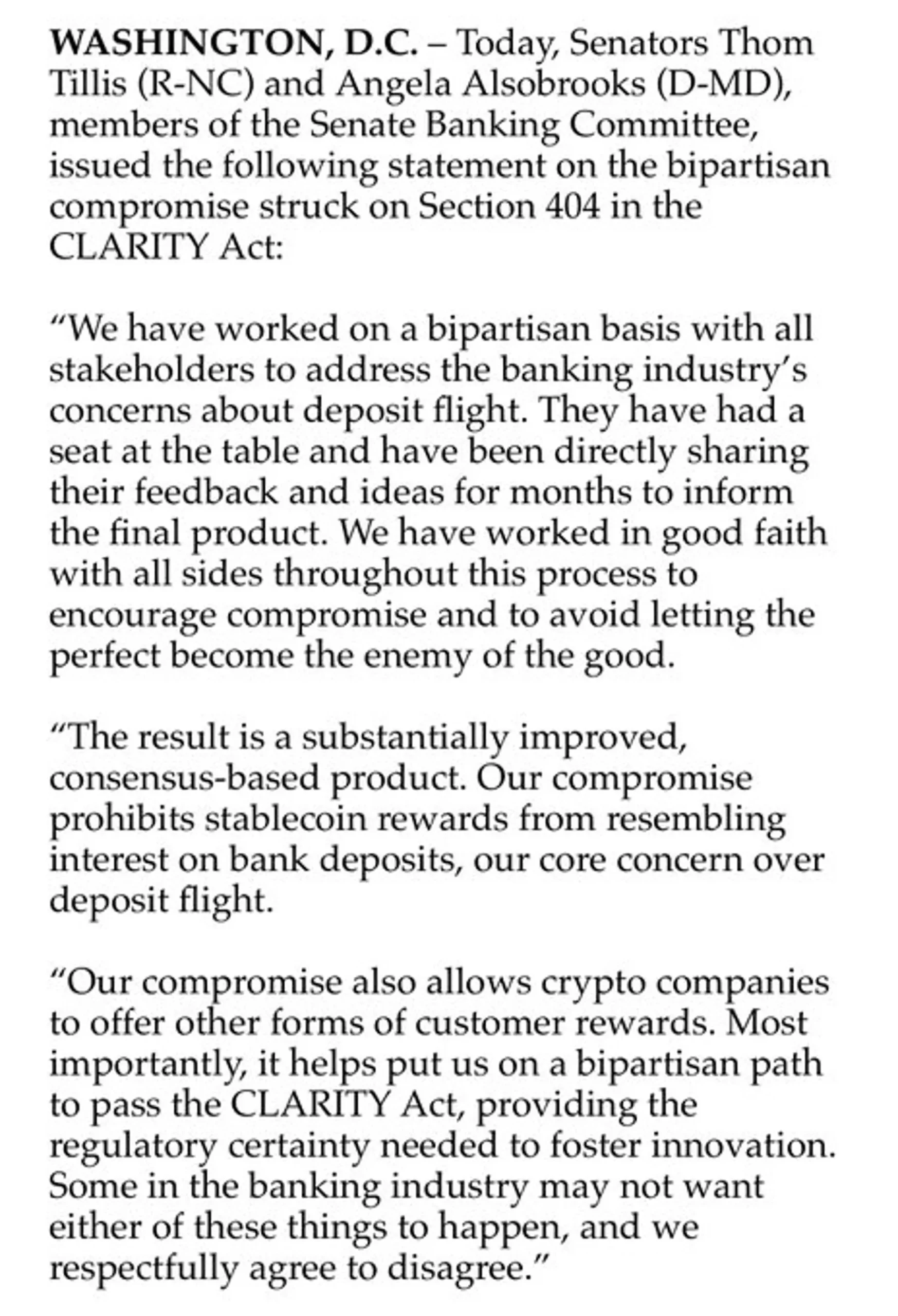
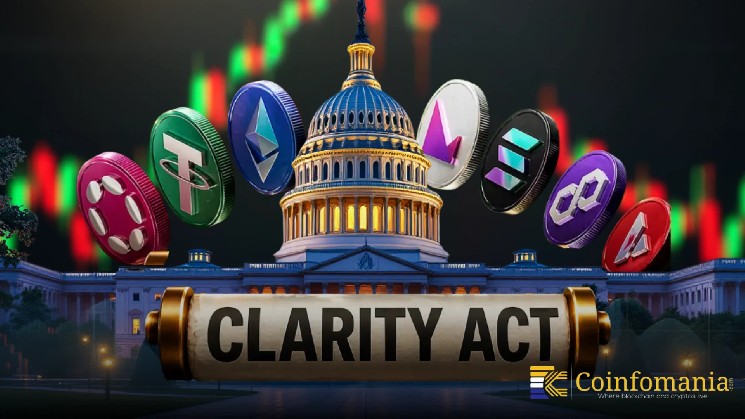
Moreover, as the Motley Fool stablecoin research points out, a key factor to keep in mind is the overall regulatory and legal environment for stablecoins. The pending Digital Asset Market Clarity Act (Clarity Act) could have a huge impact on not just which stablecoins soar in popularity but also how easy it is for banks and fintech firms to integrate them into their global payment infrastructure.
Right now, I’m focused on Circle as the best way to play the stablecoin boom. But I’m also keeping my eye on what Mastercard is doing. Its sprawling Crypto Partner Program is sure to produce some new winners, and that’s where things could really get interesting.