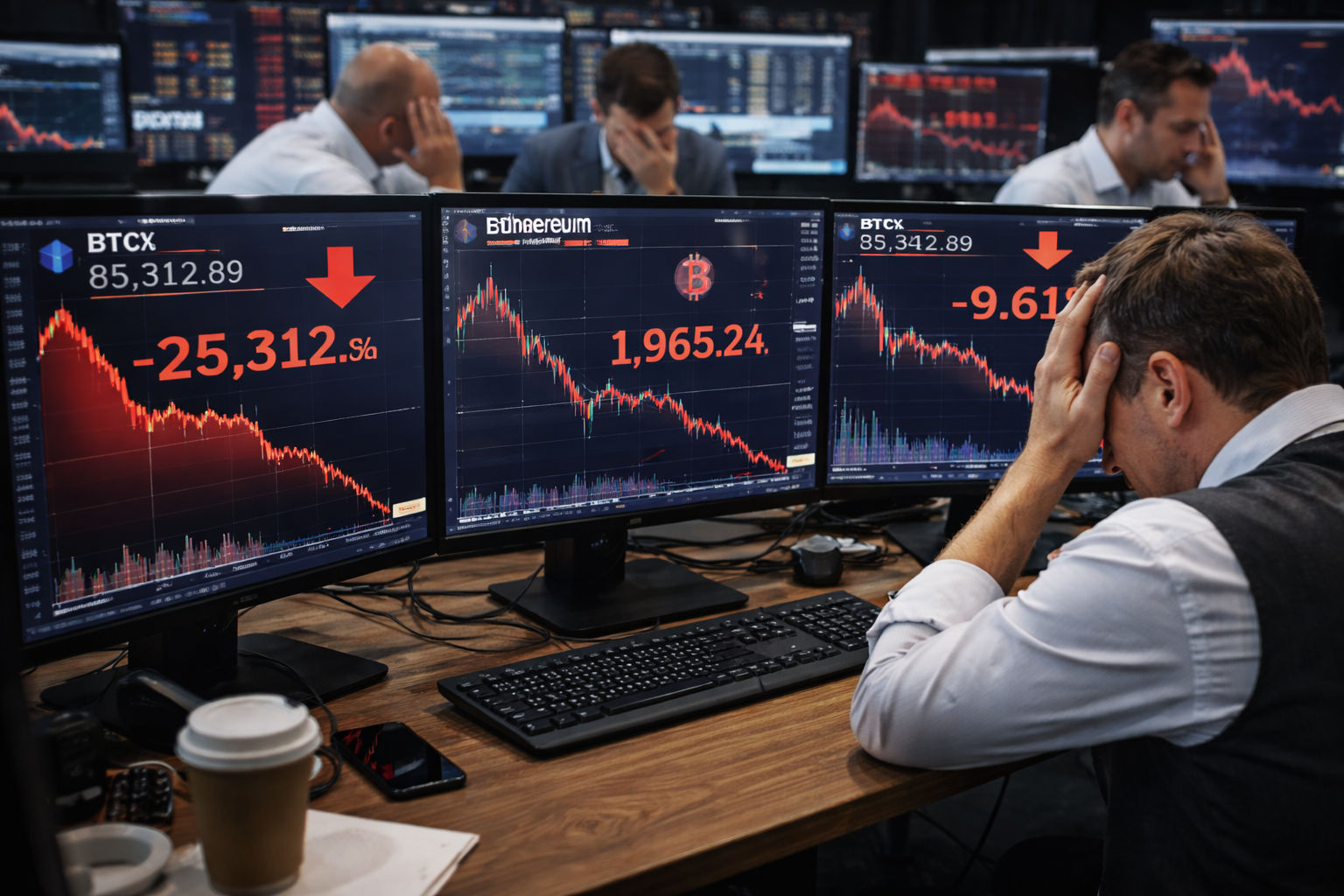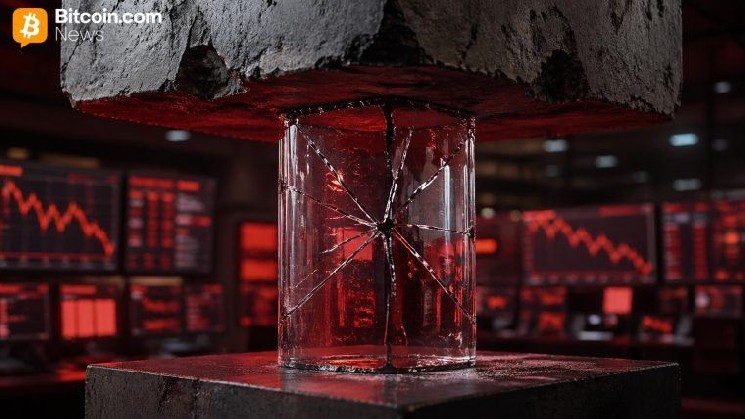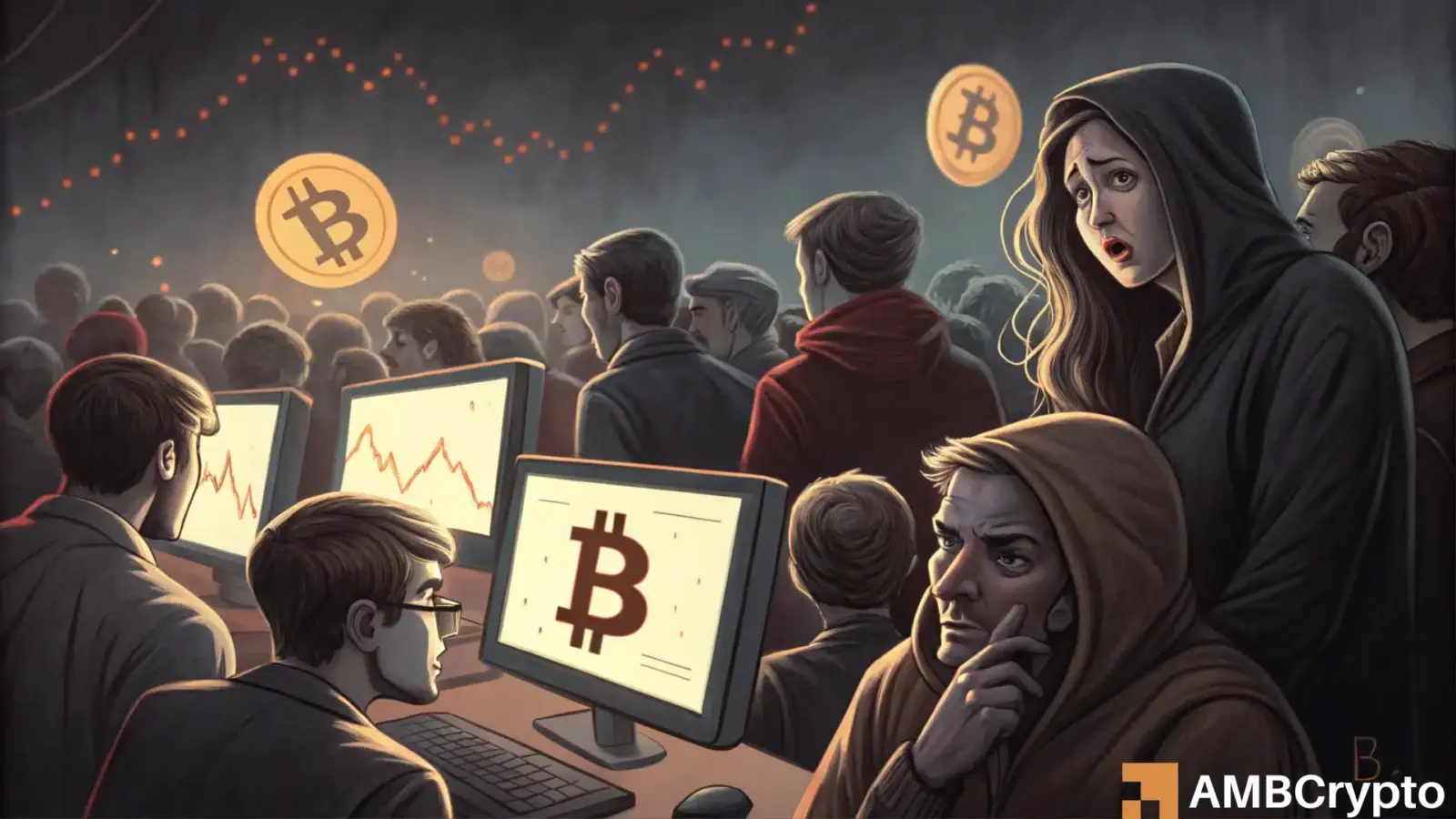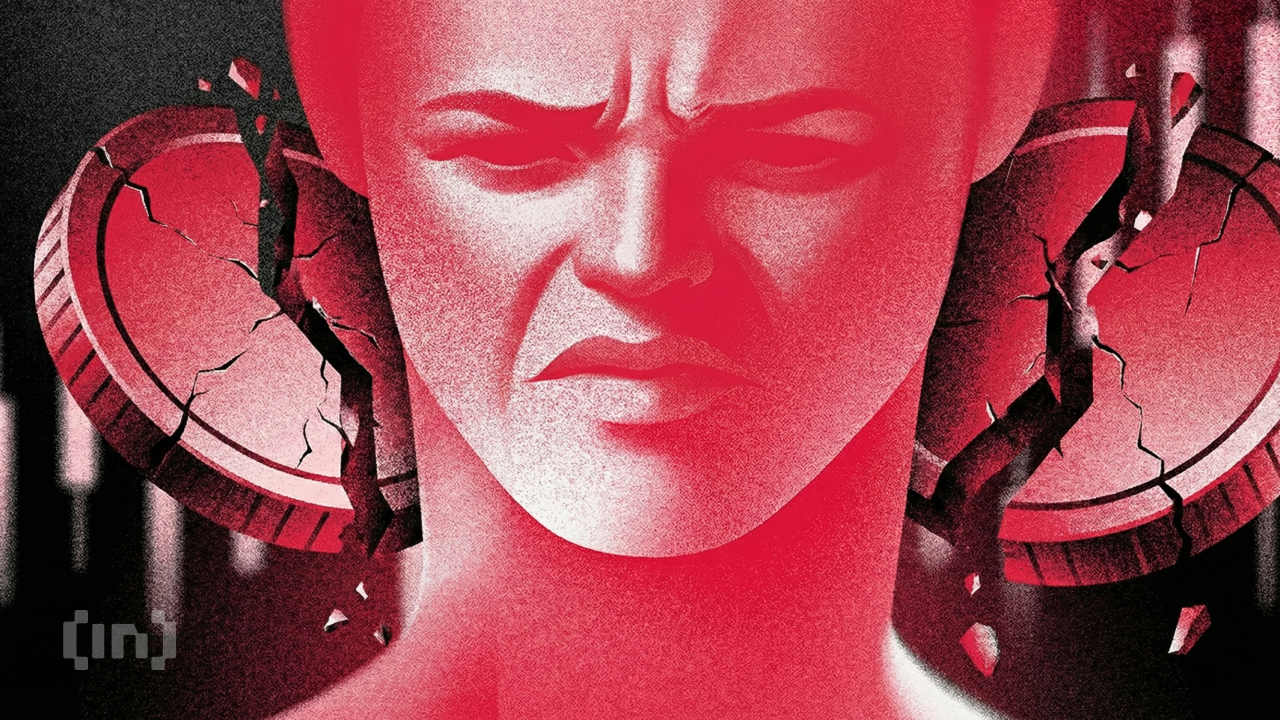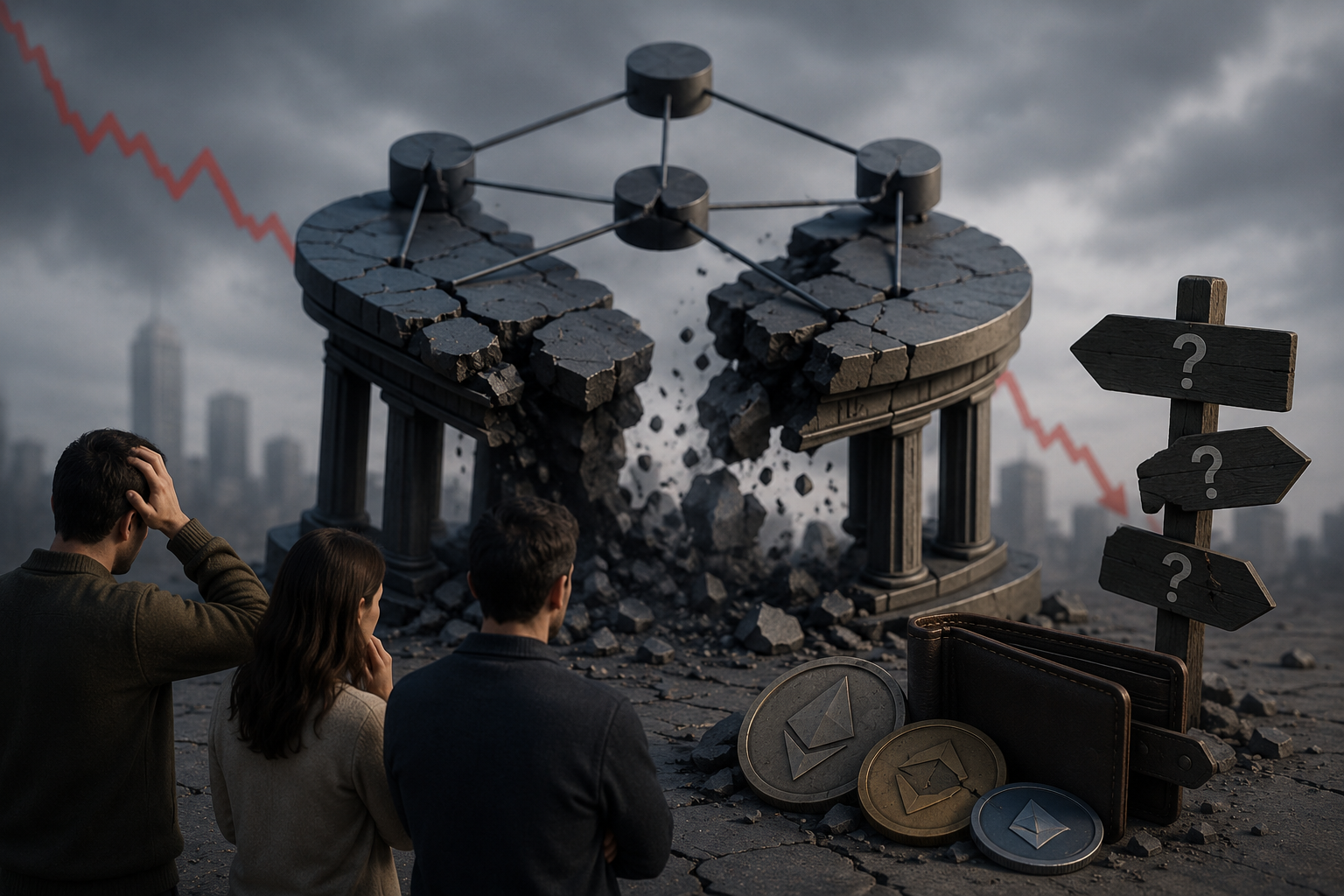
Decentralized autonomous organizations (DAOs) were built to replace traditional corporate structures with community governance and transparent treasury management. They operate without executives, centralized boards, or intermediaries. However, many DAOs have struggled with hacks, treasury depletion, governance conflicts, regulatory pressure, and unsustainable token models.
Unlike traditional companies, DAOs usually do not enter bankruptcy court with clear legal protections for shareholders or creditors. Most DAOs operate through smart contracts, community votes, and decentralized treasury systems that may not provide legal guarantees.
But what happens when the code breaks, the treasury empties, or the protocol collapses entirely?
Key Takeaways
- When a DAO protocol fails, token holders may face total losses, reduced governance power, treasury dilution, or compensation through recovery tokens.
- DAO bankruptcies often prioritize creditors and liquidity providers over governance token holders during liquidation or restructuring.
- Treasury transparency, governance structure, and risk management systems strongly influence a DAO’s ability to survive financial stress and protect token holders.
Why DAOs Fail
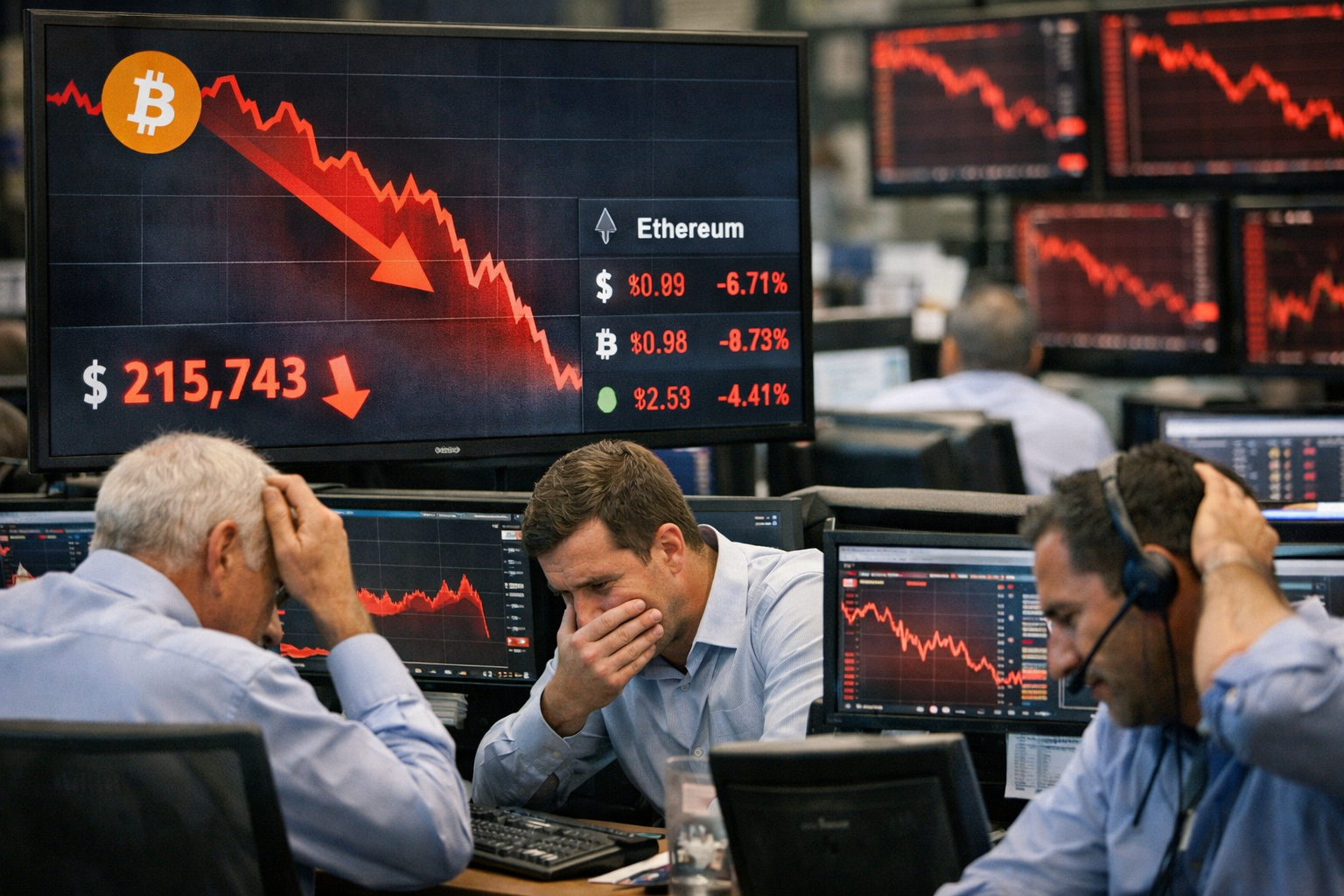
Most DAO failures stem from a mix of technical, financial, and governance issues. These include smart contract exploits, treasury mismanagement, stablecoin de-pegging, unsustainable token emissions, liquidity crises, governance attacks, regulatory pressure, and broader market downturns.
For instance, the failure of the UST stablecoin destroyed tens of billions in value and triggered widespread insolvencies across the crypto industry. Governance token holders of LUNA experienced near-total losses after hyperinflation wiped out the token’s value.
Similarly, the collapse of Mango Markets after its exploit and the restructuring struggles faced by several DeFi lending protocols revealed how difficult decentralized insolvency management can become.
What Happens to Treasury Assets?
When a protocol runs out of funds, suffers a hack, or loses community confidence, the treasury becomes the primary focus. Treasury assets may include stablecoins, tokens, NFTs, liquidity pool positions, and yield-bearing vault deposits.
The DAO community usually votes on how these assets should be handled. The process often involves several steps.
- Emergency Governance Proposals
Contributors or governance participants submit proposals to stabilize operations, suggesting urgent actions such as freezing protocol functions, pausing withdrawals, reducing emissions, or selling treasury assets.
Voting power is generally tied to governance token ownership, although large holders can influence outcomes.
- Treasury Audits
The community assesses remaining assets and liabilities. This often involves the services of external auditors, blockchain analytics firms, or internal risk committees.
The aim is to determine the remaining liquid reserves, total outstanding debts, user liabilities, and smart contract exposure.
- Debt Prioritization
Creditors often receive priority over governance token holders. In many DAO collapses, governance token holders are effectively the last group eligible for compensation.
- Liquidation or Restructuring
In the end, the DAO may choose to sell and distribute the treasury assets in accordance with governance-approved rules. Alternatively, it can attempt to continue operations through:
- Token redenomination
- Treasury recapitalization
- Debt restructuring
- Mergers with other protocols
- Governance reform
What Happens to Governance Token Holders?
Token holders bear the greatest financial risk during a DAO bankruptcy. When a protocol fails, demand for the governance token often disappears rapidly. The following are the possible outcomes for token holders:
Governance tokens become nearly worthless in cases of extreme failure. This happened with several failed algorithmic stablecoins, as inflation in token supply reduced their market value.
In some cases, token holders can exchange their assets for a proportional share of the remaining treasury.
- Recovery/Compensation Tokens
Some DAO systems distribute new tokens that are linked to their recovery plans.
Restructuring may involve issuing new tokens to creditors or investors, significantly reducing existing holders’ ownership percentages.
What Token Holders Should Know
Some jurisdictions have created frameworks specifically for DAOs. Wyoming, Tennessee, and Vermont allow DAOs to register as limited liability companies, shielding members from personal liability. Swiss foundations offer another path for international protocols.
However, some of the largest DAOs managing billions of dollars in assets continue to operate without any legal entity. Token holders should,
- Check the DAO’s legal structure: Does it have a registered entity in any jurisdiction? If not, you may be in a general partnership without knowing it.
- Read the governance documentation: Do token holders have any formal claim on treasury assets? What happens to the treasury if the protocol shuts down?
- Monitor treasury health: Declining reserves, concentrated token distribution, and low voter participation are early warning signs.
- Understand your jurisdiction: Tax treatment, securities classification, and liability exposure vary significantly by country.
How DAOs Are Trying to Prevent Bankruptcy
Following major DeFi failures, many DAOs have introduced stronger risk management systems to reduce insolvency. These include real-time treasury monitoring, insurance reserves, multi-signature treasury controls, circuit breakers, on-chain proof-of-reserves, and stricter collateral requirements to improve transparency and financial stability.
Many protocols have also adopted on-chain proof-of-reserves systems and more conservative collateral requirements to improve transparency and reduce excessive leverage within their ecosystems.
In addition, DAOs are increasingly introducing structured governance and oversight mechanisms. Professional risk committees are now commonly used to assess treasury exposure, liquidity conditions, and smart contract vulnerabilities before major governance decisions are implemented.
Some protocols combine decentralized community voting with centralized emergency intervention powers, allowing teams to respond more effectively during security incidents, liquidity crises, or market-wide disruptions.
Bottom Line
DAO bankruptcies directly affect token holders because governance tokens often incur the largest losses when a protocol fails. They could face reduced governance power, treasury dilution, or complete loss of token value, depending on how the collapse is managed.
In most cases, creditors and liquidity providers receive priority over governance token holders during restructuring or liquidation.
As DAOs continue to mature, token holders should pay closer attention to treasury health, governance structure, legal protections, and risk management systems before committing capital to any protocol.