I have written a few times in this space about the value of books, reading, and knowledge to inspire entrepreneurs, develop leaders, and strengthen businesses. That is the thesis of the Business Book Fair: that knowledge drives growth. This time, however, I want to point at a different kind of driver, one that demands we rethink the very model on which we organize our economy.
I am talking about hybrid economic institutions.
By “hybrid,” I mean state-owned enterprises (SOEs), public-private partnerships, mixed-ownership firms, and the various combinations in between. They are called hybrid because they break away from the old dichotomy of market versus planned economies. The state has a stake, but they operate inside, and according to the rules of, a market economy. They are not a compromise between two systems. They are a category of their own.
Why bring this up now? Mexico is building a welfare state that will need decades of sustained growth to fund it. The problem is that the growth we have been counting on is harder to come by. Trade is tightening, the global economy is more volatile, and our demographic dividend and the nearshoring wave may not carry us as far as we hoped. The country needs every credible engine of growth on the table.
Here is the uncomfortable part for a Mexican audience: hybrid institutions are not inherently inefficient or corrupt. The historical baggage we carry around the words “SOE” or “state participation” is real, but the problem has rarely been the model itself. It has been how we have built and governed it.
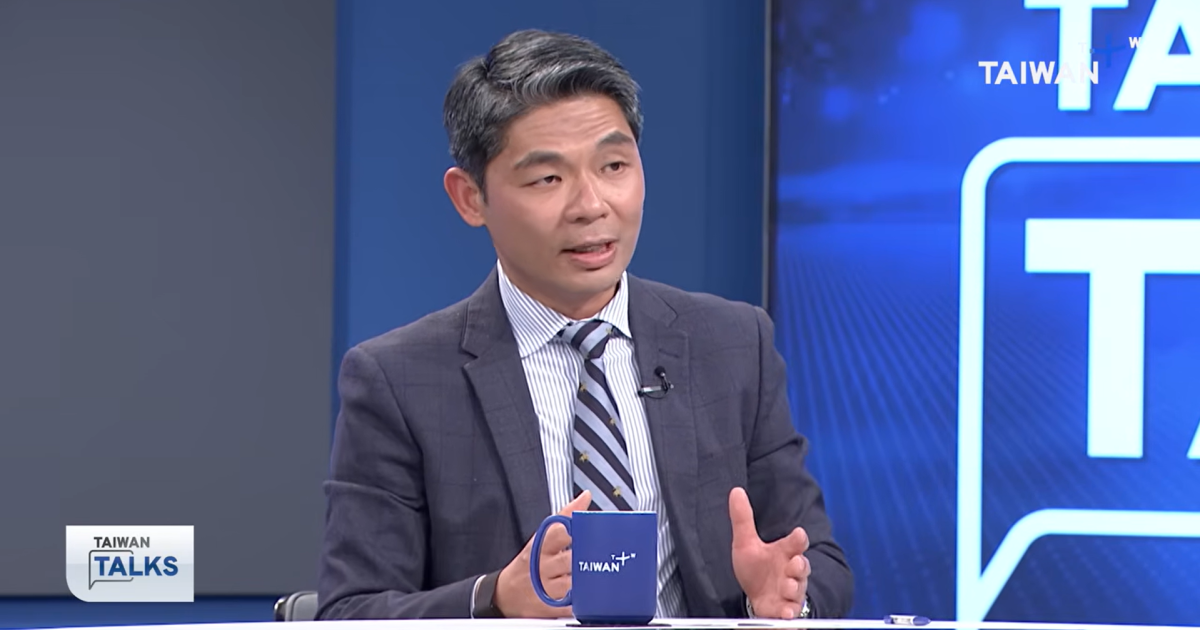
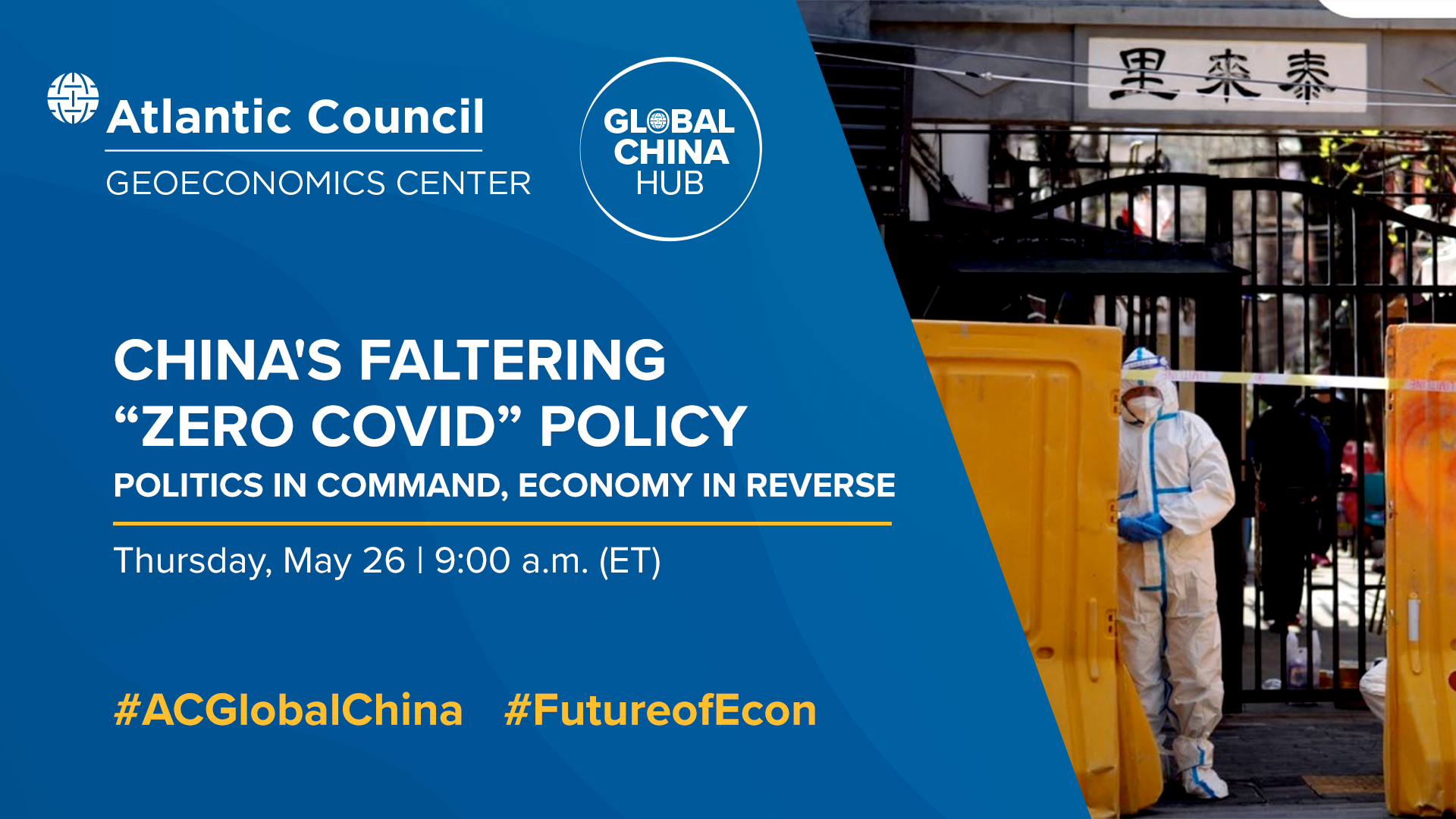
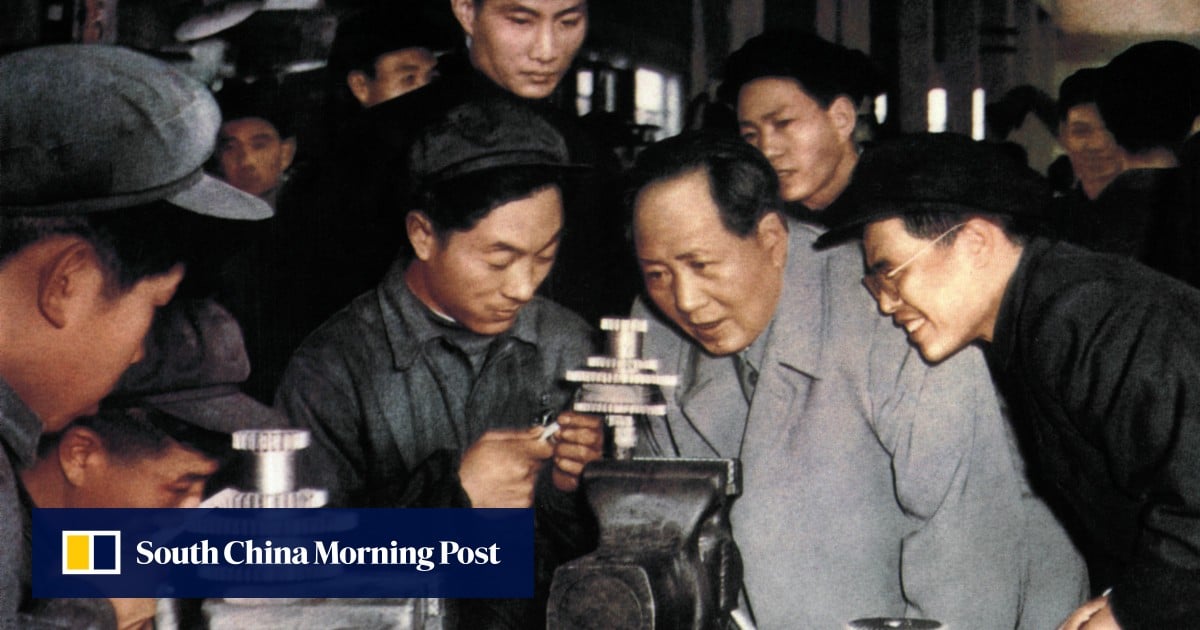
I had the opportunity to study this question as a Schwarzman Scholar at Tsinghua University, learning about the leadership, governance, and innovation models within Chinese SOEs under the mentorship of figures like Fu Chengyu, who led Sinopec and CNOOC to become global powerhouses. I broadened my perspective by learning about the models in Taiwan, Israel, and Singapore through further fieldwork. Five things stood out from these experiences.
1. Leadership: meritocracy, not political assignment.
The single biggest predictor of whether a hybrid institution succeeds is the quality of the people running it. Successful hybrid economies invest deliberately in the talent pipeline that will lead these firms: engineers, operators, and executives who climb through demanding meritocratic structures, not through political loyalty. Leaders are recruited and trained as business elites first, and they are evaluated on performance. In Mexico, by contrast, leadership of state enterprises has too often been treated as a political role. Until that changes, the results will remain the same.
2. Business objectives anchored to a strategic vision.
A common mistake is to treat SOEs as service mechanisms, vehicles to deliver a public good with no obligation to grow, compete, or generate returns. The hybrid models that actually move economies forward operate the other way around. Their objective is profit, scale, and global competitiveness. Their unusual feature is that the shareholder is, partially or fully, the state.
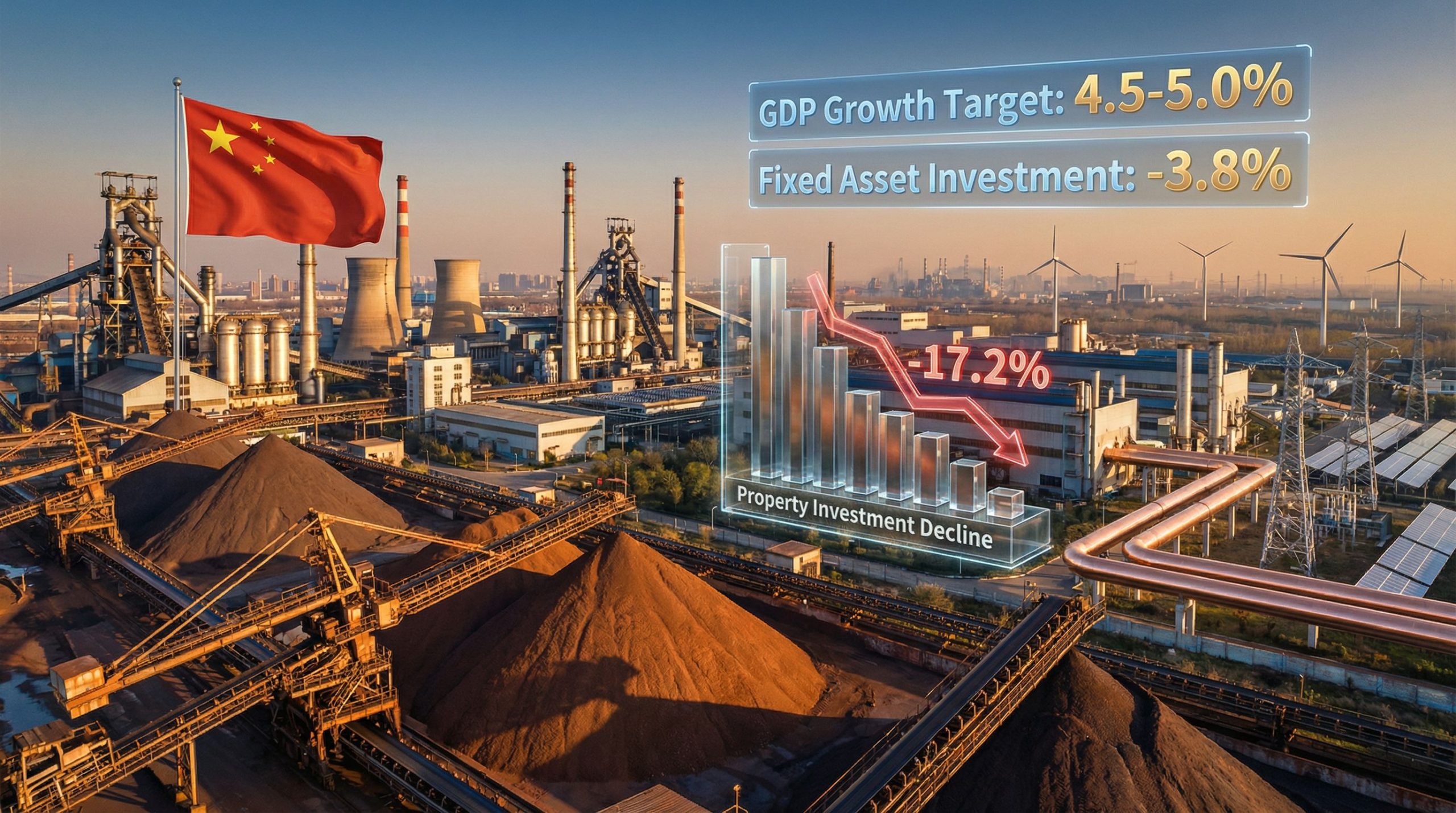
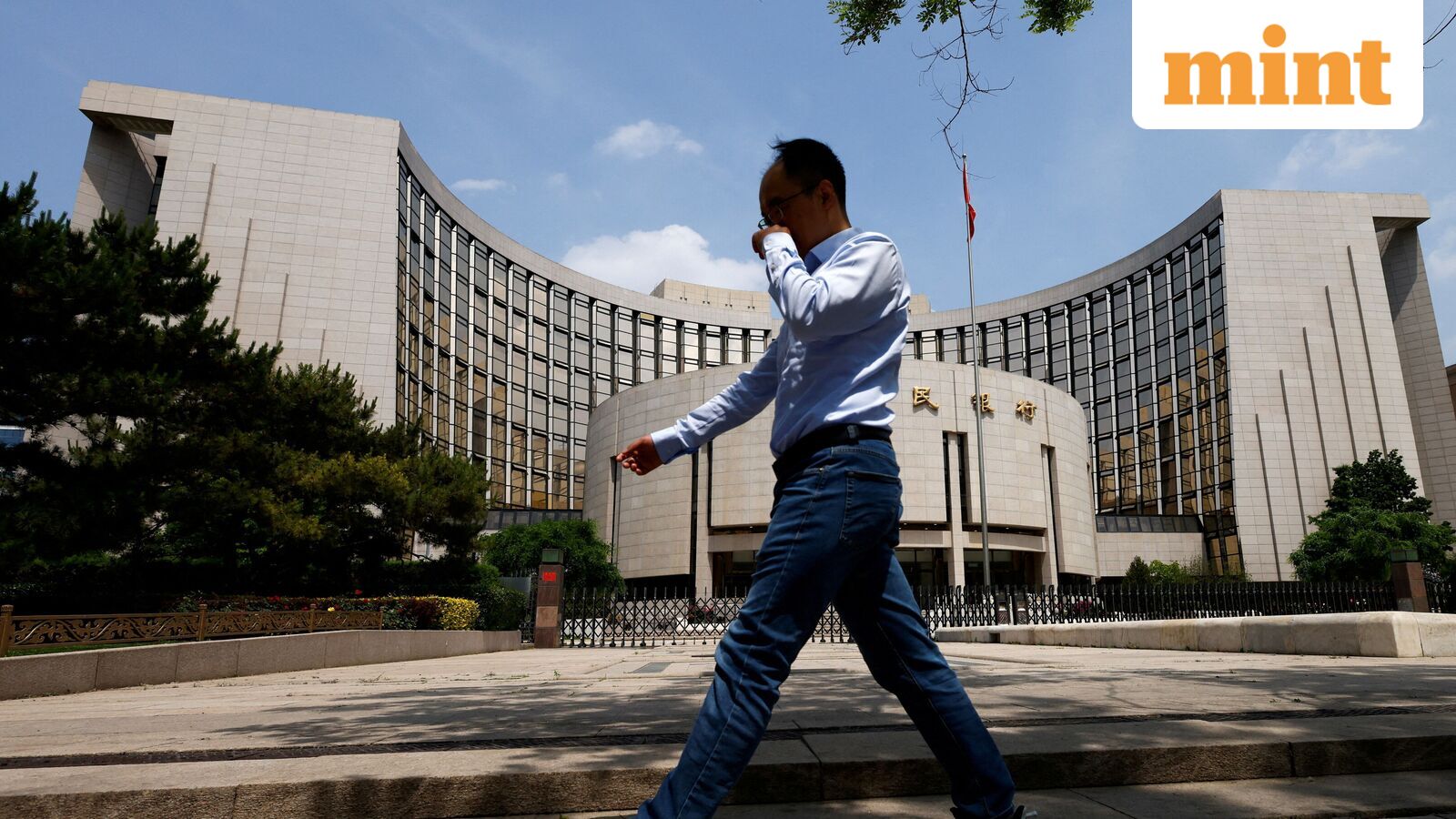
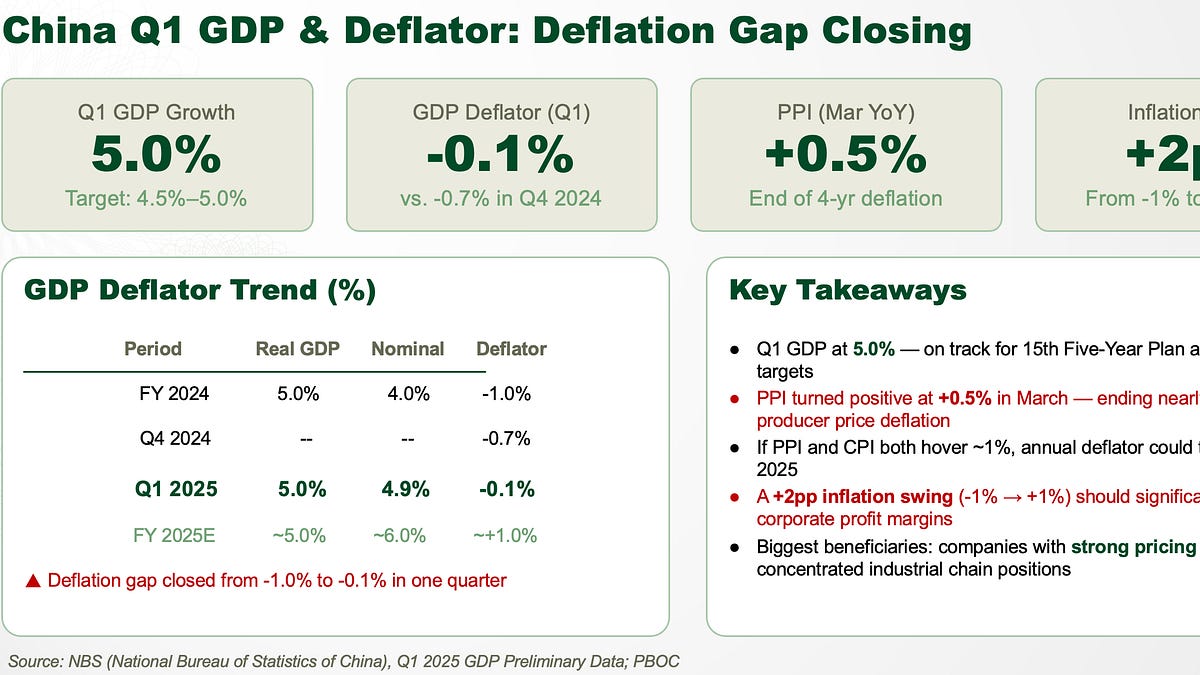
But there is a second piece, and it was the central finding of my thesis. The strongest SOEs are not just commercial; they are anchored to a coherent national strategic vision. The state, as shareholder, articulates where the country needs to be in 20 years, and the firm’s strategy is built backward from there. That alignment is what allows long-horizon investment in things private firms struggle to justify in isolation: foundational research, frontier technologies, critical infrastructure, energy transition. The result, when done well, is global competitiveness. Of the 135 Chinese firms on the Fortune Global 500, roughly three-quarters are state-owned. Profit and public mandate are not enemies, and the lack of competition is a fallacy. Done well, they reinforce each other.
3. Hybrid models vary, and that’s the point.
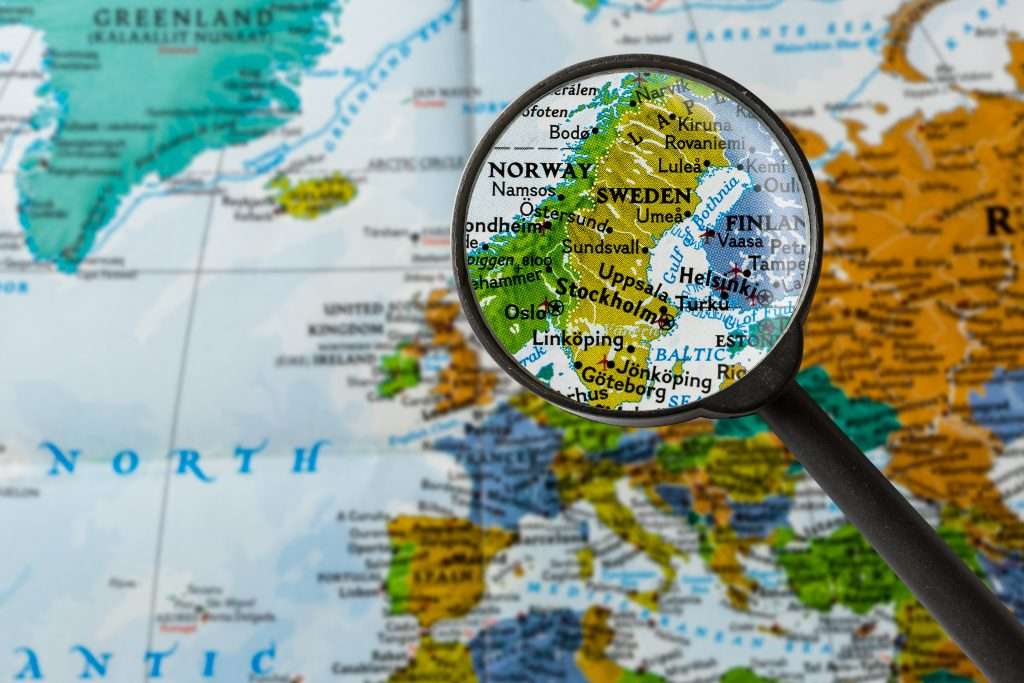
There is no single template. A hybrid can be a state-controlled firm that lists on a public exchange, the way Saudi Aramco does. It can be a sovereign investment vehicle that takes minority positions in promising firms, the way Singapore’s Temasek and Norway’s Government Pension Fund Global do. It can be a national champion in a strategic sector, like France’s EDF or Brazil’s Embraer in its formative years. It can be a joint venture between government and private capital for a specific infrastructure project. It can even be a market in which several partially state-owned competitors go head to head. The variance is not only across structures, it is across countries with very different political traditions, all of which have found legitimate uses for the model. The flexibility is what makes the toolkit useful. You choose the structure that fits the problem.
4. The right institutions, and the discipline they bring.
Strong hybrids require strong corporate governance: independent boards, transparent reporting, professional auditing, clear performance metrics. Without them, any hybrid will drift toward the worst-case scenario we already know. With them, hybrids can become exemplars of accountability, and this is where the argument turns interesting. The disciplines that make a hybrid firm perform well are the same disciplines that make a democracy function: transparency, accountability, separation of roles, performance measurement, due process. Good business practice and good democratic practice pull in the same direction. Strengthening one strengthens the other. As Mariana Mazzucato argues in The Entrepreneurial State, the state has always been a co-investor in transformative innovation; the question is whether it co-invests with discipline and structure, or without them.
5. Strategic, not omnipresent.
The default is, and should remain, the market economy. Competition is more advantageous, faster, and more disciplined than any planner. But there are specific points in the value chain of specific industries where hybrid figures make particular sense. Where the asset is critical to national sovereignty and cannot be fully outsourced. Where the public good is real but the ROI is unclear enough that no single private actor will step in alone. And where the economics are those of a natural monopoly, in which, as William Baumol’s classical work on cost subadditivity established, a single firm can serve the entire market at lower total cost than several competitors can. Even then, the successful hybrid economies do not let competition disappear. They engineer it. Either they have their hybrids compete against each other in the same domestic market, or they hold them to international benchmarks they cannot escape. The discipline of the market is preserved; what changes is who participates in it.
The argument I am making is bigger than a defense of any one institution. It is a call to broaden how we think about economic growth. The most dynamic economies in the world today are not built on a single model. They combine strong private firms, a capable state, and well-governed hybrids that operate at the seams between them. The market economy must remain the default. But alongside it, hybrids deserve a serious place in the toolkit. The more interesting and more useful question is this: where does each model fit, and how do we build the institutional rigor that allows hybrids to become genuine engines of growth?
For business leaders, this is not a spectator sport. The most successful hybrid economies are the ones where the private sector shows up. Proposing projects, co-designing structures, sitting on boards, demanding governance standards, and building the technical credibility to be a serious counterpart to the state. The default cannot be to wait and see what the government does and react. It has to be to engage.
We work every day at Business Book Fair to bring the best content to Mexico’s business decision-makers, because better-informed leaders build better companies. But knowledge is the starting point, not the endpoint. Once we have it, let us use it to do something Mexico has not done in a long time: deliberately upgrade the architecture of our economy by exploring and materializing hybrid, disruptive and ambitious drivers of growth.