- May 22, 2026
- Olivia
- 0
The EU’s landmark crypto framework is entering its first recalibration phase, barely two years after implementation began.
On Wednesday (May 20) the European Commission officially opened up to public and institutional comment whether the 2024 Markets in Crypto-Assets Regulation (MiCA) policy framework is still “fit for purpose” as crypto markets evolve. That wording matters. Regulators do not typically reopen flagship frameworks so quickly, unless they believe either that the market moved faster than expected, competitive dynamics have changed, geopolitical pressure is forcing adaptation, or some combination of the three.
MiCA was developed in response to one of the more turbulent periods in crypto history. Between 2021 and 2023, the industry experienced a cascade of failures that reshaped political attitudes globally. The algorithmic stablecoin Terra/Luna collapsed, the exchange FTX imploded, crypto lenders Celsius and Voyager entered bankruptcy, and billions of dollars in retail wealth evaporated around the globe in, if not one instant, the next. Criminal behavior was never far from the edges of the ecosystem, and crypto markets appeared to policymakers less as engines of innovation and more as vectors of financial instability.
Today, regulators are confronting a digital asset landscape that the industry wants them to view as closer to emerging financial infrastructure, and not the loosely supervised offshore casinos of yore. MiCA was designed for the crypto industry Europe thought it was getting. The commission’s review suggests Brussels is beginning to sense it got a different market entirely.
See also: MiCA Forces Crypto Firms to Get Licensed or Get Out
The 2020s Crypto World MiCA Was Designed For
European regulators started laying the groundwork for MiCA in 2018, approaching crypto primarily as a high-risk speculative sector populated by lightly supervised offshore exchanges, unstable stablecoins, and retail investors vulnerable to fraud and manipulation.
Advertisement: Scroll to Continue
European regulators saw:
- offshore exchanges using fragmented EU licensing systems
- insufficient KYC/AML controls
- sanctions risks tied to Russia and the Middle East
Major crypto players such as the Binance exchange faced regulatory problems in EU member nations like France, the Netherlands, Belgium, the U.K. and Germany where authorities investigated money laundering allegations and unauthorized promotion activities.
The rising need for credibility and containment shaped MiCA’s original structure, which focused on:
- licensing requirements
- reserve standards
- governance rules
- disclosure obligations
- consumer protection safeguards
After all, at the time of MiCA’s development and passage, crypto still sat largely outside institutional finance. Most major banks remained cautious about embracing blockchain, while stablecoins were viewed primarily as either trading vehicles or potential threats to monetary stability. Decentralized finance was influential rhetorically and ideologically but limited economically. As was most of the crypto sector.
One major factor behind the commission’s revisiting of MiCA is that, when MiCA was written, tokenized finance still sat at the edge of institutional markets. Today, large financial firms, including the parent company of the New York Stock Exchange, have begun integrating blockchain infrastructure as a part of the future plumbing of capital markets and moving equities on-chain.
PYMNTS explored the tokenization topic over this past summer in an interview with Brett McLain, head of payments and blockchain at cryptocurrency exchange Kraken.
“The tokenization of real-world assets [has] long been a holy grail for crypto … making those real-world assets more accessible globally to consumers,” McLain said. “We want to see that grow into other things like real estate and other tangible assets.”
See also: Conditional Charters Pull Crypto Closer to Core of US Banking
Why Crypto Regulation Is No Longer Static in 2026
The PYMNTS Intelligence and Citi report “Chain Reaction: Regulatory Clarity as the Catalyst for Blockchain Adoption” found that blockchain’s next leap will be shaped by regulation. MiCA initially gave Europe a significant first-mover advantage over other major markets. But fast forward to 2026, and the U.S. has been working to close that gap, aided by the about-face in digital asset policy driven by the current U.S. administration.
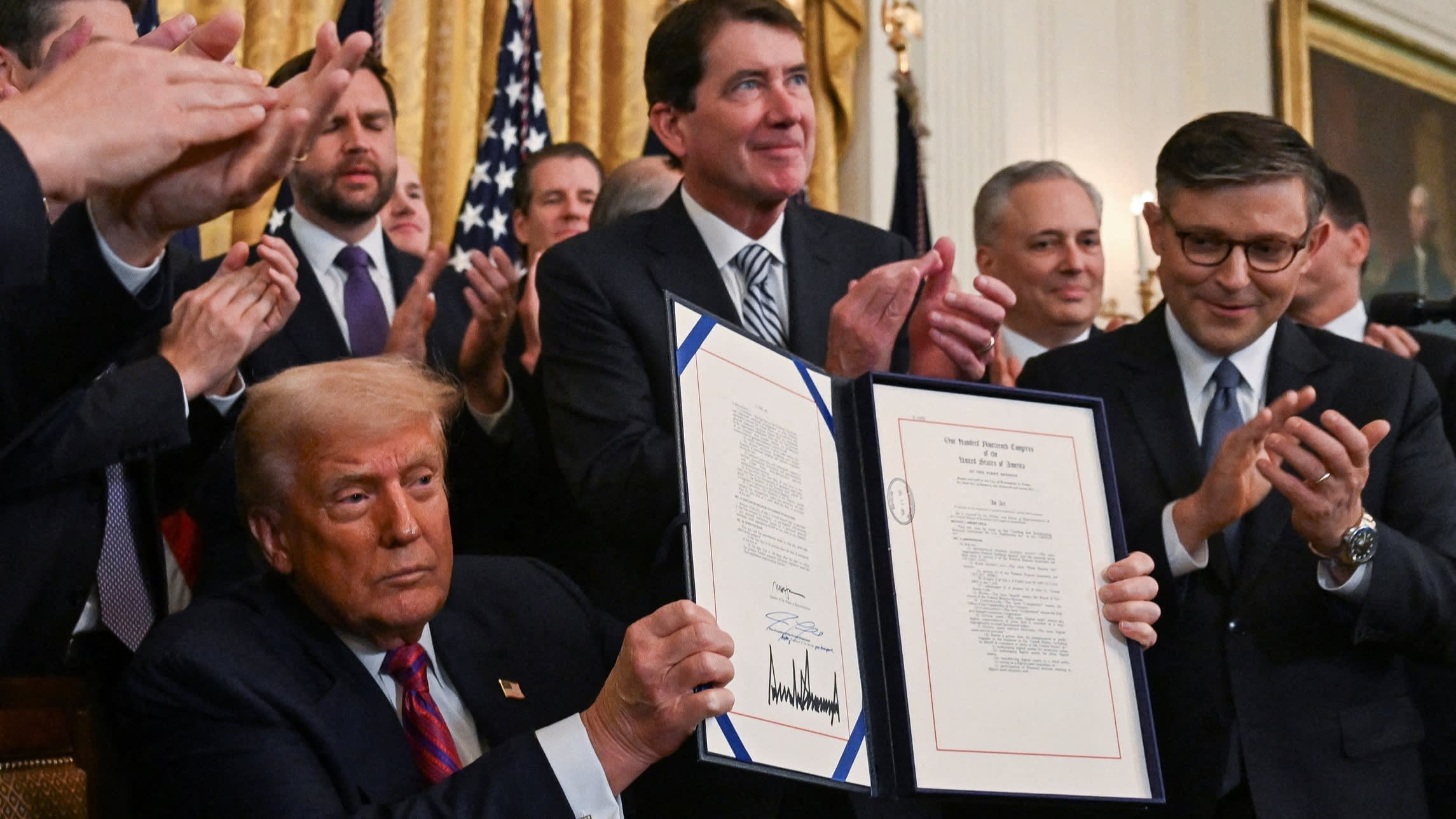
PYMNTS covered this spring how, as the Securities and Exchange Commission reportedly readies a “regulation crypto” proposal, the White House’s Council of Economic Advisers publishes a stablecoin report with findings that potentially land more on the side of crypto firms than traditional banks, and the Federal Deposit Insurance Corporation (FDIC) aligns with the Office of the Comptroller of the Currency on a prudential framework for FDIC-supervised, permitted stablecoin issuers, it appears that, at least by any historical measure, crypto’s relationship with regulators in the U.S. has matured from adversarial to iterative.
Recent guidance from U.S. federal regulators opens the door to products that have long been discussed but rarely implemented at scale: deposit tokens that move across internal blockchains, regulated stablecoins backed by bank balance sheets and tokenized assets that settle with the same confidence as traditional cash and securities.
See also: Crypto Embraces Regulator-in-the-Loop Strategy as Federal Rules Roll Out
In response, MiCA, which was designed to boost trust, reinforce financial stability, and, not incidentally, elevate the euro’s role in digital finance, is now entering a more muscular phase of implementation where Europe increasingly faces a strategic competitiveness question. Can it remain attractive for crypto innovation while maintaining one of the world’s most prescriptive compliance regimes?
The concern is especially relevant in stablecoins, where Europe’s ambition for digital financial sovereignty is colliding with market reality. Dollar-linked stablecoins continue to dominate globally, reinforcing the dollar’s influence across digital finance. Euro-denominated stablecoins, by contrast, remain comparatively fragmented and underdeveloped.
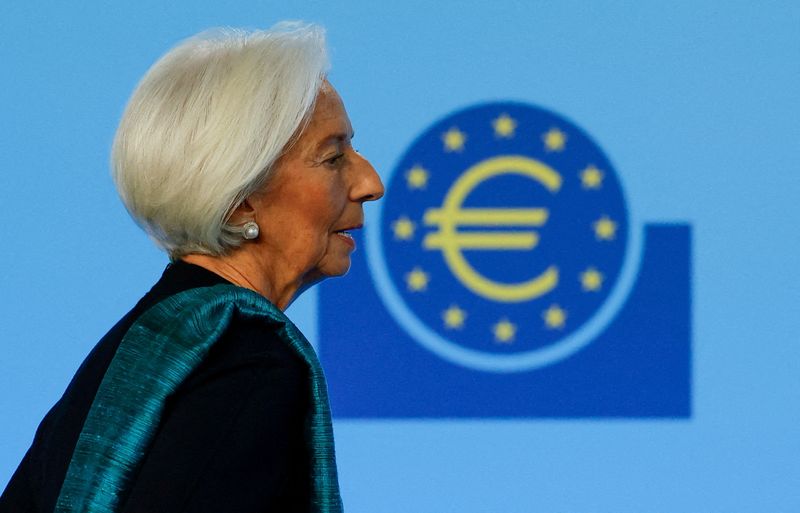
Christine Lagarde, president of the European Central Bank, said earlier this month that rising use of dollar stablecoins in Europe posed a “legitimate concern that risks entrenching dollar dependency,” while expressing some hesitancy about a euro stablecoin as well. And French Finance Minister Roland Lescure last month called on European banks to develop more euro-based stablecoins to reduce the region’s reliance on non-EU payment providers.
On Wednesday (May 20), news broke that the euro-pegged stablecoin project Qivalis has reportedly picked up the support of 25 new banks.
MiCA was designed primarily around crypto-native market participants such as exchanges, custodians and token issuers. It was not necessarily designed for a future in which major banks issue tokenized assets directly or where conventional financial products migrate onto blockchain rails. The commission’s consultation effectively acknowledges this reality.