Experts have raised the alarm that the country’s food security system, public health architecture, and environmental safety are under growing strain from neglect, weak policy enforcement, and chronic underinvestment.
They lamented that the situation has reached a critical point where the country can no longer afford to treat veterinary services as a background function in national planning.
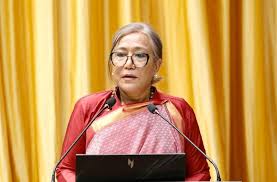
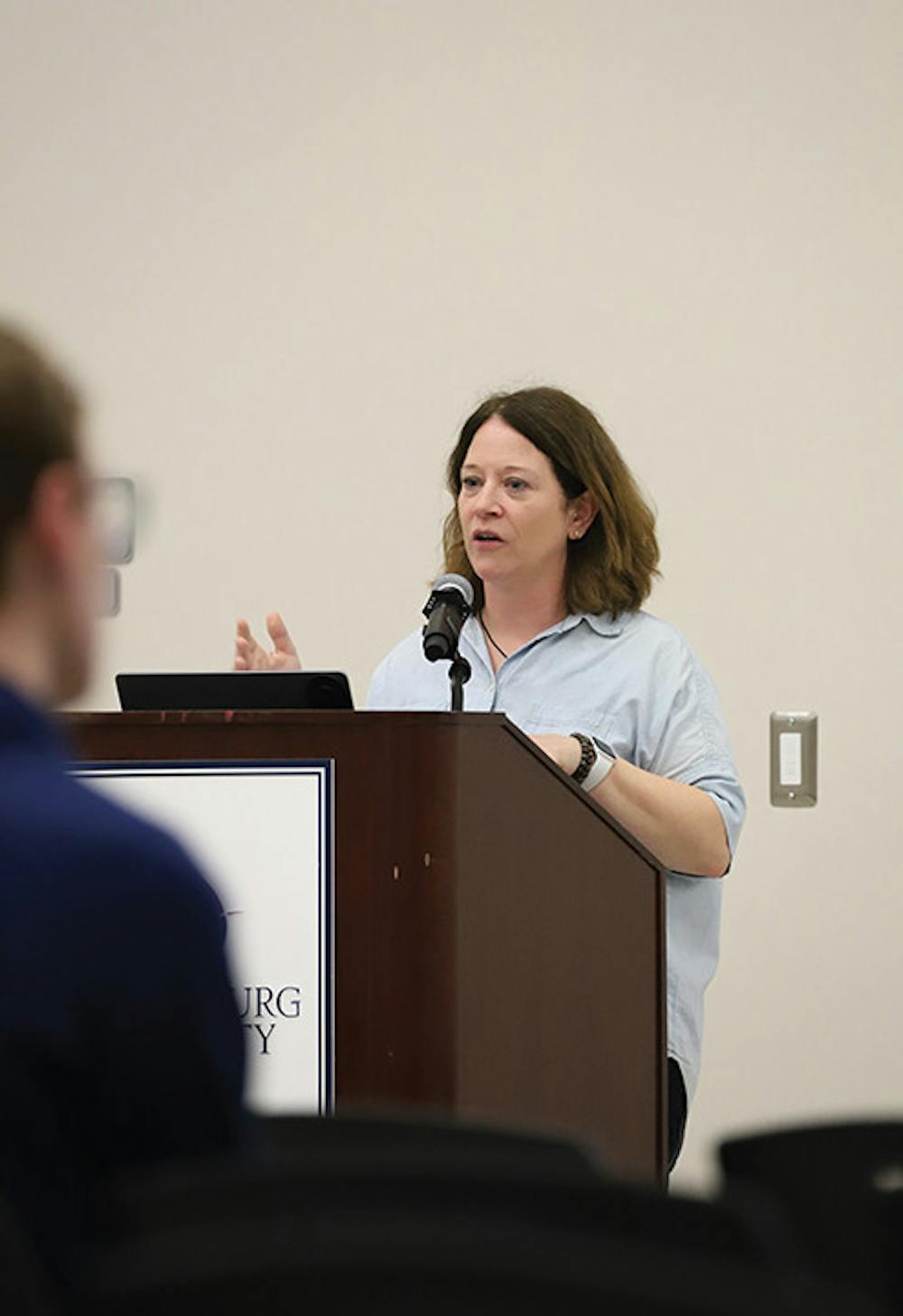
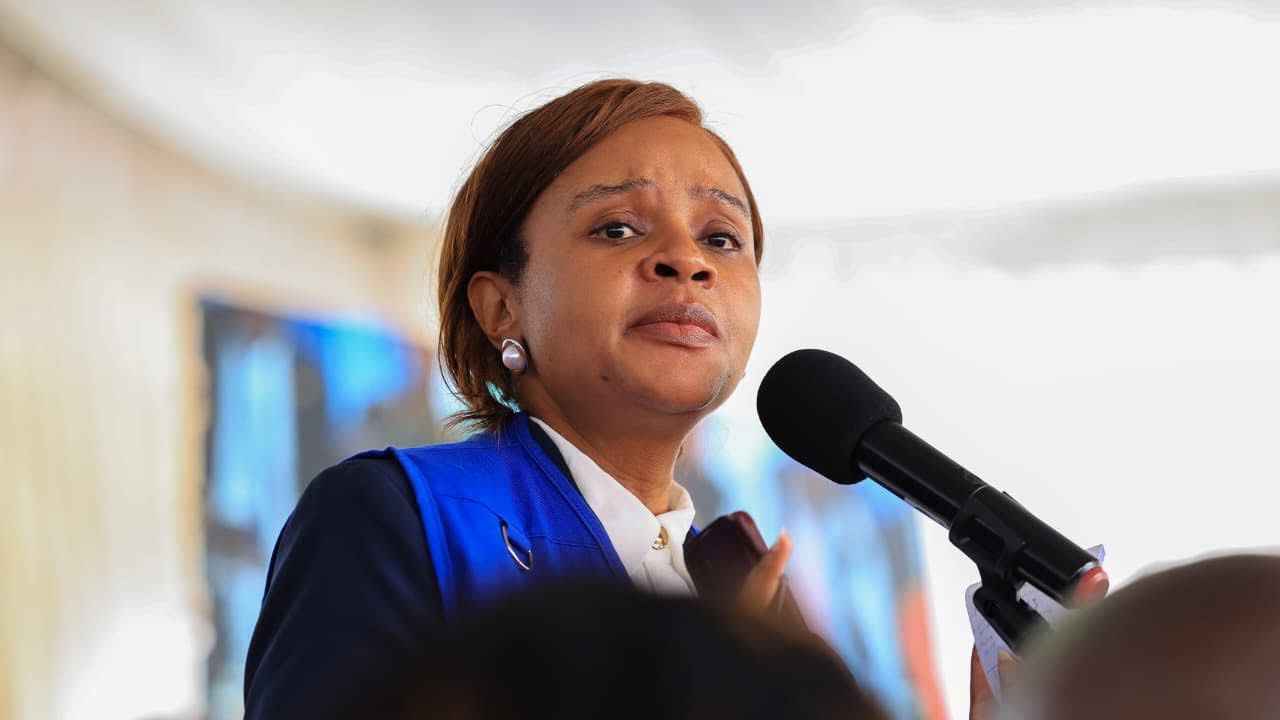
The National President of Nigerian Veterinary Medical Association (NVMA), Dr. Moses Arokoyo, who described veterinarians as the invisible backbone of Nigeria’s food systems and the first line of defence against diseases that move silently between animals and humans, warned that while attention often focuses on hospitals and human medicine, the real frontlines of epidemic prevention begin on farms, abattoirs, livestock markets, and in laboratories where animal health determines human safety long before outbreaks reach cities.
“From farm to fork, from laboratory to legislation, veterinary medicine underpins food safety and national health security. Nigeria’s failure to properly fund and integrate the sector is creating dangerous blind spots in disease prevention.
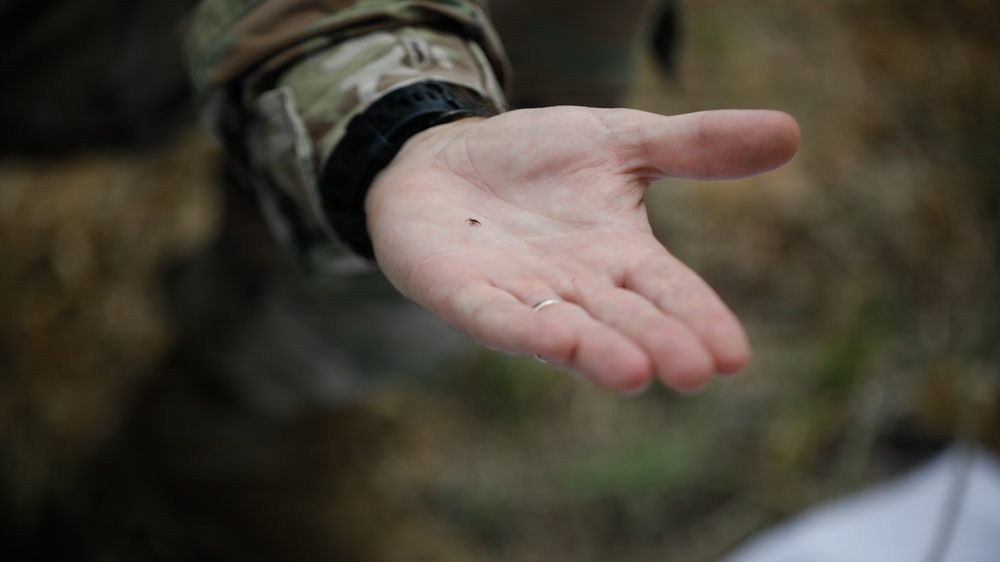
He said Nigeria is now facing a convergence of threats — climate change, antimicrobial resistance, and emerging zoonotic diseases — all of which are intensifying the connection between animal, human, and environmental health.
According to Dr. Arokoyo, the world has fully entered a One Health era, where disease outbreaks no longer respect traditional boundaries. “Infections move faster now between animals and humans and environmental pressures are accelerating that transmission,” he warned, adding that veterinarians are increasingly central to outbreak detection, vaccination campaigns, food inspection, and pandemic prevention.
He said despite this expanding responsibility, veterinary services remain underfunded,underrepresented, and structurally weak within national planning systems.
One of the most urgent concerns raised is Nigeria’s lack of reliable livestock and animal health data — a gap the NVMA says is undermining both economic planning and disease control.
Dr. Arokoyo called for an overdue national livestock census, warning that without structured data, policy decisions are being made in the dark.
“If it is not measured, it does not exist in policy,” he said, noting that vaccination coverage, outbreak responses, and meat inspection outcomes are rarely documented in a way that attracts funding or reforms.
He described this as a silent crisis — one that weakens advocacy for investment and leaves critical gaps in national preparedness.
The president also raised concern over the fragmentation of Nigeria’s health and food safety systems, warning that siloed institutions are reducing the country’s ability to respond to crises.
He called for stronger integration of veterinary services into national emergency response frameworks, One Health coordination platforms, and policy development structures.
“Together everyone achieves more. Modern health threats require coordinated action across human, animal, and environmental sectors.”
While acknowledging progress in digital disease reporting, genomic epidemiology, portable diagnostics, and tele-veterinary services, the association warned that innovation without regulation could deepen existing risks.
The president raised alarm over rising cases of quackery and misuse of veterinary drugs, particularly antibiotics, warning that this could accelerate antimicrobial resistance — a global threat that could make common infections untreatable in both animals and humans.
“This is not just a veterinary issue. It is a national survival issue,” Dr. Arokoyo warned.
A profession calling for survival investment
Despite its critical importance, the NVMA says the sector continues to suffer structural neglect, calling for full implementation of the National Veterinary Policy, improved staffing at state and local government levels, and sustained funding for vaccination programmes, abattoir rehabilitation, and disease surveillance systems.
He warned that failure to act will deepen Nigeria’s exposure to preventable outbreaks, food insecurity, and massive economic losses in the livestock sector — one of the country’s largest agricultural assets.