Canada Soy Sauce Market 2026 Analysis and Forecast to 2035
Executive Summary
Key Findings
- Canada’s soy sauce market is structurally import-dependent, with over 90 % of domestic consumption supplied by producers in Japan, China, Thailand, and the United States; the remaining small fraction comes from a handful of local brewers and blenders concentrated in British Columbia and Ontario.
- Demand is expanding at an estimated 3–5 % annually in volume terms, supported by growing mainstream acceptance of Asian cuisine, rising ethnic population, and foodservice innovation in sauces and marinades that use soy sauce as a base ingredient.
- The premium and specialty segments—including organic, tamari (gluten‑free), and traditionally brewed artisanal variants—are growing at roughly twice the rate of the mass‑market economy tier, reflecting consumer willingness to trade up for authentic, clean‑label, and low‑sodium profiles.
Market Trends
- A sustained pivot toward lower‑sodium and reduced‑salt formulations is reshaping product development; major national brands have introduced “less sodium” lines, and private‑label retailers are reformulating their house‑brand soy sauces to meet Health Canada’s voluntary sodium reduction targets for 2025–2030.
- Foodservice and industrial use (marinades, stir‑fry sauces, ready‑meal flavour systems) now accounts for an estimated 45–50 % of total Canadian soy sauce volume, driven by chain restaurant expansion and the growing popularity of Asian‑inspired fast‑casual concepts.
- E‑commerce and specialty online Asian grocers have captured an increasing share of household purchases, particularly for imported premium brands and large‑format multi‑packs, reducing the historical dominance of mainstream brick‑and‑mortar retailers.
Key Challenges
- Supply chain volatility for raw soybeans and wheat—both subject to North American weather events, freight costs, and tariff uncertainties—creates periodic price spikes that squeeze margins for domestic blenders and private‑label contract packers.
- The long fermentation cycle (6–18 months) required for traditionally brewed premium soy sauce limits the ability of Canadian suppliers to rapidly scale authentic product volumes; most local capacity is geared toward continuous‑process hydrolysed (non‑brewed) sauces.
- Regulatory complexity around gluten‑free labelling and “naturally brewed” claims, combined with differing standards between Canada, the U.S., and the EU, creates compliance costs for importers and makes it difficult for smaller domestic producers to compete on label integrity.
Market Overview
Canada’s soy sauce market sits within the broader savoury sauces and condiments category, characterised by a mature consumption base with moderate per‑capita growth driven by demographic and culinary shifts. The product is a staple in household pantries and commercial kitchens alike, used primarily as a dipping sauce, seasoning, and ingredient in marinades, stir‑fries, and processed foods. The market is dominated by two distinct supply models: imported traditionally brewed shoyu and tamari from Asia (principally Japan and China) and lower‑cost non‑brewed hydrolysed soy sauce produced domestically or imported from the United States. A small but growing segment of organic and premium Canadian‑branded soy sauce is also emerging, often produced under contract by local co‑packers using imported raw materials or base liquid.
The Canadian retail landscape for soy sauce is bifurcated between mainstream grocery channels—where private‑label economy brands compete alongside mass‑market national labels—and specialty/ethnic stores that import a wider variety of regional styles. Foodservice buyers, including quick‑service restaurant chains, casual dining, and institutional caterers, often purchase soy sauce in bulk (5–20 litre containers) through broadline distributors such as Sysco and Gordon Food Service, with private‑label and unbranded industrial grades representing a meaningful share of the volume.
Market Size and Growth
Without publishing an absolute market value, the Canadian soy sauce market can be characterised as a sub‑$200 million (retail and foodservice combined) segment that has grown at a compound annual rate of 3–5 % over the past five years. Volume growth has been marginally above population growth, sustained by increased per‑capita usage in households that routinely cook Asian dishes and by the expansion of Asian‑themed menus across all restaurant tiers. The retail component accounts for roughly 55–60 % of value but a smaller share of volume, because foodservice purchases are often sold in larger, lower‑priced units. Forecasts indicate that volume growth will remain in the mid‑single digits through 2035, with value growth reaching 4–6 % annually as the premium mix expands.
Key macro drivers include Canada’s steadily rising share of residents of Asian heritage (now about 20 % of the population, concentrated in Ontario, British Columbia, and Alberta), higher home‑cooking frequency among younger cohorts, and the ongoing mainstreaming of flavours such as teriyaki, yakisoba, and Korean fried chicken—all of which rely heavily on soy sauce as a base. The Canadian dollar’s relative weakness against the Japanese yen and Chinese renminbi has gradually increased the landed cost of imported premium products, encouraging some buyers to trade down to domestic private‑label or American‑sourced non‑brewed alternatives, but the overall trend still favours premium segments because taste and authenticity command loyalty in the category.
Demand by Segment and End Use
By product type, traditionally brewed (fermented) soy sauce represents an estimated 60–65 % of retail volume, while non‑brewed (hydrolysed or blended) soy sauce accounts for 30–35 % of volume, concentrated in lower‑price tiers and bulk foodservice packs. Tamari (gluten‑free, made with little or no wheat) holds a small but rapidly expanding share of approximately 5–8 % of retail, driven by celiac and gluten‑sensitivity markets and the clean‑label movement. Organic and natural variants, often brewed or tamari, command a premium price but remain under 10 % of volume; however, they are growing at an estimated 8–12 % annually.
In application terms, tabletop/dipping use makes up roughly 25 % of volume, cooking/seasoning (household) 30 %, and foodservice/industrial ingredient use the remaining 45 %. The foodservice share is expected to climb modestly as restaurant chains continue to incorporate soy‑based sauces in marinades, dressings, and stir‑fry bowls.
End‑use sectors beyond retail and foodservice include food manufacturing (ready‑meals, snack flavours, sauce kits) and institutional catering (hospitals, schools, corporate cafeterias). Food manufacturers often purchase custom blends in intermediate bulk containers, which creates a stable demand floor but lower margins per litre. The household/retail segment is further divided between mass‑market products sold at low price points and premium/specialty offerings that trade on origin, fermentation method, and packaging aesthetics. Private‑label soy sauce has gained shelf space in major grocery banners, particularly in the economy and mid‑tier value segments, capturing an estimated 15–20 % of retail volume in 2025, up from 12 % five years earlier.
Prices and Cost Drivers
Retail pricing in Canada spans several distinct layers. Ultra‑value economy private‑label soy sauce (typically non‑brewed, in 500 ml polyethylene bottles) retails for approximately C$2.00–C$3.50 per unit. Mass‑market national brands such as Kikkoman’s All‑Purpose (brewed) sell for C$4.00–C$5.50. Mid‑tier specialty and organic brands, including San‑J Tamari or local organic offerings, are priced in the C$6.00–C$9.00 range. Premium imported artisanal soy sauces—small‑batch, aged, or containing regional ingredients—can reach C$12.00–C$18.00 for a 350 ml bottle. Bulk foodservice pricing averages C$1.20–C$2.50 per litre for non‑brewed grades and C$2.50–C$4.00 per litre for brewed, depending on volume and contract terms.
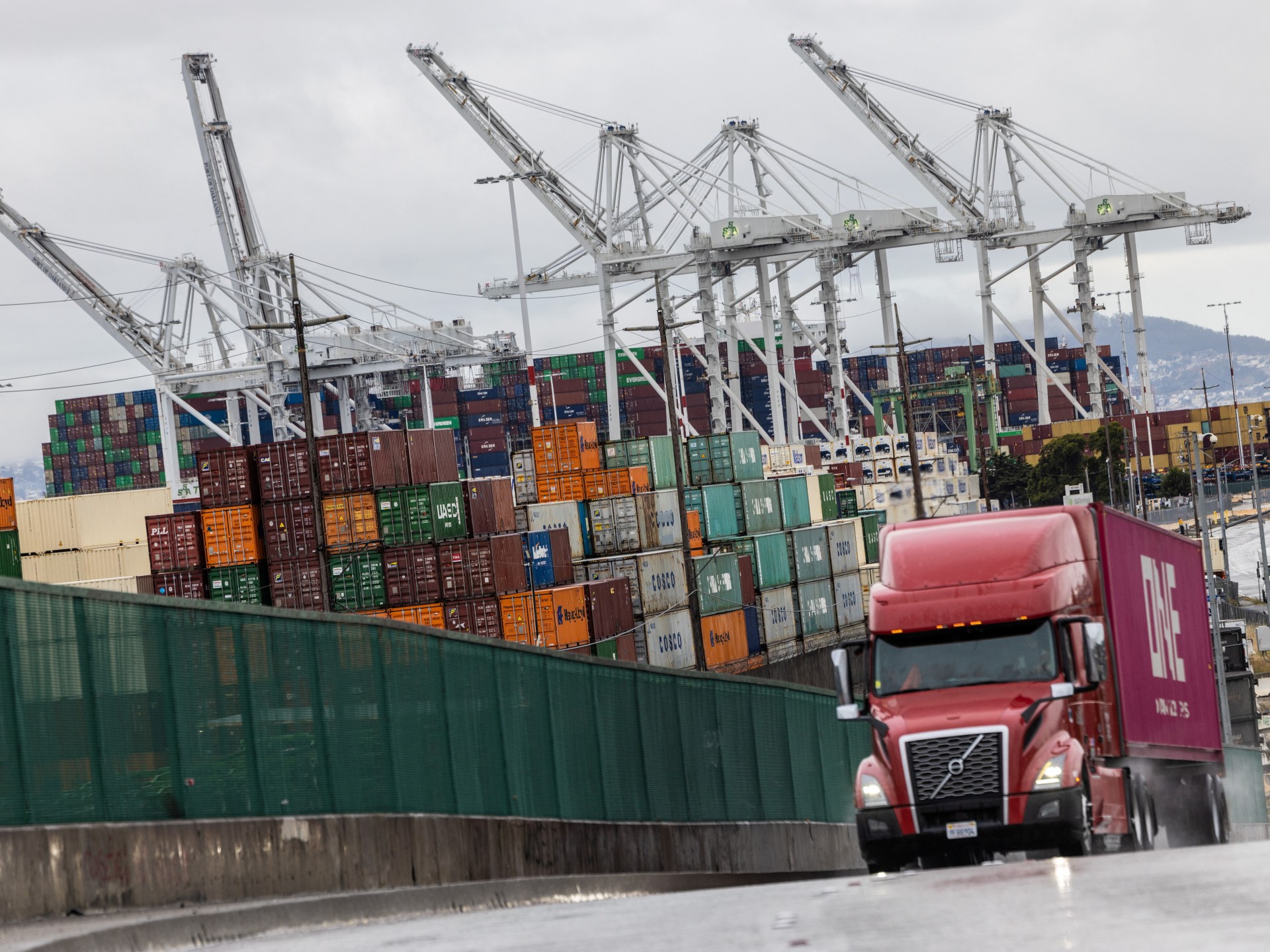
Cost drivers are dominated by raw material prices (soybeans, wheat, salt) and energy costs for fermentation and pasteurisation. Soybean prices, influenced by North American harvests and global trade flows, have been volatile; a 15–20 % swing in soybean meal costs can directly affect the input cost for both brewed and hydrolysed production. Import logistics—ocean freight, container availability, and port handling—add 10–15 % to landed cost for Asian‑sourced soy sauce. Domestic producers and blenders face additional pressure from glass and PET packaging costs, which rose sharply in 2021–2024 and remain elevated.
Exchange rates are a further layer: the Canadian dollar’s depreciation against the yen has made Japanese imports relatively more expensive, narrowing the price gap with domestic competitors and tilting some buyers toward American or Chinese sourced products.
Suppliers, Manufacturers and Competition
The Canadian soy sauce market is served by a mix of global category leaders, regional brand houses, and private‑label specialists. Kikkoman (Japan) is the dominant brand, commanding an estimated leading share of retail brewed‑soy‑sauce sales through its All‑Purpose and less‑sodium lines, distributed via major grocers and foodservice channels. Yamasa, Lee Kum Kee, and Pearl River Bridge are also present, with Lee Kum Kee particularly strong in Chinese‑style light and dark soy sauces.
San‑J (USA) leads the tamari and gluten‑free segment, while smaller premium importers such as Ohsawa (Japan) and Clearspring (UK) serve natural and organic retailers. On the domestic front, a handful of Canadian producers operate: Ontario‑based Soy Sauce Canada (Toronto) produces brewed and halal‑certified soy sauce; British Columbia‑based Island Soy Company makes small‑batch craft tamari; and several private‑label co‑packers (e.g., Shibata Foods in Vancouver) supply economy‑tier products for grocery banners.
Competition is moderate to high, with brand loyalty strongest in the premium/brewed segment. Private‑label expansion has squeezed margins for mid‑tier national brands but has not eroded the premium tier, where import authenticity and fermentation provenance justify higher price points. Foodservice contracts are often awarded on price and consistency; here, non‑brewed products from large American suppliers (e.g., La Choy, a Conagra brand, or House of Tsang) compete directly with brewed imports. The market is not heavily concentrated: the top three suppliers by value share likely account for 40–50 % of retail sales, with the remainder split among dozens of importers, distributors, and small producers.
Domestic Production and Supply
Canada’s domestic soy sauce production is modest in volume and skewed toward non‑brewed (hydrolysed) or blended styles, with a small niche of traditionally brewed craft soy sauce. Commercial‑scale domestic production is located primarily in Ontario and British Columbia, near major population centres and port access for imported raw materials. The total domestic output is estimated at less than 10 % of national consumption—approximately 3–5 million litres annually—with the vast majority destined for private‑label retail and bulk foodservice.
Domestic producers rely on imported soybeans (mostly from the United States and sometimes Brazil) and wheat from the Canadian Prairies, although food‑grade soybean supply for soy sauce is a distinct crop channel not always available domestically in sufficient volume. Salt, a key ingredient, is sourced from Canadian mines (Windsor, Ontario) with adequate supply.
Brewing capacity is constrained by the long fermentation times required for traditional soy sauce; most domestic “brewed” products are actually accelerated fermentations or blends of hydrolysed liquid with brewed concentrate. A few small artisanal brewers operate with fermentation cycles of 6–18 months, but their scale is limited to a few hundred thousand litres per year. The absence of a large‑scale Japanese‑style koji room infrastructure means that truly premium traditionally brewed soy sauce cannot be produced cost‑effectively in Canada; thus, premium demand is almost entirely met by imports. Domestic supply is therefore concentrated in the economy and mid‑tier segments, leaving the high‑value end of the market to foreign producers.
Imports, Exports and Trade
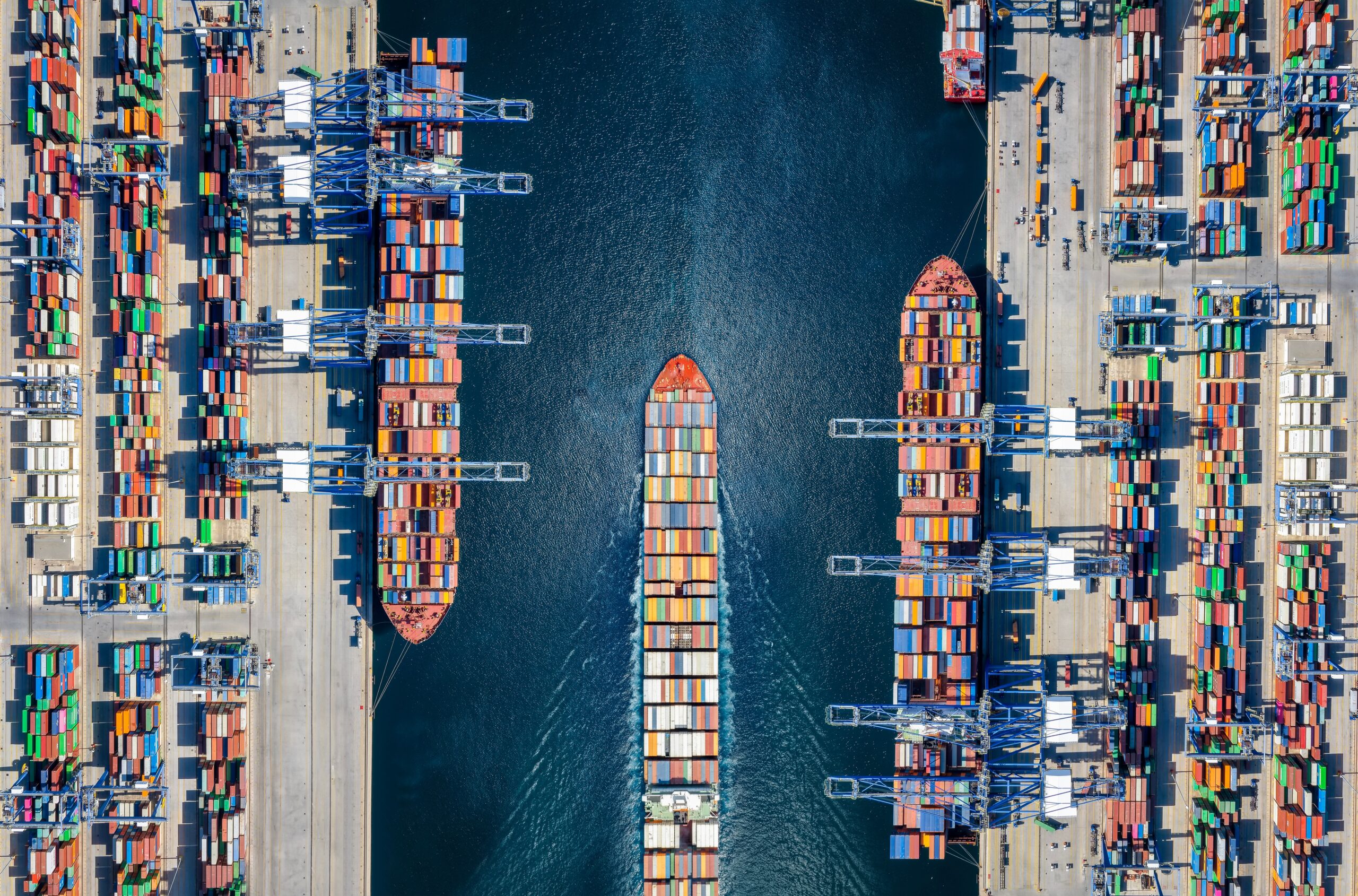
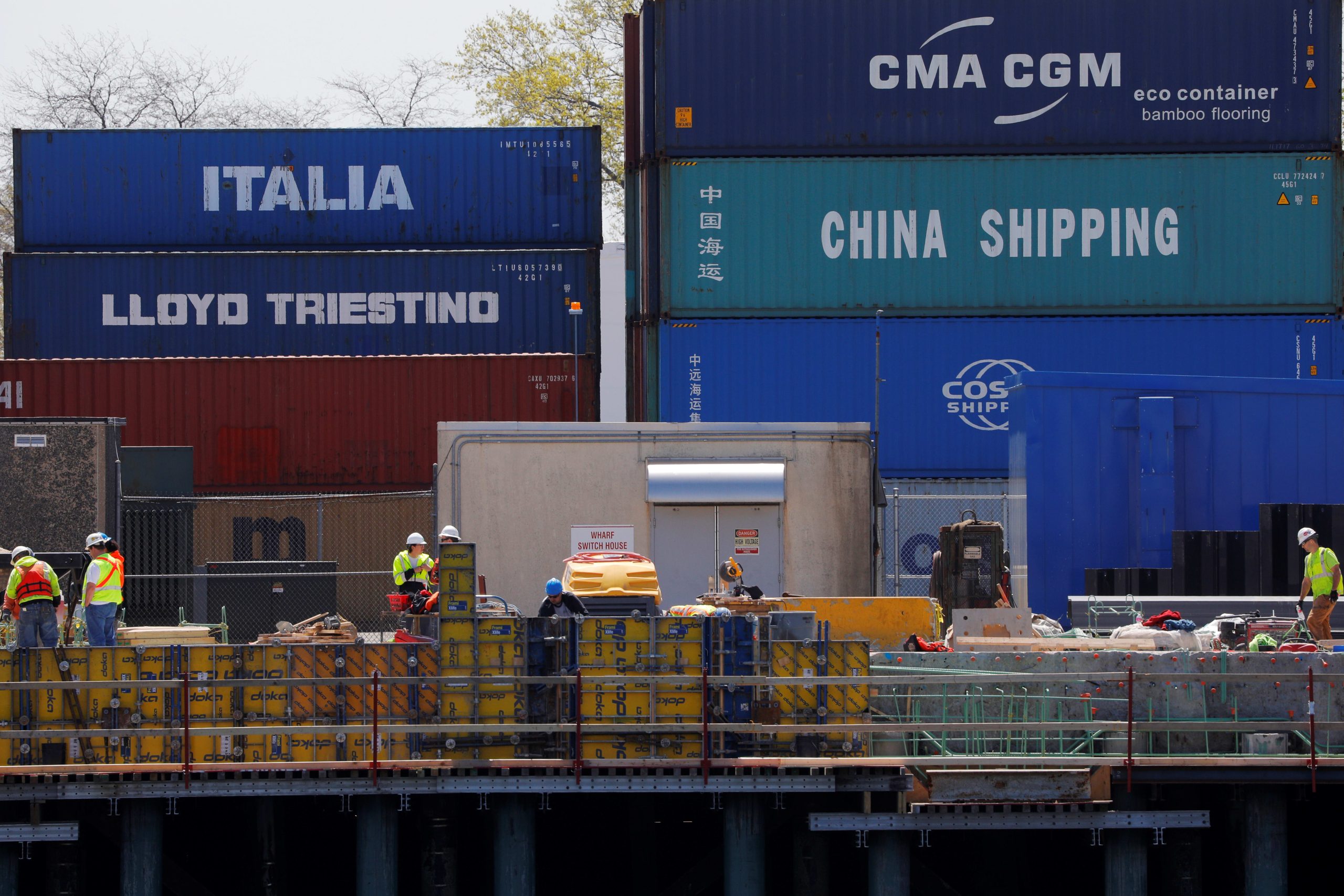
Imports dominate Canada’s soy sauce supply, accounting for an estimated 90–95 % of total volume. The leading sources are Japan (brewed shoyu and specialty variants), China (both brewed and non‑brewed, often in bulk for industrial use), Thailand (brewed at competitive prices), and the United States (non‑brewed and mass‑market brands).
Under HS codes 2103.10 (soy sauce) and 2103.90 (sauces and preparations), Canada applies most‑favoured‑nation tariffs of 8–12 % ad valorem, though imports from countries with free‑trade agreements—including the United States (CUSMA), South Korea (CKFTA), and Japan (CPTPP)—may qualify for preferential rates or duty‑free treatment. Importers must comply with CFIA labelling requirements, which include bilingual (English/French) ingredient lists, net quantity, and nutrition facts. The logistical gateways are the ports of Vancouver and Prince Rupert for Asian shipments and the Ontario border crossings for U.S.‑sourced products.
Exports are negligible: Canadian‑produced soy sauce is occasionally shipped to the United States or other countries for ethnic retailers, but volumes are small and inconsistent. The trade balance for soy sauce is therefore heavily negative, with imports (valued at roughly C$60–80 million per year in aggregate) far exceeding export value. Canadian soy sauce trade data show a stable pattern—rising slowly with consumption—with no major trade policy disruptions expected beyond potential tariff adjustments if Canada‑China trade relations shift. The availability of multiple source countries provides supply resilience, though geopolitical tensions or container shipping disruptions could temporarily tighten availability for certain imported styles.
Distribution Channels and Buyers
Soy sauce reaches Canadian buyers through three primary distribution channels. Retail grocery (including supermarket chains, hypermarkets, and discount stores) accounts for about 50 % of value, with national banners such as Loblaws, Sobeys, Metro, and Walmart carrying a core selection of mass‑market brewed and non‑brewed brands, plus expanding private‑label offerings. Specialty grocery (Asian supermarkets like T&T, H Mart, and smaller independent ethnic grocers) holds another 20–25 % of retail value, offering a much wider assortment of regional and premium imports. E‑commerce, including Amazon Canada and online Asian grocery platforms, has grown to an estimated 8–10 % of retail volume, driven by convenience and the ability to access imported varieties not stocked in mainstream stores.
Foodservice distribution is dominated by broadline distributors (Sysco Canada, Gordon Food Service, GFS Canada) that supply restaurants, hotels, and institutions. Many foodservice operators purchase soy sauce through these distributors under branded or proprietary labels. Industrial buyers, such as food manufacturers producing marinades, sauces, and ready‑meals, often negotiate directly with importers or domestic blenders for bulk volumes (totes, drums, or bag‑in‑box containers). The buyer base includes household consumers (price‑sensitive for economy tiers, loyal to brewed for cooking), foodservice chefs (value consistency and flavour intensity), and ingredient procurement managers (focus on cost, specification compliance, and supply reliability).
Regulations and Standards
Soy sauce sold in Canada is regulated under the Food and Drugs Act and the Safe Food for Canadians Act, enforced by the Canadian Food Inspection Agency (CFIA). Key requirements include accurate ingredient declaration, allergen labelling (wheat, soy), nutrition facts, and net quantity. Products making “brewed” or “naturally brewed” claims must meet manufacturing standards consistent with industry expectations; there is no formal Canadian standard of identity for soy sauce, but CFIA expects that a product labelled “soy sauce” be a liquid seasoning derived from soybeans, with or without wheat. Products labelled “tamari” must be gluten‑free or derived from soybeans without wheat; any gluten‑free claim must comply with Health Canada’s <22 ppm threshold.
Sodium content is a growing regulatory focus: Health Canada’s voluntary sodium reduction targets (2020–2030) call for a 10–15 % reduction in average sodium levels in condiments, including soy sauce. Many importers and domestic producers have responded by launching “less sodium” variants (typically containing 40–50 % less sodium than regular). Organic certification is overseen by the Canadian Organic Standards, accredited by the CFIA; imported organic soy sauce must be certified by a CFIA‑recognised body.
No geographical indication protection exists for soy sauce in Canada, meaning terms like “Japanese Shoyu” or “Chinese Jiangyou” are used descriptively, although some premium importers voluntarily follow Japanese Agricultural Standards (JAS) for authenticity. Tariff and trade‑agreement rules affect landed costs, as noted, but do not impose product‑specific non‑tariff barriers beyond standard food safety inspections.
Market Forecast to 2035
Over the 2026–2035 period, Canada’s soy sauce market is expected to continue its moderate growth trajectory, with volume expanding by 30–50 % from 2025 levels—equivalent to a compound rate of roughly 3–4 % per year. Value growth will be slightly faster, at 4–6 % per year, as the premium mix (organic, tamari, artisanal brewed) gradually gains share from economy non‑brewed tiers. By 2035, premium and specialty segments could account for 25–30 % of retail value, up from an estimated 15–18 % in 2025. Foodservice volumes are projected to outperform retail, driven by continued expansion of Asian‑fusion and “global comfort food” restaurant concepts, particularly in quick‑service and fast‑casual formats. The foodservice segment’s share of total volume may rise from 45 % to over 50 % by 2035.
Demographic tailwinds remain favourable: the Canadian population is projected to grow to nearly 45 million by 2035, with the Asian‑heritage share rising to over 25 %, supporting sustained demand. However, headwinds include potential health‑driven reduction in sodium consumption per capita, economic downturns that could drive trade‑downs to private label, and environmental packaging regulations that may accelerate a shift away from single‑use glass and plastic bottles. Domestic production will likely remain a small fraction of supply, though local craft producers will find a loyal following among foodies and organic buyers.
Imports, particularly from Japan and China, will continue to satisfy the majority of demand; any major trade policy change (e.g., tariff increases on Chinese goods) could redirect sourcing toward Southeast Asian or American suppliers, but the overall import dependence will persist.
Market Opportunities
Several structural opportunities exist for market participants. The most notable is the premiumisation of the category, especially for tamari, organic, and traditionally aged soy sauces. Canadian consumers increasingly seek “clean label” products with minimal additives, and soy sauce manufacturers can differentiate by highlighting fermentation heritage, non‑GMO ingredients, and transparent sourcing. Retailers are expanding their private‑label premium tiers, creating an opening for co‑packers to supply organic or brewed products at a price point between mass‑market and imported artisanal.
Another opportunity lies in health‑repositioned products: low‑sodium, reduced‑salt, and potassium‑enriched soy sauces can capture consumers seeking to reduce sodium intake without sacrificing flavour, particularly among older demographics and households managing hypertension.
In the foodservice channel, the growth of “ghost kitchens” and delivery‑optimised menu items has increased demand for all‑purpose sauces that serve as marinades, glazes, and dips. Suppliers that can offer customised formulations (e.g., sugar‑reduced, allergen‑free, or flavour‑infused soy sauces) in single‑serve or small packages could capture a profitable niche. For new entrants, the Canadian market is open but not crowded in the premium craft space; a brewery‑style “craft soy sauce” model, with local identity and education‑focused marketing, could resonate with food‑centric consumers in metropolitan areas.
Finally, e‑commerce and direct‑to‑consumer models enable smaller brands to bypass traditional retail listings, using online channels to build a following for limited‑edition or seasonal soy sauces—a strategy that is already being tested by a few micro‑brewers in Ontario and British Columbia and could gain scale over the forecast period.
This report is an independent strategic category study of the market for soy sauce in Canada. It is designed for brand owners, general managers, category leaders, trade-marketing teams, e-commerce teams, retail partners, distributors, investors, and market entrants that need a clear read on where growth sits, which brands control the category, how pricing and promotion shape demand, and which channels matter most for scale and margin.
The framework is built for packaged food condiment markets within consumer goods, where performance is driven by need states, shopper missions, brand hierarchies, price-pack architecture, retail execution, promotional intensity, and route-to-market control rather than by a narrow technical specification alone. It defines soy sauce as A liquid condiment made from fermented soybeans, wheat, salt, and water, used primarily as a seasoning and flavor enhancer in cooking and at the table and maps the market through category boundaries, consumer segments, usage occasions, channel structure, brand and private-label positions, supply and availability logic, pricing and promotion mechanics, and country-level commercial roles. Historical analysis typically covers 2012 to 2025, with forward-looking scenarios through 2035.
What questions this report answers
This report is designed to answer the questions that matter most to brand, category, channel, and strategy teams in consumer-goods markets.
- Where category growth and margin pools really sit: how large the market is, which segments are growing, and which parts of the category carry the strongest commercial upside.
- What the category actually includes: where the scope boundary should be drawn relative to adjacent products, substitute baskets, and wider household or personal-care routines.
- Which commercial segments matter most: how the category should be cut by format, need state, shopper occasion, price tier, pack architecture, channel, and brand position.
- How shoppers enter, repeat, trade up, and switch: which need states and shopping missions create the strongest value pools, and what drives loyalty versus substitution.
- Which brands control volume, premium mix, and shelf power: how branded players, challengers, and private label differ in scale, positioning, channel strength, and claims authority.
- How pricing and promotion really work: how price ladders, pack-price logic, promotions, and channel margin structures shape revenue quality and competitive intensity.
- How supply and route-to-market affect performance: where manufacturing, private label, fulfillment, replenishment, and on-shelf availability create advantage or risk.
- Which countries and channels matter most for growth: where to build brand power, where to source or manufacture, and where the next wave of category expansion is likely to come from.
- Where the best white-space opportunities are: which segments, countries, channels, and assortment gaps are most attractive for entry, expansion, or portfolio repositioning.
What this report is about
At its core, this report explains how the market for soy sauce actually works as a consumer category. It is built to show where demand comes from, which need states and shopper missions matter most, which brands and private-label players shape the category, which channels control visibility and conversion, and where pricing power, repeat purchase, and margin are actually created.
Rather than framing the category through narrow technical attributes, the study breaks it into decision-grade commercial layers: product format, benefit platform, shopper segment, purchase occasion, pack-price architecture, channel environment, promotional intensity, route-to-market control, and company archetype. It is therefore useful both for teams shaping portfolio strategy and for teams executing growth through Household Consumers, Foodservice Chefs & Purchasers, Food & Beverage Manufacturers, and Grocery Retailers & Distributors.
The report also clarifies how value pools differ across Marinades, Stir-fries, Dipping sauces, Soup and broth seasoning, Meat and vegetable seasoning, and Sushi and sashimi accompaniment, how premiumization and private label reshape category economics, how retail concentration and route-to-market design affect scale, and which countries matter most for brand building, sourcing, packaging, and channel expansion.
Research methodology and analytical framework
The report is based on an independent market-intelligence methodology that combines category reconstruction, public company evidence, retail and channel mapping, pricing review, and multi-layer triangulation. It is built for consumer categories where no single public dataset captures the real structure of demand, brand power, promotion, and channel control.
The evidence stack typically combines company disclosures, investor materials, brand and retailer product pages, e-commerce assortment checks, packaging and claims analysis, public pricing references, trade statistics where relevant, regulatory and labeling guidance, and observable route-to-market evidence from distributors, retailers, merchandisers, and marketplace ecosystems.
The analytical model then reconstructs the category across the layers that matter commercially: category scope, shopper need states, consumer segments, pack-price ladders, brand and private-label hierarchy, channel power, promotional intensity, route-to-market design, and country role differences.
Special attention is given to Growth in Asian cuisine consumption globally, Home cooking trends and flavor exploration, Demand for authentic ethnic ingredients, Health trends (low-sodium, organic, clean label), and Expansion of foodservice and ready-meal sectors. The objective is not only to size the market, but to explain where value pools sit, which segments drive mix and repeat purchase, which channels shape growth, and how leading brands defend or expand their positions across Household Consumers, Foodservice Chefs & Purchasers, Food & Beverage Manufacturers, and Grocery Retailers & Distributors.
The report does not rely on survey-based opinion as its core evidence base. Instead, it uses observable commercial signals and structured public evidence to build a decision-grade view for brand, category, retail, e-commerce, investment, and market-entry teams.
Commercial lenses used in this report
- Need states, benefit platforms, and usage occasions: Marinades, Stir-fries, Dipping sauces, Soup and broth seasoning, Meat and vegetable seasoning, and Sushi and sashimi accompaniment
- Shopper segments and category entry points: Household/Retail, Foodservice (Restaurants, QSR), Food Manufacturing (as an ingredient), and Institutional Catering
- Channel, retail, and route-to-market structure: Household Consumers, Foodservice Chefs & Purchasers, Food & Beverage Manufacturers, and Grocery Retailers & Distributors
- Demand drivers, repeat-purchase logic, and premiumization signals: Growth in Asian cuisine consumption globally, Home cooking trends and flavor exploration, Demand for authentic ethnic ingredients, Health trends (low-sodium, organic, clean label), and Expansion of foodservice and ready-meal sectors
- Price ladders, promo mechanics, and pack-price architecture: Ultra-value/Economy Private Label, Mass-Market National Brands, Mid-Tier Specialty & Organic, Premium Imported & Artisanal, and Prestige/Kuro (dark) & Aged Variants
- Supply, replenishment, and execution watchpoints: Seasonal and quality variability of soybean/wheat crops, Long fermentation times for traditional premium products, High salt content logistics and regulations, Glass/PET packaging supply and cost volatility, and Competition for fermentation capacity
Product scope
This report defines soy sauce as A liquid condiment made from fermented soybeans, wheat, salt, and water, used primarily as a seasoning and flavor enhancer in cooking and at the table and treats it as a branded consumer category rather than as a narrow technical product class. The objective is to capture the real commercial market that category, brand, trade-marketing, and channel teams are managing.
Scope is determined by how the category is sold, merchandised, priced, and chosen in market. That means the report follows product formats, claims, price tiers, pack architecture, need states, and retail environments that shape Marinades, Stir-fries, Dipping sauces, Soup and broth seasoning, Meat and vegetable seasoning, and Sushi and sashimi accompaniment.
The study deliberately separates the category from adjacent baskets when they distort the economics or shopper logic of the market being measured. Typical exclusions therefore include Soy sauce powder or granules, Soy-based marinades or stir-fry sauces with multiple flavorings, Soy paste (e.g., miso, doenjang), Liquid aminos (marketed as soy sauce alternatives), Pre-mixed seasoning packets containing soy sauce, Fish sauce, Oyster sauce, Hoisin sauce, Teriyaki sauce, Worcestershire sauce, and Amino acid seasoning liquids.
Product-Specific Inclusions
- Brewed soy sauce (fermented)
- Industrial soy sauce (hydrolyzed/acid-hydrolyzed)
- Liquid soy sauce for retail and foodservice
- Tamari (wheat-free)
- Low-sodium variants
- Organic and premium artisanal soy sauce
Product-Specific Exclusions and Boundaries
- Soy sauce powder or granules
- Soy-based marinades or stir-fry sauces with multiple flavorings
- Soy paste (e.g., miso, doenjang)
- Liquid aminos (marketed as soy sauce alternatives)
- Pre-mixed seasoning packets containing soy sauce
Adjacent Products Explicitly Excluded
- Fish sauce
- Oyster sauce
- Hoisin sauce
- Teriyaki sauce
- Worcestershire sauce
- Amino acid seasoning liquids
Geographic coverage
The report provides focused coverage of the Canada market and positions Canada within the wider global consumer-goods industry structure.
The geographic analysis explains local consumer demand conditions, brand and private-label balance, retail concentration, pricing tiers, import dependence, and the country’s strategic role in the wider category.
Geographic and Country-Role Logic
- Production Hubs (China, Japan, Thailand, USA)
- Mature Consumption Markets (East Asia, North America, Western Europe)
- High-Growth Import Markets (Southeast Asia, Latin America, Eastern Europe)
- Raw Material Suppliers (USA, Brazil, Canada for soybeans/wheat)
Who this report is for
This study is designed for strategic and commercial users across brand-led consumer categories, including:
- general managers, brand leaders, and portfolio teams evaluating category attractiveness, pricing power, and whitespace;
- category managers, trade-marketing teams, retail buyers, and e-commerce teams prioritizing assortment, promotion, and channel strategy;
- insights, shopper-marketing, and innovation teams tracking need states, occasions, pack-price ladders, claims, and competitive messaging;
- private-label and contract-manufacturing strategists assessing entry options, retailer leverage, and supply-side positioning;
- distributors and route-to-market teams evaluating country and channel expansion priorities;
- investors and strategy teams benchmarking competitive structure, premiumization, revenue quality, and margin logic.
Why this approach matters in consumer categories
In many brand-driven, channel-sensitive, and consumer-demand-led markets, official trade and production statistics are not sufficient on their own to describe the true market. Product boundaries may cut across multiple tariff codes, several product categories may be bundled into the same official classification, and a meaningful share of activity may take place through customized services, captive supply, platform relationships, or technically specialized channels that are not directly visible in standard statistical datasets.
For this reason, the report is designed as a modeled strategic market study. It uses official and public evidence wherever it is reliable and scope-compatible, but it does not force the market into a purely statistical framework when doing so would reduce analytical quality. Instead, it reconstructs the market through the logic of demand, supply, technology, country roles, and company behavior.
This makes the report particularly well suited to products that are innovation-intensive, technically differentiated, capacity-constrained, platform-dependent, or commercially structured around specialized buyer-supplier relationships rather than standardized commodity trade.
Typical outputs and analytical coverage
The report typically includes:
- historical and forecast market size;
- consumer-demand, shopper-mission, and need-state analysis;
- category segmentation by format, benefit platform, channel, price tier, and pack architecture;
- brand hierarchy, private-label pressure, and competitive-structure analysis;
- route-to-market, retail, e-commerce, and availability logic;
- pricing, promotion, trade-spend, and revenue-quality interpretation;
- country role mapping for brand building, sourcing, and expansion;
- major-brand and company archetypes;
- strategic implications for brand owners, retailers, distributors, and investors.