MSU Institute of Agricultural Technology partners with Kirtland Community College to expand Forest Technology Certificate program
Newest Partnership Brings Career-Ready Forestry Education to north-central Michigan
Michigan State University’s Institute of Agricultural Technology (MSU IAT) is proud to announce Kirtland Community College as its newest community college partner.
Starting in Fall 2026, MSU IAT will offer its Forest Technology certificate program at Kirtland Community College, expanding access to forestry education in northern Michigan. Students enrolled at Kirtland CC will be able to earn an MSU Certificate in Forest Technology while working toward their associate degree, providing a cost-effective pathway into Michigan’s forestry industry.
“MSU is committed to meeting students where they are, and this partnership with Kirtland Community College shows that commitment in action. By bringing the Forest Technology certificate to northern Michigan, we are opening doors for students to access a world-class Spartan education close to home, while preparing for in-demand careers that sustain the region’s forests and communities,” said MSU IAT Director Dr. Jennifer “Jeno” Rivera. “MSU IAT is thrilled to work alongside Kirtland and our industry partners to create flexible, affordable pathways into the forestry workforce for learners across north-central Michigan.”
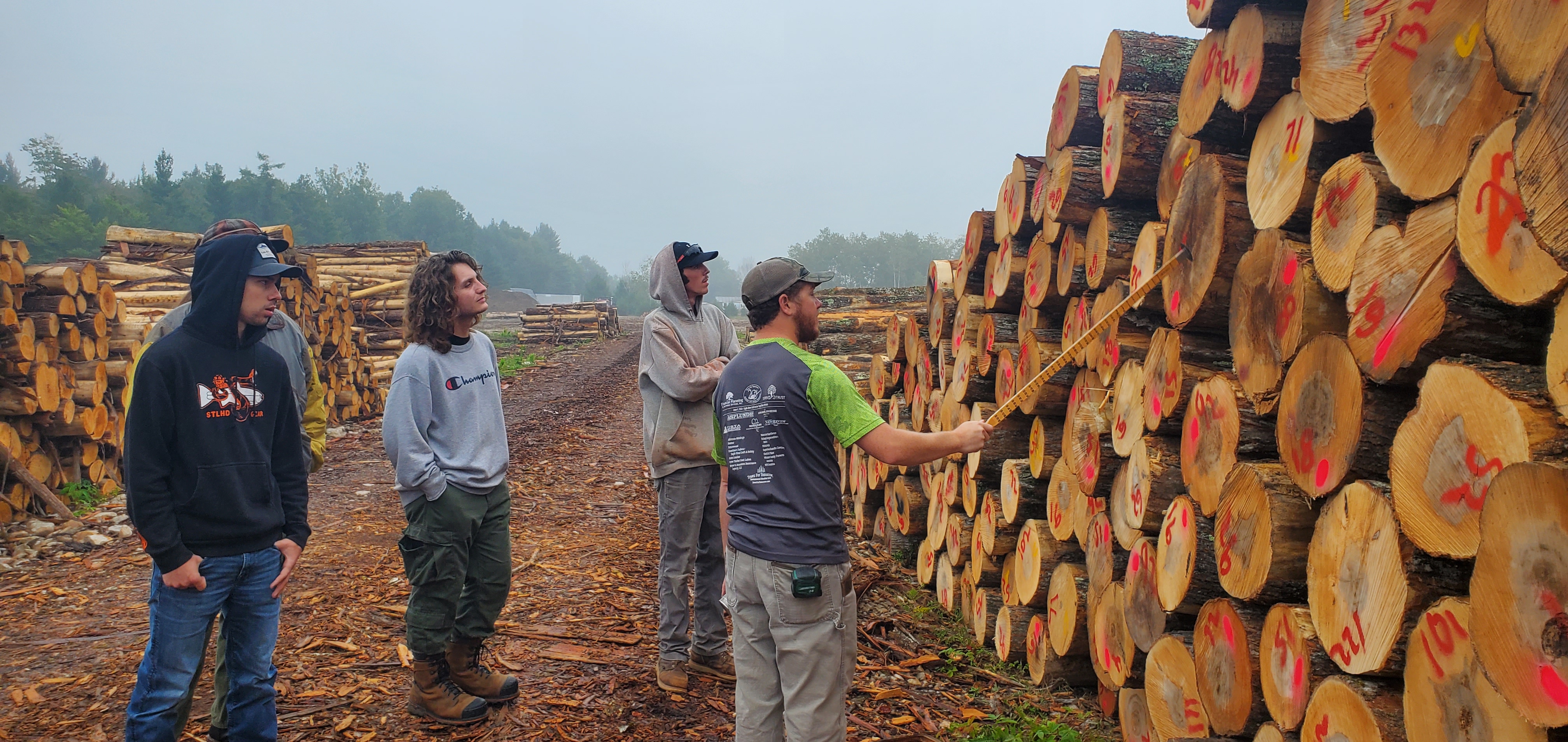
This partnership is part of MSU IAT’s statewide network that brings MSU certificate programs to students at local community colleges, making education accessible and affordable for those completing associate degrees.
The Forest Technology certificate program prepares students with the technical skills and field experience needed to sustainably manage forests in Michigan and beyond. The curriculum blends online and in-person coursework with extensive applied lab and field training.
“Kirtland is very honored to be part of this partnership with MSU,” said Dr. Gary Roberts, President of Kirtland Community College. “We are hopeful that the Forestry Technology program will provide new avenues for our students into higher education and into the workplace. We see this as a benefit all the way around, for the state and for our immediate community.”
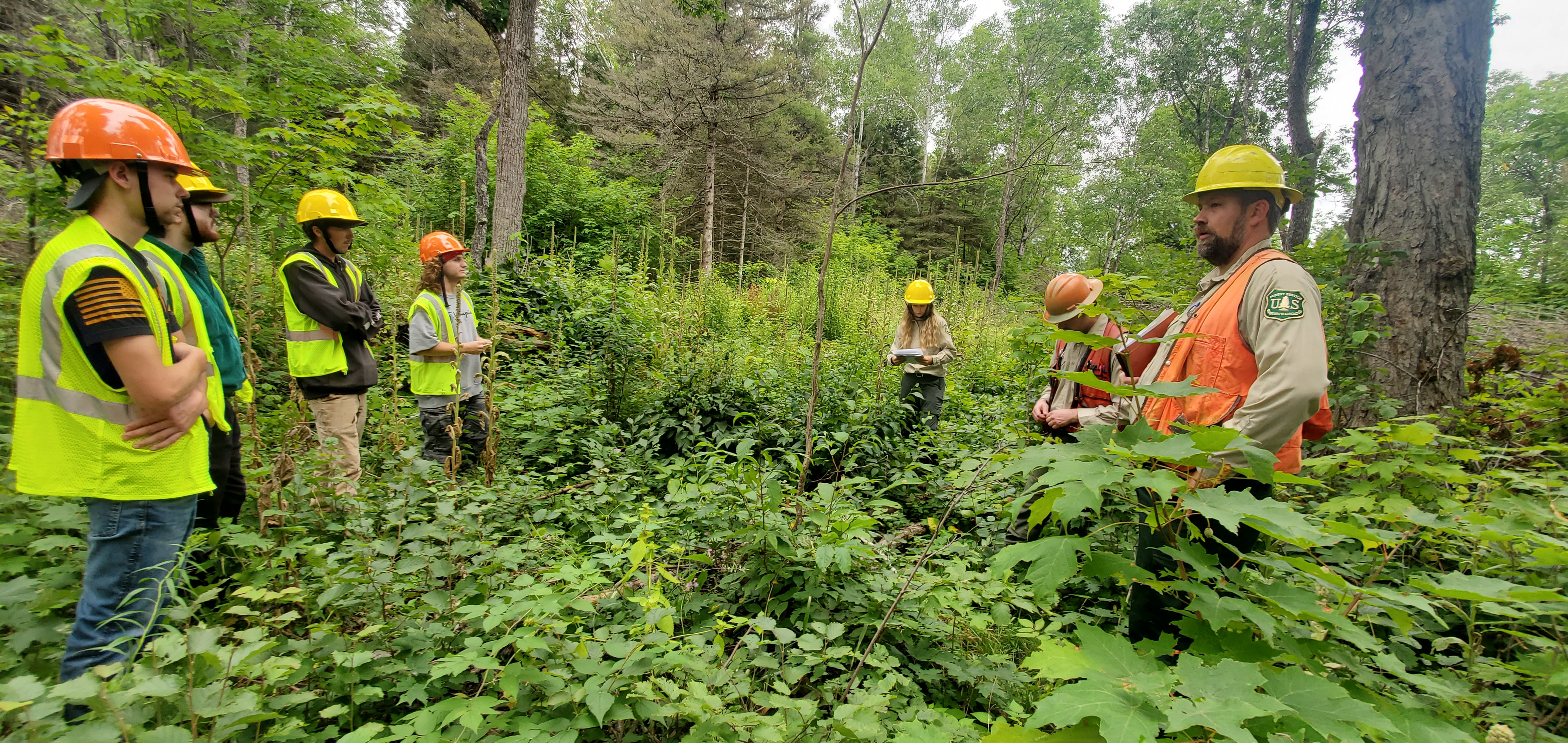
Students learn in the classroom and outdoors, developing competencies in areas such as forest inventory, ecology and timber harvesting operations. They will also participate in field trips and a required internship with local forestry employers, gaining real-world experience and industry connections before graduation. Some of the hands-on program components include:
- Tree identification and forest inventory techniques
- Wildland firefighting and equipment safety training
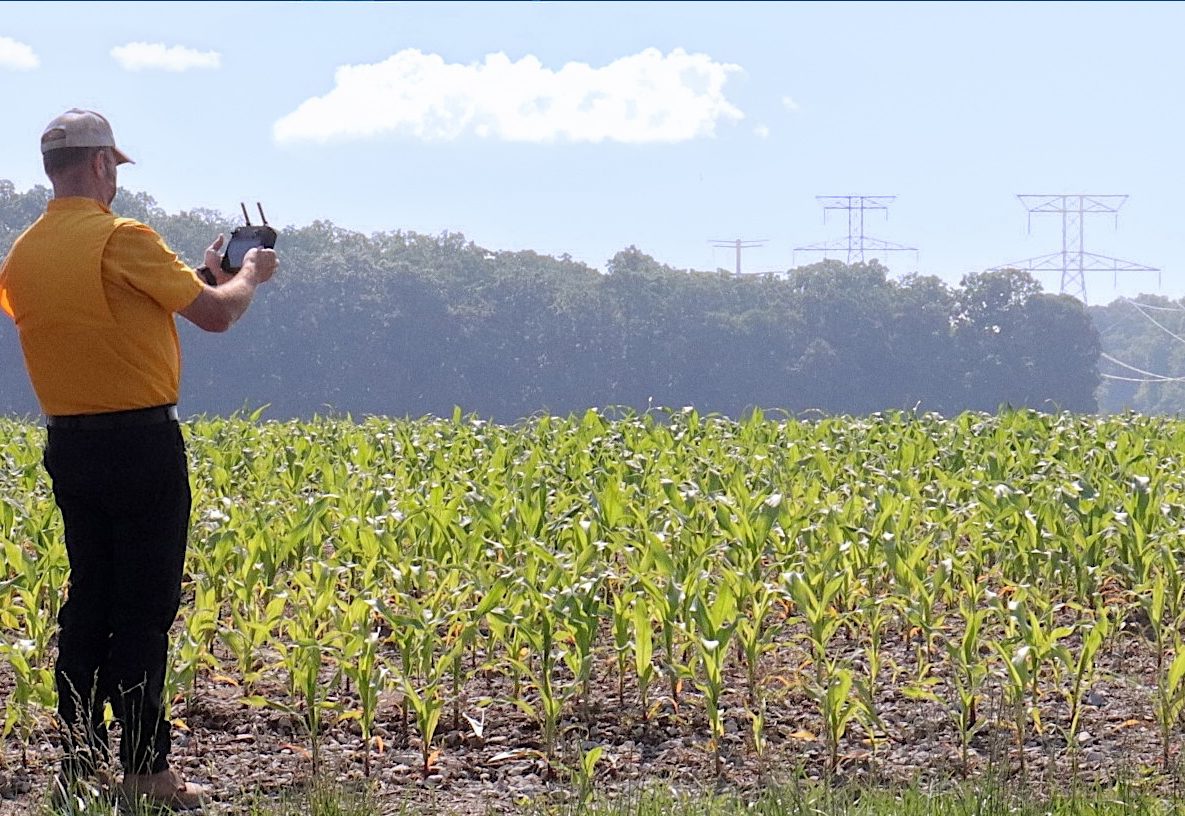
- GIS/GPS and drone technology applications in forestry
- Field trips to forestry businesses and sites
- A paid professional internship with a local forestry employer
Upon completion of the two-year program, students will earn both the MSU Forest Technology certificate and a Kirtland associate degree, positioning them for immediate employment or further education in forestry and natural resources. Career opportunities for graduates span a wide range of growing fields:
- Forest technicians supporting sustainable forest management
- Wildland firefighters and forestry field crew members
- Procurement foresters and logging supervisors
- Forestry consultants assisting landowners and agencies
- Forest products specialists in areas like lumber, paper, or wood manufacturing
“The Forest Technician and Timber Harvesting Operator programs grew out of conversations with community partners who are anticipating future workforce needs in the forestry industry,” said Barb Walden, Dean of Occupational Programs at Kirtland. “Kirtland is excited to develop programs that meet regional demand and provide strong career opportunities for our students.”
This new program at Kirtland comes at a pivotal time for Michigan’s forest sector. Michigan’s forest products industry is a major economic driver, contributing over $26.5 billion annually to the state’s economy. It supports roughly 88,000 jobs across logging, lumber, paper, and furniture manufacturing.
With approximately 20.2 million acres of forest covering about 53% of Michigan, the state faces growing demand for skilled forestry professionals. The expansion of the Forest Technology program to Kirtland directly addresses workforce development needs identified by the forestry industry and employers throughout northern Michigan.
“Our state’s vibrant and robust forestry industry relies on talented, hardworking professionals to safely and responsibly manage and harvest the timber we rely on in Michigan and beyond. Programs like this are integral to ensuring a strong future for forestry, with people who are trained in the critical skills and expertise needed to connect with landowners to provide trusted information on land management,” said Craig Knudson, Michigan Farm Bureau Industry Relations Specialist and Regional Manager. “Having this program at Kirtland Community College is a perfect fit because of its proximity to the state’s forestry industry, which can provide training at the local level in northern Michigan. Our member-driven, grassroots policy has long supported this type of expansion, and we’re thrilled to see it developing.”
Notable recent investments in the region underscore this demand. Arauco, the world’s largest particleboard manufacturer, opened a $450 million production facility in Grayling in 2019, creating approximately 220 jobs and generating substantial additional economic activity in the region.
“In order for the DNR to successfully manage 4 million acres of state forestland, we need skilled people who are well-trained and able to do that. We are excited to see MSU expanding their forest technology certificate program and offering it at the Grayling campus of Kirtland Community College,” said Brenda Haskill, Michigan DNR’s Timber sales and utilization manager.
By offering the Forest Technology certificate in northern Michigan, MSU and Kirtland aim to create a pipeline of job-ready forestry professionals to meet this regional and statewide need.
Recently, Kirtland received a $100,000 state budget allotment to acquire a state-of-the-art forestry harvester simulator, becoming the only institution in Michigan with this technology. This simulator replicates the seat and controls of real timber harvesting equipment, immersing students in a virtual forest environment where they can practice felling and moving trees safely and efficiently.
By partnering with Kirtland Community College, MSU IAT continues its commitment to bringing world-class agricultural and natural resource education to Michigan’s communities. Prospective students in northern Michigan will soon have the opportunity to join a legacy of Spartan forestry excellence — dating back over a century — without leaving their hometowns. With strong support from industry and community leaders, the new Forest Technology program at Kirtland will help ensure Michigan’s forests have a well-trained, innovative workforce for generations to come.
About Michigan State University Institute of Agricultural Technology
The Institute of Agricultural Technology at Michigan State University delivers innovative educational programs that develop career-ready graduates through intensive, practical learning and skill enhancement in agricultural, environmental, and applied technologies. Certificate programs are offered on MSU’s East Lansing campus and in partnership with Michigan community colleges. For more information, visit www.canr.msu.edu/iat.
About Kirtland Community College
Established in 1966, Kirtland Community College is Michigan’s largest community college geographically, serving approximately 65,000 residents across nine counties in north-central Michigan. The college offers 49 degrees and certificates in areas including transfer programs, health sciences, skilled trades, business, and public safety. With campuses in Grayling and Gaylord, Kirtland provides accessible, affordable education with tuition rates approximately one-third the cost of four-year institutions. For more information, visit www.kirtland.edu.