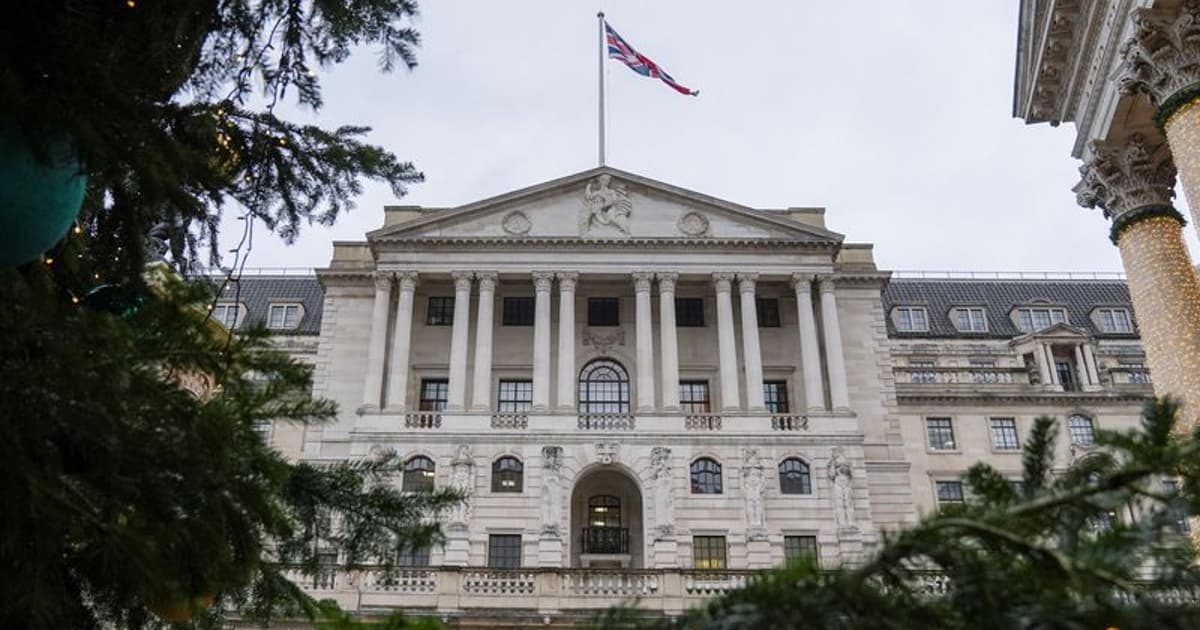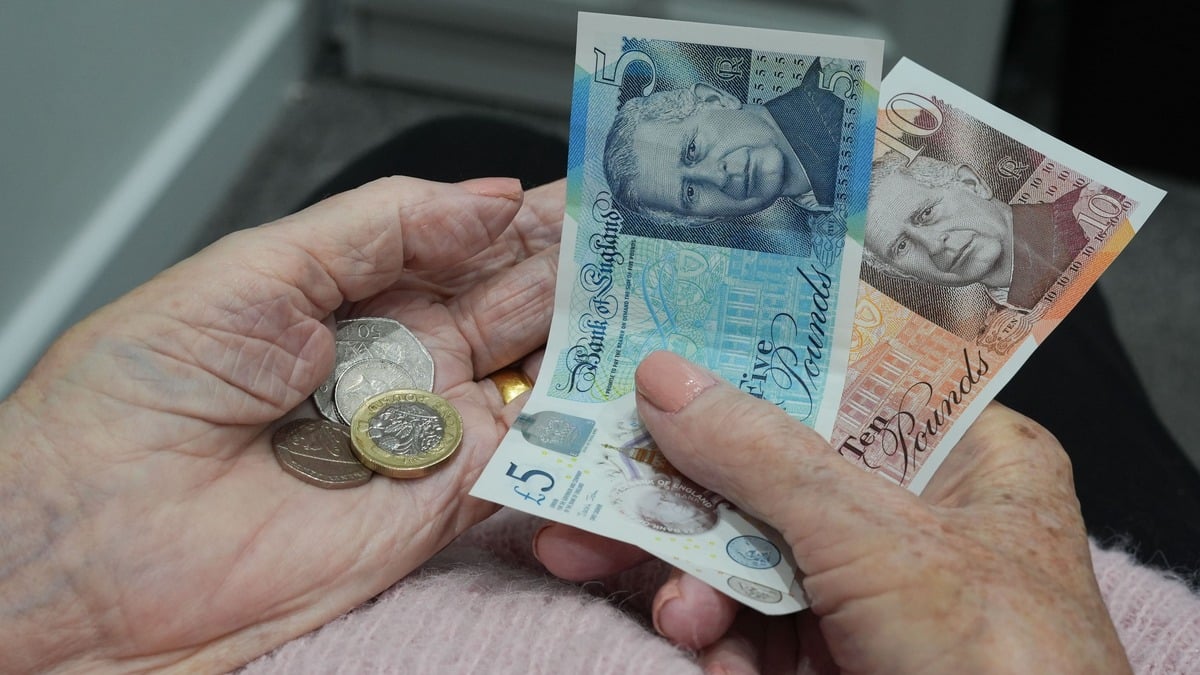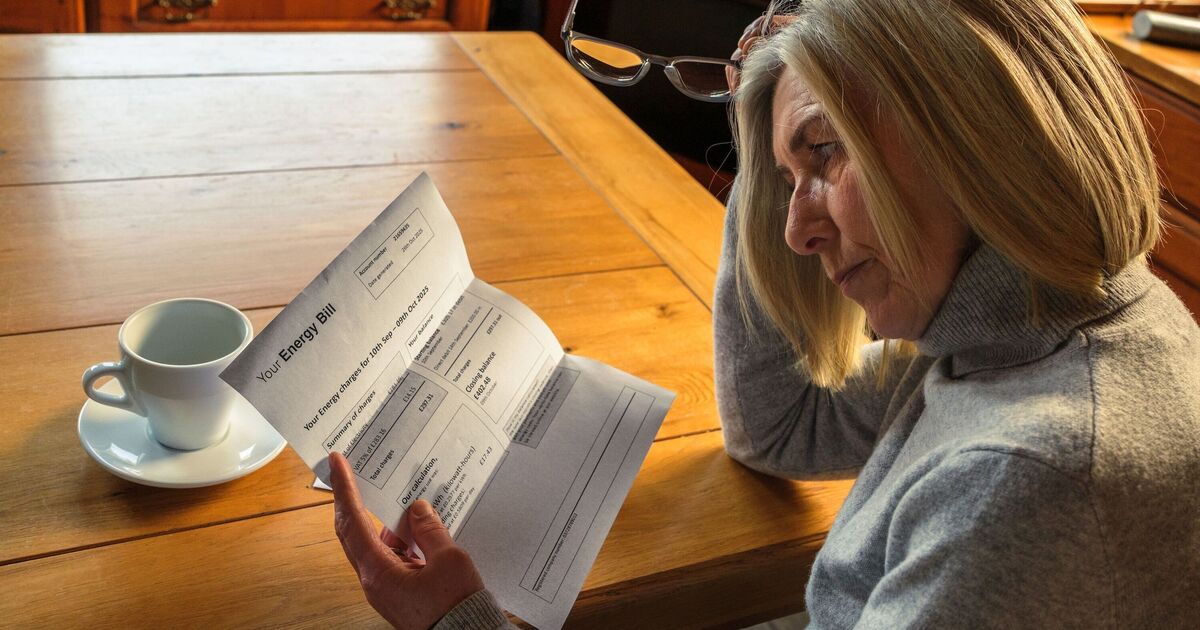

Fiscal drag has hit inheritance tax especially hard. (Image: Getty)
Inheritance tax was once viewed as a problem for the wealthy. Not anymore. Frozen tax thresholds, rising house prices and years of inflation mean more ordinary families are being dragged into the net through a stealth tax known as fiscal drag.
This happens when tax allowances stay frozen for years or even decades while wages, property prices and inflation keep rising. On paper, nothing changes. In reality, more people end up paying more tax.
Chancellors of every stripe love fiscal drag because they hope the photos won’t notice, and there’s no sign that’s changing. Let’s see what the damage is.
One striking example is the inheritance tax (IHT) gifting allowance. Incredibly, the annual £3,000 exemption has been frozen since 1981, an incredible 45 years ago. Private wealth and family law firm TWM Solicitors calculates it has lost 78% of its real value in that time. Had it risen with inflation, it would now stand at roughly £13,600 instead.
TWM Solicitors partner Duncan Mitchell-Innes said the tax-free gift allowance was designed to let people give meaningful gifts to their loved ones without leaving them facing a tax bill on death, but it’s increasingly insignificant. “The Government is really hiding a big tax increase. It’s a classic stealth tax.”
Back in 1981, £3,000 could cover a house deposit or even a new Mini Metro. “Today, it barely meets the cost of replacing an average boiler,” Mitchell-Innes said.
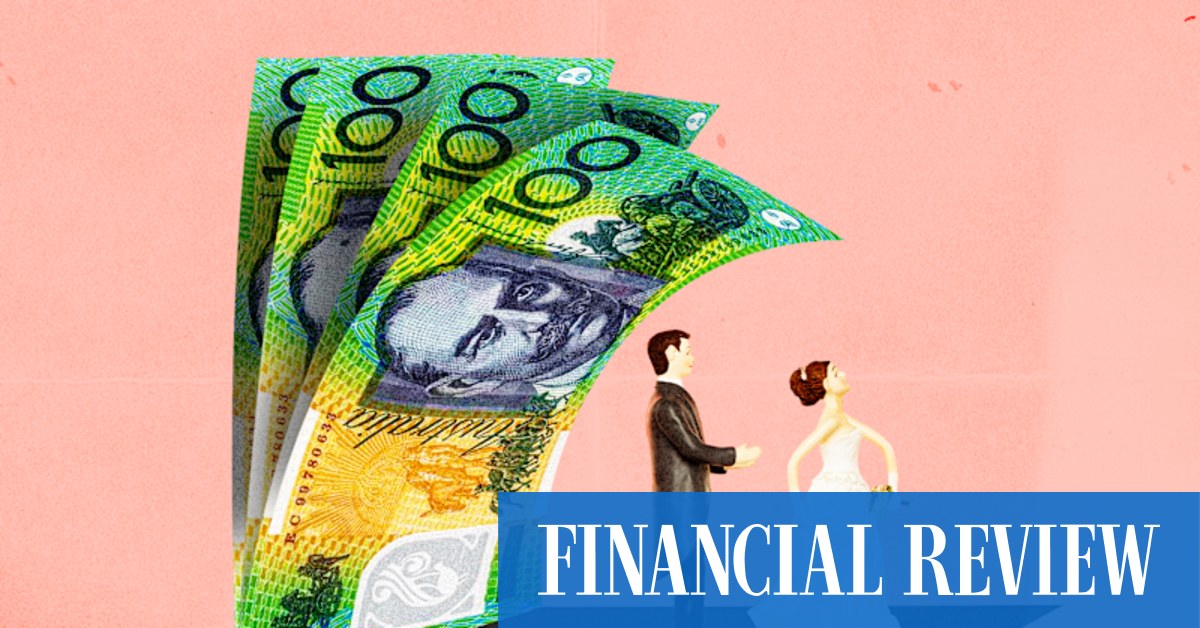
Other IHT-free gifts have also been frozen. Families can make unlimited small gifts of up to £250 to as many people as they like, unless they have benefited from that year’s £3000. Wedding gift allowances of £5,000 to a child, £2,500 to a grandchild and £1,000 to others have also remained frozen for decades.
The £325,000 IHT nil-rate band has also been frozen, in this case since 2009. Had it risen with inflation, it would now stand at £528,431.
Similarly, the additional £175,000 main residence allowance, used when passing the family home to direct descendants, has been frozen since its introduction in 2017.
Together, a couple can currently pass on £1 million tax-free with careful planning. Had both allowances risen with inflation, that figure would exceed £1.5 million. With IHT charged at 40%, larger estates could pay more than £200,000 extra.
IHT bills are duly rocketing as stock markets and house prices soar. Britons paid £8.5 billion in IHT in 2024/25, up almost 50% in just four years. The total bill is forecast to hit £158 billion by the end of the decade.
With the freeze running until at least 2031, IHT bills can only rise even higher. And from next year, unused pensions will be subject to IHT too.
Gifts can still be entirely IHT-free if made more than 7 years before death, while being taxed on a sliding scale during that time.
Lisa Caplan, director of Charles Stanley Direct Advice and Guidance, urged people to start gifting earlier, using annual exemptions and “surplus out of income” rules where possible.
“Money enjoyed or passed on during your lifetime can make a meaningful difference to both you and your family.”
Keep good records of all gifts and take professional advice where needed. With IHT allowances frozen for decades, you need to get your skates on.