Client Alert | July 17, 2026
From the Derivatives Practice Group: This week, the CFTC issued a final order sunsetting the routine position-reporting requirements of Part 20, the large trader reporting rules for physical commodity swaps
New Developments
CFTC Sunsets Routine Large Trader Reporting Requirements for Physical Commodity Swaps. On July 17, the CFTC issued a final order sunsetting the routine position-reporting requirements of Part 20, the large trader reporting rules for physical commodity swaps. Under the order, clearing organizations, clearing members, and swap dealers will no longer be required to file the daily and event-based position reports currently required under Part 20. [NEW]
Chairman Selig Announces CFTC Agricultural Advisory Committee to Meet July 29 in Washington. On July 15, CFTC Chairman Michael S. Selig, sponsor of the Agricultural Advisory Committee (AAC), announced that the AAC will host its first meeting of 2026 at 1:00 PM EST on July 29, 2026, at CFTC Headquarters. This meeting is open to the public and will be streamed live on CFTC.gov. [NEW]
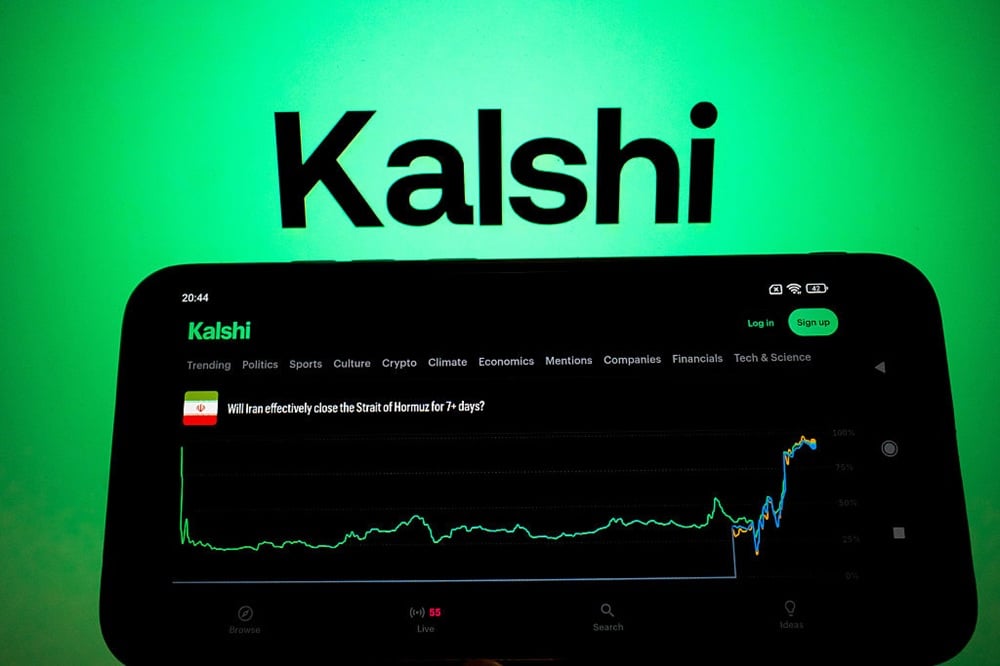
CFTC Stays KalshiEX Rule Change and Exercises Emergency Authority to Order Fulfillment of Pending Trades. On July 14, the CFTC exercised its authority to stay an emergency rule change proposed by KalshiEX, LLC in response to a Michigan state court order directing the company to cancel certain previously executed trades involving Michigan residents. The CFTC also exercised its emergency authority to order KalshiEX, LLC to fulfill the open trades in accordance with its normal practices. [NEW]
CFTC Approves Final Rule Amending Margin Requirements for Uncleared Swaps. On July 13, the CFTC approved a final rule that amends margin requirements for uncleared swaps for swap dealers and major swap participants who are not subject to prudential regulator margin rules. The CFTC said the amendments enhance market efficiency, promote global harmonization, and support responsible financial innovation, while maintaining robust risk management standards. [NEW]
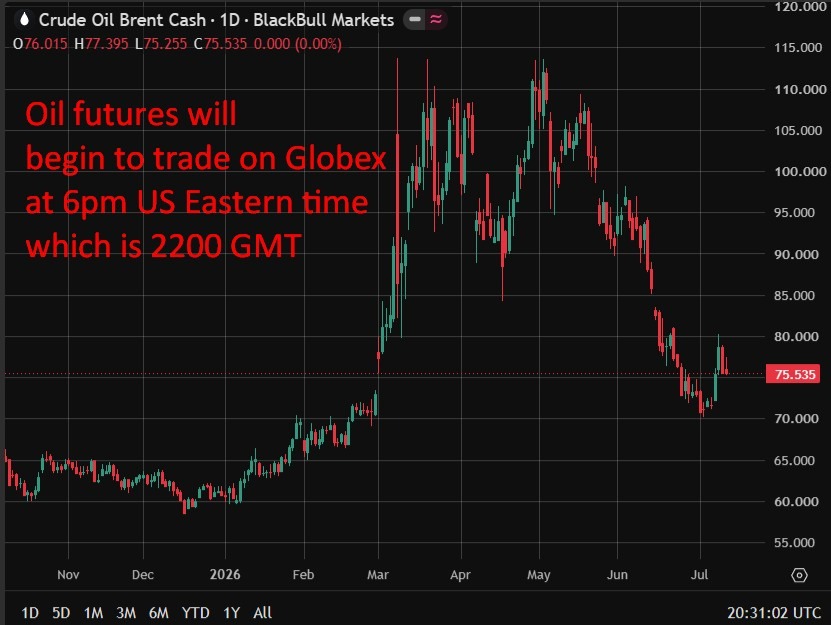
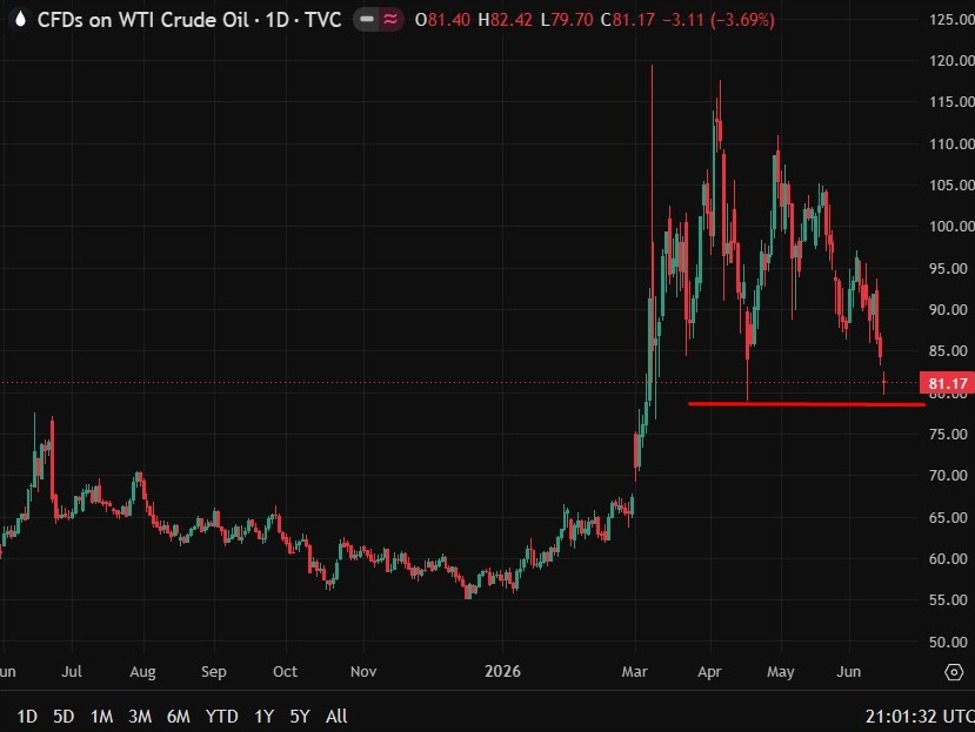
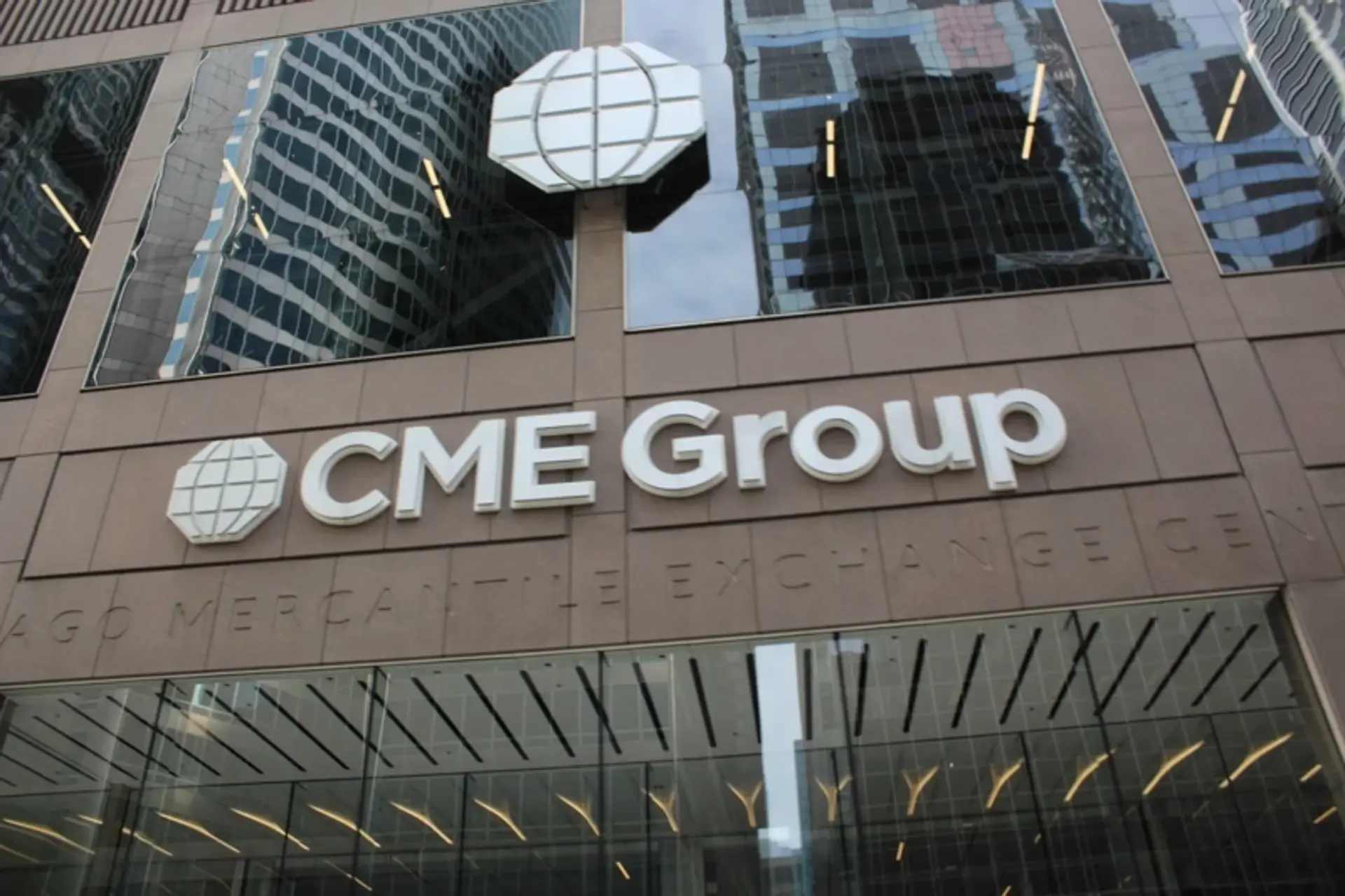
CFTC to Stay Self-Certified Contract on 24/7 Trading for Crude Oil Futures. On July 9, the CFTC announced that it will exercise its authority to stay the listing of a contract that would have allowed the Chicago Mercantile Exchange (CME) to initiate 24/7 trading on crude oil futures as soon as July 10. The CFTC’s regulations offer exchanges two methods to list contracts — self certification under 40.2 or to seek Commission review and approval under 40.3. CME made simultaneous, but separate filings under both provisions.
New Developments Outside the U.S.
ESMA Launches Data Collection Under the First Phase of ESAP. On July 10, ESMA launched the collection of information from Officially Appointed Mechanisms (OAMs) and National Competent Authorities (NCAs) for the first phase of implementation of the European Single Access Point (ESAP). Starting July 10, OAMs and NCAs will start providing ESAP the information and the metadata collected from financial entities.
ESMA Publishes First Market Capitalization Data for EU Member States. On July 10, ESMA published annual market capitalization and market capitalization ratios of EU Member States for 2024 and 2025. According to ESMA, the data provides clarity on Member States’ position within the framework and helps authorities and market participants prepare for and implement these requirements in a timely manner.
ESMA Publishes Report on EU Carbon Markets. On July 9, ESMA published its third annual market report on EU carbon markets. The report showed that financial intermediaries are central to the functioning of the EU carbon market. According to ESMA’s report, they provide liquidity, act as counterparties to non-financial firms, and help compliance entities access allowances and manage price risk.
ESMA Publishes Technical Standards on CCP Admission Criteria Elements. On July 8, ESMA published its Final Report on the Regulatory Technical Standards concerning the central counterparties’ (CCPs) admission criteria elements, following the review of the European Market Infrastructure Regulation. ESMA conducted a public consultation on the draft RTS in the last quarter of 2025 and held a public hearing in November 2025. The Final Report considers the feedback received during this process.
ESMA Launches Common Supervisory Action on CASPs’ Digital Operational Resilience for Custody. On July 8, ESMA announced it is launching a Common Supervisory Action (CSA) focusing on the digital operational resilience of Crypto-Asset Service Providers (CASPs), with a specific emphasis on custody services. According to ESMA, the CSA will assess the maturity of CASPs’ digital operational resilience frameworks in relation to custody activities. It will focus on risks inherent to distributed ledger technology (DLT), including governance arrangements, key and storage management, transaction controls, incident detection and response, smart contract risks, and dependencies on third-party providers.
ESAs Support ESRB Warning on Systemic Cyber Risks from Frontier AI Models. On July 7, the European Supervisory Authorities announced that they welcomed and supported European Systemic Risk Board’s (ESRB) warning on the systemic cyber risks posed by frontier AI models. The ESRB urged all EU stakeholders, including financial institutions, to enhance their cybersecurity capacities and encouraged relevant authorities to reflect these risks in their supervisory and oversight work.
ESMA Selects Etrading Software (Netherlands) B.V. as Consolidated Tape Provider for OTC Derivatives. On July 6, ESMA selected Etrading Software (Netherlands) B.V. as the Consolidated Tape Provider for over-the-counter (OTC) derivatives. ESMA stated that this constitutes an important step in improving transparency for OTC derivatives markets under the Markets in Financial Instruments Regulation.
ESMA Publishes Preliminary Findings on the Active Account Requirement and the First Annual Report of the Joint Monitoring Mechanism. On July 6, ESMA published the Interim Report of the Effectiveness of the Active Account Requirement and the First Annual Report of the Joint Monitoring Mechanism. The Interim Report provides preliminary findings on the Active Account Requirement (AAR) implementation during 2025 and early 2026. The Annual Report addresses the Joint Monitoring Mechanism, which plays a key role in monitoring developments and assessing financial stability risks across clearing members and clients.
New Industry-Led Developments
HMT Lays SI Granting UK EMIR Article 25(1) Equivalence to Several Jurisdictions. On July 13, the UK Treasury (HMT) laid before Parliament a statutory instrument (SI) setting out UK European Market Infrastructure Regulation (EMIR) Article 25(1) equivalence determinations in respect of the regulatory framework for CCPs established in Australia, Hong Kong, India, Japan, South Africa, the United Arab Emirates and the US. The statutory instrument will come into force on August 3. [NEW]
UK Digital Markets Champion Publishes First Report on Wholesale Markets Tokenization. On July 13, Christopher Woolard CBE, the UK’s Wholesale Markets Digital Champion, published his first report on the future of UK wholesale financial markets. The report recommends that the Bank of England consider broader acceptability of tokenized collateral in the market (for example, for use in central counterparties). [NEW]
ISDA Comments on EP’s MISP Draft Reports. On July 15, ISDA shared comments with policymakers in the European Union on the European Parliament’s (EP) draft reports by Member of the European Parliament (MEP) Markus Ferber and MEP Eero Heinäluoma on the Market Integration and Supervision Package (MISP). According to ISDA, its commentary discusses amendments in relation to the European Securities and Markets Authority’s mandate and powers, the Markets in Financial Instruments Regulation transparency, and the European Market Infrastructure Regulation transaction reporting, among other topics. [NEW]
ISDA Publishes Report on Key Trends in the Size and Composition of OTC Derivatives Markets. On July 9, ISDA published a report outlining the latest data from the Bank for International Settlements OTC derivatives statistics, which showed an increase in notional outstanding of OTC derivatives during the second half of 2025 compared to the same period in 2024. Notional outstanding rose across all major asset classes, including interest rate derivatives, foreign exchange, equity and commodity derivatives.
ISDA and SIFMA Submit Letter on SEC Security-Based Swap Dealer Thresholds. On July 8, ISDA and the Securities Industry and Financial Markets Association (SIFMA) submitted a comment letter to the SEC in response to the staff report on the definitions of “security-based swap dealer” and “major security-based swap participant.” The associations recommend maintaining the current de minimis thresholds for both credit default swap (CDS) and non-CDS security-based swap activity, noting that the SEC’s data shows the existing framework already captures the vast majority of market activity.
ISDA Responds to RBI Consultation on SA-CCR. On July 8, ISDA responded to the Reserve Bank of India’s (RBI) consultation on draft amendment directions on the standardized approach for counterparty credit risk (SA-CCR). According to ISDA, it broadly welcomes the RBI’s move to SA-CCR and updated capital treatment for exposures to central counterparties, noting the draft directions closely track standards from the Basel Committee on Banking Supervision.
ISDA and GDF Publish Tokenization Report. On July 7, ISDA and Global Digital Finance published a report that examines the viability of using tokenized money market funds as collateral for derivatives within existing US legal, regulatory and operational frameworks.
ISDA and GDF Respond to FCA and BOE on Future of Tokenization. On July 6, ISDA and Global Digital Finance (GDF) submitted a joint response to a call for input on the future of tokenization by the Financial Conduct Authority (FCA) and Bank of England (BOE). According to ISDA, tokenization presents a significant opportunity for the derivatives market, with potential benefits that include an expanded pool of eligible collateral, reduced risk during market stress and improved collateral management.
The following Gibson Dunn attorneys assisted in preparing this update: Jeffrey Steiner, Adam Lapidus, Karin Thrasher, and Alice Wang.
Gibson Dunn’s lawyers are available to assist in addressing any questions you may have regarding these developments. Please contact the Gibson Dunn lawyer with whom you usually work, any member of the firm’s Derivatives practice group, or the following practice leaders and authors:
Jeffrey L. Steiner, Washington, D.C. (202.887.3632, jsteiner@gibsondunn.com)
Michael D. Bopp, Washington, D.C. (202.955.8256, mbopp@gibsondunn.com)
Michelle M. Kirschner, London (+44 (0)20 7071.4212, mkirschner@gibsondunn.com)
Darius Mehraban, New York (212.351.2428, dmehraban@gibsondunn.com)
Jason J. Cabral, New York (212.351.6267, jcabral@gibsondunn.com)
Adam Lapidus, New York (212.351.3869, alapidus@gibsondunn.com )
Stephanie L. Brooker, Washington, D.C. (202.887.3502, sbrooker@gibsondunn.com)
William R. Hallatt, Hong Kong (+852 2214 3836, whallatt@gibsondunn.com )
David P. Burns, Washington, D.C. (202.887.3786, dburns@gibsondunn.com)
Marc Aaron Takagaki, New York (212.351.4028, mtakagaki@gibsondunn.com )
Karin Thrasher, Washington, D.C. (202.887.3712, kthrasher@gibsondunn.com)
Alice Yiqian Wang, Washington, D.C. (202.777.9587, awang@gibsondunn.com)
© 2026 Gibson, Dunn & Crutcher LLP. All rights reserved. For contact and other information, please visit us at www.gibsondunn.com.
Attorney Advertising: These materials were prepared for general informational purposes only based on information available at the time of publication and are not intended as, do not constitute, and should not be relied upon as, legal advice or a legal opinion on any specific facts or circumstances. Gibson Dunn (and its affiliates, attorneys, and employees) shall not have any liability in connection with any use of these materials. The sharing of these materials does not establish an attorney-client relationship with the recipient and should not be relied upon as an alternative for advice from qualified counsel. Please note that facts and circumstances may vary, and prior results do not guarantee a similar outcome.