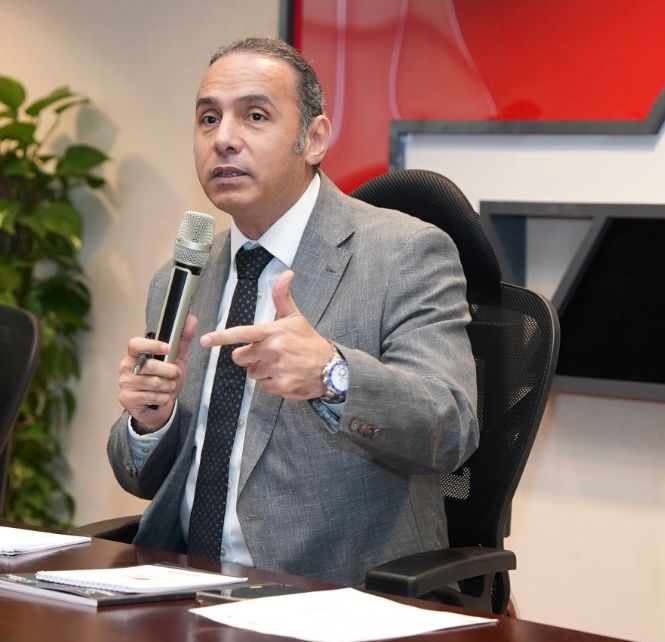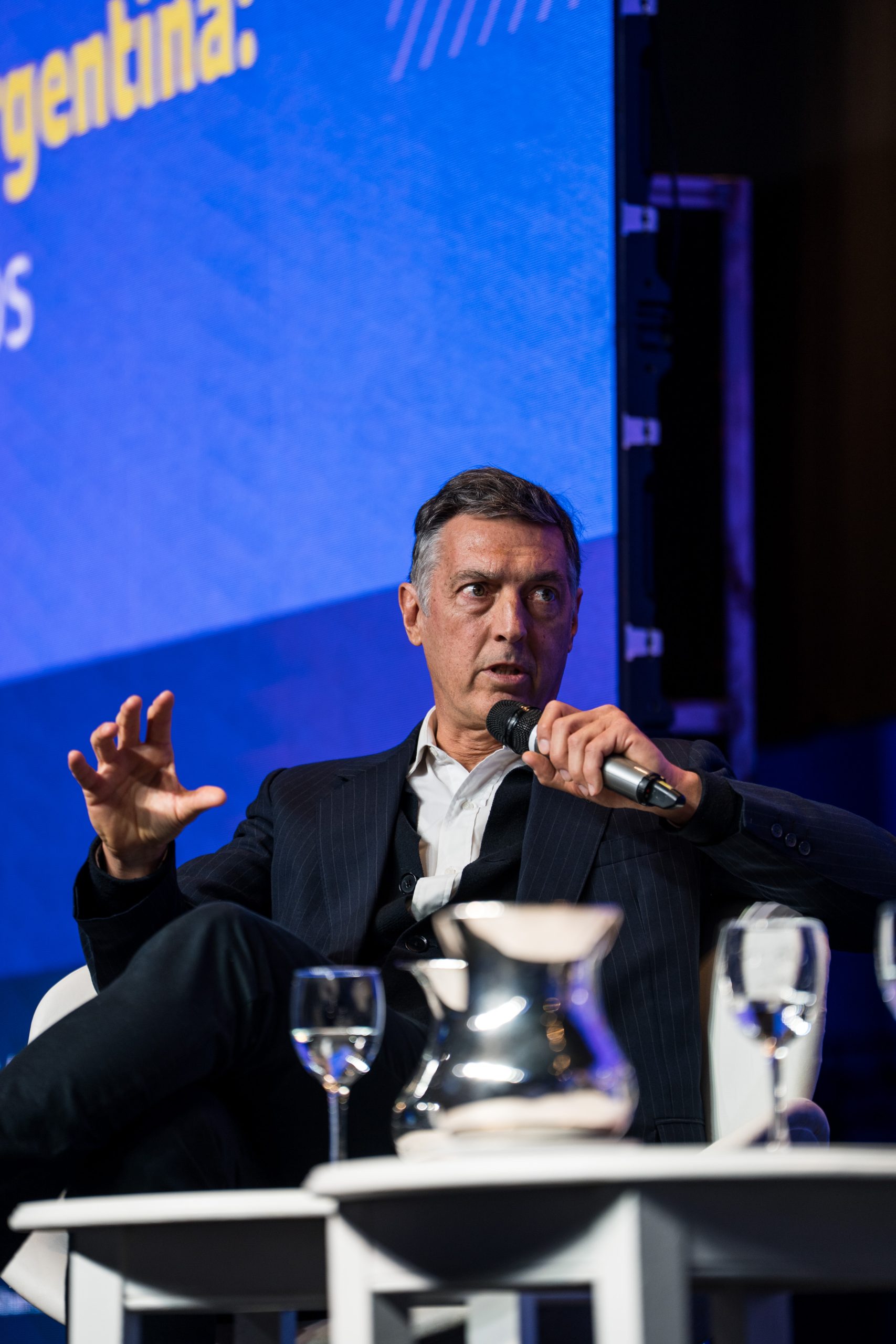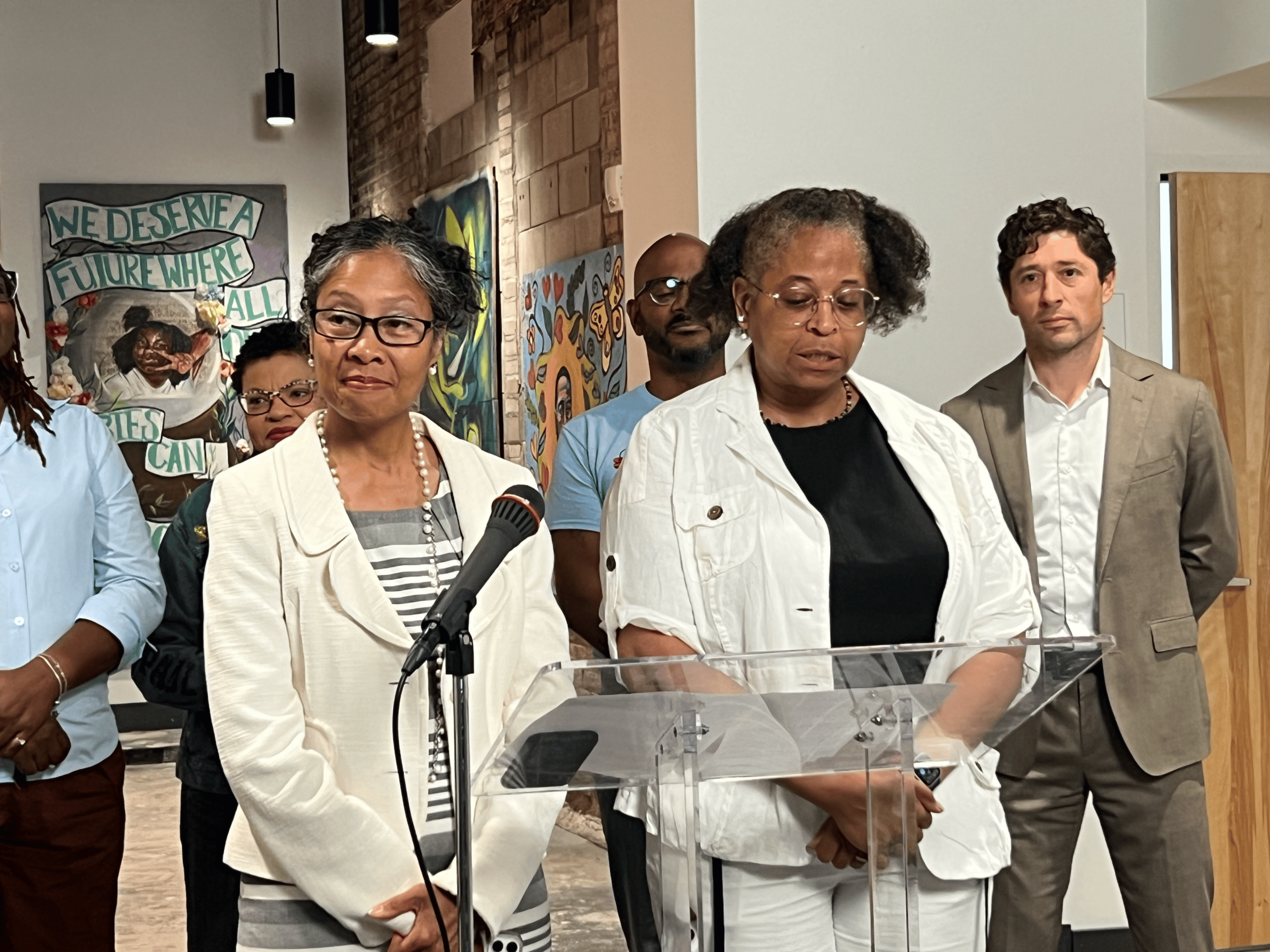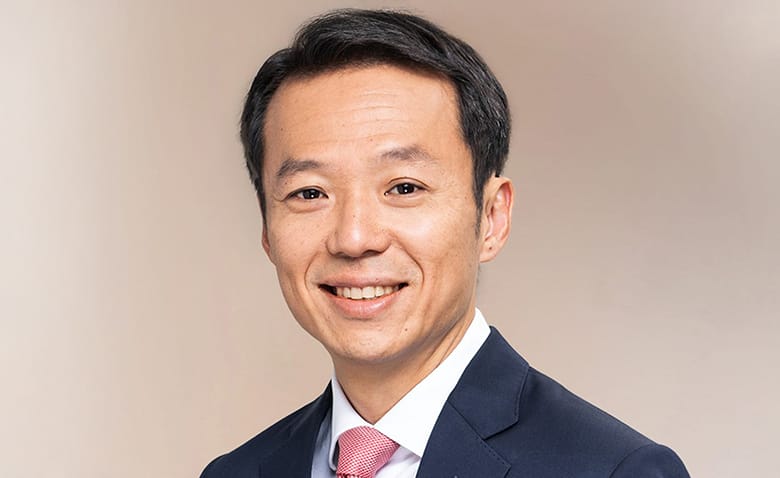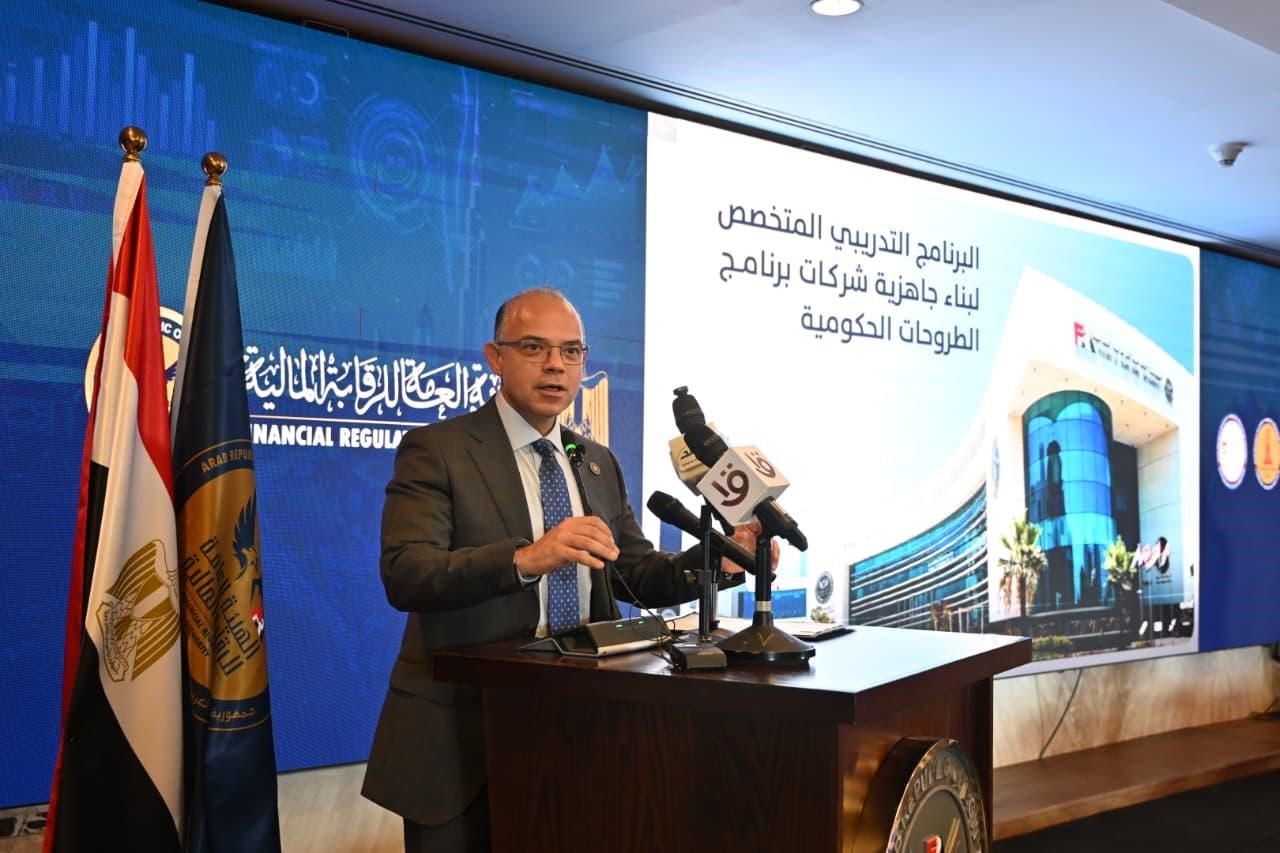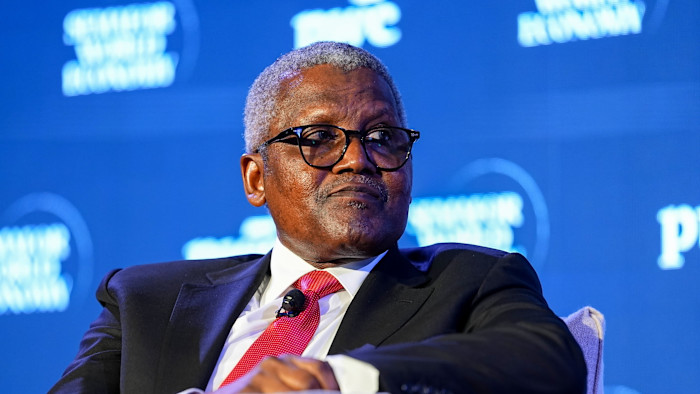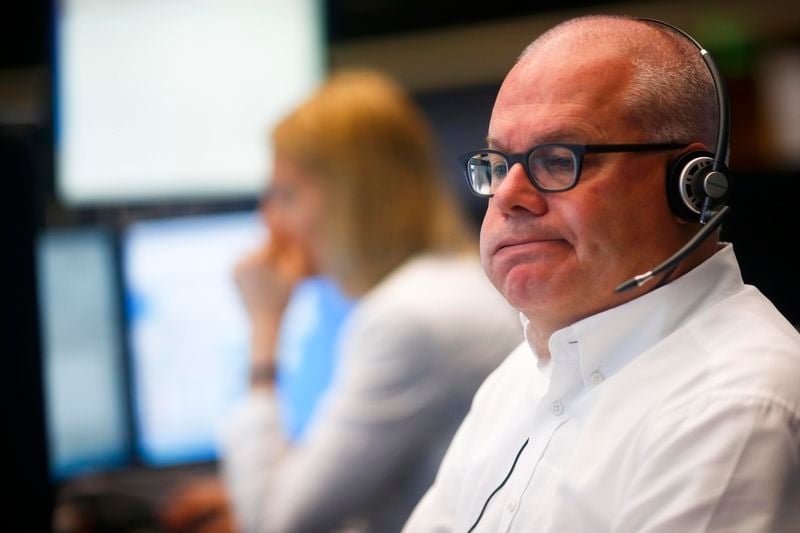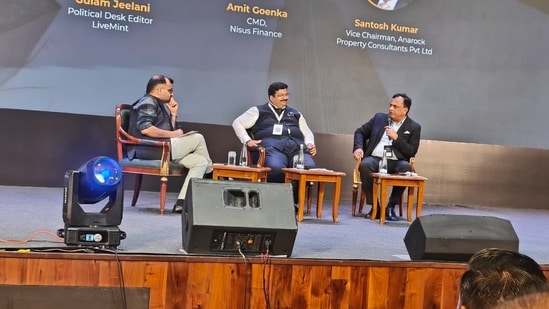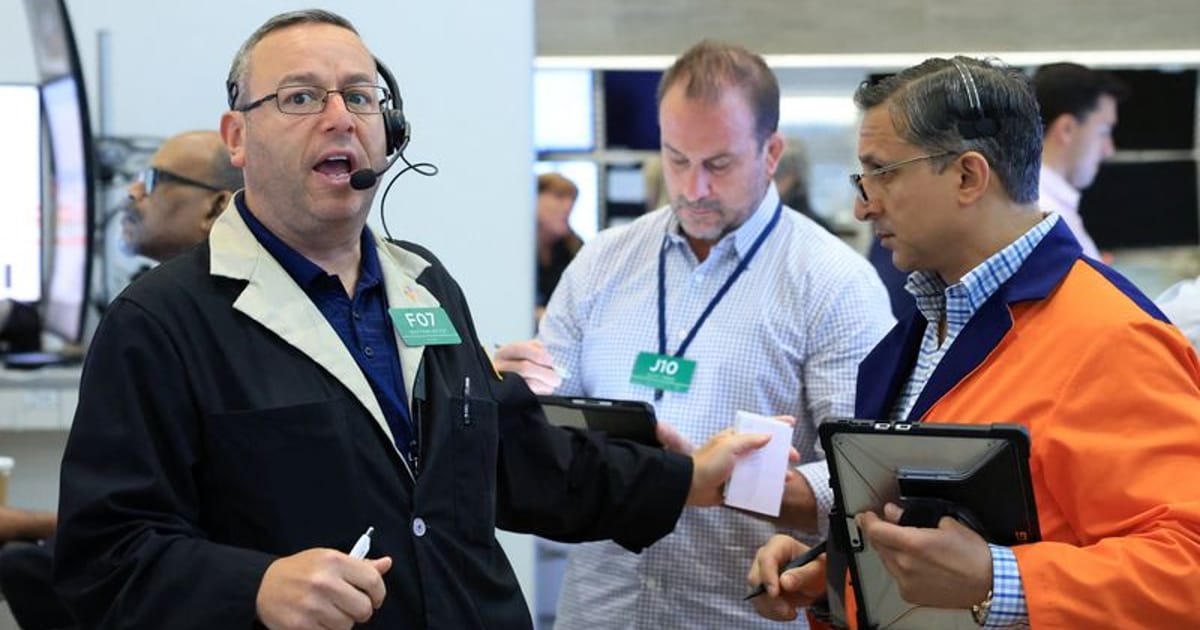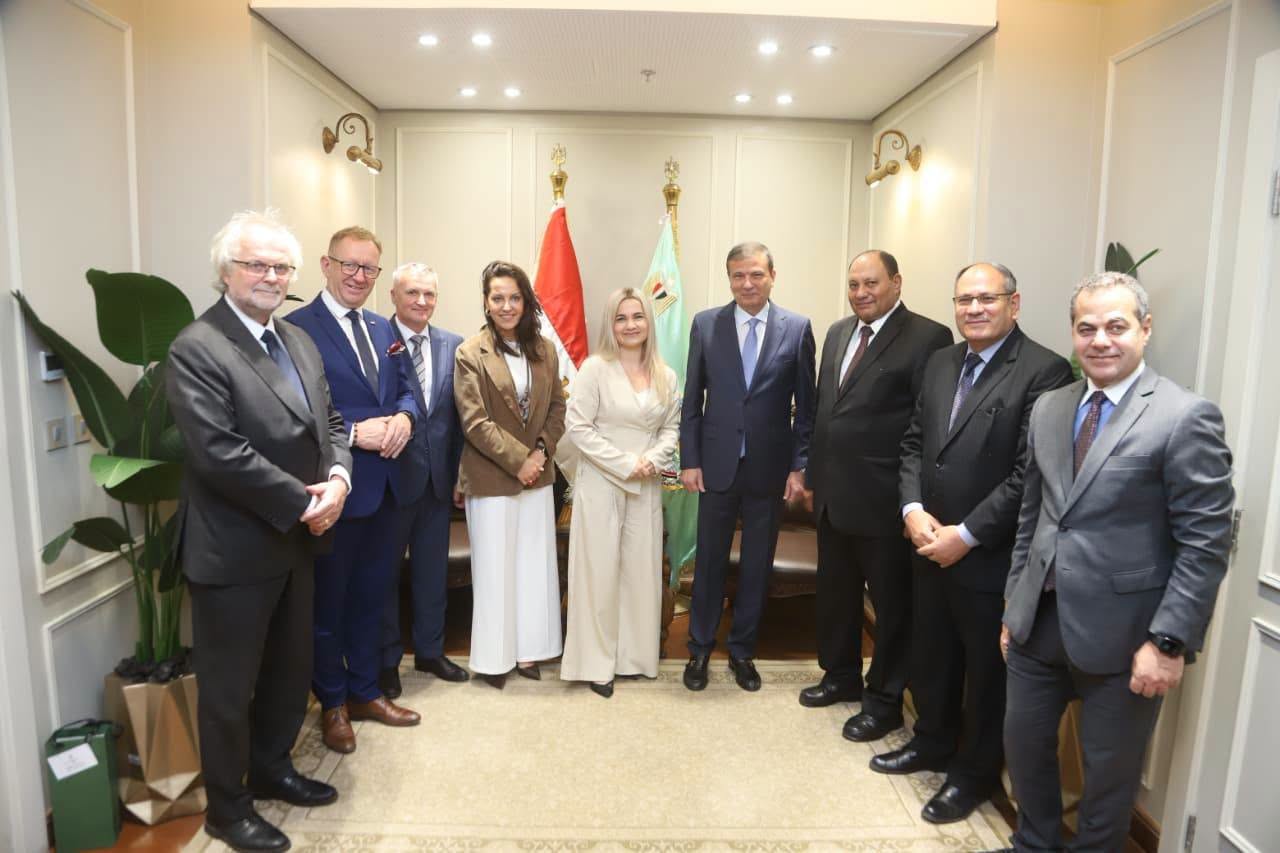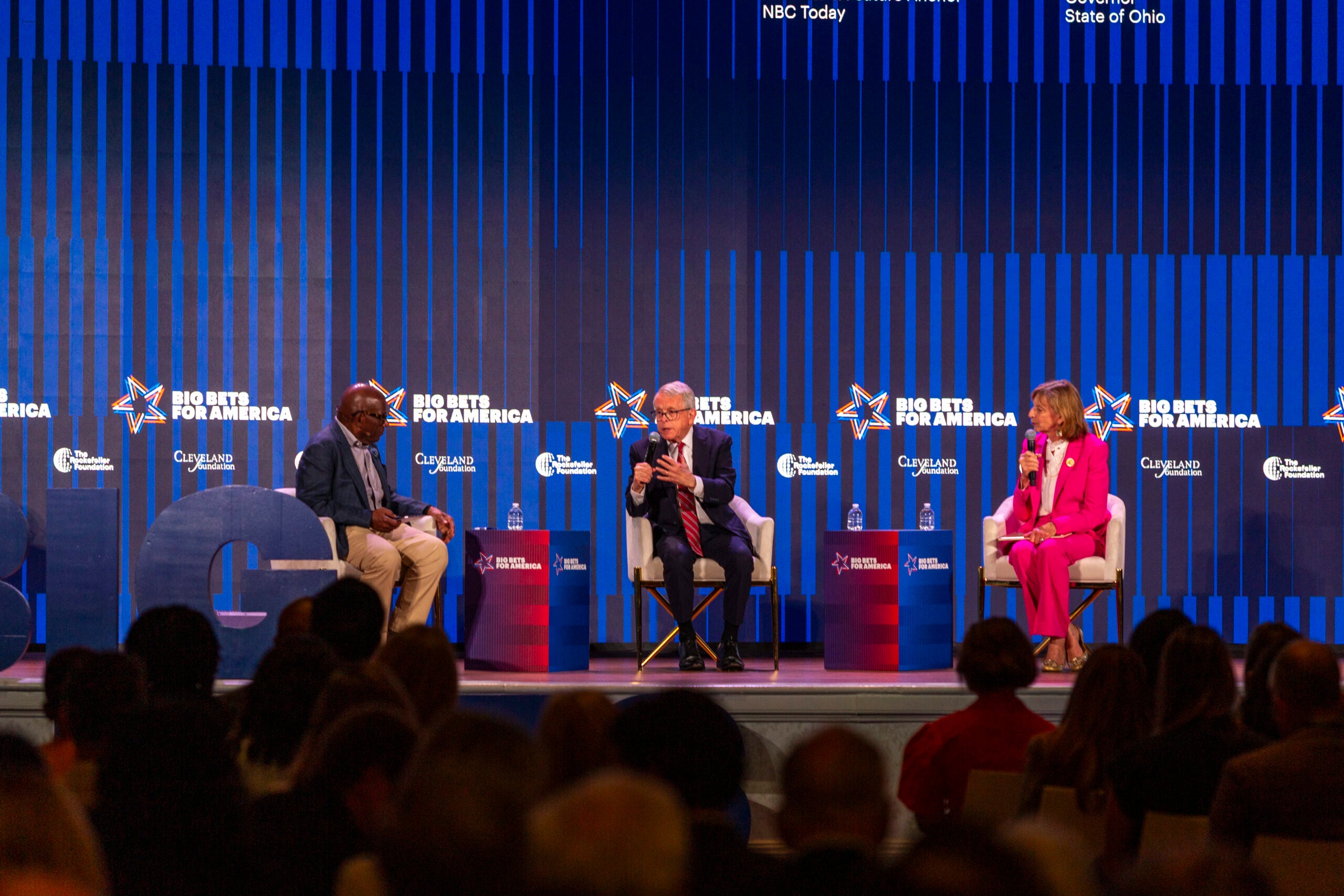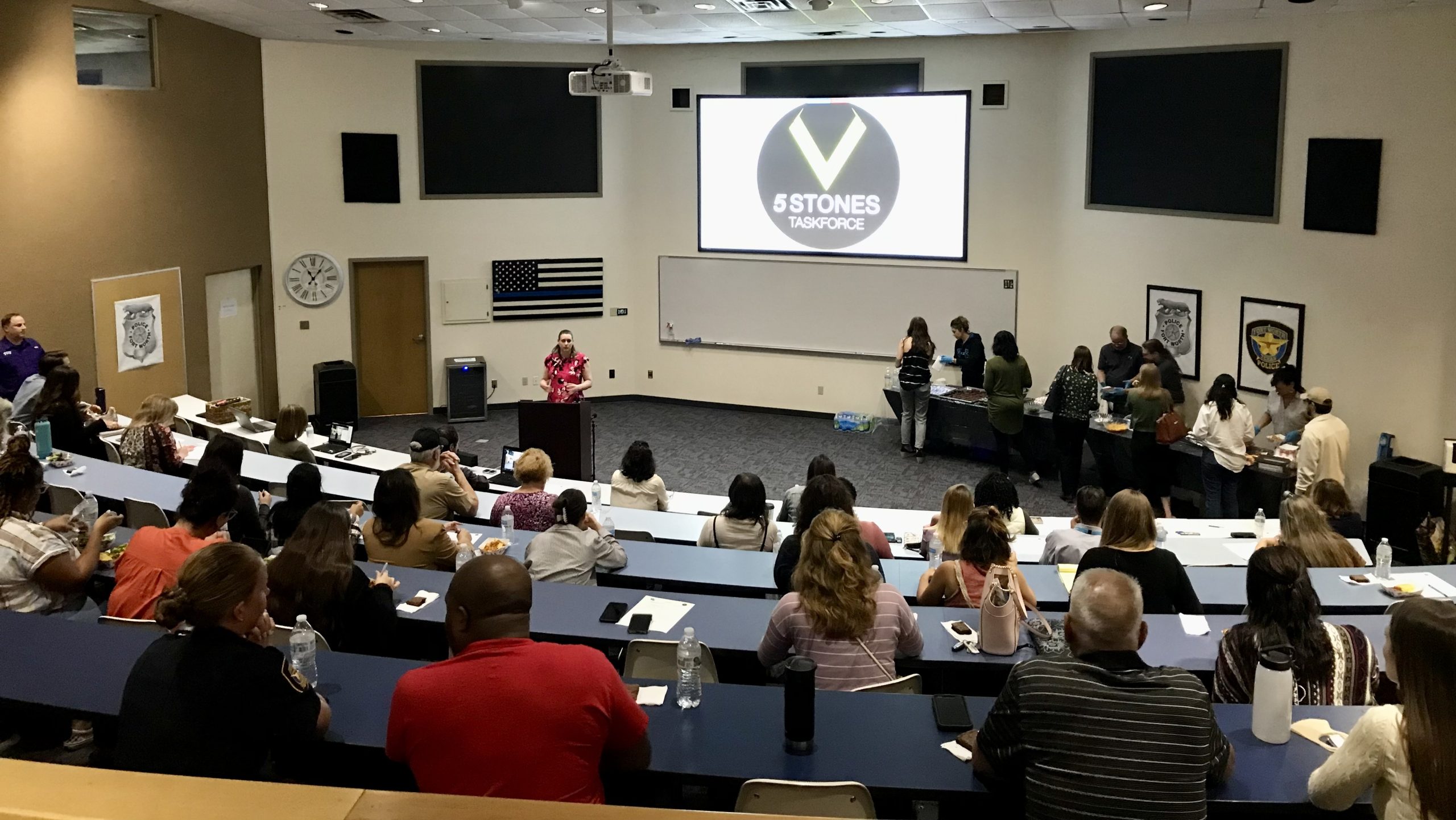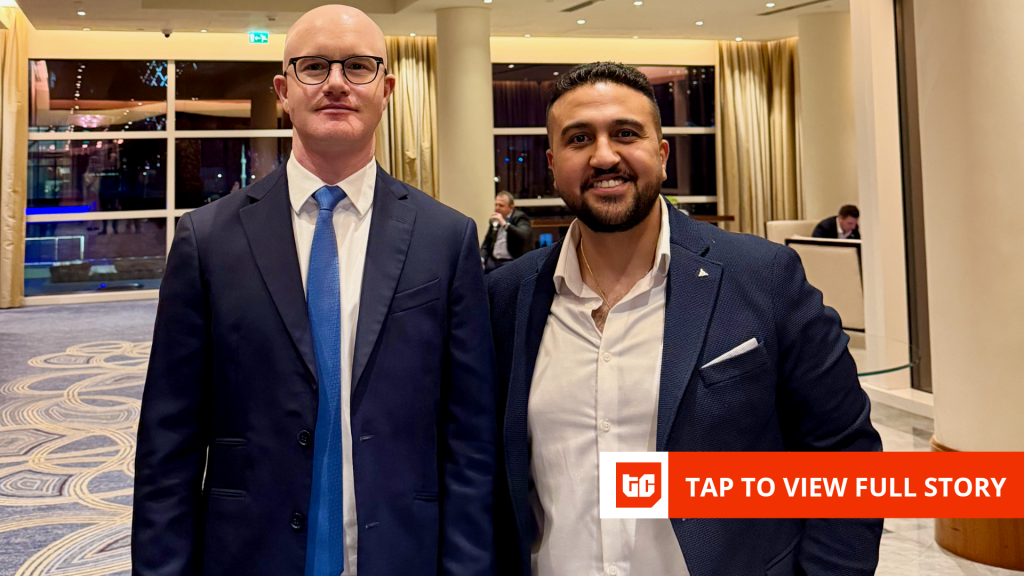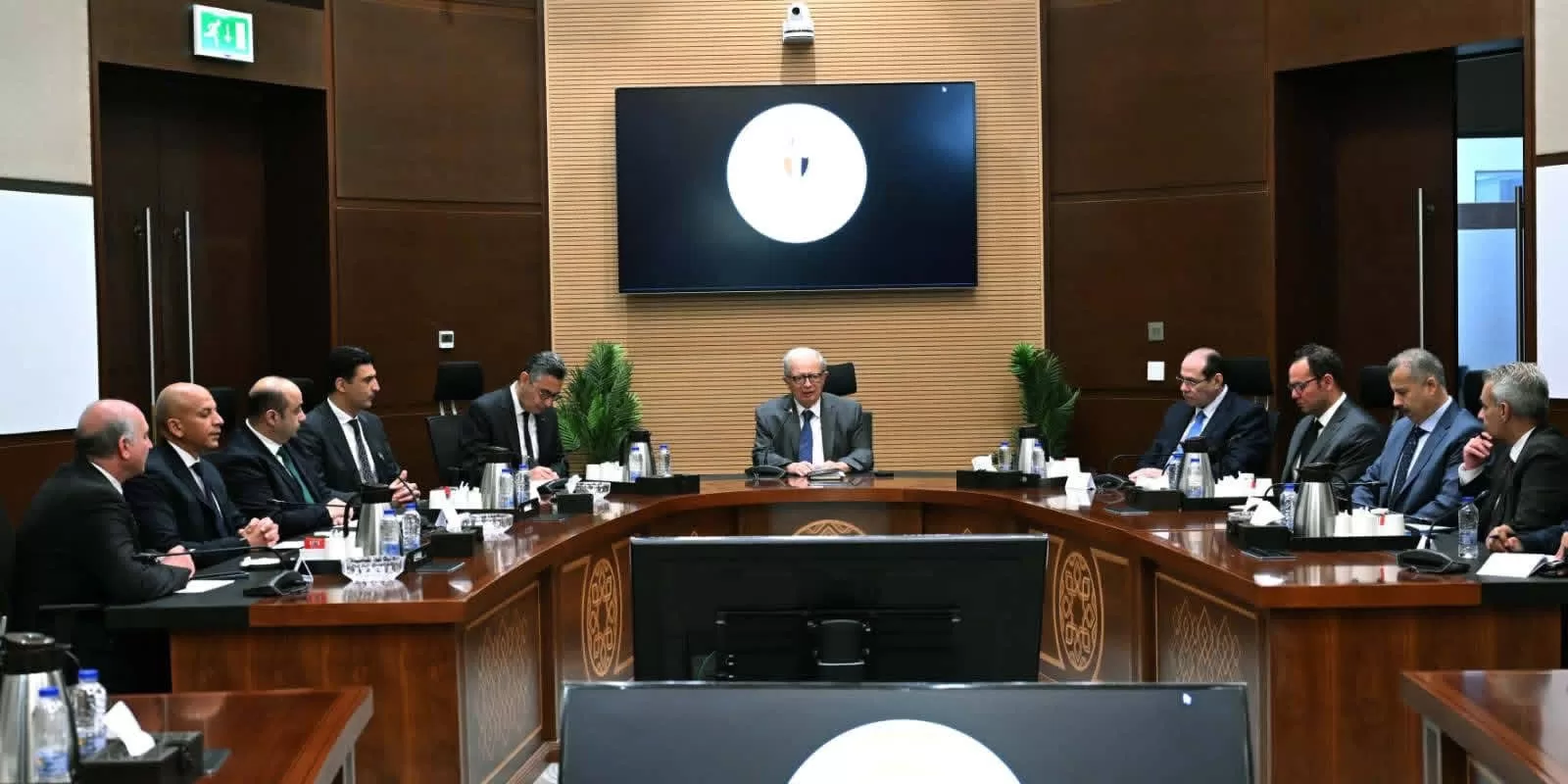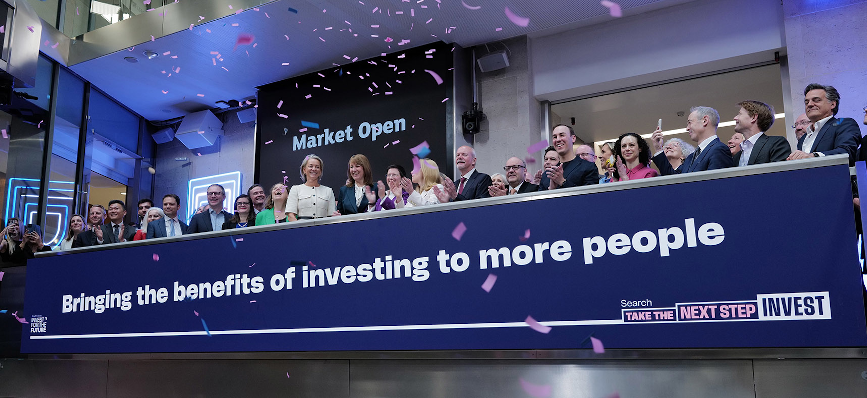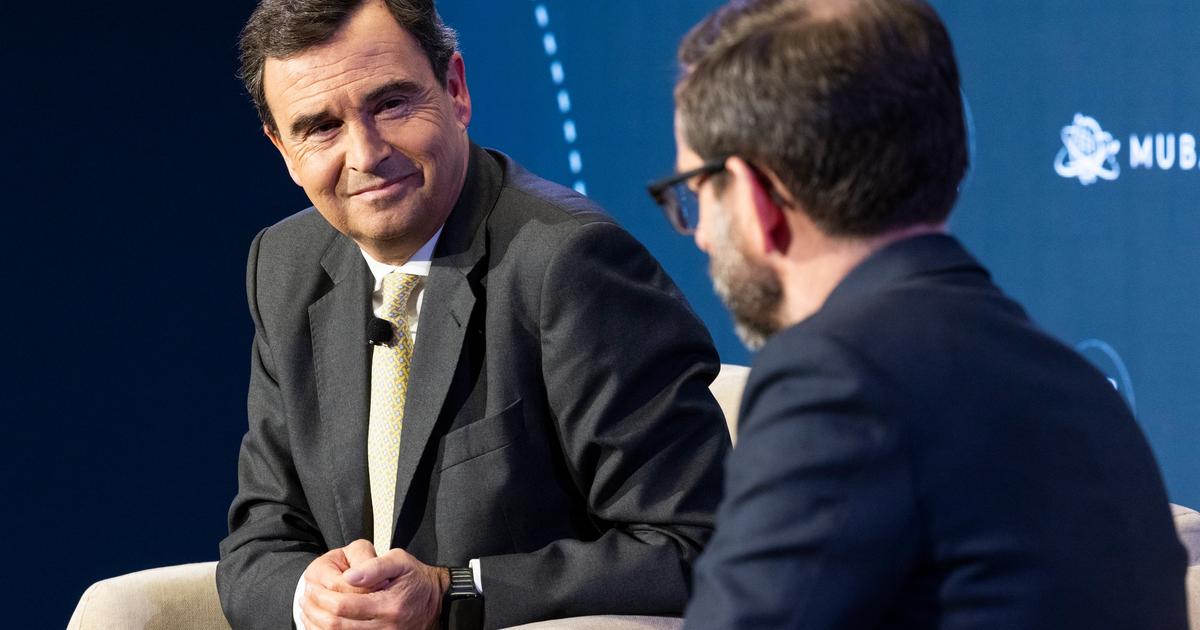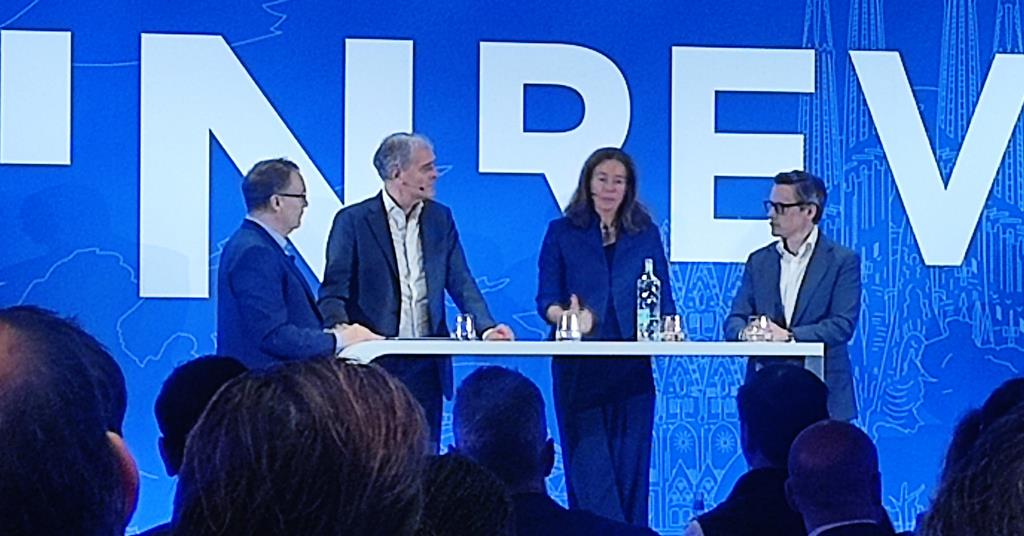
Finance professionals and industrial stakeholders gathered at the Meristem Commodities Summit held on Thursday, in Ikoyi, Lagos.
The investment forum was organised by Meristem Wealth Management Limited, to provide structural insights into the theme “Navigating Commodities Market Volatility in Nigeria”.
The summit detailed how participants across the financial and physical segments of the commodities market could hedge against macroeconomic shocks, and the Meristem Commodities Fund was also officially launched.
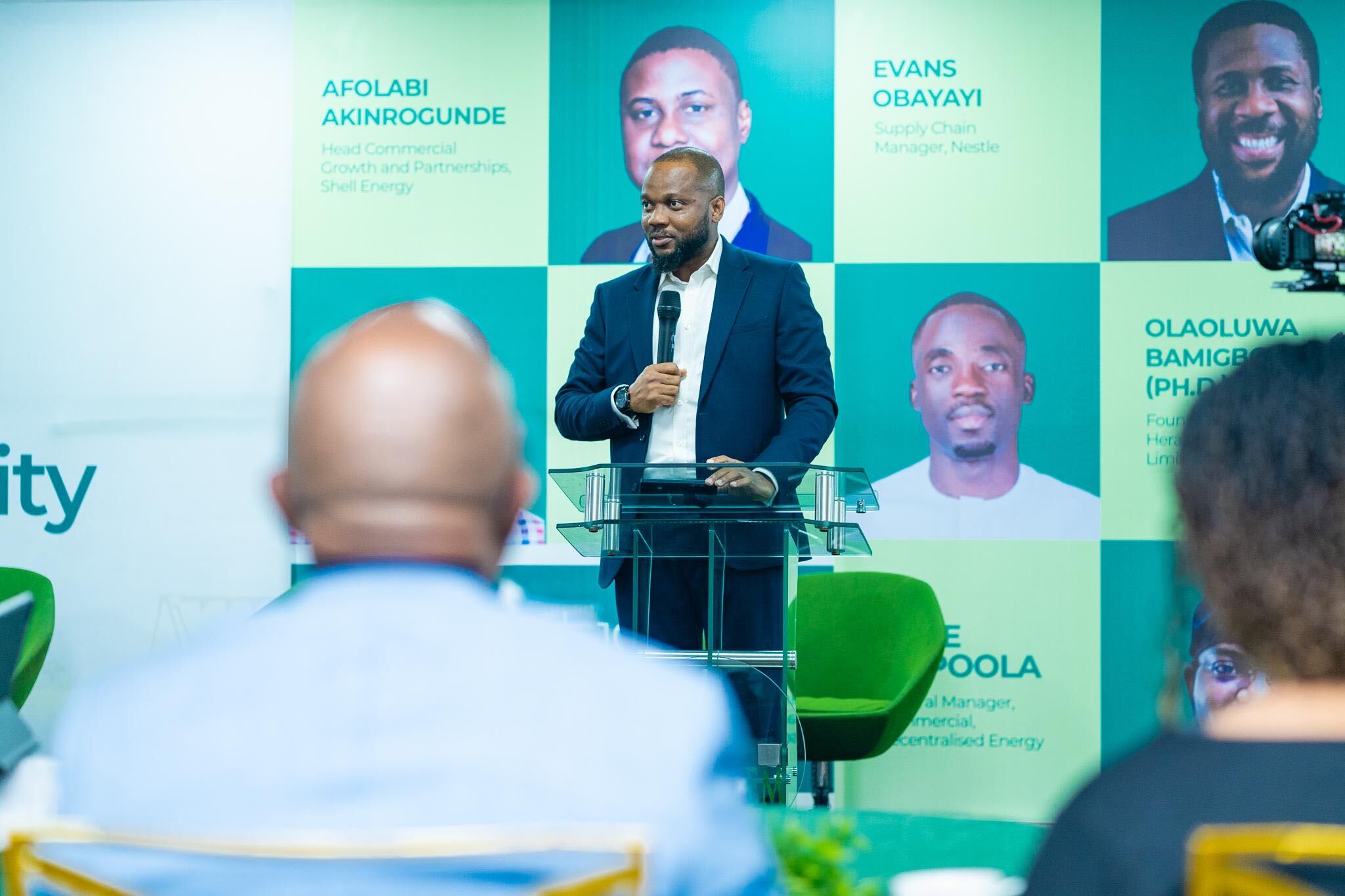
Opening the summit, Taiwo Yusuf, Managing Director, Meristem Wealth Management Limited, highlighted how severe price fluctuations affect corporate planning.
“Volatility in the commodities market is shaping the daily reality of manufacturers, business leaders, and investors across Nigeria. Margins are tighter, cash cycles are longer, and the cost of being unprepared has never been higher.
“Yet, within that volatility lies opportunity for those who are informed, who manage risk deliberately, and who plan ahead with the right insights,” Yusuf said.
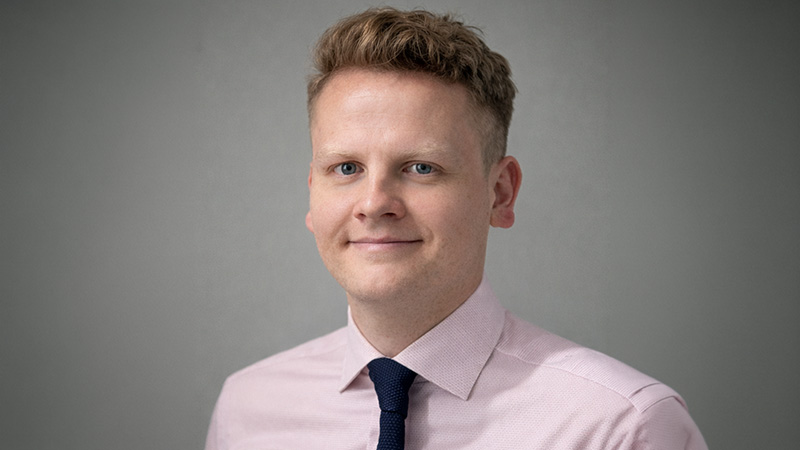
Providing a market overview, Yusuf Ogunbiyi, Head of Structured Commodities Solutions, Meristem Wealth Management Limited, explained the recent correction cycle within the agricultural sector.
“We have seen the impact of [the correction in commodities prices], following the monetary policy environment that we have seen in the country,” Ogunbiyi stated.
Ogunbiyi also spoke on the nature of Nigeria’s economy and its impact on businesses.
“Nigeria is not an isolated economy. Anything that happens in the global economy would naturally affect us, whether it’s energy, food, or the weather,” Ogunbiyi added.
He further warned that holding raw materials for extended periods now carries financial risks due to changing supply dynamics.
“Inventory holders are now being penalised for holding inventory. Companies cannot plan for long [because] there is a likelihood that prices may go against you, and then your competitor gets a better price,” Ogunbiyi explained.
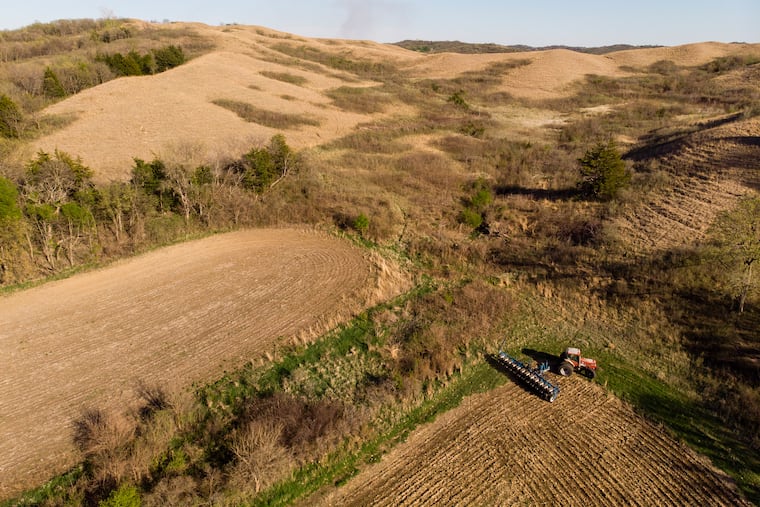
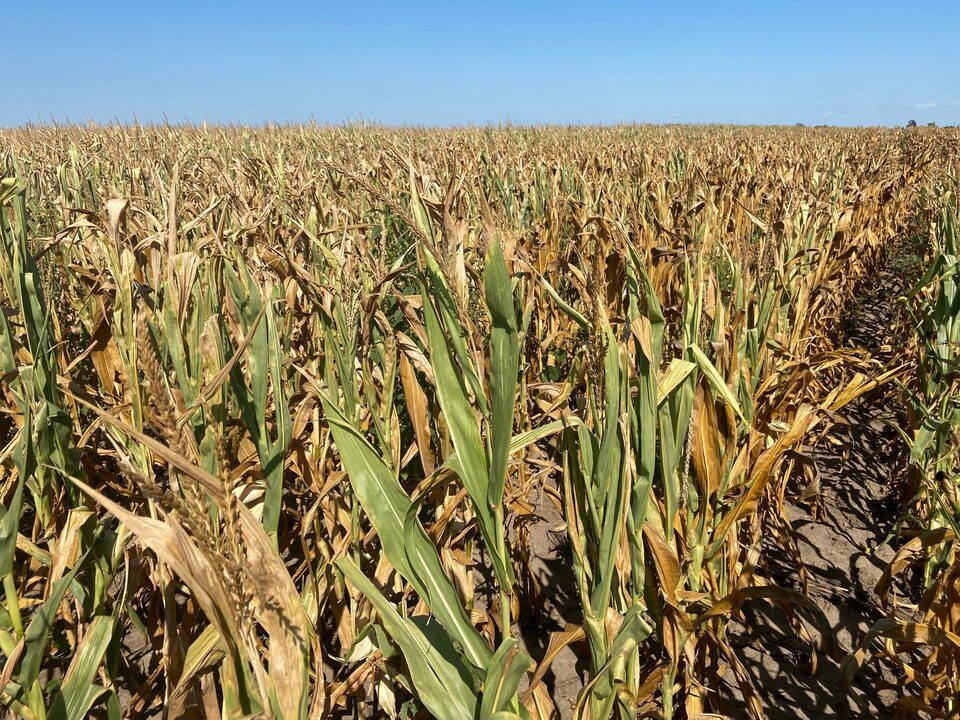
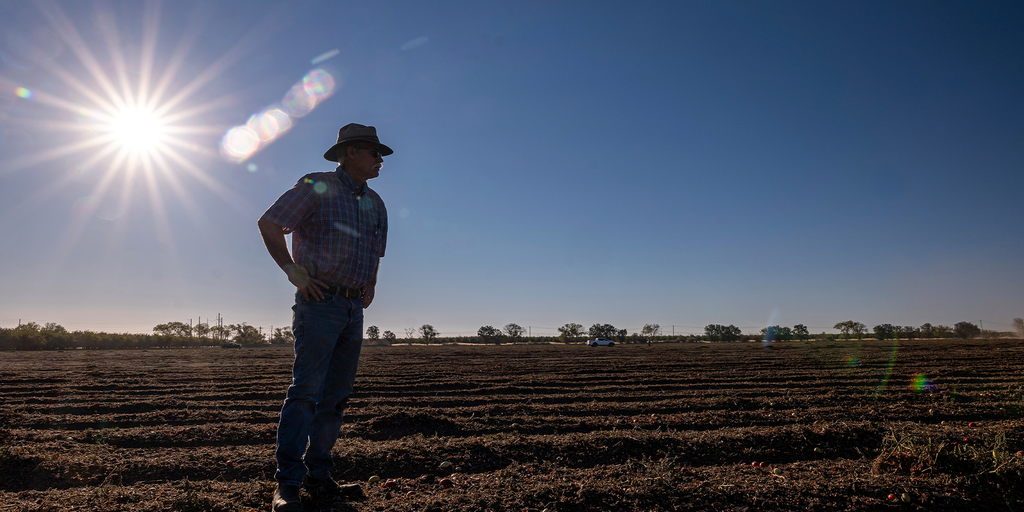
To understand the production shortfalls, Ogunbiyi revealed that Meristem conducted a nationwide survey to gather data from farmers across the major producing belts in the country to understand the planting progress and farmer planting decisions..
The findings indicated that farmers are not planting because of insecurity, low selling price, and the high cost of fertiliser in the country.
Addressing regulatory interventions, Ogunbiyi explained how trade associations influence import regulations when raw materials become scarce.
“We need to be mindful, because the policy the government makes is driven by some of the key stakeholders in the country,” Ogunbiyi stated.
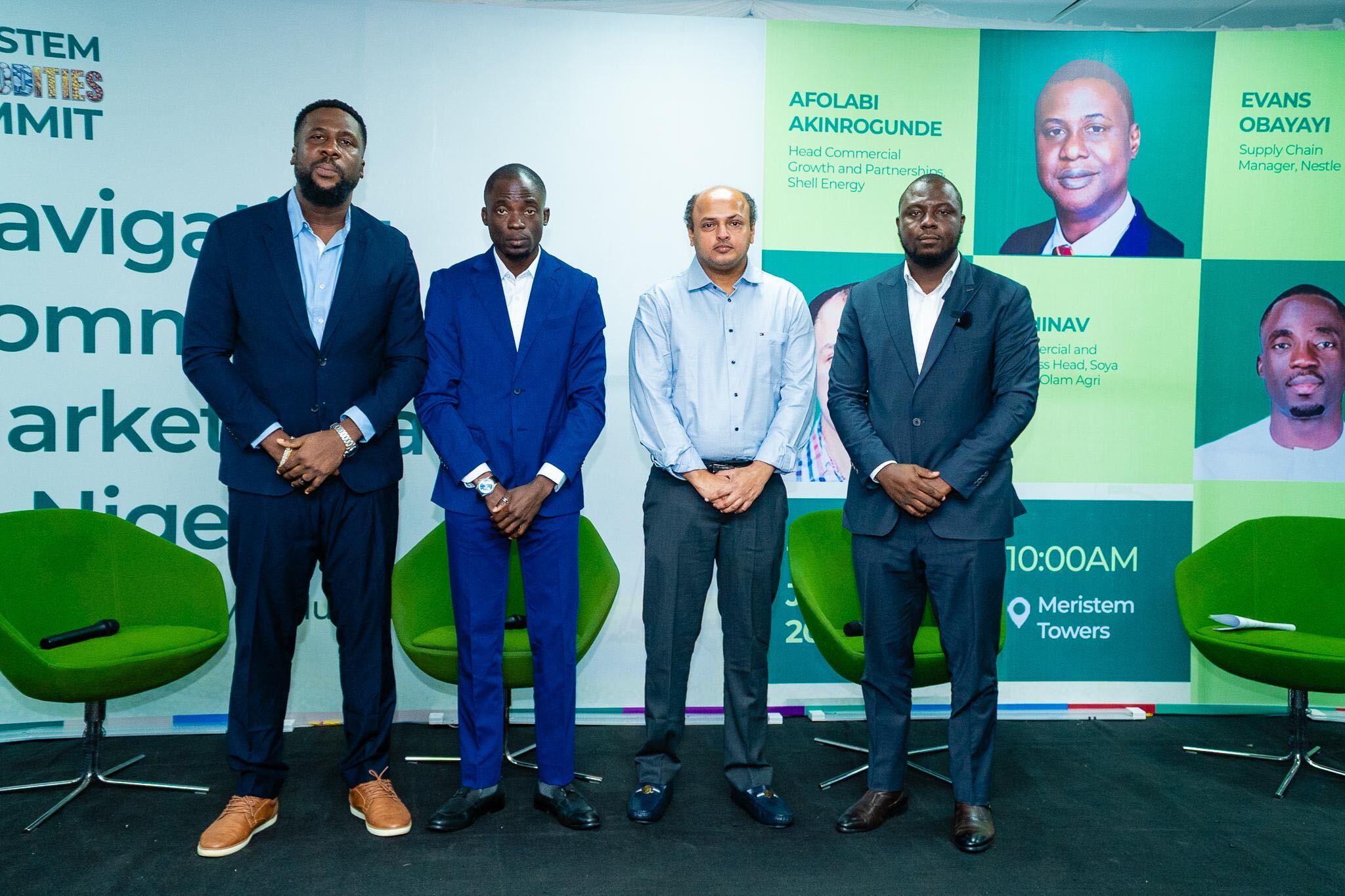
A panel session examined supply chain management and the operational hurdles facing fast-moving consumer goods companies. Evans Obayayi, Supply Chain Manager at Nestle Nigeria, emphasised the necessity of collaborative sourcing frameworks.
“What we would love to see more in this [FMCG] sector is partnership-based long-term relationships around infrastructure and processing,” Obayayi said.
Olaoluwa Bamigboye, Founder, Heirs and Heralds Agro-Allied Limited, discussed domestic processing bottlenecks during the panel.
“Importing bottlenecks and foreign exchange volatility are still affecting the standard [of processing in Nigeria]. The cost of production and energy in Nigeria is not cheap,” Bamigboye noted.
Abhinav, Commercial and Business Head of Soya Crush at Olam Agri, advised executives to “take the correct decision at the correct time.” Abhinav added that traders and policymakers need to be balanced to ensure price stability.
During the second panel session focusing on industrial energy costs, Mide Popoola, General Manager of Commercial at Decentralised Energy, highlighted export incentives.

“My first preference is to export, because there is scarcity of contracts in the domestic market,” Popoola said.
Afolabi Akinrogunde, Head of Commercial, Growth and Partnerships at Shell Energy, outlined alternative fuel options for manufacturing firms.
“If your business is one that is heavy, then do you need to [ask], ‘Is it going to be focused towards gas?’ [You need to know] how you can have the right mix based on the realities of your business,” Akinrogunde stated.
To conclude the summit, Meristem unveiled the structural parameters of the Meristem Commodities Fund to institutional investors.
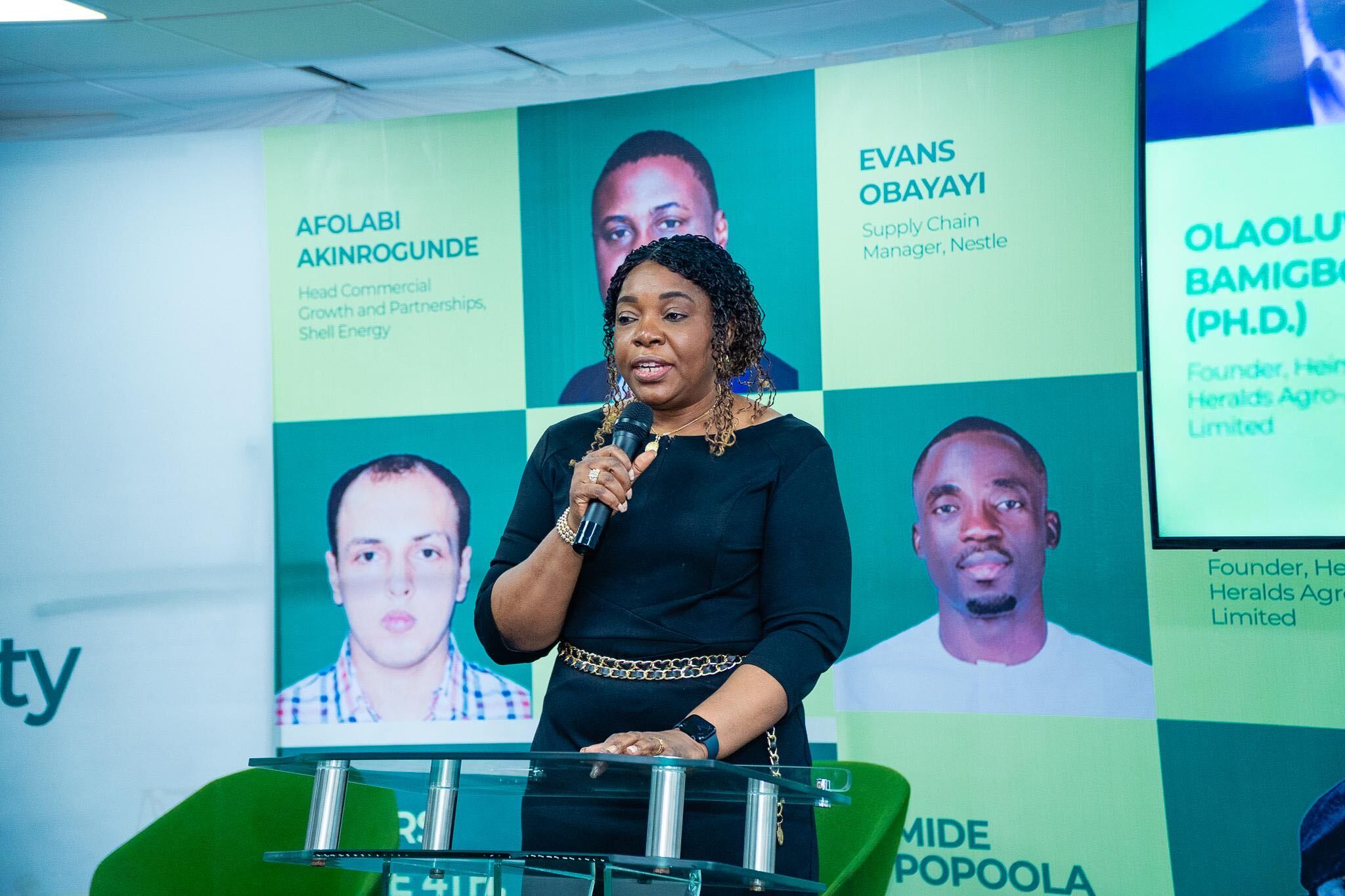
The specialised open-ended collective investment scheme has an initial offer size of ₦5 billion, consisting of 50 million units at ₦100 each, requiring a minimum investment of ₦5 million.

The portfolio invests in physical commodities, securitised commodities, commodity-linked money markets, and commodity-linked equities.
The initial offer period runs from the launch date until the end of July 2026, after which asset allocation will begin.