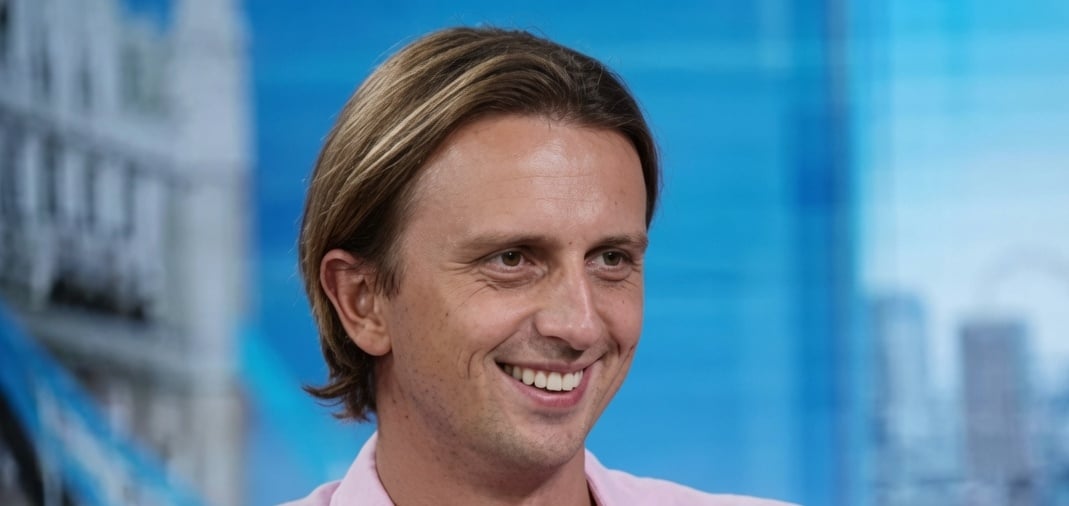
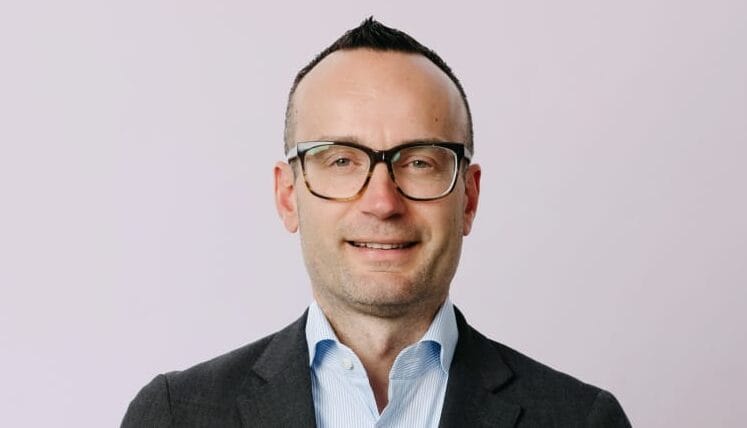
In an August 2026 essay, Max Cutler argues that Europe’s weakening productivity and competitiveness are not primarily a shortage-of-talent problem, but a failure to create the conditions for innovation to scale. He cites the Draghi Report’s finding that European labour productivity has fallen below 80% of the US level, while the gap in real per-capita disposable-income growth has widened since 2000. In his view, the consequences extend beyond economic performance: without substantially higher productivity, Europe will struggle to fund social services, decarbonisation and its own security.
Cutler focuses on the way capital is allocated within European technology. He contrasts the ecosystem’s roots in the consumer internet and e-commerce, particularly the copycat and exit model associated with Rocket Internet, with the deeper challenge of commercialising frontier technologies that can improve productivity. He notes that early-stage funds including Cherry Ventures, HV Capital and Project A have evolved beyond that initial focus, while questioning whether the incumbent model has yet produced enough companies that materially increase European dynamism, productivity and competitiveness. He also argues that wealth creation in European tech remains unusually concentrated among a small group of investors and executives, with employees receiving less meaningful upside through stock compensation, IPOs and acquisitions than their US counterparts.
His proposed response is a new cross-border financing architecture. Cutler points to the Draghi Report’s estimate that Europe may need almost $1T of additional investment, equivalent to roughly 5 percentage points of GDP, to preserve living standards while addressing competitiveness, energy and security. He suggests channelling a small share of America’s abundant corporate and investment capital through European fund-of-funds, which could identify emerging managers with genuine deep-tech expertise, connect them to US capital and give them mandates explicitly tied to European prosperity. In this model, fund-of-funds managers would not only allocate capital but also explain why financing strategically important European technologies serves both financial and geopolitical interests.
Read more: Max Cutler’s Substack essay