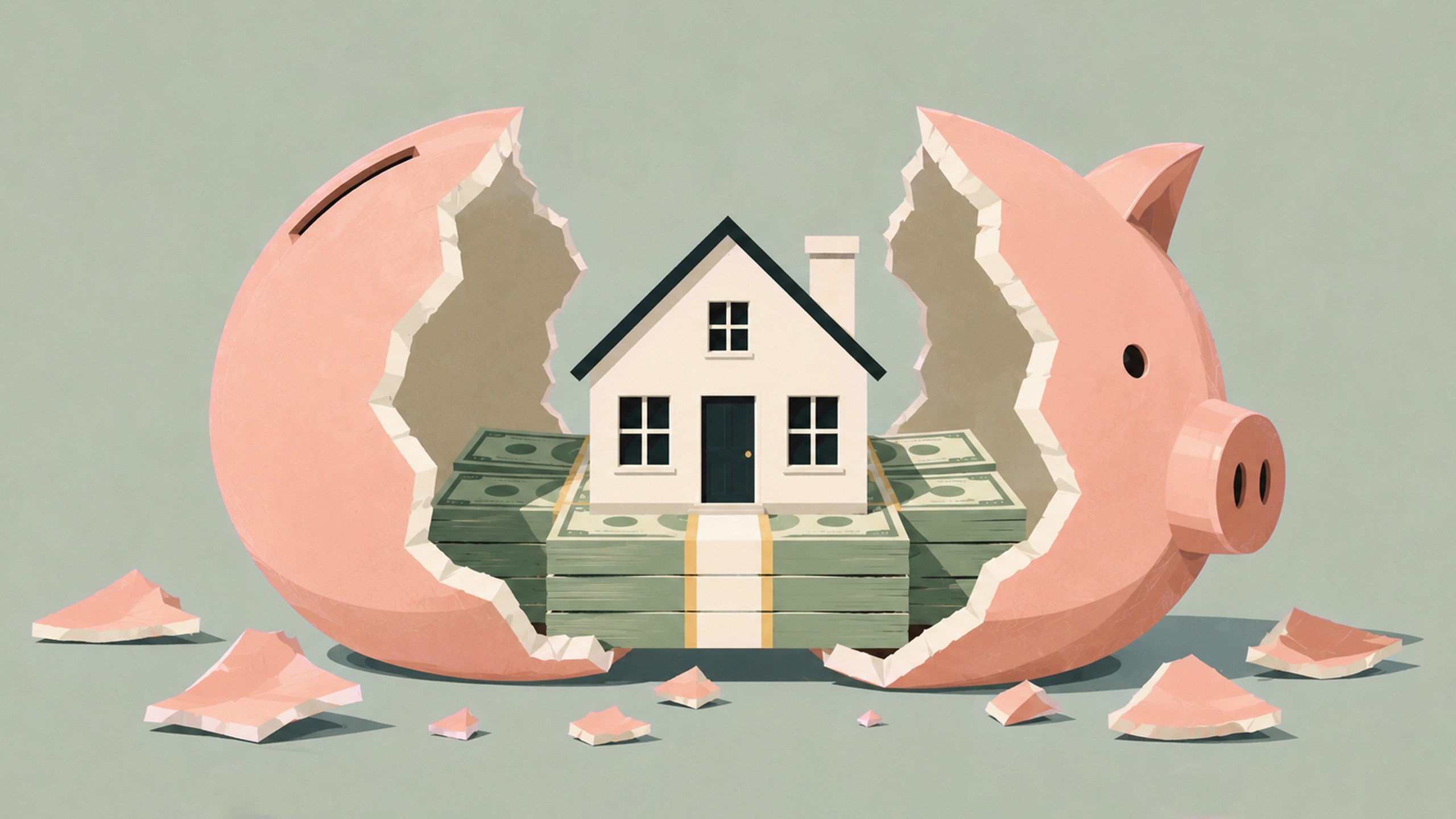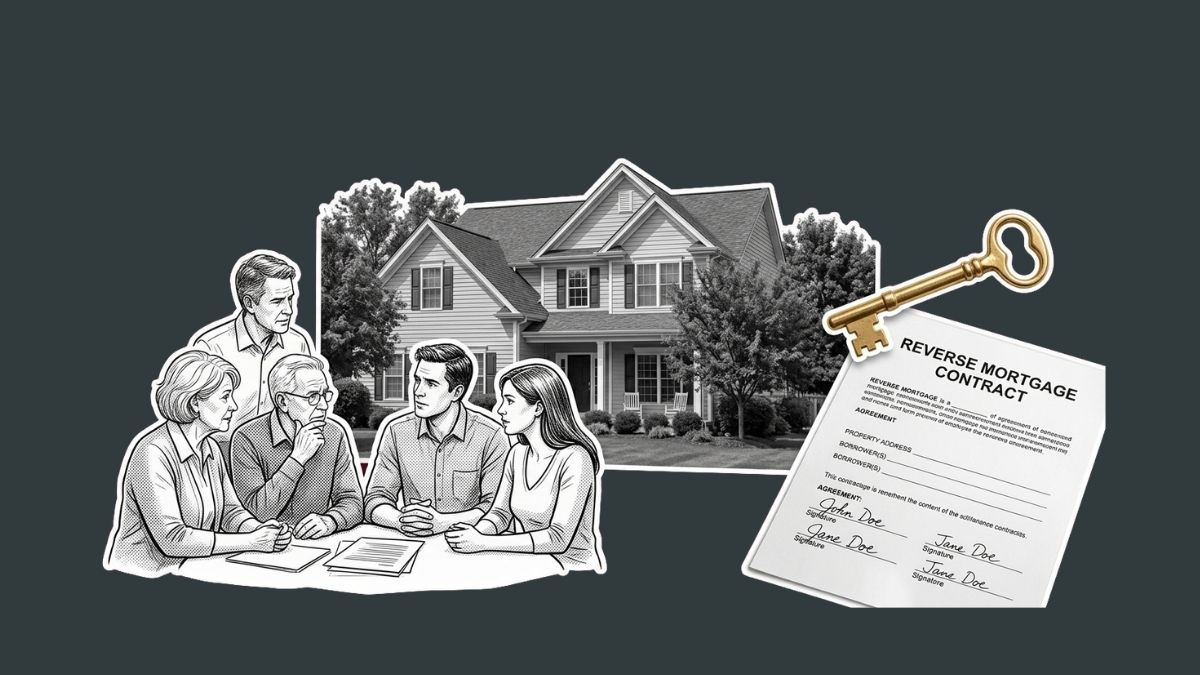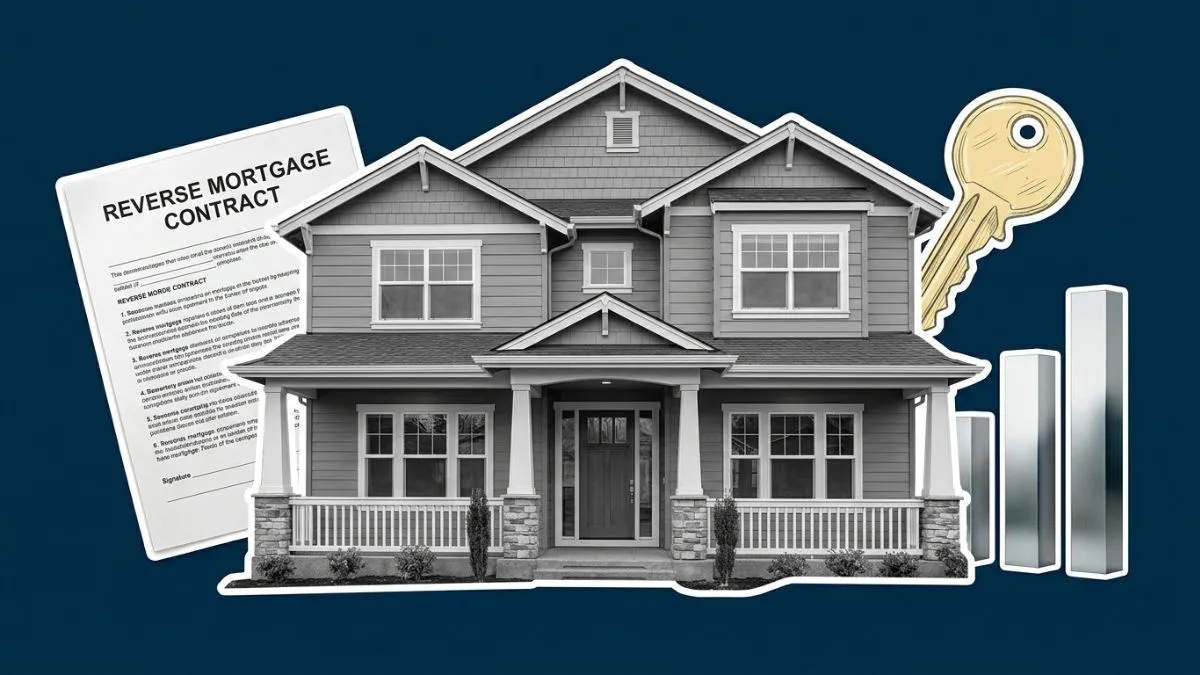
A reverse Mortgage is a type of Loan secured against a home that allows older Australians to access some of the Equity in the property without selling it. Unlike a standard home loan, the borrower is not required to make regular repayments while they live in the property. Instead, the loan and accumulated interest are typically repaid when the borrower moves permanently, sells the property or dies.
Reverse mortgages in Australia are regulated under the National Consumer Credit Protection Act. Australian law requires reverse mortgages to include a no-negative-equity guarantee, meaning the borrower (or their estate) will not owe more than the sale proceeds of the home, regardless of how much interest has accrued.
Reverse mortgages can be structured to provide a lump sum, a regular income, a line of credit or a combination of these. They are offered by certain banks and specialist lenders, although the number of providers has changed over time.
Reverse Mortgage Structure
The borrower applies for a reverse mortgage against their home. The lender assesses the borrower’s age, the value of the property, the requested loan amount and other factors. Maximum loan amounts are typically based on a percentage of the home’s value, with older borrowers usually able to access larger amounts.
Once the loan is approved, the borrower receives the funds in the chosen form. Interest accrues on the loan and is added to the loan balance, compounding over time. The borrower does not have to make repayments while living in the property, although they can make voluntary repayments at any time.
The loan becomes repayable when the borrower permanently moves out of the property (for example, to aged care), sells the property or dies. The home is typically sold to repay the loan, with any remaining equity returned to the borrower or estate.
Common Reverse Mortgage Users
Reverse mortgages are commonly used by:
- Older Australians who want to remain in their home but need additional funds
- Retirees who are ‘asset rich, cash poor’ due to home equity but limited income
- Borrowers funding home renovations or accessibility improvements
- Retirees covering medical expenses, aged care deposits or other one-off costs
- Older Australians supplementing the Age Pension or super income
Reverse mortgages are generally considered after other Options such as downsizing, super drawdowns and the Home Equity Access Scheme have been explored.
What Reverse Mortgages Offer
- Loan secured against the home, with no required repayments while the borrower lives there
- Funds available as lump sum, income, line of credit or combination
- Interest accrues on the loan and is added to the balance
- No-negative-equity guarantee required under Australian law
- Loan repaid when borrower moves out permanently, sells or dies
- Maximum loan amount depends on age and property value
- Regulated under the National Consumer Credit Protection Act
Why Some Retirees Use Them
Reverse mortgages can offer several potential benefits when used carefully.
Staying in the home is the primary attraction. Borrowers can access funds without needing to sell or move, supporting continuity of lifestyle, neighbourhood and community.
Flexibility in payment form allows borrowers to receive funds as needed, whether for a one-off cost, ongoing income or as a reserve for future needs.
No regular repayments are required while the borrower lives in the home, freeing up Cash Flow.
The no-negative-equity guarantee provides important consumer protection, limiting the borrower’s Liability to the home’s sale value.
Reverse Mortgage Risks
Reverse mortgages have significant risks and trade-offs that should be carefully considered.
- Interest compounding can substantially reduce the equity available for inheritance or future use
- Borrowing too much early can leave little equity for later needs such as aged care
- Centrelink assessments may be affected depending on how funds are used
- Family relationships can be strained where beneficiaries expect significant inheritance
- Property value changes can affect the relative impact of the loan
- Provider availability and product features can change over time
Tax and Compliance
Funds received from a reverse mortgage are generally not treated as income for tax or social security purposes, since they are loan proceeds. However, how the funds are used after receipt can affect Centrelink means tests, particularly if held as cash, invested or used to purchase non-exempt Assets.
Interest on a reverse mortgage is not generally tax-deductible, as the loan is for personal purposes.
Reverse mortgages must comply with the National Consumer Credit Protection Act, including the no-negative-equity guarantee and responsible lending obligations. Lenders are required to provide projections of the loan balance under various scenarios to help borrowers understand long-term impacts.
Reverse Mortgages in Retirement
Reverse mortgages can play a role in Retirement Planning, particularly for retirees who want to stay in their home and need additional Liquidity. They are generally most effective when used selectively for specific purposes rather than as the main source of retirement income.
Decisions should consider the long-term impact on equity, the alternatives (such as downsizing or HEAS), and the implications for family and estate planning. Discussions with family members can help avoid future misunderstandings.
Professional advice is particularly important, given the complexity of reverse mortgages and their long-term financial implications.
Common Pitfalls
- Borrowing more than necessary, leading to higher long-term cost
- Underestimating how compounding interest reduces equity
- Failing to consider alternatives such as downsizing or HEAS
- Not discussing the strategy with family members and beneficiaries
- Overlooking the impact on aged care affordability later in retirement
- Choosing a product without comparing offers and obtaining advice