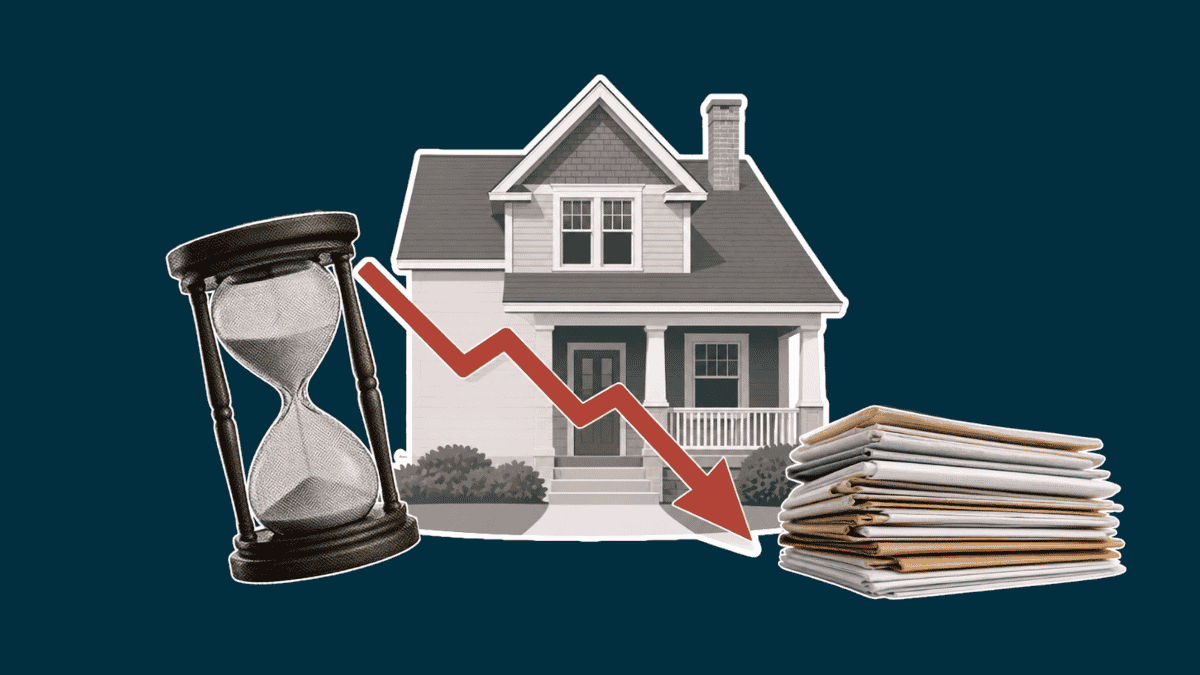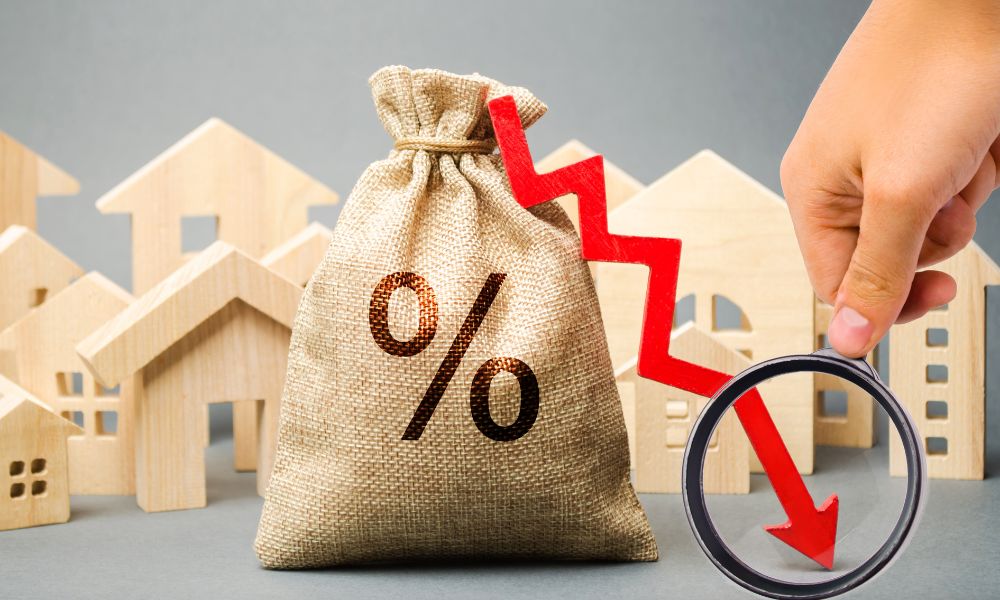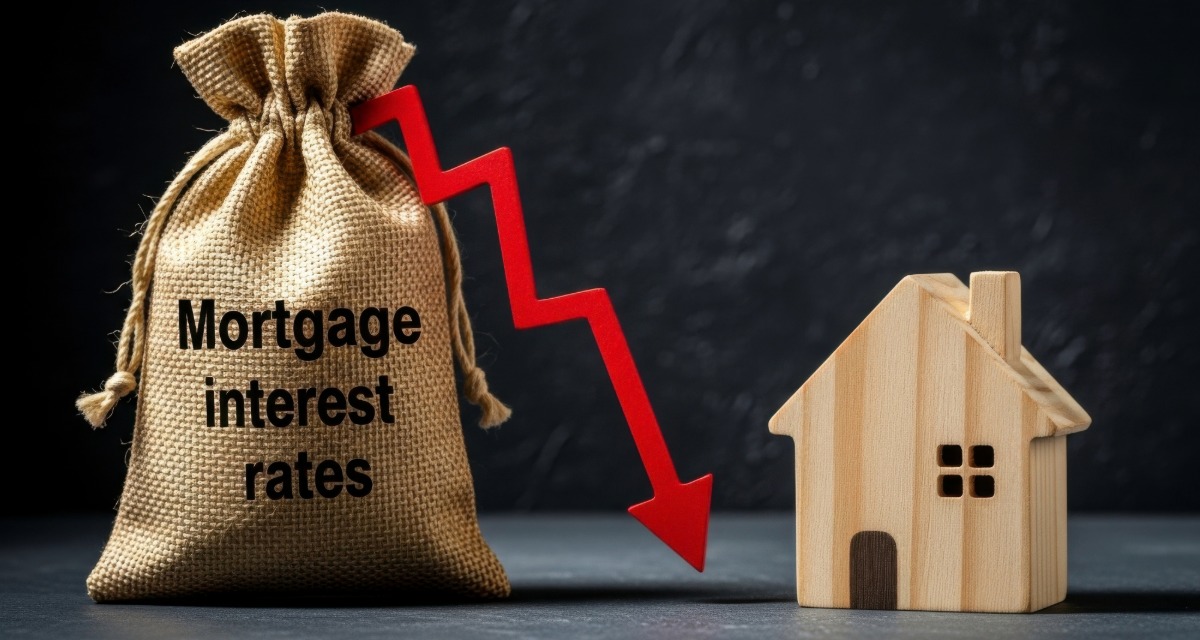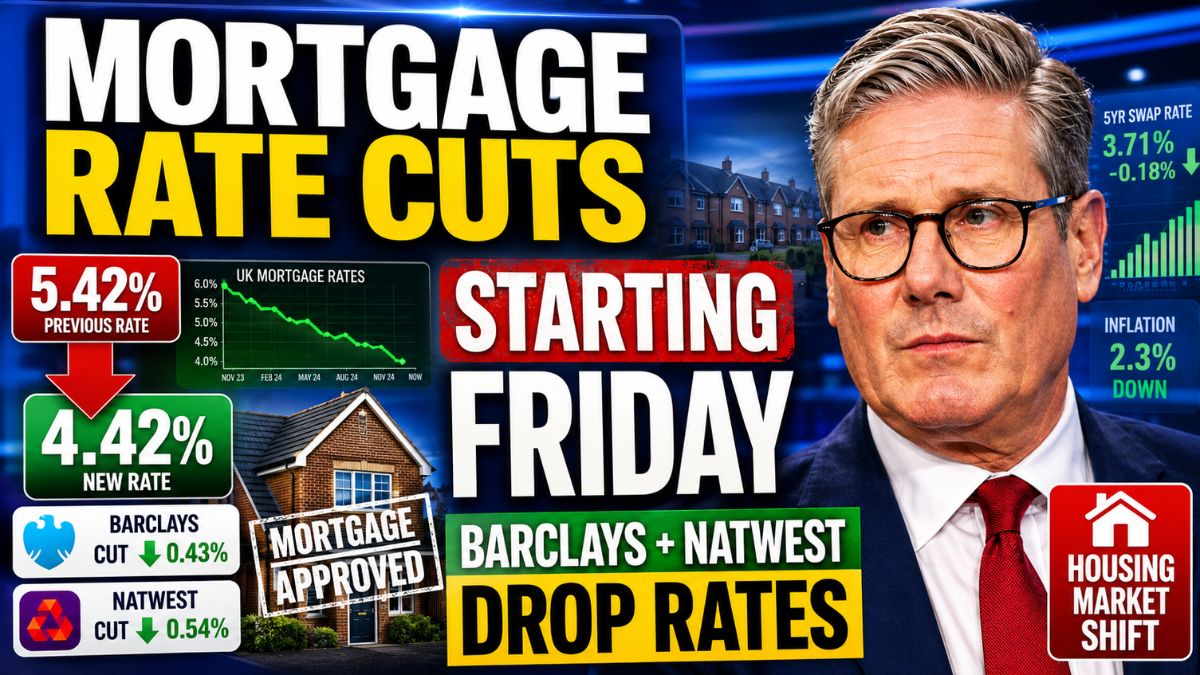
A typical mortgage increased by 0.12% from 5.47% in July to 5.59% at the start of August according to Moneyfacts, as the conflict in the Middle East reignited, pushing up the cost of mortgages for lenders.
2026 has been a year of volatility for mortgage rates so far, with the US attacks on Iran in March sending prices soaring by 1% in the space of a month.
When a ceasefire was announced, mortgage rates gradually started falling. But the recent resurgence of strikes in the Middle East have fuelled fears of inflationary pressure, sending mortgage rates back up again.
The Moneyfacts Average New Mortgage Rate was last below 5% in March 2026.
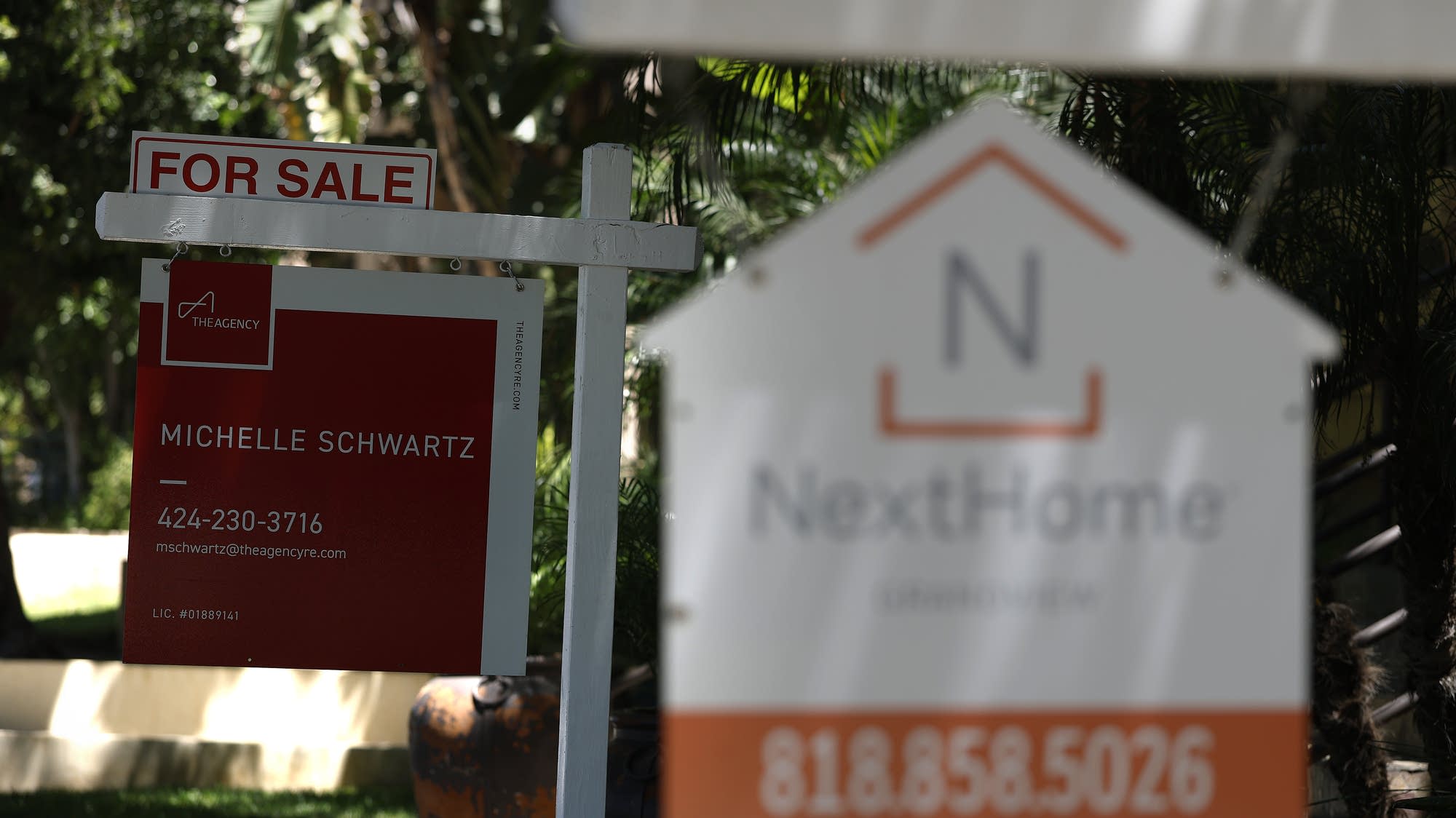
This hike in mortgage rates has also affected the property market. Although the summer is traditionally a quieter time for home purchases, data out from Lloyds on Friday revealed house prices had inched up by just 0.1% over the past year. In July, values flatlined.
Meanwhile, according to reports from the Newspage Agency last week, mortgage brokers have been experiencing a ‘quieter-than-usual’ summer for the housing market. Many buyers and sellers, they said, were ‘pressing pause’ as mortgage rates continue to swing up and down.
Rachel Springall, finance expert at Moneyfacts, warned of higher interest rates to come. “Lenders were somewhat forced to U-turn on fixed rate cuts in July, knocking back the short-lived progress of three consecutive months of reductions to the average two- and five-year fixed rates,” she said.
Springall added: “Persistent concerns over the future outlook of interest rates led to swap rate volatility, driven by unrest in the Middle East.
“The prolonged conflict has driven up oil and energy prices, raising inflationary fears which could in turn lead to future Base Rate increases by the Bank of England.”
Moneyfacts data also showed mortgage deals are not hanging around on the market for long, meaning borrowers have a shorter timeframe to grab suitable products.
For this reason, Springall advised those buying homes and remortgaging to seek support from a mortgage broker. “The limited timeframe makes it ever more essential to seek advice early, particularly those who are due to remortgage this year,” she explained.
“Borrowers could choose to refinance with their existing lender for ease, but it’s always wise to shop around first to get a sense of the new rates on offer, particularly if coming off a low-rate deal.
“According to the Bank of England, 750,000 households with a fixed rate set to expire in 2026 are currently paying rates below 3% and are expected to face an average repayment increase of around £170 per month. Waiting too long to secure a new deal could be an expensive mistake, as the average revert rate is above 7%.”