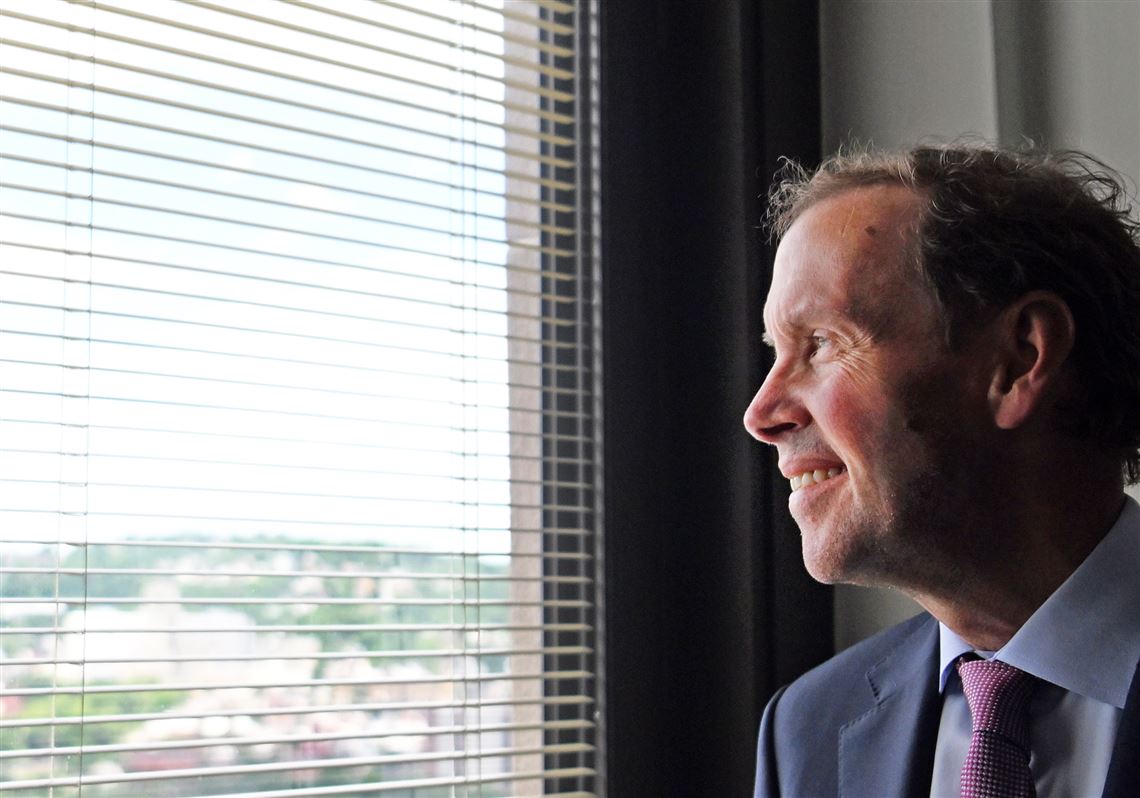
Portugal’s central bank governor, Álvaro Santos Pereira, has warned that the country’s mortgage lending market could be getting out of hand and has warned banks they need to tighten up their criteria.
The warning comes as the governor of the Bank of Portugal seeks to avoid the spectre of the sub-prime mortgage lending crisis that affected the United States over 15 years ago when banks and credit suppliers recklessly lent mortgages to people who simply didn’t have the financial means or stability to keep up with monthly payments.
In other words, as mortgage lending in Portugal reaches new record highs, there are fears that the country’s banks are once again getting too lax with their lending against a backdrop of greater international risk.
To avoid this scenario, the Governor of the Bank of Portugal is calling for stricter criteria for granting home loans, noting that while the rise in household indebtedness is currently small, it could grow in the face of a recession possibly triggered by intensifying geopolitical instability, the continued energy crisis, or a crisis in confidence in AI investment as investors flee AI tech company stocks.
Santos Pereira called for a national consensus on the housing crisis but made no comment on the public guarantee backing mortgages designed to support young people to get on the housing ladder.
Álvaro Santos Pereira states that the Bank of Portugal (BdP) cannot focus solely on the short term; therefore, although household default rates are currently low, they could rise in the future in the event of adverse shocks.
These factors underpin the tighter criteria for granting mortgage loans—set to take effect in August—regarding which the head of the banking supervisory authority was questioned this Thursday before the parliamentary committee on Budget, Finance, and Public Administration.
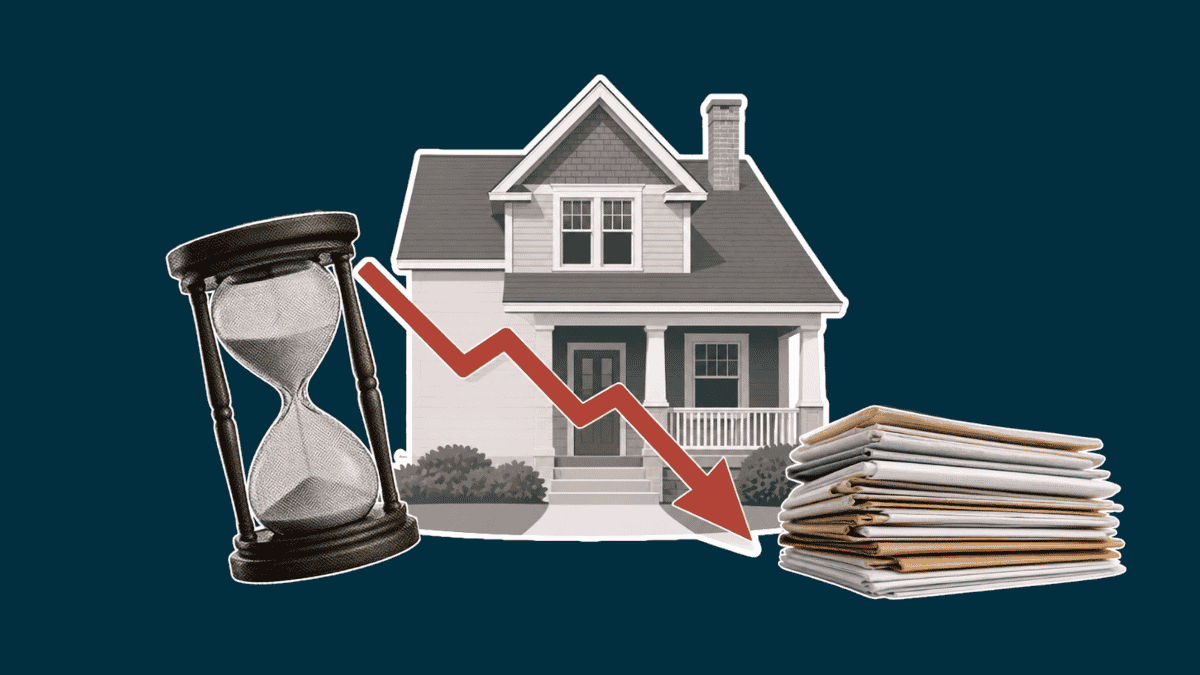
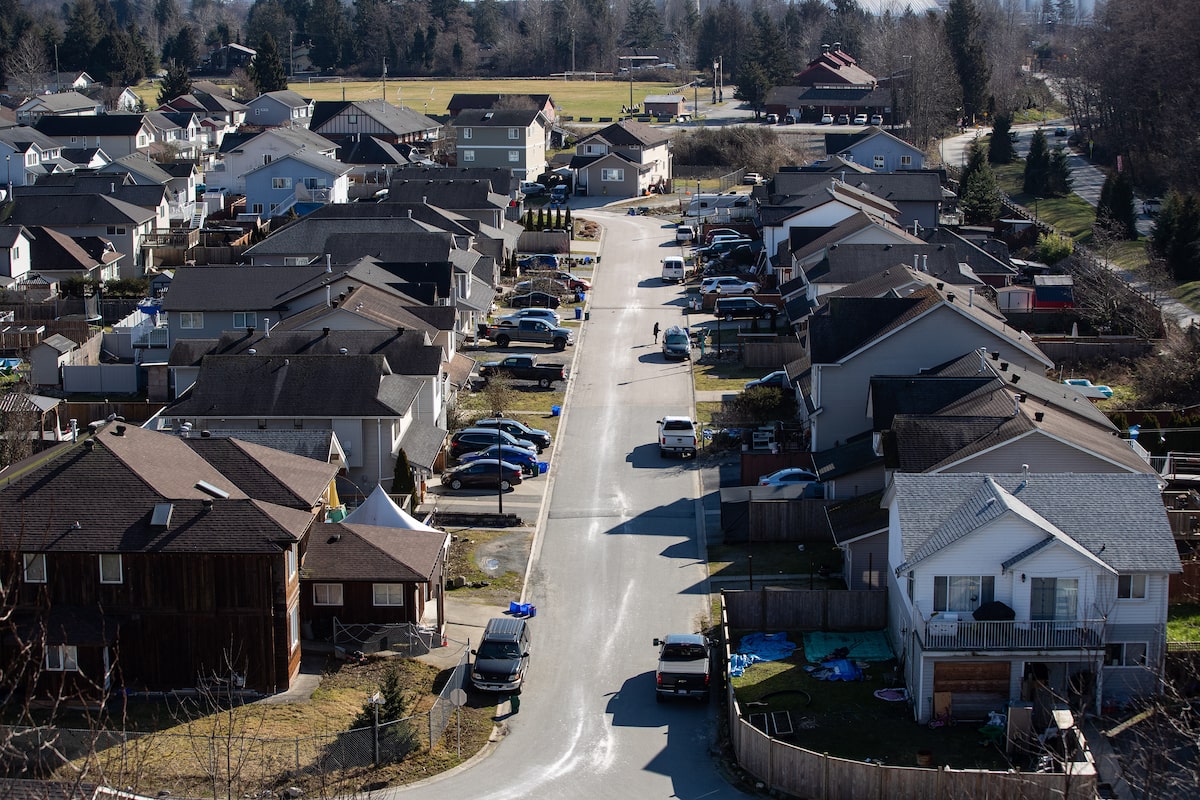
Mortgage lending in Portugal has hit record levels, surging to annual growth rates above 10% as bank assessments climb to peaks of over €2,200 per square metre.
To control borrower risk, the central bank has tightened rules, lowering maximum debt-to-income limits while average bank lending rates sit around 3.95%.
The problems could start with increases in Euribor rates — the rate European banks charge each other when lending which are a direct result of market turbulence sparked by the Middle East conflict.
The increase is already feeding through into higher mortgage repayments, following the first US and Israeli strikes on Iran and with the conflict heating up again, fears are that rates will rise accordingly.
“Before the day of the conflict, we were in a phase where the Euribor was even falling slightly, but there was clearly a reversal after the war began,” explains Nuno Rico, economist at DECO PROteste.
Source: Jornal de Negócios